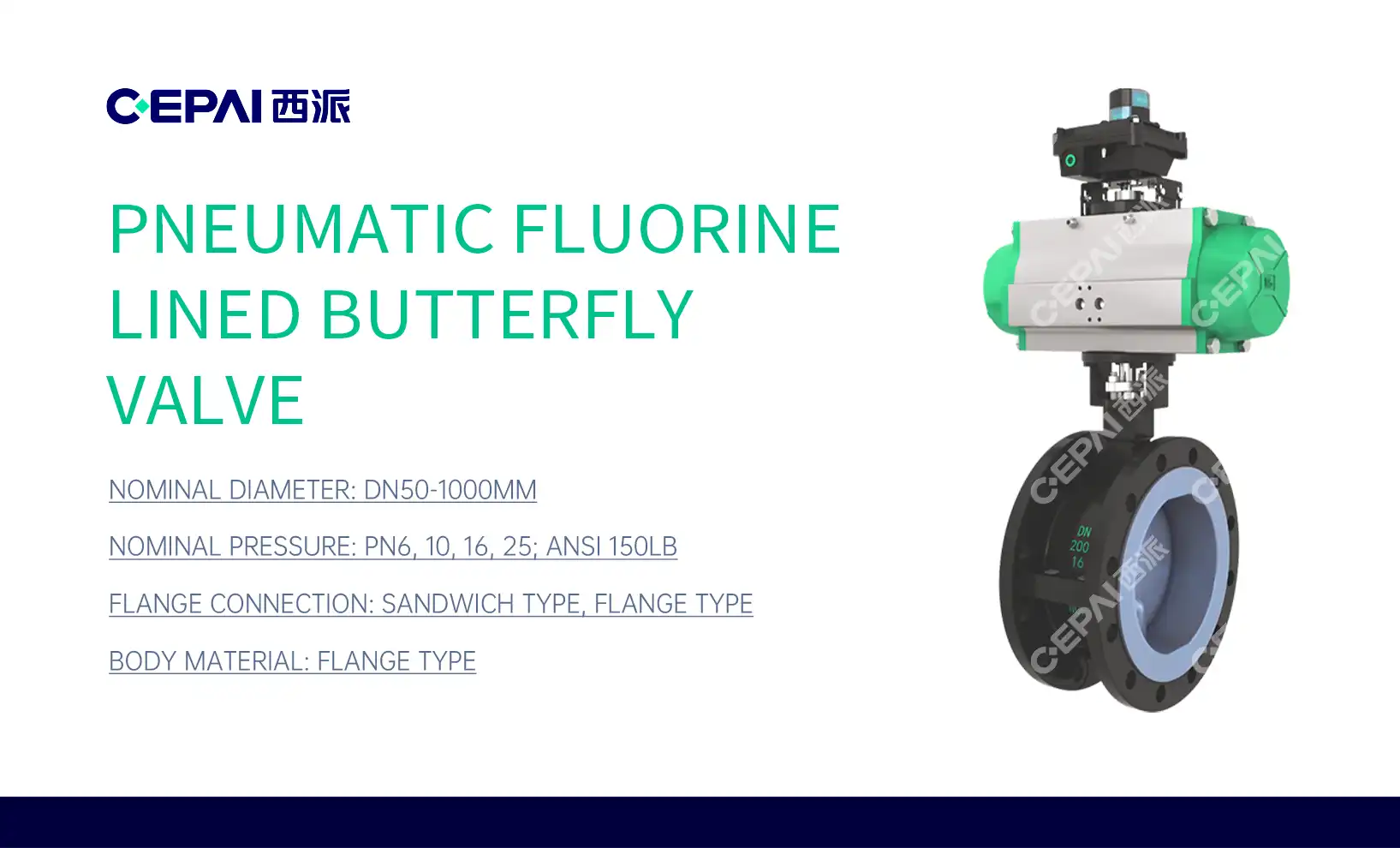
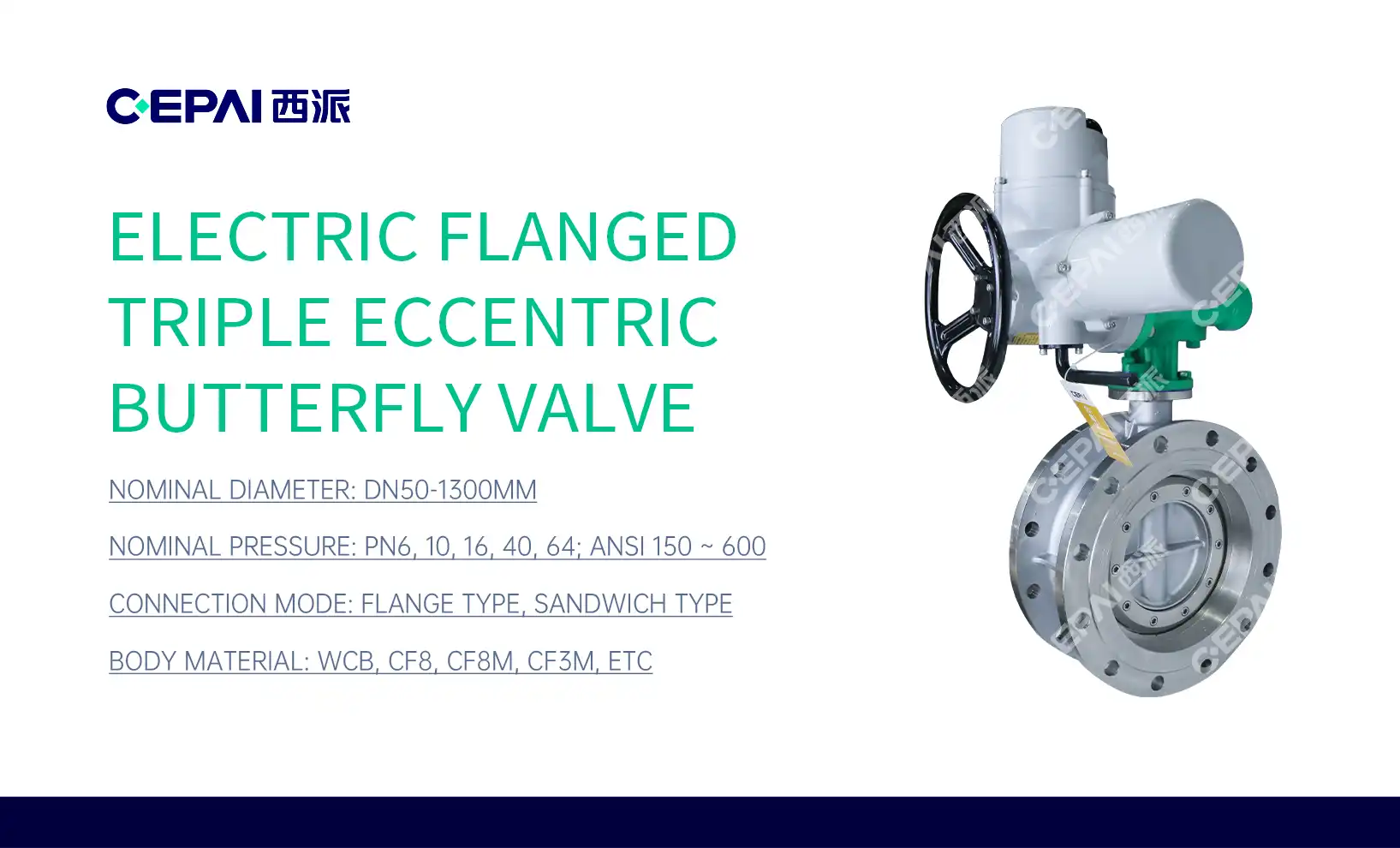
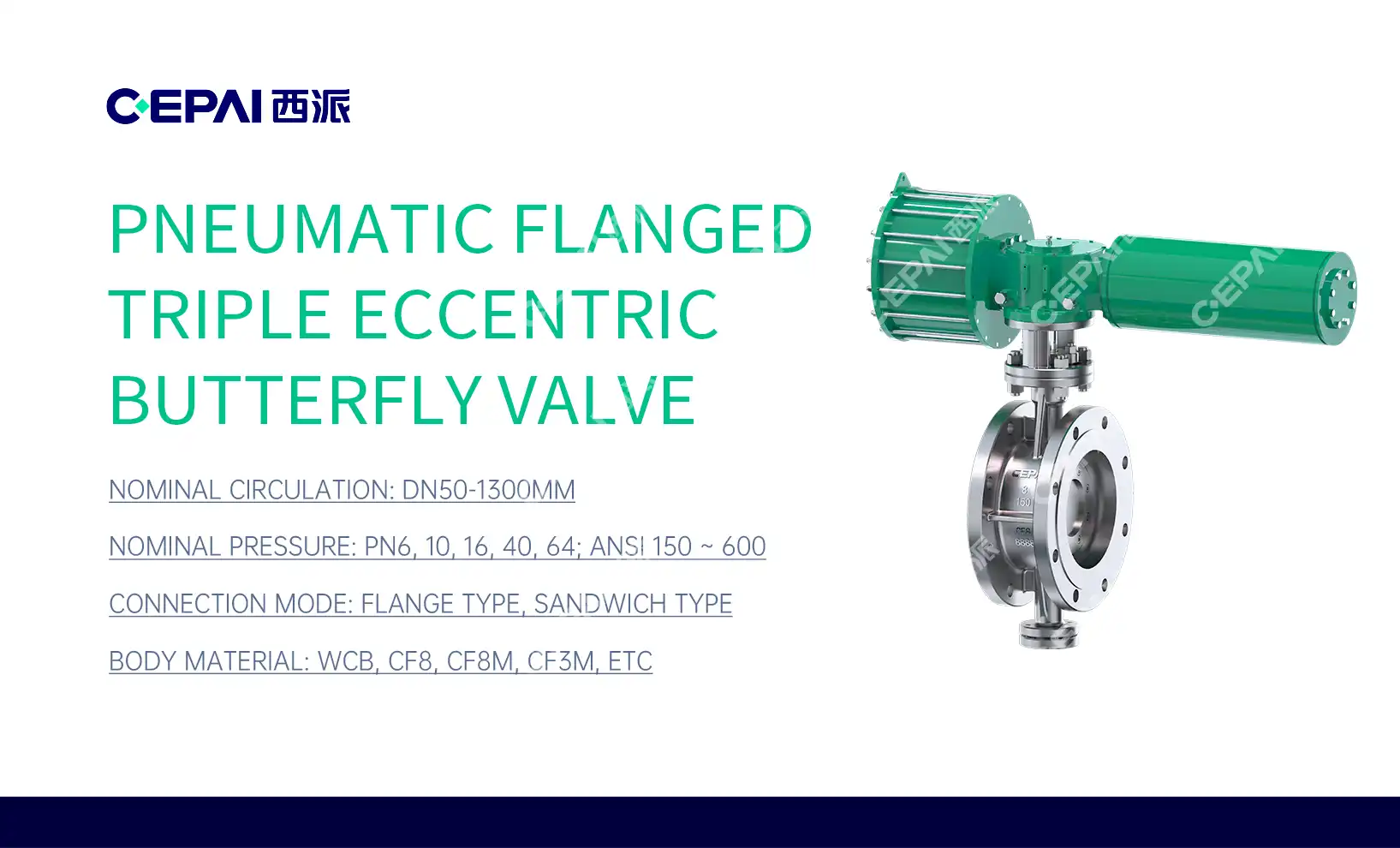
Pneumatic butterfly valves are very helpful in the operations of chemical plants because they respond quickly, are reliable even when they fail, and fight rust better than other options. These automatic flow control devices use compressed air to precisely control strong chemicals safely. Chemical processing plants are able to benefit from their small size, low-cost upkeep, and ability to work with plant automation systems. Pneumatic butterfly valves are very important for keeping process stability in tough industrial settings because of their strong construction and proven performance.

Understanding Pneumatic Butterfly Valves and Their Role in Chemical Plants
Chemical processing plants depend on very exact flow control systems to keep things running safely and smoothly. In these settings, pneumatic butterfly valves are very important because they use compressed air systems to move round, disc-shaped parts that control the flow and are placed on shafts that can spin.
Core Design and Construction Features
A circle disc is placed inside the valve body in the basic structure of pneumatic butterfly valves. This disc is linked to an external actuator through a center shaft. The actuator can either block or allow the flow of fluid as the disc turns when air pressure triggers the actuator. This simple mechanical design makes sure that it works even when chemical manufacturing conditions are tough.
Choosing the right material for the valve is very important for how well it works in chemical settings. When manufacturers want to keep things from breaking down, they usually use stainless steel types, specialized metals, or polymer-lined constructions. Actuator systems with spring-return designs are used for fail-safe operation, and double-acting setups are used for precise bidirectional control.
Integration with Process Control Systems
Today's chemical companies rely on very complex robotic systems to keep an eye on and run their production. Positioners, limit switches, and feedback devices that tell central control rooms the valve position and operating state allow pneumatic butterfly valves to work perfectly with these systems. This connection makes it possible for workers to keep the best process settings and quickly adapt to new circumstances.
Key Advantages of Pneumatic Butterfly Valves in Chemical Industry Settings
Chemical plant workers face problems that need special tools to be fixed. Pneumatic butterfly valves meet these needs with a number of convincing operating benefits that have a direct effect on safety, efficiency, and cost management.
Enhanced Safety and Reliability
Safety concerns are most important in the design of chemical plants, which makes valve dependability very important. Pneumatic operated butterfly valves have built-in fail-safe features because of spring-return systems that automatically put valves in safe positions when the air supply is cut off. This feature stops dangerous builds up or leaks of unsafe materials in emergencies.
These valves are made of materials that won't corrode, and they use strong closing systems that keep leaks from happening and shut off flow completely. Chemical plant workers are thankful for the quick response features that make it possible to cut off process lines right away when safety systems notice unusual conditions.
Operational Efficiency and Performance
In chemical manufacturing, how efficient the process is directly affects the cost and quality of the products. Pneumatic butterfly valves help businesses run smoothly by having a number of important performance features, such as:
Rapid Actuation Speed: When you use air instead of electricity, you get a faster reaction time, which makes it easier to quickly change the way you do something when the needs of the process change. This also lowers the amount of product that gets wasted when you switch between processes.
Precise Flow Control: Positioner technology that is more advanced makes it possible to control slowing very precisely. This keeps flow rates steady, which is important for chemical processes and meeting product specs.
Low Pressure Drop: The simple disc design keeps flow limits to a minimum, which uses less energy in pumping systems and keeps the process efficient.
Compact Installation: Because chemical companies don't have a lot of extra space, butterfly valves are better than heavier options like gate or globe valves since they are light and small.
These benefits make the plant more productive, and they also make operations easier, which helps keep processes stable.
Cost-Effectiveness and Maintenance Benefits
Every part of chemical plant activities is affected by the cost of doing business. Pneumatic butterfly valves are better than electrically operated ones when it comes to lifespan costs because they are cheaper and need less upkeep. The simple mechanical design reduces wear and tear on the parts and makes it easy to get to for regular checks and servicing.
Comparing Pneumatic Butterfly Valves with Alternative Valve Solutions
Choosing the right valve technology for chemical processing uses needs a lot of thought about how well it will work, how much it will cost, and what it needs to do.
Pneumatic vs. Electric Actuation
Pneumatic and electric action have a big effect on how well a valve works and how much it costs to run. While electric motors are useful in places that don't have a compressed air system, pneumatic systems are better for uses that need quick response times and fail-safe operation.
These tools use energy in very different ways. While they're moving, pneumatic actuators use air, but electric actuators might need to be powered all the time to keep their place. If a chemical company already has a compressed air system, they often think that using air tools is cheaper and easier than using other types of tools.
Butterfly Valves vs. Alternative Designs
In chemical uses, ball and gate valves are commonly used instead of butterfly valves. Ball valves are great at shutting off flow, but they usually cost more and need more room to be installed. When fully open, gate valves don't allow much pressure to drop. However, they can't control sliding, which is important for many chemical processes.
In uses that are used frequently, the quarter-turn operation of butterfly valves allows for faster switching than multi-turn options, which lowers wear and extends service life. This feature is especially useful in batch handling processes that are popular in the chemistry business.
Procurement and Customization: What Chemical Plant Buyers Need to Know
When choosing pneumatic butterfly valve options, chemical plant buying teams have to deal with a lot of tricky technical and business-related issues. Understanding the key things that affect performance and cost helps make sure that projects go well.
Supplier Selection and Quality Assurance
Working with well-known makers that offer full quality certifications makes sure that valve performance stays good over long periods of time. API, ASME, and ISO approval are all examples of licenses that show a maker is committed to the quality and safety standards that are important in chemical handling uses.
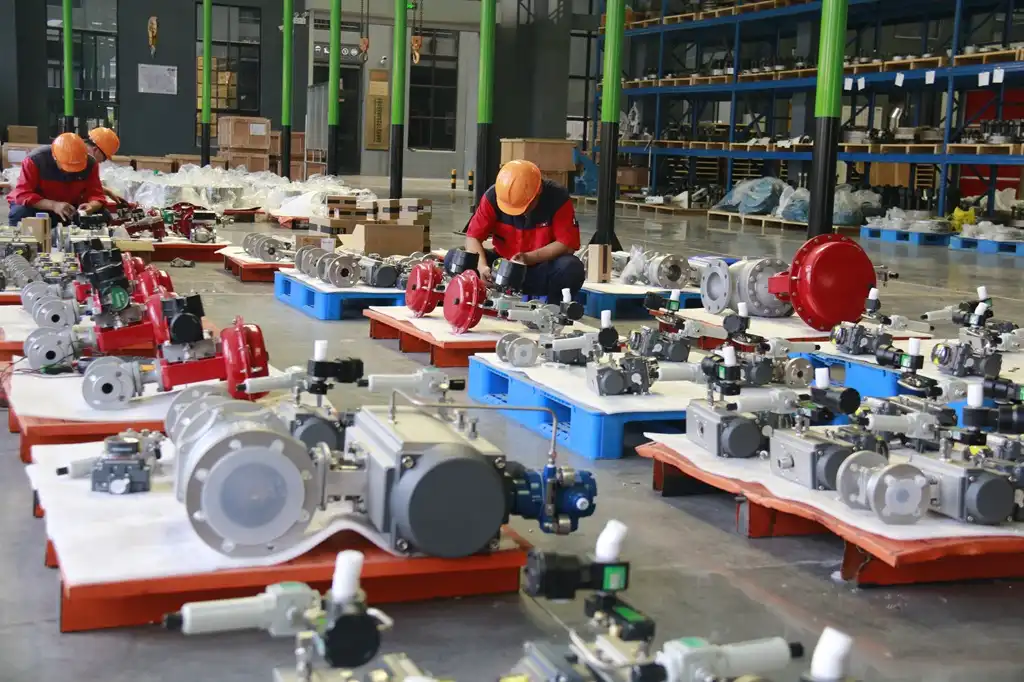
Customization, engineering support, and global supply chain management are all manufacturing services that affect project timelines and the long-term availability of parts. Buyers should look at providers based on how well they can help with technical issues and upkeep during the life of each valve.
Technical Specifications and Customization
In chemical processes, it's common to need valves set up in certain ways so they can deal with different circumstances. Key design factors are grades for pressure and temperature, how well the material works with other parts, movement requirements, and the needs of the control system.
If customization options are available, you can change to the needs of a certain process while keeping the standard part interfaces the way they are when possible. This method finds a balance between cutting costs and meeting performance needs. These are the key factors for making a chemical plant operate smoothly.
Best Practices for Maintenance and Troubleshooting in Chemical Plants
Good repair plans keep valves working well and prevent unexpected downtime that messes up the schedule for making chemicals.
Preventive Maintenance Programs
Scheduled repair should focus on places that are known to get a lot of wear, like closing systems, actuation parts, and control interfaces. Regular review procedures help find problems before they affect safety or the ability to keep working.
In chemical settings, parts can break down faster because of rust or chemical attack. Maintenance plans need to take these things into account by setting suitable check times and replacement part specs that are in line with process media.
Diagnostic and Troubleshooting Techniques
Today's monitoring tools let repair teams check on the state of valves without having to stop the process. Vibration analysis, thermal imaging, and performance tracking tools can let you know early when problems are starting to happen.
Common problems that need to be fixed are issues with the actuator, the sealing system gets worse, and the control system interface. Systematic testing methods help maintenance teams quickly find the root causes of problems and fix them in the right way.
Conclusion
Pneumatic butterfly valves give chemical plants a safe, cheap, and reliable way to control flow that makes the whole place more efficient. They are perfect for tough chemical processing settings because they can be quickly deployed, are built to never fail, and are immune to rust. The mix of exact control, small construction needs, and less need for upkeep gives measured value over long service periods. Pneumatic butterfly valve technology is a proven option for chemical plant workers looking for better process control and increased safety.
FAQs
How does a pneumatic butterfly valve make chemical plants safer?
Pneumatic butterfly valves are safer because they are made of materials that don't corrode or leak, have a spring-return mechanism that automatically puts the valve in a safe position if the air supply fails, and can quickly respond to dangerous changes in conditions so that the valve can be shut off quickly.
What factors should be considered when choosing between pneumatic and electric butterfly valves?
Think about how quickly you need to respond, what services are available (compressed air vs. electrical power), if you need to be fail-safe, what the world is like, how much energy is used, and how hard it is to maintain. Pneumatic systems are great where quick action and fail-safe operation are important.
Can pneumatic butterfly valves be customized for unique chemical processing demands?
Yes, makers offer a lot of customization, such as plant automation system integration, specialized materials for acidic media, different actuation setups for various control needs, and custom size for specific flow conditions.
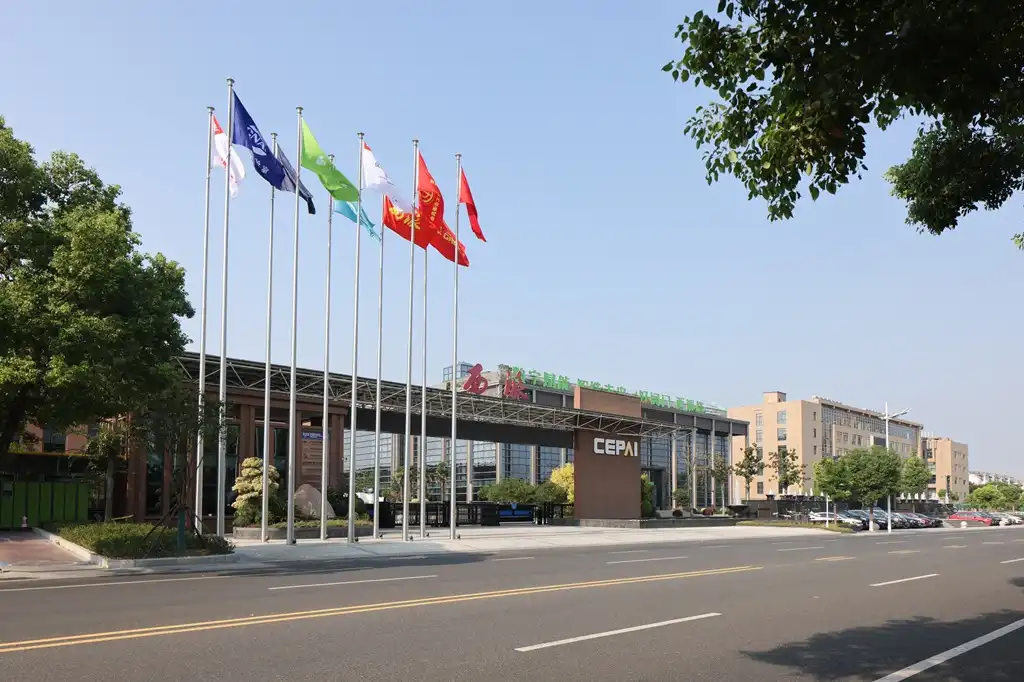
Partner with CEPAI for Premium Pneumatic Butterfly Valve Solutions
For tough chemical plant uses, CEPAI makes the best pneumatic butterfly valve technology in the world. We can do a lot of different things in production, like making API-certified designs, corrosion-resistant materials, and changeable actuator settings that will work with your specific processes. We make oil and gas tools that you can count on to work well for a long time, and our foreign quality certifications - API Q1, ISO 9001, and CE - prove our experience in the field.
Our expert team helps with all engineering needs, from setting clear specifications to installation and ongoing upkeep. No matter if you need standard setups or custom pneumatic butterfly valve solutions, CEPAI's ability to make a wide range of products and global supply chain will give your business the quality and service it needs. To talk about your exact needs and see why top chemical plants around the world trust CEPAI as their go-to provider of pneumatic butterfly valves, email us at cepai@cepai.com.
References
Smith, J.R., "Industrial Valve Technology and Applications in Chemical Processing," Chemical Engineering Press, 2023.
Anderson, M.K., "Pneumatic Actuation Systems for Process Control," Automation Technology Journal, Vol. 45, 2022.
Thompson, L.A., "Safety Systems and Fail-Safe Design in Chemical Plant Operations," Process Safety Institute, 2023.
Williams, D.C., "Corrosion Resistance in Chemical Processing Equipment," Materials Engineering Quarterly, 2022.
Johnson, P.E., "Flow Control Optimization in Chemical Manufacturing," Industrial Process Review, 2023.
Davis, R.M., "Maintenance Strategies for Critical Process Equipment," Plant Engineering Magazine, 2022.