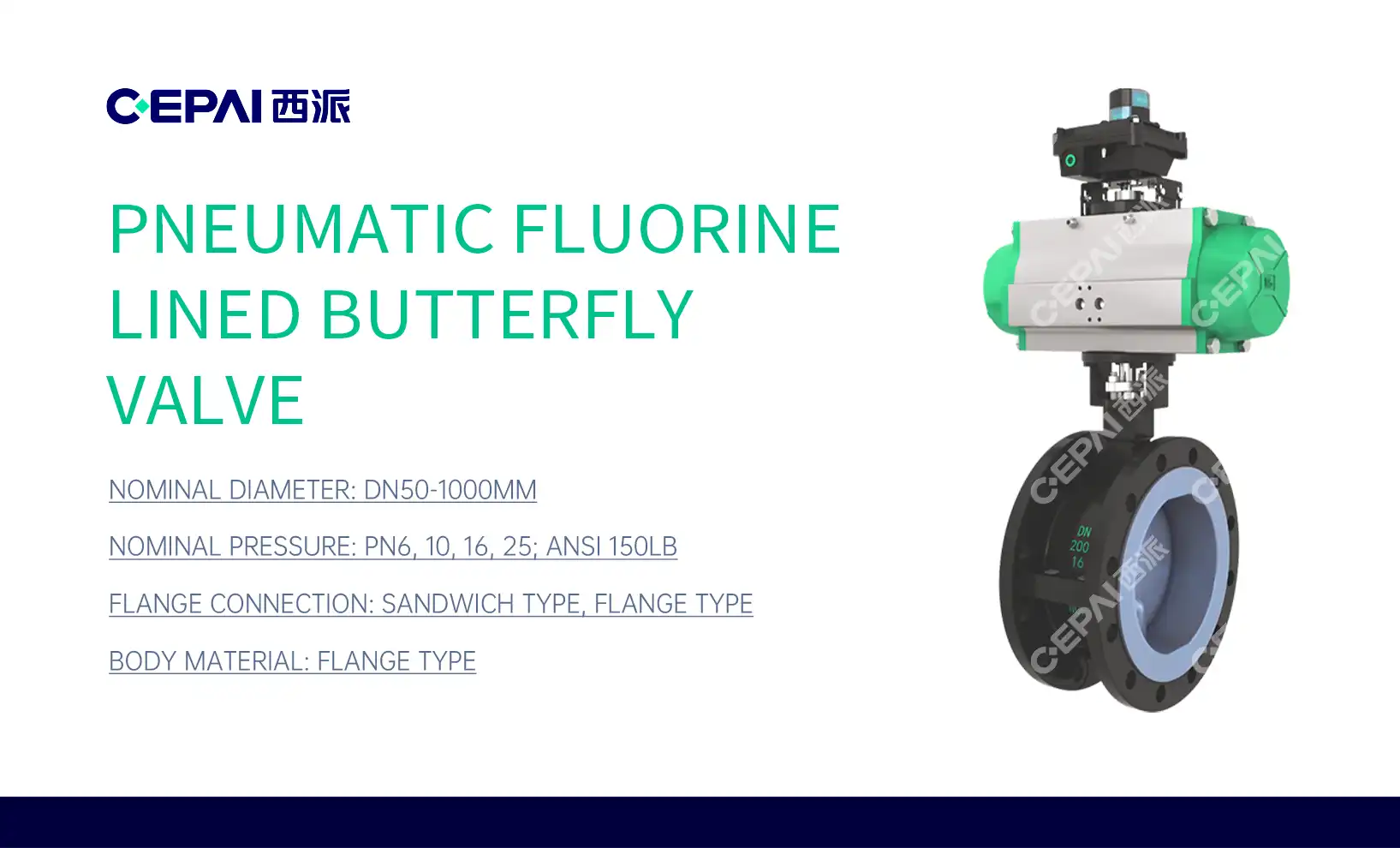
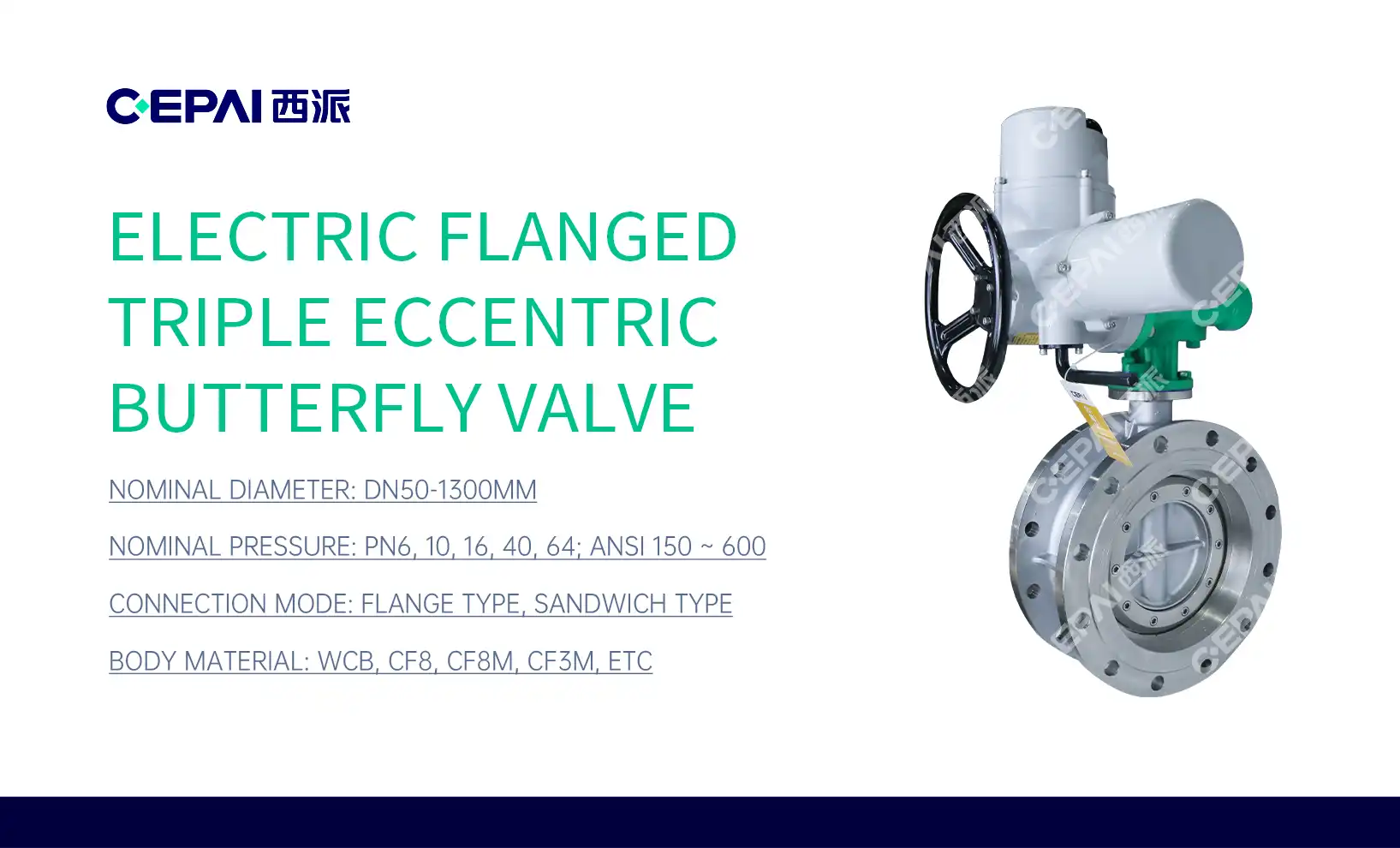
In HVAC and water treatment systems, an electric butterfly valve controls the flow of fluid by using a powered actuator system that turns a disc inside the valve body. Actuators receive electrical messages from control systems that allow them to move the disc to exactly the right position and angle. This helps manage the temperature, pressure, and flow rate. Because they can be automated, electric butterfly valves are necessary for modern industrial systems that need dependable, remote-controlled fluid management without having to do it by hand.
This all-inclusive guide goes over how very important these valves are for making sure that systems work well in a variety of workplace settings. Procurement workers and engineers can make good choices that improve automation and energy economy when they know how these systems work and what benefits they offer. As the need for smart control systems grows, knowing the basics of electric butterfly valve technology helps people make smart buying choices and use the technology correctly in tough industrial settings.
Understanding the Electric Butterfly Valve: Operation Principles and Key Components
Core Operation Mechanisms
Electric butterfly valves use simple mechanics and modern electrical control to get very exact fluid regulation. The main function is based on a circle disc that is attached to a tube that can turn inside the valve body. When the electric actuator gets control signals, it turns the disc to set angles. This makes holes with different flow sizes that match the flow rates and pressure needs of the system.
The motor in the actuator turns electrical energy into spinning action. It can usually rotate 90 degrees, which is enough to fully open or close the actuator. Advanced models have control that lets you change the position between fully open and closed states. This gives you detailed control over flow, which is important for high-tech HVAC temperature management and improving water treatment processes.
Essential Component Analysis
Understanding the key parts shows how these valves do a good job in uses that need a lot from them. The valve body holds all of the valve's inner parts and links to pipeline systems with flanged, threaded, or bonded connections. Choosing the body's material usually means picking stainless steel, carbon steel, or specialty metals based on how well they work with the fluid and the surroundings.
The flow and pressure drop across the valve are greatly affected by the disc shape. Today's discs have sleek shapes that reduce noise and increase flow capacity. Sealing systems use durable seats made of EPDM, Viton, or metal to make sure they don't leak, even when the temperature and pressure change.
Electric motors have built-in control circuits, position feedback sensors, and communication links that make them the smart part of the system. These motors offer stable positioning accuracy, precise power output, and the ability to work with building management systems or remote control systems that are often used in industrial settings.
Advantages of Using Electric Butterfly Valves in HVAC and Water Treatment
Enhanced Energy Efficiency and Operational Cost Reduction
Electric butterfly valves save a lot of energy by controlling the flow smartly and getting rid of the energy waste that comes from operating the valve by hand or inefficiently. The system's exact placement feature lets it avoid overcirculation and keep ideal flow rates. This saves energy and money for pump operation. Automated control means that valves don't have to be changed by hand anymore. This saves money and lowers the risk of making mistakes.
When you integrate with building management systems, you can schedule, optimize setpoints, and use demand-responsive control methods, which all help to further improve energy economy. These skills come in especially handy for big HVAC systems where several valves work together to keep people comfortable and save energy.
Superior Process Control and System Reliability
The accuracy of electric actuators makes the process much more stable, which is very important for keeping the HVAC system's performance uniform and for managing the quality of water treatment. Electric butterfly valves keep reliable positioning accuracy within 1-2% of full motion, unlike manual valves that suffer from uneven positioning and human error.
Materials and finishes that prevent corrosion help equipment last longer in tough situations like high pressure, extreme temperatures, and exposure to chemicals. The strong construction lessens the need for upkeep and provides dependable operation that lowers unexpected downtime and the output loses that come with it.
Practical Applications and Sizing Guidelines for Electric Butterfly Valves
HVAC System Applications
In HVAC systems, electric butterfly valves are very important for controlling air handling units. They control the flow of air through the heating and cooling coils, damper systems, and ventilation circuits. These valves are used for zone control in both chilled and hot water systems. They keep the right temperature, which saves energy and keeps people comfortable by stopping the water from getting too hot or too cold.
Variable air volume systems use electric butterfly valves to change the amount of air that flows based on temperature needs and occupancy monitors. This improves the quality of the air inside while using less energy. Electric controllers can make quick changes to a system that can't be done with hand valves.
Water Treatment Plant Integration
Electric butterfly valves are used in water treatment plants for a variety of important tasks, such as controlling chemical dosing systems, isolating flow during repair, and managing garbage flow. The valves make it possible for automatic reactions to water quality factors. They change the rates of chemical injections and the flows of treatment process to keep the output quality the same.
Backwash control systems used in filtration must have valves that work properly so that cleaning cycles can be used to the fullest and filter media lasts longer. Electric butterfly valves give you exact time and flow control for efficient backwashing that doesn't waste water.
Proper Sizing and Selection Criteria
To get the right valve size, you need to carefully consider a lot of different factors, like line width, flow coefficients (Cv), pressure rates, and the needs of the application. The flow coefficient shows how well the valve can handle the flow rates that are needed while keeping the pressure drops across the system at a reasonable level.
To make sure that the system can count on its temperature and pressure ratings, they need to be higher than its maximum conditions with suitable safety gaps. Required power output, movement speed, and the ability of the control signal to work with the system already in place are all factors that go into actuator size.
Making an Informed Procurement Decision for Electric Butterfly Valves
Comprehensive Evaluation Methodology
When buying electric butterfly valves or other types of valves, like ball or gate valves, you need to compare them in a methodical way by looking at their price, how well they work, and how much upkeep they need. Electric butterfly valves usually have a cheaper upfront cost than ball valves and better flow than gate valves.
Performance review should include flow capacity, pressure drop traits, leaking rates, and operating dependability under certain conditions of use. Long-term efficiency and total cost of ownership are greatly affected by environmental factors like changing temperatures, exposure to vibrations, and chemical interaction.
Supplier Assessment and Market Dynamics
Looking at a supplier's manufacturing skills, quality approvals, expert support access, and shipping performance can help you choose one that is qualified. Established makers offer a wide range of products with standard parts that make upkeep easier and lower stocking needs.
Market factors are the amount of time needed for standard and unique setups, price based on volume, and the availability of local service support. When buying things in bulk for big projects, it is possible to save a lot of money while making sure that the quality of the products and the delivery times are always met.
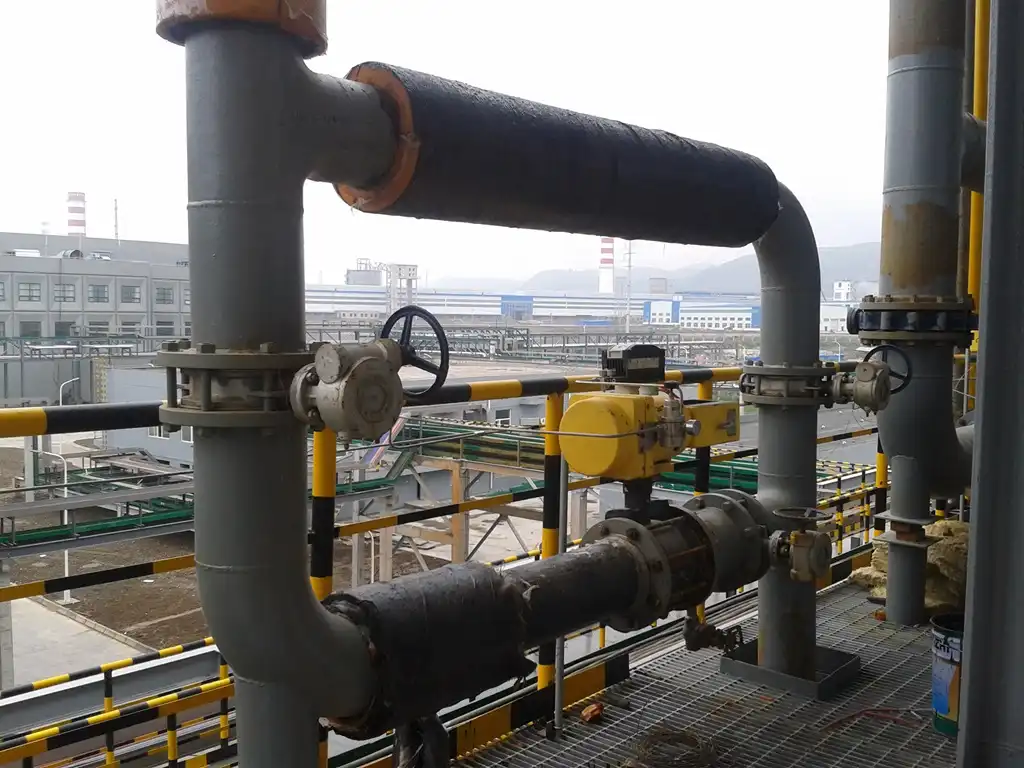
Electric Butterfly Valves: Maintenance and Longevity Best Practices
Preventive Maintenance Protocols
Setting up regular check plans stops small problems from turning into big fails that make the system less reliable. Monthly eye reviews should make sure that the actuator works, that there are no leaks, and that the valve is in the right place. Quarterly upkeep includes checking the control signal accuracy and putting grease on the working parts.
As part of an annual full checkup, the equipment is taken apart so that the parts on the inside can be inspected, seals are replaced if necessary, and calibration is checked to make sure that the setting stays correct. Keeping records of maintenance work helps people make guarantee claims and get useful data for figuring out the best maintenance schedules.
Technology Upgrades and Smart Control Integration
Adding smart controls and monitoring features to older systems makes them more efficient and allows for forecast maintenance. Today's actuators have tools that keep an eye on how they are used and tell you of problems before they happen.
When you connect with an industrial IoT platform, you can watch and handle your devices from anywhere. This means you don't have to go to the site as often, but can still make changes to your operations faster. These are new technologies that make it possible to do repair before problems happen. This helps keep equipment available and extends its working life.
Conclusion
Electric butterfly valves are very important for getting good, dependable fluid control in HVAC and water treatment systems. Because they are precisely electronically controlled, well-designed, and able to work with other systems, they have a big edge over hand-operated and air-powered options. Informed buying choices that enhance system performance while lowering total cost of ownership are made possible by knowing how it works, how big it should be, and how to maintain it.
As smart valve technology and IoT integration keep getting better, we can expect even more powerful systems in the future. Working with providers who know what they're doing gives you access to proven methods and expert help, which are both necessary for the success of your projects and the long-term success of your business.
FAQs
What are the main differences between electric and pneumatic butterfly valves?
While pneumatic valves need to be built around compressed air and usually respond faster with less precise control, electric butterfly valves offer better positioning accuracy and connection with electronic control systems. For most uses, electric valves are better at saving energy and removing the need for air generators and the upkeep that comes with them.
How do I determine the correct size electric butterfly valve for my HVAC system?
Proper size looks at pressure drop limits, flow rates, pipe width, and control needs. Finding the flow coefficient (Cv) based on the system details and looking at the manufacturer's size charts makes sure that the best valve is chosen. This gets the best mix between performance and cost.
What maintenance practices extend electric butterfly valve service life?
Regular inspections, quick seal replacements, proper cleaning of moving parts, and checking the accuracy of actuators make valves last much longer. Using monitoring tools for preventative maintenance and making sure that the equipment is working within the conditions specified by the maker avoids early breakdowns and gets the best performance out of the equipment.
Partner with CEPAI for Premium Electric Butterfly Valve Solutions
When it comes to electric butterfly valves, you can trust CEPAI. We have all the knowledge needed to provide high-quality valve options designed especially for tough HVAC and water treatment uses. Our wide range of products features great quality, customized designs, and great after-sales support that makes sure the equipment works well for the entire length of its lifecycle.
We are a top maker with API Q1, API 6A, API 6D, ISO 9001, and CE certifications, and we offer new ways to solve valve problems that meet the strict needs of today's industrial systems. Our engineering team works directly with clients to come up with the best solutions for specific process problems. This makes sure that fluid control performance is reliable and doesn't cost too much.
Do you want to make your system more efficient with dependable electric butterfly valve fixes? To talk about your exact needs, ask for full product specs, or get custom price quotes from our technology experts, email us at cepai@cepai.com.

References
American Society of Heating, Refrigerating and Air-Conditioning Engineers. "HVAC Control Systems: Operation and Maintenance." ASHRAE Journal, 2023.
Water Environment Federation. "Automated Valve Control in Water Treatment Facilities: Best Practices and Performance Optimization." WEF Technical Review, 2022.
Instrumentation, Systems, and Automation Society. "Control Valve Sizing and Selection Guidelines for Industrial Applications." ISA Standards Publication, 2023.
American Water Works Association. "Electric Actuated Valves in Water Distribution Systems: Performance Analysis and Selection Criteria." AWWA Technical Manual, 2022.
Building Automation Research Institute. "Energy Efficiency Improvements Through Advanced Valve Control in Commercial HVAC Systems." BARI Annual Report, 2023.
Process Industry Practices. "Valve Automation and Smart Control Integration: Implementation Guidelines for Industrial Facilities." PIP Technical Guidelines, 2022.