Figuring out whether to use a ball valve or a control valve for exact tuning mostly depends on your application's needs and how precise you need the process to be. Ball valves are great for uses that need to start and stop flow since they lock reliably and allow for mild flow control. On the other hand, control valves are better for ongoing flow modulation and automatic process control because they offer more accuracy. The choice depends on flow traits, pressure ratings, temperature ranges, and how much automation your particular industrial application needs.

Understanding the Basics of Ball Valves and Control Valves
Control valves and ball valves have different designs and ways of working that make them different from each other. When a circular disc with a hole in it turns inside the valve body, it controls the flow of fluid. This is called a quarter-turn system, and it is how ball valves work. Because of this design, they are very tough and can close off flow with very little pressure drop when fully open.
Ball Valve Design and Functionality
The goal of ball valve design is to make them simple and dependable. The spinning ball mechanism makes a tight seal against metal or rubber seats, which makes these valves very useful for separation purposes. Full port ball valves keep the same internal width as the pipe they are attached to. This helps keep the flow and pressure steady. Designs with fewer ports allow some flow control but save money.
Stainless steel ball valves are good for chemical handling and underwater diving because they prevent rust. The choice of material has a direct effect on how long the service life is and how much upkeep is needed, especially in difficult conditions where chemical compatibility and temperature protection are important.
Control Valve Precision and Automation
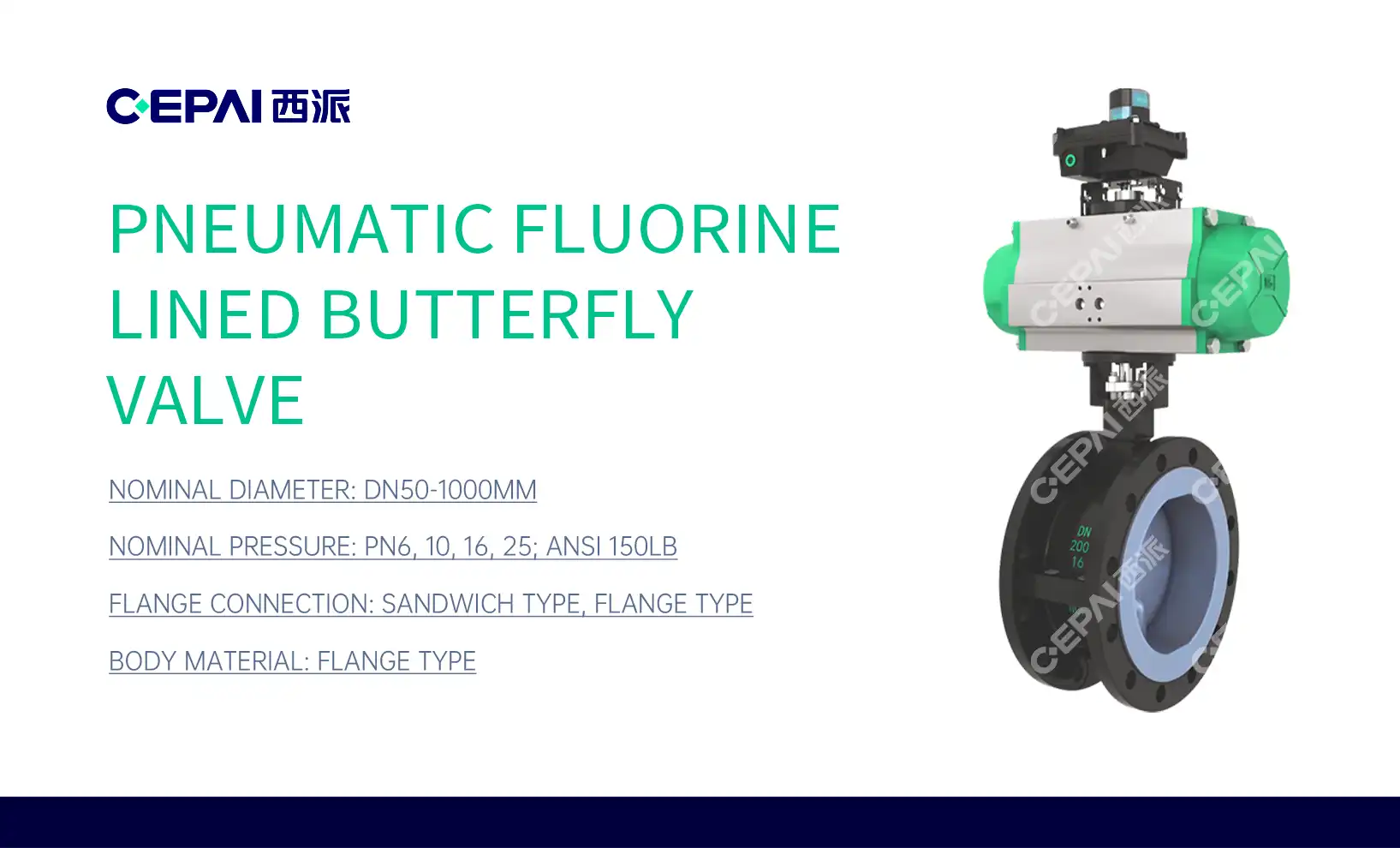
Control valves are designed just for uses that require flow adjustment. Control valves like globe and butterfly valves make it possible to change flow rates at any time by changing the position of the opening. These valves work perfectly with automatic control systems, which send signals to them to make sure that the flow stays just right.
The straight flow properties of most control valves allow them to work reliably within a wide range of conditions. This reliability allows for precise process control and helps with the complicated robotic systems that are needed in today's factories.
Key Factors to Consider When Choosing Between Ball Valve and Control Valve for Precise Modulation
There are a few very important things that affect the choice between control valves and ball valves for modulation uses. Understanding these factors makes sure that the valve works best and the system stays working in the long run.
Flow Characteristics and Control Precision
Flow properties are maybe the most important thing to think about when choosing a valve. Ball valves usually have non-linear flow properties, and flow changes happen quickly when they are almost fully open. This behavior makes it hard to control flow very precisely, especially in situations where small changes need to be made.
Control valves provide flow features that are built for certain uses. Linear, equal percentage, and quick opening features make performance across the whole working range reliable. This ability to predict outcomes helps with precise process control and lowers the chance of system failure.
Pressure and Temperature Considerations
Operating factors have a big effect on how well valves work and which ones are used. Due to their strong design and effective closing abilities, ball valves are frequently used in high-pressure situations. The small form and fewer moving parts make it easier to control pressure and don't require as much upkeep.
Extreme temperatures have an impact on closing devices and valve materials. Specialized seat materials make sure that binding works across a lot of different temperature ranges, and stainless steel construction makes sure that temperature protection is great. For thermal expansion and actuator function at very high or low temperatures, control valves might need extra attention.
Automation and Actuation Requirements
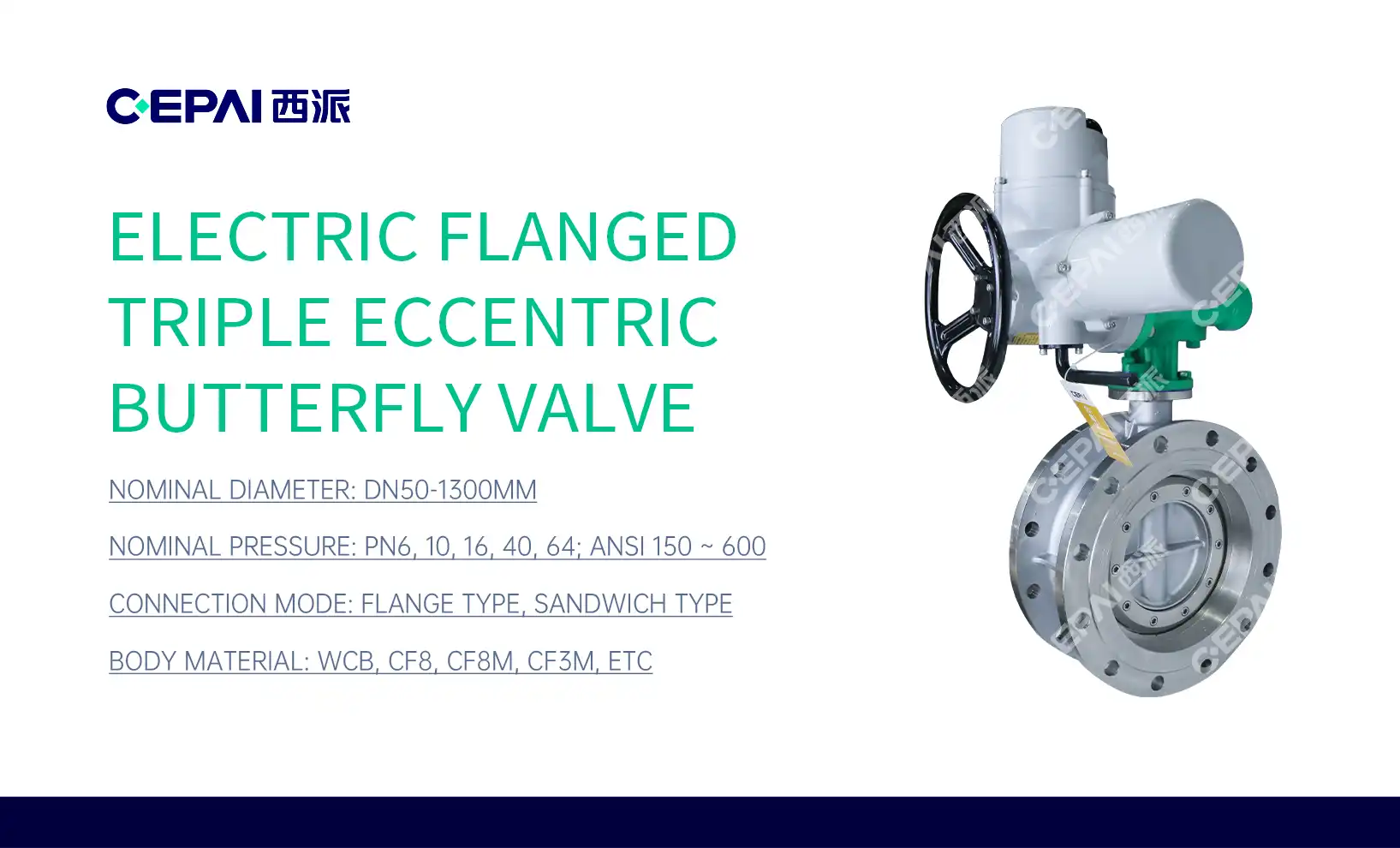
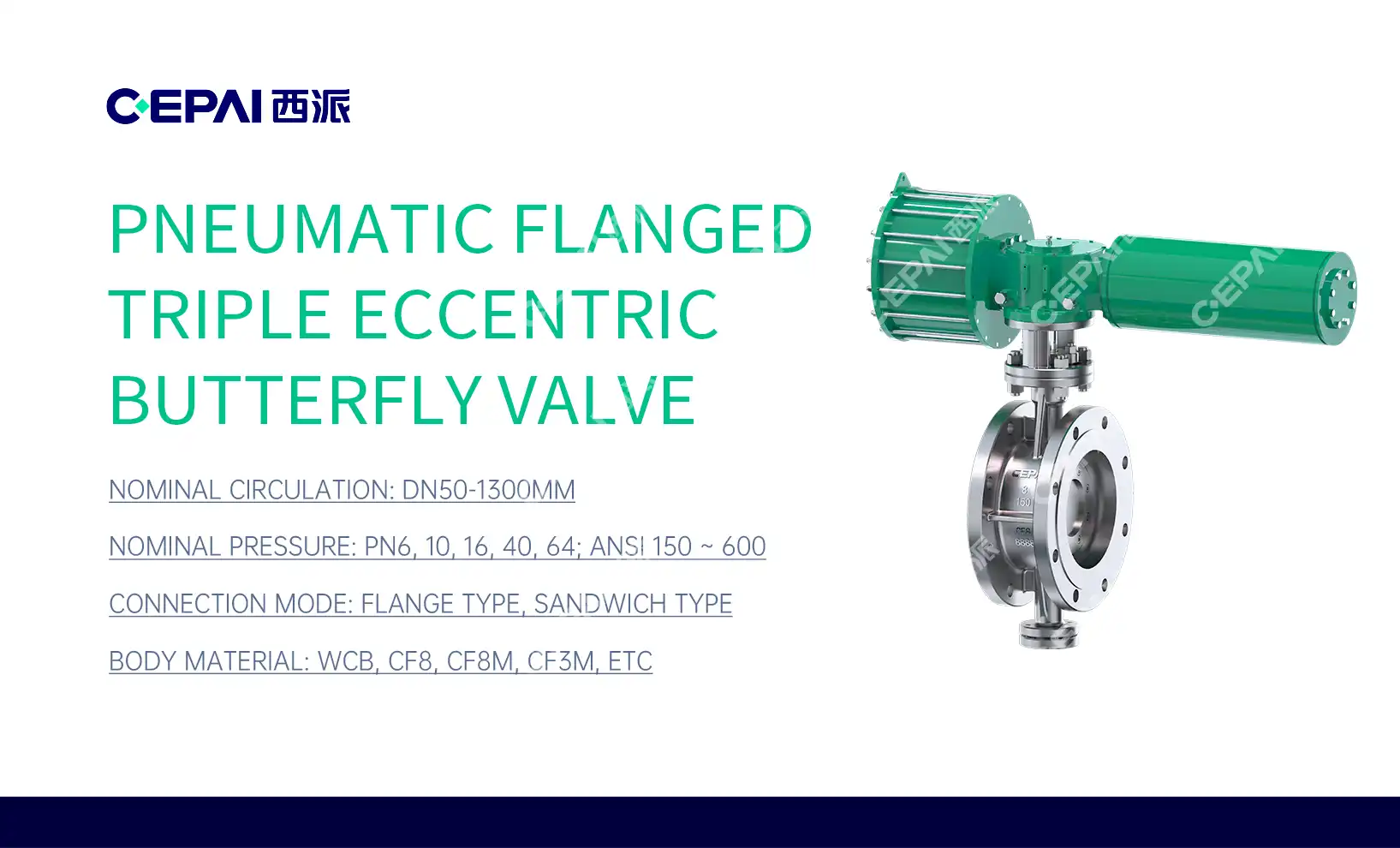
Automated control systems are used more and more in modern manufacturing. Electric motors can manage the operation of ball valves, but the quarter-turn operation makes it hard to modulate precisely. Pneumatic and electric motors can place control valves more accurately and respond more quickly than other types, which is important for exact flow control.
For integration with remote control systems to work, the transmission methods and location input must be suitable. Control valves usually offer more advanced automation features, such as showing the position of the valve, sending troubleshooting feedback, and using complex control methods.
Comparative Analysis: Ball Valve vs Other Valve Types in Modulation Applications
Knowing how ball valves are different from other kinds of valves helps people find the best option for specific valve modulation tasks. Each kind of valve has its own pros and cons that affect how well the system works.
Ball Valve Performance in Modulation Applications
Ball valves are great for uses that need a dependable way to stop flow completely while still allowing some control over the flow rate. They are useful for safety and environmental reasons because their tight closing stops fugitive pollution and guarantees process safety.
Full port ball valves lower the pressure drop and improve flow capacity. This makes the system more efficient and lowers the cost of pumps. However, their non-linear flow behavior and restricted ability to be positioned exactly make them less useful for precise modulation tasks that need constant flow correction.
Gate Valve and Butterfly Valve Alternatives
Gate valves are great at cutting off flow but not at controlling it. Their linear motion design makes turbulent flow patterns when they're only partly open, which means they don't work well for modulation uses. For uses with big diameters, butterfly valves are a cheap and space-saving way to get decent flow control.
The goals of the application affect the choice of valve types. Butterfly valves may be better for cost-sensitive applications, but ball valves are more reliable and better for high-pressure separation uses. Precise modulation uses usually need specialized control valves, even though they cost more at first.
Useful Tips for Installing, Maintaining, and Fixing Ball Valves in Modulation Systems
Proper installation, upkeep, and replacement of ball valves make sure they work well in modulation uses. Following set methods keeps valves working correctly for the entire repair time and extends their life.
Installation Best Practices
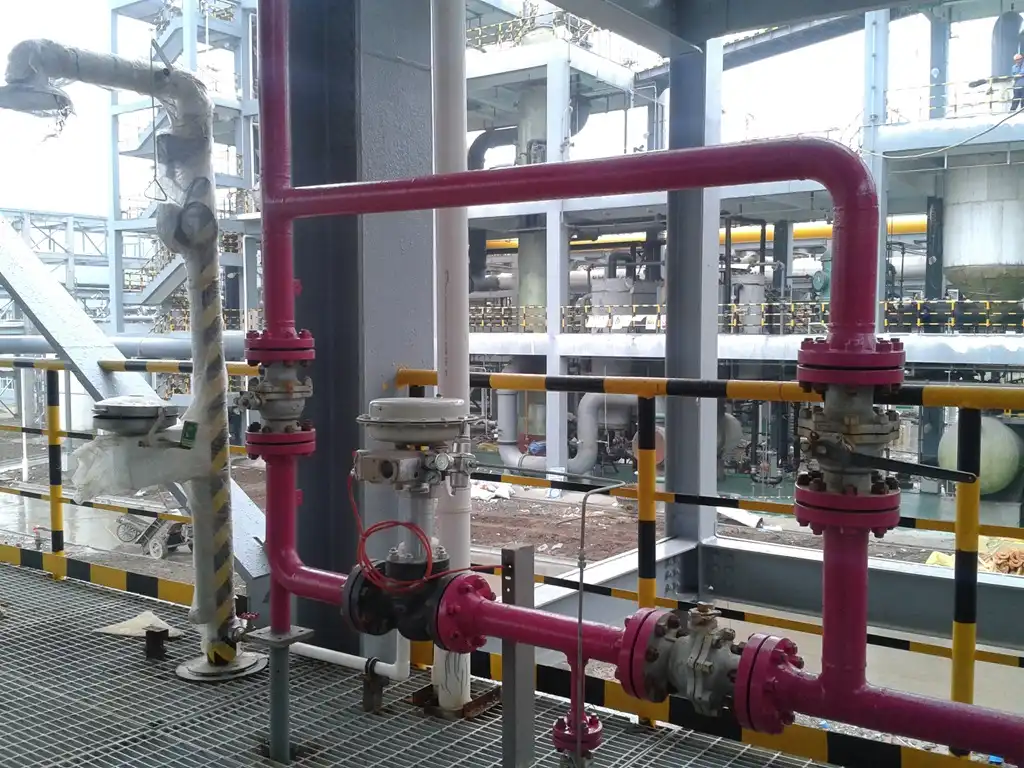
The right way to put this starts with the valve being in the right position and being supported. You should use the right pipe supports when you place ball valves so that stress doesn't build up and the valve doesn't get stuck. When putting the link together, you need to follow the torque specs so that the seal is made correctly and the parts of the valve aren't harmed.
Flow direction factors affect how well valves work and how long they last. Most ball valves are reversible, but some types work better with certain flow directions. Consulting the manufacturer's advice makes sure that the best fitting setup is achieved.
Maintenance and Diagnostic Procedures
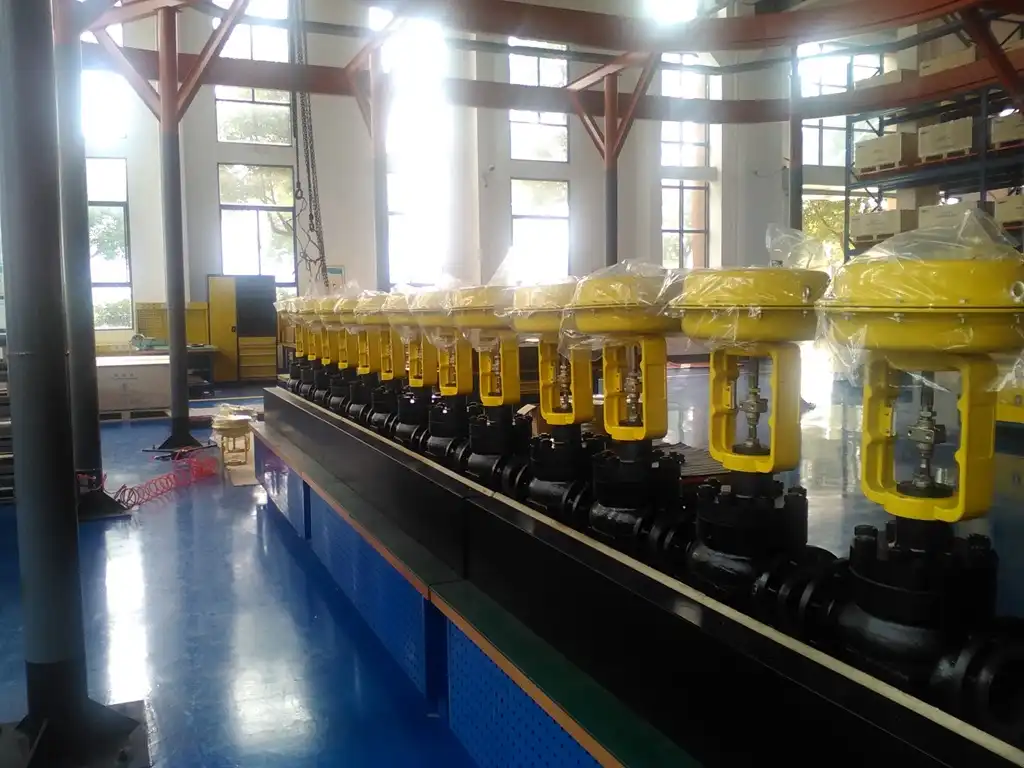
Actuator lubrication, seal state assessment, and eye check should be part of routine maintenance plans. Finding wear signs early stops huge fails and unnecessary downtime. Seat leaking testing checks to see that the seal is still working and finds new problems.
Pneumatic links, electrical wires, and positioning adjustments must all be checked when maintaining an actuator. Regular testing makes sure that the valves are in the right place for modulation uses. Modern devices can find problems and give you useful info about how they are working.
Procurement Insights: How to Source the Right Ball Valve or Control Valve for Your Industrial Needs
Successful valve buying takes a lot of thought about the supplier's skills, product approvals, and overall cost of ownership. Knowing this information helps you make smart choices that take into account both the needs of the project and the limits of the budget.
Supplier Evaluation and Certification Requirements
Qualified providers show that they follow important industry standards by getting recognized certificates. API standards, ISO quality systems, and pressure tank certifications make sure that products are reliable and that the way they are made doesn't change. The long-term supply of parts and service support depend on the financial security and technical help skills of the suppliers.
CEPAI is committed to quality and safety by having many standards, such as API Q1, API 6A, API 6D, API 16C, and ISO 9001. These approvals make sure that goods meet the tough standards of the oil and gas business.
Material Selection and Cost Considerations
The cost and function of a valve depend a lot on the materials used to make it. Building out of stainless steel resists rust and lasts a long time, but it also raises the cost of the project. Carbon steel options work well enough in the right situations and save money.
The total cost of ownership includes the price of the item, how much it costs to build and take care of, and how long it is supposed to last. Better valves might be worth the higher up-front cost because they need less upkeep and last longer. Procurement chances in volume can save a lot of money on big projects.
CEPAI: Your Trusted Ball Valve Manufacturer for Precise Industrial Solutions
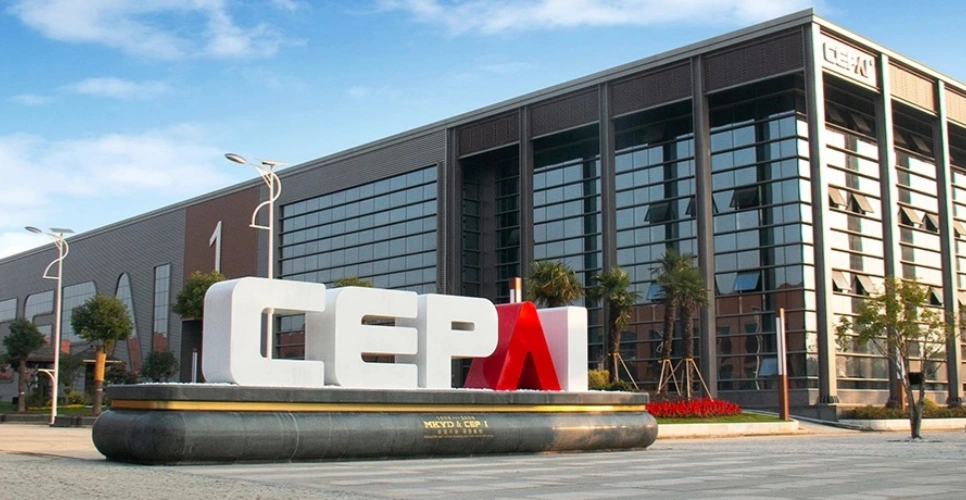
CEPAI is a top maker that specializes in wellhead devices, pipeline valves, and precision control tools for oil and gas uses. Our wide range of products includes high-performance ball valves designed for tough industrial settings. These valves are backed by a lot of industry approvals and a track record of reliability.
We are skilled in making throttle valves, sleeve-type controlling valves, high-pressure double disc check valves, and emergency shut-off valves that are known around the world as examples of quality manufacturing. We make sure that every product meets strict industry standards. Our certificates include API Q1, API 6A, API 6D, API 16C, ISO 9001, ISO 14001, ISO 45001, ISO 3834, ISO 17025, CE, and PED.
Because it is always looking for new ways to improve quality, CEPAI has become a valued partner for big engineering firms and drilling service companies around the world. We are technically skilled and focus on our customers, so we can make personalized solutions that keep the safest standards while making your business run better.
Conclusion
When you need to choose between ball valves and control valves for accurate modulation, you need to think about carefully the needs of the application, the performance features, and the practical limits. Ball valves are great for situations where you need to be able to reliably shut off the flow of a substance and control its flow at the same time. On the other hand, control valves are better for situations where you need to be able to continuously and precisely change the flow of a substance. Knowing the flow rate, pressure needs, level of automation, and upkeep needs of a system helps you make smart choices that improve both its performance and the cost of running it. Working with approved makers like CEPAI gives you access to certified goods that come with technical knowledge and full support.
FAQs
Can ball valves achieve precise modulation comparable to control valves?
Ball valves can control flow with middling accuracy, but they usually aren't as precise as control valves that are designed for that purpose. Their non-linear flow and quarter-turn operation make modulation less accurate. This means they're better for uses that need stable shut-off with occasional flow change instead of constant exact control.
What maintenance practices extend ball valve service life in modulation applications?
Regular upkeep should include checking for leaks, lubricating the actuator, checking the state of the seal, and making sure the actuator is in the right place. Based on working cycles and weather conditions, preventive maintenance plans help find signs of wear early on. This keeps catastrophic breakdowns from happening and keeps modulation accuracy.
How do I choose the right actuator for ball valve modulation applications?
Choosing an actuator relies on how accurate and fast it needs to be, as well as how it needs to work with automation. While gas actuators allow for quick movement and built-in safety,Electric actuators allow for exact setting and feedback. When you choose an actuator, think about whether it will work with the control system, whether it will have access to power, and what the weather conditions will be.
Partner with CEPAI for Superior Ball Valve Solutions
For tough oil and gas uses, CEPAI designs the best ball valve options in the business. Our wide range of products features new and reliable designs. They have many certifications and are made with decades of experience. Our technical team is on hand to help you with every step of the decision and purchasing process, whether you need standard setups or specially designed options. Ready to get the most out of your valve choosing strategy? To talk about your exact needs and find out how CEPAI can improve your business performance with precisely designed ball valve solutions from a reliable maker, email us at cepai@cepai.com.

References
Smith, J.A., "Industrial Valve Selection Criteria for Process Control Applications," Journal of Process Engineering, Vol. 45, No. 3, 2023, pp. 112-128.
Thompson, R.K., "Ball Valve Performance Characteristics in Flow Modulation Systems," Valve Engineering Quarterly, Vol. 28, No. 4, 2022, pp. 67-84.
Wilson, M.L., "Comparative Analysis of Valve Types for Precision Flow Control," Industrial Automation Review, Vol. 31, No. 2, 2023, pp. 45-62.
Anderson, P.C., "Maintenance Strategies for Industrial Valves in Critical Applications," Process Safety Engineering, Vol. 19, No. 1, 2022, pp. 89-105.
Davis, S.R., "Actuator Selection and Integration for Automated Valve Systems," Control Systems Technology, Vol. 42, No. 6, 2023, pp. 134-149.
Brown, K.T., "Material Selection and Performance Requirements for High-Pressure Valve Applications," Materials Engineering in Process Industries, Vol. 33, No. 5, 2022, pp. 78-96.
_1746598525968.webp)