If a motorized ball valve won't open or close, you can fix it by looking at both the electrical and mechanical parts in a planned way. When your motorized ball valve stops working, check the power source, control signals, and wire links first. Actuator motors, positioning feedbacks, and valve ball mechanisms are all very important for proper operation. Each of these parts needs its own special troubleshooting methods to find the root of the problem and get everything working again.
Understanding Motorized Ball Valve Components and Operation
In tough industrial settings, motorized ball valves combine exact manufacturing with automatic control systems to make sure that flow management is always reliable. These advanced gadgets use a traditional ball valve mechanism and an electric actuator that responds to control signals from process managers or building automation systems.
Core Components and Their Functions
The valve body holds a sphere with a hole in it that lines up with the pipeline when the valve is open. When the valve is closed, the sphere turns so that it is perpendicular to the pipeline and blocked from flowing. Depending on what the application needs, electric motors usually work with power sources of 24V AC/DC or 120/230V. Position feedback tools, like potentiometers or limit switches, let control systems know how things are going right away. Choosing the right material has a big effect on performance. For example, stainless steel is better at resisting rust in places with strong chemicals, and brass is better at conducting heat in HVAC systems.
Operating Principles and Control Integration
The actuator's electric motor turns electrical energy into circular motion. It does this with precision gear trains that give the valve the torque it needs to work under system pressure. Control inputs, which can be analog, like 0-10V or 4-20 mA, or digital, like BACnet or Modbus, tell the motor exactly where to go or whether to open or close something. In some models, the spring return system makes sure that the fail-safe setting happens during power blackouts by instantly moving the valve back to a safe spot.
Common Causes of Motorized Ball Valve Failure
Understanding how things usually break helps maintenance teams come up with ways to fix and avoid problems. Electrical system problems, mechanical wear, and external factors that affect how well parts work are the main causes of operating issues.
Electrical System Failures
One of the most common reasons that actuators stop working is when the power source is unstable. This is especially true in industrial settings where there is electrical noise or changing energy. Connections can come and go, causing strange behavior when wiring breaks down from changing temperatures, shaking, or chemicals. If electrical devices near the valve actuator mess with the control signal, it can cause problems with the connection between the building automation system and the valve actuator. This can lead to losing control or getting the actuator positioned incorrectly.
Power spikes, moisture, or mistakes made during manufacturing can cause actuator circuit boards to stop working. If the limit switch is not aligned correctly, the control system will not know where the actuator is and will keep moving it to find the right position. These electrical problems often show up as irregular operation, slow response times, or a total failure to react to control orders.
Mechanical Component Deterioration
High pressure differences, temperature changes, or contact to harsh materials can damage or change the shape of motorized ball valve seats. This stops full closing and causes leaks inside the valve. If actuator gear trains are used all the time or have high torque needs or not enough oil, they can wear out and have less output torque or mechanical binding. As stem packing gets worse, process media can get into the actuator body, which can lead to rust and parts not working together properly.
Debris build-up in the valve body can directly stop the ball from rotating. This is more likely to happen when the fluid has a lot of particles in it or when the filter system is weak. When the motor bearing fails because of too much heat or dirt, it can create mechanical resistance that stops the motor from working or makes it fail completely.
Comprehensive Troubleshooting Methodology
A organized method that focuses on safety while quickly finding out why the valve isn't working is the best way to fix. Professional repair teams use well-known methods to shorten the time needed for diagnosis and stop further damage to system parts.
Initial Assessment and Safety Protocols
Safety is the most important thing to keep in mind when working with any valve, especially when there is high pressure or dangerous materials involved. Before any check of electrical or mechanical parts is done, lockout/tagout steps have to be done first. Check that the system is isolated and depressurized when appropriate, and make sure that emergency reaction equipment is still easy to get to.
Write down the valve's current position and any signs of trouble that can be seen, like leaks, strange noises, or the position of the actuator. Look at recent operating history in either the building automation system logs or process control records. This might help you find trends that show how the failure happened.
Electrical Diagnostics
Checking the power source should start at the electrical switch and go through the wires chain to the actuator connections. Measure the voltage level with an oscilloscope when the circuit isn't loaded and when it is loaded. The voltage drop under load can show that there is a problem with the circuit resistance. To keep control signal integrity, you need to be able to measure low-level analog data or understand digital communication methods with special tools.
The current draw of an actuator motor can be very helpful for figuring out what is wrong. If the current draw is high, it might mean that something is sticking mechanically, and if it is low, it might mean that there are issues with the electrical link. Position input messages should be in line with the position of the actual valve. If they aren't, it means there is a problem with the sensor or the mechanics have slipped.
Mechanical Inspection Procedures
Being able to manually bypass the system lets techs separate mechanical problems from electrical ones by physically operating the motorized ball valve with the actuator's manual settings or by directly moving the stem. If an object doesn't move when you try to push it, it could be because it's mechanically bound. If it moves easily, it could mean there is a problem with the electrical motor.
A close look at the parts that can be seen easily may show clear wear, rust, or damage that needs to be fixed right away. An check of the actuator case may show signs of moisture getting in, burning, or physical damage that affects the parts inside. The correct force transfer from the actuator to the valve ball is guaranteed by stem alignment and connection integrity.
Comparing Valve Technologies for Maintenance Strategies
Understanding how different valve technologies work makes it easier for maintenance teams to fix things and choose the best new parts when repairs get too expensive. Each kind of valve has its own problems with care and needs its own ways of figuring out what is wrong.
Motorized vs. Manual Ball Valve Considerations
Manual ball valves get rid of electrical complexity but need to be operated by a person, so they aren't good for automatic or remote uses. Troubleshooting manual valves only looks at mechanical parts. This makes it easier to figure out what’s wrong but could mean that more frequent upkeep is needed because of wear from handling. Motorized models offer the benefits of automation but make things more complicated from an electrical standpoint, which needs special troubleshooting tools and trained staff.
Motorized valves with position input and control system contact can be monitored all the time and use forecast maintenance plans, but manual valves have to be checked regularly. Today's electric motors with remote testing tools let repair teams find problems before they fail completely.
Pneumatic vs. Electric Actuator Comparison
Pneumatic motors provide high power and built-in safety in dangerous settings, but they need compressed air systems that add more ways for the system to fail. Issues with air flow, the governor, or the gas line can affect how valves work, even if the valves themselves are working properly. While electric motors offer exact positioning control and work well with today's building automation systems, they may need to be housed in explosion-proof shelters in dangerous settings.
Troubleshooting pneumatic systems needs a lot of knowledge about compressed air and special pressure testing tools. On the other hand, figuring out what's wrong with electric actuators uses common electrical measurement tools. Electric motors use power, and when you keep an eye on that, you can constantly check their health. Pneumatic systems can't do this.
Strategic Procurement Considerations for Reliable Operations
Procurement choices have a big effect on long-term working efficiency and upkeep costs. This makes it very important to choose the right suppliers and specify the right products for valve systems to work well. Professional buyers make sure that the total cost of ownership is the best it can be by looking at a number of factors in addition to the price.
Supplier Evaluation and Quality Assurance
Well-known makers in industrial automation offer more reliable motorized ball valves and continued expert help. API certificates, ISO quality control systems, and approvals that are specific to the business show that performance standards are met. Local service capabilities make sure that fixing help and emergency fixes can be done quickly to avoid disrupting production.
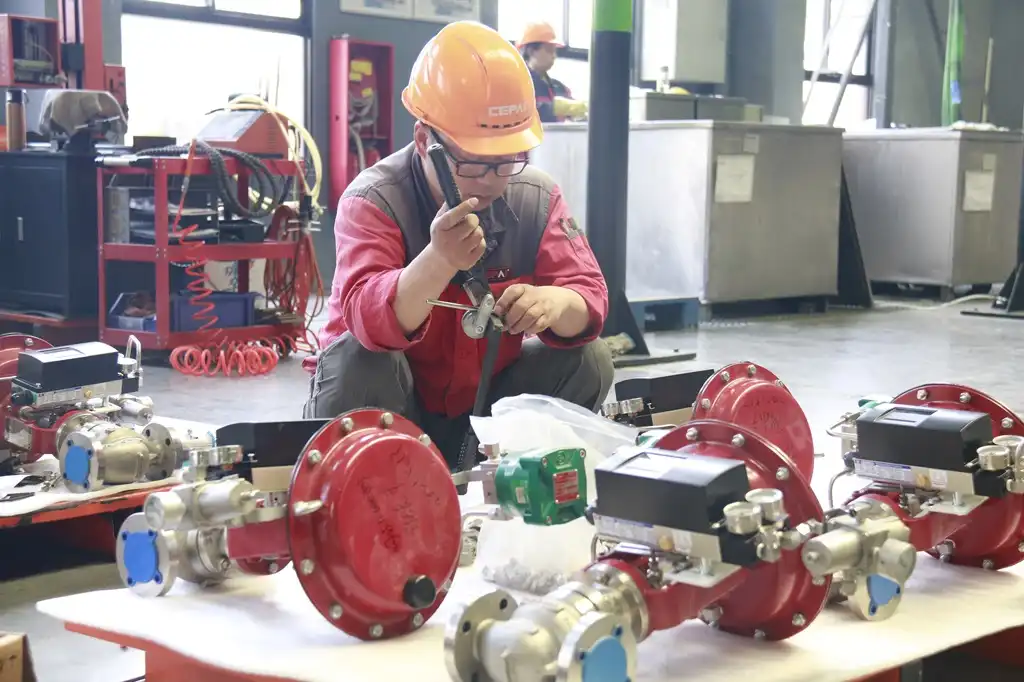
With many API certificates like API Q1, API 6A, API 6D, and API 16C, as well as ISO 9001, CEPAI is a great example of a valve manufacturer. The company's focus on oil and gas uses means they have a lot of experience with the tough operating needs and difficult weather conditions that make valve performance difficult.
Technical Specifications and Customization Options
If the materials used in a system are compatible with the process media, the system won't fail too early because of rust or chemical attack. Also, the pressure and temperature ratings must be higher than the highest conditions in the system, with enough of a safety buffer. The actuator should have a torque that can handle regular conditions as well as possible emergency situations where bigger forces may be needed.
The way that different applications bring together control systems varies a lot, so it's important that the interfaces work with each other. Customization possibilities let makers make valves work better for certain uses, which might make them more reliable and lower the need for routine upkeep compared to standard goods.
Conclusion
Systematically checking both the electrical and mechanical parts while following strict safety rules is the only way to safely fix motorized ball valves. Understanding how things usually go wrong helps repair teams come up with good ways to figure out what's wrong. This keeps machines from being out of service for too long and stops other damage from happening. Regular preventive maintenance and good purchasing choices make sure that valves work well in a wide range of industry settings. Using both current diagnostic tools and older mechanical checking methods together gives us a full range of repair options that can handle the complexity of automatic valve systems.
FAQs
What are the most common signs that my motorized ball valve needs immediate attention?
If you hear strange sounds, delayed responses to control signals, unfinished opening or closing cycles, external leaks around the actuator or valve body, or position feedback mistakes on control systems, you should look into these possible problems right away.
How can I determine whether the problem is electrical or mechanical without specialized equipment?
Try to operate the valve using the manual override settings that come with most electric actuators. If it's easy to move by hand, there may be electricity problems. If it's hard to move because of resistance or locking, there are probably mechanical problems that need more inspection by a mechanic.
What preventive maintenance schedule should I implement to minimize unexpected failures?
Regular checks and tests on a system's parts are usually the best way to keep it working well and avoid common problems. This can be done by looking at it every three months, checking the electrical connections twice a year, and doing a full test once a year that includes setting up the position and checking the torque.
Partner with CEPAI for Superior Motorized Ball Valve Solutions
When you have issues with your automatic valve systems, CEPAI can help with their deep knowledge of motorized ball valve technology, as well as provide the high-quality goods your business needs. We are a top motorized ball valve maker with a lot of API certifications and a history of success in oil and gas uses. We offer reliable products and quick expert support. Our engineering team is ready to help with difficult fixing issues and come up with custom valve solutions that are perfect for your needs. To talk about your motorized ball valve needs and learn how our experience can make your system more reliable and efficient, email us at cepai@cepai.com.

References
American Petroleum Institute. "API Standard 6D: Pipeline Valves." Twenty-fourth Edition, 2018. American Petroleum Institute, Washington, DC.
Industrial Valve Technology Institute. "Electric Actuator Troubleshooting Guide for Ball Valves in Process Applications." Journal of Industrial Valve Engineering, Vol. 45, No. 3, 2023, pp. 128-145.
Process Control Magazine. "Diagnostic Techniques for Automated Valve Failure Analysis in Oil and Gas Operations." March 2023 Issue, pp. 34-42.
International Society of Automation. "ISA-75.25.01: Test Procedure for Control Valve Response Measurement from Step Inputs." 2019 Edition, Research Triangle Park, NC.
Valve World Magazine. "Preventive Maintenance Strategies for Motorized Ball Valves in High-Pressure Applications." Engineering Review Section, January 2024, pp. 18-25.
ASME International. "ASME B16.34: Valves - Flanged, Threaded, and Welding End." 2017 Edition, American Society of Mechanical Engineers, New York, NY.
_1746598538016.webp)