Understanding ISO 5211: The Standard for Valve-Actuator Fit
ISO 5211 sets the standard for the valve-actuator interface, making sure that valves and automation devices work together perfectly in all kinds of industry settings. Any ISO 5211 actuator that meets the requirements can connect to certified valves from any maker because it specifies the mounting flange measurements, drive coupling specifications, and torque transfer requirements. The standard gets rid of problems with compatibility, makes buying easier, and improves operating reliability in important industrial processes that need precise valve control for safety and efficiency.
What is ISO 5211 and Why It Matters in Industrial Valve Control?
ISO 5211 was made by the International Organization for Standardization to meet the growing need for industry systems that use interchangeable valve control parts. This standard describes how quarter-turn valves and their actuators should be mounted. It creates a global link system that helps engineers, makers, and end users in many fields.
Core Components of ISO 5211 Standard
ISO 5211 lists three important interaction parts that make sure valves and actuators can work together. Standardized bolt patterns with F-values from F03 to F60 are set by the mounting flange standards. These F-values match to different valve sizes and torque needs. These rings make a strong mechanical link and keep the valve stem and actuator drive perfectly aligned.
Another important factor is the size of the drive plug. The standard calls for square drive links in sizes ranging from 8mm to 100mm. This regulation makes it possible for any actuator that is compatible to connect with valve stems and transfer rotational force without slipping or being out of place. The torque transmission specs make sure that actuators can provide the right amount of force for valves to work reliably in a range of temperature and pressure situations.
Benefits of Standardized Valve-Actuator Interfaces
When industrial sites install systems that are compliant with ISO 5211, they get big practical benefits. When repair teams need to replace actuators, interchangeability is easy because any certified unit can connect straight to existing valves without any changes. This makes it easier to keep supplies on hand and cuts down on downtime during upkeep.
Standardization also makes it easier to buy things because special mounts, couplers, and adapters are no longer needed. Engineers can choose their own valve and actuator parts, knowing that they will work together correctly when they are installed. This method simplifies the design, speeds up the project timeline, and keeps the system's stability.
Types of ISO 5211 Actuators and Comparison with Non-Standard Alternatives
There are three main types of ISO 5211-compliant actuators on the market for valve automation. Each one is made for a different set of working needs and weather conditions. Knowing about these choices helps buying workers choose the best ones for their business needs.
Electric Actuators for Precise Control
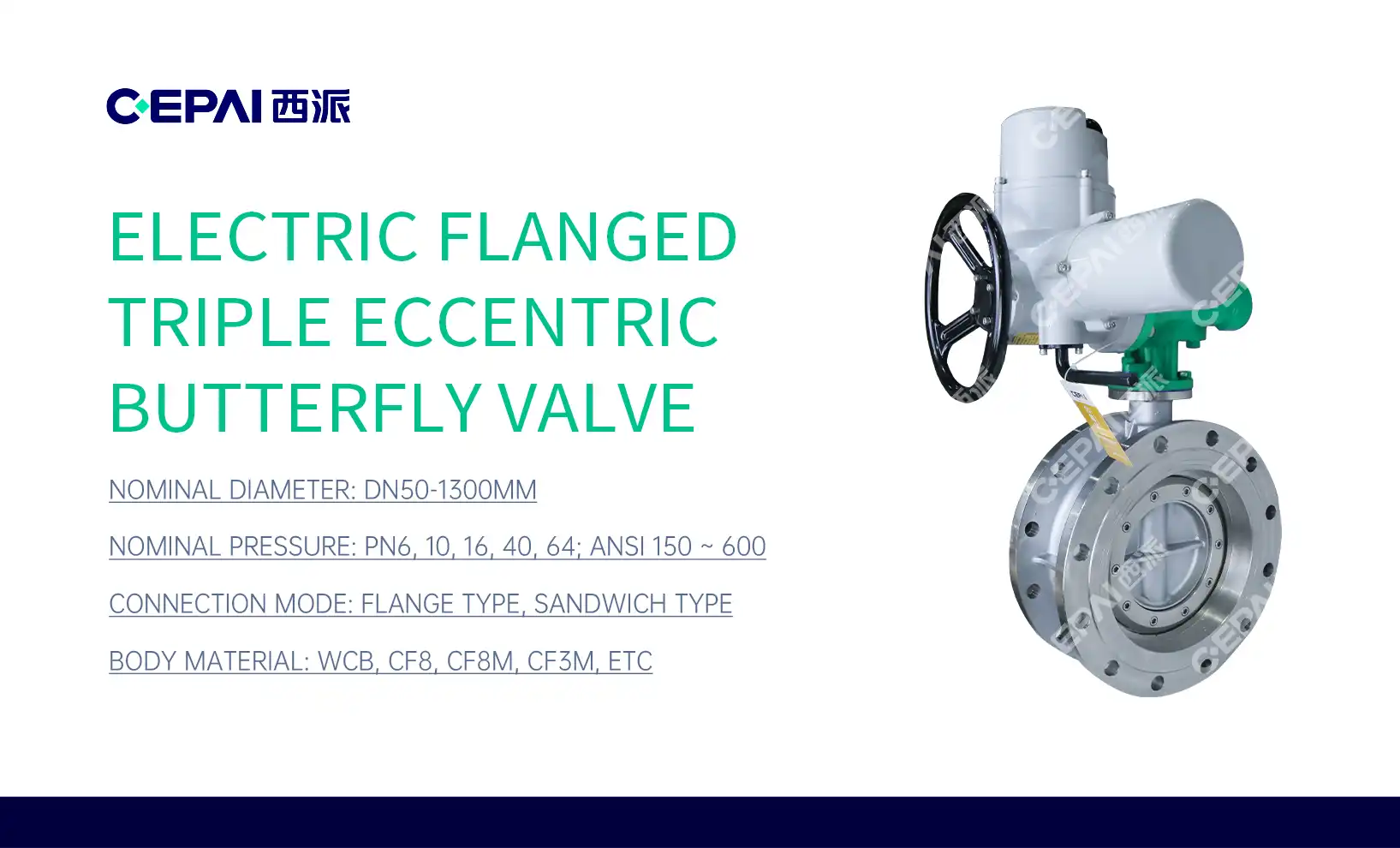
Electric ISO 5211 actuator systems offer very accurate placement and modulating control features that are necessary for process uses. Most of the time, these units can handle torques between 50 Nm and 4,000 Nm and can give position feedback with a precision of more than 0.1 degrees. Modern electric actuators use advanced motor control technologies that let them work at different speeds and have soft start/stop features that make valve parts less stressed.
When exact flow adjustment is needed, like in chemical processing lines where keeping certain flow rates directly affects product quality, electric actuators are the best choice. Because they can talk to digital control systems using different protocols, they are perfect for automatic facilities that want to handle processes in a more unified way.
Pneumatic Actuators for High-Speed Operation
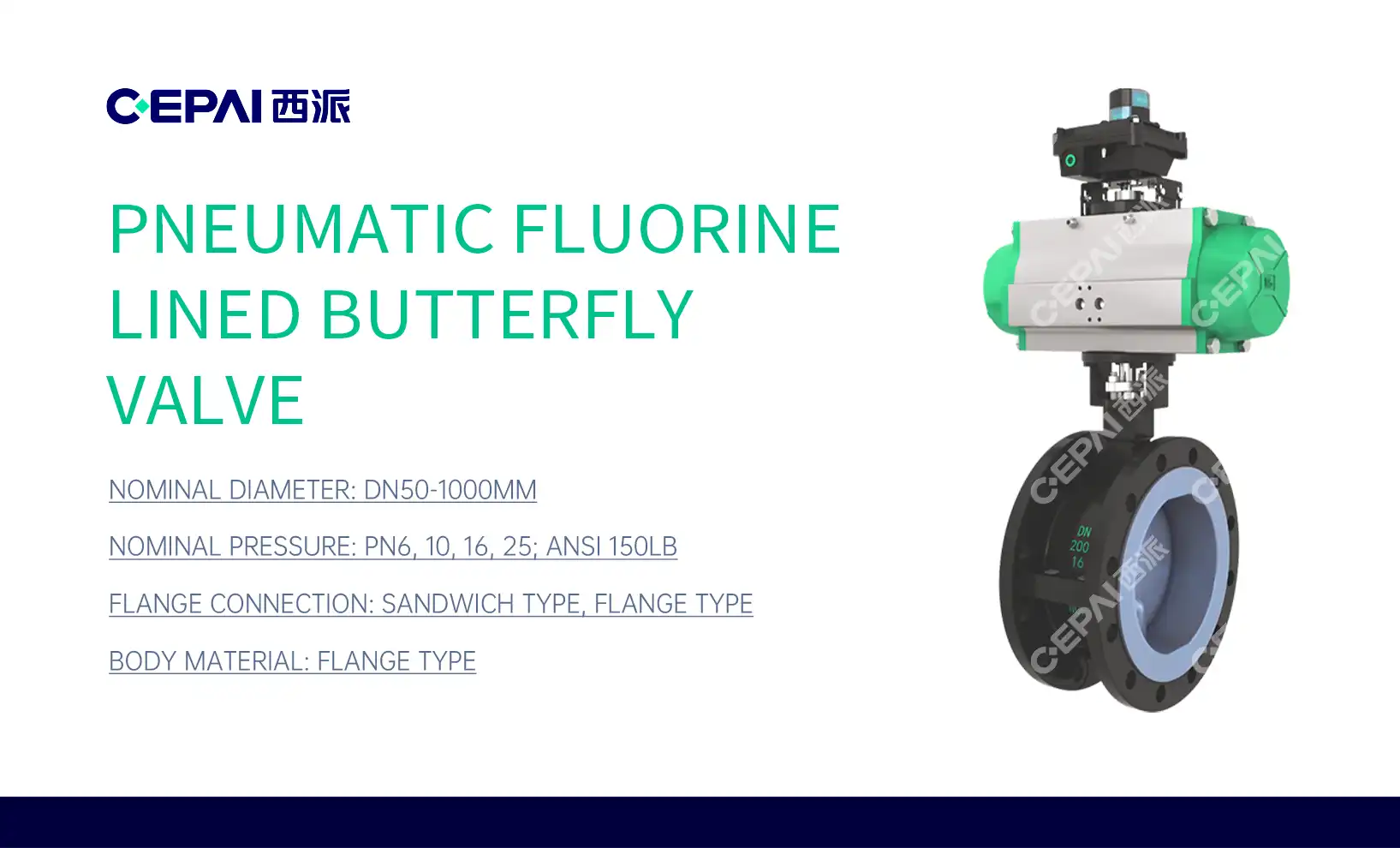
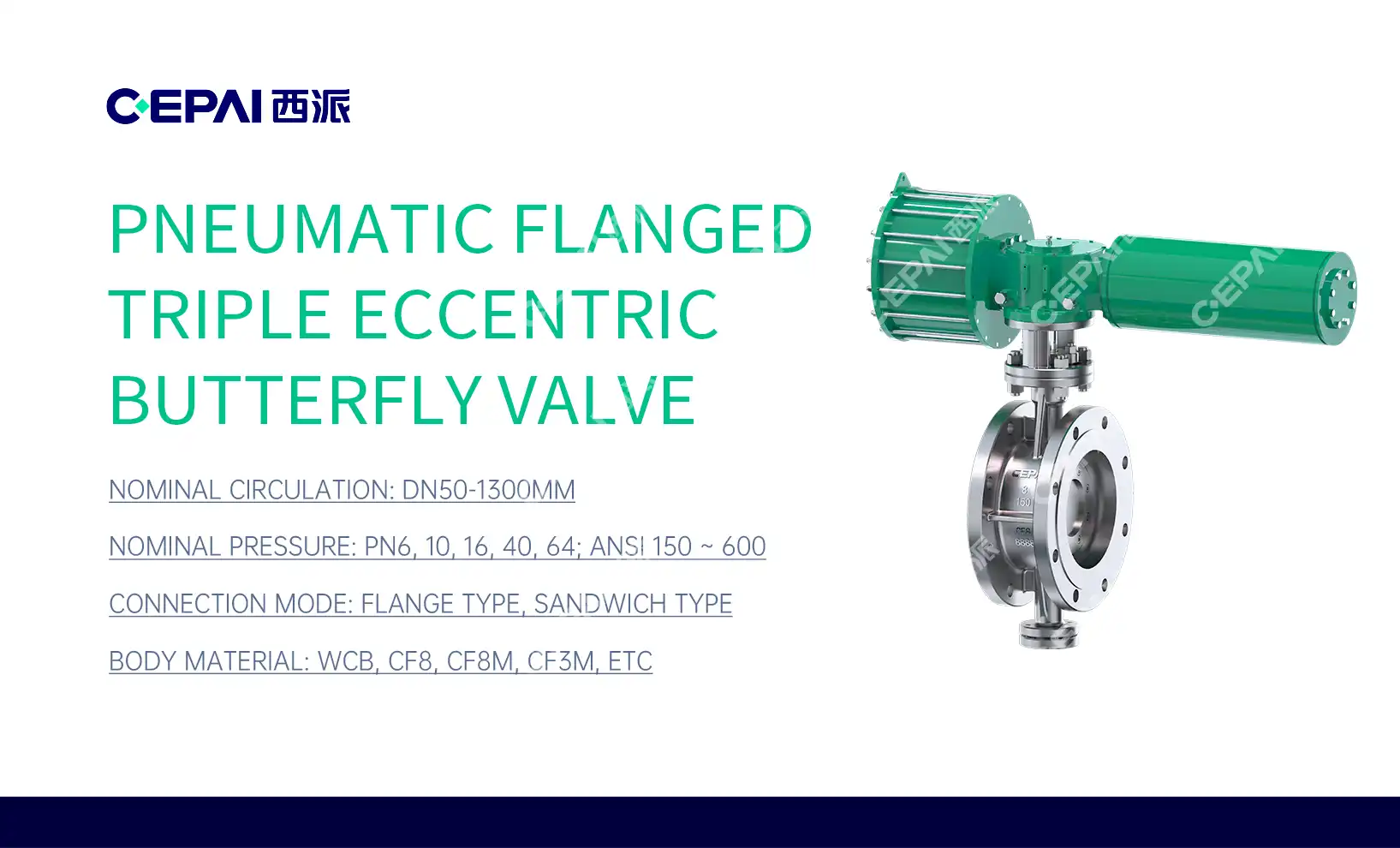
Compressed air is used by pneumatic actuators to make valves work quickly and efficiently, while also being light. These units can make a lot of power and perform full quarter-turn cycles in less than a second. Standard types of the pneumatic ISO 5211 actuator work well with input pressures between 80 and 120 PSI, which means they can be used with most industrial air systems.
Pneumatic valves are very useful in safety-critical situations because they can automatically stop working if something goes wrong. When the power goes out or the air flow stops, spring-return systems make sure that the valves move back to a safe position. This trait is very important for emergency stop devices that keep people and equipment safe.
Hydraulic Actuators for Extreme Torque Applications
When it comes to quarter-turn automation, hydraulic motors produce the most torque—some types can produce over 50,000 Nm. These strong units make it possible to automate large-diameter valves that deal with high-pressure fluids in tough situations like pipeline systems and big industrial processes.
Because hydraulic valves are small and have a high torque density, they can be used in places where room is limited. Their ability to keep up holding torque without using power all the time saves energy in situations where valve setting needs to be maintained.

Advantages Over Non-Standard Solutions
When compared to custom or private options, ISO 5211-compliant motors offer a lot of benefits. Standardized mounting connectors get rid of the time and money that engineers have to spend making custom frames or adapters. Standardization also makes sure that new parts can still be bought from more than one source, which lowers the risks in the supply chain.
When ISO 5211 actuator is used all over the world, it makes prices more competitive because different makers can compete on performance and service instead of using proprietary lock-in tactics. Competition like this leads to new ideas and keeps prices low for end users.
How to Choose the Right ISO 5211 Actuator for Your Industrial Needs?
When choosing the right actuators, you need to carefully think about technical factors, working needs, and long-term service issues. This methodical technique guarantees the best performance while keeping the total cost of ownership as low as possible.
Torque Requirements and Safety Factors
To choose the right actuator, you need to be able to accurately calculate the force. When engineers design a valve, they have to think about how much power it will need to work in the worst possible situations, such as when there are high differential pressures, extreme temperatures, and the seat could wear down over time. Best practices in the industry say to use safety factors that are 1.5 to 2.0 times the estimated maximum force to make sure the valve works reliably for its entire service life.
Static friction in valve seats and packing systems makes breakaway torque higher than running torque most of the time. The higher initial torque need in ISO 5211 actuator specs must be taken into account to keep the actuator from stopping during valve opening processes. Temperature changes can have a big effect on torque needs because thermal expansion can make the seat load higher in high-temperature situations.
Environmental Considerations and Material Selection
There are many difficulties in industrial settings that affect the choice of actuator and its design. When working in corrosive environments, actuators need to have safe layers or be made of materials that don't react with chemicals. For marine and offshore uses, corrosion protection must be better than the normal industry grades.
Extreme temperatures can hurt the function and life of an actuator. For high-temperature uses, you might need special sealing materials and heat safety steps to keep things from breaking down too soon. Installations in cold climates need motors that can work reliably in cold temperatures without losing any performance.
For electric motors to work in hazardous areas, they need to have certain electrical approvals. ATEX, IECEx, and FM approvals make sure that equipment can be used safely in oil and gas sites, which often have possibly explosive atmospheres.
Advantages and Future Trends of ISO 5211 Standard in Valve Automation
The broad use of ISO 5211 actuator has changed industrial valve automation by making system design and operation more compatible and flexible than ever before. This norm keeps changing to keep up with new technologies and changing needs in the business.
Operational and Economic Benefits
Compliance with ISO 5211 leads to measured improvements in the efficiency of upkeep and the handling of inventory. When compared to systems with unique interfaces, facilities that use standardized actuators say they need 30–40% less extra parts. This cost savings comes from being able to use the same types of actuators in a number of different valve uses.
When techs work with known, standard parts, they are much more productive as a maintenance team. As employees get better at using standard tools instead of having to learn how to use a lot of different private systems, they need less training. Because of this efficiency, upkeep costs go down and repair times get faster.
Standardization makes the market more competitive, which leads to constant growth while keeping costs low. Instead of putting up artificial boundaries with their own designs, multiple providers compete on speed, features, and service.
Integration with Smart Technology
More and more, modern designs for ISO 5211 actuator actuators include digital communication and improved troubleshooting. The real-time performance data, predictive maintenance alerts, and online setup features of these smart actuators make operations run more smoothly.
Industrial IoT integration lets devices be a part of tracking and control systems that run the whole plant. When applied to actuator performance data, data analytics can find ways to improve performance and predict when repair is needed before breakdowns happen.
Wireless connection choices get rid of the need for a lot of control wires while still letting you choose how to place the device. Automating places where standard wired solutions wouldn't work is possible with battery-powered devices that can be controlled wirelessly.
Future Standard Evolution
ISO 5211 is always changing to keep up with new tools and the needs of businesses. Changes that are being considered include bigger valves, higher power rates, and stricter rules for protecting the environment. With these changes, the standard will still be useful for business uses in the future.
As digitally connected tools need to be protected from possible threats, cybersecurity issues are becoming more and more important in standard creation. In later versions, security rules and standards may be added to keep the system's stability in industrial settings that are linked.
Conclusion
The ISO 5211 standard is a big step forward in automating industrial valves because it makes operations more efficient, reliable, and cost-effective in a wide range of industrial settings. The standard covers a wide range of topics, including mounting ports, drive connections, and torque specifications. This has made it possible for makers to work together more easily than ever before, and it has also sparked new ideas through healthy competition. Modern ISO 5211 actuator systems have improved features that make them more useful. These include digital communication, predictive diagnostics, and smart integration. As more and more industries adopt automation and digitalization, ISO 5211 compliance protects investments and makes sure that systems work together for a long time. It also lets facilities improve the performance and dependability of their valve automation systems.
FAQ
What valve types are compatible with ISO 5211 actuators?
All quarter-turn valves that have appropriate mounting flanges, such as ball valves, butterfly valves, and plug valves, can be used with ISO 5211 actuators. The standard includes valves of all sizes, from small ones used in instruments to big ones used in factories, as long as they have the right lip values. Manufacturers make these valves with standard fitting pads that can fit any approved actuator, no matter what brand it is or where it comes from.
How long do ISO 5211 actuators typically last in industrial service?
If you keep your ISO 5211 actuator systems in good shape, they should work reliably for 15 to 20 years in normal industry settings. Extreme temperatures, toxic atmospheres, or high-cycle uses can shorten the service life of a product, but these effects can be lessened by choosing the right material and keeping it in good shape. Electric motors usually last longer than gas ones because they have fewer parts that wear out.
Can existing non-standard actuators be converted to ISO 5211 compatibility?
Retrofit adapters can sometimes make current motors compatible with ISO 5211, but this may take away from the benefits of the standard. Completely replacing an actuator usually gives better long-term value because it is more reliable, maintenance methods are uniform, and new parts work with the old ones. The cost study should look at more than just the original conversion costs. It should also look at the long-term operational rewards.
What documentation is required for ISO 5211 actuator procurement?
Specifications for buying something should include the amount of power needed, the size of the mounting flange, the surroundings, and any special licenses, like approvals for use in dangerous areas. Manufacturers give out compliance certificates that prove they follow ISO 5211 standards and performance data sheets that explain how the products should be used. It's especially important to have good paperwork for uses in controlled fields like oil and gas production.
Partner with CEPAI for Premium ISO 5211 Actuator Solutions
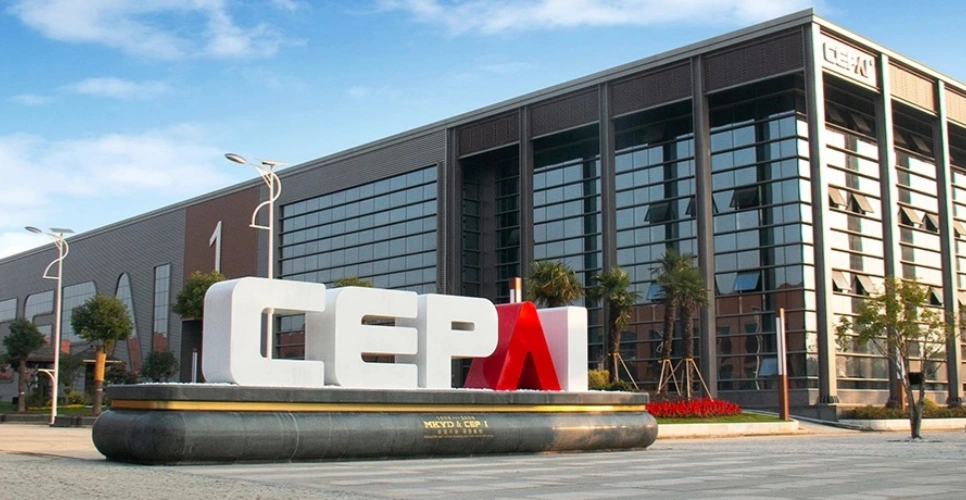
CEPAI delivers world-class valve automation systems made just for tough oil and gas uses, CEPAI is a leader in the field. Our full line of ISO 5211 actuator actuators includes electric, pneumatic, and hydraulic choices that are made to the best quality standards around the world. With standards like API Q1, API 6A, ISO 9001, and CE marking, CEPAI gives your operations the dependability and efficiency they need. Email our expert team at cepai@cepai.com to talk about your automation needs and get competitive quotes from a reputable ISO 5211 actuator provider.

References
International Organization for Standardization. "ISO 5211:2001 Industrial valves - Part-turn actuator attachments." Geneva: ISO Press, 2001.
Smith, Robert J., and Michael Chen. "Valve Automation Engineering Handbook: Design Principles for Industrial Applications." Industrial Press, 2019.
American Petroleum Institute. "API Standard 6D: Pipeline Valves - Requirements for Design, Manufacturing, Testing, and Documentation." Washington: API Publishing Services, 2021.
Johnson, Sarah K. "Actuator Selection and Application Guide for Process Industries." Process Engineering Publications, 2020.
European Committee for Standardization. "EN 15714-2:2009 Valve actuator interface - Multi-turn valve actuator attachment." Brussels: CEN Publications, 2009.
Williams, David P., and Lisa Thompson. "Industrial Valve Technology: Modern Automation Solutions for Critical Applications." McGraw-Hill Professional, 2022.
_1746598531170.webp)
Get professional pre-sales technical consultation and valve selection services, customized solution services.
About CEPAI