Improving Plant Safety with Automated Emergency Shutdown Valves
In high-risk businesses, where seconds can mean the difference between keeping operations going and having a catastrophic failure, plant safety is still the most important thing. An emergency shutdown valve is the first line of defense against separating dangerous fluids during emergencies. It does this instantly in the event of odd pressure spikes, temperature changes, or toxic releases. By combining mechanical dependability with automated control systems, these valves greatly reduce human error while providing reliable, consistent performance that can't be achieved by hand in emergency situations in power generation, oil and gas, and petrochemical facilities.
Understanding Automated Emergency Shutdown Valves and Their Role in Plant Safety
What Are Emergency Shutdown Valves
Specialized valve units are built into emergency shutdown systems so that flow stops right away when safety limits are crossed. Standard isolation valves need to be opened and closed by hand, but these automatic units get their information from distributed control systems that keep an eye on process factors. Usually, the control design uses multiple sensors that send data to programmed logic controllers. These controllers then activate pneumatic or electrohydraulic actuators on the valve body. When heat runaway reactions or pipeline ruptures happen, this closed-loop device makes sure that response times of milliseconds protect people and equipment.
How Automated Control Systems Operate
In modern safety instrumented systems, shutdown valves are grouped by their Safety Integrity Level, which ranges from SIL 1 to SIL 4. Higher levels require higher levels of stability. The logic solver constantly compares sensor inputs to trip points that have already been set. When the conditions are right, the valve closes automatically. If the instrument air leaks, the pneumatic motors will use saved gas pressure to move the valve stem back to its safe position, while the spring return mechanisms will provide extra closure force. This multi-layered method makes sure that dangerous sections stay separate even if the power goes out, which is the main worry of drilling engineers and wellhead specialists who are in charge of the high-pressure control device.
Common Valve Types and Industry Adaptations
Valve configurations need to be different depending on the process variables. Ball valves are great for emergency separation in drilling operations where fluids with particles could clog other designs because they limit flow very little and close quickly with a quarter-turn. Butterfly valves save room in large-diameter pipeline uses, which is why midstream operators who run big transmission networks like to use them. Globe valves are great for slowing because they let you control the speed at which they shut off, which stops water hammer and pressure spikes that could damage pipes. An emergency shutdown valve is one type of such configuration. Each design uses materials that meet ASTM standards. The body can be made of carbon steel WCB for mild service or Inconel metals for areas with sour gases that contain hydrogen sulfide that are very resistant to corrosion.
Preventing Accidents Through Rapid Response
According to data from the Center for Chemical Process Safety, sites that use automated shutdown systems are up to 85% less likely to have serious accidents than those that rely on human action. The time it takes for workers to notice something is wrong, decide what to do, and physically get to where the valves are located causes too many delays during uncontrolled exothermic reactions or pipeline ruptures. Automated valves get rid of brain and physical reaction delays, so they always work the same way, no matter what shift the user is on or how much experience they have. This stability meets important needs of plant engineers and process control managers who need to keep production running smoothly while protecting safety records.
Selecting the Right Emergency Shutdown Valve for Your Plant
Performance Criteria and Technical Specifications
Pressure ratings are the most important factor in the decision process. Body wall thickness and flange measurements are based on ANSI Class names that range from 150 to 2500. For high-pressure drilling, it's common to need Class 900 or higher to handle wellhead pressures of more than 5,000 psi. Flow needs to determine the size of the valve, and Cv factors are used to measure capacity at certain pressure drops. Material compatibility is very important when working with toxic substances like hydrofluoric acid in alkylation units or chlorine in chemical processes. This is why structures made of stainless steel CF8M or Hastelloy C276 are needed because they don't rust between the grains.
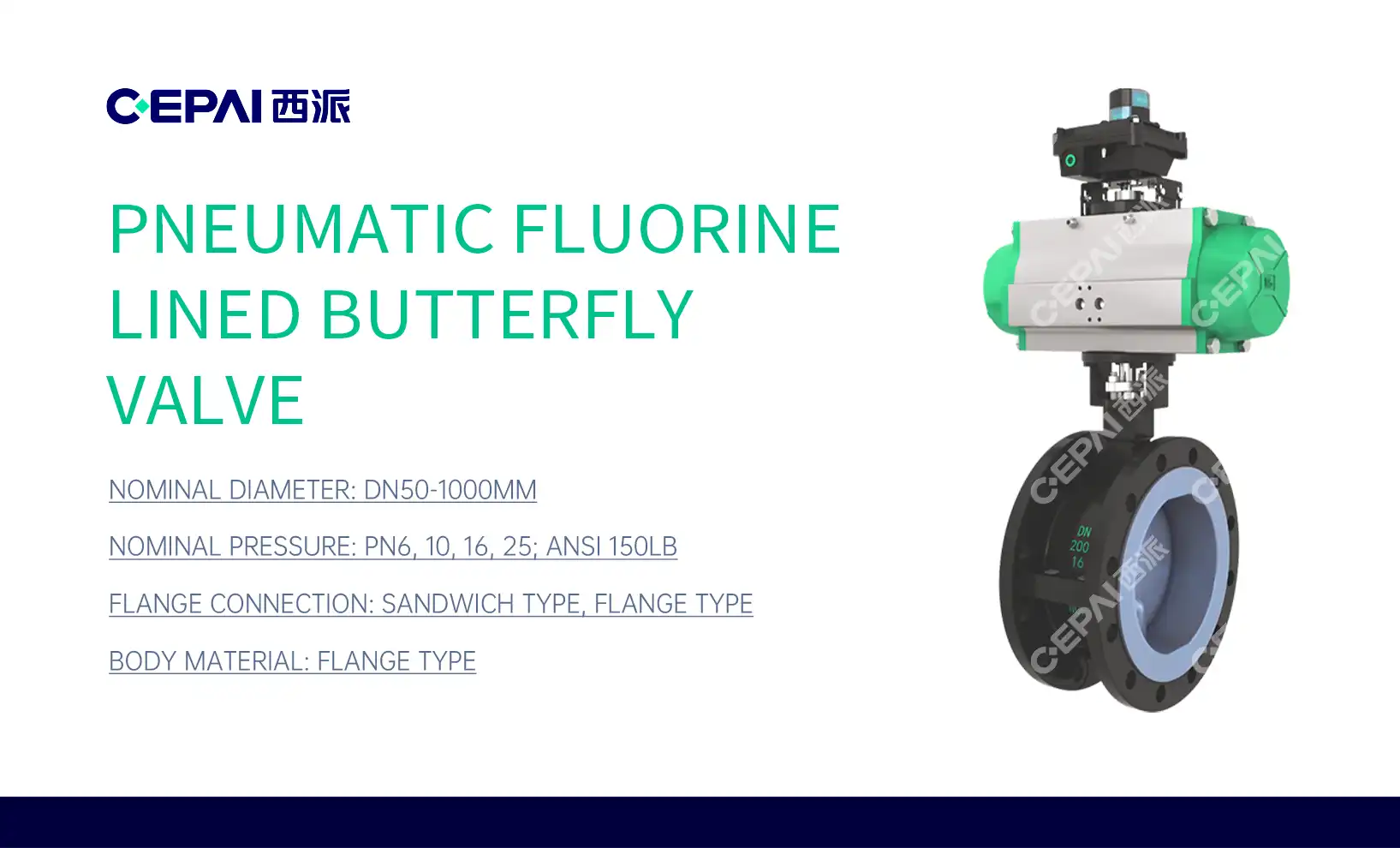
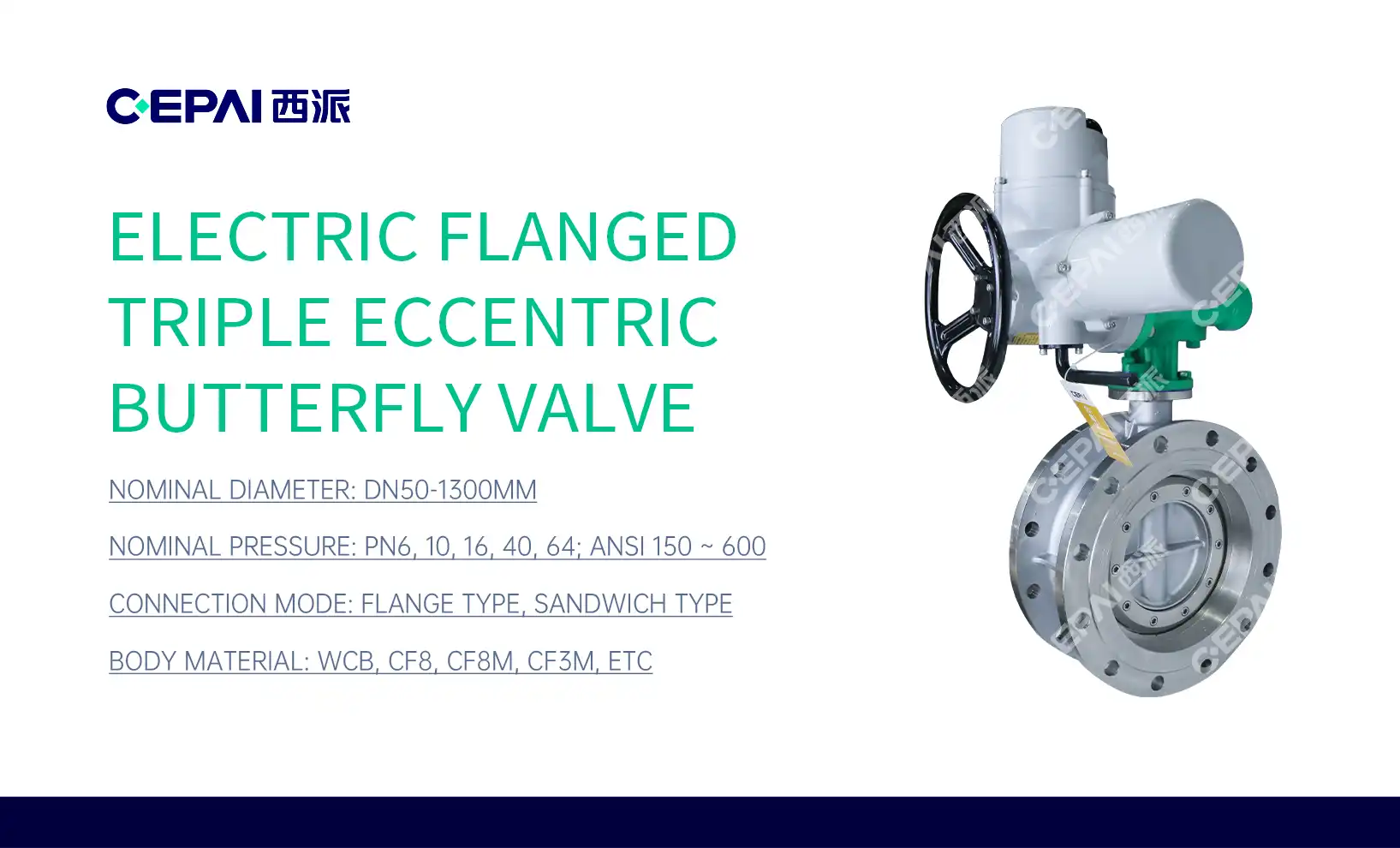
The choice of actuator system strikes a mix between speed and control accuracy. Pneumatic actuators are most common in hydrocarbon service because they are naturally safe around sparks. Electric motor operators, on the other hand, work well in places that don't have a stable instrument air source. Hydraulic devices give big bore valves a lot of force, but they are harder to maintain because they need fluid reservoirs and pumps. Knowing about these trade-offs helps procurement managers and strategic sourcing directors match the skills of tools with the needs of the business.
Functional Differences from Related Valve Types
Emergency shutdown valves are not the same as pressure safety valves. Pressure safety valves instantly release excess pressure through discharge, while emergency shutdown valves block flow lines. During regular operation, control valves change the flow rates, but they don't have the fail-safe design theory that is at the heart of shutdown devices. Isolation valves let you turn something off by hand without using automatic systems. By making these differences clear, specification mistakes that could damage plant security layers can be avoided. This is especially important for EPC project managers who are in charge of managing complicated instrumentation packages from different fields.
Evaluating Leading Global Suppliers
There are well-known companies in the computer control market that have a track record of success in safety-critical applications. Emerson has a wide range of Fisher Controls products, including digital valve controls that allow for partial stroke testing and a lot of different actuator choices. ABB offers combined solutions that include valves and advanced positioner technology that works with HART protocols. Honeywell puts a lot of emphasis on cyber-secure control systems that can't be broken into by industrial networks. Schneider Electric focuses on energy savings through improved actuator sizing algorithms, while Siemens offers modular platforms that let parts be swapped out between valve sizes. When pipeline integrity teams are narrowing down their list of potential long-term partners, they should compare how well each seller handles technical help, the availability of spare parts, and the quality of the paperwork.
Installation, Operation, and Maintenance Best Practices for ESDVs
Site Preparation and System Integration
The first step in a proper installation is to make sure that the base has enough room for the weight and moment loads of the actuator while it is in use. The piping stress analysis shows that the heat expansion forces stay within the allowed stem deflection limits. This keeps the stem from binding, which could shorten the stroke times. When arranging electrical tubing, it is important to follow the area classification rules set out in NEC Article 501 for Division 1 and Division 2 hazardous sites. Filters and regulators in pneumatic supply lines keep the air clean and dry at certain pressures. This keeps sensitive parts like solenoid valves and diaphragm seals from getting dirty.
Before putting the control system into the field, Factory Acceptance Testing procedures must be used to make sure that the signal wiring terminations, loop calibrations, and locking logic are all correct. Comprehensive system integration testing makes sure that sensor inputs correctly activate valves within the design reaction times. For projects that need Safety Instrumented System validation according to IEC 61511 standards, third-party proof is often required. This level of strictness eases the minds of technical procurement specialists who are in charge of managing full engineering packages and have to deal with multiple vendors.
Operational Principles and Fail-Safe Features
The fail-safe design theory says that if the motive power goes out, the valve will automatically go to its safe state, which is usually fully closed for separation service. This is done by mechanical energy storage in spring return actuators and different trip systems that let out actuation pressure when an emergency signal is received by double-acting cylinders. If the main devices stop working, the backup activation routes provided by the redundant pilot solenoids can be used. Partially stroke testing lets you check the movement of valves on a regular basis without having to shut down the whole process. This is useful for plant maintenance managers who have to balance making sure the system is safe with keeping production going.
Position feedback receivers confirm the movement of the valve stem, and limit switches tell control systems when the emergency shutdown valve is open or closed. Smart positioners keep an eye on diagnostic factors like air supply pressure, packing friction, and actuator spring preload. They send out repair alerts before problems happen. This condition-based tracking works with the proactive repair plans that oilfield service companies use to keep unplanned downtime to a minimum while they're working on important wells.
Routine Inspections and Preventive Care
Maintenance schedules are based on what the maker says and what the operator has learned over time. Usually, full checks are scheduled every 12 to 24 months. Visual inspections show external rust, actuator leaks, and stem packing pressure that needs to be adjusted. Measuring stroke time shows when an actuator's performance is dropping, and checking for leaks makes sure the seat is solid according to API 598 standards. Galling can be avoided by lubricating uncovered stem threads. This is especially important in high-cycle situations where frequent movement speeds up wear.
Dealing with slow close times, which are often caused by dirty actuator diaphragms or worn-out spring loading, is part of troubleshooting common problems. Too much seat leaking could mean that foreign matter is getting stuck or that the closing surfaces are worn and need to be lapped or the component needs to be replaced. Failures of actuators are often caused by broken solenoid coils or clogged gas filter elements. This shows how important it is to maintain air quality. To help with quick fixes and keep production going as smoothly as possible, MRO buying teams keep important spare parts like trim components, actuator seals, and positioner assemblies in stock.
Standards Compliance and Industry Benchmarks
Regulatory compliance involves following many foreign rules for designing, making, and testing things. API 6D specifies requirements for pipeline valves including pressure-temperature ratings and shell testing procedures. Using gas or liquid test media, API 598 sets the acceptance standards for seat leaks. ISO 15848 talks about fugitive emissions performance that is important for volatile organic compound rules. IEC 61508 sets practical safety standards for safety systems that are electrical, electronic, or programmable, and IEC 61511 applies these rules to the process industry. Material certificates, pressure test results, and functional verification records that meet both company engineering standards and regulatory body expectations must be included in documentation packages to show conformance.

Enhancing Plant Safety Through Technology and Innovation in ESDVs
Digital Integration and IoT-Enabled Monitoring
Modern safety systems use Industrial Internet of Things (IIoT) designs to gather data on valve performance across distributed assets. This data is then sent to central tracking platforms through edge computing gateways. Cloud-based analytics look at past trends to find degradation patterns that can tell you about upcoming crashes weeks before they happen. Digital valve controllers talk to each other using industrial Ethernet protocols like PROFINET and EtherNet/IP. This makes it easy for them to connect to plant-wide distributed control systems that pipeline workers use to keep an eye on facilities that are spread out in different areas.
Wireless monitoring gets rid of the need for expensive wiring in retrofits and gives installers more options in places with a lot of pipes. Battery-powered devices that work on WirelessHART or ISA100 networks don't need to be maintained for years, which helps energy service providers when they have to put equipment in remote wellpads that don't have access to electricity. As technology changes, emergency shutdown valves go from being separate mechanical devices to being connected, smart assets that provide tactical information that helps make strategic decisions.
Predictive Maintenance and Performance Visibility
Modern valve positioners have built-in advanced monitoring features that check dozens of factors to see how healthy each component is. Friction analysis finds changes in packing pressure that need to be fixed before a stem seizure happens. Monitoring the pressure on an actuator bench shows when the spring or diaphragm is breaking down. Tracking the supply pressure shows problems in the upstream air system that affect many valves. Statistical methods compare current performance to baselines set during commissioning. They measure how bad the difference is so that upkeep tasks can be prioritized.
When compared to time-based schedules, predictive strategies cut maintenance costs by up to 40% while increasing equipment availability through focused actions that stop problems that weren't planned, such as an emergency shutdown valve failing unexpectedly. It's much better for drilling companies with high-day-rate rigs to avoid the downtime that comes with emergency fixes. On the other hand, it's better for refinery turnaround planners to focus their inspection resources on equipment that is showing strange diagnostic trends, like an emergency shutdown valve with erratic performance.
Case Studies Demonstrating Safety Improvements
Over the course of three years, a Gulf Coast petrochemical complex that put automated shutdown systems in place for all of its key heat exchanger services saw a 70% drop in events involving loss of containment. The facility said the changes were due to uniform valve reaction times and getting rid of the human factors that used to cause isolations to be delayed during thermal runaway conditions.
A midstream provider in the Appalachian Basin switched from manual block valves to automatic emergency separation devices for a 200-mile transmission system. In a third-party excavation accident, a 24-inch pipeline burst. Within 90 seconds, the automatic system cut off the damaged section, stopping the release of only 3% of the product that would have been allowed to leave with a manual valve closing. The quick reaction kept a nearby stream from becoming polluted, which kept the operator's license to operate and kept them from facing fines.
A drilling station in the North Sea added high-integrity pressure protection systems to Christmas tree assemblies. These systems include subsurface safety valves and automatic surface separation. The improved safety design got SIL 3 approval, which let the user go after high-pressure, high-temperature reservoirs that were previously thought to be too dangerous to go after. Production from these difficult forms brought in extra money that was more than the investment in the control system within 18 months, all while keeping the highest standards of safety.
Future Trends in Valve Technology
Now, programs that use artificial intelligence look at valve signature patterns that are recorded during stroke tests. They do this by comparing waveforms to digital twins that show how the valve should behave. When performance doesn't match what was expected, maintenance reports with root cause diagnostics are sent out. This cuts down on fixing time by a huge amount. Machine learning models that have been trained on failure records used by the whole industry can accurately predict how long a component will last, allowing for proactive replacements before safety gaps are lost.
Using additive manufacturing, you can make special valve internals with flow shapes that are better than what can be achieved with traditional machining. This lowers pressure drop and makes the valve easier to control. As part of companies' environmental responsibilities, sustainable design projects focus on getting rid of single-use parts and using advanced packing systems to cut down on stray emissions. These new ideas give forward-thinking buying teams the tools they need to choose next-generation equipment that is both better at its job and better at taking care of the environment.
Conclusion
Automated emergency shutdown valves are important safety hurdles that keep people, property, and the environment safe in high-risk businesses. By carefully choosing devices that balance performance needs with operating limitations and following strict installation and upkeep procedures, these important devices will provide reliable protection for as long as they are used. Digital tracking and predictive diagnostics are always getting better, which means that valves can do more. This makes it possible for more complex safety systems that can react intelligently to process problems. When plant operators use strategic purchasing methods that look at the total cost of ownership instead of just the purchase price, they can choose the best tools that will offer long-term value through safety and operational excellence.
FAQ
1. What is the typical response time for an emergency shutdown valve?
Response times depend on the size of the valve and how the control system is set up. Smaller valves (2-4 inches) usually reach full stroke in 1-3 seconds with pneumatic actuators. Larger bore assemblies (24 inches and above) may take 5–15 seconds, based on the size of the actuator and the pressure of the air source. As part of the process hazard analysis that figures out the needed protection layer reaction to stop dangerous situations before they hit consequence levels, critical applications set maximum close times.
2. How often should emergency shutdown valves be tested?
The number of tests is based on the results of a risk estimate that is written down in the Safety Instrumented System design basis. For high-demand services, testing may be required every three months for partial strokes and full functional tests during planned turnarounds. For lower-risk services, testing can be done once a year. Regulatory frameworks, such as the EPA Risk Management Program and OSHA Process Safety Management, spell out the testing paperwork requirements that plant engineers must meet by keeping detailed records of maintenance.
3. Can existing manual valves be retrofitted with automated actuators?
How possible it is to retrofit depends on how the valve is designed and how it is mounted. Many ball and butterfly valves have standard ISO 5211 fixing plates that let you install an actuator. However, you must do a structural evaluation to make sure that the stem is strong enough and the body is intact enough to handle the forces of the actuator. Globe valves are more difficult to work with because they need more power and the stems may not fit together perfectly. When engineers compare the costs of retrofitting with the costs of replacing old equipment with purpose-designed automatic assemblies, the new equipment usually wins because it works better and comes with a full guarantee.
Partner With CEPAI for Reliable Emergency Shutdown Solutions
For uses that need to be safe, you need equipment that has been tested and is backed by full tech support and quick service networks. CEPAI makes high-integrity emergency shutdown valve assemblies that are approved to API 6A, API 6D, and API 16C standards. These provide performance guarantee for drilling, production, and midstream activities around the world. Our wide range of products includes wellhead isolation devices, pipeline safety systems, and process control valves that are made to work in the toughest situations. We offer full paperwork packages that meet strict procurement requirements by using our ISO 9001 quality management and ISO 17025 testing laboratory skills. Get in touch with our application engineering team at cepai@cepai.com to talk about your safety system needs with a reputable emergency shutdown valve maker that is dedicated to keeping your operations safe through superior technical performance and dependable delivery.

References
1. Center for Chemical Process Safety. (2018). Guidelines for Safe Automation of Chemical Processes, 2nd Edition. American Institute of Chemical Engineers, New York.
2. Summers, A.E. and Raney, G. (2020). Common Cause Failures in Safety Instrumented Systems: Analysis and Prevention. ISA - The International Society of Automation, Research Triangle Park.
3. Baybutt, P. (2019). "Requirements for Improved Process Hazard Analysis Methodology," Journal of Loss Prevention in the Process Industries, Vol. 58, pp. 44-53.
4. American Petroleum Institute. (2021). API Standard 598: Valve Inspection and Testing, 10th Edition. API Publishing Services, Washington DC.
5. International Electrotechnical Commission. (2016). IEC 61511: Functional Safety - Safety Instrumented Systems for the Process Industry Sector, Parts 1-3. IEC Central Office, Geneva.
6. Parry, C.F. (2017). Valve Selection and Specification Guide for the Process Industries. Professional Engineering Publishing, London.
_1746598525968.webp)
Get professional pre-sales technical consultation and valve selection services, customized solution services.
About CEPAI