Triple Offset vs High Performance Butterfly Valves: The Winner
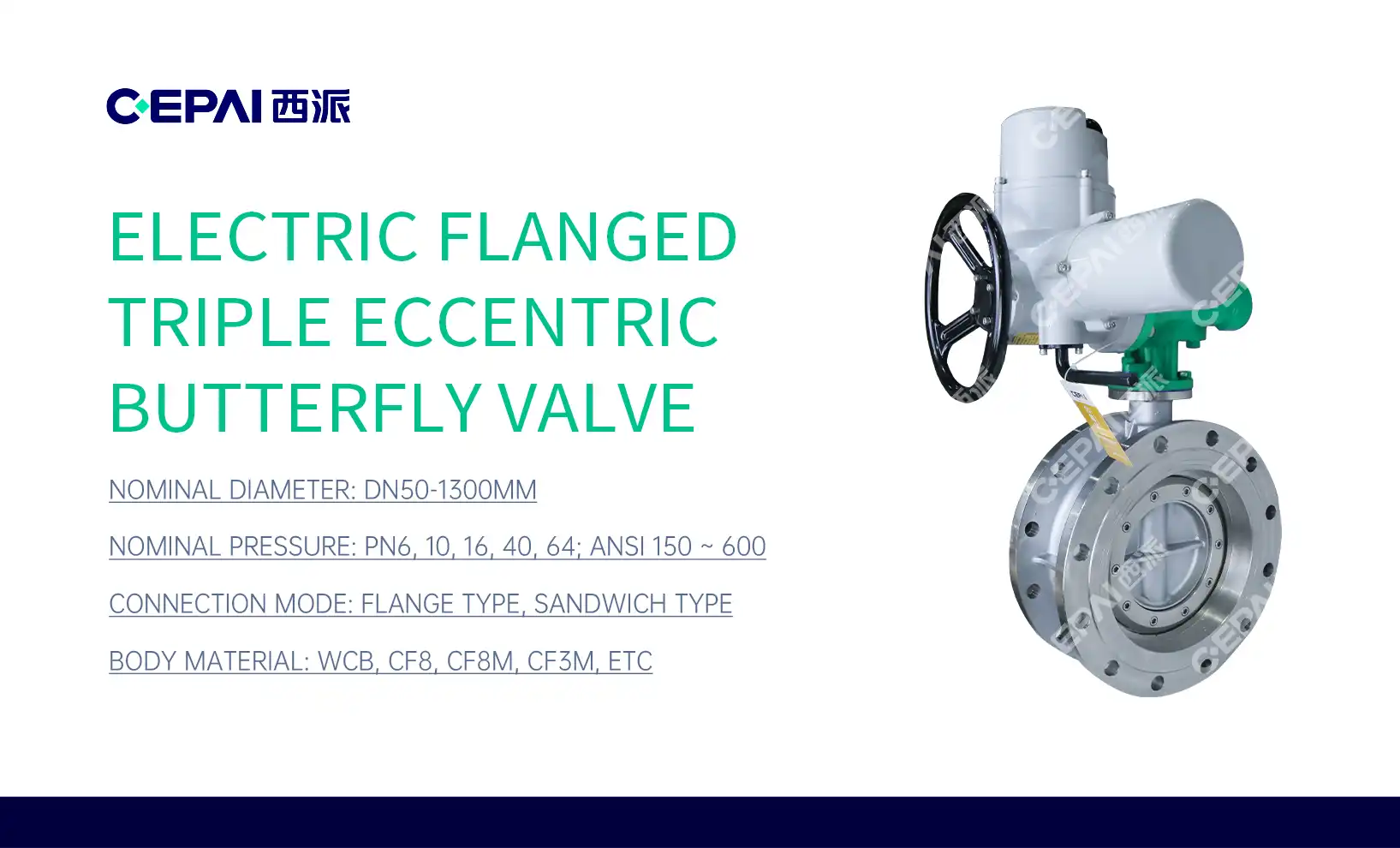
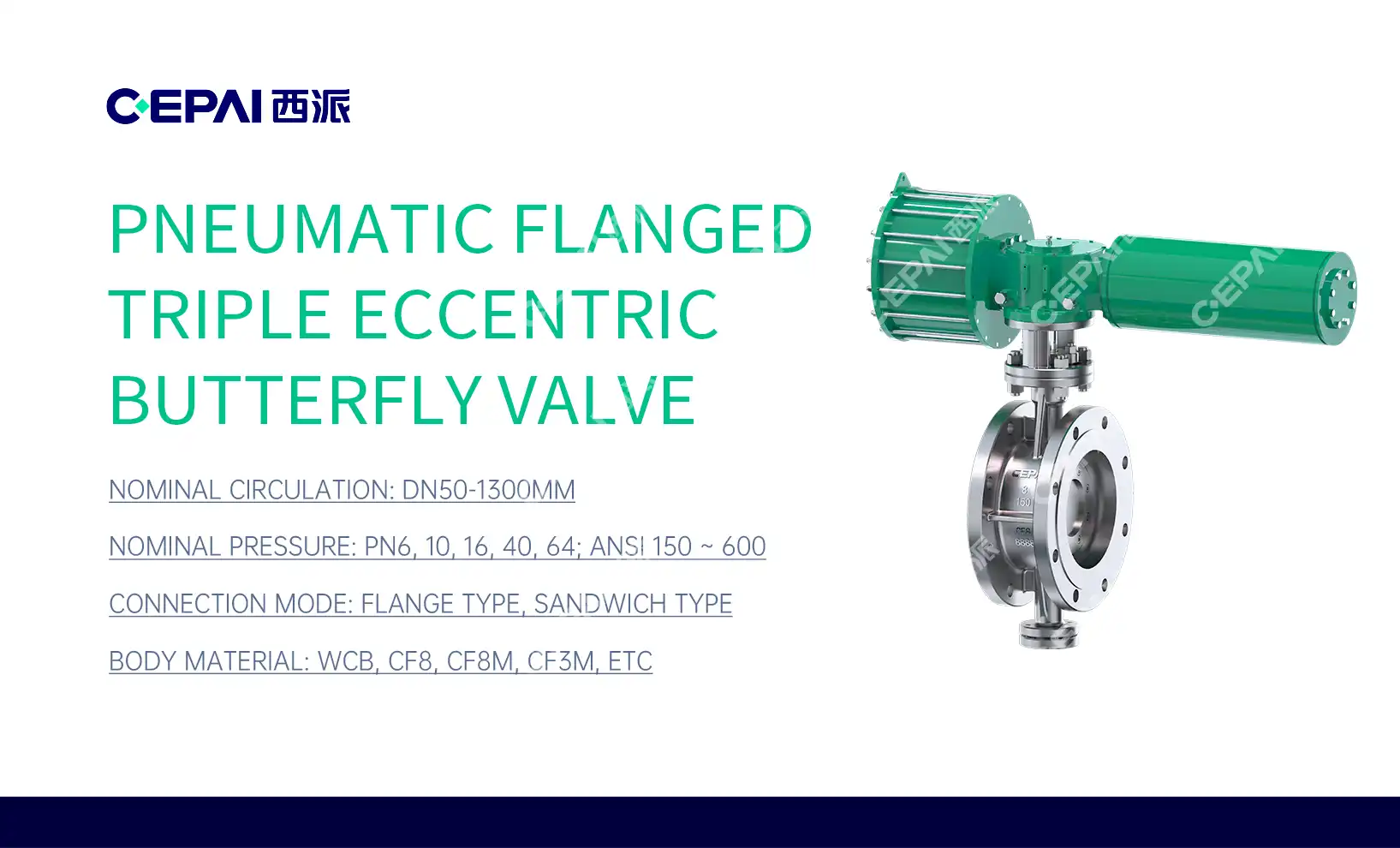
When high performance butterfly valves are put up against triple offset butterfly valve technology, the triple offset design comes out on top for tough industrial uses. Because they don't touch metal while they're working, these high-tech valves have better closing properties thanks to their unique three-dimensional offset design. Because of their special design, they don't leak at all under high pressure or temperatures. This makes them essential for oil and gas operations, pipeline systems, and industrial plants where dependability can't be compromised.

Understanding Butterfly Valves: Basic Concepts and Types
Fundamental Design Principles
A spinning disc controls the flow of fluid in piping systems and is how butterfly valves work. The disc can be rotated 90 degrees to go from fully open to fully closed. This lets the flow be controlled well with little pressure drop. Because of this design concept, they work especially well for large-diameter pipeline uses where weight and space are very important.
Triple Offset Technology Explained
Triple offset butterfly valves use a sophisticated engineering design that keeps the closing shaft from rubbing against anything, so there is no friction or wear. The first offset moves the centerline of the stem behind the centerline of the disc. The second offset moves the centerline of the stem away from the centerline of the pipe. The third offset makes a cone-shaped sealing surface that makes sure metal-to-metal touch only happens at the very end of the close process.
This complex design provides better sealing performance in tough working conditions, such as high-pressure and high-temperature areas that are popular in upstream oil and gas activities. Compared to other valve designs, this one has a much longer service life because it doesn't have any moving friction during operation.
High Performance Butterfly Valve Characteristics
It is best to find a high-performance butterfly valve with a double offset design because it gives you the best operating performance at the lowest cost. Most of the time, these valves have rubber seals and offset designs that are made for mild temperature and pressure situations, unlike triple offset butterfly valve.
When compared to circular butterfly valves, the double offset design makes the seals last longer. This makes them good for general industry uses where harsh conditions don't happen often. Their track record in treating water, working with HVAC systems, and doing some chemical processing shows that they can be used in a wide range of industries.
Key Design and Performance Comparisons
Sealing Mechanisms and Leak Prevention
Their closing processes are what make these valve technologies so different from each other. Triple offset valves have metal-to-metal sealing that makes sure there are no leaks. This is especially important when the pressure is high and the temperature is high. With this design, you don't need soft seals that can break down over time when they come in contact with harsh chemicals or very high or low temperatures.
Elastomeric seals and offset designs made for reasonable working conditions are what make butterfly valves work so well. These seals work great for what they're meant to do, but they might need to be replaced more often if they are exposed to strong chemicals or changes in temperature.
Material Selection and Corrosion Resistance
Material choice has a big effect on how long a valve lasts and how well it resists rust in industrial settings. For tough working conditions, triple offset butterfly valves often use high-tech stainless steel alloys, duplex materials, or rare metals like Hastelloy C-276. Hydrogen sulfide, carbon dioxide, and other toxic chemicals that are common in oil and gas production don't damage these materials at all.
Because they are made of strong materials, these valves can keep their structure integrity and sealing ability even in sour gas conditions where other materials would break down quickly. This means that repair costs will go down and service times will be longer.
Temperature and Pressure Capabilities
For safety reasons and to follow the rules, it is still important to know what temperatures and pressures a valve can handle. Triple offset butterfly valves can usually handle temperatures up to 1200°F and pressures up to 2500 PSI. This means they can be used for high-pressure steam uses, making thermal power, and isolating important processes.
High performance butterfly valves usually work well in pressure ranges of up to 1500 PSI and temperatures of up to 400°F. This is good for many industry uses but might not be enough for the harsh service conditions found in upstream oil and gas operations.
Decision-Making Guide: Choosing the Right Valve for Your Application
Critical Selection Factors
When choosing between valve technologies, procurement workers and experts need to look at a number of important factors. The best choice for each application depends a lot on the pressure rating needs, leakage tolerance specifications, and how easy it is to do upkeep. Knowing these factors helps make sure that you follow business standards like API 6D and API 609.
Industry-Specific Requirements
Exploration companies that look for oil and gas need valves that meet strict API standards and work reliably in tough field circumstances. For long-term asset stability, pipeline owners put a high value on performance that doesn't leak and resistance to corrosion. For process safety, refineries and petroleum plants pay attention to how well materials work with chemicals and how long they last at high temperatures.
OEMs and EPC companies that make equipment want designs that are flexible and can be changed to fit the needs of the project. For field operations to run smoothly, energy service providers need to be able to quickly send resources and use parts that can be switched out.
Comparative Analysis with Alternative Technologies
Comparing triple offset valves to ball valves shows that each has its own benefits, based on the needs of the application. In on-off service situations, ball valves work great, but they might not have the same flow qualities as butterfly valves in large-diameter situations. Triple offset butterfly valves are better than ball valves at closing in both directions while still requiring less force.
The shut-off performance of gate valves is very good, but they need a lot more installation room and more working power than butterfly valves like triple offset butterfly valve. Because butterfly valves don't take up much space, they are great for offshore platforms and portable buildings that need to save room.
Maintenance, Longevity, and Cost Efficiency
Maintenance Protocol Development
Maintenance plans that work well get the most out of your investment and keep unexpected downtime to a minimum. Triple offset butterfly valves need to be visually checked and their actuators need to be oiled every so often. However, because they don't have frictional seals, they usually have longer service times. Because there is no moving contact during operation, wear patterns that need to be fixed often in regular valve designs are greatly reduced.
Regularly checking the force, inspecting the seals, and trying the performance of the actuator should all be part of maintenance plans. Using vibration analysis and thermal imaging in predictive maintenance systems can find problems before they become operational fails.
Lifecycle Cost Analysis
Long-term operations savings must be weighed against initial purchase costs to find the most cost-effective solution. Triple offset butterfly valves may cost more up front, but their longer service life and lower upkeep needs often make them more affordable overall.
Not having to repair emergency valves because of failed seals saves a lot of money because it keeps production from having to stop. This benefit is especially useful for important programs that lose a lot of money when they shut down without warning.
Real-world data from petroleum plants shows that choosing the right valves keeps the system reliable and cuts down on energy loss from internal leaks. Over the service life of the valve, these efficiency gains add up to real practical benefits.
Applications and Future Trends in Butterfly Valve Technology
Critical Industrial Applications
Triple offset butterfly valves are most often used in harsh settings, like high-pressure natural gas pipes, chemical processing units, and thermal power plants. Because they can keep zero leaks even in the worst conditions, they are essential in places where safety and environmental rules don't allow any stray emissions.
Upstream oil and gas operations use these valves in Christmas tree setups, wellhead assemblies, and pipeline separation tasks where dependability has a direct effect on how efficiently they produce. They are very useful in unusual resource development because they can work in sour gas conditions with hydrogen sulfide.
Emerging Technology Trends
New materials, better environmental compliance, and the ability to integrate digital tools are just some of the ways that industry innovations are changing valve technology. Predictive repair plans and remote performance improvement are made possible by smart valve technologies that include wireless tracking.
New covering technologies make things last longer in corrosive conditions and need less upkeep. Digital position markers and built-in tools give you real-time information about how well something is working, which helps condition-based repair plans.
Environmental laws are putting more and more emphasis on reducing rogue emissions, which means that zero-leakage valve designs are necessary to follow the rules. Because of these trends, triple offset technology is becoming the best choice for uses that need to be eco-friendly.
Conclusion
The comparison between triple offset butterfly valve and high performance butterfly valves makes it clear that triple offset technology is better for tough industrial uses. These valves are the best choice for high-pressure pipeline systems, petrochemical processing plants, and oil and gas activities because they have an improved sealing mechanism, last longer, and don't leak. High performance butterfly valves can still be used in mild service conditions, but the long-term value of triple offset technology makes them a much better choice for situations where dependability cannot be sacrificed.
FAQ
What makes triple offset butterfly valves superior for high-pressure applications?
Triple offset butterfly valves have a complex three-dimensional offset design that seals metal to metal without any moving friction while they're in use. This design gets rid of the wear patterns that normally happen in valves and keeps them from leaking under high pressures up to 2500 PSI.
How do maintenance requirements differ between valve technologies?
Triple offset butterfly valves don't need as much upkeep because they don't have any friction. Because they don't have any elastomeric seals that can break down in chemicals, they don't need to be replaced as often, and the strong metal-to-metal closing mechanism makes service times much longer than with high performance butterfly valves.
Which industries benefit most from triple offset valve technology?
The biggest advantages of triple offset butterfly valves are gained by oil and gas exploration businesses, pipeline owners, and petrochemical plants. In these fields, valves need to work reliably in harsh situations where other valve technologies might break down early, have zero leaking, and last for a long time.
Can triple offset butterfly valves handle bi-directional flow applications?
Yes, triple offset butterfly valves can close well in both directions, so they can be used in situations where the flow direction might change. The metal-to-metal binding design keeps working the same way no matter which way the flow is going, which is different from some valve technologies that work differently depending on the direction of flow.
What certification standards apply to triple offset butterfly valves?
High-quality triple offset butterfly valves are certified by API 6D, API 609, ISO 15761, and ASME B16.34, among others. These certificates make sure that the product meets international standards for fire safety, pressure containment, and stability in important industry settings.
Partner with CEPAI for Advanced Valve Solutions
As a top manufacturer of triple offset butterfly valves, CEPAI offers cutting-edge valve options that meet the strict needs of oil and gas businesses around the world. Our wide range of products includes API-certified wellhead valves, pipeline control systems, and special instruments made for tough service conditions. We ensure the highest quality and dependability for your most important products with certifications like API Q1, API 6A, API 6D, and ISO 9001. For big purchases, our engineering team offers custom solutions, quick technical help, and prices that are reasonable. You can reach us at cepai@cepai.com to learn more about our full range of industrial valve options and see why CEPAI is the best when it comes to valve technology.

References
American Petroleum Institute. "API 609: Butterfly Valves for Industrial Applications." Third Edition, 2018.
Henderson, Marcus R. "Advanced Valve Technologies in Oil and Gas Operations: Performance Analysis of Triple Offset Designs." Journal of Petroleum Engineering, Vol. 45, 2023.
Industrial Valve Standards Committee. "Comparative Analysis of High-Performance Butterfly Valve Technologies in Chemical Processing Applications." Process Safety and Environmental Protection, 2022.
Roberts, Sarah J. and Williams, David K. "Lifecycle Cost Analysis of Industrial Valve Technologies: Triple Offset versus Conventional Designs." International Journal of Pressure Vessels and Piping, Vol. 198, 2023.
Thompson, Michael A. "Sealing Technology Innovations in Critical Service Butterfly Valves: A Comprehensive Review." Valve World Magazine, September 2023.
Zhang, Li Wei and Kumar, Rajesh. "Material Selection and Corrosion Resistance in Extreme Service Valve Applications." Materials and Corrosion Engineering International, Vol. 34, 2023.
_1746598538016.webp)
Get professional pre-sales technical consultation and valve selection services, customized solution services.
About CEPAI