Is a Solenoid Valve a Control Valve? Clearing the Confusion
In industrial settings, the connection between solenoid valves and control valves is often hard to understand. A solenoid valve can be used as a basic control valve, but it doesn't work the same way as other control valves. Control valves offer more complex modulation capabilities for precise flow regulation, whereas solenoid valves offer quick on/off control using electromagnetic activation. When purchasing professionals choose valves for oil and gas operations, pipeline management, and industrial control systems, they can make better choices when they know the differences between these types.

This detailed guide looks at the technical differences between the two types of valves, as well as their operating skills and real-world uses. We'll look at when solenoid valves can work well as control devices and when separate control valves are needed for the system to work at its best.
Understanding Solenoid Valves and Control Valves
Defining Solenoid Valve Technology
A solenoid valve quickly opens and closes using electric force to control the flow of fluid. The device has a solenoid coil, a pusher, and a valve body. These parts work together to instantly control the flow of fluid. When electricity flows through the coil, it makes a magnetic field that moves the plunger, which can either open or close the valve path.
These electric devices work very well in situations where response times need to be very short, usually in milliseconds. Because solenoids only work in two states, they are perfect for processes that need to stop or start flow right away, like emergency shutdown systems in drilling or fast cycle control in automated manufacturing.
Traditional Control Valve Functions
In industrial systems, control valves do more than just turn things on and off. They also regulate flow in different ways. By carefully placing their internal parts, these devices change the flow rates, pressure levels, and temperature settings. Control valves can stay in any position between fully open and fully closed, while solenoid valves can only stay in one position.
Getting control signals from process managers and changing the position of the valve based on those signals is how a solenoid valve works. Control valves are necessary to keep things running at their best in chemical processing, pipeline transportation systems, and refinery operations because they can smoothly change process variables.
Comparing Operating Mechanisms
The main difference is how they think about power. Solenoid valves work like digital devices that can only be open or closed, while control valves work like analog devices that can be placed anywhere within their working range. This difference has a big effect on how well they work in different business settings.
The response characteristics of these valve types are also very different. When electrical signals are sent to solenoid valves, they respond almost instantly. This makes them useful for safety purposes and fast switching operations. Precision is more important than speed when it comes to control valves. They offer gradual changes that keep the process stable and avoid system stress.
Functional Roles: Can a Solenoid Valve Act as a Control Valve?
Direct Acting vs. Pilot Operated Configurations
In low-pressure situations where simple on/off action is enough to meet process needs, direct acting solenoid valves can be used for control tasks. These valves work well in systems with pressures below 150 PSI, which means they can be used in some drilling fluid lines and low-pressure gas situations. The electromagnetic force directly controls the valve system, which works reliably in these restricted situations.
Pilot-operated solenoid valves let you control higher pressure uses by using the pressure in the system to help the valve work. The solenoid manages a small test valve that sends system pressure to the main valve, which lets the flow be controlled up to several thousand PSI. When quick separation is needed, this design works well at the wellhead and in high-pressure pipeline systems.
Limitations in Modulation Capabilities
Solenoid valves can carry out basic control tasks, but they don't have the advanced modulation features needed for precise process control. Fine-tuning of flow rates, pressure drops, and temperature control are needed in many industrial processes, but the binary action doesn't let them happen. This limitation is very important in situations where changes need to be made slowly or control replies need to be proportional.
Standard solenoid valves are also hard to control because they don't give position input. Operators can't make sure the system is working right or find partial failures that could hurt performance if they don't know where the valves are actually located. Because of this problem, solenoid valves aren't as good for critical control situations where location proof is important.
Practical Applications in Oil and Gas
In digging operations, solenoid valves work well as control devices for mud circulation systems, where quick flow diversion safeguards equipment from pressure spikes. The quick response time keeps drilling going efficiently and helps keep the rock from getting damaged. For emergency shutdown systems, where stopping the flow right away is more important than reducing it gradually, pipeline workers use solenoid valves.
In cases where a quick reaction to changing downhole conditions is needed, solenoid valve control is useful in wellhead uses. The electromagnetic actuation makes it safe to use in harsh conditions, and the simple design means it needs less upkeep than more complicated control valve systems. Because of these benefits, solenoid valves are useful parts in upstream processes where speed and dependability are more important than accuracy.
How to Choose the Right Valve for Your Application?
Critical Selection Criteria
When choosing valves for oil and gas uses, the pressure number is the most important thing to think about. When handled by a guide, solenoid valves usually work well up to 6000 PSI, but certain types of control valves can handle pressures higher than 15000 PSI. Knowing the highest pressure that can be used in your system will make sure that the valves work safely and reliably for the whole life of the equipment.
The size and shape of the valves that are needed for the best system performance are based on the flow coefficient needs. Because of how they are built on the inside, solenoid valves can't handle as much movement as control valves of the same size. Figuring out how much flow is needed helps you figure out if the limits of the solenoid valve will make the system less efficient or if you need separate control valves.
Temperature affects both the choice of valve and the requirements for the material. Solenoid coils usually work in temperatures between -40°F and 350°F, but control valves made just for refining and petrochemical uses can handle very high temps. Choosing valves with the right temperature values keeps operations safe and stops them from failing too soon.
Industry-Specific Applications
When it comes to switching the flow between injection wells quickly, water injection systems in improved oil recovery processes benefit from solenoid valve control. The quick response time makes managing the reservoir easier, and the simple design lowers the cost of upkeep in rural areas. But to precisely control the flow rate, you need control valves that can send feedback about their position.
In situations where quick action is required to avoid equipment damage, solenoid valves are used in air compressor uses for unloading and pressure release. Because they work reliably even after long periods of inaction, the electromagnetic actuation makes these valves useful for intermittent service uses that are common in drilling operations.
Supplier and Manufacturer Considerations
Well-known companies like ASCO, Parker, and Honeywell make solenoid valve that have been used for a long time in the oil and gas business. These companies offer full expert help to make sure the right valve is chosen and the right application is given. Their well-established transport networks make replacement parts easy to get quickly, which cuts down on downtime during repair.
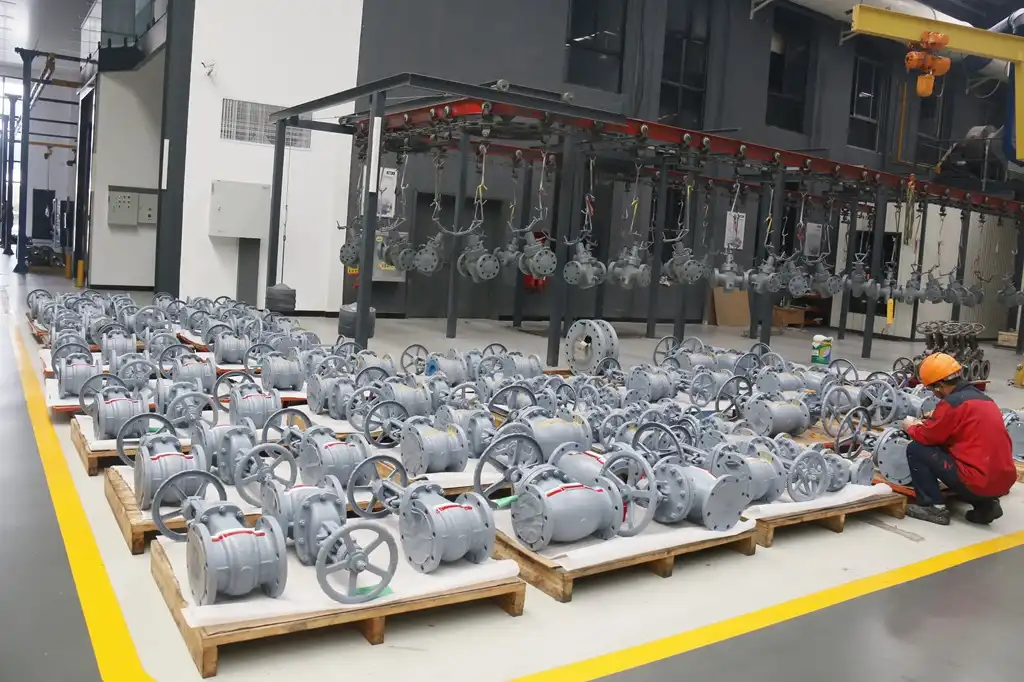
Some of the benefits of procurement are bulk discounts for big projects, longer warranty programs, and help with expert training. Many makers offer custom solutions for specific uses and let engineers work together on the project from the beginning to the end. These relationships improve the success of projects while lowering total procurement costs by making it easier to choose the right valves and buying in bulk.
Troubleshooting and Maintenance of Solenoid Valves
Common Operational Issues
The most common way for a solenoid valve to fail is through coil burnout, which is usually caused by changes in power or constant duty operation that goes beyond the valve's design limits. One sign is that the valve doesn't respond to electrical signals, and you can see damage to the coil windings. With the right voltage control and duty cycle management, most coil problems can be avoided, and valves can last longer.
If debris builds up in valve seats, they don't close properly, which leads to unstable operation. Process fluids that are contaminated can leave behind particles that stop valves from closing all the way. This causes internal leaks and lowers the efficiency of the system. Cleaning the system and checking the valves on a regular basis can help find pollution problems early on, before they hurt the process.
Preventative Maintenance Strategies
Voltage drop and burning can damage solenoid coils, but they can be avoided by checking electrical connections on a regular basis. When connections aren't tight, resistance builds up and heat is produced, which could lead to coil failure or slower valve response time. To keep things running reliably, electrical connections should be torqued to the manufacturer's specs at regular repair times.
An study of the valve body shows patterns of wear and buildup of contaminants that lower efficiency. During planned shutdowns, looking at internal parts visually can find problems before they cause the system to fail. During maintenance breaks, replacing old seals and cleaning the inside of valves keeps them working reliably and extends their service life.
Step-by-Step Troubleshooting Guide
If your solenoid valves won't work, check the voltage and current levels at the coil connections to make sure they are getting power. When the voltage is wrong, the electric force is weaker, which stops the valve from working properly. By measuring the resistance across the coil windings, you can find coils that are open or shorted and need to be replaced.
Mechanical binding often stops valves from working, even when the electrical parts are fine. Manual activation tests show mechanical limits that could be caused by dirt, rust, or worn parts. Most mechanical problems can be fixed by taking things apart and cleaning them, but seriously old parts need to be replaced to get things working again.
Conclusion
In some situations where fast on/off action is needed for the process, solenoid valves can work well as control valves. In the oil and gas business, their electromagnetic actuation works reliably in basic control situations, flow redirection systems, and emergency stop systems. But because solenoid operation is binary, they aren't very good at processes that need exact flow modulation or proportional control reactions.
Which one to use - solenoid valves or dedicated control valves - depends on the purpose, the pressure number, and the level of accuracy needed for control. Even though solenoid valves are cheaper and easier to maintain, control valves work better in situations where precise flow control and position input are needed. By knowing these differences, procurement experts can choose the best valve options that meet performance needs and keep running costs low.
FAQ
Can solenoid valves provide variable flow control?
Most solenoid valves work in binary mode, which means they can only be fully open or fully closed. Pulse width modulation, on the other hand, can control the flow in different ways by quickly switching the valve between open and closed states. This method works well when average flow control is enough to meet the needs of the process, but it's not as accurate as true oscillating control valves.
What pressure ratings are available for solenoid valves?
Most direct working solenoid valves can handle pressures up to 250 PSI, while versions that use a pilot can handle pressures higher than 6000 PSI. High-pressure designs use system pressure to help valves work, which makes it possible to handle difficult tasks in pipeline and wellhead systems. When choosing a pressure grade, you need to think about system pressure surges and the safety factors that are needed by industry standards.
How do I choose between normally open and normally closed configurations?
The right fail-safe setting for solenoid valves is mostly decided by safety concerns. When the power goes out, normally closed valves stop flow instantly, which makes them good for safety shutdown uses. When the power goes out, normally open valves keep the flow going, which is helpful in situations where stopping the flow poses more safety risks than continuing to work. Process safety analysis helps figure out which fail-safe setup works best for each use case.
What maintenance intervals are recommended for solenoid valves?
How often maintenance needs to be done relies on the working conditions, duty cycle, and properties of the process fluid. In clean service uses, inspections may only need to be done once a year, but in dirty settings, they need to be done every three months. In high-cycle uses, coils should be inspected more often, while irregular service valves can go longer without needing to be serviced. Setting up repair schedules based on how things are actually working increases reliability and lowers the cost of upkeep.
Partner with CEPAI for Advanced Valve Solutions
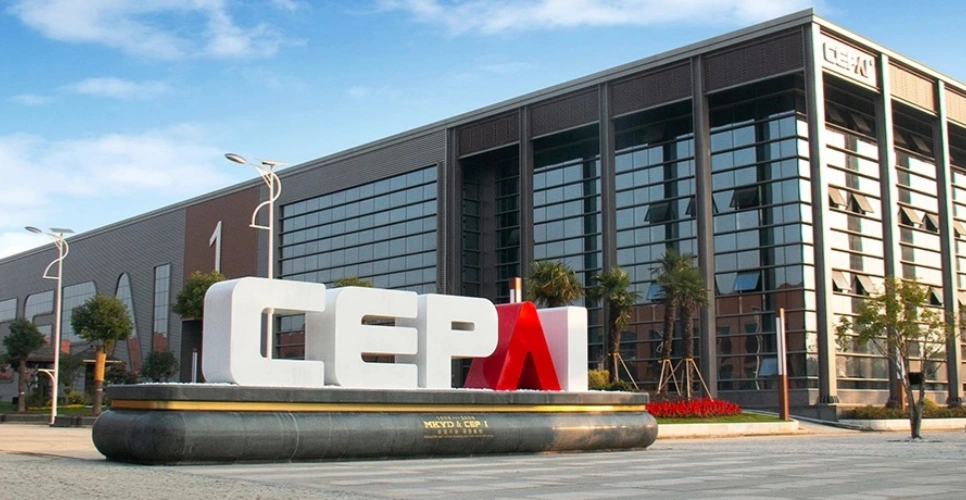
The main thing that CEPAI does is make high-quality solenoid valves and control systems that are used in the oil and gas business. Our wide range of products includes API-certified wellhead kits, pipeline valves, and precise control devices that are perfect for drilling, production, and pipeline work. We offer dependable options that make sure operations are safe and run smoothly. Our certificates include API Q1, API 6A, API 6D, and ISO 9001.
Our engineering team works with clients to create unique valve solutions that solve problems in specific applications. Whether you need precision control valves to control flow or rapid-response solenoid valves for emergency shutdown systems, CEPAI can help you make the right choice and put it into action. Get in touch with our technical experts at cepai@cepai.com to talk about your valve needs and find out how our skills as a solenoid valve maker can help your business run more smoothly and cost less overall.

References
Smith, R.J. "Electromagnetic Actuators in Industrial Valve Applications." Journal of Fluid Control Engineering, Vol. 45, 2023.
Williams, M.K. "Control Valve Technology for Oil and Gas Operations." Petroleum Engineering Handbook, 4th Edition, 2022.
Anderson, L.P. "Solenoid Valve Design and Application Guidelines." Industrial Automation and Control Systems, 2023.
Thompson, D.R. "Valve Selection Criteria for High-Pressure Pipeline Systems." Pipeline Technology Journal, Vol. 12, 2023.
Johnson, K.L. "Maintenance Strategies for Electromagnetic Control Devices." Reliability Engineering in Process Industries, 2022.
Davis, S.M. "Fluid Control Systems in Petroleum Production Operations." Oil and Gas Facilities Engineering, 3rd Edition, 2023.
_1746598531170.webp)
Get professional pre-sales technical consultation and valve selection services, customized solution services.
About CEPAI