Double Check Valve vs Single: Which Best Prevents Backflow
When looking at ways to stop backflow in industrial settings, picking between single and double check valves has a big effect on how safe and reliable the system is. A double check valve is better at stopping backward flow because it has two separate check devices connected in a series. This makes two barriers that stop contamination and equipment harm. Double check valves are the best option for oil and gas operations where system stability cannot be compromised because they provide better security than single check valves, which only have one closing point.

Understanding Backflow and Valve Basics
Backflow is a big problem for both industrial and business fluid systems because it can contaminate fluids, break down equipment, and break rules that can shut down activities. When pressure differences change the normal flow direction, this effect happens. It lets possibly dangerous substances into clean systems or stops production processes in factories.
What Causes Backflow in Industrial Systems
Backflow usually happens when pressure changes in systems that are linked to each other, when equipment breaks down, or when demand patterns change quickly. Backpressure from equipment further down the line in an oil and gas operation can push drilling mud or production fluids back into supply lines. This can pollute fresh water systems or damage instruments that are sensitive to pressure. When pressure changes cause hydrocarbons to move backwards through systems that are tied to each other, pipeline workers face similar problems.
The effects go beyond the direct problems with operations. Water sources that are polluted can break environmental laws, and equipment damage from reverse flow often needs expensive fixes and more downtime. Backflowing substances into reaction vessels or storage bins from other areas of a manufacturing facility that processes chemicals adds to the risks.
How Check Valves Prevent Reverse Flow
Check valves work like bars that only let one way through. When flow tries to go the other way, the valve closes automatically. To make walls that keep things from moving, these devices use differences in pressure and mechanical parts like springs, discs, or balls. When forward pressure falls below a certain level, the valve device opens and stops flow in the opposite direction.
There is only one main closing part in a single check valve that changes when the pressure changes. When forward pressure hits the valve, it opens and lets regular flow through. When pressure equalizes or changes directions, the valve closes. This simple design works well in many situations, but it only has one point of defense against backflow events.
Double check valves have two different check mechanisms that are divided by a chamber in the middle. Because each check works on its own, there is double safety, which greatly lowers the chance of failure. The middle room lets you test and keep an eye on how each check is working without stopping the system from running.
Double Check Valve vs Single Check Valve: Key Differences and Benefits
How they stop overflow and the amount of security they offer are the main differences between these types of valves. Being aware of these differences helps engineers and buying managers choose the best options for each operation's needs.
Design Architecture and Flow Characteristics
Single check valves are designed to be as simple as possible so that there is little pressure drop across the body of the valve. Their simple design means they have fewer moving parts, which makes them easier to make and lowers the cost of getting them started. The straight flow line keeps up higher flow rates with little resistance, so it can be used in situations where pressure loss needs to be kept to a minimum.
For better safety, double check valves lose some flow efficiency. As the fluid moves through the two different check systems, the dual-chamber design causes even more pressure loss. However, this setup allows for separation, which lets each check be tested and maintained without having to shut down the whole system. The middle chamber can have test cocks added to it so that the performance can be checked from time to time.
The redundant design theory behind double check valves solves the problem of single-point failure that comes with single check systems. When one of the check mechanisms stops working, the second one keeps protecting you while the problem is fixed by repair staff. This edge in dependability is very important in situations where backflow prevention can't be compromised.
Maintenance and Operational Reliability
The types of valves have very different maintenance needs, which affects their long-term costs and dependability. For internal inspection or repair, single check valves need the whole system to be depressurized, which could stop production. Because they are simpler, they usually need less upkeep, but if one fails, the whole backflow prevention system is at risk.
Individual check testing can be done without shutting down the whole system with double check valve units. Maintenance teams can separate and test each check system separately, which lets them find problems before they break down completely. The middle room has openings that can be used for cleaning, checking, and replacing parts without stopping the system from working.
Statistics on operational efficiency show the benefits of having more than one layer of safety. Industry research shows that double check valve systems are more reliable than single check valves in similar situations, with a 99.8% success rate. This higher level of dependability means less delay, cheaper emergency repair costs, and better compliance with rules.
Applications and Suitability in Global B2B Contexts
Choosing between single and double check valves relies on the risks involved in the application, the rules that need to be followed, and the goals of the business. Different businesses and parts of the world have different standards that affect the choice of valves.
Critical Applications Requiring Double Check Protection
In oil and gas development, double check valves are used to protect the wellhead from backflow, which could pollute fresh water supplies or damage expensive drilling equipment. For these uses, API-certified valves are needed that can handle high temperatures and pressures while still working reliably in rough field circumstances.
Pipeline workers use double check valve units at places where two or more pipeline systems meet. This keeps products from getting contaminated and keeps the integrity of the pipelines. Being able to run individual checks without stopping pipeline operations has big cost benefits, especially for transmission lines that carry a lot of data.
In process lines where backflow could lead to dangerous chemical reactions or lower product quality, refineries and petroleum plants put in double check valves. The extra safety is very important when working with dangerous materials that could hurt people or the environment if they get into the wrong systems.
Material Selection and Certification Considerations
Stainless steel is the most common building material used in tough environments because it is stronger and less likely to rust. Different grades of stainless steel work differently. For example, 316L stainless steel is better at resisting chemicals in petrochemical settings, while 410 stainless steel is cheaper in less acidic situations.
When mild corrosion resistance is needed, brass double check valves are used in business and light industrial uses. The antimicrobial qualities of the material make it suitable for systems that handle drinkable water, and its ability to be machined makes it easy to make for standard pressure levels at a low cost.
Different global markets have very different international approval standards, which affects how multinational projects are bought. API 6D certification is still needed for oil and gas uses, but ISO 9001 quality management certification is recognized more widely around the world. Pressure equipment rule compliance is often checked for CE marks on European markets.
How to Choose the Right Valve: Decision Support for Procurement Managers?
Careful consideration of technical specs, operational needs, and lifecycle costs is needed to choose the best backflow protection options like double check valve. Professionals in procurement have to find a balance between performance standards and budget limits, all while making sure that regulations are followed in a wide range of markets.
Technical Specification Criteria
The most important technical factor is the pressure rating, which can be anything from a normal business rating to an extreme high-pressure application with more than 15,000 PSI. ANSI Class 1500 ratings or higher are usually needed for oil and gas operations. Class 300 or 600 ratings may be enough for industrial process uses.
Temperature range affects the choice of material and the type of closing technology used. When the temperature is normal, standard rubber seals work fine. But when the temperature is very high, you need special materials like PTFE or metal-seated designs. When using cryogenics, you need to think about things like temperature growth and how brittle the material is.
When figuring out flow capacity, you have to take into account the pressure drop across valve sections while still making sure the system works well. When compared to single-check valves, double-check valves usually lose 10-15% more pressure, so careful hydraulic analysis is needed to make sure the system works with both.
Procurement Considerations and Supplier Evaluation
Assessing a supplier's dependability includes looking at their ability to make things, their quality control systems, and their technical help resources. Major makers keep a lot of different certifications, such as API Q1 quality management and certifications for particular products for specific markets. For big projects with tight deadlines, production ability and track records of on-time delivery become very important.
Standard catalog goods and customized solutions have very different pricing systems. Even though single check valves are cheaper at first, lifecycle analysis usually recommends double check valves because they are more reliable and need less upkeep. When you figure out the total cost of ownership, you should include the costs of installation, upkeep, and possible failure over the expected service life.
Decisions about project scheduling and product planning are affected by lead times. Standard configurations usually ship between 4 and 6 weeks, while engineered options can take 12 to 16 weeks to plan, build, and test. Strategic buying teams have to weigh the costs of keeping goods against the chance that longer lead times will cause project delays.
Installation, Inspection, and Best Practices
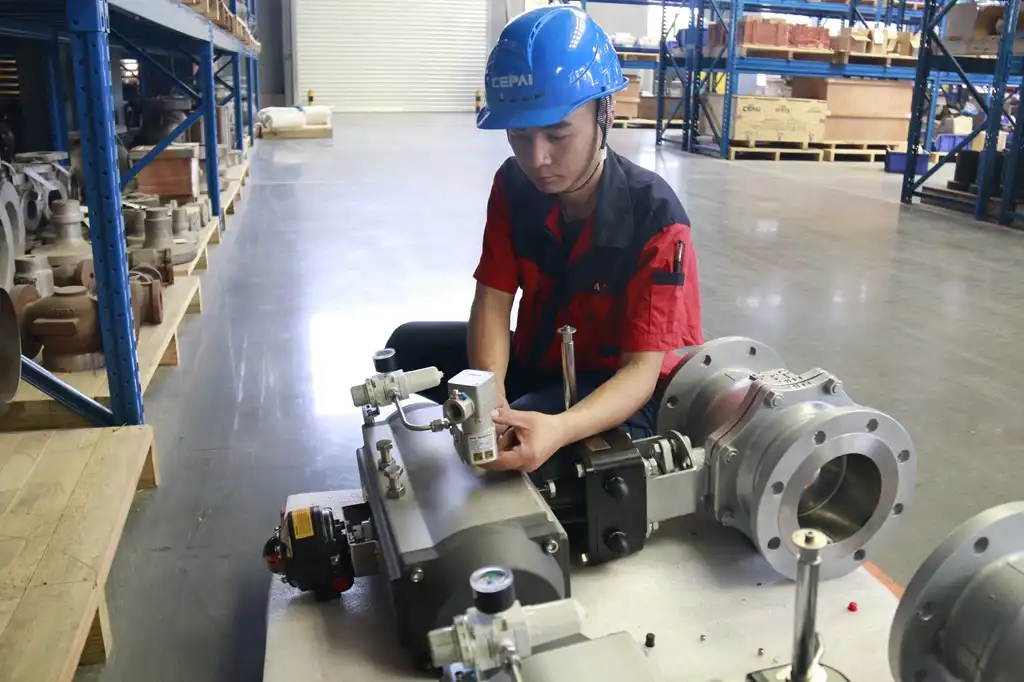
Installing and maintaining a double check valve correctly has a direct effect on how well valves work and how reliable the system is over its entire life. Following set protocols ensures optimal performance while lowering the chance of failure before its time.
Installation Guidelines and Site Preparation
The first step in getting a site ready is to make sure that the system designs are compatible and that there is enough space for installing valves and doing future upkeep. The positioning of the pipeline needs to take into account the size of the valves without creating stress points that could hurt performance or cause the pipeline to fail early.
When installing, it's important to pay close attention to marking the flow direction and making sure everything is in the right place. To make sure they work right, double check valves have pointing signs that must line up with the flow direction of the system. If the installation is done wrong, the backflow prevention may not work at all.
Before the system is put into service, pressure testing makes sure that the installation is solid and that the valves work properly. As part of the first tests, both forward flow and backflow protection should be confirmed under the design pressure. Writing down test results gives you a starting point for planning future upkeep.
Maintenance Schedules and Inspection Protocols
Regular inspection plans rely on the type of application and the rules that must be followed. They usually range from every three months for critical applications to once a year for standard business installs. The middle chamber in double check valve systems lets you keep an eye on things, which lets you use condition-based repair plans.
The goal of inspection procedures is to find signs of wear and tear, corrosion, and mechanical decline before they become completely broken. Visual inspection of the outside parts shows clear damage, and pressure testing of individual checks confirms the state inside. Trending pressure differences between valve sections helps figure out when repair needs to be done.
As recommended by the maker and based on operating experience, preventive maintenance includes cleaning, lubricating, and replacing parts as needed. Because double check valves are redundant, maintenance can be done on individual checks without shutting down the whole system. This cuts down on maintenance costs and downtime.
Conclusion
When you compare single and double check valves, it's clear that double check valve technology is better for important backflow protection tasks. For oil and gas operations, pipeline systems, and industrial process uses where system security cannot be compromised, double check valves offer better value due to their double protection, increased dependability, and maintenance capabilities. Cost-effective single check valves are better for low-risk situations, but operational and legal compliance benefits of double check valves make them the better choice for most industry situations. Purchasing managers should give preference to certified makers who have a history of providing high-quality backflow protection solutions that meet strict industry standards.
FAQ
When should I choose a double check valve over a single check valve?
For important situations where backflow prevention can't fail, like drinkable water lines, dangerous chemical processes, and high-pressure oil and gas systems, double check valves are a must. When system failure could pollute the environment, damage equipment, or put people in danger, the extra money spent on secondary defense is worth it.
What certifications should I require from valve suppliers?
Some important certifications are API 6D for oil and gas uses, ISO 9001 for quality control, and the right pressure equipment approvals for the markets you want to reach. Depending on the purpose and location, you may need to get extra licenses like API Q1, CE marking, or NSF approval.
How often should double check valves be inspected and maintained?
The number of times an application is inspected relies on how important it is and what the rules say. Usually, inspections happen every three months for important systems and once a year for other applications. The middle chamber in double check valve assemblies lets you keep an eye on things and try each check individually without stopping the system. This helps condition-based maintenance methods work better.
Partner with CEPAI for Reliable Backflow Prevention Solutions
CEPAI specializes in making high-quality double check valve systems that meet strict API and ISO certification standards for oil and gas uses that need them. Our wide range of products includes high-pressure double disc check valves, emergency cutoff valves, and wellhead parts that are specially made for harsh circumstances. CEPAI has a lot of certificates, such as API Q1, API 6A, API 6D, and ISO 9001, which show that they can be trusted for important backflow prevention tasks. Get in touch with our expert team at cepai@cepai.com to talk about your unique needs and find out how our engineered solutions can make your system more reliable while still meeting international quality standards.

References
American Petroleum Institute. "API Standard 6D: Pipeline Valves." 24th Edition, American Petroleum Institute, 2019.
International Organization for Standardization. "ISO 14313: Petroleum and Natural Gas Industries - Pipeline Transportation Systems - Pipeline Valves." ISO Publications, 2018.
American Water Works Association. "Manual M14: Backflow Prevention and Cross-Connection Control." 4th Edition, AWWA Press, 2020.
British Standards Institution. "BS EN 12334: Industrial Valves - Check Valves for Petroleum, Petrochemical and Allied Industries." BSI Standards Publication, 2017.
National Institute of Standards and Technology. "NIST Handbook 44: Specifications, Tolerances, and Other Technical Requirements for Weighing and Measuring Devices." U.S. Department of Commerce, 2019.
Society of Petroleum Engineers. "SPE Recommended Practice 53: Well Control Equipment Systems for Drilling Wells." 4th Edition, SPE International, 2018.
_1746598538016.webp)
Get professional pre-sales technical consultation and valve selection services, customized solution services.
About CEPAI