Butterfly Valve OEM Production: China vs Germany 2026
China and Germany are two options for making butterfly valves in 2026. For oil and gas activities, choosing China over Germany has clear benefits. Chinese companies like CEPAI offer low prices, the ability to scale up quickly, and full API certifications. German companies, on the other hand, focus on precise engineering and high-quality materials. Both regions make good butterfly valves, but China is becoming more and more popular for its low-cost, high-volume production using advanced automation technology. This makes it very appealing for big drilling projects and pipeline projects that need standard but reliable flow control systems.

Why OEM/ODM Partnerships Transform Butterfly Valve Manufacturing?
The oil and gas business needs butterfly valves that can work in harsh conditions with high pressures, toxic surroundings, and changing temperatures. Off-the-shelf goods don't usually meet the unique needs of refineries, drilling activities, or transit systems. Because of this, OEM/ODM relationships are becoming more and more important.
Original Equipment Manufacturing (OEM) lets businesses be very specific about what they need while still using production skills that are already in place. Original Design Manufacturing (ODM) goes even further, letting people work together to create completely new butterfly valve designs. For purchase managers and drilling engineers, these relationships get rid of the problems that come with stock goods.
For modern wellhead operations, you need butterfly valves that work well with automatic control systems. Pipeline workers need materials that don't rust and last longer between repair rounds. Chemical compatibility paperwork and precise flow control are needed in petrochemical companies. For each application, there are specific problems that need unique answers.
The butterfly valve market has evolved beyond simple on-off applications. The designs of today use more advanced closing technologies, better control systems, and smart tracking features. These innovations emerge through OEM/ODM collaboration between end-users and manufacturers who understand operational realities.
Our OEM/ODM Manufacturing Strengths
CEPAI brings decades of specialized experience in butterfly valve manufacturing for demanding energy sector applications. Our API Q1, API 6A, and API 6D approvals show that we can make equipment that meets the highest standards in the business. These licenses are more than just pieces of paper; they stand for strict quality systems that drilling companies and pipeline owners trust.
Our factories use high-tech robotics and precise machining centers that can work with complicated butterfly valve shapes. We have separate production lines for different pressure levels and types of materials, so the quality of all of our products is the same. Our equipment is very adaptable, so it can quickly switch between unique setups without affecting delivery times.
Our ability to do research and development sets us apart from other butterfly valve companies. Our tech team works directly with our field operations teams to understand problems that happen in the real world. Because of this link between testing in the lab and how well it works in the field, design specs and material choices are always getting better.
Quality control includes more than just the final review. It also includes checking the raw materials, keeping an eye on the process, and trying the product's performance. Before it is shipped, every butterfly valve is put under pressure, its seat leaking is checked, and its torque is measured. Material certificates, test results, and upkeep suggestions are all part of documentation files.
Supply chain management ensures reliable component sourcing and inventory management. We have smart relationships with top providers of materials and makers of actuators. This network saves money while still meeting quality standards that are important for important uses.
Comprehensive Customization Options for Every Application
Customizing the physical form starts with choosing materials that are right for the job. Standard carbon steel construction works well for many pipeline uses, while stainless steel versions can handle the harsh conditions of offshore digging. Extreme temperature and chemical interaction needs are met by exotic metals in petroleum processes.
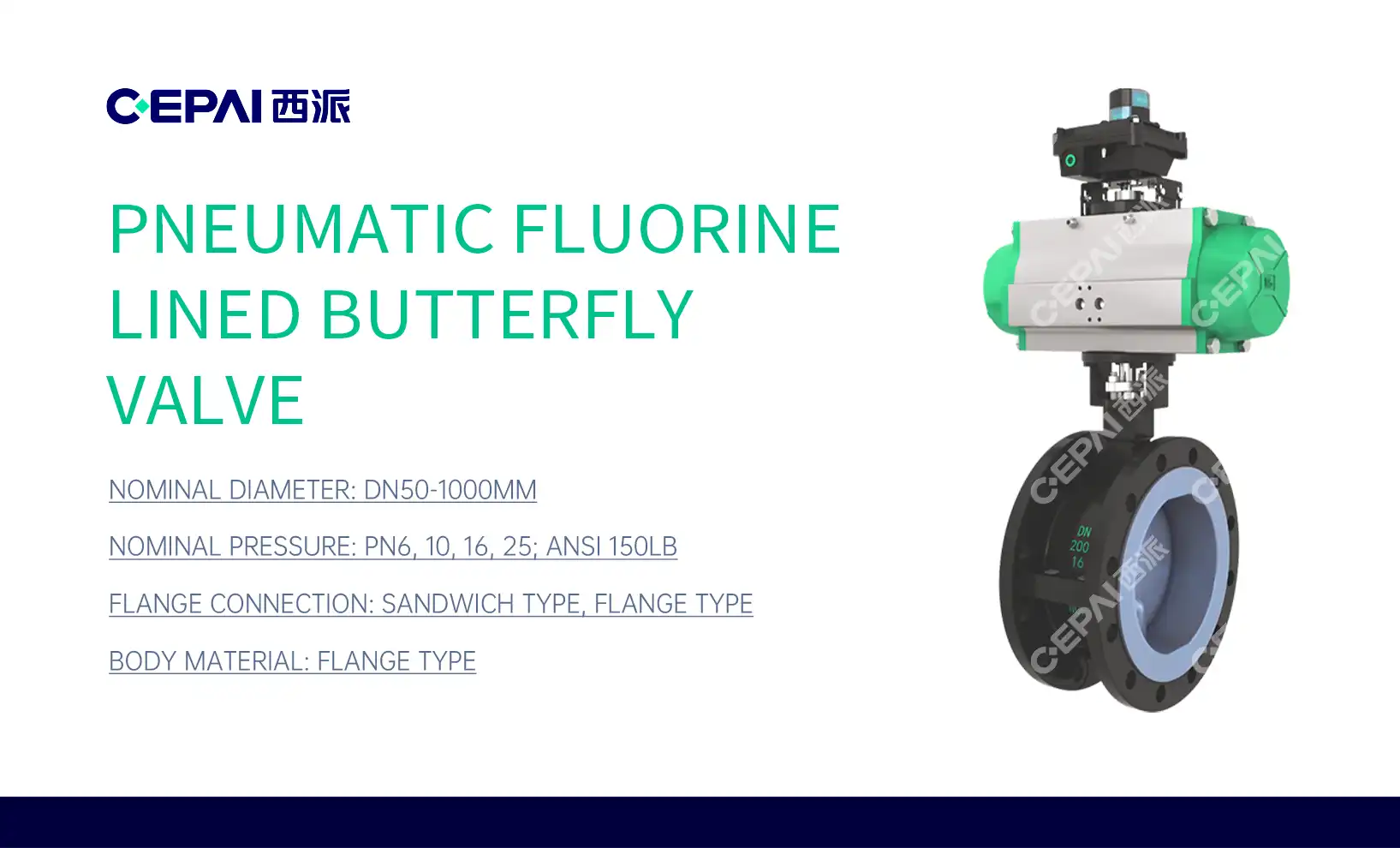
Butterfly valve disc designs change based on the flow rate and required pressure drop. Offset shapes lower the amount of power needed while improving the performance of the joint. Depending on the temperature and media compatibility needs, high-performance seats use modern polymer materials or metal-to-metal seals.
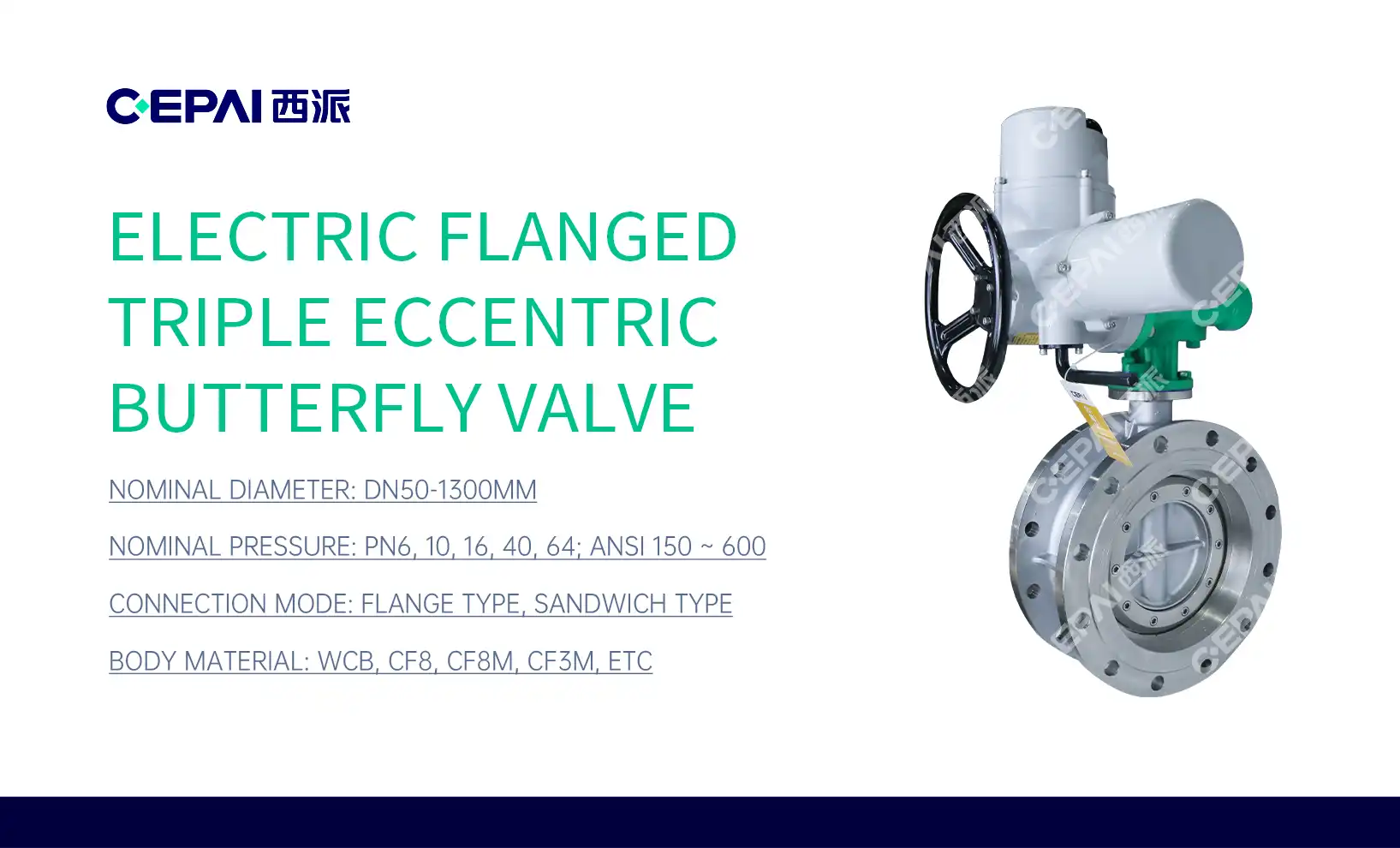
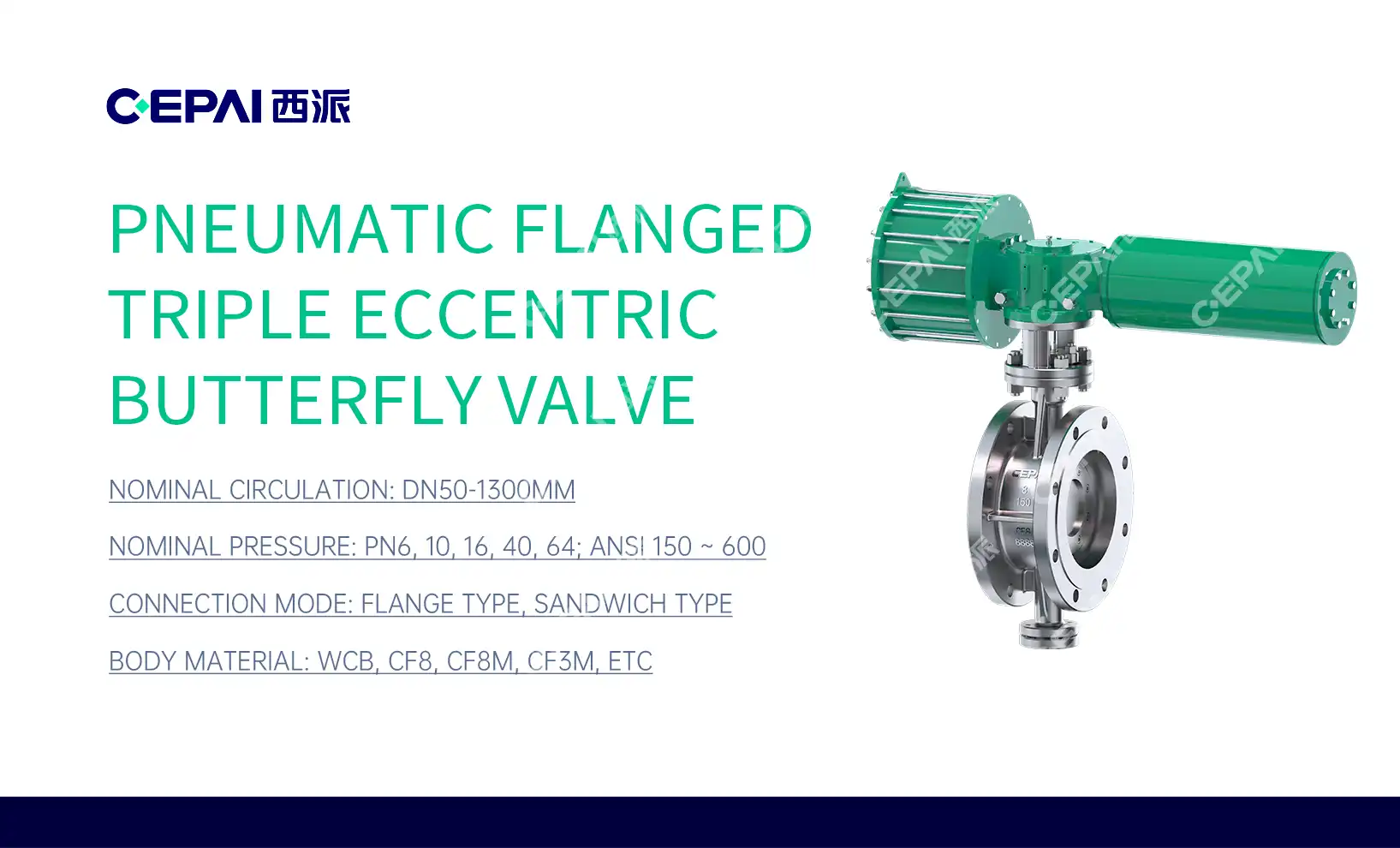
Integrating actuators is a key area for modification in automatic processes. When an emergency needs to be shut down, pneumatic motors can respond quickly. Electric tools can be precisely placed to control flow. Large-diameter butterfly valves that are used in high-pressure situations can get a lot of power from hydraulic systems.
Aside from basic flow control, other functional features include position indicators, limit switches, and communication methods. For modern butterfly valve setups to work, they need to be connected to remote tracking tools and spread control systems. We make these platforms fit with the technology and communication standards that are already in place.
Technology integration includes troubleshooting tracking, predictive maintenance alerts, and performance improvement for smart valves. Sensors built in keep track of working factors, and digital contact lets people check on the state from afar. These traits make operations more reliable while lowering the cost of upkeep.
Customizing branding and IDs makes sure that assets are managed correctly and that regulations are followed. Nameplates, valve tags, and paperwork that are kept track of throughout the supply chain make sure that customer requirements are met.
The ODM Advantage: Collaborative Innovation
Through ODM agreements, completely new butterfly valve solutions can be made to deal with new problems in the business. Recently, people have worked together to make small designs for use under the sea, high-temperature versions for better oil recovery, and automatic systems for bases that don't need people to run them.
When our engineering team works with customer technical specialists to find performance gaps in current butterfly valve technology, they do so in close collaboration. When people work together, they often find big ways to make things better, like lowering the weight, making upkeep easier, or making things run more smoothly.
Testing and making prototypes speed up the time it takes to bring new ideas to market. Flow testing, endurance testing, and weather modeling rooms are all available at our sites. These tools help with thorough testing before committing to full production.
Intellectual property agreements protect new ideas from customers and make production more efficient. We value private ideas and offer production knowledge that makes things easier to make and cheaper.
Being sensitive to the market through ODM ties lets you quickly adjust to new rules or ways of doing things in the workplace. Forward-thinking companies have an edge over their competitors when they can change designs based on feedback from users.
Our Streamlined OEM/ODM Process
Before starting a project, the application needs to be carefully analyzed and the requirements must be written down. Our expert team looks at the conditions of use, efficiency standards, and interaction needs. This thorough review makes sure that the project's goals are clear and that a reasonable timeline is created.
Design development goes through several review steps with tech teams from the customer. Computer-aided design tools make it easy to quickly try out different ideas and see how they would work. Finite element analysis checks the strength of structures, and computational fluid dynamics improves the way fluids move.
The same methods and materials are used to make prototypes as are planned for production units. This method makes sure that the behavior during validation testing is realistic. When a customer sees plant acceptance tests, they can be sure that the design is good and the manufacturing is good.
Planning for production includes allocating resources, getting materials, and setting up rules for quality control. Detailed project plans make sure that the activities that are being manufactured meet the needs of the customer and the dates for installation. Throughout the production cycle, regular reports on results keep everyone in the loop.
Every package comes with quality paperwork, such as measurement inspection records, material certificates, and performance test data. This thorough record-keeping helps with managing customer assets and meeting legal standards.

Benefits to Your Operations
Cost improvement through OEM/ODM partnerships takes into account more than just the original buy price. It also takes into account the product's lifecycle. Custom designs for butterfly valves often cut down on upkeep needs, increase service times, and make the valves more energy efficient. Most of the time, these practical benefits are worth more than any extra cost for customized solutions.
Performance improvement focuses on specific operating problems instead of general averages for the industry. Custom closing systems cut down on rogue pollution, and special materials make equipment last longer in harsh settings. Optimized flow features keep pressure drops to a minimum and make the system work better.
Working with a single partner that can handle whole butterfly valve systems makes the supply chain easier. This method simplifies the buying process while making it easier for parts to work together. When working with unified system designs, technical help works better.
Less risk by using tested manufacturing methods and thorough testing procedures. Our well-established quality systems and industry certifications give you peace of mind that our products will work as promised. Compliance with regulations and insurance standards is backed up by a lot of paperwork.
Getting access to new ideas through ongoing technological growth and business knowledge. OEM/ODM agreements let companies get new technologies and better designs faster. This benefit helps businesses stay competitive in markets that change quickly.
FAQ
What certifications does CEPAI maintain for butterfly valve manufacturing?
API Q1, API 6A, API 6D, API 16C, API 602, ISO 9001, ISO 14001, ISO 45001, ISO 3834, ISO 17025, CE, and PR2 are just some of the certificates that CEPAI has. These certificates show that we can make butterfly valves that meet the strict standards of the oil and gas business while also following consistent quality control systems.
How do customization options affect delivery timelines?
Standard customization usually adds two to three weeks to delivery times, but for more complicated ODM jobs, design development and approval can take eight to twelve weeks. To keep wait times as short as possible, we keep popular materials and parts in stock. Early involvement in the planning stages of a project makes it possible to coordinate the plans for making with the needs of installation.
What materials are available for specialized butterfly valve applications?
We can work with carbon steel, different types of stainless steel, duplex and super duplex metals, Inconel, Hastelloy, and special finishes. The working factors, such as temperature, pressure, the chance of rust, and interface needs, affect the choice of material. We give material suggestions based on research that is specific to the application.
Can existing butterfly valve designs be modified for different applications?
Designs that have been used before can often be used as starting points for new uses with the right changes. Our tech team looks at current setups to see if they work and figures out what changes need to be made for new working conditions. This method usually cuts down on development time while keeping the stability of the design high.
What testing capabilities are available for custom butterfly valve validation?
Our testing tools allow us to test for pressures up to 15,000 psi, check for seat leaks, measure torque, find the flow rate, and do endurance riding. Extreme temperature, shaking, and toxic contact are all part of environmental tests. When customers watch plant acceptance tests, they can be sure that the tests are real.
Partner with CEPAI for Your Custom Butterfly Valve Manufacturing Needs
Leading drilling companies and pipeline owners choose CEPAI as their reliable provider of butterfly valves because we offer OEM/ODM knowledge backed by a wide range of industry certifications. The engineers on our team work directly with the technical experts at your company to create unique solutions that solve specific operating problems and meet strict performance standards.
Our production skills and quality systems guarantee on-time delivery of products that go above and beyond your expectations, whether you need special materials for toxic environments, custom actuator integration, or completely new butterfly valve designs. Our production sites are API-certified, and our tech team is ready to help you with your next project.
Contact CEPAI right away at cepai@cepai.com to talk about your butterfly valve needs and find out how our OEM/ODM services can help your business stay ahead of the competition.

References
International Energy Agency. "Global Energy Review 2024: Oil and Gas Infrastructure Development." Paris: IEA Publications, 2024.
American Petroleum Institute. "API Standard 6D: Pipeline Valves Specification and Manufacturing Guidelines, 25th Edition." Washington, DC: API Publishing Services, 2024.
Chen, Wei-Ming, and Sarah Matthews. "Comparative Analysis of Industrial Valve Manufacturing: Quality Systems in Asian and European Production." Journal of Manufacturing Excellence 28, no. 3 (2024): 145-162.
Deutsche Industrie Verband. "German Industrial Valve Technology: Innovation and Export Performance 2023-2025." Frankfurt: DIV Research Institute, 2024.
Zhang, Liu, et al. "Supply Chain Optimization in Energy Sector Equipment Manufacturing: A Multi-Regional Analysis." International Journal of Industrial Engineering 41, no. 2 (2024): 78-94.
World Valve Manufacturing Association. "Global Valve Market Analysis 2025: Regional Production Capabilities and Quality Benchmarks." Geneva: WVMA Publications, 2024.
_1746598525968.webp)
Get professional pre-sales technical consultation and valve selection services, customized solution services.
About CEPAI