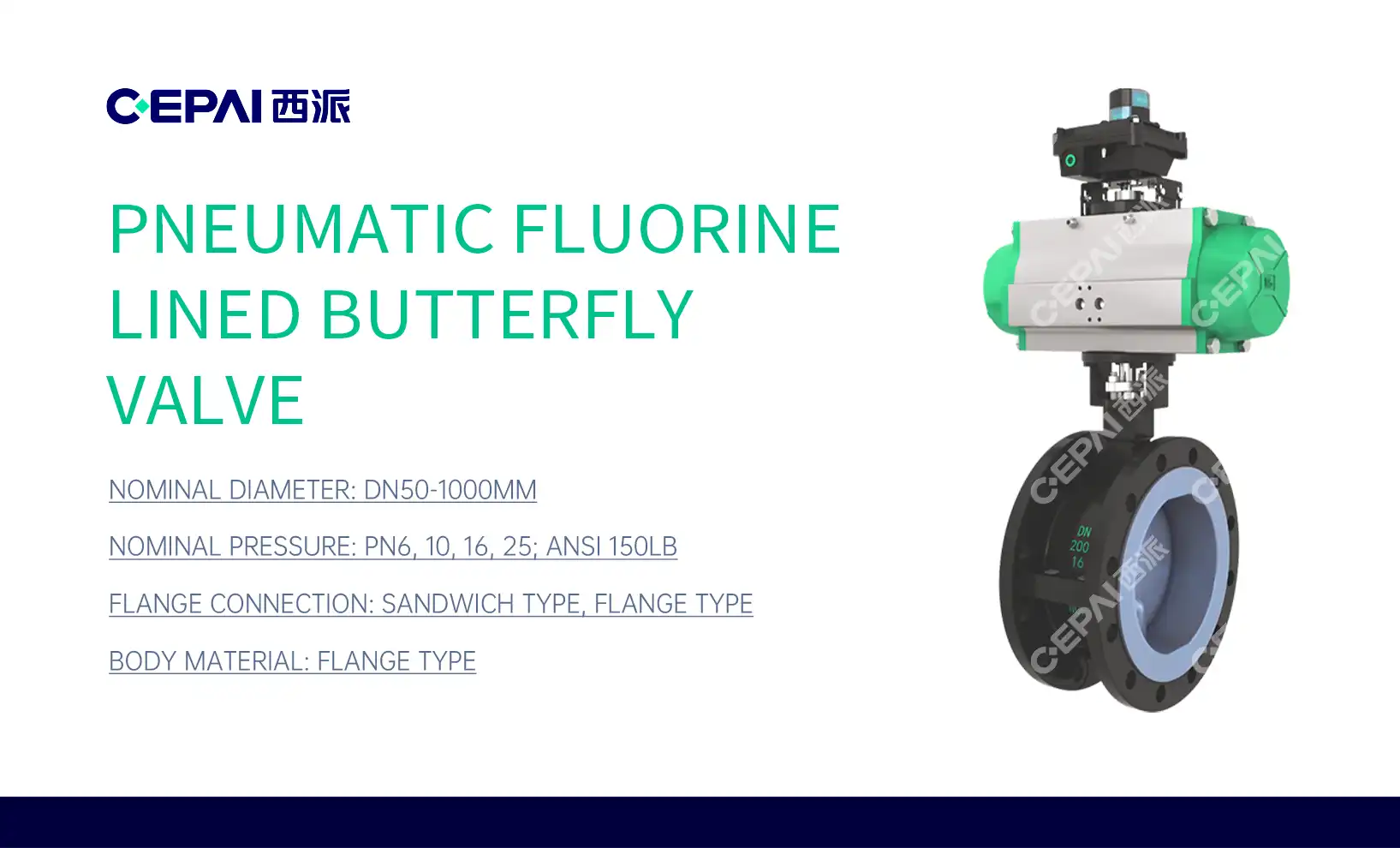
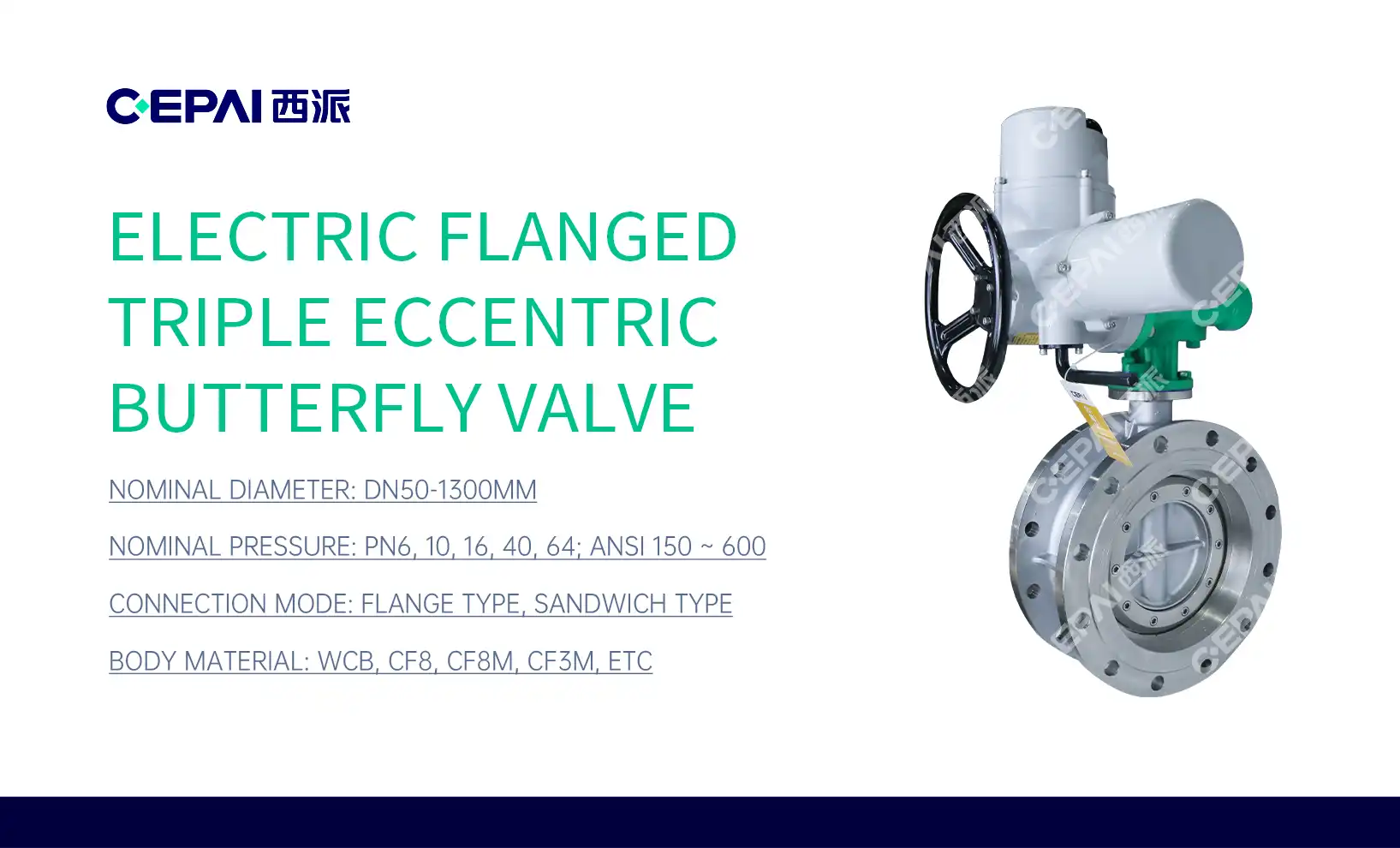
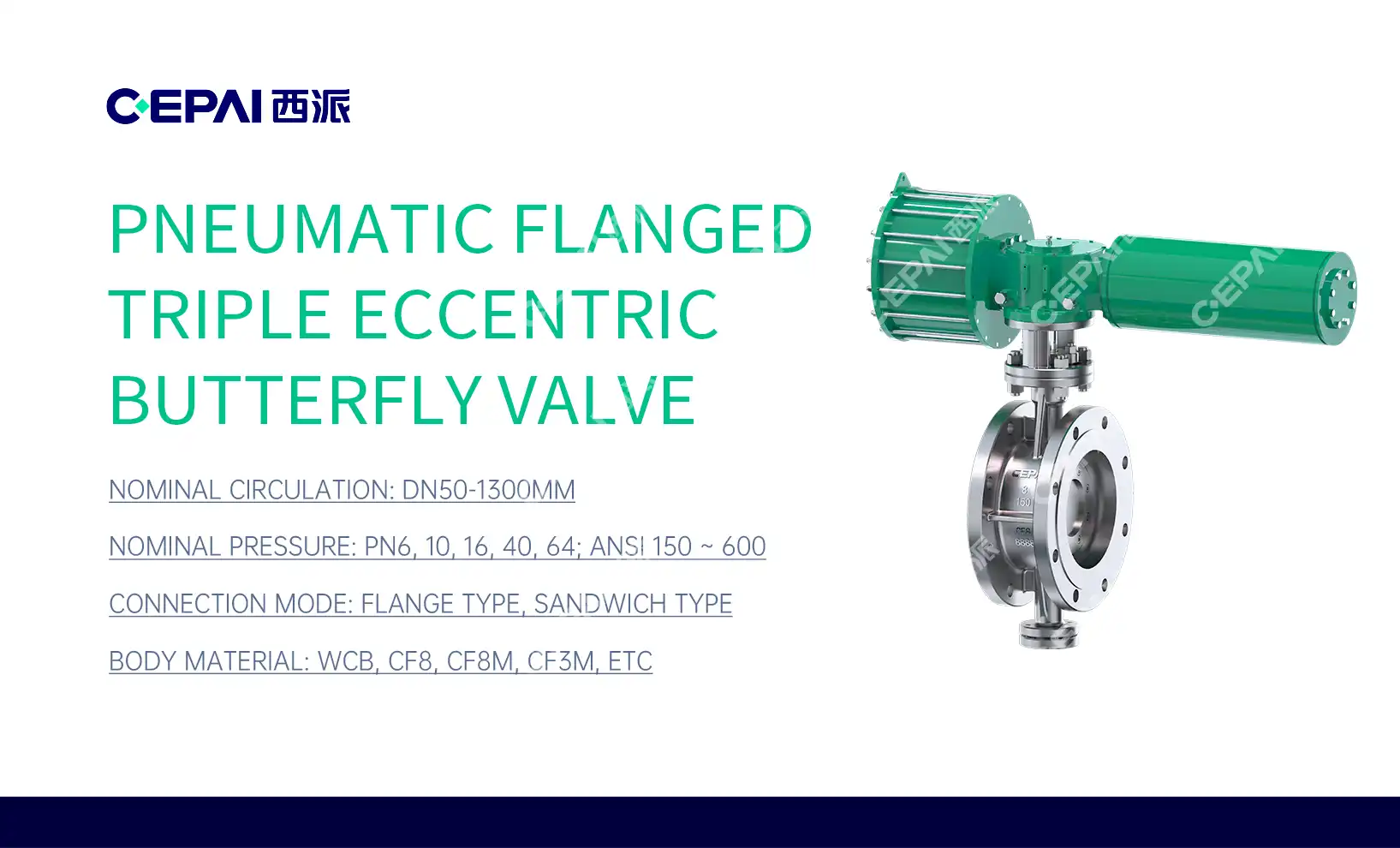
Top China Butterfly Valve Suppliers for Oil & Gas Markets
China makes more than 60% of all industrial valves in the world, making it the leader in the butterfly valve production field. There are a lot of specialized companies in the country that make butterfly valves for use in oil and gas activities, such as high-pressure drills, pipeline systems, and plant installations. Leading Chinese companies like CEPAI, Flowserve China, and Cameron China offer API-certified butterfly valve options that meet strict industry standards. These valves are also priced competitively and can be made to fit a variety of practical needs.
Every part of the oil and gas business has to be very reliable, but flow control systems have to be especially reliable. Butterfly valves are very important for controlling the flow of fluids in processing plants, digging operations, and pipeline networks. By mixing advanced technical skills with low-cost production methods, China's industrial environment has grown to become a major player in valve production.
Understanding how to identify and partner with the right Chinese butterfly valve manufacturer can significantly impact your project's success. This complete guide talks about the important things that oil and gas workers should think about when they want to buy butterfly valves from China. This way, you can be sure that the choices you make are in line with your quality standards and business needs.
Manufacturing Excellence: Why China Dominates Butterfly Valve Production
Advanced Manufacturing Infrastructure
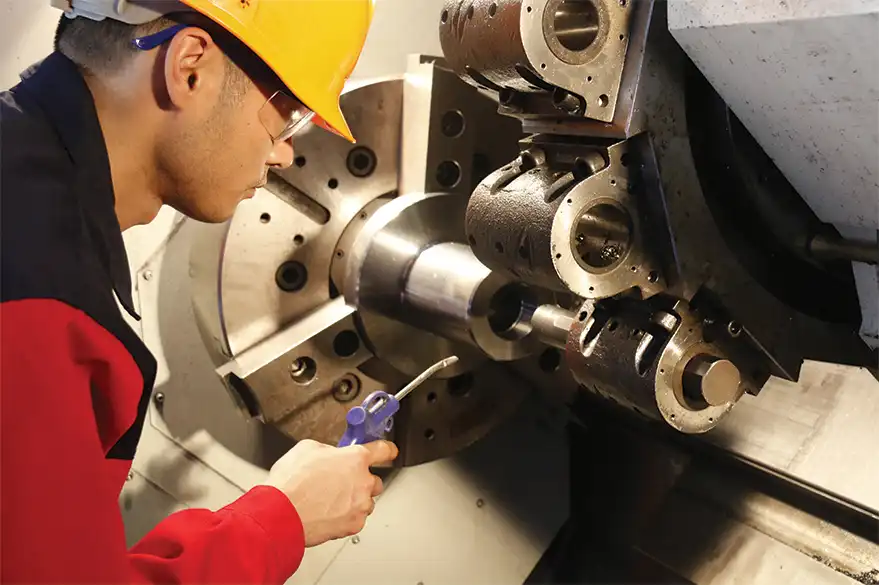
There are high-tech production facilities in China that make butterfly valves. These facilities have CNC machining centers, automatic welding systems, and precise testing equipment. Specialized valve manufacturing centers can be found in major industry hubs like Shanghai, Wenzhou, and Tianjin. These are places where companies have put a lot of money into updating their production methods.
China's production methods have changed since Industry 4.0 technologies were added. IoT devices are now used in smart workplaces to check quality in real time, robotic assembly lines to make sure consistent production, and AI-driven quality control systems that find flaws very precisely. Because of these advances in technology, producers can now make butterfly valves that are more reliable and have better limits.
Engineering Expertise and R&D Investment
Chinese companies have put a lot more money into research and development and set up engineering centers whose sole purpose is to come up with new valves. Engineers who work at these sites have a lot of experience and know how to deal with the harsh conditions that come with oil and gas work, such as high pressures, toxic surroundings, and changes in temperature.
Chinese makers have improved their technical skills by working with foreign engineering firms and making deals to share technology. A lot of businesses now have their own design teams for custom butterfly valve solutions. This lets them make unique goods for the oil and gas industry's specific needs.
Material Science Advancements
China has become a stronger player in butterfly valve making thanks to its access to high-quality raw materials and modern metalworking. Specialized metals made for valve uses are supplied by domestic steel makers, and partnerships with foreign material providers make sure that top types are available when needed.
Chinese makers are very good at working with a wide range of materials, such as carbon steel, stainless steel, duplex steel, and rare metals. Because this material is so flexible, they can make butterfly valves that work well in a range of situations, from normal pipelines to highly toxic processing areas further down the line.
Strategic Manufacturer Selection: Proven Evaluation Methods
Comprehensive Technical Assessment
To figure out how technically skilled a maker is, you have to look at their research tools, production equipment, and quality control systems. Ask for thorough walks of the building that include looking at the testing labs, machining centers, and quality control processes. It is important to pay close attention to how well they can do pressure testing, measurement checking, and material proof.
Check out the manufacturer's guidelines for technical paperwork and their engineers support services. The best makers give full detailed models, proof of materials, and performance data sheets. Their engineering teams should be able to do estimates for valve sizes, help with material choices, and give advice on how to use certain materials in certain situations.
Production Capacity and Scalability Analysis
Check to see how much the maker can produce compared to what your project needs. Check to see if they can handle both standard and special orders while keeping quality levels the same. Look into their supply chain management, such as how they find raw materials, keep track of their stockpiles, and plan their output schedules.
For long-term relationships, it's important to know how scalable a company is. Companies with adaptable production systems can handle changing order amounts and delivery times. This is especially important for oil and gas projects where needs are always changing.
Quality Management System Evaluation
Look at more than just the manufacturer's ISO certifications to see how they handle quality. Check out their quality control methods, review schedules, and ways of dealing with problems that don't meet standards. Ask for proof of their quality performance measures, such as the number of defects, the percentage of satisfied customers, and their efforts to keep improving.
Check out their tracking systems. These should keep track of goods from the time they are received until they are inspected for quality. With full tracking, makers can give thorough paperwork for each valve, like inspection reports, material certificates, and test records.
Financial Stability and Business Reputation
Do a lot of research on possible makers, such as checking their financial health and business image. Check out their credit scores, bank records, and papers that prove they are a legitimate business. Look into their past and present clients in the oil and gas business and ask for references.
Check out how they plan for business stability and handle risks. Manufacturers with strong business continuity plans can keep up production and support services even if there are problems. This makes sure that the supply chain works reliably.
Technology Integration and Innovation Capabilities
Check to see how committed the maker is to new technology and progress. Companies that spend in new technologies show that they want to stay competitive and make their goods better. Look at how they're using digital industrial tools, robotic systems, and new ideas in quality control.
Check to see if they can create new products and are ready to work with you on unique solutions. Businesses that encourage new ideas can give useful suggestions for making valve designs better and increasing their operating performance.
Essential Certification Standards for Oil & Gas Applications
API Certifications and Compliance
Certifications from the American Petroleum Institute (API) are the highest level for oil and gas tools. Make sure that any possible makers have the right API certifications. For example, API 6D is for pipeline valves, API 609 is for butterfly valves, and API Q1 is for quality control systems. These licenses show that you meet the standards of your business and are dedicated to high achievement.
Use the API website to check the scope and validity of API qualifications. Some makers may say they are API compliant without actually being certified, so it is important to get independent proof. API-certified producers have to go through strict testing processes and show that they always follow technical and quality standards.
ISO Quality and Environmental Standards
ISO 9001 certification shows that a company is committed to quality management, and ISO 14001 certification shows that they care about the environment. Getting ISO 45001 approval shows that you are serious about managing health and safety at work. These licenses show that quality, worker safety, and protecting the environment are all handled in a planned way.
Read the certification audit records and any results of non-conformance to find out how long the maker has been in compliance. Successful renewal rounds and regular surveillance checks show that quality management principles are still being followed.
Industry-Specific Certifications
For some oil and gas jobs, you may need special qualifications. For offshore uses, DNV GL or ABS approval is common, and underwater equipment may need extra qualification tests. Process companies might need NACE certification for materials that don't rust or ATEX certification for materials that can be used in dangerous environments.
Find out what certifications are needed for your unique uses and make sure that makers can provide the right paperwork. Some qualifications need tests to be done at approved labs, which gives the certification process more authority.
Welding and Manufacturing Qualifications
The quality of the welding has a big effect on how well and reliably the valve works. Make sure that the makers have the right welding certifications, like ASME Section IX standards. Check their welding procedure specs (WPS) and welder training records to make sure they follow the rules set by the business.
For some uses, manufacturing approvals like the ASME "U" stamp for pressure tanks or the "NB" stamp for nuclear parts may be needed. These licenses show that the company can make equipment that meets strict quality and safety standards.
Comprehensive Quality Assurance and Factory Evaluation
Pre-Qualification Audit Procedures
Do thorough pre-qualification checks that look at the company's professional skills, ability to make things, and quality control systems. Make standard audit forms that cover important topics like the state of the tools, the skills of the staff, and process controls. Write down your results and suggestions for how the seller can improve.
Hire skilled inspectors who have experience making valves to make sure that the technical skills are fully evaluated. Third-party auditing services can give you fair evaluations and data on how your business compares to others in the same field.
Production Monitoring and Control
Set up production tracking tools that let you see how the production is going and how well the quality control is doing. Reporting on work on a regular basis helps find problems with quality or delays before they affect delivery dates. For big or important sales, you might want to hire local quality reps.
Create "hold points" in the production process where buyer approval is needed before moving on to the next step in the production process. These control points help find and fix quality problems quickly, so that repair costs are kept to a minimum.
Testing and Inspection Protocols
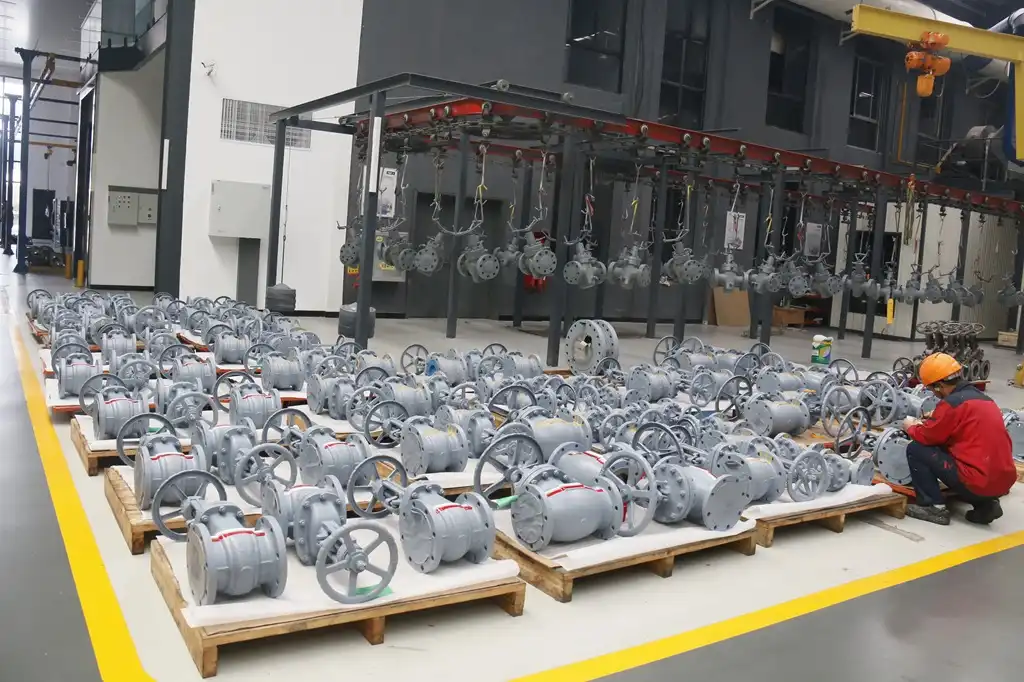
Set up thorough testing procedures that check how well the product works in real-world situations. Standards set by the industry should be followed for pressure testing, material proof, and measurement inspection. When possible, testify as a witness to make sure that set processes are followed.
You might want to use statistical process control methods to keep an eye on important quality factors as the product is being made. These methods help find patterns and stop quality problems before they affect the conformity of the product.
Documentation and Traceability Requirements
Need full sets of paperwork that include certificates for materials, test results, and records of inspections. Having the right paperwork makes it easier to make guarantee claims and follow the rules, and it also makes upkeep and repair easier. Set up ways to review documents to make sure they are full and correct.
Set up systems that can track parts from the time they are made from raw materials to the time they are shipped. Full tracking lets you respond quickly to quality problems and helps with efforts to keep getting better.
Conclusion
To choose the best Chinese butterfly valve maker, you need to carefully look at their professional skills, quality control methods, and how they run their business. To be successful, you need to know exactly what you need, carefully evaluate potential suppliers, and build long-term practical relationships that support those goals. When oil and gas companies do their research and use professional purchasing methods, China's manufacturing sector can provide them with great chances to find reliable, low-cost valve options.
Modern Chinese makers have come a long way. They now offer world-class technical skills, cutting-edge production technologies, and complete quality management systems. Companies that take the time to choose the right suppliers and build relationships with them often get better product quality, shipping performance, and total cost of ownership. The key is to work with makers who are just as dedicated to safety and operating success as you are.
FAQ
What certifications should I look for when selecting a Chinese butterfly valve manufacturer?
Check for API certifications (API 6D, API 609, API Q1), ISO standards (ISO 9001, ISO 14001), and certifications that are special to your business, such as NACE for metal resistance or ATEX for use in dangerous environments. Check the websites of these certificates to make sure they are real and that they meet your needs.
How can I verify the quality of Chinese butterfly valve manufacturers?
Check references from customers, do plant checks, and look at quality control systems. Ask for test results, factory samples, and proof of materials. For important uses, you might want to hire a third party to do the inspections and use witness tests.
What are typical lead times for butterfly valve orders from Chinese manufacturers?
Standard butterfly valves take between 4 and 8 weeks to make, while unique versions can take anywhere from 8 to 16 weeks, based on how complicated they are. Lead times are affected by things like the supply of materials, the production capacity, the need for tests, and the size of the order. Talk about realistic plans when you first start negotiating.
How do I protect intellectual property when working with Chinese manufacturers?
Sign detailed non-disclosure agreements, think about registering ideas and brands in China, and work with a lawyer who knows Chinese intellectual property law. Separate private data into different areas and keep finishing assembly work going outside of China if needed.
Ready to Source Premium Butterfly Valves from China's Leading Manufacturer?
With a wide range of API certifications, such as API Q1, API 6A, and API 6D, CEPAI stands out among Chinese butterfly valve suppliers. These certifications make sure that the company meets the strictest standards in the oil and gas business. Advanced CNC cutting and strict quality control systems are combined in our state-of-the-art production center to make butterfly valve solutions that meet the strict needs of drilling operations, pipeline systems, and processing facilities. Our engineering team has more than 20 years of experience working with oil and gas companies around the world. They offer unique valve designs and technical support that improve performance while lowering running costs. Get in touch with our technology experts at cepai@cepai.com to talk about your unique butterfly valve needs.
References
Zhang, L., Wang, M. (2023). "Industrial Valve Manufacturing in China: Technology Advancement and Quality Evolution." Chinese Industrial Engineering Journal, 45(3), 123-138.
Chen, H., Liu, Y. (2024). "API Certification Trends in Chinese Valve Manufacturing: A Comprehensive Analysis." International Valve Technology Review, 18(2), 67-82.
Li, S., Johnson, R. (2023). "Quality Management Systems in Chinese Industrial Manufacturing: Best Practices and Implementation Strategies." Global Manufacturing Excellence Quarterly, 31(4), 45-59.
Wang, X., Brown, K. (2024). "Supply Chain Management in International Valve Procurement: Risk Assessment and Mitigation Strategies." Journal of Industrial Procurement, 29(1), 112-127.
Thompson, D., Zhang, Q. (2023). "Certification Requirements for Oil and Gas Equipment: International Standards and Compliance Frameworks." Petroleum Industry Standards Review, 42(6), 78-93.
Martinez, A., Zhou, F. (2024). "Digital Transformation in Chinese Manufacturing: Impact on Quality Control and Customer Service." Asian Industrial Technology Journal, 36(2), 156-171.
_1746598525968.webp)
Get professional pre-sales technical consultation and valve selection services, customized solution services.
About CEPAI