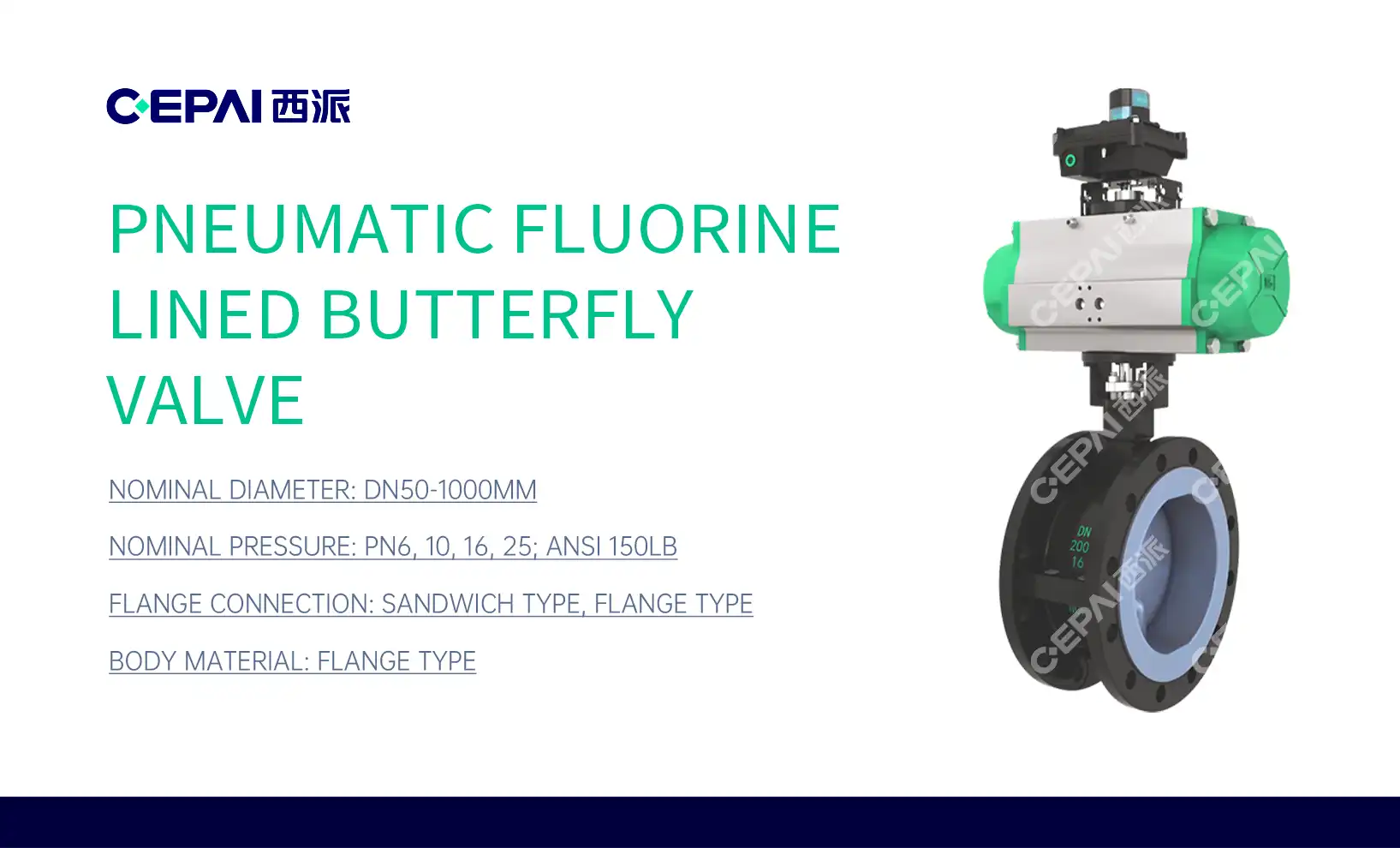
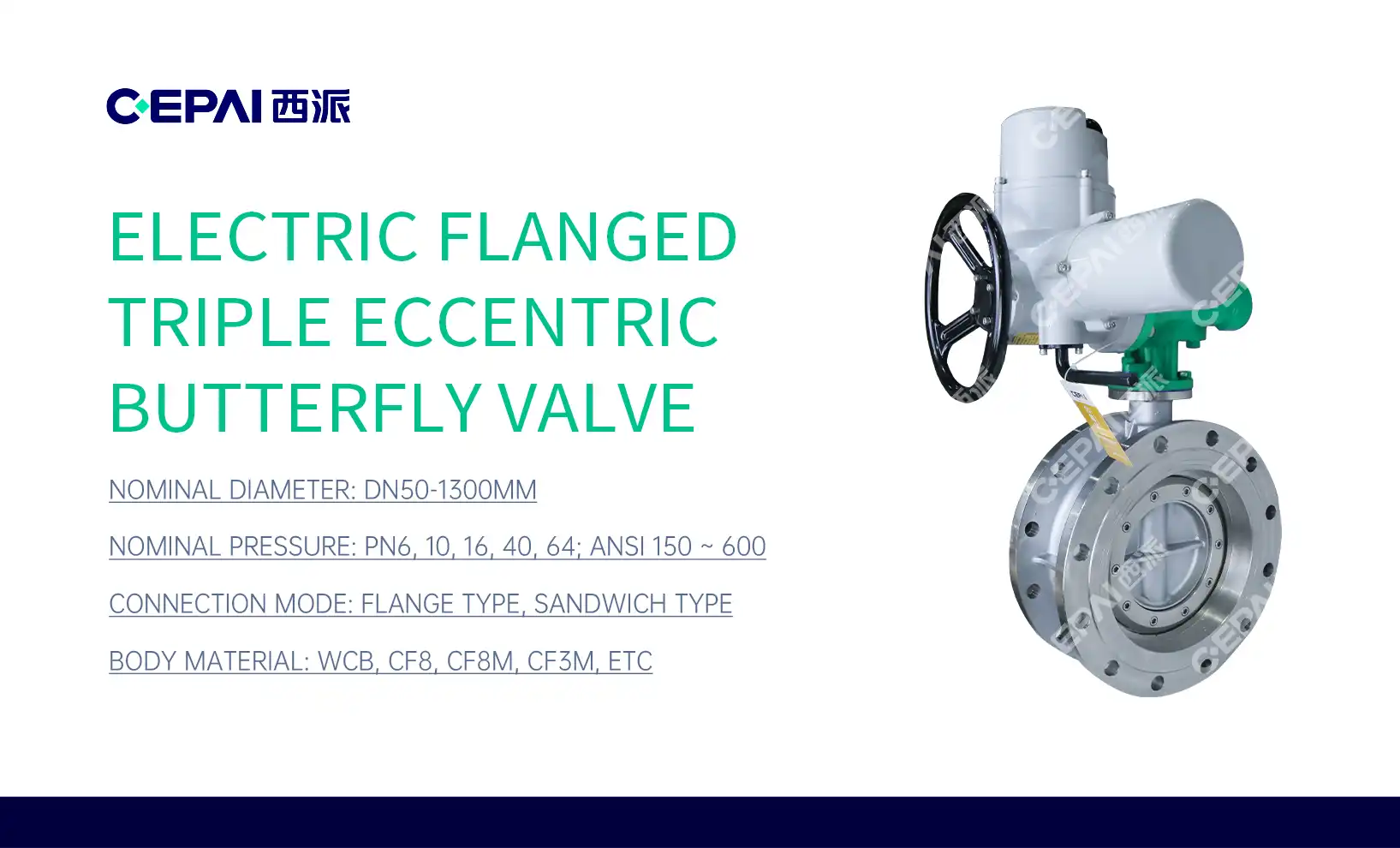
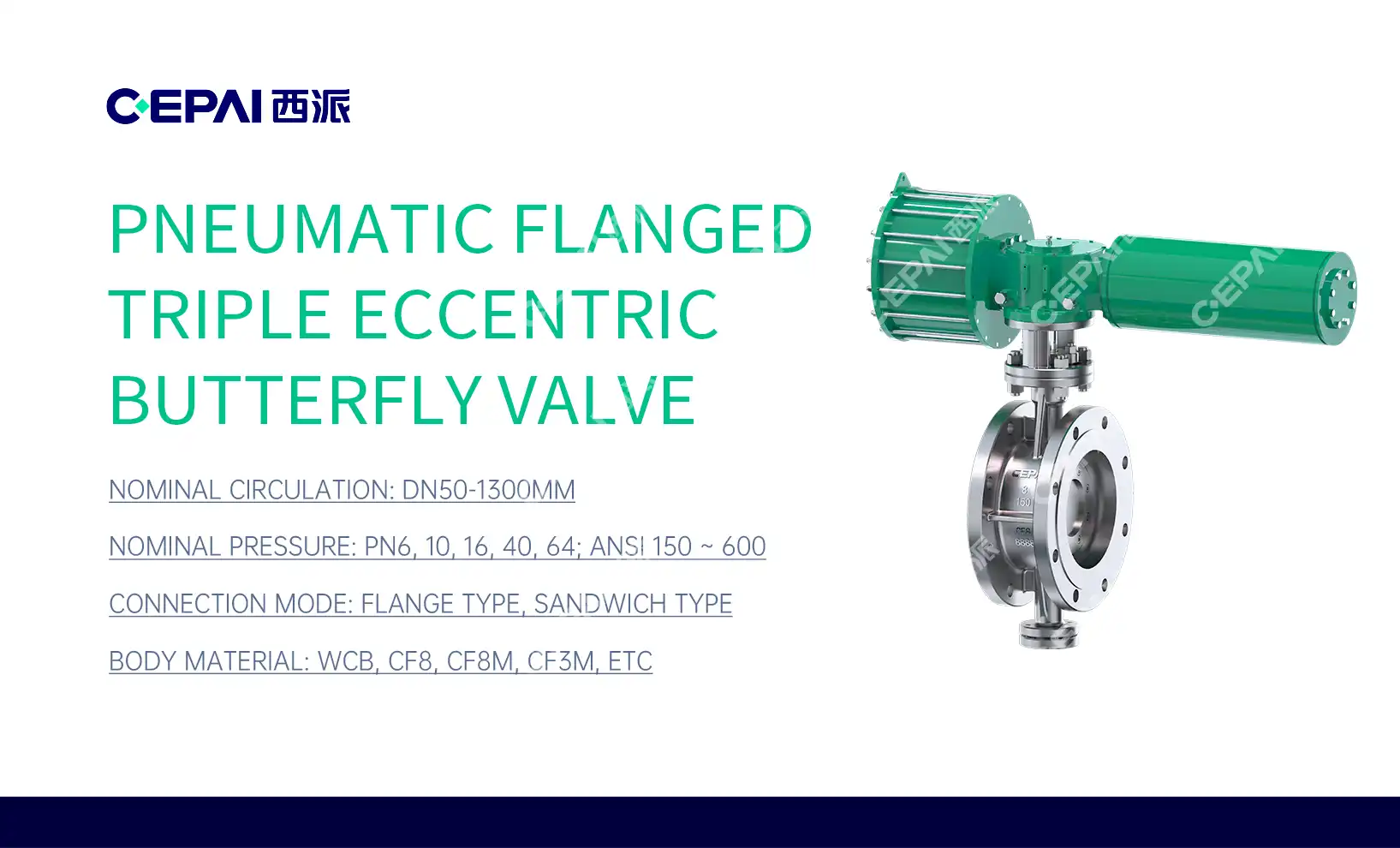
Metal-seated and soft-seated butterfly valves mainly differ in their sealing materials, how they're designed to work, and the kinds of jobs they're best suited for. Soft-seated butterfly valves work well at moderate temperatures and pressures when EPDM, PTFE, or other rubbery materials are used to seal them. Metal-seated designs use seats made of hardened steel or stainless steel. These last longer when they are used in conditions of high temperature, high pressure, and abrasion.
In many different kinds of industries, butterfly valves are very important because they make it easy for fluids to move in everything from oil and gas exploration to the refining of petrochemicals. Picking out the right valve seat has a big impact on how well it works, how often it needs to be fixed, and how much it costs in total. Engineers need to carefully consider sealing technology, environmental impact, and lifecycle economics when they choose valve solutions for complex industrial systems.
This detailed guide explains the most important ways that metal-seated and soft-seated butterfly valves are different. It goes over how the materials affect performance and how to choose which ones to buy. Our study's goal is to help drilling engineers, pipeline operators, and procurement managers pick the right valves more easily and cheaply by giving them useful information.
Understanding Butterfly Valve Seat Types
Butterfly valves work by controlling the flow of fluid through a pipe and changing the position of a round disc that is attached to a shaft that rotates. The valve seat is an important part of the seal that makes sure the valve can fully close, affects how long the system can be used, and impacts the need for maintenance.
Building a Soft-Seated Valve
Elastomeric or polymer sealing materials are put around the valve body or disc edge in soft-seated butterfly valves. EPDM (ethylene propylene diene monomer), PTFE (polytetrafluoroethylene), NBR (nitrile butadiene rubber), and other specialised compounds made to work with certain chemicals are all common sealing materials.
These durable sealers are great at adapting to surfaces they touch, and can even achieve bubble-tight shutoff performance with minor issues in the surface or changes in temperature. The elastomeric seats compress when the system is closed, creating multiple points of contact that seal the system and keep moderate pressure differences from causing leaks.
Design of a Metal-Seated Valve
Hardened stainless steel, stellite, or other special alloys are used for both the seat and disc sealing surfaces in metal-seated configurations. These metallic surfaces are based on precise machining and controlled contact pressure to seal off well without needing elastomers.
The strong metal build means it can be used in extreme temperatures, with harsh chemicals, and under high pressure—conditions where soft seats would break down quickly. Metal seats keep their shape over a wide range of temperatures and don't wear down when abrasive particles or fluids moving quickly hit them.
Key Differences Between Soft-Seated and Metal-Seated Butterfly Valves
When people know how each sealing technology works and fails, they can choose the right valve for their needs and limitations.
Seal Performance and Seal Leakage Rates
Butterfly valves with soft seats often shut off better. A lot of the time, they meet or go beyond ANSI Class VI standards for leakage, and they don't put a lot of stress on the seat. Elastomeric materials can be used to make sealing barriers that work even if the surfaces aren't totally smooth or if they're not pressed together very hard.
To get about the same amount of leakage, metal-seated designs need more force to close them and very smooth surfaces. On the other hand, metal seats keep sealing performance even when the temperature changes a lot, and they don't break down when they touch chemicals like elastomeric materials do.
Temperature and Pressure Limits
One of the best ways to tell different sealing technologies is to look at the temperature range each one can work in. Based on the kind of elastomer used, soft-seated valves usually work in temperature ranges from −40°F to 400°F. The range may go up to 500°F if specialised high-temperature materials are used.
When it's hot, butterfly valves with metal seats are a good choice. Valves can work in conditions from below freezing to over 1000°F, depending on how they are made and what materials are used. Metal-seated designs also have better pressure ratings. Metal seats can handle more than 1500 PSI, while soft seats usually fail somewhere between 150 and 600 PSI.
Media Resistance and Chemical Compatibility
It is different how well sealing substances and technologies can resist chemicals. Soft-seated valves will work well with many oils, chemicals, and liquids used in industry as long as you choose the right one. But when elastomers come into contact with certain strong chemicals, solvents, or high temperatures, they can change, harden, or break down.
If you use very hot liquids or chemicals that are corrosive and would damage rubber seals, metal-seated designs are better because they work with more chemicals. It is made of metal, so it keeps its shape even when the work gets hard, and it can resist damage from chemicals.
Application Scenarios and Selection Guidelines
Choosing the right valve depends on closely studying the conditions, performance needs, and operational limitations of each industrial application.
Oil and Gas Applications
Butterfly valves that can handle high-pressure drilling mud, completion fluids, and production media with abrasive particles are often needed for drilling. For wellhead equipment, choke manifolds, and high-pressure pipelines where the temperature gets very high or very low and the conditions are rough, metal-seated designs are better because soft seats would get damaged quickly.
For gas and liquid pipelines with moderate pressures where great shutoff performance and lower operating torques make things easier, pipeline operators often choose soft-seated butterfly valves. The better sealing lowers actuator requirements and fugitive emissions.
Petroleum Chemical and Refining Services
Refining operations have a lot of different sealing situations that need to be handled in different ways. Soft-seated butterfly valves work great in cooling water systems, low-pressure process streams, and situations where a tight shutoff keeps cross-contamination from happening between process units.
High-temperature distillation columns, cracking units, and other setups that are usually used in extreme conditions need metal-seated designs that can handle thermal cycling, harsh chemicals, and high pressures without breaking down.
Procurement Considerations for Butterfly Valve Buyers
They must consider costs, maintenance, and durability when making strategic procurement decisions. They must consider how these choices will affect the business.
Product long-term cost calculation
Although soft-seated butterfly valves are initially cheaper, their total cost depends on job difficulty and maintenance. Soft seats may need to be replaced if used roughly, but metal seats last longer despite being more expensive.
Procurement professionals must consider ownership costs when considering sealing technologies. This includes cost to buy and fix, ease of getting spare parts, and use time.
Compliance with Certification Rules
Many factories require certifications and performance standards. API 609 makes butterfly valves, and API 598 tests and checks them. Some hydrocarbon services may require metal-seated designs for fire safety, per API 607.
ISO 9001, API Q1, and other regional quality standards ensure product quality and source identification. Certified suppliers make it easy to reduce procurement risk and follow project requirements.
CEPAI Product Offerings and Technical Expertise
For tough oil and gas applications, CEPAI makes high-performance butterfly valves. That's what they do best. Our products include both soft-seated and metal-seated designs, each tailored to meet the needs of different industries and ways of working.
High-Tech Manufacturing Skills
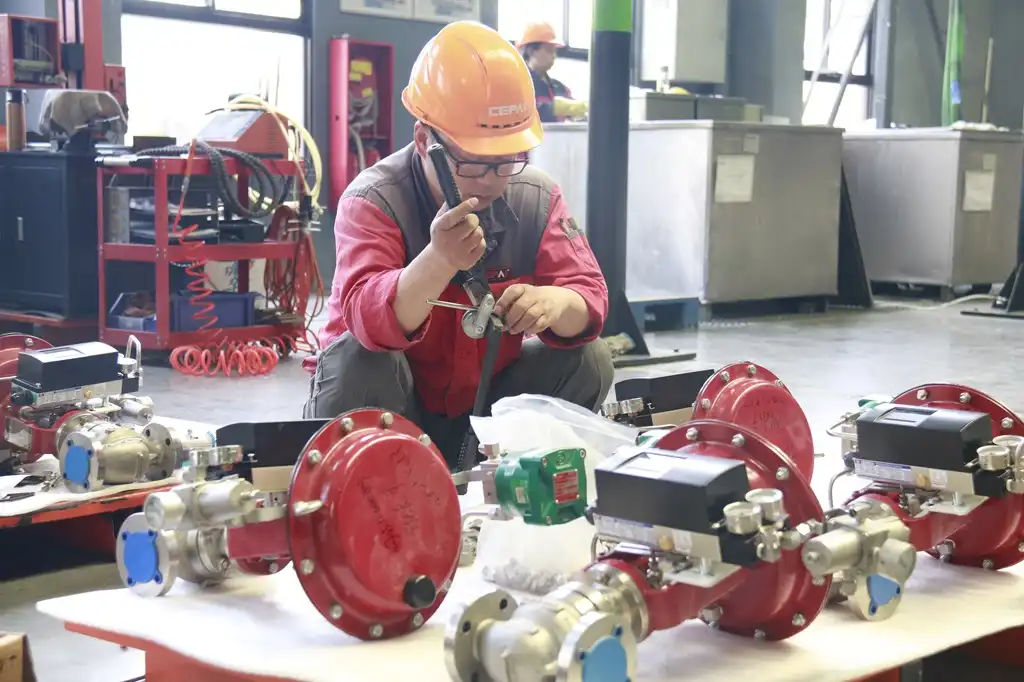
Our factories use complete quality management systems that are certified to API Q1, ISO 9001, and other global standards. To make sure that the quality and size of our products are always right, we use advanced machining centres, automated welding systems, and precision testing tools.
CEPAI butterfly valves are built tough so they can last a long time in difficult conditions. Our engineering team works directly with customers to create tailored solutions that meet specific needs without raising costs.
Technical Help and Engineering
Besides making high-quality products, CEPAI offers a wide range of technical support, such as help with application engineering, advice on choosing materials, and suggestions for optimising performance. Our skilled engineers help customers figure out what processes they need to use and choose the right valve settings to make sure they are as reliable as possible.
We have to do a lot of tests to make sure that valve performance under simulated field conditions is correct. This way, we can be sure that the products we deliver meet or go beyond the requirements. This promise to quality verification lowers the risks of installation and gives people faith in the long-term performance of the system.
Conclusion
Choosing between metal- and soft-seated butterfly valves depends on how the application will be used, what it needs, and how well it needs to work. If you need to completely stop flow at moderate temperature and pressure with low operating torque, a soft-seated design is a good choice. Even though they are more expensive and harder to use at first, metal-seated configurations last longer in conditions of high temperature, high pressure, and abrasion.
It's hard to pick out the right valve. You need to consider the process, the long-term cost, and the maintenance ease. Engineers have to consider sealing performance, operational reliability, cost when choosing valve solutions for complex industrial systems.
FAQ
1. When materials damage smooth surfaces, can butterfly valves with soft seats be used?
Rough materials wear soft-seated butterfly valves faster and damage sealing surfaces. Sand, catalysts, and other materials that quickly damage soft seats work best with metal seats.
2. How do you treat butterfly valves with metal or soft seats?
Soft-seat valves need new seals more often but are easy to replace. Metal valve seats last longer but may need replacement.
3. Should actuators be used with metal or soft-seated butterfly valves?
Metal-seated butterfly valves require more torque due to friction at the metal sealing interface. It needs larger motors or pressures. You can use a cheaper, smaller soft-seated actuator because they require less torque.
Partner with CEPAI for Superior Butterfly Valve Solutions
CEPAI has a lot of experience making oil and gas valves, which is why you can trust us to supply butterfly valves for your most important applications. Our API-certified manufacturing methods and thorough quality systems make sure that they work well in tough conditions. Our engineering team is always ready to help you with specifying and purchasing products, whether you need soft-seated designs for moderate-service applications or strong metal-seated configurations for extreme conditions.
Find out how CEPAI's butterfly valve solutions can make your work more reliable and save you money in the long run. To talk about your exact needs and ask for more information about the technology, email us at cepai@cepai.com.
References
1. Smith, J.R. and Anderson, K.M. "Industrial Valve Engineering: Design Principles and Performance Optimization." Mechanical Engineering Press, 2019.
2. Peterson, L.C. "Butterfly Valve Technology: Materials, Applications, and Selection Criteria." Process Industry Journal, Vol. 45, No. 3, 2020.
3. Williams, D.A., et al. "Comparative Analysis of Valve Sealing Technologies in Petrochemical Applications." Chemical Engineering Quarterly, 2021.
4. Thompson, R.E. "API Standards for Industrial Valves: Compliance and Performance Requirements." American Petroleum Institute Technical Manual, 2018.
5. Rodriguez, M.J. "Lifecycle Cost Analysis of Industrial Valve Systems." Maintenance Engineering Handbook, 4th Edition, 2020.
6. Chen, W.L. and Kumar, S. "High-Temperature Valve Applications in Oil and Gas Processing." Energy Systems Engineering Review, Vol. 32, 2021.
_1746598531170.webp)