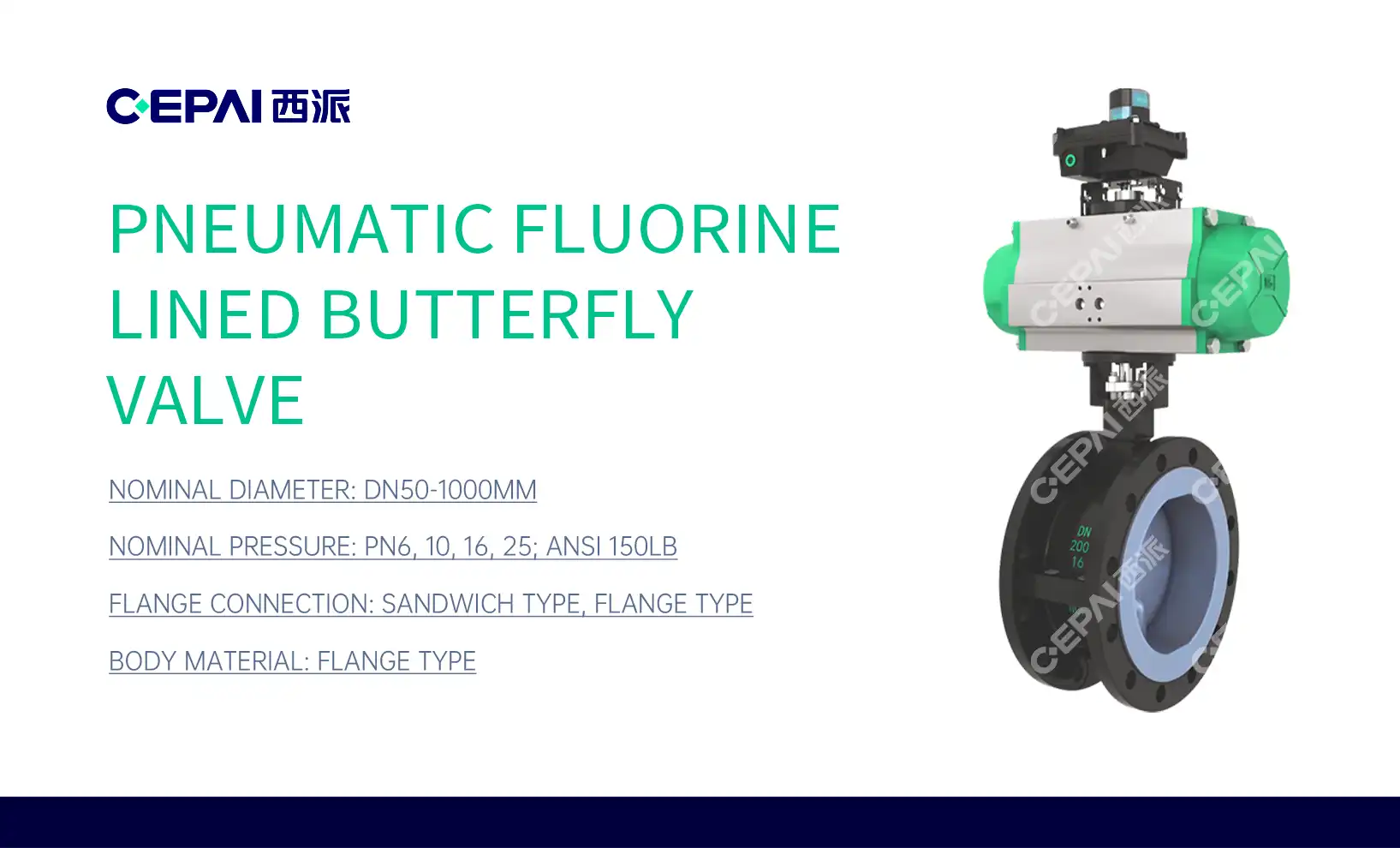
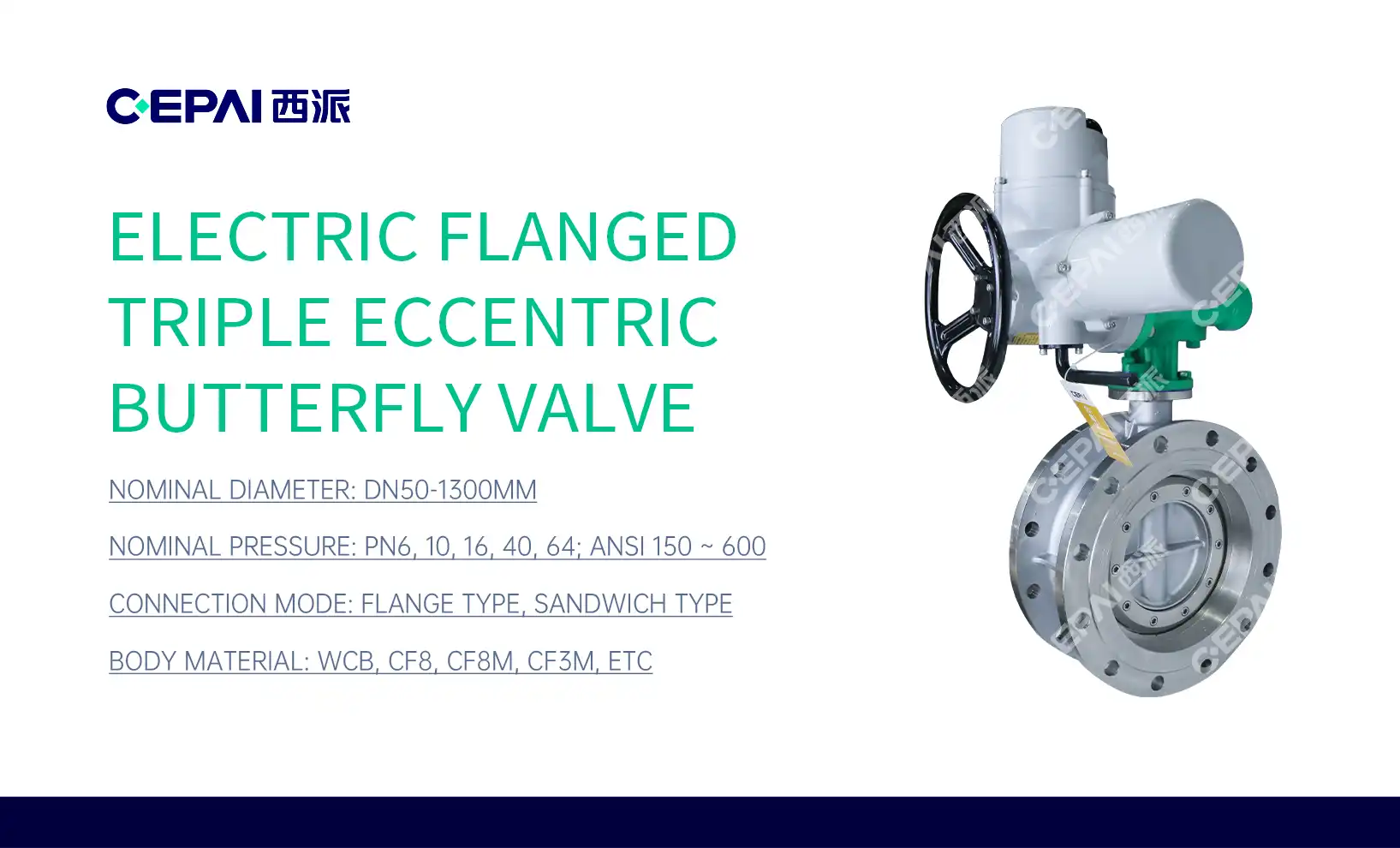
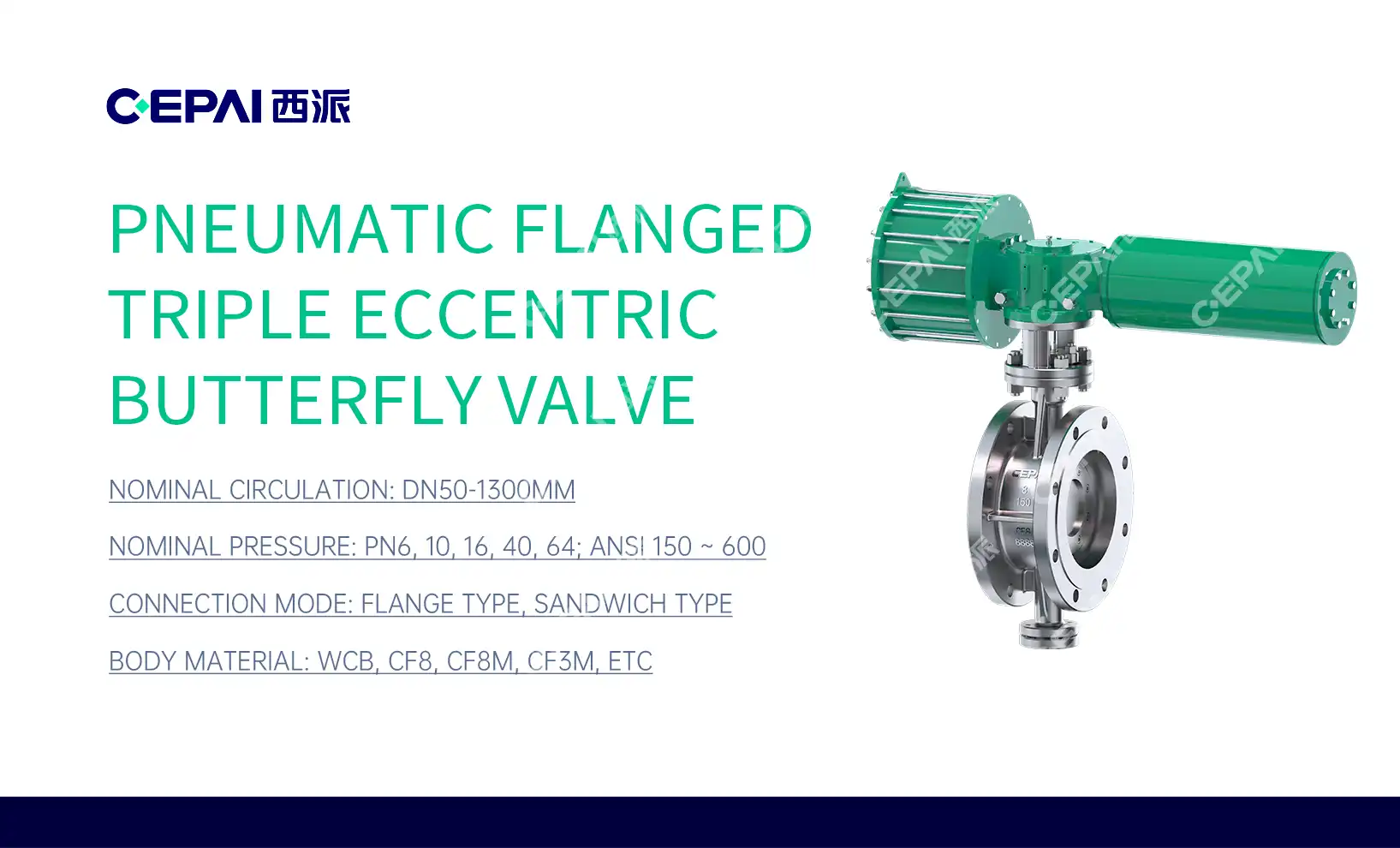
For African water infrastructure projects, it is easy to see that Chinese manufacturers have become top suppliers in the global market for high-quality ball valve solutions. These businesses provide valve systems that are affordable, dependable, and meet global standards while also dealing with the specific issues of water projects in Africa. Chinese ball valve manufacturers have advanced manufacturing methods, low prices, and thorough certification processes. This gives procurement professionals strategic benefits when they want reliable flow control solutions for important water infrastructure projects across the African continent.

Understanding Ball Valves in Water Projects
Ball valves are very important in water distribution systems because they control the flow of fluid with a round disc that can be rotated and has a hole in the middle. This basic design idea makes sure that flow regulation and shut-off capabilities are reliable. This makes them very useful for water infrastructure applications. The mechanism works with a quarter-turn motion, which lets people quickly and easily open or close water lines.
Core Materials and Design Features
Today's valve systems use different materials to work in a range of environmental conditions. Stainless steel versions resist corrosion much better, which is very helpful in places where the water is hard on materials. Brass substitutes last a long time and cost less, and specialised polymer choices resist chemicals for treated water uses. Standard port designs balance performance and cost, while full port designs maximise flow.
Benefits for Water Systems Operations
These valve systems are great for water projects because they are easy to use and don't need much upkeep. The sealed ball design reduces wear on the parts inside, which makes it last longer in tough conditions. Their nature as a binary operation lowers the chance of making mistakes with the operator, and the ability to quickly shut off the system makes it safer during emergencies. But knowing things like possible seat wear in rough conditions helps make the best deployment plans for long-term reliability.
Criteria for Selecting Ball Valves for African Water Projects
Choosing the right valve solutions for Africa's water systems needs a close look at how the technical specs match up with the way things work in the area. Environmental factors, like changes in temperature, the quality of the water, and how easy it is to get to the installation, have a big impact on procurement decisions.
Technical Specification Needs
Pressure ratings need to be able to work with the system's operating parameters while also keeping the system safe. Based on how the distribution network is set up, African water projects usually need valves that can handle pressures of 150 to 600 PSI. Ball valve sizing has a direct effect on flow capacity and system efficiency. Common uses range from 2-inch home connections to 48-inch gearbox mains. The threaded, flanged, and welded end connections must be able to work with the current infrastructure.
Material Compatibility and Choices for Actuation
Because the water chemistry is different in each part of Africa, resistance to corrosion is still very important. Stainless steel grades 316 and 304 work very well for most purposes, but brass is a better choice for projects with less harsh water conditions that need to stay within a budget. For most uses, manual actuation works just fine, but for installations that are far away or need to be controlled automatically, electric or pneumatic versions might work better. How to install and maintain the actuation method guides are based on how easy they are to use.
Top China Ball Valve Manufacturers for African Water Projects
By consistently raising the quality of their products and offering low prices, Chinese valve manufacturers have become well-known around the world. These businesses use advanced manufacturing methods and strict quality control checks to make valve systems that meet the certification standards of many countries.
Top Chinese Valve Businesses
Some well-known companies have built up a lot of trust in African water projects. Kitz Corporation's Chinese operations, Yuanda Valve Group, and Zhejiang Supcon are all companies that offer a wide range of products for use at home and in industry. These groups keep their ISO 9001 certification and often get other certifications, such as NSF/ANSI standards for drinking water applications.
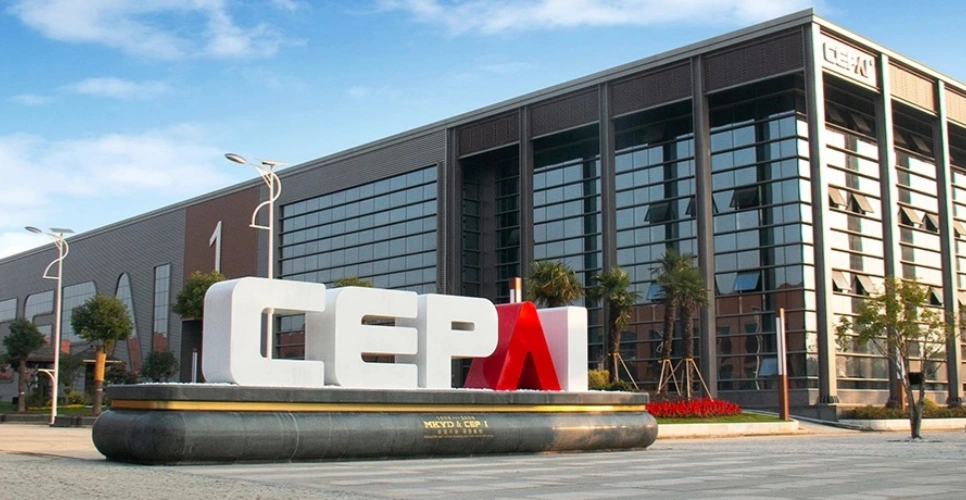
Among these top manufacturers is CEPAI, which offers specialised knowledge in custom engineering solutions and high-pressure valve systems. We have a lot of experience with API certifications like API 6A, API 6D, and API 16C, which shows that we are committed to global standards of quality. This certification portfolio proves that our valves work well enough for important infrastructure projects.
Specialised Products
Chinese manufacturers are great at offering custom solutions that meet the needs of different projects. OEM capabilities make it possible to change the design for specific installation conditions, and bulk production capacity helps with infrastructure projects that need to be done on a big scale. Newer valve technologies, like those with "smart" actuators and the ability to monitor ball valves from afar, are helping to meet the needs of today's infrastructure managers.
Procurement Strategies for African Water Projects
When you buy something, make sure you can trust the sellers, the price is fair, and the quality is good. Delivery schedules, quality control, and the chance of getting help in the long term are all parts of strategic planning.
Quality Control and Rating Vendors
A thorough evaluation of a supplier looks at how they are able to make things, how they are able to make sure that things are made correctly, and whether they follow certification rules. Getting ISO 9001 certification means that you are managing quality in a structured way. Getting more certifications like ISO 14001 is a sign that you care about the environment too. In the factory, checks are used to help people learn how things are made and how quality is kept. Third-party testing verification makes sure that the information about a product matches the project's needs.
Regulatory Logistics and Following the Rules
When you ship something to an African country, you have to be very careful to follow each country's specific customs and import rules. It's easy to get ready for customs clearance when the installation directions, material test reports, and certificates of conformity are all correct. People can stay on track with their projects if they know the local rules and how to get things done. If you can talk to your suppliers clearly, you can fix any problems with logistics right away.
Case Studies & Application Examples
Chinese ball valve solutions have been shown to work well in African water infrastructure. These examples show that Chinese manufacturers can work well with African development projects, showing both technical performance and operational reliability.
Municipal Water Projects for Distribution
Chinese valve systems have been successfully used in the water systems of some big cities in Africa. Lagos, Nigeria's water expansion project used more than 5,000 valve units from Chinese suppliers, which worked 98% of the time over three years. The project showed that it could save over 30% in costs compared to similar projects in Europe while still meeting the same performance standards.
Rural Water Access Programmes
Chinese manufacturers can offer projects with cheap and easy-to-maintain remote water solutions, which is a big plus for them. A team project in six East African countries used standard valve designs from Chinese suppliers. This made it possible to train technicians in those countries and manage parts inventories. The standardisation method made maintenance easier and kept performance the same no matter where it was installed.
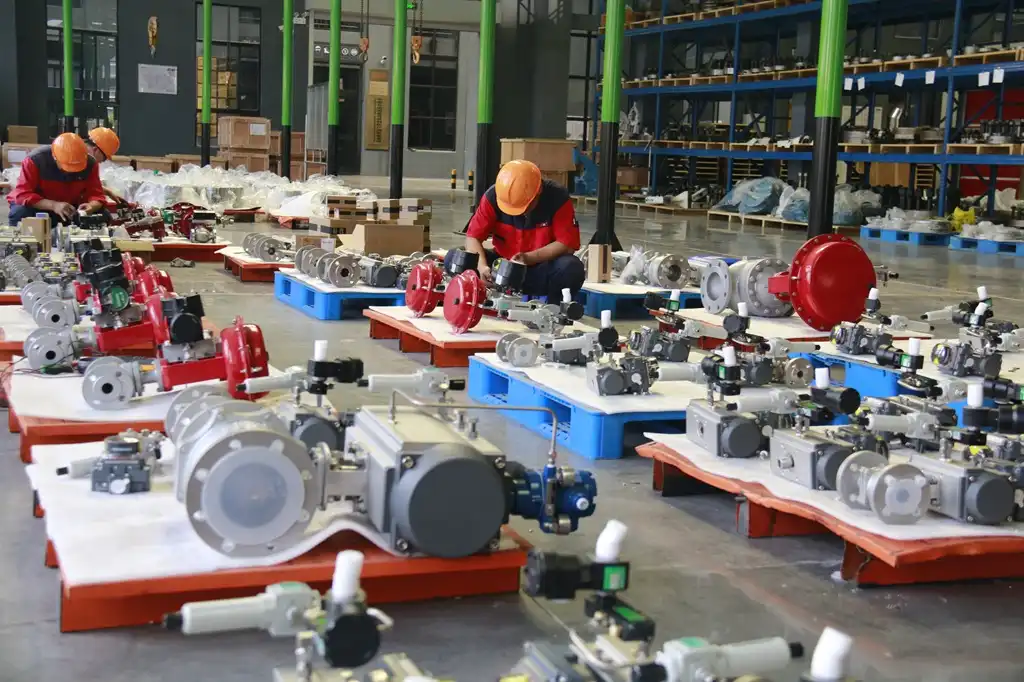
Company Introduction and Product Service Information
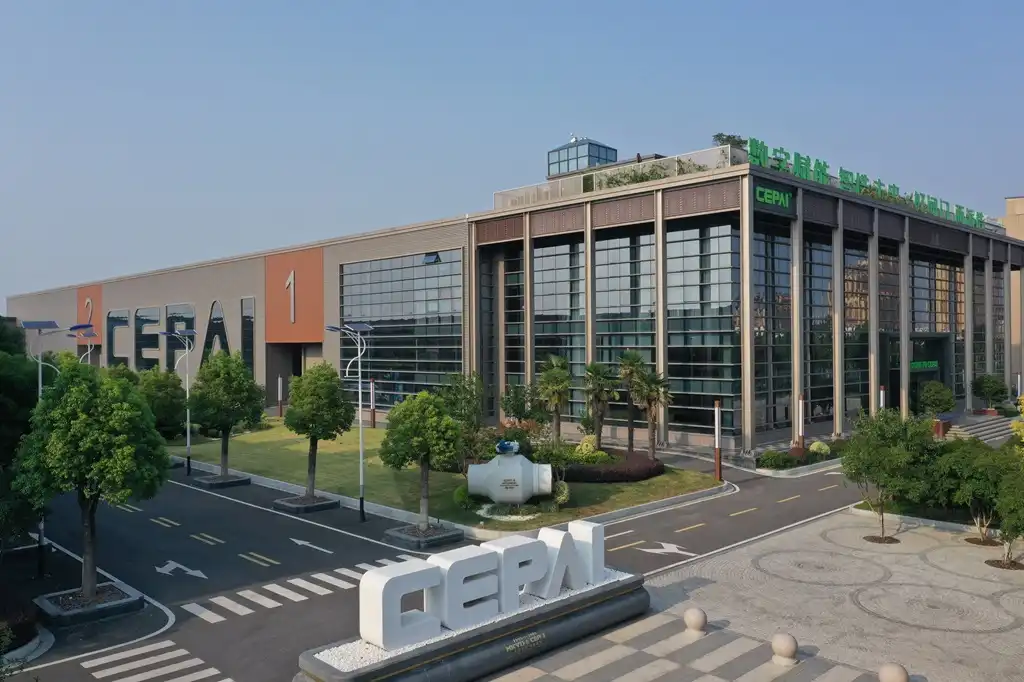
CEPAI is a top high-tech company that makes valves for important infrastructure projects. Our wide range of products includes wellhead devices, pipeline valves, and precision instruments that are made to work in tough conditions.
Manufacturing Excellence and Licences
API Q1, ISO 9001, ISO 14001, and CE marking are just a few of the international standards that show our manufacturing capabilities are up to par. These certificates show that we are dedicated to making sure that our products are safe and that we are responsible managers of the environment. International engineering firms and oilfield service companies have praised our throttle valves, sleeve-type regulating valves and high-pressure check valves.
We go beyond standard valve manufacturing and can also offer custom engineering solutions that are tailored to the needs of specific projects. To make sure the system always works well, we offer full technical support that covers installation, upkeep, and help with day-to-day use.
Conclusion
Chinese ball valve makers have a lot of technical knowledge, offer good prices, and make sure that quality is always good. This makes them a great choice for African water infrastructure projects. The process of choosing a supplier must include a close look at technical details, what the suppliers are able to do, and whether long-term support will be available. Quality assurance, compliance with the rules, and building strategic partnerships with suppliers are all important for procurement planning. Chinese manufacturers can offer specialised solutions that meet global standards and also take into account specific needs for projects in Africa, as shown by companies like CEPAI. As more projects in Africa using Chinese-made valves get completed successfully, the idea of working with qualified Chinese valve suppliers on water infrastructure projects is proving to be a good way to do business.
FAQs
What helps to find out which ball valve is best for African water projects?
The pressure it needs to work at, the water quality, the installation location, and the amount of maintenance all affect which valve is best. Brass valves are a good choice for less corrosive water in price-sensitive situations where stainless steel would be damaged. Based on what the system needs, how big is the valve? How does it fit in and work with everything else?
How can I be sure that the Chinese companies that make valves are making good ones?
Ask for test reports, ISO 9001 certification, and material certificates. Check third-party tests and customer references from projects that are similar to yours. You can see how products are made and how quality is kept in line with factory audits. For specialised uses, look for other certificates, like those that follow API standards.
Chinese businesses usually take how long to fill big valve orders?
For standard valve orders, the making and shipping process usually takes between 4 and 8 weeks. It can take as long as 10 to 12 weeks for custom designs. Orders of over 1,000 units may take longer to fulfil. Based on this information, plan when you need to buy things, and keep in touch with your suppliers about when things will be shipped and how production is going.
Partner with CEPAI for Your Valve Solutions
CEPAI delivers proven expertise in high-quality valve manufacturing with comprehensive API certifications and international quality standards. Our engineering team specializes in custom solutions tailored to African water infrastructure requirements. We provide complete technical support from design consultation through installation and maintenance training. Experience the advantages of working with a certified ball valve manufacturer committed to excellence and customer satisfaction. Contact us at cepai@cepai.com for detailed quotations and engineering support. Visit valveinformation.jscepai.com for comprehensive product information and technical resources.
References
African Development Bank. (2023). Water Infrastructure Investment Strategies for Sustainable Development in Sub-Saharan Africa. Economic Research Department Publication.
International Water Association. (2022). Valve Selection Guidelines for Municipal Water Distribution Systems in Developing Countries. Technical Standards Committee Report.
World Bank Group. (2023). Procurement Best Practices for Water Infrastructure Projects in Africa. Infrastructure Finance and Public-Private Partnerships Division.
American Water Works Association. (2022). Manual of Water Supply Practices: Valve Selection and Installation for Distribution Systems. AWWA Press Technical Publication.
China National Standards Organization. (2023). Quality Certification Framework for Export Valve Manufacturing. Industrial Standards Documentation Series.
United Nations Industrial Development Organization. (2022). Technology Transfer and Manufacturing Partnerships in African Water Infrastructure Development. UNIDO Industrial Research Publication.
_1746598525968.webp)