Butterfly Valve vs Check Valve: 5 Crucial Selection Differences
When choosing valves for oil and gas operations, the difference between butterfly valves and check valves is one of the most important factors that affects how well the system works and how reliable it is. Butterfly valves control flow with a spinning disc, and check valves stop backflow in pipelines by not letting fluids go in the opposite direction. Drilling experts, wellhead specialists, and procurement managers need to know about these basic differences in order to choose the best valves for wellhead assemblies, pipeline operations, and processing facilities that can't settle on safety or performance.

Fundamental Operating Principles
Understanding how butterfly and check valves work on a basic level is important for making smart purchasing decisions in oil and gas uses. The mechanical differences between these types of valves decide which ones are best for different system designs and operational needs.
Butterfly Valve Operating Mechanism
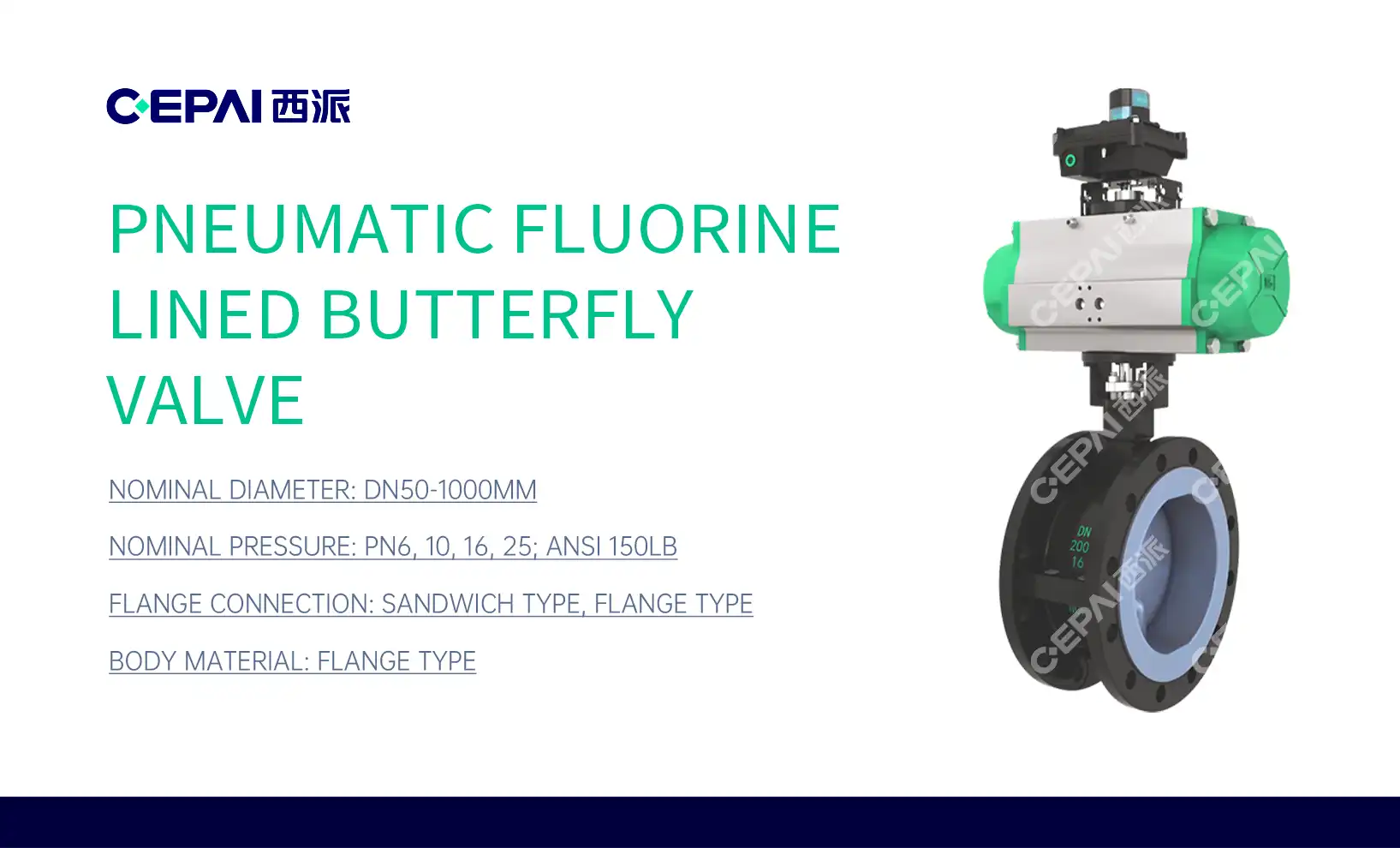
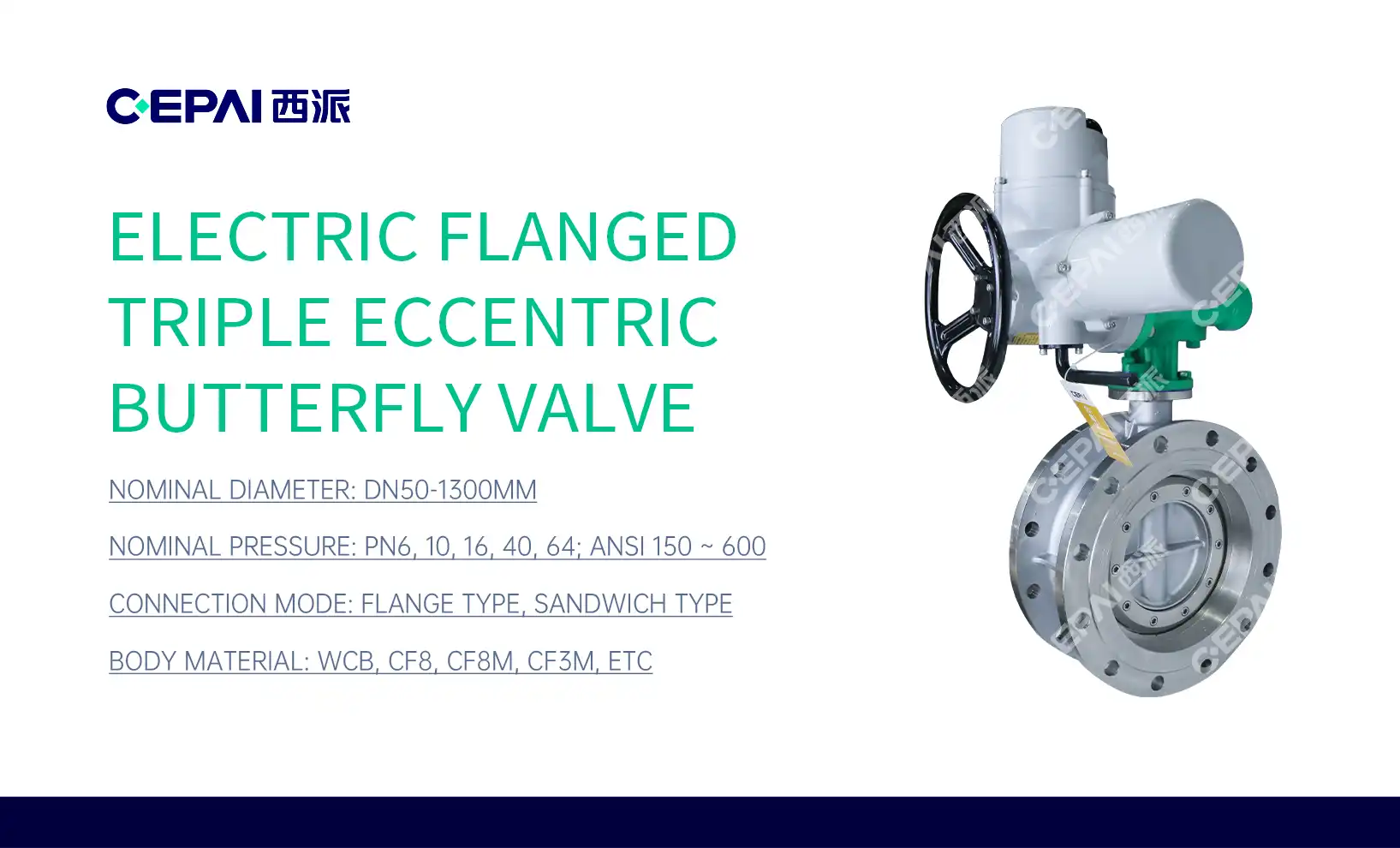
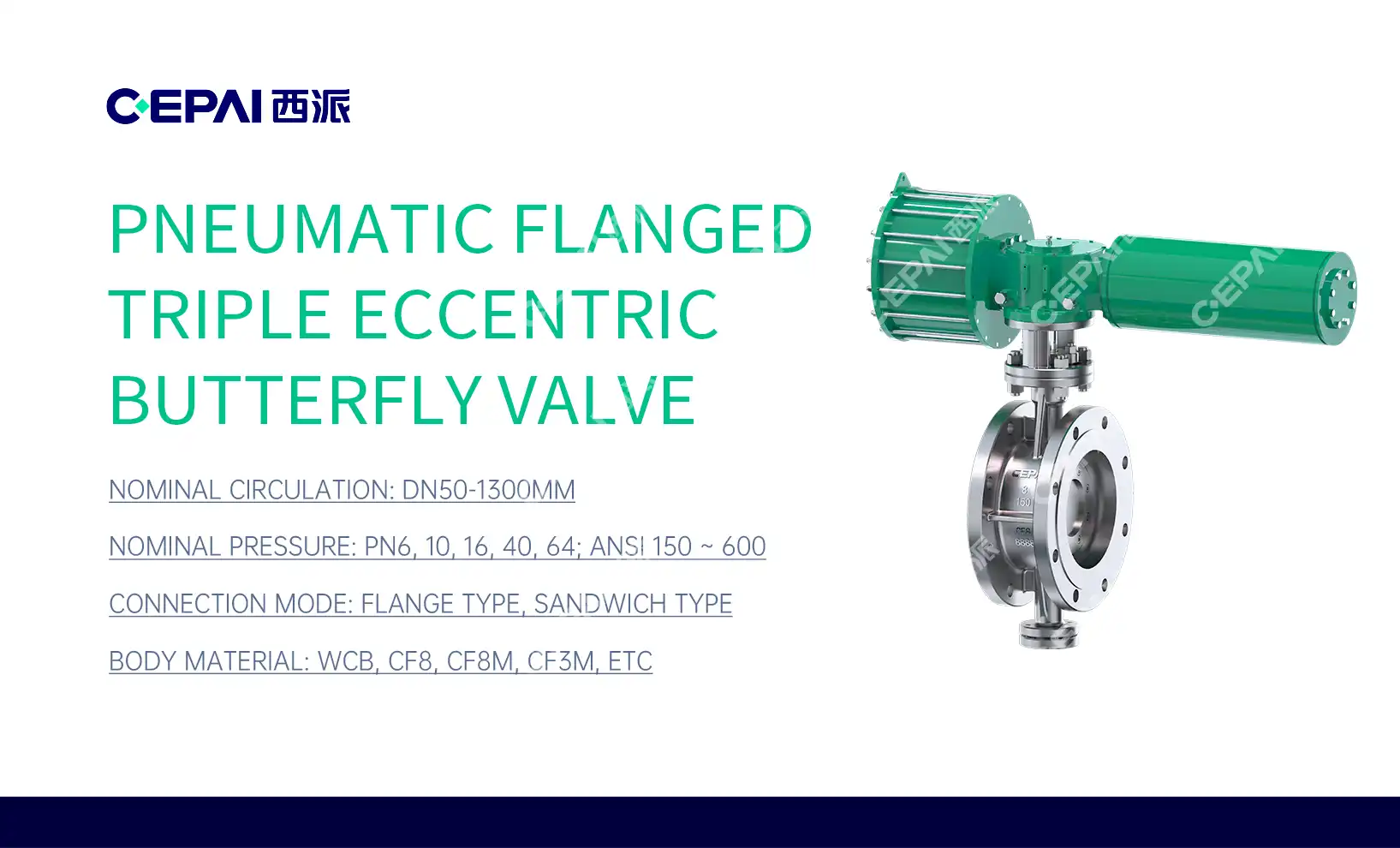
Butterfly valves use a spinning disc to control flow, which makes them perfect for precise flow control in many industrial settings. The valve works by rotating the disc 90 degrees every quarter turn, going from fully closed to fully open. The valve body, stem, and disc are some of its most important parts. They work together to change the flow rate proportionally across the whole range of movement.
Even when the valve is fully open, the disc stays in the flow path. This creates a constant blockage that causes the pressure across the valve to drop. This trait affects how the system is designed, especially in high-flow situations where pressure loss lowers the total performance of the system. In order to enable remote control skills necessary for wellhead and pipeline uses, pneumatic and electric actuators frequently automate butterfly valve operation.
Check Valve Operating Mechanism
Check valves are mostly used as non-return valves, which stop backflow by closing automatically when the flow changes directions. The difference pressure and flow direction are what keep these valves in the right place without any outside control. Swing, lift, and dual-plate check valves are some of the most common types. Each one is good for a different system design and pressure grade.
A movable disc opens in a swing check valve when flow moves forward and closes when flow stops or changes direction. A directed disc moves vertically inside the valve body of a lift check valve, which allows for a tight cutoff. There are two spring-loaded plates in a dual-plate check valve that open with little difference in pressure and close quickly to stop backflow.
Application Context in Oil and Gas
A effective approach to designing and maintaining fluid systems is based on being able to tell the difference between flow control and flow prevention functions. When sliding control is needed, butterfly valves work great. For example, they are great for controlling fluid distribution in processing plants or regulating flow rates in pipeline systems. Backflow can damage equipment, especially in pump discharge lines, wellhead assemblies, and pipeline systems where flow reversal could affect how well the system works. This is why check valves are so important.
Performance and Application Suitability
The operating climate and performance requirements specific to oil and gas uses play a big role in choosing the right valve type, such as a butterfly valve. Environmental factors, pressure needs, and fluid properties all have a big impact on valve selection choices.
Butterfly Valve Performance Characteristics
Butterfly valves work well in low to medium pressure systems and can be used in HVAC, water treatment, and handling toxic fluids. They can be made of a variety of materials and can handle high and low temperatures. In their normal form, these valves can handle pressures up to ANSI Class 600. When higher pressures are needed, they can be made with special designs.
Temperature performance depends on the type of seat material chosen. For example, metal-seated designs can handle the high temperatures that are common in oil and gas uses. PTFE and elastomeric chairs close well at normal temperatures and are chemically compatible with a wide range of fuels and process fluids.
One big benefit of butterfly valves is that they can precisely control flow, which is especially useful in situations where changing control is needed. Because the disc position and flow rate are related in a straight line, the flow rate can be accurately controlled across the whole working range. This trait is useful in pipeline operations where changing the flow rate is necessary to keep the system running at its best.
Check Valve Performance Characteristics
Check valves are very important for protecting pipeline integrity because they stop backflow in pump systems, boiler lines, and chemical processes, where strong materials and accurate measurements are still very important. To keep equipment from getting damaged, these valves must act quickly to flow reversal and keep a tight stop.
Cracking pressure is the lowest difference pressure needed to open the valve. It affects how the system is designed and which pump is chosen. Low cracking pressure valves keep energy losses to a minimum, while high cracking pressure valves offer positive shutdown in important situations.
Response time is very important in situations where flow changes quickly, like when a pump starts up and stops running. Most of the time, dual-plate check valves respond faster than swing check valves. This makes them good for situations where there is a lot of cycling or sudden changes in flow.
Industry-Specific Applications
Procurement managers can match the right valve type for each industry by looking at flow control needs, pressure levels, and fluid properties. This makes the system work better and last longer. While check valves guard against overflow during well testing and maintenance, butterfly valves are frequently used in wellhead systems to control flow during production operations.
At regulation stations, butterfly valves are used in pipeline systems to keep the pressure and flow rates in the pipeline at the right levels. Check valves keep leaks from happening at pump stations and protect the pipeline while it's being maintained. Both types of valves are used in processing plants, with check valves protecting equipment from process upsets and butterfly valves controlling the flow of the process.
Design Differences and Maintenance Implications
Design differences affect both the cost of installation and continued upkeep. This is especially true in tough oil and gas environments where running costs are affected by dependability and accessibility. Knowing these design features helps with planning upkeep and allocating resources in the best way possible.
Butterfly Valve Design Variations
Butterfly valves come in two types: wafer and lug. The discs can be made of soft rubber or metal alloys, which affects how well they lock and how easy they are to maintain. Wafer-style valves fit between pipeline flanges, which makes them easier to install and lighter than flanged valves. Lug-style designs have threaded holes that let you place them without using downstream flanges, which makes servicing easier.
The disc material has a big effect on how well the valve works and how often it needs to be serviced. Discs made of stainless steel are very strong and don't rust, so they can be used in high-pressure situations. Rubber-lined discs are better at closing, but they need to be checked for wear and chemical compatibility more often.
Both efficiency and upkeep are affected by the design of the seat. Resilient seats offer bubble-tight closing, but they need to be replaced every so often because they wear out and break down chemically. As a trade-off for sturdiness, metal chairs leak a little, but they last longer and can handle higher temperatures.
Check Valve Design Configurations
Check valves come in a number of different styles, such as swing, lift, and dual-plate. Each style has its own upkeep needs—each with distinct maintenance profiles and failure modes. Swing check valves are easy to use and don't need much upkeep, but the seat may wear out over time because the disc slams shut when the valve closes.
Lift check valves provide accurate direction and controlled closing, but they need clean fluids to keep the stem from getting stuck. Internal parts can still be reached through the bonnets, which makes servicing easier without having to take the valve completely off. Spring-loaded designs make sure a good closure no matter which way the fitting is done.
The compact form and quick reaction of dual-plate check valves make them valuable. Spring mechanisms need to be checked and replaced every so often, and hinge assemblies need to be oiled regularly to keep them running smoothly.
Maintenance Best Practices
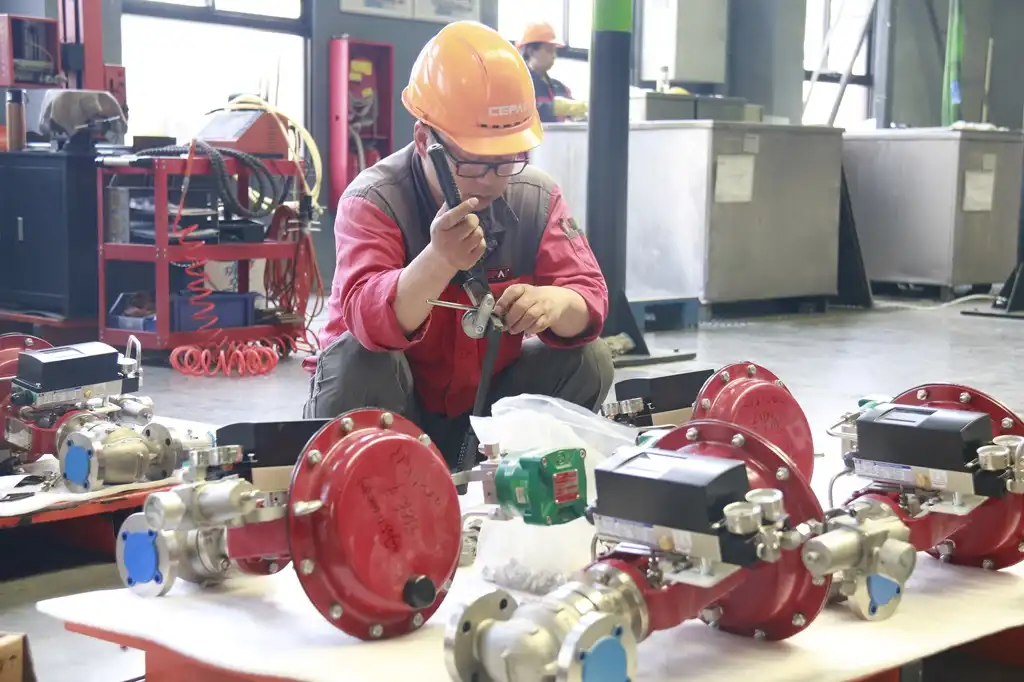
Best practices for regular cleaning, lubrication, and troubleshooting can make valves last much longer and cut down on downtime. Butterfly valves work better when the actuator is oiled every three months and the seat is checked once a year, especially in harsh or acidic working conditions. Setting the torque switch correctly makes sure that the right amount of force is applied to the seat, and too much torque can damage the stems or seats.
Check valve care is mostly about checking and cleaning the parts inside the valve. Disassembly once a year lets you check the state of the discs, the wear on the seats, and the spring tension. Cleaning methods get rid of built-up debris that might be blocking the proper closing, and replacing parts brings the performance back to how it was before.
When procurement teams understand these details about design and upkeep, they can better plan lifetime costs and resource allocation. Standardizing the types of valves used across all sites cuts down on the need for spare parts and lets the repair crew specialize. Partnering with vendors gives you access to expert help and training materials that make maintenance more effective.
Cost Factors and Procurement Insights
Cost factors include more than just the original price. They also include the total cost of ownership and partnerships with suppliers, both of which affect the long-term success of a business. Strategic methods to buying balance costs up front with costs over the product's life, while also making sure the product works reliably.
Butterfly Valve Cost Structure
The prices of butterfly valves change depending on the material they are made of. Price differences are big for stainless steel, rubber-lined, and actuator types. Simple butterfly valves that are operated by hand are the least expensive choice. Automated versions with pneumatic or electric actuators cost more to set up but use less work.
The choice of material has a huge impact on price, with exotic metals getting higher prices for specific uses. For normal uses, carbon steel bodies are a cheap option. Stainless steel and duplex metals, on the other hand, are better for corrosive environments but cost more at first but last longer.
The choice of actuator affects both the original cost and how the system works. Pneumatic actuators are good for big valve uses because they have a low starting cost and can handle a lot of torque. Electric motors allow for exact positioning control and don't need compressed air, but they cost more to buy at first.
Check Valve Cost Analysis
The price of a check valve depends on its size, the materials used to make it, and how easy it is to get in the market. Customized versions tend to cost more. For standard uses, swing check valves usually have the lowest starting cost. Lift and dual-plate versions, on the other hand, cost more because they are harder to make.
Like butterfly valves, the prices of materials follow a trend where stainless steel and exotic metals make prices go up a lot. But the strong construction needed for check valves often supports using high-quality materials that last longer and need less upkeep.
The price is greatly affected by the size, since making big diameter valves requires a lot of material and special techniques. Standard sizes save money because of economies of scale, but unique sizes need special engineering and production care for each one.
Strategic Approaches to Strategic Buying
A good procurement process takes into account the supplier's dependability, warranties, and the ability to create unique solutions while balancing up front costs with long-term practical saves. By building relationships with preferred vendors, you can get discounts for buying in bulk and be sure that the quality of the products and expert help will always be the same.
When you buy a lot of something, you save money. This is especially true for standard valve designs that are used in many projects or buildings. Lead time management keeps shipping costs from going up too quickly and makes sure that the project stays on plan. Standardization efforts make shopping easier and allow for benefits from buying in bulk.
Strategic buying partnerships help industrial buyers get the best prices and make sure that the products they buy work the way the technical specs say they should. Long-term supply deals allow vendor partnerships to keep costs low while providing tech support for custom projects.
Comparative Summary & Decision-Making Guide
This in-depth study combines important selection factors, such as flow direction needs, working pressures, and installation limitations, so that smart choices can be made about which valves to buy. The choice matrix makes the review process easier for a wide range of oil and gas uses.
Selection Criteria Matrix
Controlling flow is the main thing that sets butterfly valves apart from check valves. Butterfly valves are best for applications that need to slow down or control flow or that can be controlled remotely. Systems that need to stop overflow, protect equipment, or run themselves show that they need a check valve.
Conditions of pressure and temperature affect the choice of valve type and material requirements. Check valves may be better for high-pressure situations because they are more durable, while butterfly valves are better for moderate-pressure situations because they are cheaper and easier to control.
When installing a valve, especially in retrofits or places with limited room, the choice of valve is restricted. Butterfly valves take up less space when they are installed, but check valves need enough space for repair access and disc operation.
Real-World Application Examples
Pipeline uses show how useful valve selection rules can be. Mainline block valves have butterfly shapes that control flow while repair work is being done. Check valves are used on pump station discharge lines to protect equipment. Both types are combined in regulation stations, with check valves stopping backflow during shutdown processes and butterfly valves controlling flow rates.
Wellhead systems show how butterfly valves can be used to control the flow of output while check valves keep surface equipment safe from well pressure. In order to create complete flow control systems, processing facilities use butterfly valves for process control and check valves to protect the equipment.
Future Technology Trends
New technologies like smart controllers, digital valve tracking, and eco-friendly materials show that valve technology has room for improvement. Smart actuators let you watch them from afar and send you repair alerts before they break. This lowers running costs and increases reliability.
Condition-based maintenance methods that make the best use of resources are made possible by digital tracking systems that keep track of valve performance factors. With wireless communication, monitoring valves can be integrated with total building management systems, giving full operating insight.
Concerns about the environment are taken into account in sustainable materials and production methods, which still meet performance needs. Advanced coatings make things last longer and require less upkeep, which helps reach total green goals.
With this complete guide, people who work in procurement can make choices that are sure to be right in the future and that improve industrial fluid control systems while also meeting working needs and budget limits.
Conclusion
Operational principles, performance standards, design features, cost considerations, and application-specific needs are the five most important factors to consider when choosing between butterfly valves and check valves. Butterfly valves are great for controlling flow that needs to be modulated and can be controlled from a distance. Check valves, on the other hand, stop backflow and protect equipment. By knowing these differences, procurement teams can make smart choices that improve system performance, lower lifecycle costs, and guarantee operating dependability in oil and gas settings that are tough.
FAQ
What are the main ways that butterfly valves and check valves work differently?
Butterfly valves let you actively control flow by rotating a disc, which can be done by hand or automatically. This lets you precisely control flow and the whole system. Check valves open when there is forward flow and close when there is backflow, based on the difference in pressure. They do this without any outside control.
Which type of valve works better in oil and gas uses with high pressure?
Check valves can usually handle higher pressures because they are built to last and have guided closing systems. Butterfly valves work best in situations with mild pressure, where controlling flow is more important than maintaining maximum pressure.
How are the upkeep needs for these different types of valves different?
For best performance, butterfly valves need to have their actuators serviced, their seats inspected, and their settings adjusted on a frequent basis. Check valves need to have their internal parts cleaned, their spring tension checked, and their disc state checked, but they usually don't need as much care.
Ready to Optimize Your Valve Selection Strategy?
The butterfly valves that CEPAI offers are designed to work with oil and gas, and they come with API certifications and proof that they work well in the field. Our wide range of products includes high-pressure control devices, pipeline valves, and specialized wellhead parts made to meet the strict needs of processing plants and drilling operations. We are a reliable butterfly valve maker, and our technical knowledge, special engineering skills, and quick customer service make sure that you get the best valves for your needs. Email our experts at cepai@cepai.com to talk about your unique needs and find out how our approved valve solutions can help your business run more efficiently while lowering its total cost of ownership.

References
American Petroleum Institute. "API Specification 6D: Pipeline Valves." 24th Edition. Washington: API Publishing Services, 2019.
Smith, Robert J., and Michael Thompson. "Industrial Valve Selection and Application Guide for Oil and Gas Operations." Houston: Petroleum Engineering Press, 2020.
International Organization for Standardization. "ISO 5752: Metal Valves for Use in Flanged Pipe Systems." 4th Edition. Geneva: ISO Publications, 2021.
Williams, Sarah K. "Butterfly Valve Design and Performance in Hydrocarbon Service." Journal of Petroleum Technology 45, no. 3 (2018): 78-92.
Anderson, David M., and Lisa Chen. "Check Valve Applications in Pipeline Systems: Selection Criteria and Performance Analysis." Pipeline Engineering Monthly 32, no. 7 (2019): 124-138.
National Association of Corrosion Engineers. "NACE MR0175: Petroleum and Natural Gas Industries - Materials for Use in H2S-Containing Environments in Oil and Gas Production." Houston: NACE International, 2020.

Get professional pre-sales technical consultation and valve selection services, customized solution services.
About CEPAI