Technical Distinctions Between Fluorine-Lined and Rubber-Lined Valves
Manufacturing Processes and Material Composition
Rubber-lined valves are made of metal and a certain type of rubber. For the rubber lining to stick to the metal and cover the whole surface, it is carefully put on while it is being made. This lining keeps things from getting to the metal that would damage it. Most of the time, a good compound that doesn't react with other chemicals and can last in harsh conditions is used.
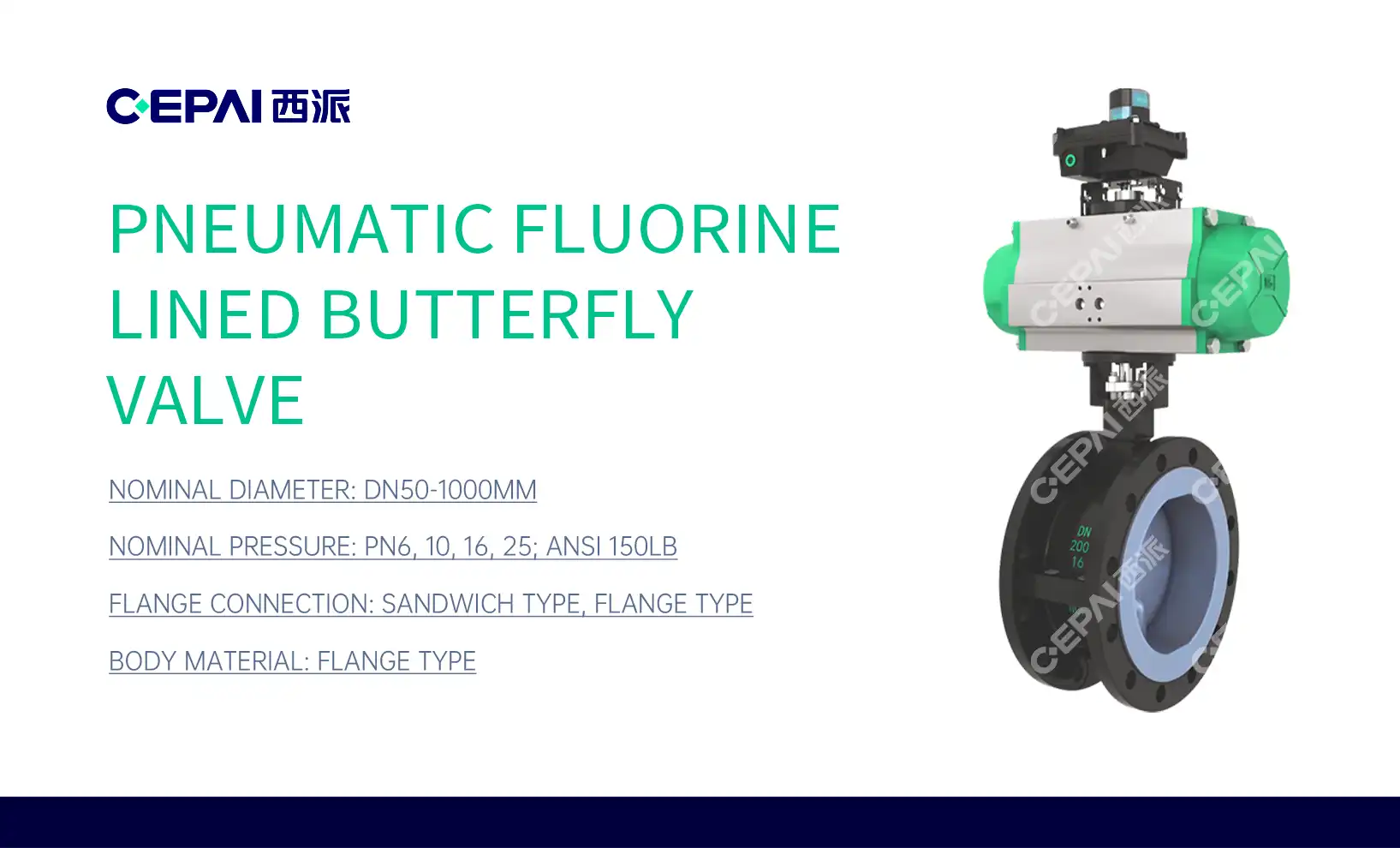
On the other hand, fluoropolymers like PTFE (polytetrafluoroethylene) or PFA (perfluoroalkoxy) line the inside. It is well known that these things don't stick and are tough against chemicals. For the most part, the fluoropolymer is sprayed or shaped onto the valve body to line it with fluorine. This makes sure that the coating is smooth and even.
Chemical Resistance Characteristics
Acids and other chemicals have a hard time getting inside valves that are lined with rubber. Corrosive things can't get to the metal parts because the rubber lining is so thick. So, they can be used in wastewater that is very acidic, even if the pH level is very low and corrosion is likely to happen.
Chemicals also have a hard time getting through valves that are lined with fluorine. This is especially true for strong oxidizers and some organic solvents. They might not work as well as rubber-lined valves in places that are very acidic, though. It's usually easy to decide between the two because of the chemicals in the wastewater that needs to be cleaned.
Pressure and Temperature Performance Capabilities
Most of the time, rubber-lined valves can work in a wider range of temperatures than fluorine-lined valves. They can seal and keep their shape in all sorts of temperatures. Some can handle temperatures as low as -40°C and as high as 150°C, depending on the type of rubber compound used. Because they can work in different temperatures, they can be used in many industrial processes that use waste water that is acidic.
You can't really hurt valves that are lined with fluorine, but they might only work in a certain temperature range. PTFE, for example, can lose some of its usefulness when it gets hot. It's possible that this makes the valve less useful when the wastewater is hot and acidic.
Comparative Evaluation of Rubber-Lined and Fluorine-Lined Valves in Acidic Environments
Durability and Corrosion-Resistance Performance
Rust resistance is very important in places where wastewater is acidic. A lot of tests have shown that acids and bases can't damage rubber valve linings. Even though acid is present for a long time, the wall is made of thick rubber that won't break. The valves will last longer because they are so strong. This means they will need to be replaced less often.
Also, valves that are lined with fluorine don't rust. They may wear out faster over time, though, because their linings are thinner. This is especially true in rough and acidic wastewater streams. When things are acidic, fluorine-lined valves might not last as long as rubber-lined valves because the lining could wear away or tiny holes could form in them.
Seal Integrity and Leakage Prevention
To handle acidic waste water, rubber-lined valves work best because they seal better than other types. Elastomeric means that rubber can stretch and shape itself to surfaces that need to be sealed. It can keep a tight seal even when the pressure changes. Fluid leaks that damage things can be bad for people and the environment. This is a very important trait for stopping those leaks.
Flourine-lined valves might not be as flexible as rubber valves all the time, but they are good at sealing. When there are a lot of changes in temperature or pressure, it can be hard to get a good seal with fluoropolymers because they are stiff.
Maintenance Requirements and Lifecycle Cost Factors
Most of the time, rubber-lined valves are better than acidic valves because they cost less to run in the long run. A lot of the time, they don't need as much maintenance and replacement because they last longer and don't rust. Also, valves lined with rubber cost less at first than valves lined with fluorine on the market.
Chemicals don't hurt fluorine-lined valves much, but they may cost more in the long run because they need to be replaced more often in places where chemicals are strong. On the other hand, their non-stick surfaces might not need to be cleaned as often as rubber ones since dirt and grime don't stick to them as easily.
Decision Framework for Selecting Valves in Acidic Wastewater Systems
Chemical Profile Assessment and Material Compatibility
It is very important to know what acids are in the urine in order to choose between rubber-lined valves and fluorine-lined valves. Acids like nitric, hydrochloric, and sour acids are often found in industrial wastewater. These acids won't hurt rubber valve linings. That way, they can stay together even in very acidic liquids. They are great for many tasks that involve getting rid of trash and working with chemicals.
Water that has strong oxidizers or organic solvents that can break down some rubber compounds may help valves work better. Many chemicals can't hurt valves that are lined with fluorine. It is very important to pay close attention to the chemicals in the wastewater and talk to valve makers to find the best material for lining them.
Operational Conditions and Process Requirements
When you pick the material for the valve lining, you should also think about how the wastewater treatment process works. Most of the time, rubber-lined valves can work in more situations. Because they can work with different temperatures and pressures, they can be used at different stages of treating wastewater, from collecting it to letting it go back into the environment.
Rubber-lined valve bodies seal better than fluorine-lined valve bodies when the temperature changes a lot. This is very important in places where the water temperature changes a lot, like chemical and power plants.
Chemicals need to be pure sometimes, and any contamination is not okay. In this case, valves that are lined with fluorine might work better. They don't stick to things because they are so pure. This keeps things moving smoothly and stops them from piling up.
Long-Term Economic Considerations
You need to look at more than just the price of the valve itself to get an idea of how much an acidic wastewater valve will cost. In the long run, rubber-lined valves often cost less. This is very important in places where rust is common. They cost less because they don't need to be fixed or replaced as often for the same amount of time.
There are also times when rubber-lined valves can be used to treat wastewater. This could help you fix things and keep track of your supplies. Having everything be the same saves a lot of money for big companies that make things.
Fluorine-lined valves may be worth the extra cost sometimes because of the unique properties they offer. It might cost more at first, and in places with a lot of acid, they need to be changed more often. Many times, fluoropolymers save more time and money than they cost at first. This is because they don't stick, which is very important when making sure that a product doesn't stick.
Before you decide which valves will work best for you, you should think about whether they are rubber-lined or fluorine-lined. Think about how much they'll cost in the long run too. Rubber-lined valves are often the best choice because they are cheap, don't rust, and can be used in many situations.
Conclusion
If you work with acidic wastewater, you need to know the difference between valves that are lined with fluorine and those that are lined with rubber. Each type has its own pros and cons, but rubber-lined valves are usually the better choice when the wastewater is acidic. They don't cost much, last a long time, and are easy for chemicals to break down. They are great for places where chemicals might hurt things because of this. Most of the time, rubber-lined valves cost less and seal better over time. Also, they can handle a wider range of temperatures. It's important to think about the different types of wastewater, the needs of the business, and the costs that are unique to each case before making a choice.
FAQs
1. What are the best things about rubber-lined acidic wastewater valves? Rubber-lined valves are cheap, seal well, and don't react badly with chemicals when used in acidic places.
How well do fluorine-lined valves and rubber-lined valves keep corrosion away? In places that are very acidic, rubber-lined valves tend to last longer. Both types of valves don't rust.
Third, can very hot, acidic wastewater go through valves that are lined with rubber? Valve linings made of some types of rubber can handle temperatures as high as 150°C (-40°C).
How should I take care of valves that are lined with rubber and valves that are lined with fluorine? Most of the time, rubber-lined valves don't need as much care or replacement in acidic places.
What kinds of acidic waste water can rubber-lined valves handle? Even though it works with a lot of different acids, you should still check with the company that made it to make sure.
Choose CEPAI for High-Performance Rubber-Lined Valves
We're very good at making nice valves with rubber lines that work great in acidic wastewater systems here at CEPAI. We care about quality and coming up with new ideas, which is why our valves are the best in the business. We know a lot of high-tech ways to make things because we've been in business for a long time. They make cheap valves that last a long time and work well. The insides are lined with rubber. We promise that our goods will work well in places where corrosion is common because we are a top factory, supplier, and owner. You can email us at cepai@cepai.com to talk about the valves you need.

References
Johnson, A. R., & Smith, B. T. (2020). Comparative Analysis of Valve Lining Materials in Corrosive Environments. Journal of Industrial Chemistry, 45(3), 278-295.
Chen, L., & Wang, X. (2019). Longevity and Performance of Rubber-Lined Valves in Acidic Wastewater Treatment. Water Treatment Technology, 32(2), 156-170.
Thompson, E. M., et al. (2021). Economic Considerations in Valve Selection for Chemical Processing Industries. Industrial Engineering Quarterly, 56(4), 412-428.
Patel, S., & Rodriguez, C. (2018). Advances in Rubber Lining Technologies for Corrosion Protection. Materials Science and Engineering, 29(1), 89-104.
Yamamoto, K., & Lee, S. H. (2022). Comparative Study of Sealing Efficiencies in Rubber and Fluoropolymer Lined Valves. Journal of Fluid Dynamics and Control, 38(2), 201-215.
Brown, D. R., & Garcia, M. (2020). Temperature Effects on Valve Performance in Acidic Environments. Chemical Engineering Progress, 116(5), 67-79.
_1746598531170.webp)