You need to choose the best industrial valve for long-term safety and dependability by looking for equipment that can work consistently in harsh conditions. Industrial valve systems are essential for many important tasks in the oil and gas industry, as well as for managing pipelines and making petrochemicals. These important parts keep the flow rates and pressures in check and make sure that operations are safe in places where failure is not an option. Choosing the right valves has a direct effect on how well your operations run, how safe they are, and how much money you make in the end.

Why Should You Choose Industrial Valves Based on Their Long-Term Reliability?
Long-term dependability is directly linked to operational success and safety performance in industrial valve applications. Energy operations often go for years without stopping on a set schedule, so it is very important that valves last a long time. In a critical application, a single valve failure can cause emergency shutdowns that cost a lot more in lost production than the equipment itself cost.
When you think about how harsh the environments are that are common in energy applications, the reliability of industrial valves becomes even more important. These parts have to be able to handle a wide range of temperatures, from very cold environments to processing areas with high temperatures. Another level of complexity is added by the fact that valves must not corrode when exposed to hydrogen sulfide, carbon dioxide, and other hydrocarbon compounds.
Valve reliability has an effect on the economy that goes beyond immediate operational concerns. Regular inspection and maintenance schedules are required by regulations. For cost-effective operations, valve designs that are easy to access and maintain are essential. Energy companies are becoming more aware that buying high-quality industrial valves lowers the total cost of ownership by extending the time between service visits and making sure that the valves always work the same way.
Selection Criteria for Best-in-Class Industrial Valves
My evaluation criteria for identifying the best industrial valves focus on real-world performance factors that matter most to energy operations. Pressure and temperature ratings form the foundation of any valve assessment, as these specifications must exceed operational requirements with adequate safety margins. API 6A and API 6D certifications provide baseline assurance that valves meet industry standards for wellhead and pipeline applications respectively.
Material selection plays a crucial role in long-term reliability. Stainless steel grades like 316L offer excellent corrosion resistance, while specialized alloys such as Inconel 625 handle extreme temperature and chemical exposure. Sealing technology represents another critical factor, with metal-to-metal sealing preferred for high-pressure applications and elastomeric seals suitable for lower-pressure service.
Actuation compatibility and automation integration capabilities have become increasingly important as energy operations embrace digital transformation. Remote monitoring compatibility, position feedback systems, and emergency shutdown integration ensure that modern industrial valve installations can participate in comprehensive safety and control systems. Local availability of parts and technical support also influences selection decisions, particularly for operations in remote locations.
Top 5 Industrial Valves for Superior Performance
1. High-Pressure Gate Valves Used in Wellheads
When shutting off a wellhead application reliably is very important, high-pressure gate valves are the best choice. These types of industrial valves usually have bodies with through-conduit constructions that let flow freely when fully open, reducing pressure drop and turbulence. These valves are great for isolating systems because the gate mechanism makes a good seal against both upstream and downstream pressure.
A lot of the time, wellhead gate valves are made with AISI 4130 forged steel bodies and hardened stainless steel gates and seats. This mix is very strong and doesn't wear down easily in high-pressure, high-temperature situations. Even the toughest drilling and production situations can be handled with working pressures of up to 20,000 PSI.
Premium gate valves use energized metal seals that stay in place at a wide range of temperatures for their sealing systems. These seals get rid of the temperature restrictions that come with elastomeric sealing materials and can shut off bubble-tight. Different operational preferences and safety requirements can be met by using either a manual handwheel or hydraulic actuation.
These valves are certified by API 6A PSL 3G, which means they meet the strictest standards in the industry for sour service applications. Quality assurance and testing programs run by a third party on a regular basis make sure that the manufacturing processes keep quality levels stable. Designs that have been used in the field for millions of hours in energy operations around the world.
Another big benefit is that the end connections can be flanged, threaded, or welded to match existing infrastructure. This makes installation very flexible. The small size of the envelope makes it easier to install in wellhead assemblies with limited space while still allowing for full operational capability.
2. Ball Valves for Precision Flow Control in Pipeline Systems
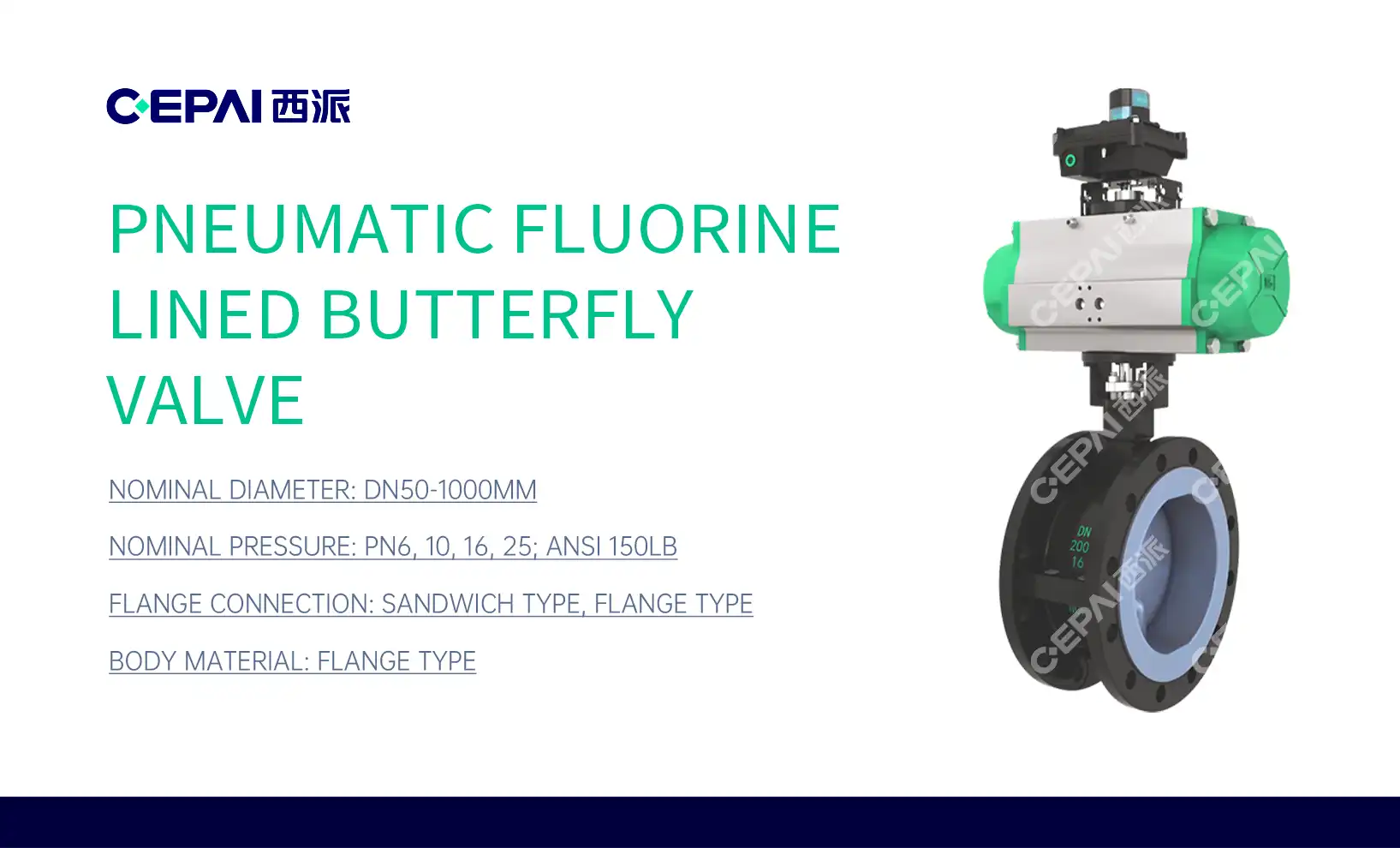
Ball valves work great in pipeline situations that need to be able to turn a quarter of the way and need very little torque. When fully open, the spherical closure element lets a lot of flow through with very little pressure drop. Different pressure and size needs can be met by industrial valves with floating or trunnion-mounted ball configurations.
Trunnion-mounted ball valves can handle bigger sizes and higher pressures because they have upper and lower bearings that support the ball. Compared to floating ball designs, this one has less operating torque and seat wear. Buildings that are fire-safe have backup metal sealing systems that go into action if the main seals get damaged by fire.
Pipeline ball valves usually have full-port designs that keep the inside diameter of the pipe the same all the way through the valve body. This configuration gets rid of any flow restrictions and makes it less likely that debris will build up. The ability to double block and bleed gives maintenance workers an extra safety margin.
Materials that don't rust, like nickel alloys and super duplex stainless steel, make pipelines last longer in harsh environments. Chemical resistance is increased even more by special surface treatments and coatings, which also lower the need for maintenance. Anti-static devices keep static electricity from building up while they're working.
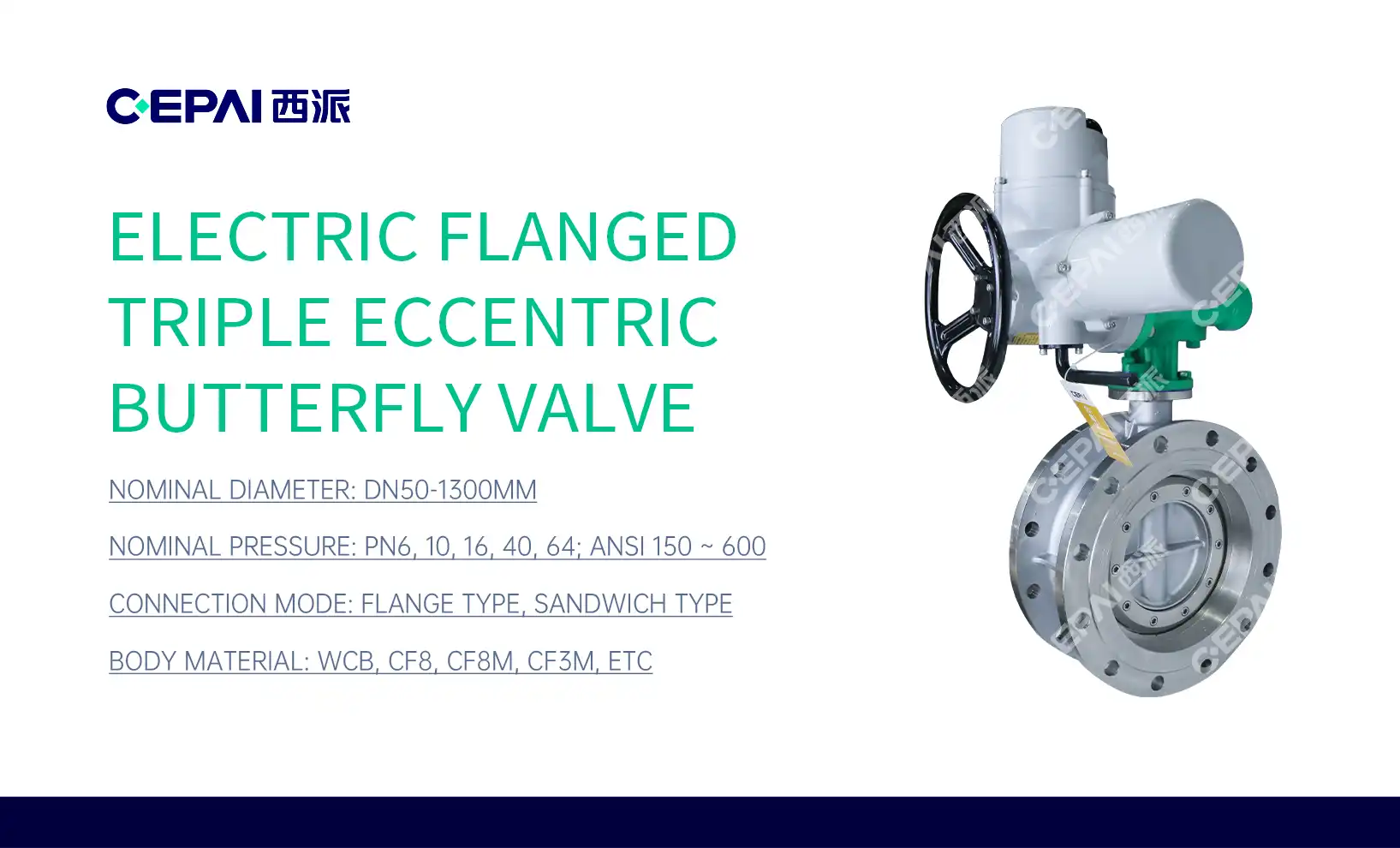
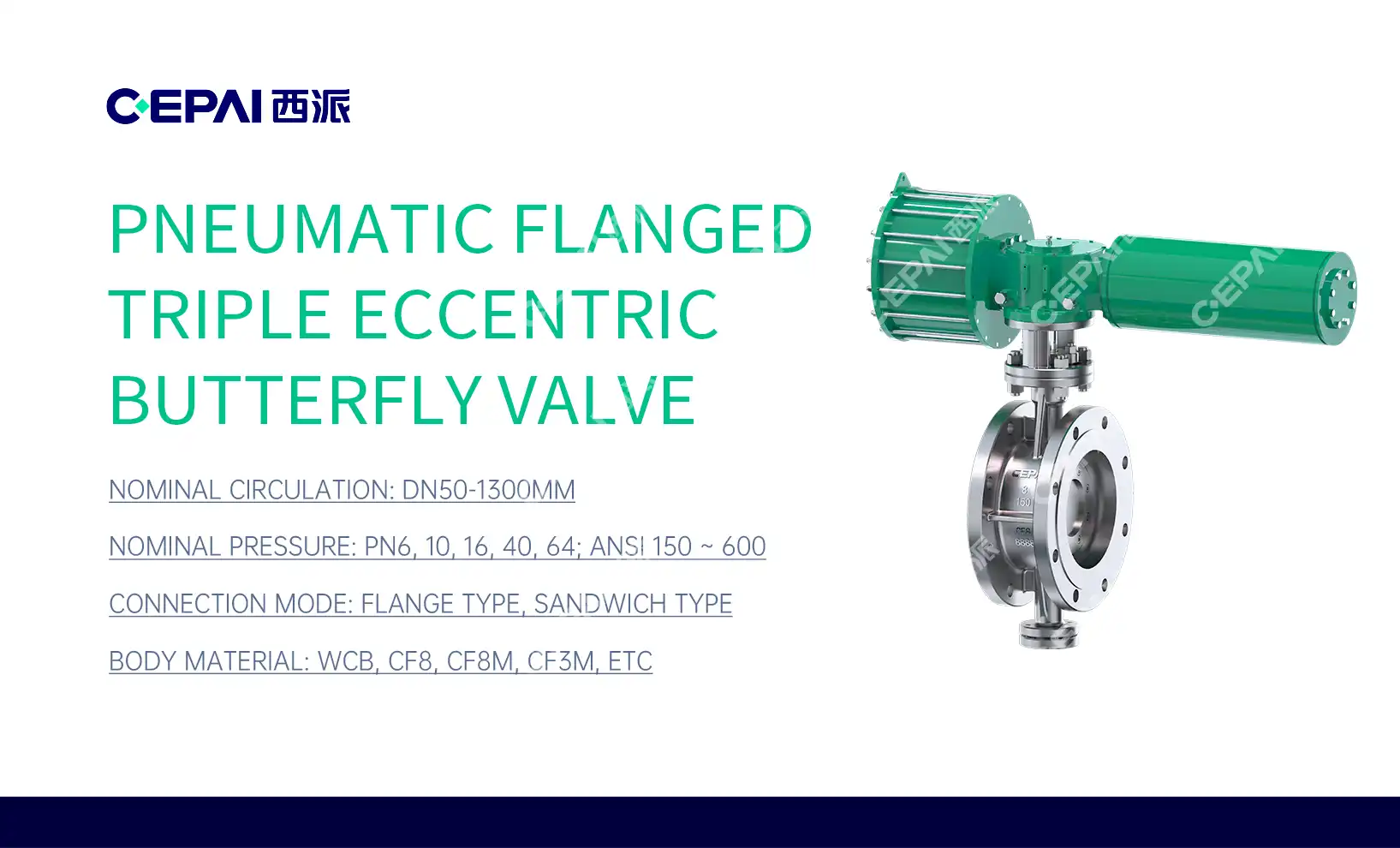
Automated actuation systems let you control things from afar and connect to pipeline control systems. Electric, pneumatic, and hydraulic actuators can be used to meet a range of power needs and response times. Position indication and feedback systems let control rooms know about the status of valves in real time.
3. Choke Valves to Keep Production Under Control
Choke valves precisely control flow in manufacturing settings where precise control of pressure and flow rate is very important. These special industrial valve designs can handle the erosive and cavitating conditions that are common in streams used to make oil and gas. Operators can get the best flow characteristics for each application by adjusting the trim configurations.
Tungsten carbide trim materials don't wear down easily when exposed to fast-moving fluid streams that contain sand and other rough particles. Cage-style trim designs spread the flow energy over several flow paths, which slows down local speeds and reduces erosion damage. Because the trim parts can be replaced, maintenance can be done on-site without taking the whole valve out of service.
Choke valves are great for high-pressure well completions where big drops in pressure need to be handled safely because they can lower pressure in more than one stage. Each stage of lowering the pressure works within safe speed limits to avoid damage from cavitation and erosion. Noise-attenuating features lower the volume of noise in production spaces.
With remote control, operators can change the rate of production from the central control room. Position feedback systems and electric and hydraulic actuation systems work together to give precise positioning control. The ability to override manually ensures operational safety when the power or control system fails.
Field-replaceable internals cut down on maintenance downtime and costs over the life of the product. Standardized trim designs let multiple installations get the most out of their inventory. Vibration and sound monitoring are used in predictive maintenance programs to find the best times to replace parts.
4. Check Valves for Ensuring Unidirectional Flow Integrity
Check valves stop backflow in process and pipeline systems where the flow going the wrong way could hurt equipment or put people in danger. These types of industrial valves work on their own when there is a difference in pressure, without any outside control systems. Different installation and performance needs are met by swing check, lift check, and ball check configurations.
Dual-plate check valves have small installation spaces and great flow characteristics. Even when the differential pressure is low, spring-loaded closure mechanisms make sure that the seats are properly seated. Lever-and-weight configurations let you change the cracking pressures to fit your needs.
Silent check valve designs keep noise and water hammer to a minimum when the valve closes. To keep damage from pressure surges, dashpot mechanisms control how fast they close. Soft-seated options offer bubble-tight sealing for uses that need to avoid any leaks.
The strength of forged steel is higher than that of cast steel, which is especially important in high-pressure situations. Designs that don't slam stop damage from sudden changes in flow that happen a lot in pumping systems. Designs that are easy to maintain let you check and fix valves without taking them all the way off.
API 6D certification makes sure that materials, testing, and quality control meet the standards of the pipeline industry. Testing for fugitive emissions makes sure that volatile organic compound service is safe for the environment. Longer service lives mean less money spent on replacements and less downtime for operations.
5. Pressure Relief Valves for Critical Overpressure Protection
Pressure relief valves are very important for keeping vessels, piping systems, and process equipment safe from overpressure. When these safety-critical industrial valve designs are not in use for long periods of time, they must still work reliably and keep the set pressure accurately. Different needs for capacity and accuracy can be met by spring-loaded and pilot-operated configurations.
Conventional relief valves work with a constant back pressure and protect against overpressure in most situations at a low cost. To keep the set pressure control accurate, balanced relief valves account for changing back pressure conditions. Pilot-operated relief valves are more accurate and can handle more pressure in large applications.
Chemical compatibility with process fluids is provided by soft goods materials like Viton and PTFE seals. For high-temperature uses, metal-seated options get rid of the need for elastomeric materials. Reusable seat designs let maintenance be done in the field to get the sealing working again.
Pressure vessel safety standards are met when an organization is certified under ASME Section VIII. Regular testing and certification programs are required by National Board inspection rules. Capacity certification gives you written flow rates that you can use to figure out how to protect your system.
With modular construction, the layout can be changed to fit different set pressures and capacities. Quick-change trim systems cut down on the time needed for maintenance and make servicing safer. Remote testing lets you do regular testing without having to shut down the process.
Global Market Characteristics and Regulatory Frameworks
Regional differences in energy production, regulatory frameworks, and infrastructure development patterns can be seen in the global industrial valve market. Shale gas production in North America increases the need for high-pressure wellhead valves and pipeline infrastructure. For sour crude applications, Middle Eastern operations put a lot of emphasis on being resistant to corrosion and being able to handle high temperatures.
European rules are focusing more and more on protecting the environment and lowering emissions. This means that when choosing a valve, manufacturers are choosing ones that produce fewer emissions and seal better. Standards for fugitive emissions need testing and certification programs that can be proven. Asian markets put a lot of emphasis on cutting costs while still upholding safety and dependability standards.
Industrial valve suppliers who can offer local technical support and quick parts availability can take advantage of emerging markets. For infrastructure development projects, a lot of standard valve configurations need to be delivered on time. In developing markets, programs that teach and transfer technology become important ways to stand out.
Global valve suppliers have to keep up with a lot of different quality system certifications because of the rules for international certification. API, ISO, and regional standards all have requirements that are different but often overlap. Digital documentation and tracking systems help make sure that rules are followed in many places.

Procurement Guidelines and Key Considerations
When buying industrial valves, it's important to find a balance between initial cost and long-term reliability and maintenance. A total cost of ownership analysis should look at the price of the item, how much it costs to install, how much it costs to maintain, and how long it is expected to last. Most of the time, premium valve designs offer better value by extending service intervals and making the system more reliable.
Supplier qualification programs make sure that companies that make valves keep up with the right technical and quality systems. Site visits and audits of factories can teach you about how things are made and how quality control systems work. Reference installations show that they have worked well in similar situations before.
Standardization across multiple installations makes inventory simpler and training less necessary. Control systems and actuator interfaces that are used by many automation systems make integration easier. For remote installations, having access to spare parts and technical support becomes very important.
Reliability of delivery schedules affects when a project is finished and when it can begin. More schedule certainty comes from well-known manufacturers with enough production capacity and good supply chain management. Unexpected maintenance needs can be met by emergency delivery options.
Industry Trends and Future Outlook
Industrial valve technology continues evolving toward greater automation integration and predictive maintenance capabilities. Smart valve technologies incorporate sensors and communication systems that enable real-time performance monitoring. Digital twins and machine learning applications optimize maintenance schedules and predict failure modes. Environmental regulations drive development of low-emission valve designs with enhanced sealing technologies and reduced fugitive emissions.
Conclusion
Selecting the best industrial valves for long-term reliability and safety requires careful consideration of application requirements, operating conditions, and performance expectations. The five valve categories discussed represent proven solutions for critical energy applications where failure is not an option. Quality certifications, material compatibility, and supplier support capabilities form the foundation of successful valve procurement decisions. Investing in premium industrial valve solutions delivers superior value through extended service life, reduced maintenance requirements, and enhanced operational reliability. The evolving regulatory landscape and technological advancement continue shaping valve selection criteria toward greater automation integration and environmental compliance.
FAQs
What certifications should I look for when selecting industrial valves for oil and gas applications?
API 6A certification is essential for wellhead applications, while API 6D covers pipeline valves. Additional certifications like ISO 9001, API Q1, and NACE MR0175 for sour service applications ensure comprehensive quality and performance standards. Always verify that certifications match your specific operational requirements.
How do I determine the correct pressure rating for my industrial valve application?
Select pressure ratings that exceed your maximum operating pressure with appropriate safety margins. Consider pressure spikes, temperature effects, and system transients. API standards provide guidance on pressure rating selection, with Class 2000 (5000 PSI) through Class 5000 (15000 PSI) ratings common in oil and gas applications.
What maintenance practices extend industrial valve service life?
Regular inspection schedules, proper lubrication of moving parts, and prompt replacement of worn sealing components maximize valve longevity. Predictive maintenance using vibration analysis and acoustic monitoring identifies potential issues before failure occurs. Follow manufacturer recommendations for maintenance intervals and procedures.
Partner with CEPAI for Premium Industrial Valve Solutions
CEPAI stands as a leading industrial valve manufacturer committed to delivering exceptional reliability and performance for demanding energy applications. Our comprehensive product portfolio includes wellhead assemblies, choke valves, Christmas trees, and specialized pipeline valves designed for long-term service in challenging environments. With API Q1, API 6A, API 6D, and multiple ISO certifications, our quality management systems ensure consistent product excellence.
Our engineering team collaborates with clients to develop customized valve solutions that address specific operational challenges. Advanced manufacturing capabilities and rigorous testing protocols guarantee that every valve meets or exceeds industry standards. Global technical support ensures rapid response to field service requirements and emergency situations.
Experience the difference that premium industrial valve technology makes in your operations. Our proven track record across upstream, midstream, and downstream applications demonstrates our commitment to customer success. From initial design consultation through long-term field support, CEPAI provides comprehensive solutions for your critical valve applications. Ready to discuss your specific requirements? Contact us at cepai@cepai.com to connect with our technical specialists and discover how our industrial valve expertise can optimize your operations.

References
American Petroleum Institute. "API Specification 6A: Specification for Wellhead and Christmas Tree Equipment." 21st Edition, Washington D.C., 2019.
Henderson, Mark R. "Industrial Valve Selection and Maintenance for Oil and Gas Applications." Petroleum Engineering Quarterly, Vol. 45, No. 3, 2023, pp. 78-94.
Thompson, Sarah J., and David Chen. "Long-Term Performance Analysis of High-Pressure Industrial Valves in Offshore Applications." Journal of Energy Technology, Vol. 28, No. 2, 2022, pp. 156-172.
Wilson, Robert K. "Safety Considerations in Industrial Valve Design for Hazardous Service Applications." Process Safety International, Vol. 31, No. 4, 2023, pp. 245-261.
Martinez, Carlos A. "Material Selection and Corrosion Resistance in Pipeline Valve Applications." Materials Engineering Review, Vol. 19, No. 1, 2022, pp. 33-48.
Anderson, Jennifer L., et al. "Predictive Maintenance Strategies for Industrial Valve Systems in Energy Operations." Maintenance Technology Journal, Vol. 42, No. 6, 2023, pp. 112-128.
_1746598531170.webp)