Valve Design Principles and Operating Mechanisms
Operating Mechanism of Butterfly Valves
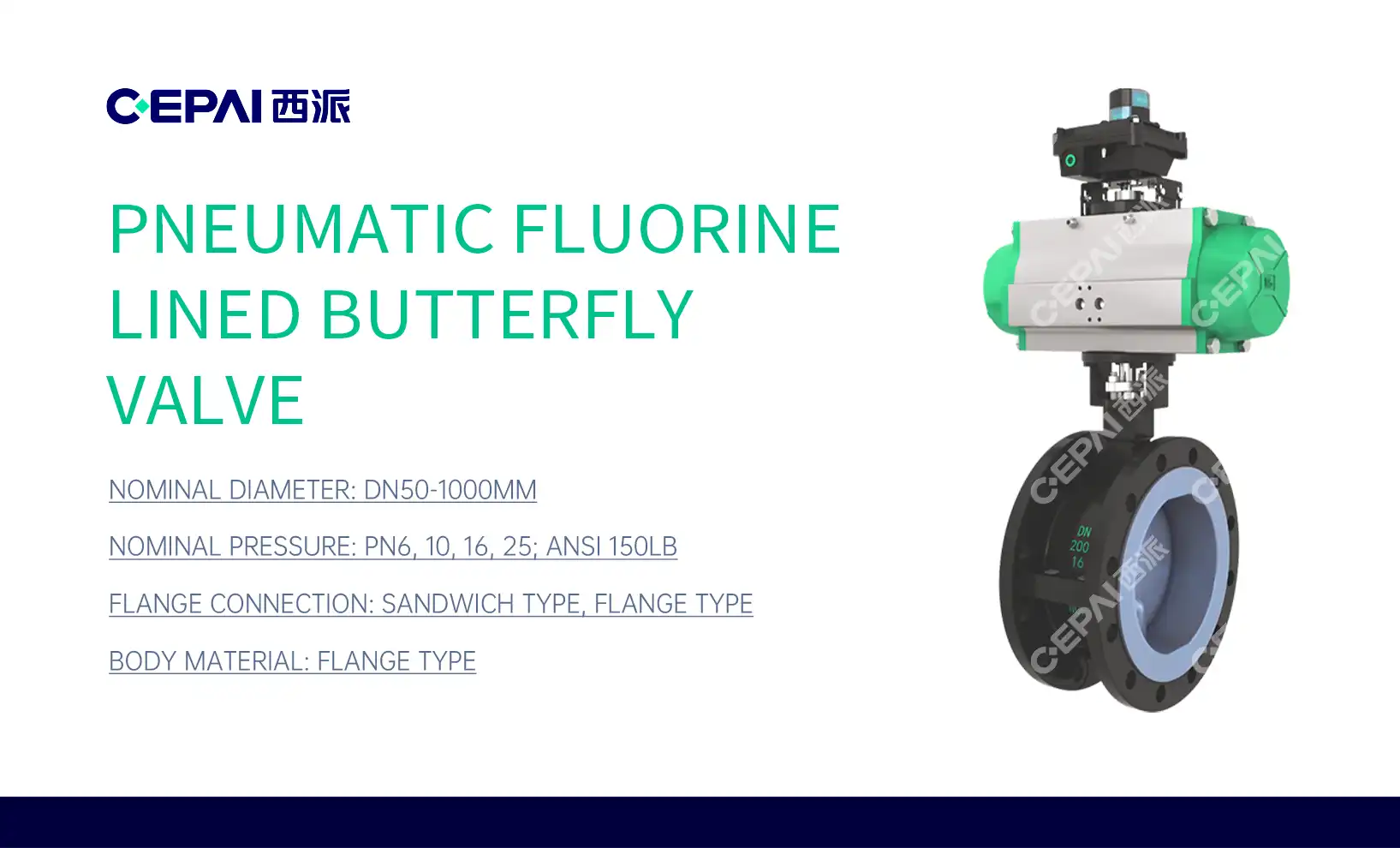
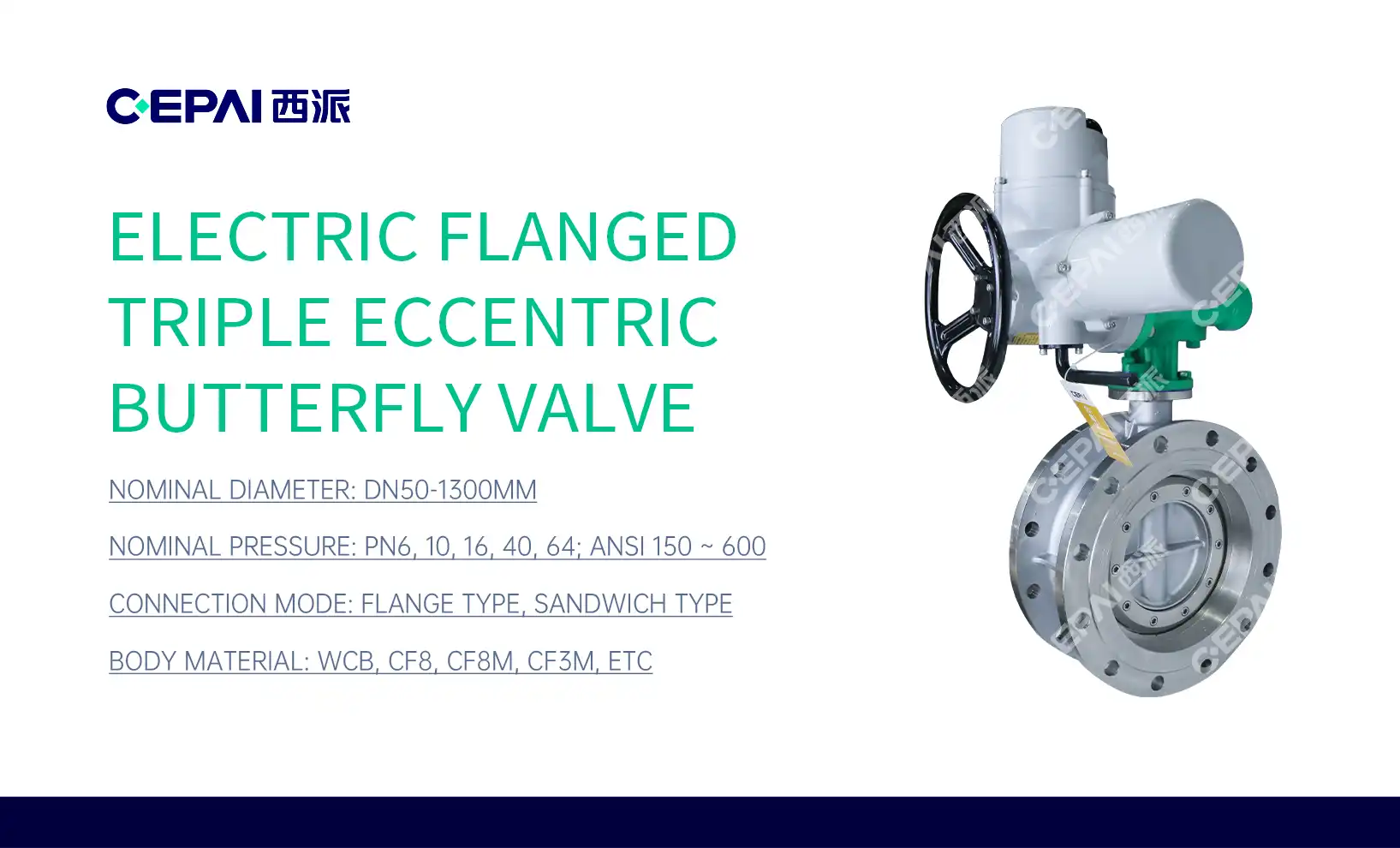
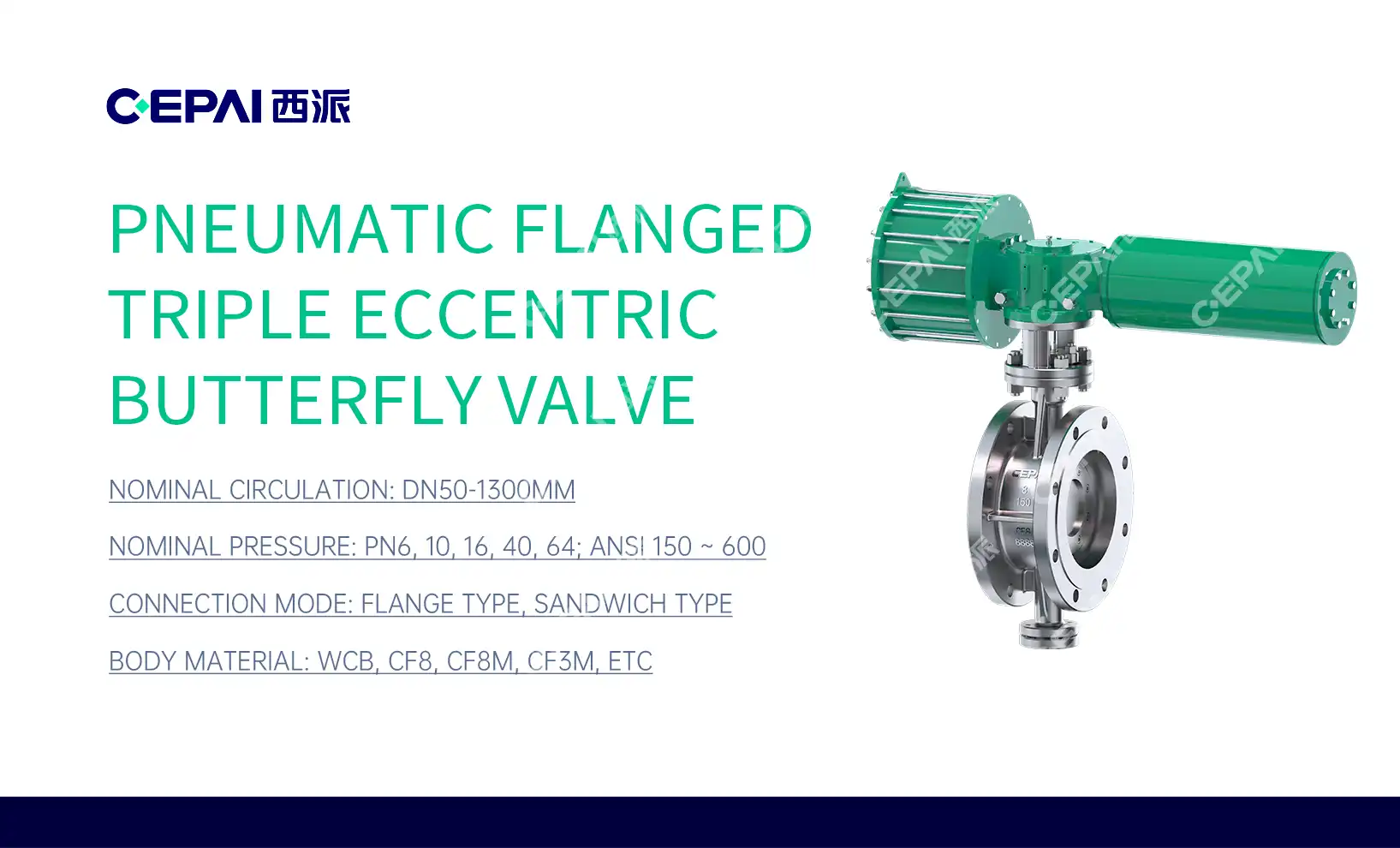
When a butterfly valve is closed, a disc-shaped part turns on a shaft that is not in the flow. The disc doesn't get in the way much when it's fully open. Because they are small and easy to use, butterfly valves are great for places that don't have a lot of room. The valve works very well and is simple enough to make it easy to keep up. Because of these qualities, it is widely used in many fields.
Structural Design and Function of Plug Valves
Plug valves have a plug that is either shaped like a cylinder or a cone and has a hole in the middle that lines up with the flow path when the valve is open. To change the flow, the plug moves inside the valve body. This design is strong and great for sealing, especially when there is a lot of pressure. What the plug is made of and its shape can be changed to fit the process. Because of this, it can be used in many fields and situations.
Actuation Options and Control System Compatibility
Both types of valves can have different kinds of actuation systems added to them, like electric, pneumatic, hydraulic, and manual systems. The type of actuation used changes the response time and the level of accuracy of the control. Butterfly valves usually need less force to open and close because they are balanced. Plug valves, on the other hand, might need stronger ways to open and close them, especially if they are big or used in high-pressure situations.

Flow Dynamics and Performance Evaluation
Pressure Drop Characteristics
When butterfly valves are fully open, they don't lose much pressure, which is one of their best features. There isn't much that the disc gets in the way of the flow because it is smooth. This makes it work better. This is why butterfly valves are great for situations where it's important to keep the system pressure steady. Plug valves, on the other hand, tend to have bigger pressure drops since the flow path through the plug bore is more complicated. Some systems might use more power because of this.
Flow Regulation Capabilities
Both types of valves are good for controlling flow, but one is better than the other. As the disc moves, the flow rate almost always goes in a straight line, making butterfly valves easy to control in a lot of different positions. It's helpful to have this trait when the flow needs to change a lot. Plug valves are great for stopping flow, but the flow may not go in a straight line. Sometimes this is hard to handle, but sometimes it's helpful, especially when a tight shut-off is needed.
Turndown Ratio and Control Range
When you pick out a valve, you should think about how well it can handle different flow rates. This is called being able to range. Some high-performance butterfly valves can reach turndown ratios of 50:1 or more. Most of them have a good range. Depending on how they are made, plug valves can also have a wide range of uses. This is especially true for eccentric plug valves and other unusual shapes. Most of the time, the choice between the two depends on how accurate the whole operating range needs to be and how the flow needs to be controlled.
Application Suitability Across Industrial Sectors
Use in Chemical and Petrochemical Industries
In the chemical and petrochemical fields, plug valves and butterfly valves are both worn out very often. When there isn't much room and a large pipe needs to be shut off quickly, butterfly valves are often used. They are flexible choices because they can work with different fluids, even chemicals that break down metal. Plug valves are often used when there are viscous fluids or when there can't be any leaks because they can seal well. There are times when the properties of the process fluid, the operating pressures, and the temperature ranges make it clear which one to use.
Use in Water and Wastewater Management
Flow control systems that work well are important for places that treat water and waste water. If you need to handle a lot of water with little pressure loss, butterfly valves are often the best choice. They don't need much maintenance. They can also be put in treatment plants that don't have a lot of space because they are small. Plug valves are used in systems that deal with sludge or chemical dosing lines where positive shut-off is important. Many times, the choice is based on what each step in the process needs and how the whole system is set up.
Use in Oil and Gas Operations
In many ways, both types of valves are very important in the oil and gas business. Because they can be opened and closed quickly and have a low pressure drop, butterfly valves are often used in pipelines. This is very important in places like loading terminals and tank farms. People often use plug valves in high-pressure wellhead and manifold systems that need to completely shut down. This is because they are very good at sealing. Many oil and gas jobs have rough conditions that mean both types of valves need to be carefully designed and made from the right materials to make sure they work well and last a long time.
Conclusion
Plug valves and butterfly valves can both control flow, but not as well as each other. When there shouldn't be much pressure drop, the valves should be easy to use, and they should take up little space. Their flow is almost straight, which makes it easy to control them precisely in many situations. The best way to turn something off is with a plug valve, which can seal well and work well in many high-pressure situations. Which one of these valve types to use depends on the pressure, temperature, fluid properties, and level of control accuracy that are needed for the job.

FAQs
When working with high pressure, which type of valve is better?
Because they can seal well, plug valves usually work better in high-pressure situations.
Can precise flow control be done with butterfly valves?
Yes, butterfly valves can be used for precise control in many situations because they have flow characteristics that are close to linear.
Which type of valve takes up less room?
Most butterfly valves are smaller, which makes them perfect for installations with limited space.
Can both types of valves handle fluids that are corrosive?
Both can be made to handle corrosive fluids, but the choice of material is very important for performance and longevity.
CEPAI Solutions for Advanced Flow Control Applications
At CEPAI Group Co., Ltd., we know how to make high-end energy valves and can give you the most up-to-date butterfly valve and plug valve options. Because we are committed to quality and are always coming up with new ideas, we are a top supplier, factory, and manufacturer of valves. We offer high-quality products that are made to order to meet your flow control needs. Our products have been certified and recognized all over the world. If you have questions about our products or want expert advice, email our team at cepai@cepai.com.
References
Smith, J. (2022). "Advanced Flow Control: A Comprehensive Guide to Industrial Valves"
Johnson, R. (2021). "Comparative Analysis of Valve Technologies in Process Industries"
Brown, A. et al. (2023). "Performance Evaluation of Butterfly and Plug Valves in High-Pressure Systems"
Lee, S. (2020). "Flow Characteristics and Efficiency in Modern Valve Designs"
Wilson, T. (2022). "Material Selection for Valves in Corrosive Environments"
Garcia, M. (2021). "Energy Efficiency in Industrial Flow Control: Valve Selection Strategies"
_1746598531170.webp)