Explaining Valve Trim: Materials and Designs for Longevity
The valve trim is the most important part of any industrial valve system. It includes the plugs, seats, stems, cages, and plates that control flow precisely, ensure proper fitting, and last a long time. In tough oil and gas settings, knowing how valve trim is built and what materials are used directly affects how reliable a system is, how often it needs upkeep, and the total cost of ownership. By carefully choosing the right trim design and metal, workers can make equipment last a lot longer while still meeting safety standards and keeping the process running smoothly in upstream, midstream, and downstream settings.

What Is Valve Trim and How Does It Work
Understanding Valve Trim Components
Valve trim is the name for the parts that can be changed inside a control or isolation valve that are in direct touch with process fluids. Together, these parts control the flow rate, keep the pressure levels in check, and make a tight shutoff when needed. The main parts are the valve plug or disk, which moves to open or close the flow path; the seat ring, which provides the sealing surface; the stem, which connects the actuator to the plug; and in many designs, the cage or retainer, which holds the plug in place and can change how the flow behaves.
Working with drilling companies and pipeline operators has taught us that the trim setup is the most important factor in determining how well a valve works. The shutoff seal is made by the plug and seat connection, and the flow capacity and velocity patterns are affected by the cage design. The shape of the trim piece determines whether the flow is turbulent or laminar, which has a direct impact on noise levels, vibrations, and erosion rates.
Flow Control Mechanics
The idea behind valve trim is that fluid flow can be adjusted to be less open or closed. The opening area grows as the valve stem moves the plug away from the seat. This lets more flow through. The cage or body walls around the plug make a clear flow path that controls the drop in pressure and speed. Modern trim designs use many steps or labyrinth pathways to slowly dissipate energy. This lowers the chance of cavitation in liquid service and noise problems in gas service.
Changes in temperature and pressure constantly threaten the stability of the trim. Differences in the amount of thermal expansion between parts can change the gaps and the way well the seals work. When there are big differences in pressure, the plug and seat contact is put under a lot of force, which could damage materials that aren't strong enough. This fact about mechanics explains why the choice of material and the shape of the design must match the requirements of the application.
Sealing Performance and Longevity Factors
How well a seal works relies on the quality of the surface finish, how well the hardness of the materials work together, and how the load is spread across the seating contact. For metal-to-metal seats to work, they need to be precisely machined and have enough contact force to stop flow routes. Soft-seated designs use elastomeric or polymer inserts that can adapt to irregularities. This gives a tighter shutoff at lower contact forces, but they can't handle as high of temperatures.
In oilfield activities, corrosion protection is very important for systems that handle sour gas, produced water, and chemicals. Even small holes in the surface can weaken a seal, letting fugitive emissions or process contamination through. Wear resistance is important whether the application involves abrasive particles or high cycling, since regular contact wears down seating surfaces over time. The choices we'll make about material specifications in the next few sections are based on how these lasting factors interact with each other.
Key Valve Trim Materials and Their Applications
Standard Alloy Options
When choosing the right valve trim materials, you need to think about their mechanical properties, their resistance to chemicals, and their cost in a variety of working circumstances. General-purpose uses mostly involve stainless steel types because they have a good strength-to-cost ratio and good corrosion protection. The Type 316 stainless steel trim works well in settings that are slightly corrosive and handle sweet crude oil and moderately heated steam systems. Type 410 martensitic stainless steel is harder, which makes it better at resisting wear in erosive slurry services, but it sacrifices some corrosion protection in exchange.
Bronze and brass alloys are used in lower-pressure water and utility systems, but they can't be used much in oil and gas facilities because of the high temperatures and low strength. In coastal and brackish water systems, where dezincification-resistant formulas stop selective corrosion, these copper-based materials work very well. Because they are cost-effective and easy to machine, they can be used for instrumentation valves and small-bore isolation tasks that don't have to deal with harsh circumstances.
Carbon steel trim isn't often used on current critical service valves because it doesn't resist corrosion very well. However, hardened carbon steel is used in hydraulic systems that don't corrode because the goal is to save money. When applications call for sour service, high temperatures, or harsh chemicals that are beyond the capabilities of normal alloys, the material environment changes dramatically.
Specialized High-Performance Materials
In tough settings, you need high-performance alloys that are designed to counter specific threats. When working in the fields, we always choose materials based on how severe the job is and how much risk we are willing to take. Duplex stainless steels, like 2205, have microstructures that are both austenitic and ferritic. This makes them stronger and less likely to crack from chloride stress corrosion compared to regular 300-series grades. When exposed to saltwater all the time, these materials work exceptionally well in deep seawater injection systems and subsea production equipment.
Super duplex alloys like 2507, combined with suitable valve trim, make them more useful in high-chloride and high-temperature environments that are common in deep-water production. Their high levels of chromium, molybdenum, and nitrogen make them more resistant to pitting and stronger mechanically. NACE MR0175-compliant materials stop sulfide stress cracking that could cause catastrophic failure in harsh sour gas conditions containing hydrogen sulfide. Alloy 625, Alloy 718, and other nickel-based superalloys resist both corrosion and hydrogen embrittlement while maintaining strength at elevated temperatures.
Stellite and other cobalt-chromium alloys have a hard carbide structure that makes them very resistant to wear. This makes them perfect for throttling applications where high-velocity flow erodes softer materials. When used as weld overlays on base metal parts, these hardfacing alloys protect against erosion where it's needed while keeping costs manageable. Ceramics and tungsten carbide coatings are the most resistant to wear and are good for handling abrasive slurries in frac flowback and produced sand handling.
Material Selection Impact on Lifecycle Economics
Decisions about material specifications have effects on the whole period of ownership, changing when to perform maintenance, how much inventory to keep for spare parts, and how much it costs to have unexpected downtime. A drilling contractor who works in an area that is fairly corrosive might choose standard Type 316 stainless trim at first to save money on capital costs. However, if the trim only lasts eighteen months before it starts to leak and needs to be replaced, the accumulated maintenance labor, production delays, and parts consumption could be higher than the extra cost of choosing duplex stainless steel or hardfaced trim that lasts five years.
Pipeline operators who are in charge of budgets for the fiscal year know that repair plans that are easy to predict make operations less uncertain. By choosing high-quality materials that last longer between services, planned turnarounds can be coordinated with other maintenance tasks, which makes the best use of resources. Especially for petrochemical plants that use continuous processes, longer valve trim life is very important because unplanned shutdowns for valve repair can idle entire production trains, causing losses that are much higher than the cost of the equipment.
We have examples of how switching from standard to premium trim materials cut down on annual maintenance requirements by 60% and increased the mean time between failures from 36 months to over 70 months. These speed gains show that it is smart to match the qualities of materials to their real-world uses instead of using minimum-specification parts.
Valve Trim Guide for Longevity and Efficiency
Design Geometry and Stress Management
How the shape of the valve trim design affects stress concentration, flow-induced forces, and thermal management has a big impact on how long something lasts. When you load and unload something repeatedly, traditional plug designs with sharp shoulders cause stress risers that start fatigue cracks. Modern contoured plugs spread loads out more evenly, which lowers peak stresses and increases wear life. The stem-to-plug connection is a key part of the design, and problems have happened in the field when there wasn't enough thread engagement or the wrong geometry.
The shape of a cage affects both how well it flows and how well it holds together. Multi-stage cages with orifices or labyrinth pathways that get smaller over time slowly dissipate pressure energy, reducing localized velocity and minimizing the chance of cavitation or flashing damage. Thick-walled cages resist deformation when pressures aren't balanced, so the plug and seat stay in alignment even when differential pressures change. If you have the right guide clearances, the stem won't bend, which would lead to uneven seat loading and premature wear.
By balancing the pressures acting on the plug from upstream and downstream, balanced trim configurations lower the amount of actuator thrust needed and cut down on stem packing friction. This way of designing increases the life of the packing and makes the control more accurate while lowering the size and cost of the actuator. Unbalanced designs have higher net forces but are easier to build. They work well when thrust capacity is high and tight shutoff is more important than dynamic performance.
Innovations in Flow Characterization
Modern valve trim designs have parts that change the way flow behaves to meet the needs of process control. Linear flow characteristic trims give a flow response that is proportional to the position of the stem. They can be used to control the level of a liquid and in situations where the flow resistance stays relatively constant. Equal percentage characteristics make the system more sensitive at low flows and less sensitive at high flows. This makes up for changes in valve authority in systems with variable pressure drop distribution.
In gas pressure reduction and steam letdown services, noise attenuation is a unique design challenge. Multi-stage trim systems divide the pressure drop into sequential steps that are each small enough to avoid sonic velocity and the intense noise generation that accompanies it. When a path is tortuous, the flow of force changes directions several times, and energy is dissipated through friction instead of turbulence. When compared to standard single-stage designs, these acoustic treatments can lower noise levels by thirty decibels or more, protecting personnel hearing and following occupational health and safety regulations at work.
Anti-cavitation trim is used to deal with the special problems that come up in liquid service, where pressure recovery downstream of the valve can drop below vapor pressure, creating bubbles that subsequently collapse violently when pressure rises. These implosions send out shock waves that erode metal surfaces, mostly on the seat and body walls. Staged pressure reduction and flow division techniques keep the local pressure above the vapor threshold, preventing bubble formation and eliminating cavitation damage.
Maintenance Best Practices for Extended Service
Wear patterns are found through regular inspections before they affect the function or safety of the valve. During turnarounds, the state of the seat surface should be documented by visual examination and recording any scoring, pitting, or material buildup. By measuring the dimensions of critical clearances, you can see if wear has gone beyond what is reasonable. By comparing current readings to baseline data, you can see how quickly things are breaking down, which lets you plan ahead for predictive maintenance.
When you clean properly, you remove deposits that accelerate corrosion and interfere with sealing. Process fluids often leave behind residues containing chlorides, sulfides, and other aggressive species that continue attacking metal surfaces even when the equipment is shut down. Cleaning equipment with solvents or mechanical brushes and then applying a protection layer keeps it from atmospheric corrosion.
Recognizing early failure indicators stops catastrophic incidents and secondary damage from happening. Increasing actuator thrust requirements could mean that stem friction is rising because of packing deterioration or stem corrosion. Audible leakage past the seat indicates sealing surface damage requiring trim replacement. If the control behavior is erratic or flow capacity is reduced, it means that there is erosion or plugging that has changed the flow characteristics. Addressing these symptoms promptly through planned maintenance is much cheaper than emergency repairs following process upsets or uncontrolled releases.
How to Choose the Best Valve Trim for Your Industrial Needs?
Application Parameter Analysis
To choose the best valve trim style, you must first carefully describe the operating conditions and performance needs. The mechanical load environment is set by the working pressure and temperature, which also affect the material's yield strength needs. Differential pressure across the valve determines the shutoff forces, as well as the seat loading, the need for plug guidance, and the potential for erosion or cavitation. Flow rate determines the necessary size and impacts the velocity of the fluid moving through the trim, which is directly related to the amount of noise made and the rate of erosive wear.
The properties of a fluid affect the requirements for material compatibility and the choice of design features. Corrosive constituents like hydrogen sulfide, carbon dioxide, chlorides, and organic acids dictate the minimum alloy content needed for acceptable corrosion rates. Whether they are formation sand, catalyst fines, or scale, abrasive particles need materials that are wear-resistant or geometries that minimize impingement velocity. Multiphase flows containing gas, liquid, and solids make it harder to predict flow patterns and erosion mechanisms, which is why conservative material specifications are often needed.
How sturdy a design is expected to be depends on how often it is cycled and how long it needs to last. Emergency shutdown valves that operate infrequently can handle designs that are optimized for tight shutoff, even if it means that control precision is lower. To keep working well after millions of cycles, throttling valves that adjust constantly need superior plug guidance and stem sealing. Knowing how things will actually be used keeps you from over-specification, which wastes capital, or under-specification, which leads to premature failures.
Comparing Trim Types and Technologies
Depending on the needs of the application, each trim family has its own unique benefits. The conventional globe valve trim with top-guided plugs is straightforward to build and maintain, and it can be used for general isolation and moderate throttling service. Cage-guided designs improve control stability and make it easier to replace the seat, which makes them preferable for continuous modulating applications. With characterized cages, you can change the trim to change the flow characteristics without having to replace the entire valve body.
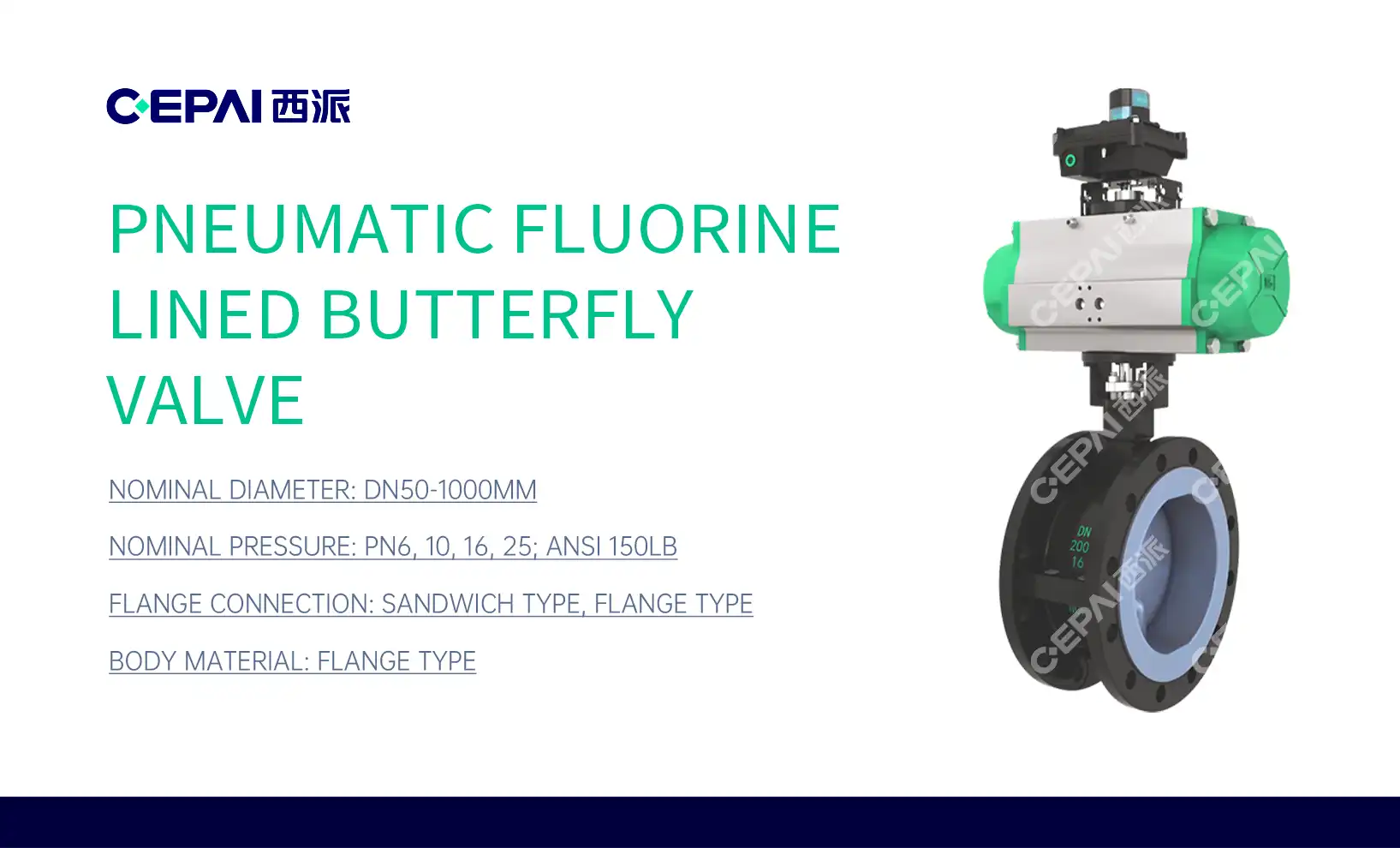
When compared to linear motion alternatives, rotary valve trim in ball, butterfly, and plug valves has less pressure drop and less weight. A quarter-turn operation lets you quickly isolate the circuit in case of an emergency, but if you use it for throttling, the seat could get galled from rotational friction under load. Different types of sealing technology exist, such as metal-to-metal designs providing fire-safe capabilities and soft seats that deliver bubble-tight shutoff at moderate temperatures.
Specialty trim types meet specific needs that can't be met by standard designs. For applications sensitive to energy loss, axial flow designs keep pressure drop to a minimum. Trims that are erosion-resistant, have hardened flow surfaces, and have been geometrized to work best in rough environments last longer. Cryogenic trims have longer bonnets and are made of special materials that remain ductile at the very low temperatures common in LNG production.
Supplier Collaboration and Procurement Strategy
Working with manufacturers who have a lot of experience speeds up the process of making specifications and lowers technical risk. Reputable suppliers provide application engineering support that compares your specific conditions to their product performance databases to find proven solutions and flag potential concerns. This collaborative approach proves especially valuable in complex applications where multiple factors interact in ways that standard selection criteria might not capture.
Customization capabilities let you optimize beyond catalog offerings. Modification of standard trim dimensions accommodates unusual piping configurations or space constraints. Material substitutions address specific corrosion mechanisms or temperature extremes not covered by default specifications. Flow characterization tailoring matches control valve response to unique process dynamics, improving system stability and reducing wear from excessive cycling.
Project schedules and inventory strategies are affected by lead times. Standard catalog items typically ship within a few weeks, but engineered custom trim may require several months for design, material procurement, and manufacturing. Knowing these timelines enables proper planning that prevents critical path delays. Keeping a strategic spare parts inventory for long-lead or critical items provides insurance against unexpected failures while balancing carrying costs.
Conclusion
Valve trim selection and specification profoundly influence equipment reliability, maintenance requirements, and operational safety across oil and gas production systems. Material choices must account for corrosion mechanisms, wear patterns, and temperature extremes specific to each application, balancing performance requirements against economic constraints. The length of time a trim lasts in real-world operating conditions is based on design features affecting flow characteristics, noise generation, and stress distribution. Successful procurement requires evaluating suppliers based on technical capabilities, quality systems, and total value delivery rather than initial price alone. Through informed material selection, appropriate design specification, and strategic supplier partnerships, operators can optimize valve trim performance, extending service intervals and reducing lifecycle costs while maintaining the reliability critical to safe, efficient production operations.
FAQ
1. What factors primarily affect valve trim longevity?
Trim service life depends on material compatibility with process fluids, design geometry that manages stress and wear, and operating severity including pressure, temperature, and cycling frequency. Corrosion resistance prevents chemical degradation, while hardness and surface finish influence wear rates. Proper material selection and design matching to actual conditions maximizes durability.
2. How do I select valve trim materials for corrosive environments?
Material selection requires identifying specific corrosive species present—hydrogen sulfide, carbon dioxide, chlorides, or organic acids—and their concentrations, along with temperature ranges. Standard stainless steels suffice for mild conditions, while sour service demands NACE-compliant alloys. Severe environments require duplex, super duplex, or nickel-based alloys. Consulting corrosion data and manufacturer recommendations ensures appropriate specifications.
3. Can valve trim designs be customized for unique industrial applications?
Reputable manufacturers offer customization capabilities including modified dimensions, specialized materials, tailored flow characteristics, and application-specific features. Custom trim addresses unusual operating conditions, space constraints, or performance requirements beyond standard catalog offerings. Engineering collaboration during specification development ensures customized solutions meet technical and commercial objectives effectively.
Partner with CEPAI for Superior Valve Trim Solutions
CEPAI specializes in manufacturing high-performance valve trim and complete valve assemblies engineered for demanding oil and gas applications. Our wellhead valves, regulating valves, and control devices incorporate advanced trim designs using premium materials selected for longevity in corrosive, high-pressure, and extreme-temperature environments. Holding API 6A, API 6D, ISO 9001, and multiple international certifications, we deliver quality-assured products backed by comprehensive technical support and rapid global delivery. Whether you require standard trim components or customized solutions for unique application challenges, our engineering team collaborates closely with drilling contractors, pipeline operators, and petrochemical facilities to specify optimal configurations that reduce maintenance costs and extend service intervals. Reach out to cepai@cepai.com to discuss your requirements with experienced valve trim specialists committed to your operational success.

References
1. Stewart, M. & Arnold, K. (2018). Surface Production Operations: Design of Oil Handling Systems and Facilities (4th ed.). Gulf Professional Publishing.
2. Zappe, R. W. (2021). Valve Selection Handbook: Engineering Fundamentals for Selecting the Right Valve Design for Every Industrial Flow Application (6th ed.). Elsevier.
3. American Petroleum Institute. (2020). API Standard 6A: Wellhead and Christmas Tree Equipment (21st ed.). API Publishing Services.
4. Sotoodeh, K. (2019). Subsea Valves and Actuators for the Oil and Gas Industry. Gulf Professional Publishing.
5. Davis, J. R. (Ed.). (2000). ASM Specialty Handbook: Nickel, Cobalt, and Their Alloys. ASM International.
6. Emerson Automation Solutions. (2019). Control Valve Handbook (5th ed.). Emerson Process Management.

Get professional pre-sales technical consultation and valve selection services, customized solution services.
About CEPAI