PFA Lined vs Stainless Steel Valves for Corrosive Chemicals
When working with toxic chemicals in industry, picking the right valve material is very important because it affects safety on the job, the life of the equipment, and how much it costs overall. When compared to standard stainless steel options, PFA lined valve technology is better at resisting chemicals, giving you more safety against aggressive media. This comparison looks at the main differences between these types of valves so that procurement workers can make smart choices based on their individual needs and operating conditions.
Understanding Valve Materials in Corrosive Chemical Applications
To choose the right valve materials for corrosive settings, you need to know a lot about the features of the materials and how well they react with chemicals. Valve options for modern industrial sites need to be able to handle harsh chemicals while still working properly for long periods of time.
PFA Lined Valve Construction and Properties
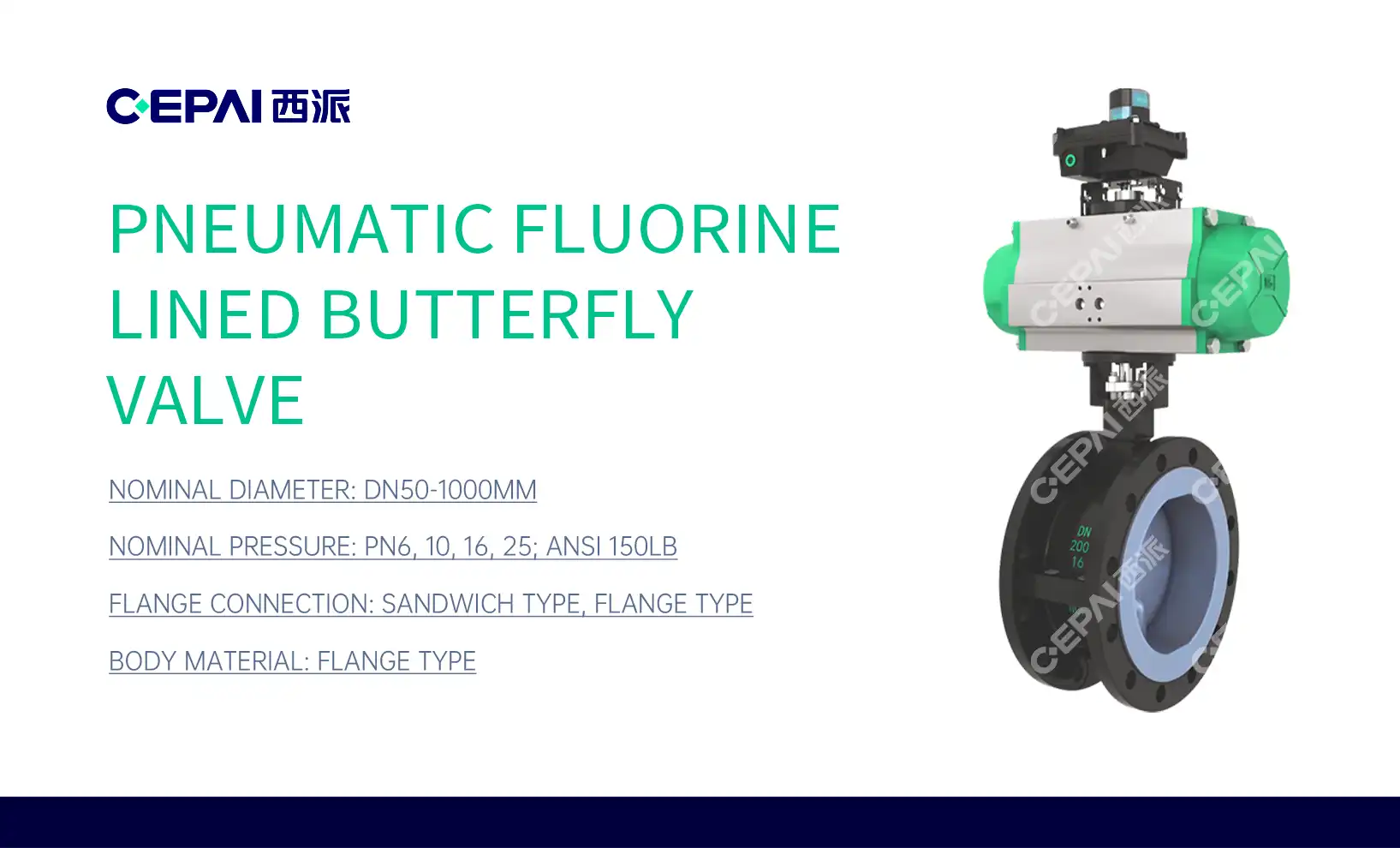
One of the most chemically neutral materials that can be used to build valves is perfluoroalkoxy (PFA) coating. There is a base metal (usually cast iron or carbon steel) in PFA lined valves, and a thin PFA lining is put on all the wet areas. This way of building blends the high mechanical strength of metal with the high chemical protection of fluoropolymer materials.
At temperatures up to 260°C (500°F), the PFA lining is very resistant to almost all acids, bases, solvents, and chemicals. Unlike options to PTFE, PFA stays very flexible and doesn't crack when heated and cooled many times. The non-stick qualities of the material keep process materials from building up, which lowers the need for upkeep and keeps the flow characteristics constant over the valve's lifetime.
The chemical structure of PFA makes it more resistant to absorption than rubber or elastomeric linings. This makes it perfect for uses with strong acids, caustic solutions, and organic solvents. With PFA lining, the smooth surface finish reduces pressure drop and gets rid of dead zones where contaminants could gather.
Stainless Steel Valve Characteristics
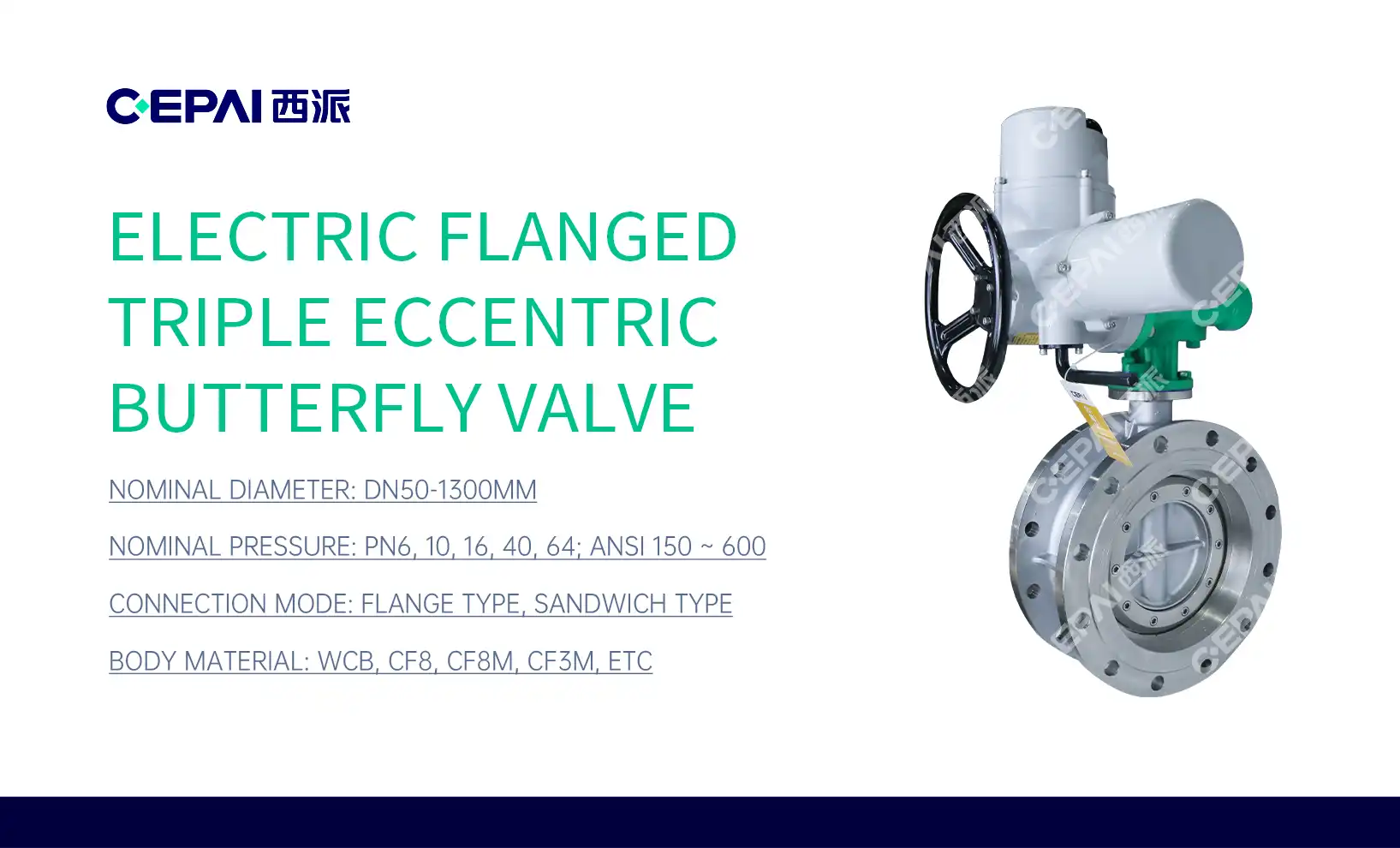
The chromium in stainless steel valves creates a passive oxide layer that protects them from rust. Grade 316 stainless steel, which has molybdenum added to it, is better than normal grade 304 at resisting chloride conditions and pitting corrosion.
The mechanical qualities of stainless steel make it very strong and long-lasting when it is under a lot of pressure. Valve parts made of stainless steel can withstand high temperatures and pressures without losing their shape. But when they are exposed to some harsh chemicals, like halogenated compounds and strong acids, they lose some of their corrosion resistance.
The crystalline structure of stainless steel for PFA lined valve makes it possible to improve its corrosion protection through a number of surface treatments and passivation methods. Electropolishing and passivation processes can make the surface finish of stainless steel parts look much better and make them more chemically compatible.
Performance Comparison: PFA Lined Valves vs Stainless Steel Valves
When buying teams know how each type of valve works, they can look at the long-term benefits and make choices that are both practical and cost-effective based on real-life service conditions.
Corrosion Resistance and Chemical Compatibility
Very good resistance to chemical attack in a wide range of acidic media for PFA lined valves. Strong acids, like hydrofluoric acid, can't damage the fluoropolymer lining, but they can damage stainless steel surfaces easily. This better chemical inertness means that the product will last longer and cost less to replace in harsh chemical settings.
Stainless steel valves work well in slightly corrosive environments, but they can't handle chloride-containing solutions, strong acids, or halogenated chemicals. In some places, pitting rust and stress corrosion cracking can happen, which can cause things to break down too soon and pose safety risks.
Temperature and Pressure Performance
In different situations, each type of valve has its own specific benefits. There is a temperature range from -29°C to 260°C (-20°F to 500°F) where PFA lined valves work well, which is enough for most industrial process needs. The pressure number is based on the base metal design. For normal uses, it can handle pressures up to 150 PSI.
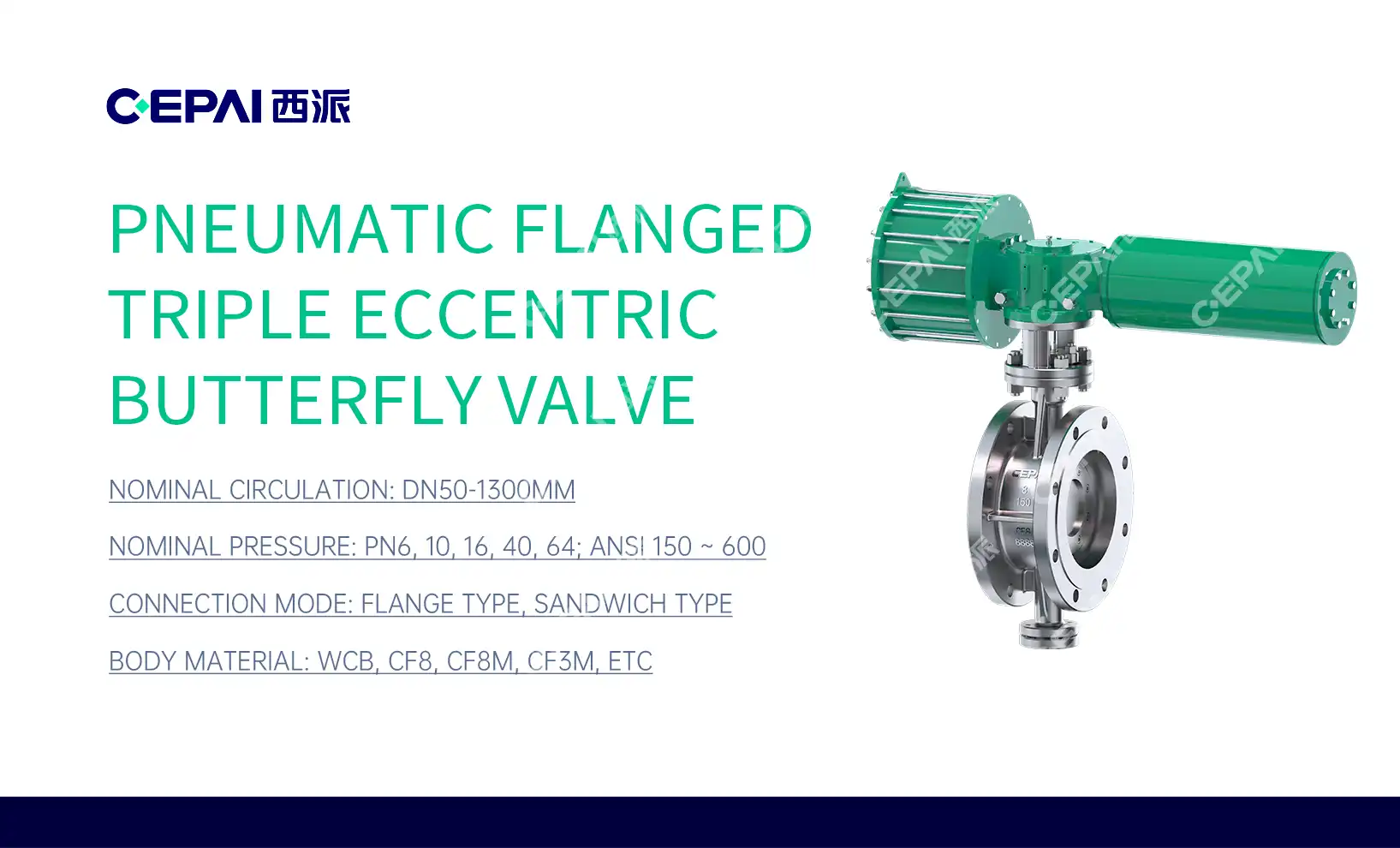
Stainless steel valves work great in high-pressure situations and can often handle pressures above 1000 PSI without losing their structural integrity. They can handle higher temperatures than PFA, which means they can be used in high-temperature processes where fluoropolymer materials can't.
Maintenance Requirements and Operational Efficiency
When compared to stainless steel options, PFA lined valve requires a lot less upkeep because it doesn't stick. Process materials don't stick to PFA surfaces very often, so they don't need to be cleaned as often and don't get contaminated between runs of products. This trait is especially useful in medicine and food preparation settings where product purity is very important.
Stainless steel valves need to be cleaned and maintained more often, especially when they are used with materials that stick to them or form crystals. Stainless steel's rough surface can allow material to build up, which means it needs to be cleaned often and could lower the quality of the result.
Application Scenarios and Selecting the Right Valve Type
Different industries have their own problems that affect the choice of valve material. Knowing these specific needs for each application helps buying workers pick the best valve technology for their work.
Chemical Processing and Petrochemical Applications
Chemical processing plants deal with strong acids, bases, and organic solvents all the time, which can quickly break down normal materials. Particularly when working with hydrofluoric acid, chlorine dioxide, or strong caustic solutions, PFA lined valves offer dependable service in these challenging settings.
PFA covering technology is useful for petrochemical processes that deal with sour gas, hydrogen sulfide, or chlorinated chemicals. Stress cracking and chemical breakdown are not easy for this material, so it works reliably in these important situations where valve failure could have serious safety and environmental effects.
Pharmaceutical and Food Processing Industries
The pharmaceutical business needs valve materials that can stand up to chemical cleaners and still meet standards for product quality. PFA lined valves withstand degradation from harsh cleaning chemicals like caustic solutions and oxidizing sanitizers and meet FDA standards for food contact uses.
For use in food preparation, materials must be able to stand up to cleaning agents and stop bacteria from growing. Contaminants can't hide on the smooth, non-porous surface of PFA lining, which makes cleaning and sterilization processes easier.
Selection Criteria and Decision Factors
When choosing a valve, it's important to think about how well it works with chemicals, what the working temperature and pressure needs to be, how easy it is to maintain, and the total cost of ownership. The full lifetime costs should be looked at by procurement teams. These include the initial purchase price, the cost of installation, the cost of upkeep, and the expected service life.
Chemical compatibility plots and data from testing materials for PFA lined valve are important for making smart choices. Talking to valve makers and doing pilot tests in real-life service situations can help you be sure of your choice of materials before putting them into large-scale use.

Market Insights and Supplier Landscape for PFA Lined Valves
As more businesses see how useful advanced fluoropolymer technology is, the global market for specialty valve materials keeps growing. Procurement workers can make better buying plans when they know what suppliers can do and how the market works.
Leading Manufacturers and Technology Providers
Several companies specialize in fluoropolymer-lined valve technology and offer a range of designs and customization choices. These providers usually offer a wide range of technical help, such as advice on chemical compatibility and suggestions based on specific applications.
Different suppliers have very different manufacturing skills. Some focus on basic setups, while others offer a wide range of customization options. OEM partnerships make it possible to add PFA-lined parts to bigger systems, which makes them fully compatible with current gear.
Quality approvals like API, ASME, and industry-specific standards make sure that products are reliable and always work the same way. Suppliers with complete quality control systems give important applications the paperwork and traceability they need.
Sourcing Strategies and Procurement Considerations
Cost concerns should be balanced with quality standards and delivery times in good buying strategies. When it comes to specialized uses, direct connections with manufacturers often offer better technical help and the ability to make changes than distributor channels.
Because of the unique ways they are lined, PFA lined valves usually have longer lead times than normal stainless steel goods. Planning procurement efforts to work with these longer lead times keeps projects on track and makes sure that equipment is available when it's required.
Different suppliers have different minimum order amounts and price systems for large orders. This makes it harder to plan how to buy things for different application volumes. When you build ties with qualified providers, you can get access to technical advice and special treatment when demand is high.
Conclusion
When using corrosive chemicals, it's important to carefully think about the working conditions, chemical interaction needs, and long-term cost when choosing between PFA lined valves and stainless steel valves. The PFA lined valve technology is better at resisting chemicals and needs less upkeep, which makes it perfect for harsh chemical settings. Stainless steel valves are very strong and can handle high pressures, but they can't always be used in places where corrosion is a problem. To make choices that maximize both performance and economic value, procurement professionals should look at all of their application needs, such as chemical compatibility, working parameters, and lifecycle costs.
FAQ
Which valve type offers better durability in corrosive environments?
Due to the exceptional chemical resistance of fluoropolymer materials, PFA lined valves usually offer better longevity in highly corrosive chemical environments. Almost all chemicals, acids, and detergents can't damage the PFA lining. This means that it lasts longer than stainless steel options. But valves made of stainless steel last longer even when they are under a lot of pressure and are abused.
Can PFA lined valves handle extreme temperature applications?
There is a temperature range from -29°C to 260°C (-20°F to 500°F) where PFA lined valves work well, which is enough for most industrial process needs. The fluoropolymer lining may break down at temperatures higher than these, so stainless steel valves are better for very high temperatures. For important uses, always check the manufacturer's specs and do thermal cycle tests.
What maintenance practices maximize valve longevity?
A visible check done on a regular basis can help find early signs of damage or wear on the lining in PFA lined valves. Linings don't get damaged during assembly as long as the right fitting methods are used and too much torque and mechanical stress are avoided. Using the right passivation methods and keeping stainless steel valves away from chloride poisoning while they are being stored and handled will greatly increase their service life.
Partner with CEPAI for Premium PFA Lined Valve Solutions
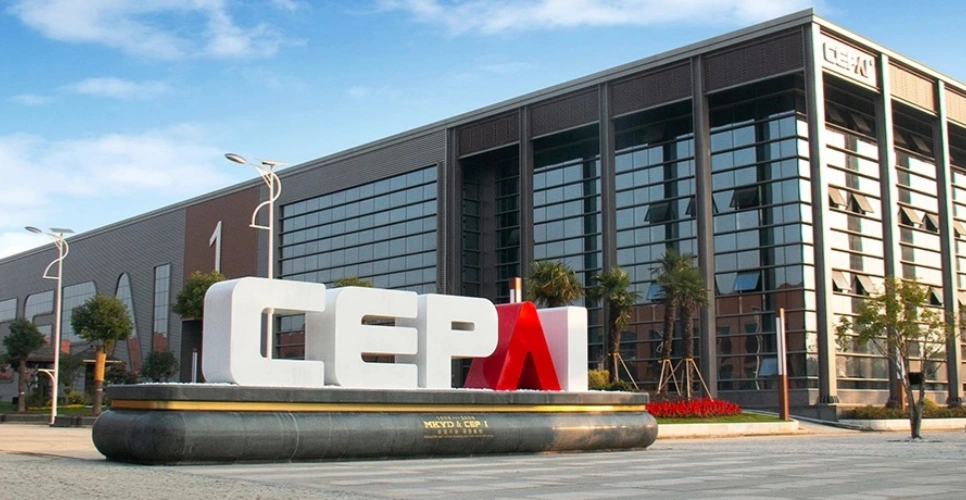
To become a top PFA lined valve maker, CEPAI has spent decades perfecting high-tech valve solutions for the toughest chemical harmful uses. These are some of the many products we sell. They include API-certified PFA lined valves made for the oil and gas, petrochemical, and chemical production businesses. CEPAI offers safe valve technology that meets the highest standards in the business. It has been certified by APIQ1, API6A, API6D, and ISO9001. Our engineering team can make solutions that are specific to your needs in terms of chemical compatibility and operating factors. Get in touch with us at cepai@cepai.com to talk about your valve needs and find out how our PFA lined valve technology can help your operations run more smoothly and safely.

References
Smith, J.R. "Fluoropolymer Materials in Chemical Processing Equipment: Performance Analysis and Application Guidelines." Industrial Chemistry Review, 2023.
Thompson, K.L. "Corrosion Resistance Comparison of Valve Materials in Aggressive Chemical Environments." Materials Engineering Quarterly, 2022.
Anderson, M.P. "Economic Analysis of Valve Material Selection in Petrochemical Applications." Chemical Engineering Economics, 2023.
Wilson, D.A. "PFA and PTFE Lined Equipment: Design Considerations and Performance Evaluation." Process Equipment Technology, 2022.
Roberts, S.J. "Stainless Steel Performance in Corrosive Service: Limitations and Best Practices." Corrosion Prevention Journal, 2023.
Miller, R.H. "Valve Selection Criteria for Chemical Processing Applications: A Comprehensive Guide." Industrial Process Engineering, 2022.
_1746598531170.webp)
Get professional pre-sales technical consultation and valve selection services, customized solution services.
About CEPAI