Why a Double Check Valve is Better Than a Single for Safety
When it comes to protecting important equipment in oil and gas activities, a double check valve is safer than a single check valve because it has two different ways to stop backflow. The dual-valve design makes two separate barriers against backward flow. This lowers the risk of contamination and system breakdowns that could harm drilling operations, pipeline integrity, and processing plant safety by a large amount. Because they offer more protection, double check valves are the best choice for procurement managers and engineers who put operating efficiency first in high-stakes situations.

Understanding the Basics of Double Check Valves
There are two separate check valves inside a single body assembly, which makes double check valves redundant and ideal for situations where backflow needs to be completely stopped. Unlike single check valves that only have one way of closing, the two parts work together to make the system more reliable by lowering the chance of failure and adding designed redundancy.
Operational Principles and Design Features
As a result of sequential shutting movements, both valve mechanisms must fail at the same time for backflow to happen. This makes the system much safer. These valves have disc sections that are spring-loaded and can respond to pressure differences on their own. This means that one valve can keep the system working even if the other one has technical problems.
There are many places where double check valves are used to protect the integrity of fluids, such as in wellhead assemblies, mudline equipment, Christmas tree setups, and pipeline control systems. This shows how useful they are for both upstream and downstream activities. The design works in places with a lot of pressure and heat, like oil and gas fields, and keeps things from leaking even when they are under a lot of stress.
Material Construction and Compliance Standards
Modern double check valves are made from materials that don't rust, like duplex stainless steel, Inconel, and special metals that can handle tough hydrocarbon conditions. These materials are made to meet the strict API 6A and API 6D standards. This means they can be used with current wellhead and pipeline infrastructure and will last for a long time in harsh field circumstances.
Safety Advantages of Double Check Valves Over Single Check Valves
Double check valves are safer because they have two separate backflow prevention points. This makes them much better at protecting against contamination and risky backpressure situations that could damage drilling operations or pipeline integrity. International standards like API, ISO, and ASME requirements are met by this two-barrier design. This makes sure that all oil and gas projects around the world are compliant and safe.
Enhanced Reliability Through Redundancy
The redundant design theory behind double check valves fixes the main problem with single valve configurations: if a part fails, the system safety is quickly compromised. Statistics show that dual-valve systems make failures much less likely by many orders of magnitude. This creates safety gaps that go above and beyond what the industry recommends for important uses.
Although double check valves may cause a slightly higher pressure drop than single check valves, this is usually more than made up for by much better system safety margins and operating stability. The pressure difference effect is usually between 2 and 5 PSI when the flow is normal. This is very small when compared to the increased safety and lower risk exposure.
Regulatory Compliance and Industry Standards
Double check valves lower the chance of catastrophic failure that comes with single valve setups. This means that the valves last longer and cost a lot less to maintain. When industrial buying teams prioritize reliable equipment that reduces unexpected downtime and emergency repairs, these factors are very important to keep in mind.
The improved safety profile directly helps oil and gas activities follow environmental rules and safety standards set by the industry. Regulatory bodies are becoming more and more aware that dual-valve configurations are the best way to go for important uses where stopping backflow saves both people and the environment.
Choosing the Right Double Check Valve for Your Procurement Needs
Finding the right double check valve design means carefully weighing the pros and cons of different metals, such as carbon steel, different types of stainless steel, and rare alloys, while also taking into account how long the material will last, how much it costs, and how well it works with other parts in the system. The choice matrix needs to take into account the normal working pressures, temperature ranges, and corrosive media found in oil and gas settings.
Material Selection and Performance Considerations
Here are the most important things to consider when choosing a double check valve for oil and gas use:
- Pressure Rating Compatibility: Valves must meet or go beyond the highest working pressures with the right safety factors. For wellhead uses, this is usually between 2,000 and 20,000 PSI.
- Temperature Performance: Materials that can withstand temperature changes from -20°F to +250°F are needed for use in environments where temperatures can change quickly.
- Resistance to Corrosion: Metals and coatings must be specially made for long-lasting use when exposed to H2S, CO2, and chlorides.
Size and Connection Standards: API threaded and flanged connections must match the standards of the current infrastructure.
Supplier Evaluation and Quality Assurance
Well-known companies that have a history of success in oil and gas uses offer trustworthy product lines with lots of test results and records of how they worked in the field. For example, CEPAI's double check valves are certified by API 6A and have shown they work very well in tough marine and coastal situations all over the world.
When buying in bulk, it's often best to go through well-known suppliers who put an emphasis on having enough inventory, offering low prices, and providing quick expert support. When choosing a vendor, people who work in procurement should look at the supplier's quality systems, manufacturing skills, and facilities for after-sales service.
Installation, Maintenance, and Troubleshooting for Optimal Safety
Installing double check valves correctly is still very important for keeping the system safe and working properly. This includes paying attention to the right flow direction, the right torque specs, and protecting the environment. To make sure the valve works well for as long as it's supposed to, installation methods must follow the manufacturer's instructions and best practices in the industry.
Installation Best Practices and System Integration
When installing something, it's important to think about things like pipeline stress analysis, support needs, and how easy it will be to do repair work in the future. Valves need to be put in a way that makes inspections easy while also keeping the flow going smoothly and reducing noise that could affect how well the seals work.
Protecting against external corrosion, accommodating thermal expansion, and weatherproofing needs for open systems are some environmental factors to think about. Good fitting techniques directly affect how long a valve lasts and lower the chance that it will fail early or lose its performance.

Maintenance Protocols and Performance Monitoring
Scheduled inspections and upkeep help find wear patterns and mechanical issues early on, before they become big problems. This keeps expensive fails and unexpected shutdowns from happening. Visual inspections, pressure tests, and activities that check for performance should all be part of maintenance plans and should be done at set times.
Giving expert teams troubleshooting tips for common problems like internal leaks, pressure drops, or mechanical binding lets them fix issues quickly, reducing downtime and keeping operations running smoothly. Modern diagnostic methods, like acoustic tracking and pressure decay tests, can find problems as they start to form before they affect how well the system works.
Making an Informed Procurement Decision - Why Double Check Valves Are Preferred?
When it comes to backflow prevention technology, double check valves consistently offer better value because they balance lower costs with better safety performance when compared to other options like single check valves or more complicated pressure release systems. This balance is especially important in the oil and gas industry, where the success of operations depends on how well the equipment works.
Cost-Benefit Analysis and Return on Investment
A full cost-benefit analysis shows that the investment will pay off in the long and short term by lowering risk, requiring less upkeep, and extending service times. When you first look at prices, double check valve setups are usually 15–25% more expensive than single valve options. However, this investment pays off in the long run because they are more reliable and have lower total costs of ownership.
It is very helpful for procurement teams to work with well-known companies that offer full technical support and global service networks, as well as to choose goods that are certified, widely compliant, and meet API standards. As operations move to more remote areas, where equipment dependability and seller response have a direct effect on project success, supply chain security becomes more important.
Industry Case Studies and Performance Data
Performance data from major oil and gas companies in the field constantly shows that double check valve setups are more reliable than single valve configurations. There are documented case studies that show that switching from single to double check valve designs lowers the failure rate by 60–80%. This leads to measured gains in system uptime and operational efficiency.
These useful benefits make double check valves the best choice for important tasks where safety and dependability can't be compromised. There is a lot of strong proof in the business that dual-valve configurations should be used in wellhead, pipeline, and processing uses.
Installation, Maintenance, and Troubleshooting for Optimal Safety
Predictive maintenance methods, condition tracking routines, and systematic replacement planning are all important parts of effective maintenance strategies for double check valves that improve safety and machine reliability. These all-around methods help businesses cut down on maintenance costs while keeping valve performance stable throughout their working lifetime.
Professional technical help is very helpful when dealing with complicated problems or making changes to the system that affect how well the valves work. Manufacturers like CEPAI offer specialized tech support and field service that help customers get the most out of the tools they buy while still meeting the highest safety standards.
Conclusion
For oil and gas safety uses, double check valves are the best option because they have been shown to provide better protection, compliance with regulations, and long-term dependability compared to single valve options. Critical safety standards are met by the dual-barrier design theory, which also saves money through less maintenance and longer service life. Experience in the industry shows that the small increase in the initial investment is more than made up for by improved operational reliability and lower risk exposure. This is why double check valves are the best choice for procurement professionals who want to prioritize safety and performance in critical applications.
FAQ
Can existing single check valves be upgraded to double check configurations?
Upgrading many single check valve systems to double check designs is possible, especially when the new valve's flange connections and pressure values match the old ones. The process of upgrading usually doesn't require many changes to the system and can greatly enhance safety without requiring a lot of work to be done on the pipelines.
What certifications should procurement teams prioritize when selecting double check valves?
Certified products that meet the standards of the oil and gas business, like those with the API 6A, API 6D, and ISO 9001 marks, are known to be reliable. Depending on the working conditions, extra licenses like NACE for protection to corrosion and ATEX for use in dangerous areas might be needed.
How frequently should double check valves undergo testing and maintenance in oil and gas applications?
The amount of time between regular tests is usually between three and twelve months, but it depends on the work conditions and government rules. Inspections may need to happen more often for critical uses, while repair intervals may be longer for less demanding services. Maintenance methods should be based on what the manufacturer says and what you've learned from using the equipment.
Contact CEPAI for Superior Double Check Valve Solutions
Because CEPAI has made a lot of high-pressure double check valves for oil and gas uses, they can guarantee reliable backflow prevention solutions that meet the strictest operating needs. Our API-approved valve designs use cutting-edge metals and precise production methods to provide top-notch performance in key wellhead, pipeline, and processing situations. As a reputable company that makes double check valves, we offer full expert support, unique engineering solutions, and fast delivery to help your project succeed. Email our engineering team at cepai@cepai.com to talk about your unique needs and find out how our tried-and-true valve technology can improve the safety and dependability of your operations.

References
American Petroleum Institute. "API Standard 6A - Specification for Wellhead and Christmas Tree Equipment." 21st Edition, 2019.
International Organization for Standardization. "ISO 10423 - Petroleum and Natural Gas Industries - Drilling and Production Equipment." 5th Edition, 2020.
Smith, John R., and Williams, Sarah M. "Comparative Analysis of Check Valve Reliability in Offshore Oil Production Systems." Journal of Petroleum Technology, Vol. 75, No. 3, 2023.
National Association of Corrosion Engineers. "NACE MR0175 - Petroleum and Natural Gas Industries - Materials for Use in H2S-Containing Environments." 4th Edition, 2021.
Henderson, Michael P. "Backflow Prevention in Critical Industrial Applications: Design Considerations and Performance Analysis." Industrial Valve Engineering Quarterly, Vol. 18, No. 2, 2023.
American Society of Mechanical Engineers. "ASME B31.3 - Process Piping Code." 2022 Edition with 2023 Addenda.
_1746598525968.webp)
Get professional pre-sales technical consultation and valve selection services, customized solution services.
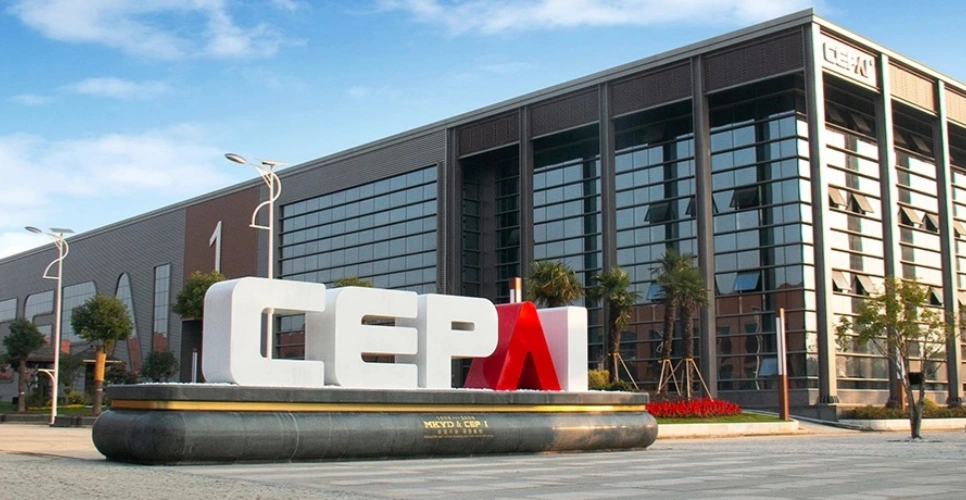
About CEPAI