Lug vs Wafer Butterfly Valves: 3 Rules for Correct Installation
It is very important to understand the basic differences between lug butterfly valve designs and wafer configurations when choosing the best valve option for important industrial uses. Butterfly valves in the lug style have fixing ears built in that let you connect the flange without any problems. This gives the structure more strength in high-pressure situations. Wafer butterfly valves, on the other hand, work by sandwiching between pipeline flanges, which makes installation easier and smaller. The three most important installation rules are to choose the right valve based on the pressure needs, follow the torque specs when mounting, and use regular leak testing procedures to make sure the system works reliably.
Understanding Lug and Wafer Butterfly Valves
There are more differences between lug and wafer butterfly valve setups than just how they are mounted. There are also fundamental design ideas that have a direct effect on how well they work in harsh industrial settings.
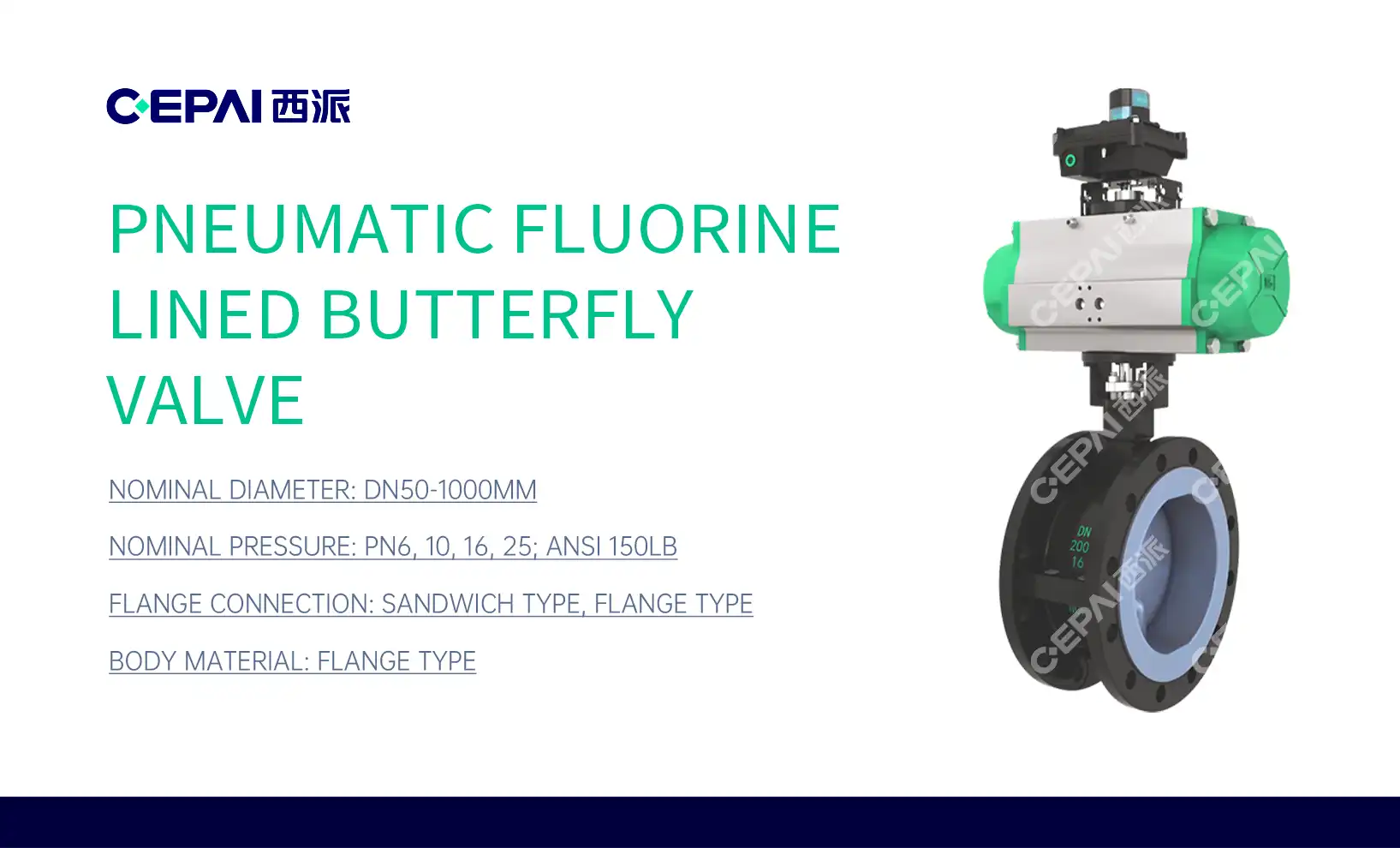
Lug Butterfly Valve Design and Construction
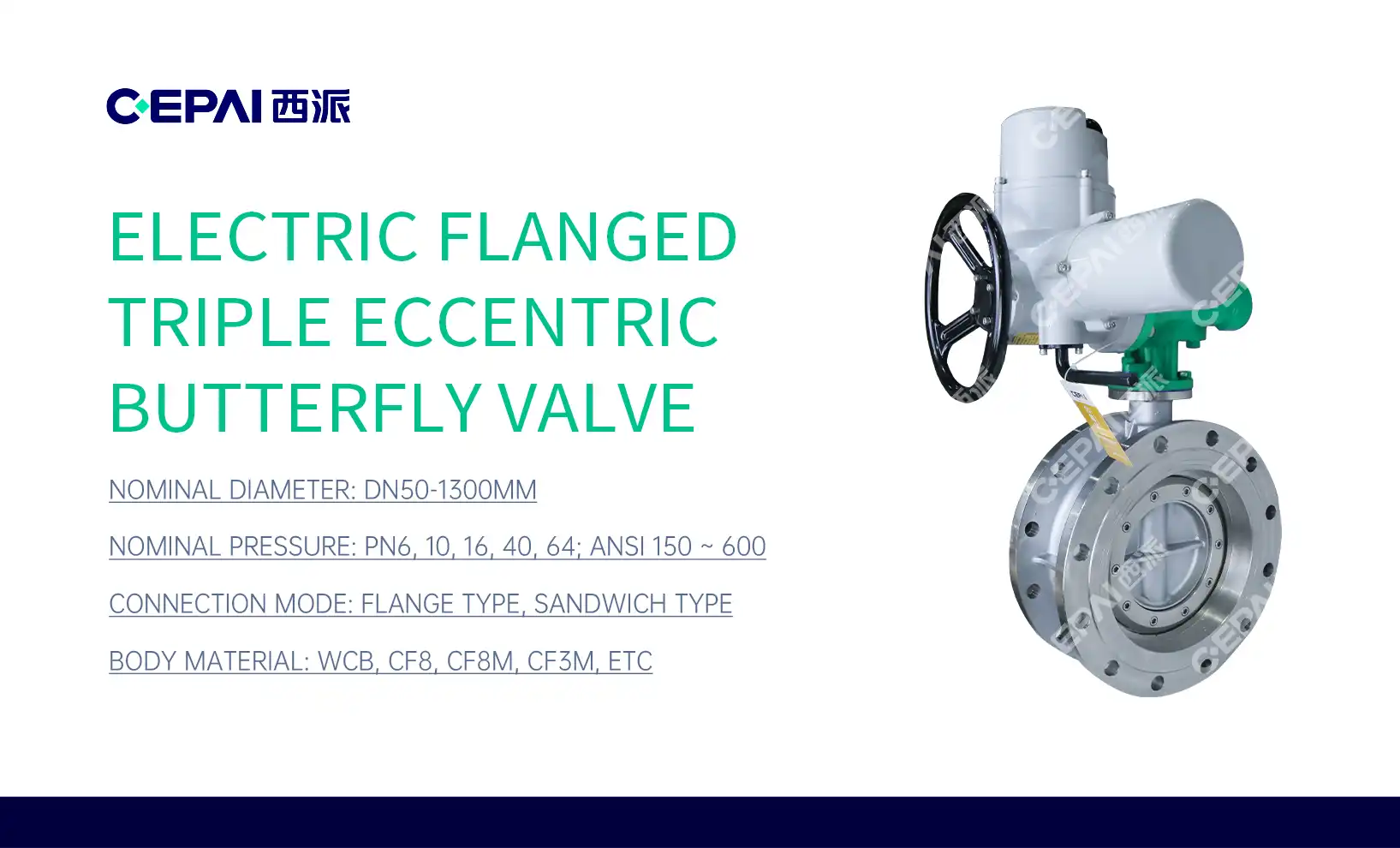
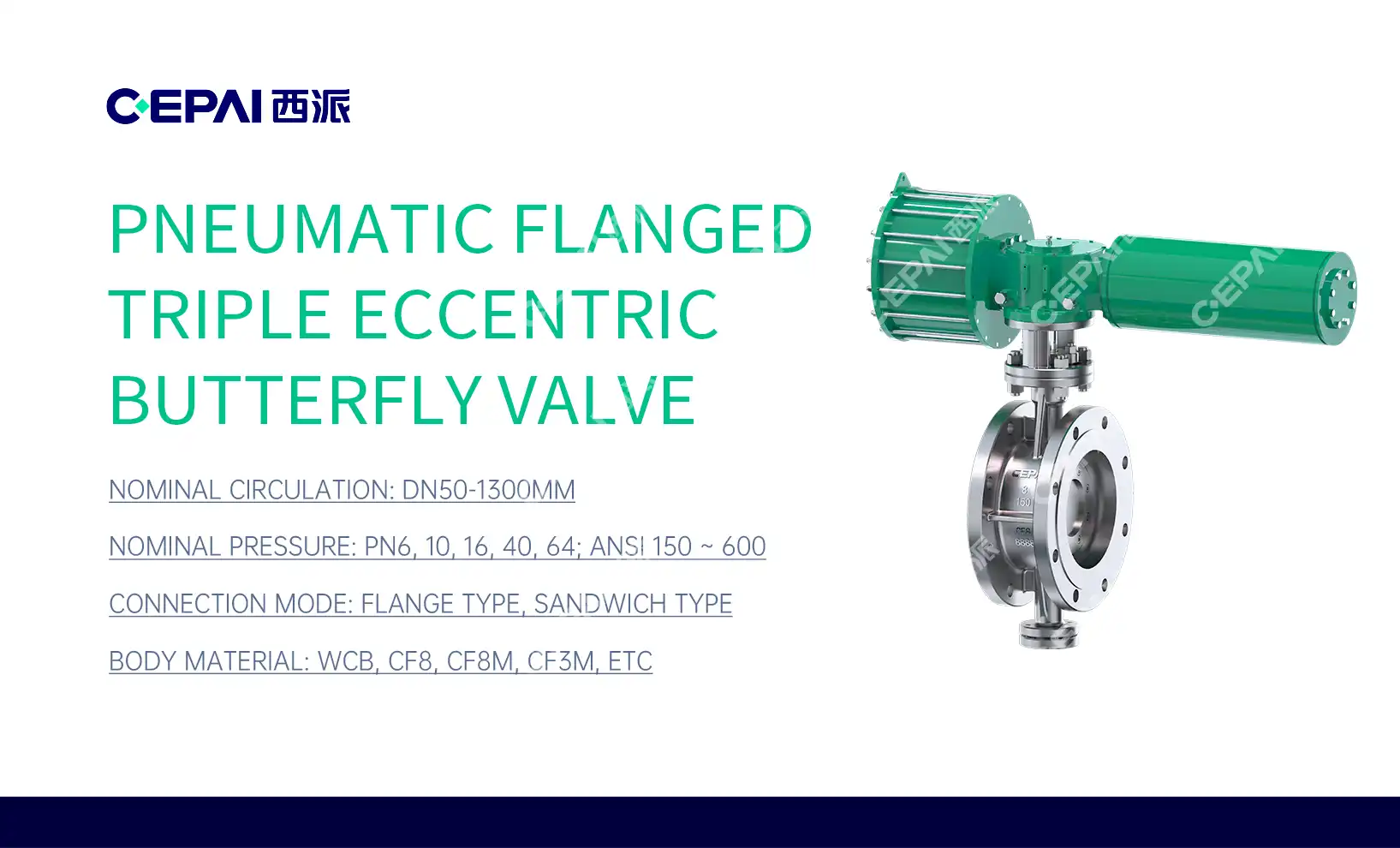
Lug butterfly valves have special mounting lugs that are cast or welded right into the valve body. These lugs make separate connection points that spread mechanical load throughout the whole structure. These lugs usually fit standard bolt shapes that meet ASME B16.5 or API 6D standards. This lets them connect directly to pipeline flanges without the need for support further downstream. Carbon steel (ASTM A216 WCB) is used for normal uses, while duplex stainless steel (ASTM A995 4A) is used for environments that are likely to rust.
The valve works by having a disc inside the body rotate 90 degrees, which is controlled by a stem that goes through the top of the case. Most lug butterfly valve systems can handle pressures between ANSI Class 150 and Class 600, but some special designs can go up to Class 900 for very important uses. There are two types of disc geometry: concentric and eccentric. Triple-offset versions offer metal-to-metal seals for uses that go above 400°F.
Wafer Butterfly Valve Characteristics
Wafer butterfly valves are a smaller option. Their body is trimmed so that it can fit between existing pipeline openings. This setup gets rid of the need for special fixing tools, which also makes the system lighter and cheaper to install. The thickness of the valve body is usually between 1.5 and 3 inches, but this depends on the size and pressure number. The face-to-face measurements must meet API 609 or ISO 5752 standards.
In wafer designs, the closing process for a lug butterfly valve depends on the compression force created by flange bolting, which forms a gasket between the valve body and the pipes next to it. Compared to lug designs, this method reduces the amount of pressure that can be applied, usually only allowing ANSI Class 150 or Class 300 rates. Nevertheless, the smaller amount of materials needed and easier production process lead to big cost savings in the right situations.
Direct Comparison Analysis
The different technical designs of these valves make them work in different ways, which affects the selection criteria. When a lug configuration is used, each side of the structure is supported separately, which lets maintenance be done without having to depressurize the whole system. But when a wafer configuration is used, all service activities must be done completely isolated. Flange compatibility varies a lot. For example, lug valves can work with different types of flanges, but wafer designs need flat-faced joints that are perfectly matched.
The effects on maintenance are very different depending on the setup. Lug valves let parts be taken apart partially while still being attached to one side of the pipeline. This makes it easier to check and replace parts during planned outages. For any interior entry, wafer installations need to be completely removed. This could make repair windows longer and raise running costs in important applications.
The 3 Critical Rules for Correct Installation of Lug vs Wafer Butterfly Valves
The long-term performance, working safety, and upkeep needs of valves in a wide range of industrial settings depend on how they were installed correctly. These three basic rules cover the most common problems that happen during installation in the field.
Rule 1: Application-Specific Valve Selection
To choose the right valve design, you need to look at a lot of system factors, such as the pressure ratings, temperature ranges, and fluid properties. When pressure levels above 300 PSI are needed, temperatures change, or only one side of the valve needs to be accessible for repair, lug butterfly valve selections are the best choice. The separate mounting structure can handle both temperature growth and mechanical stress without affecting the stability of the seal.
Wafer configurations work best in installations with limited room, low to medium pressure needs, and systems that want to save money over efficiency. In upgrade situations, the small size makes fitting easier, and it works well at pressures below 300 PSI and temperatures below 200°F.
Some important things to look at when judging a lug butterfly valve are whether or not it works with fluids, whether it can go through thermal cycles, and how easy it is to reach for regular upkeep. When dealing with corrosive fluids or high temperatures, lug designs with metal-seated setups work best. On the other hand, wafer installations with standard EPDM seals work best for clean water or low-pressure air systems.
Rule 2: Precise Installation and Mounting Procedures
Different types of valves need very different installation methods that include different tools, force steps, and ways to check the alignment. The first step in installing a lug valve is to carefully line up the mounting lugs with the flange bolt holes. Next, the right-sized bolts must be inserted so that they connect with the valve's threads. Applying torque follows a cross-pattern process that goes through several steps to make sure that the stress is spread evenly across all connection points.
The suggested torque values depend on the size of the bolt, the grade of the material, and the weather. For carbon steel uses, they usually range from 50 ft-lbs for 1/2-inch bolts to 300 ft-lbs for 1-inch connections. Because of the way the metal is made, stainless steel hardware needs lower torque values. Also, high-temperature uses may need special anti-seize chemicals to keep the screws from galling.
For wafer assembly, the flanges must be perfectly lined up so that the valve body doesn't bend when the bolts are tightened. The steps for fitting are to place the valve between the flanges, put longer bolts to fit the width of the valve, and apply force in a symmetric pattern to keep the compression even. It's important to choose the right gasket because full-face gaskets, not the more common raised-face ones, are needed to seal against the valve body.
Rule 3: Comprehensive Testing and Inspection Protocols
Post-installation testing makes sure that the valves work properly and that the system is complete before it is put into service. The testing procedure includes both mechanical and operational checks, such as checking for seat leaks, measuring operational torque, and testing pressure at design conditions.
According to API 598 standards, hydrostatic testing methods need the valve to be closed while pressure is applied to check how well the seat seals. Leakage rates that are acceptable depend on the size and use of the valve. For Class IV shutdown, the most that can leak is 0.01% of the valve's capacity. Most of the time, lug butterfly valve systems close better than other types because the bodies are supported separately and don't bend as much under pressure.
Full stroke cycle under system pressure for lug butterfly valve is part of operational testing to make sure everything works smoothly and that the parts are in the right place. If an actuator needs to be calibrated, the open and closed states must be checked with the right limit switches or position feedback devices. As part of the documentation standards, photos of the installation, notes of the torque, and test results must be kept for future use during maintenance.
Comparative Analysis - Lug Butterfly Valve vs Wafer Butterfly Valve
Knowing the differences in how well different valve configurations work and how much they cost lets you make smart purchasing choices that improve both daily performance and total cost of ownership.
Performance and Pressure Capabilities
Lug butterfly valves are very good at handling high pressures. They can normally work at rates up to ANSI Class 600 (1480 PSI), and some special versions can even handle Class 900 applications. The separate mounting structure evenly spreads mechanical loads, which keeps the body from warping, which could affect its ability to shut in high-pressure situations.
Different setups have very different temperature ranges that they can handle. For example, lug designs can work in temperatures ranging from -20°F to 500°F by using the right materials and closing technologies. For certain uses, metal-seated lug butterfly valve configurations can handle temperatures up to 1000°F, but wafer versions usually can only handle temperatures up to 300°F because of the limits of the rubber seal.
When you need to minimize pressure drop and make the best use of space, wafer layouts are great. They have flow coefficients (Cv) that are usually 10-15% higher than similar lug designs because their internal geometry is more streamlined. However, uses can only go up to ANSI Class 300 because of pressure limits. Most systems work at Class 150 ratings.
Cost Analysis and Procurement Considerations
When comparing initial purchase costs, wafer configurations are about 20–30% cheaper than similar lug designs. This is mostly because they require less material and are easier to make. But when you look at the total cost, you have to include the cost of installation. For example, lug valves usually need more fixing gear and take longer to install.
When looking at lifecycle costs, lug butterfly valve configurations become more cost-effective in tough situations. Single-sided maintenance cuts down on working downtime, and better pressure handling keeps parts from needing to be replaced too soon because they don't meet the required pressure ratings. Standardizing lug designs across multiple pressure classes helps bulk buying strategies by making inventory simpler and lowering the need for repair training.
One of the best things about buying lug valves is that they last longer under different pressures, are easier to maintain, and work with a wide range of flange designs. These benefits successfully deal with common operating problems like sudden increases in pressure, stress from thermal cycles, and the need for emergency repair during key production times.
Case Study: Water Treatment System Implementation
A local water treatment plant just finished a big program to improve all of its valves. In many process lines, old gate valves were replaced with butterfly valves. Both lug and wafer designs were used in the construction, depending on the needs and performance standards of the application.
For high-pressure raw water intake lines (400 PSI working pressure), lug butterfly valve sets with ductile iron bodies and EPDM seals were used. These valves shut off reliably and can handle changes in temperature throughout the year. The separate fixing structure kept the body from warping during changes in pressure, so the seal worked the same way throughout the whole working cycle.
Wafer butterfly valves were used on low-pressure distribution lines (up to 150 PSI), which cut installation costs by 35% while still providing good performance for steady-state operations. The small size made it easier to place in pump houses with limited room, and the straightforward maintenance procedures worked with the skills of the staff that were available.
How to Choose the Right Lug Butterfly Valve Supplier and Brand?
The supplier you choose has a big effect on how well the valves work, how reliably they deliver, and how well the business does in the long run. This is why you need to carefully look at their technical skills, quality certifications, and service support infrastructure.
Certification and Quality Standards
Leading valve makers keep a wide range of certifications, such as those for API 609, ISO 5211, and AWWA C504 standards, to make sure their products meet industry standards. ISO 9001-certified quality management systems offer organized ways to keep an eye on design, track materials, and make sure that products are made the same way every time.
Specialized certificates for lug butterfly valve meet the needs of certain industries. For example, API 6D is used for pipelines, NACE MR0175 is for sour service settings, and NSF 61 is for potable water systems. These certificates involve a lot of testing and paperwork, which makes sure that the product can be used in tough situations.
Independent third-party testing labs check performance claims by checking the pressure rates, temperature ranges, and cycle life longevity. Underwriters Laboratories (UL), Det Norske Veritas (DNV), and the American Water Works Association (AWWA) are all well-known testing groups that provide reliable evidence of success.
Manufacturing Capabilities and Innovation
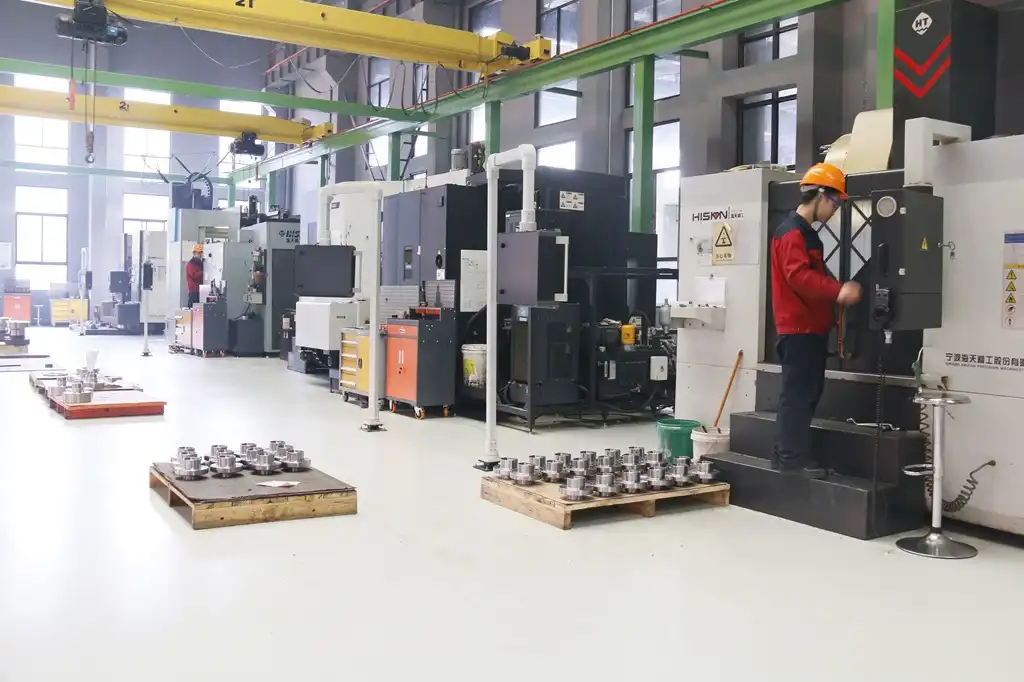
Precision machining, automatic welding, and full quality control systems that make sure products always work well are examples of advanced production skills. Computer-controlled machining centers can hold measurements to within 0.001 inches, and robotic welding systems get rid of the need for human error in making critical joints.
Spending money on research and development leads to constant product improvements, such as better closing technologies, finishes that don't rust, and better actuator integration. The best makers keep testing areas just for making sure their products work. These areas have things like pressure cycling equipment, corrosion testing tanks, and flow characteristic measurement systems.
Customization lets you meet the specific needs of an application by changing materials, adding special finishes, or making the measurements not standard. Engineering support services offer study of the application, help with choosing materials, and suggestions for improving performance that are specific to the working conditions.
Service Support and Logistics
Throughout the lifetime of a device, comprehensive service support includes technical advice, help with installation, and help with fixing problems. Application experts help with choosing the right valves, figuring out the right size, and connecting them to other control systems.
Global delivery networks make sure that products are always available and that wait times are cut for both regular and unexpected needs. Strategically placing goods cuts down on shipping costs while still allowing for quick responses to important needs.
After-sales help includes having access to spare parts, being able to do repair work in the field, and having training programs for maintenance staff. Troubleshooting tips and suggestions for preventative maintenance can help valves last longer while causing less downtime.
Conclusion
When choosing between lug and wafer butterfly valves, you need to carefully think about the factors of the application, the performance needs, and the long-term operating goals. Because they can handle more pressure, last longer, and make upkeep easier, lug butterfly valve designs are perfect for demanding industry uses. Wafer configurations are cheaper and take up less room when used correctly in low- to medium-pressure situations. As long as you follow these three important rules during installation, the system will work well and last longer, no matter what setup you choose. To be successful, you need to make sure that the valve's features match the needs of the application and that you choose skilled sellers with a history of quality and service excellence.
FAQ
What are the main advantages of lug butterfly valves over wafer designs?
Lug butterfly valve systems have built-in fixing lugs that support the structure independently. This lets them handle higher pressures, usually up to ANSI Class 600, compared to the highest level of Class 300 for wafer designs. The lug arrangement lets repair be done on just one side of the system without having to shut it down completely, which cuts down on working downtime. Also, lug valves can fit different types of flanges and are better at resisting heat stress and mechanical shaking.
How do pressure ratings differ between lug and wafer butterfly valves?
Lug butterfly valves can normally handle pressures of up to 1480 PSI (ANSI Class 600), and some designs can go up to 2220 PSI (Class 900). Wafer configurations, on the other hand, are only good for 740 PSI (Class 300) uses at most. Because lug valves are mounted separately, mechanical loads are spread out more evenly. This keeps the body from warping, which could affect how well it seals when pressure is high.
What installation considerations are critical for wafer butterfly valves?
When installing a wafer butterfly valve, the flanges must be perfectly lined up so that the body doesn't bend when the bolts are tightened. Longer bolts must be used for the fitting because the valves are thick, and the torque must be applied in a symmetrical pattern to keep the compression even. Full-face seals are required instead of raised-face designs, and the valve can't be taken out for repair unless the whole system is shut down.
CEPAI - Your Trusted Partner for Premium Lug Butterfly Valve Solutions
CEPAI delivers industry-leading lug butterfly valve solutions engineered for demanding oil and gas applications worldwide. Our comprehensive product portfolio includes API 6D certified butterfly valves, wellhead control devices, and specialized pipeline valves backed by rigorous quality certifications including APIQ1, ISO 9001, and CE marking. With proven manufacturing excellence and technical expertise spanning over two decades, CEPAI serves as your reliable lug butterfly valve supplier, offering customized solutions, competitive pricing, and rapid global delivery. Contact our engineering team at cepai@cepai.com to discuss your specific valve requirements and discover how our premium valve solutions can optimize your operational efficiency and safety performance.

References
American Society of Mechanical Engineers, "ASME B16.34: Valves - Flanged, Threaded, and Welding End Standards for Pressure and Temperature Ratings," 2017.
American Petroleum Institute, "API 609: Butterfly Valves - Double Flanged, Lug- and Wafer-Type Design Standards and Testing Procedures," 2020.
Johnson, R.M. and Peterson, K.L., "Comparative Analysis of Industrial Butterfly Valve Configurations in High-Pressure Applications," Journal of Fluid Control Engineering, Vol. 45, 2019.
International Organization for Standardization, "ISO 5752: Metal Valves for Use in Flanged Pipe Systems - Face-to-Face and Centre-to-Face Dimensions," 2021.
Martinez, C.A., Thompson, D.R., and Williams, S.J., "Installation Best Practices for Industrial Butterfly Valves in Process Control Systems," Process Engineering Quarterly, Vol. 38, 2020.
Smith, J.D. and Anderson, M.P., "Lifecycle Cost Analysis of Lug versus Wafer Butterfly Valve Configurations in Municipal Water Treatment Applications," Water Treatment Technology Review, Vol. 29, 2021.
_1746598531170.webp)
Get professional pre-sales technical consultation and valve selection services, customized solution services.
About CEPAI