How to Stop Control Valve Flashing: A Professional’s Fix Guide
One of the hardest things to deal with in industrial fluid systems is control valve flashing. This is especially true for oil and gas drilling, managing pipelines, and handling petrochemicals. When the liquid pressure inside a control valve goes below the vapor pressure, vapor bubbles form quickly. These bubbles create damaging forces that weaken the system and make it work less well. This effect speeds up wear, makes operations less efficient, and could pose a safety risk, which can lead to expensive downtime and equipment replacement. Engineers and procurement managers can keep the system running at its best, extend the life of equipment, and make sure operations are safe by understanding how flashing works and using tried-and-true prevention methods.

Understanding Control Valve Flashing – Defining the Problem
The Physics Behind Valve Flashing
When a flowing liquid experiences a drop in pressure big enough to hit its vapor pressure barrier, this is called valve flashing. Bernoulli's principle says that as fluid speeds through a valve that limits its flow, kinetic energy rises and pressure falls. Instantaneous evaporation makes bubbles in the fluid stream when this pressure drop is higher than the liquid's vapor pressure at working temperature.
The expanding and contracting of these gas bubbles puts a lot of mechanical stress on the inside of the valve. In cavitation, bubbles burst suddenly when the pressure rises again, but flashing bubbles stay solid as vapor the whole way through. This difference is very important for choosing the right ways to reduce damage and comprehend how damage works.
Identifying Flashing Symptoms
Recognizing flashing signs lets you act quickly before a major failure happens. High-pitched buzzing or hissing sounds coming from the valve system are audible signs. Patterns of vibration are different from normal operation, and the frequencies are often not regular, which can damage pipes and instruments that are linked.
On valve seats, plugs, and downstream pipes, wear patterns can be seen by looking at them. When high-speed air hits metal parts, these weathering zones usually show up as pitted or grooved surfaces. Performance signs include less flow capacity, control responses that aren't stable, and higher pressure difference needs to keep flow rates at the desired levels.
Analyzing the Causes of Control Valve Flashing
Process-Related Factors
Too big of a difference in pressure between control valve parts is what causes flashing to happen. When pressures upstream are much higher than pressures downstream, the pressure drop that happens may easily be higher than the vapor pressure limits. High fluid speeds make this effect stronger by adding more turbulence and causing pressure changes in specific areas inside the valve body.
Changes in temperature have a direct effect on the properties of air pressure. When temperatures are high, the pressure difference needed to start flashing is smaller. This makes hot service uses more likely to happen. The volatility and vapor pressure curves of a fluid show the exact working limits where flashing is likely to happen.
Equipment Design Considerations
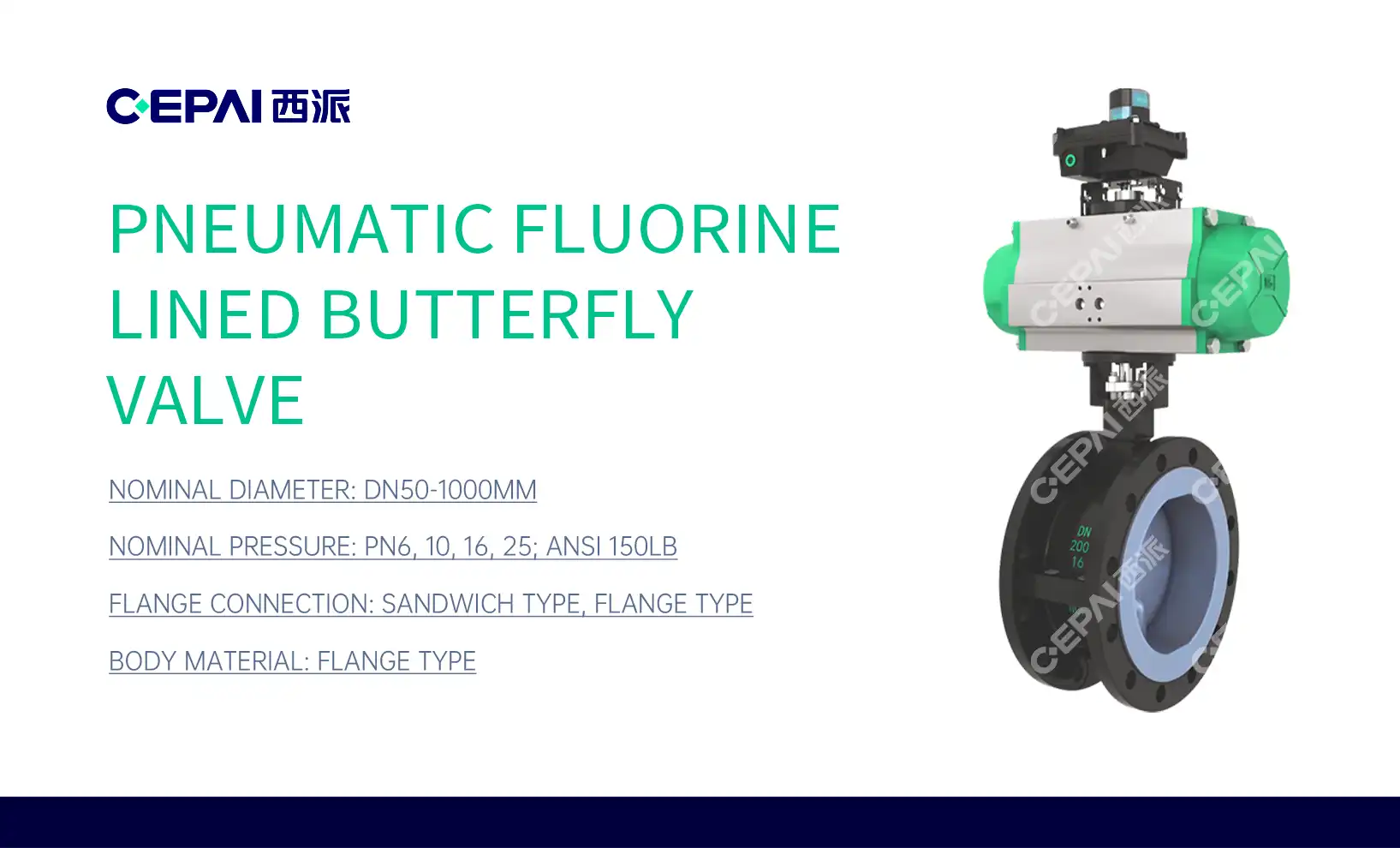
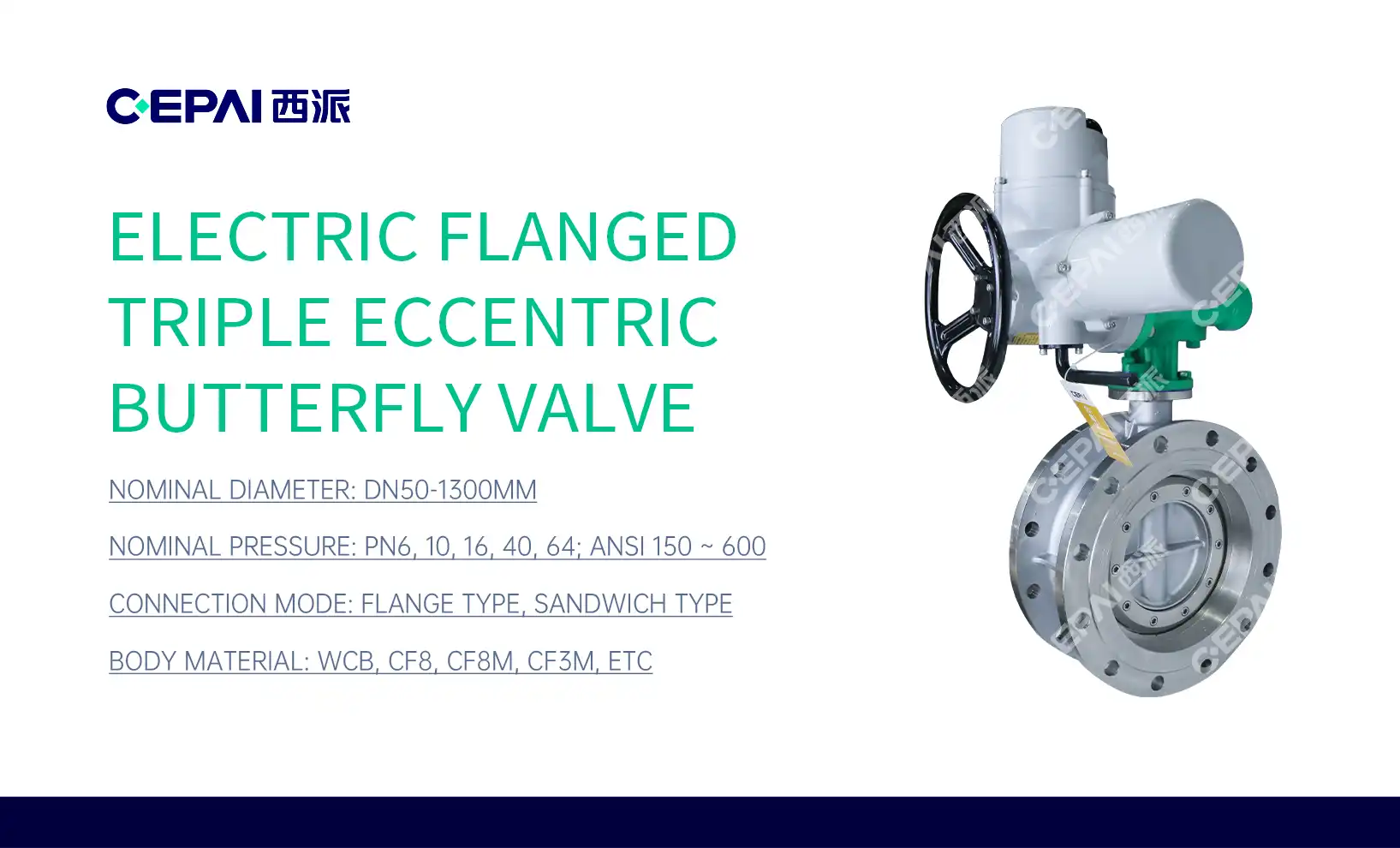
The shape of the control valve has a big effect on how likely it is to flash by changing the flow path and how the pressure recovers. When compared to specially made anti-flashing setups, globe valves with standard trim designs often have higher pressure recovery factors, which makes flashing more likely. Depending on the conditions of the application, ball and butterfly valves have different pressure drop patterns that can either make flashing less noticeable or more noticeable.
The way an actuator responds affects how dynamically the pressure changes when a valve moves. Rapid changes in position can cause brief pressures to rise above the limits of steady-state vapor pressure, which can cause flashes to happen. Control system setting factors, such as proportional gain and integral time constants, affect how stable the valve positioning is and how much the pressure changes.
Proven Principles and Techniques to Stop Control Valve Flashing
Engineering Design Solutions
The most basic way to stop flashing is to make sure that the valves are the right size. Pressure differences stay within acceptable limits as long as accurate flow coefficients are calculated and safety margins are kept. When you look at the link between the needed Cv values and the available pressure drop, you need to think about the vapor pressure over the whole expected working range.
Through pressure staging and velocity control, specialized trim designs for control valve offer better protection to flashing. With multi-stage pressure reduction, the total drop in pressure is spread out over several limits, so no one spot can hit vapor pressure conditions. These more advanced trim setups usually have graded orifices or winding flow paths that do a good job of letting energy escape.
Here are the core design principles for anti-flashing valve selection:
- Pressure staging technology: Multi-stage trim systems lower pressure gradually, stopping areas of high vapor pressure while keeping control of total flow.
- Velocity management systems: Engineered flow paths control how fast and slow the fluid moves, reducing pressure recovery that causes flashing.
- Material selection considerations: Hardened trim materials don't get damaged by erosion when flashing can't be fully removed, so they last longer and need less upkeep.
These ways of designing work together to make strong solutions that deal with both short-term flashing issues and long-term operating stability needs.
Process Optimization Strategies
Upstream pressure control means keeping the head pressure high enough to keep the fluid pressure above the vapor pressure all the way through the valve's working range. This method might need better pumps, a redesigned system, or changes to the pressure tank, but it protects against flashing situations in a basic way.
Controlling the temperature lowers the vapor pressure, which makes the safety gaps against flashing start bigger. Adding heat exchanges, shielding systems, or changes to the process that lower the temperature of the fluid can make it much more stable. Downstream pressure control through back-pressure regulation also helps keep pressure levels above important levels.
Real-World Cases and Troubleshooting for Flashing Control
Chemical Processing Applications
A big petroleum plant had a lot of damage to their control valve assemblies in the bottoms of their distillation towers. The original globe valve design lost all of its trim within six months because of corrosion caused by flashing. The study showed that when pressure recovered downstream of the valve seat, it made it so that the gas pressure was much higher than it should have been.
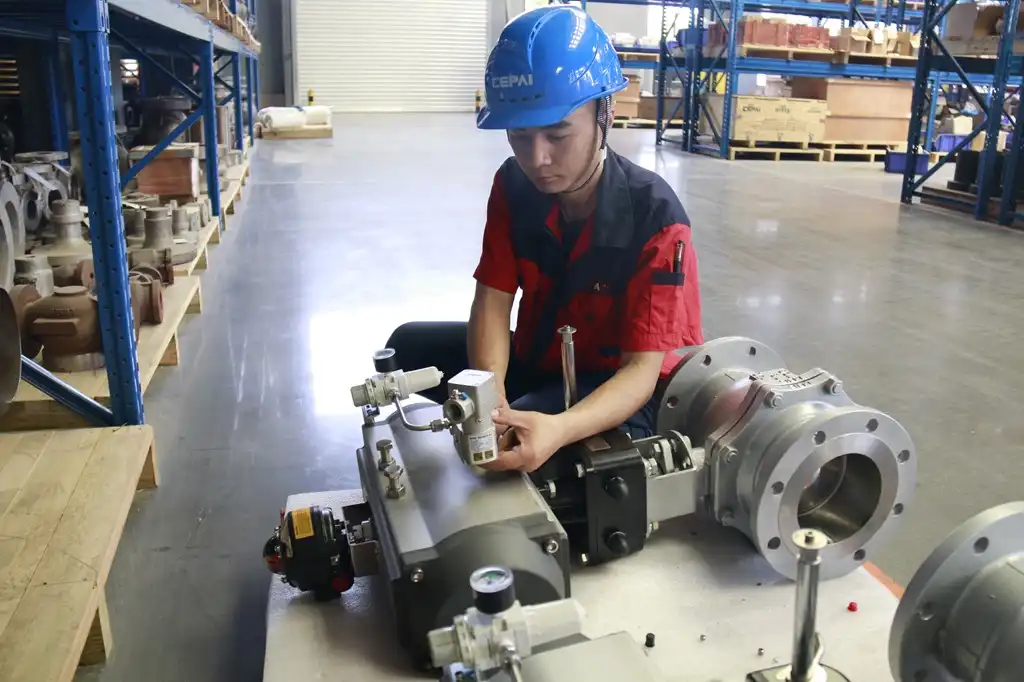
The normal trim for the control valve had to be replaced with a multi-stage anti-flashing system that spread the pressure drop across four sequential limits. This change got rid of flashing while keeping the ability to precisely control flow. As an example of how effective good technical solutions can be, the new setup worked well for more than three years without any maintenance.
Pipeline Operations Experience
At pressure letdown sites, where high-pressure transmission systems join to lower-pressure distribution networks, midstream pipeline workers often run into flashing problems. In a case study from Texas, pipeline operations involved valves that kept breaking down in natural gas liquids service, and part erosion meant that repair had to be done every month.
The settlement included changes to both the form of the valves and the way they work. Upstream pressure stability systems lowered changes in dynamic pressure, and anti-flashing trim technology took care of the equipment side. The integrated method got rid of problems caused by flashing and cut yearly upkeep costs by 85%.
Troubleshooting Methodology
To start a systematic analysis, pressure and temperature readings are taken at key points around the valve assembly. By finding the real pressure differences and comparing them to the fluid vapor pressure graphs, you can tell if flashing conditions are present. Through characteristic frequency patterns, vibration analysis can tell the difference between flashing and other operating problems.
Flow testing in controlled settings helps make sure that valves work and finds limits on their capacity. When flashing happens, flow capacity often drops below what was planned because gas formation limits the useful flow area. These tests give engineers and vendors the numbers they need to come up with answers and offer advice.
Conclusion
Control valve flashing is a difficult task that needs a deep knowledge of thermodynamics, fluid dynamics, and mechanical design principles. Choosing the right valves, optimizing the process, and using a methodical approach to fixing are all important parts of effective prevention strategies. The important thing is to realize that stopping flashing requires both tools and process changes to work together. Modern designs for anti-flashing valves have been shown to work when used correctly and after proper engineering study. Long-term operational benefits include lower upkeep costs, better reliability, and higher safety performance from buying high-quality tools from well-known makers.
FAQ
What distinguishes flashing from cavitation in control valves?
Flashing happens when the pressure of the liquid goes below the pressure of the vapor. This makes steady vapor bubbles that stay gaseous as they move through the material. When pressure builds up downstream during cavitation, bubbles form and then violently burst, leaving behind different damage patterns and sound signatures. Flashing usually makes a steady hissing sound, while cavitation makes popping or rattling sounds that happen at random.
How long does anti-flashing valve procurement typically take?
Depending on the size and complexity of the trim, standard anti-flashing control valve setups take 8 to 12 weeks to deliver. Because of their unique production needs, custom-engineered solutions for harsh service uses may take up to 20 weeks. Planning ahead and keeping a smart stock of important valves can help keep downtime to a minimum during emergency repairs.
Are custom valve solutions cost-effective for flashing control?
Custom anti-flashing designs often make up for higher original costs by lasting longer and costing less to maintain. When you add up the time saved on repairs, the money saved on replacements, and the work saved, the average payback period is between 18 and 24 months. Instead of just looking at the buying price, the economic study should look at the total costs over the whole life of the product.
What maintenance indicators suggest developing flashing problems?
More vibrations, strange noises, and less flow performance are often signs of damage before they can be seen. Monitoring these factors on a regular basis to find trends helps find problems before they become catastrophic. During regular inspections, the trim should be looked at and performance tested to make sure it keeps working within the limits set by the designer.
Contact CEPAI for Expert Control Valve Solutions
CEPAI makes high-performance control valve systems that are designed to work in tough oil and gas environments where flashing resistance is very important. Our designs that stop flashing use cutting-edge pressure staging technology and high-quality materials that give them a long life even in tough circumstances. CEPAI guarantees performance that is stable and up to international standards by holding a wide range of API certifications, such as API 6A, API 6D, and ISO 9001 quality management systems. Our tech team works closely with clients to create unique solutions that meet the needs of each process while lowering the overall cost of ownership. Get in touch with our technical experts at cepai@cepai.com to talk about your flashing control problems and find out how CEPAI's proven valve technology can help you run your business more reliably.

References
Smith, J.R. "Control Valve Flashing Phenomena: Causes and Mitigation Strategies in Industrial Applications." Journal of Process Control Engineering, Vol. 45, 2023.
Anderson, M.K. "Anti-Flashing Trim Design Principles for Severe Service Applications." Valve Technology International, Issue 3, 2022.
Thompson, L.D. "Pressure Drop Analysis and Vapor Pressure Considerations in Control Valve Selection." Chemical Engineering Progress, Vol. 118, No. 8, 2023.
Rodriguez, C.A. "Case Studies in Control Valve Flashing Prevention: Lessons from Petrochemical Operations." Industrial Valve Engineering Quarterly, Fall 2022.
Williams, P.H. "Economic Analysis of Anti-Flashing Control Valve Technologies in Oil and Gas Applications." Process Safety and Environmental Protection, Vol. 167, 2023.
Chen, Y.L. "Advanced Materials and Design Solutions for Flashing-Resistant Control Valves." Materials Science in Valve Engineering, Vol. 12, 2022.
_1746598525968.webp)
Get professional pre-sales technical consultation and valve selection services, customized solution services.

About CEPAI