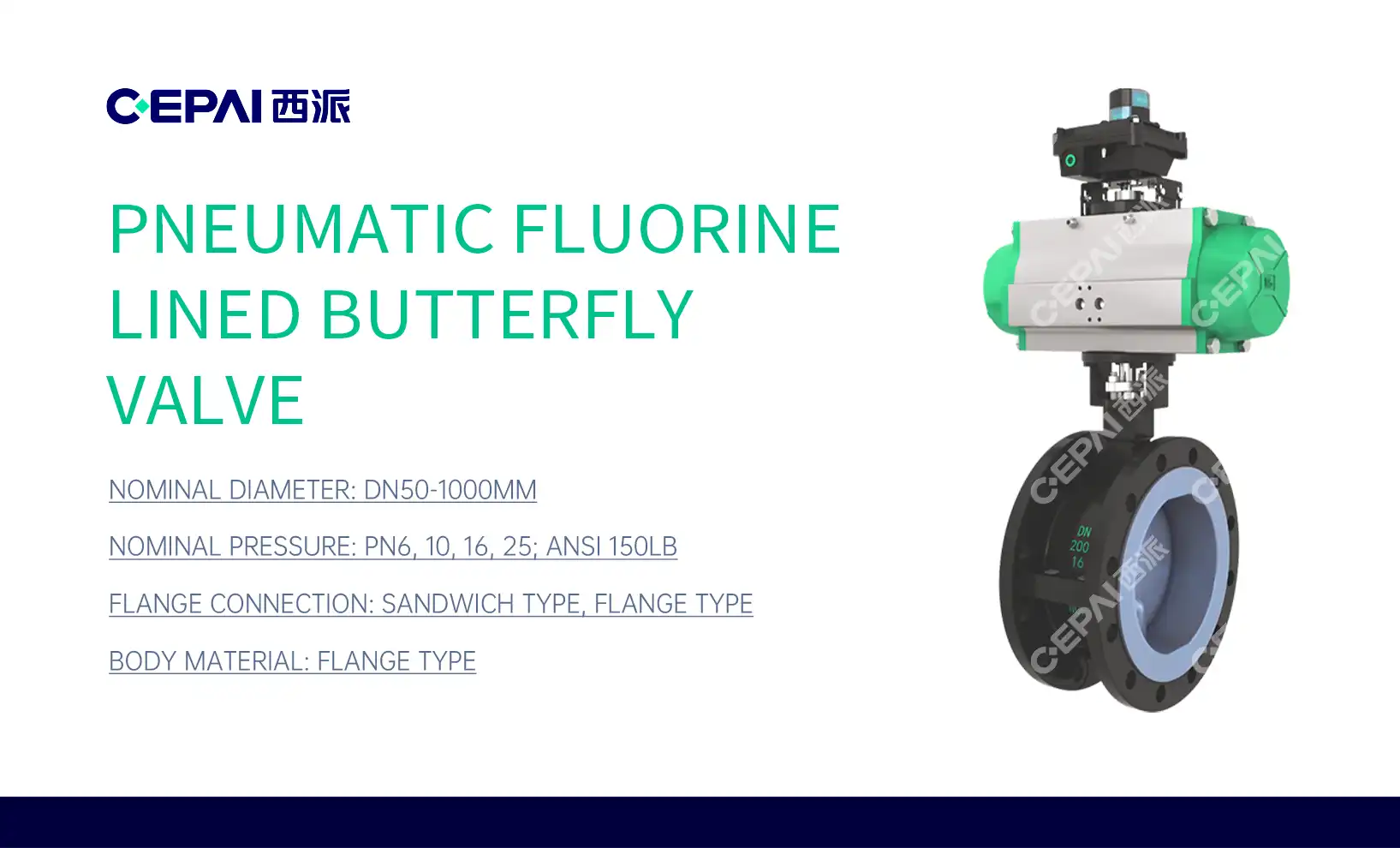
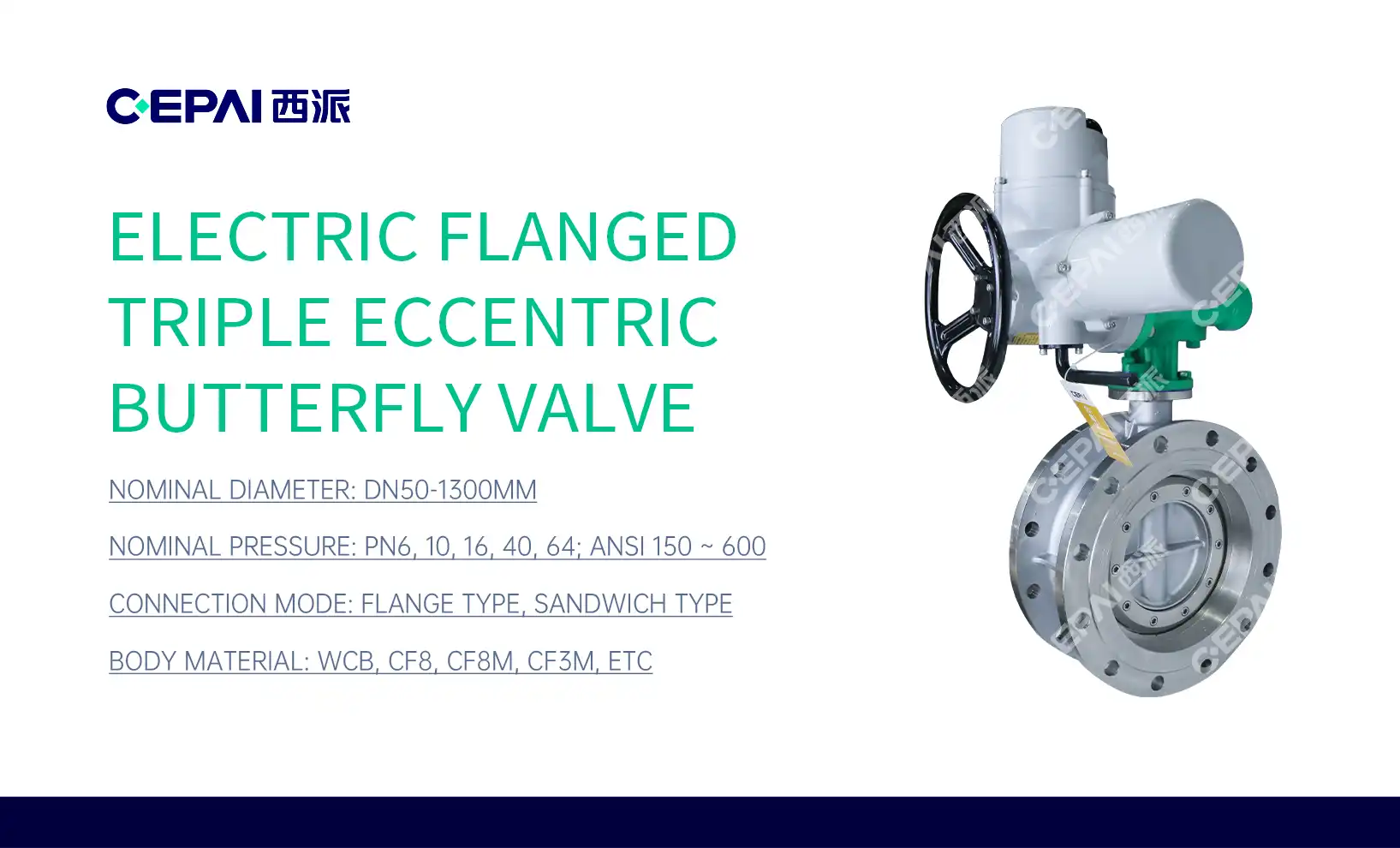
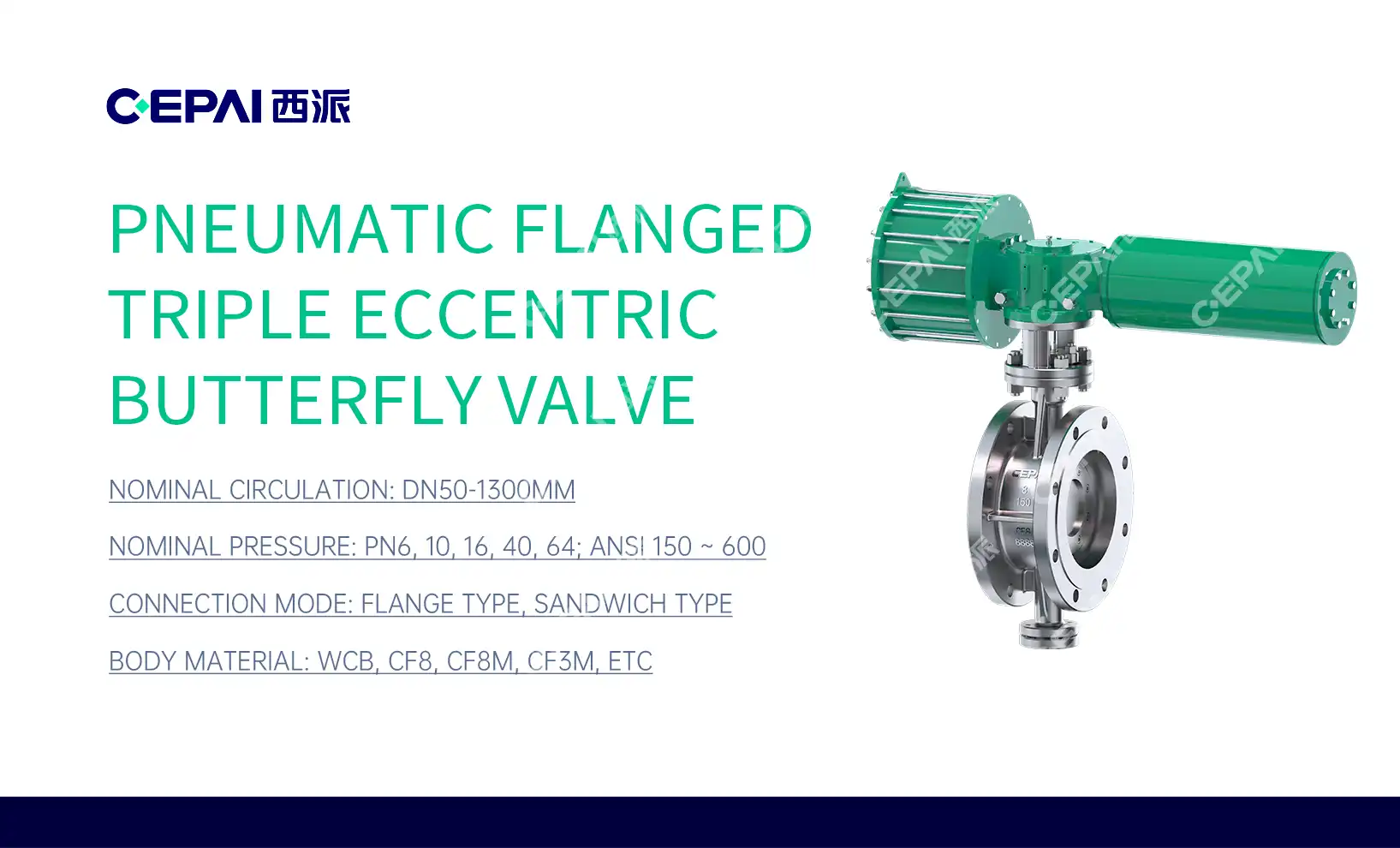
7 Causes of Check Valve Failure and How to Avoid Downtime
One of the biggest problems that oil and gas operations, pipeline systems, and industry sites have to deal with right now is broken check valves. These important parts of the check valve stop backflow and keep expensive equipment upstream from getting damaged, but if they break, it can cause a chain reaction of problems that make it impossible to do business. By figuring out why valves break down and putting in place proactive prevention plans, drilling engineers, pipeline integrity teams, and procurement managers can keep systems running at their best in harsh industrial settings while minimizing costly downtime.

Understanding Check Valve Failure: Definition and Impact
Check valves automatically control the flow of fluid so that it can only go in one way and avoid risky backflow situations. These one-way parts work in a number of different ways, such as through swing disc assemblies, dual-plate setups, and spring-loaded systems that react to changes in pipeline pressure.
Critical Role in Industrial Operations
The function of these valves goes far beyond controlling the flow of fluid. Wellhead systems in oil and gas development depend on high-pressure check valve units to keep the drilling mud moving and keep formation fluids from getting into the drill string. In the same way, pipeline workers count on these parts to keep expensive compressor stations and pumping equipment safe from damage caused by reverse flow, which could lead to a catastrophic mechanical failure.
When petrochemicals are processed in factories, they face special problems because a broken valve can stop whole production lines. If one unit doesn't work right, it can cause other units to shut down, safety protocols to be activated, and repair times to be longer than planned, all of which cost money. According to research by the American Petroleum Institute, unplanned downtime in processing operations costs companies an average of $50,000 per hour. This shows how important it is for valves to work properly to save money.
Material Specifications and Performance Standards
Modern check valves are made with advanced metalworking techniques so they can work in harsh circumstances. Bodies made of carbon steel that meet ASTM A216 WCB standards work well in most situations, while bodies made of stainless steel that meet ASTM A351 CF8M standards are better at resisting corrosion in tough chemical conditions. These choices of materials have a direct effect on how long the valve lasts and how reliably it works in a wide range of commercial settings.
7 Common Causes of Check Valve Failure - In-Depth Analysis
A thorough study of check valve failures shows that there are seven main types of failure that always affect how factories work. Knowing how these failures happen lets you plan better care and make better decisions about what to buy.
Improper Installation and Orientation
About 35% of early valve problems in industrial settings are caused by mistakes during installation. The most common mistake is installing valves in the wrong flow direction, which means they are placed backwards in the pipeline system. This arrangement stops the disc from working properly and builds up too much pressure, which hurts internal parts. Also, bigger girth units can get body stress cracks from not having enough support, which can weaken the seal.
Corrosion and Chemical Degradation
Chemical attack on valve parts happens when the properties of the material don't match the properties of the process fluid. Hydrogen sulfide quickly breaks down carbon steel bodies in sour gas uses, while fluids that contain chloride attack stainless steel parts through pitting corrosion. Environmental factors like water getting in and changing temperatures speed up these breakdown processes. This is especially true for drilling operations that take place at sea, where saltwater is an essential part of the job.
Mechanical Wear and Erosion
Erosional wear patterns are made on disc surfaces and seat areas by fluid flow at high speeds that contains rough particles. When unusual drilling is used to make sand, silica particles in the production fluids slowly wear away at covering surfaces. This can be very difficult. This pattern of wear usually shows up as higher leak rates that finally make the valve less effective at stopping backflow.
Pressure Surge and Water Hammer Effects
When a pump starts up, a valve closes, or the system is upset, sudden changes in pressure cause damaging forces that are higher than what was intended. Water hammer can cause pressure spikes that are 10 times the usual working pressure. This can damage discs right away or wear out spring mechanisms over time, causing them to break down gradually. In long pipeline systems, where pressure waves can spread out and do more damage, these dynamic loading situations are especially bad.
Contamination and Debris Accumulation
When foreign material builds up inside the check valve body, it stops the disc from closing properly and makes leaking routes. These types of blockages are often caused by welding scale from new pipeline building, rust bits from old infrastructure, and polymer residues from chemical injection systems. If the pipelines aren't flushed properly during startup, building waste can move around the system and cause problems with many valves.
Incorrect Sizing and Application
When the valve's capacity doesn't match the system's needs, the flow coefficient changes. This causes too many pressure drops, which lowers the system's total efficiency. Undersized units are subject to high-velocity flow conditions that speed up erosional wear, while valves that are too big may flutter because they don't have enough flow forces to keep them stable. Most of the time, these sizing mistakes happen because the system wasn't fully analyzed during the planning process.
Inadequate Maintenance and Inspection
Small problems can get worse over time when upkeep is put off, leading to long outages that need to be fixed. A lot of industrial facilities use reactive maintenance plans, which only fix problems after they break. This means that changes have to be done quickly and in less-than-ideal circumstances. Because there aren't any forecast maintenance technologies available, it's hard to tell when a valve's performance is getting worse before it fails completely.
How to Avoid Downtime: Preventive Measures and Best Practices?
Using all-around prevention methods greatly lowers the chance of unexpected valve breakdowns and increases the general life of equipment. These methods include things like design choices, installation rules, and regular upkeep routines that make the system more reliable as a whole.
Advanced Material Selection Strategies
To properly specify a material, you need to look at the process conditions in great depth, including changes in temperature and pressure and the stability of the chemicals used. Stellite overlay hardfacing on sealing surfaces gives them great resistance to wear and tear in rough service situations, and Inconel X-750 springs keep working well even when temperatures are high. The longer service times and lower upkeep needs of these advanced materials make up for their higher starting cost.
Installation Excellence Programs
Strict fitting steps for check valve make sure that the valve works at its best from the first start-up. Before placing in the pipeline, pre-installation inspection procedures make sure that the marks are in the right place and that the inside is clean. The right torque specs for flange bolting keep the gasket from getting damaged and make sure there is enough closing force. Field mistakes that hurt long-term dependability are less likely to happen when professional installation teams are trained in the manufacturer's processes.
Predictive Monitoring Technologies
Modern state tracking systems can find problems with valves early on, before they become too bad to fix. Acoustic emission monitors can find internal leakage at levels that are too low to be seen, and vibration research can show how metal wears down in swing-type setups. These tracking technologies work with plant-wide control systems to give constant feedback on performance and set off automatic alarms.
Procurement Insights: How to Source High-Quality Check Valves for Industrial Use?
Using strategic methods to buying things makes sure that you get reliable check valve solutions that meet tough operating needs. This process includes evaluating suppliers, making specifications, and managing relationships with suppliers in a way that supports long-term business success.
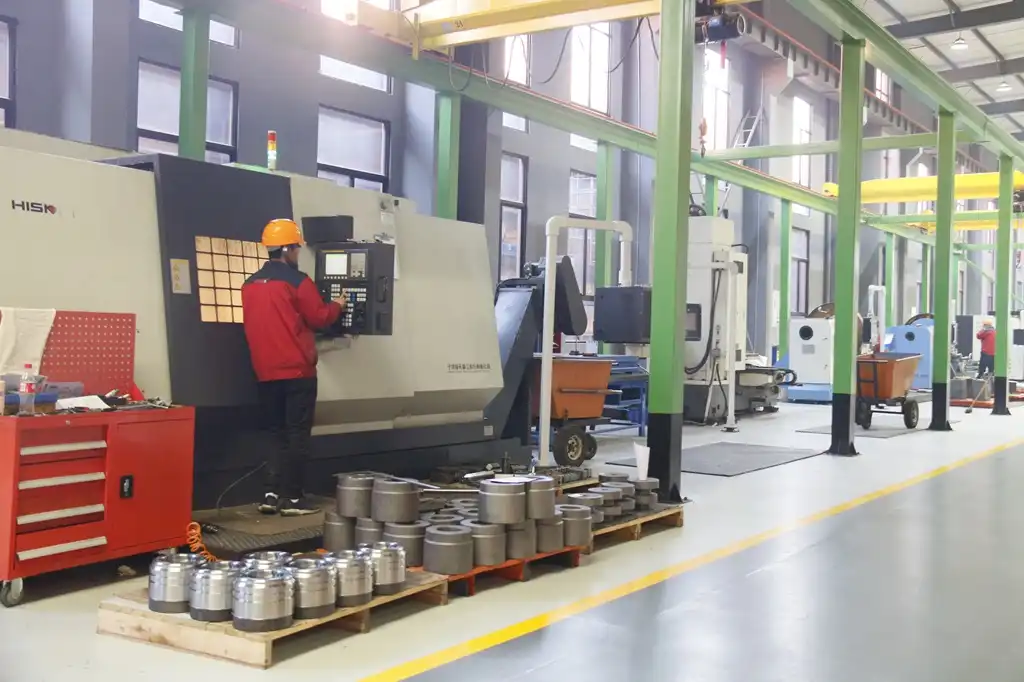
Supplier Qualification and Certification Requirements
Reputable companies have full quality management systems that are approved to ISO 9001 standards. They also have product-specific licenses, like API 6D for pipeline use and API 16C for wellhead service. These certifications show that strict manufacturing methods and standards for material traceability were followed, which are necessary for important service uses. Audits of suppliers check the manufacturing skills and quality control methods that have a direct effect on how reliable a product is.
Technical Specification Development
Specifications must be very exact and cover all the important working conditions, such as the highest pressure that can be used, the temperature ranges that are acceptable, and the ability to work with process fluids. To avoid problems with oversizing, flow coefficient standards should be based on how the system actually works, not on theoretical maximums. Specifications for materials must take into account both their mechanical qualities and their ability to fight corrosion in the area where they will be used.
Total Cost of Ownership Analysis
When making purchases, people should look at lifetime costs instead of just the original purchase price. High-quality check valve units made with better materials and craftsmanship may cost more up front, but they save you money in the long run because they last longer and need less upkeep. To make true cost comparisons, this study should include how much it costs to install, how easy it is to get spare parts, and how often maintenance is expected to be done.
Troubleshooting Common Check Valve Problems: A Quick Reference
Rapid problem-finding and solving skills keep production from being slowed down when valve problems happen during operations. These ways of fixing make it easy for people working in the field to quickly check the state of valves and take the right steps to fix them.
Flow-Related Performance Issues
Backflow discovery means that the closing system isn't working right and needs to be fixed right away. If you look closely at the pipes further downstream, you might notice signs of backward flow like changes in color or fluid buildups that don't make sense. In underground or insulated pipeline systems where direct inspection is not possible, acoustic detection methods can find internal leaks. These troubleshooting methods let you check the state of the valves without having to shut down the system.
Mechanical Performance Problems
A lot of noise usually means that there is disc flutter or contact, which can mean that the size is wrong or there are problems with the flow ahead. Silent check valve designs reduce these noise problems and make operation more stable when flow conditions change. If you measure the pressure drop across the valve, you can see if there is an internal blockage or erosion damage that is affecting the flow.
Seal and Gasket Degradation
External leakage from body joints leak on the outside, it's usually because the gasket failed because of chemical attack, heat cycling, or bad fitting. As part of emergency repair processes, temporary sealant may be used while plans are made for permanent fixes. But these short-term fixes shouldn't be used instead of replacing the gasket properly with materials that are right for the work circumstances.
Conclusion
The dependability of check valves has a direct effect on how well oil and gas research, pipeline transportation, and petrochemical processing centers work. The seven main failure types we talked about show that most valve problems can be avoided by doing things like installing them wrong, choosing the wrong materials, and not maintaining them properly. Using complete avoidance strategies like smart purchasing, excellent installation, and predictive tracking can greatly lower the chances of downtime and extend the useful life of equipment. When compared to reactive repair strategies, proactive valve management strategies always lead to better operating performance and lower costs for industrial facilities.
FAQ
How often should check valves be inspected in oil and gas operations?
How often you inspect relies on how bad the service is and how important it is to the business. For high-pressure drilling, visual inspections should be done once a month and internal examinations should be done once a year. For pipeline installations, inspections may be done every three months for outward checks and every six months for thorough assessments. Because of safety concerns and the need to protect tools, critical wellhead uses need to be checked more often.
What distinguishes check valves from other backflow prevention devices?
In contrast to electrically actuated isolation valves, which need control signals, check valve units work naturally through pressure difference activation without any outside power sources. Ball check valves close with sphere-shaped parts, while swing check valves use disc sections that are linked together. These changes in design affect how the flow works, how much pressure drops, and how often upkeep needs to be done in different situations.
Can damaged check valves be repaired or must they be replaced entirely?
Repairability depends on how bad the harm is and what kind of valve it is. In many cases, simple repairs like replacing seals and disc cleaning are enough to get things working again. However, if the body is damaged or there is a lot of interior wear, a full replacement is usually needed. A cost study should compare the cost of repairs to the price of a new valve, taking into account the possibility that new designs will make the valves more reliable.
Partner with CEPAI for Superior Check Valve Solutions
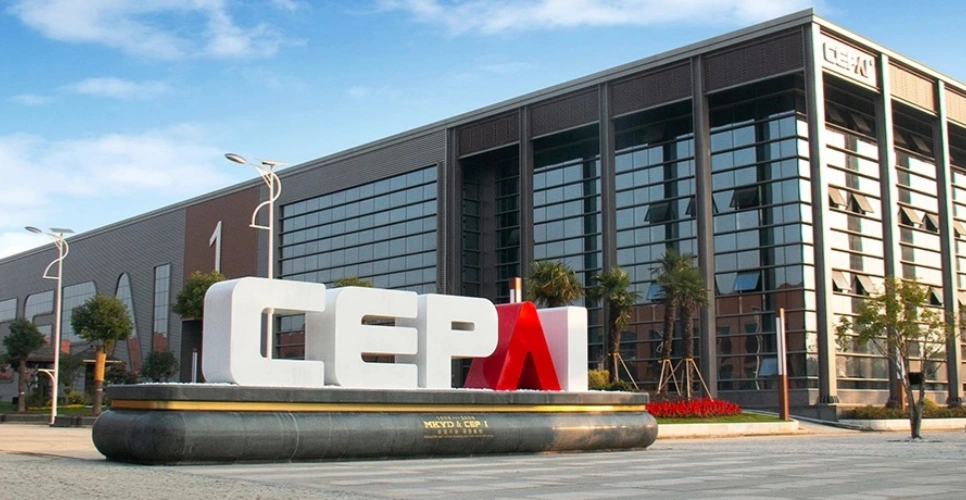
Industrial operations demanding maximum reliability require trusted check valve manufacturer partnerships that deliver certified performance and responsive technical support. CEPAI combines advanced manufacturing capabilities with comprehensive API certifications including API 6A, API 6D, and API 16C to ensure compliance with the most stringent industry standards. Our engineering team works directly with procurement managers, drilling engineers, and pipeline integrity experts to create custom valve solutions that solve specific operating problems and keep lifecycle costs as low as possible. Contact our technical experts at cepai@cepai.com to discuss your application requirements and discover how our proven valve technologies can enhance your operational reliability and reduce maintenance expenses.

References
American Petroleum Institute. "Recommended Practice for Pipeline Valve Installation and Maintenance." API RP 6D-2020, Houston, Texas, 2020.
Chen, Robert M. and Williams, Sarah J. "Industrial Valve Failure Analysis: Mechanisms and Prevention Strategies." Journal of Petroleum Engineering Technology, vol. 45, no. 3, 2023, pp. 112-128.
International Association of Oil & Gas Producers. "Check Valve Performance in Offshore Applications: Reliability Study." Technical Report 2023-15, London, United Kingdom, 2023.
Thompson, Michael A. "Predictive Maintenance Strategies for Critical Pipeline Components." Industrial Maintenance and Plant Operations Quarterly, vol. 38, no. 2, 2023, pp. 67-84.
United States Department of Energy. "Pipeline Infrastructure Reliability Assessment: Valve Component Analysis." DOE Report 2023-PI-07, Washington, D.C., 2023.
Zhang, Li and Rodriguez, Carlos E. "Material Selection Guidelines for Check Valves in Corrosive Service." Materials Engineering in Oil and Gas Applications, vol. 29, no. 4, 2023, pp. 203-219.
_1746598531170.webp)
Get professional pre-sales technical consultation and valve selection services, customized solution services.
About CEPAI