Best Valves for Thermal Fluid Systems: Expert Selection Tips
To choose the best thermal fluid valve, you must first know how your system works and then match those needs with valve specs that ensure safety, efficiency, and life. If you choose the right valve, it will control the flow of heat transfer fluid, handle changes in pressure, and keep the system from breaking down in hot places. To make the choice, you have to look at things like material compatibility, pressure ratings, temperature limits, and operating modes that work with the thermal management goals of your building. Quality valves from certified makers work reliably, lower upkeep costs, and increase the uptime of systems in a wide range of industrial settings.
Understanding Thermal Fluid Valves: Functions and Key Types
The Critical Role of Flow Control Valves
Thermal fluid valves keep heat transfer oils and synthetic thermal fluids from moving around too freely in closed-loop heating systems. These parts control the flow rates so that heat exchanges, reactors, and manufacturing equipment all stay at the same temperature. The valves change positions in response to system needs. This can be done directly by a user or automatically by actuators responding to signs for temperature or pressure.
The choice of material has a big impact on how well a thermal fluid valve works in heat situations. Bodies made of stainless steel are perfect for petroleum settings because they don't rust and keep their shape at high temperatures. Alternatives to carbon steel are cheaper options for moderate-temperature uses, and special metals are used in harsh environments where regular materials break down. Seal materials need to be able to handle changes in temperature without losing their ability to keep leaks out. Graphite and PTFE alloys are often chosen for high-temperature use.
Ball Valves: Quarter-Turn Reliability
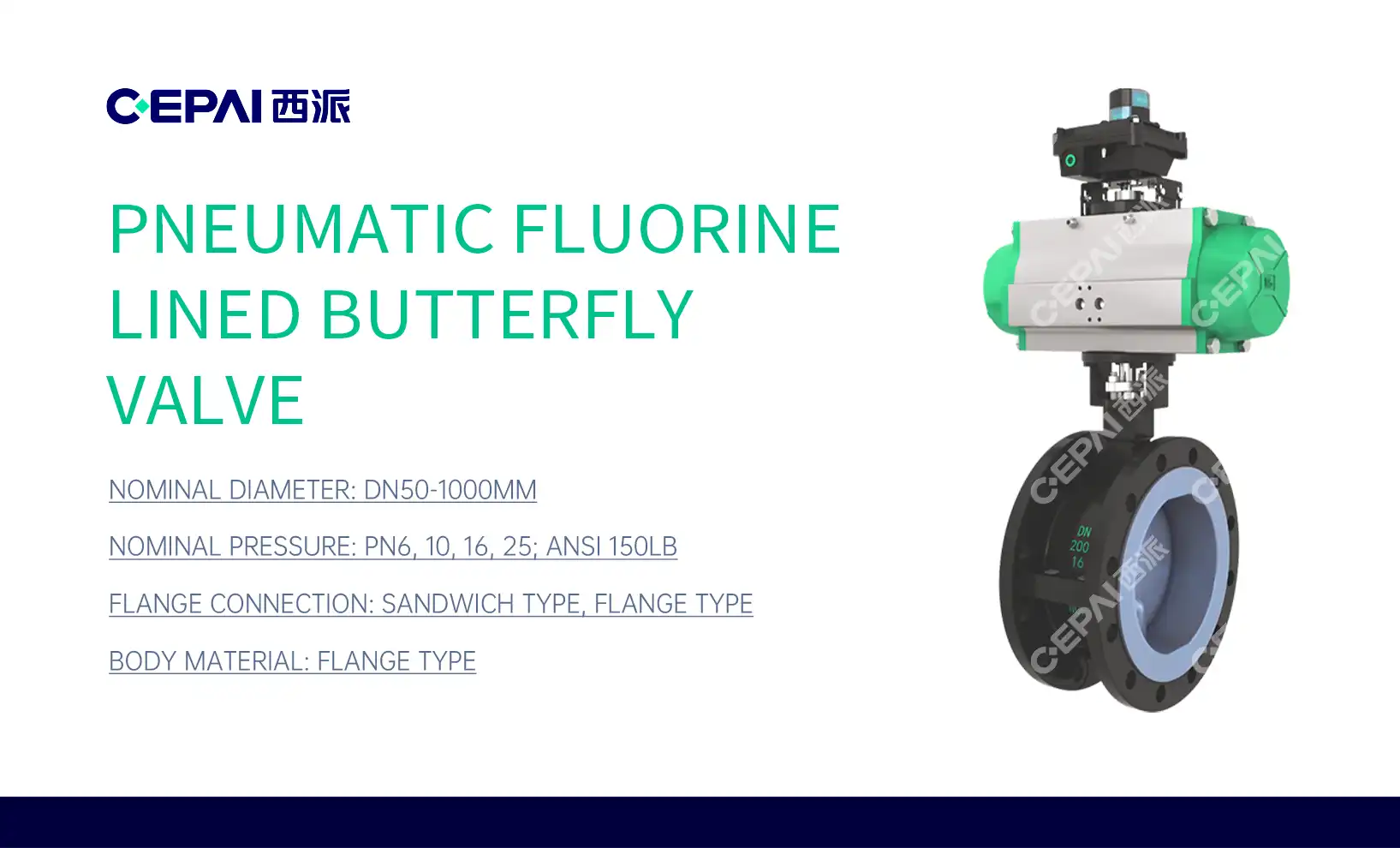
When full-bore flow and quick shutdown are needed for thermal fluid valve applications, ball valves are the most common choice. The circular closing element can turn ninety degrees from open to closed, which keeps flow and pressure drop to a minimum. Lower-pressure systems work best with floating ball designs, while high-pressure differences in wellhead and pipeline uses are handled by trunnion-mounted designs. The straightforward mechanical design cuts down on repair needs and increases service intervals. This is especially helpful in rural drilling operations where access issues raise the cost of downtime.
Globe Valves: Precision Throttling
Globe valves are great for situations where the flow and pressure need to be finely adjusted. The linear motion disc moves in a straight line across the flow path, which lets you precisely control the speed of the fluid. This kind of valve is used a lot in processing, where accurate flow adjustment is needed for process control. The design naturally causes bigger pressure drops than ball valves, but this can be used to your benefit when you want to lower the system pressure. Automated globe valves work well with distributed control systems because they make changes quickly and easily, which keeps the process stable.
Check Valves and Specialty Designs
Check valves stop flow that goes in the wrong direction, which could hurt pumps or make thermal fluid valve lines dangerous. When they are working normally, swing check designs have low resistance. On the other hand, spring-loaded versions offer good sitting in systems where the flow direction changes a lot. Specialized thermal fluid valves have pressure release devices to keep the system from overpressurizing and three-way valves that let you change the flow to control the temperature or shut down the system for repair.
How to Choose the Best Thermal Fluid Valve for Your System?
Assessing Operational Parameters
The picking process starts with a careful look at how the system is currently working. Material requirements and seal compatibility are based on the highest temperature of the fluid. For example, thermal fluid valves running above 300°C need high-temperature metals and graphite sealing systems. It is necessary for pressure levels to be higher than the maximum system pressure by a sufficient amount to allow for temporary events such as pump starts up or emergency shutdowns. Valve size decisions are based on flow rate estimates, which make sure that the chosen parts give the necessary capacity without too much pressure drop or erosion caused by velocity.
The properties of the fluid have a big effect on which thermal fluid valve to use. Mineral oils and synthetic thermal fluids have different chemical and viscosity qualities, which changes the types of seal materials that can be used and the required internal clearances. Because old thermal fluids contain corrosive additives or breakdown products, new materials are needed to keep them from breaking down too soon. Knowing about these fluid-specific factors can help you avoid expensive problems where valve capabilities don't match up with real-world service conditions.
Material and Construction Standards
Here are the core selection factors that make sure valves work well in tough heating environments:
Temperature Resistance: The structure of valve bodies must stay the same across the whole temperature range that they are exposed to during normal operation and upset situations. High-temperature work is safe with stainless steel grades like 316 or duplex alloys because they don't rust or wear down quickly. Stem materials need to be able to handle similar temperatures and have low thermal expansion so that they can keep their packing tension.
Pressure Classification: API and ANSI pressure class grades show how much pressure is safe to use in wellhead and pipeline uses. Class 150 valves work with low-pressure thermal fluid systems and thermal fluid valve, and Class 600 or higher valves are used for high-pressure drills. Ratings for pressure and temperature must be checked against real-world conditions, taking into account temperature derating, which lowers the pressure that can be used at high temperatures.
Sealing Technology: A leak-tight shutoff relies on the packing and gasket materials being chosen correctly. Flexible graphite packing methods keep their binding force through changes in temperature while allowing the stem to move. Metal-seated ball valves provide zero-leakage shutdown in important situations where fugitive emissions need to be stopped.
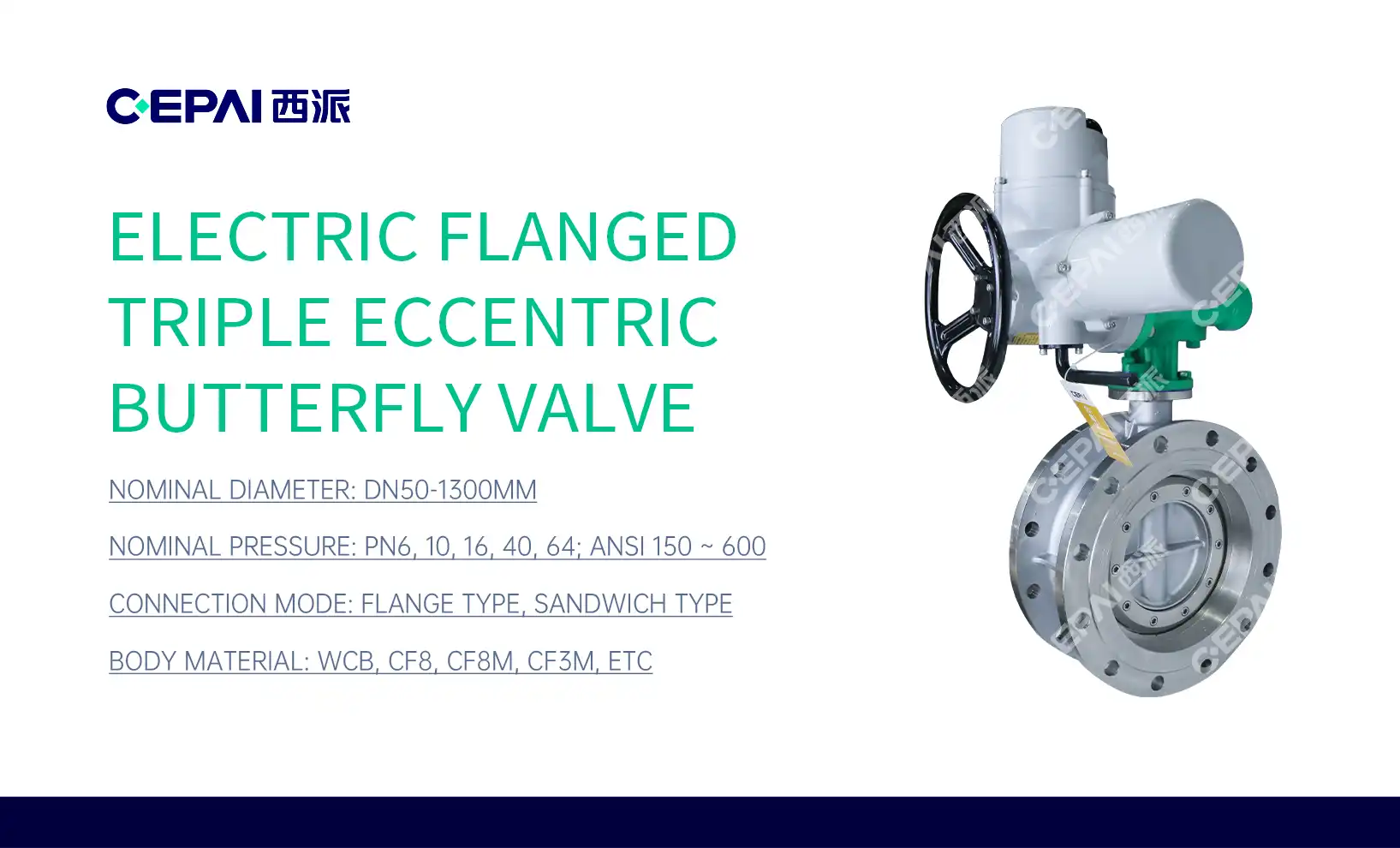
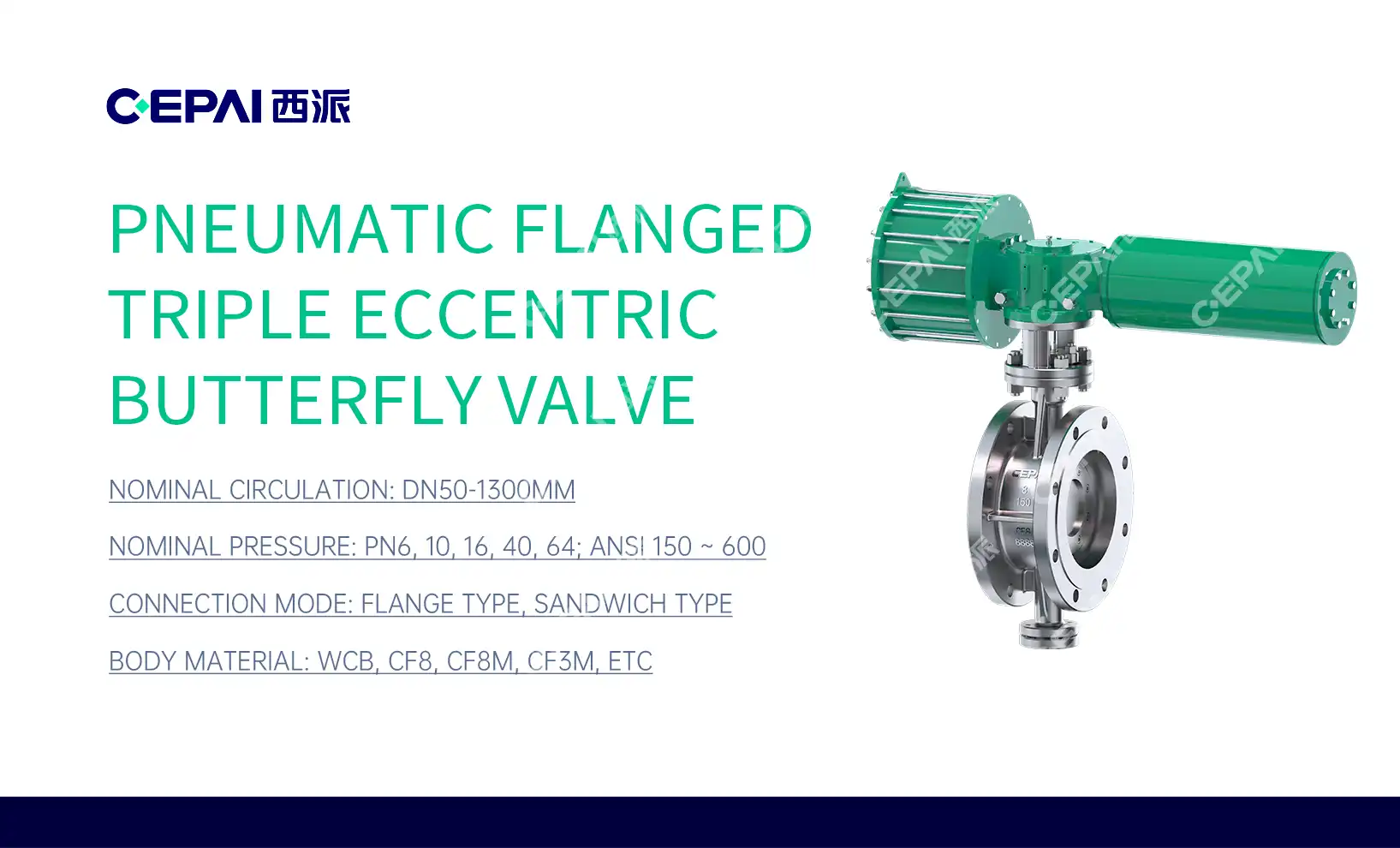
Actuation Compatibility: Isolation valves that are only used occasionally can be operated by hand, but automatic systems need electric or gas actuators that are big enough to overcome fluid pressure and give enough thrust for emergency shutdowns. Automation packages should work with the control systems that are already in place, so that remote tracking and preventative repair programs can work.
Certification and Compliance Requirements
In oil and gas activities, choosing valves is based on following the rules. API 6A approval makes sure that the design, production, and testing of wellhead valves meet high-pressure service standards in the business. In API 6D, the standards for pipeline valves are laid out. These include fire-safe construction, fugitive emissions limits, and pressure-temperature values. ISO 9001 certification shows that a company has quality management systems that make sure that production methods are always the same. ISO 14001 certification shows that a company cares about the environment, which is something that buying teams are increasingly looking for.
More than just basic licenses are needed as proof. Material tracking records show that the chemistry make-up and mechanical qualities meet the requirements. Pressure test papers show that each valve can withstand hydrostatic testing at pressures higher than their listed values. Non-destructive examination records show how well the weld was made and if there are any internal defects. For turnkey setups, EPC contractors and project experts need complete paperwork packages to make the process of qualifying equipment easier.
Installation, Maintenance, and Troubleshooting for Thermal Fluid Valves
Installation Best Practices
A valve's long-term performance depends on how well it was installed. The direction of the valve must match what the maker says—for example, some designs need to be mounted horizontally to make sure the disc or ball seats properly. Aligning the pipes stops stress loads that can bend valve bodies and cause seals to fail early. Instead of using valve connections as structural parts, support frameworks should be able to hold the weight of the system on their own.
When you clean the system before you activate the thermal fluid valve, you get rid of manufacturing waste, welding slag, and preservative chemicals that could damage the seating surfaces. Before the control valves, strainers keep the inside parts from getting clogged with particles that speed up wear. Putting thermal protection on valve bodies stops heat loss and keeps people from getting burned, but repair workers need to be able to get to the bonnets and actuators.
Maintenance Protocols That Extend Service Life
When repair is due depends on how often it needs to be done and how long it is being used. Visual checks done during planned shutdowns find problems like packing leaks, misaligned actuators, rust on the outside, and thermal fluid valve issues that need to be fixed. Packing changes fix stem sealing without taking out the valve, and full repacking operations fix seals that are too old to be tightened any further. When hand operators and actuator parts are oiled, they don't get stuck and the system runs smoothly when valves are activated.
Monitoring performance by measuring pressure drop and checking flow rate finds internal wear or partial blockage before it fails completely. Infrared thermography finds hot spots that mean there is internal leakage past closed seats. This lets repairs be done before they break during planned maintenance times. Vibration study of automatic valves shows that problems with the actuators or bearings get worse over time.
Troubleshooting methods help support teams quickly figure out what's wrong with common problems. Leakage through packing glands is usually fixed by adjusting the packing or replacing it with materials that work with it. When something is hard to use, it's likely that there is internal rust, seat damage, or misplaced actuators that need to be taken apart and inspected. Most of the time, incomplete closure is caused by foreign matter stuck in the seat area or actuator movement limits that need to be re-calibrated.
Comparing Market Solutions: Why Choose Industry-Leading Thermal Fluid Valve Brands
Evaluating Manufacturer Capabilities
There are many companies in the global valve market that offer thermal fluid valve solutions, but it takes some research to tell the difference between real quality and marketing claims. Well-known names like Swagelok offer a lot of help with application engineering and a lot of information about their products, which makes the design process easier. Parker's instrumentation valves meet the exact control needs of automated systems, and Emerson's Fisher brand has high-tech regulating valves with digital control interfaces that are perfect for modern factories.
Spirax Sarco is an expert in controlling thermal fluids and steam. They offer complete solutions that include valves and heat transfer tools. Apollo makes strong ball valves for pipelines and other industry uses where dependability is more important than original cost. Belimo's actuator technology works with valve designs that are best for HVAC heating systems, but they can also be used in process environments. Honeywell's valve products can be used with larger automation platforms that are good for sites that want to use unified control strategies.
CEPAI's Competitive Advantages in Critical Applications
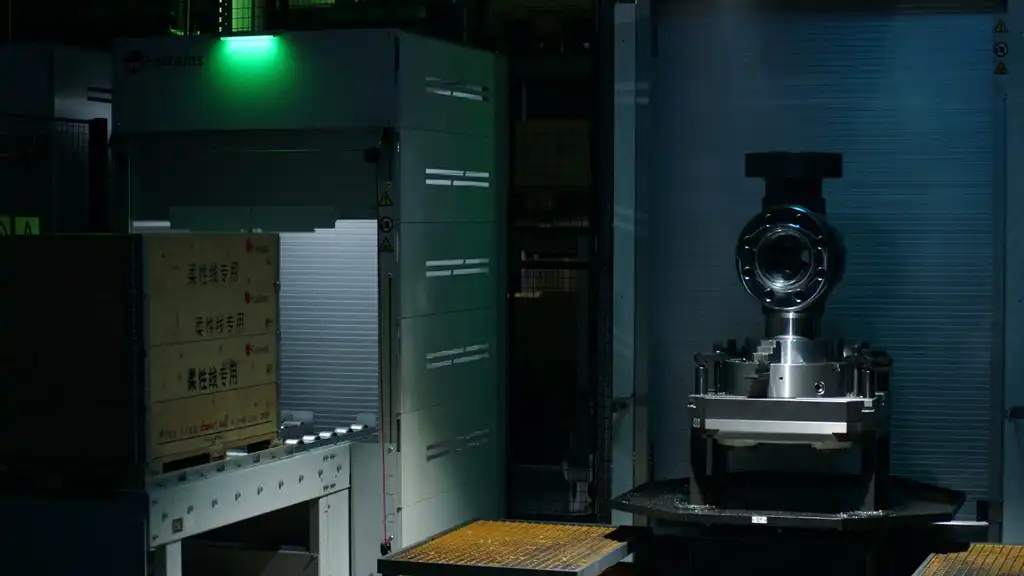
Companies that build, run pipelines, and work in refineries have come to know and trust CEPAI because it has done well in tough settings, including with the thermal fluid valve. Our wellhead valves that are API 6A approved can handle the high temperatures and pressures that are common in exploration drilling, where broken equipment can cause safety issues and delays in operations. While our choke valves and Christmas tree parts are being made, they go through quality checks that make sure they work the same way in every production batch.
Our API 6D certified valve range is great for pipeline uses because it is designed to shut off without leaks and have longer maintenance times that lower lifecycle costs. Corrosion-resistant materials and strong seal designs are used to deal with the tough service conditions in midstream operations, where valves have to work reliably even when they are exposed to toxic fuels and big changes in temperature. Our technology for adjusting valves gives precise control to operations that refine oils, and it's also compatible with automation, so it can be added to systems that manage complex chemical processes.
CEPAI is different from catalog-only providers because it can make things to order. Our engineering team works with EPC contractors and OEM installers to create valve solutions that meet the needs of each project. Design freedom lets you meet specific requirements for pressure levels, connection types, and materials that off-the-shelf goods can't. When production capacity stays stable, shipping plans stay on track with project milestones. This keeps building timelines from getting pushed back.
Energy service companies like how quickly we can respond. Field repairs are made easier by designs that use interchangeable parts, and machine downtime is kept to a minimum by having a lot of extra parts available. Technical support teams help with fixing and application advice so that people in the field can quickly fix problems without having to involve the workplace too much. This all-inclusive support model takes into account the fast-paced work schedules of oilfield service businesses.
Conclusion
When choosing a thermal fluid valve, it's important to pay close attention to the operational factors, material specs, and supplier skills, all of which affect how safe and reliable the system is. Knowing the different types of valves, their pressure-temperature rates, and how often they need to be maintained helps decision-makers choose parts that work best and keep costs low over time. When you work with certified makers who show their quality through thorough testing and detailed documentation, you can be sure that the valves you put will work in tough circumstances. As long as thermal fluid systems are used to support important industrial processes, buying properly designed valve solutions is the best way to protect assets, improve working efficiency, and make sure that all applications follow the rules.
FAQ
1. What makes thermal fluid valves different from standard industrial valves?
It is designed so that thermal fluid valves can handle the high temperatures and special chemical qualities of heat transfer fluids. They have high-temperature seal materials, features that compensate for thermal expansion, and corrosion-resistant metals that regular valves don't have. This makes sure that they work reliably in thermal systems where regular parts would fail.
2. How often should thermal fluid valves undergo maintenance inspections?
When to do maintenance depends on how often it needs to be done, but for most uses, once a year is a good starting point. High-cycle automatic valves or valves that are in heavy use may need to be serviced every six months, while manual separation valves that aren't used very often can go up to every two years. Vibration analysis and thermography are used in condition tracking tools that allow predictive maintenance that chooses the best time for inspections.
3. Should we choose manual or automated valve operation for thermal fluid systems?
Manual valves work well in isolation situations where they don't need to be operated very often and the user can easily get to them. Automated valves are needed when process control needs to be adjusted often, when people can't get to remote areas, or when safety systems need quick action in case of an accident. The choice weighs the initial costs of automation against the practical benefits, such as fewer workers and more stable processes.
Partner with CEPAI: Your Trusted Thermal Fluid Valve Manufacturer
To get the most out of your thermal fluid system, you should start by choosing thermal fluid valve options from companies that know how tough oil and gas operations can be. CEPAI has been an engineering company for decades and has a lot of API certifications and ISO quality control systems. These help them make reliable valve products for digging for oil and gas, running pipelines, and refining. We sell wellhead systems, choke valves, regulating valves, and special control devices that are made to work in harsh temperatures and pressures.
Drilling engineers, procurement managers, and plant workers benefit from our collaborative approach to valve specification and customization. During the decision process, we give you full expert help to make sure that the solutions you choose meet practical needs and legal standards. Contact our team at cepai@cepai.com to talk about your thermal fluid valve needs, ask for samples, or get reasonable quotes from a thermal fluid valve source that has been serving global energy markets for a long time.

References
1. American Petroleum Institute. "API Standard 6A: Wellhead and Christmas Tree Equipment." Twenty-First Edition, 2018.
2. Smith, J.R. "High-Temperature Valve Technology for Thermal Fluid Systems." Journal of Process Engineering, Vol. 45, No. 3, 2021, pp. 178-195.
3. International Organization for Standardization. "ISO 15761: Steel Gate, Globe and Check Valves for Sizes DN 100 and Smaller." Second Edition, 2020.
4. Thompson, K.L. and Martinez, A.C. "Material Selection Criteria for High-Temperature Industrial Valves." Materials Science in Energy Applications, Vol. 12, 2022, pp. 234-251.
5. Engineering Equipment and Materials Users Association. "EEMUA Publication 182: Specification for Integral Block and Bleed Valve Manifolds." Fourth Edition, 2019.
6. Patterson, D.M. "Thermal Fluid System Design and Component Selection for Oil and Gas Applications." Petroleum Engineering Handbook, Society of Petroleum Engineers, 2020, pp. 567-603.

Get professional pre-sales technical consultation and valve selection services, customized solution services.
About CEPAI