Choosing the right valve sizes and connection types for industrial pipes needs a lot of thought about technical and practical issues. Choosing the right industrial valve guarantees the best pressure management, system stability, flow control, and cost efficiency, all while needing very little upkeep. In this decision process, pipeline diameter, flow rate, pressure ratings, temperature conditions, and fluid properties are the most important factors. Also, how well it connects, how it's installed, and how easy it is to maintain over time are very important in choosing the right valve design for different pipeline uses in a range of industries.

Understanding the Basics of Industrial Valve Sizing
The accurate and precise pressure control, flow regulation, and general life of a pipeline system depends on the correct sizing of industrial valves. The sizing process looks at a number of different, linked factors that affect the ideal valve size for certain practical needs.
Key Factors Influencing Valve Size Selection
Pipeline width shows the beginning of valve size calculations because it sets the basic dimensional framework for valve integration. The flow rate standards set the valve's internal passage measurements so that there is enough flow capacity without too much pressure drop. The pressure and temperature during operation affect both the choice of materials and the needs for structure design. Also, the fluid's viscosity, density, and corrosive qualities impact the inside parts and sealing mechanisms of the valve.
The valve's job in the system has a big effect on the decisions made about size. To control flow very precisely, control valves need to be exactly the right size, while isolation valves usually need full-bore designs to keep flow limits low. Throttling uses need certain flow coefficient estimates to make sure that the right amount of pressure is lowered without too much noise or cavitation.
Common Sizing Mistakes and Their Consequences
Making valves too big causes a lot of problems, like bad control reaction, higher energy costs, and early wear because of low-flow speeds that let particles settle. Valves that are too small create too much pressure loss and lower the efficiency of the system. When these valves are used in liquids, they can even cause cavitation harm. These mistakes in sizing lead to higher upkeep costs, shorter machine lifespans, and worse system performance. All of these factors lead to a loss in total business profitability.
How to Determine the Correct Valve Size: Step-by-Step Approach
A structured approach that takes into account all important system details while following well-known industry rules and suggestions is needed to get the right valve size.
System Analysis and Parameter Calculation
As part of the sizing process, an in-depth study of the system is needed first. This includes figuring out the flow rate based on the process needs and the pipeline's capacity. Velocity factors keep the flow just right and avoid runoff or sedimentation problems. Static and dynamic conditions are both part of pressure analysis. It looks at how pressure changes upstream and downstream during normal and emergency situations.
Because heating up or cooling down materials for industrial valve can affect how well a valve works and how well it seals, you need to carefully study how temperature affects materials. Density, viscosity, and compressibility are fluid characteristics that have a direct impact on pressure drop forecasts and flow coefficient estimates.
Flow Coefficient Integration and Standards Compliance
Flow coefficients, written as Cv in US units or Kv in metric units, measure how much fluid can flow through a valve under certain pressure conditions. These factors make it possible to exactly match what each valve can do with what the system needs. This makes sure that the system works well under all situations. Industry standards from API, ANSI, and ISO offer common ways to do math and safety factors that make size more accurate and trustworthy.
To get the best valve selection, professional sizing software tools use tricky estimates of fluid dynamics, material qualities, and safety gaps. These tools take non-standard working conditions into account and give thorough performance predictions that help people make smart choices during the selection process.
Selecting the Right Valve Connection Types for Industrial Pipelines
Choosing a connection type has a big impact on how well a valve works, how quickly it can be installed, and how often it needs to be maintained. Each way to join has its own pros and cons that need to be in line with the needs and limitations of the system.
Understanding Connection Type Characteristics
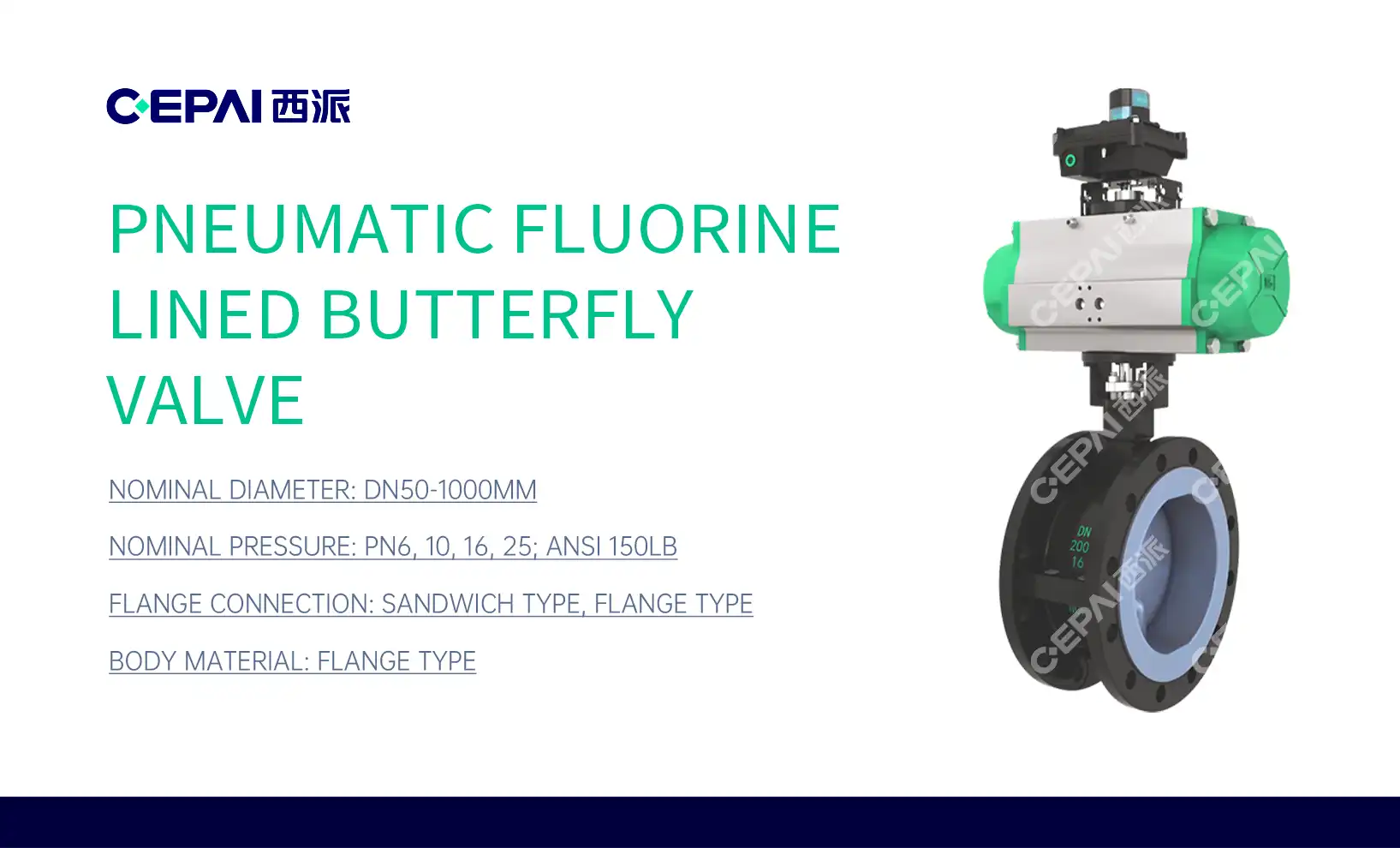
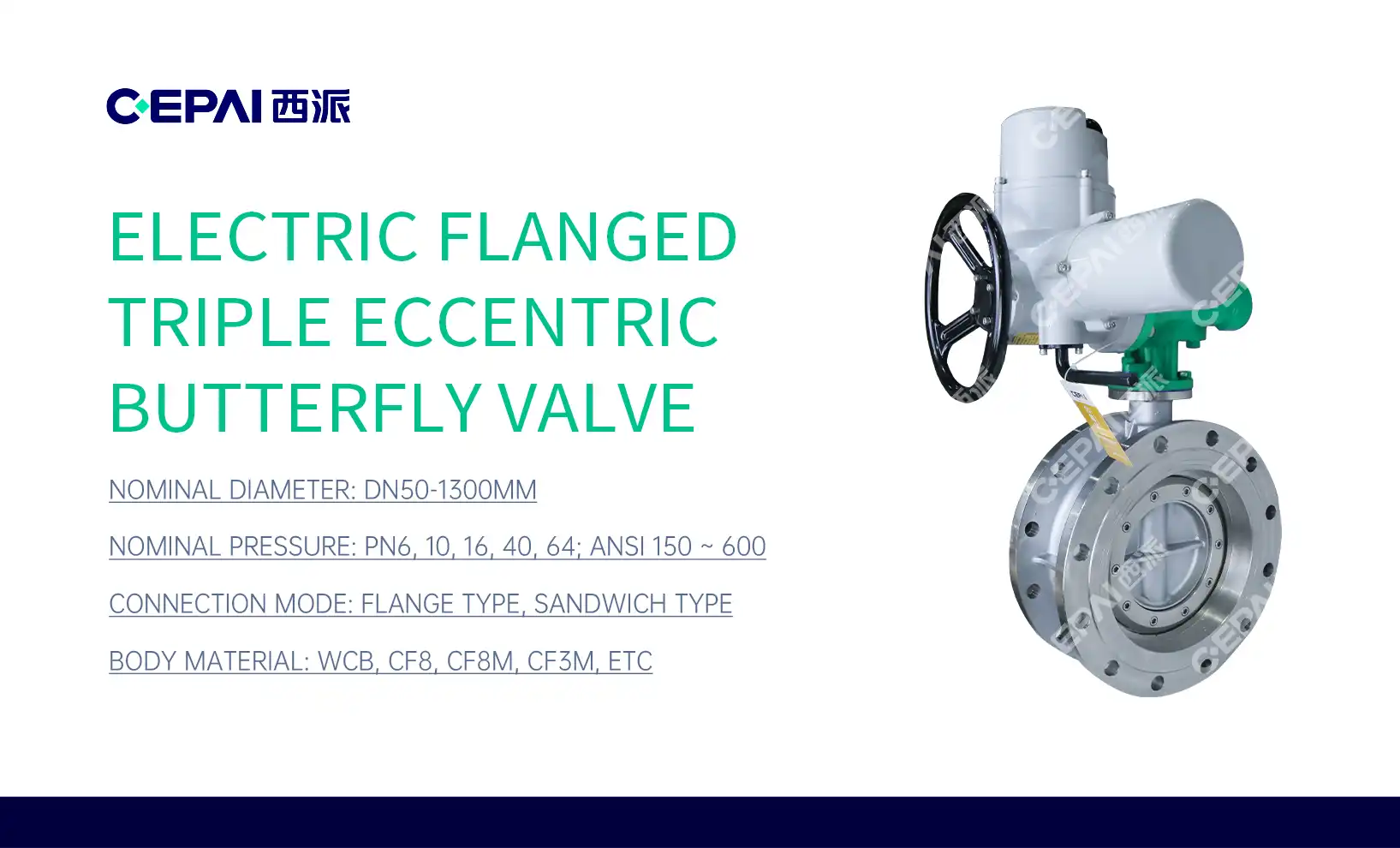
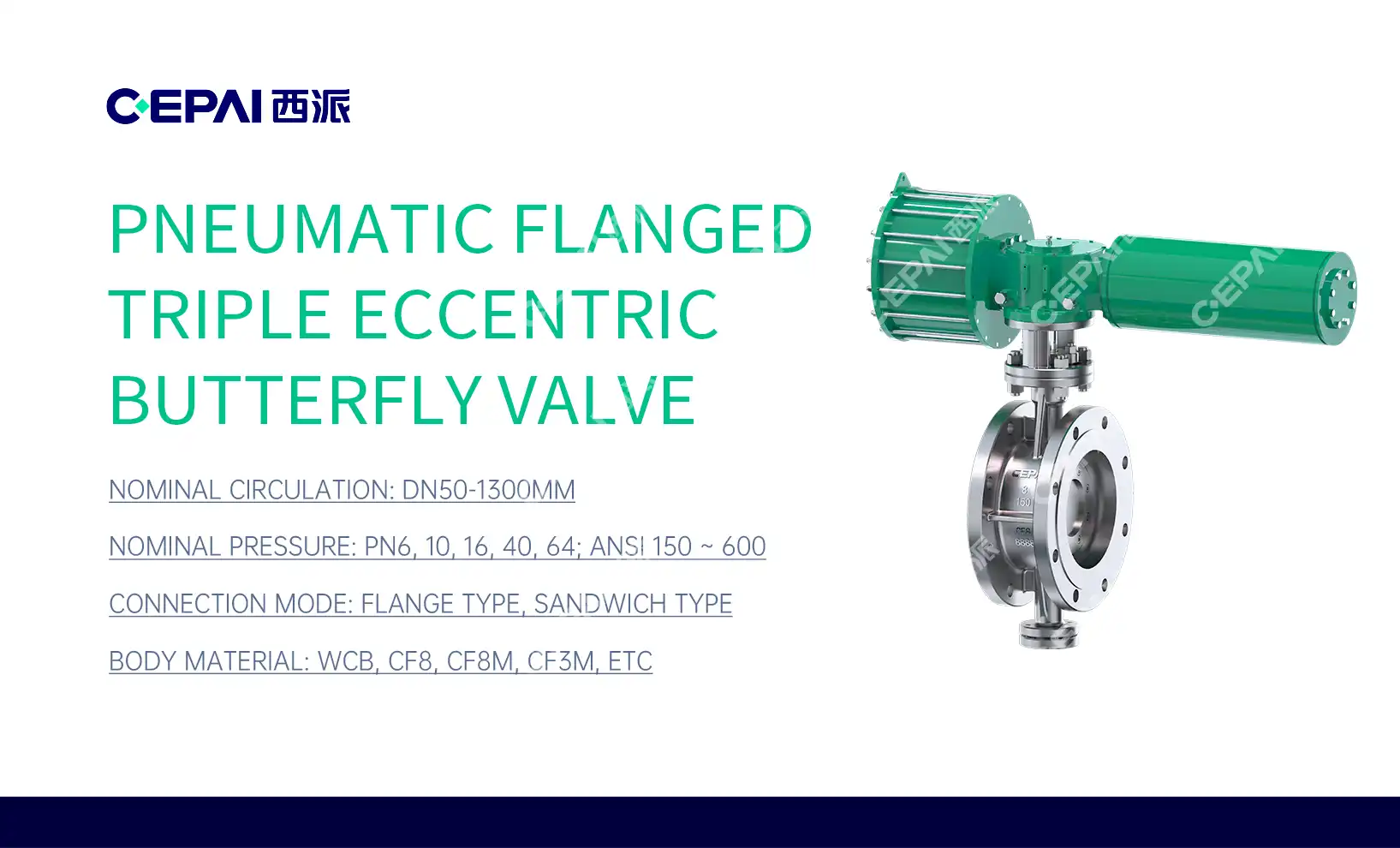
Flanged connections are great for uses that need to be serviced often because they make upkeep and inspection easy. These links can handle heat growth and contraction while still making sure there is a good seal at all temperature levels. Flanged connections, on the other hand, need more room and are more expensive up front than other ways to make connections.
For uses with lower pressure and smaller valve sizes, threaded connections are cost-effective and space-saving. Butt-weld and socket-weld are two types of welded links that are permanently installed and keep leaks from happening in services with high pressure and high temperature. Clamp connections can be quickly installed and removed, so they are good for situations where valves need to be replaced or fixed often.
Material Compatibility and Corrosion Considerations
It is important to look at both mechanical stress needs and chemical interaction with process fluids for industrial valve when choosing connection materials. When harsh chemicals, high temperatures, or the ocean are involved, resistance to corrosion is very important. When different metals are used together, galvanic rusting can happen. To stop this from happening, which can cause materials to break down faster and fail too soon, you need to be careful about what materials you use.
Following ASTM and ASME standards makes sure that materials are of good quality and that they work well for safety reasons in industry settings. These standards set up testing methods, mechanical qualities, and chemical makeup needs that make sure the performance is always the same, no matter who makes it or how it's made.
Practical Case Studies: Valve Sizing and Connection Selection in Industrial Applications
Real-world examples show how the concepts of valve size and connection selection are used in a variety of industries. This shows how important it is to make sure that solutions are designed with specific operating needs in mind.
High-Pressure Steam Pipeline Applications
Power generation facilities' steam pipeline systems need to have precisely sized valves so they can safely handle changing flow conditions and keep the system running efficiently. A new petrochemical plant used 600-class gate valves with flanged connections on main steam lines that work at 1500 PSI and 750°F. The estimates for sizing used thermal expansion and steam compressibility factors. This led to the best choice of valves, which lowered pressure drops by 15% compared to earlier installs.
Flanged connections turned out to be very important for this job because they let people do regular repair and handle thermal stress by controlling bolt tension. The application showed that choosing the right size and type of connection can make operations more efficient and upkeep easier in very hot settings.
Chemical Processing and Corrosive Fluid Applications
It is necessary to use special materials and link designs for valves in chemical plants that work with fluids that damage metals in order to maximize their service life and reduce downtime. A sulfuric acid production plant chose Hastelloy ball valves with soldered connections for important process lines. By carefully choosing materials and correctly calculating sizes, they got more than ten years of maintenance-free operation.
The welding connection method got rid of any possible ways for fluids to leak out and made sure that the work would last in the very corrosive setting. Exact measurements kept damage from happening because of speed and flow control in all parts of the process.

Key Takeaways and Best Practices for Valve Size and Connection Selection
Choosing the right valve means doing both a scientific and a practical study of the valve lifecycle so that it works well, is reliable, and is not too expensive.
Technical Analysis and Collaboration Strategies
Careful matching of valve capabilities and system needs avoids both too-big and too-small problems that hurt performance and raise costs. To get long-term dependability and accessibility, the connection type choice should focus on the conditions of the process, the needs of the upkeep, and the installation issues.
Working together, engineers, procurement experts, and support staff make sure that all factors affecting valve performance and lifetime costs are fully considered. This diverse method finds possible problems early on in the selection process and helps people make smart choices that are good for the long-term growth of the business.
Quality Assurance and Supplier Collaboration
Procurement strategies emphasizing detailed technical consultation with qualified suppliers enhance selection accuracy while ensuring compliance with relevant industry standards and certification requirements. Quality certifications, comprehensive testing documentation, and extended warranty provisions provide additional assurance of valve performance and reliability.
Building long-term relationships with well-known industrial valve providers gives you access to technical knowledge, tailored solutions, and quick support services that help make more projects successful and boost trust in operations.
CEPAI: Your Trusted Industrial Valve Partner
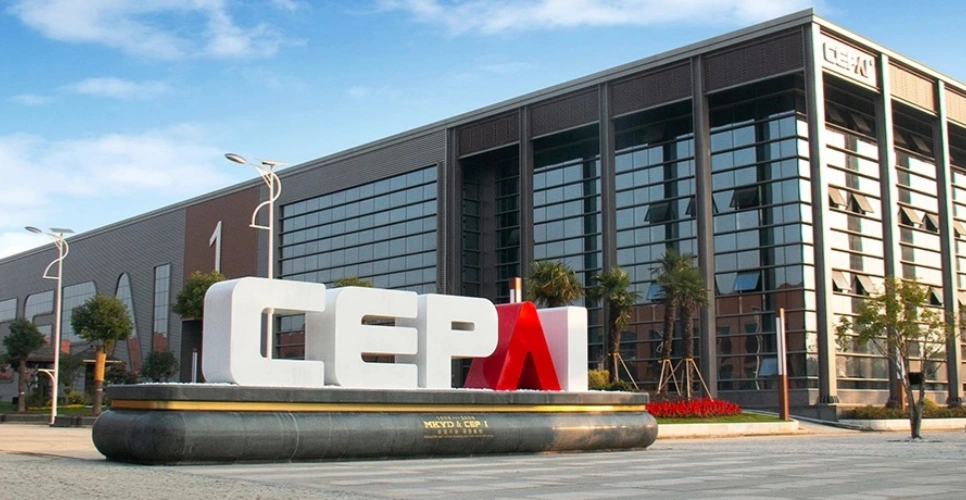
CEPAI is a top high-tech company for industrial valve that focuses on research, development, and making a wide range of valve solutions for oil and gas drilling, production, and pipeline uses. Our many products include wellhead devices, pipeline valves, wellhead valves, regulating valves, and precise instruments that are made to meet the toughest needs in industry.
Our promise to do great work has won us praise from big oilfield service companies and engineering firms around the world. This is backed up by a wide range of certificates, such as APIQ1, API6A, API6D, API16C, API602, ISO9001, ISO14001, ISO45001, ISO3834, ISO17025, CE, and PR2. These certificates show that we are always committed to quality, safety, and performance in all of our products.
CEPAI's creative line of products includes the world's best sleeve-type controlling valves, throttle valves, high-pressure double disc check valves, emergency cut-off valves, and rotating valves. Our engineering team offers in-depth technical support, tailored size, and application-specific advice to make sure the right valve is always chosen for every job.
Conclusion
Choosing the right valve sizes and connection types involves a lot of work. The practical factors must be carefully studied, industry standards must be followed, and the engineering and procurement teams must work together. Proper sizing avoids losing effectiveness and preventing early wear. Also, using the right connection types makes sure that installation and upkeep are easy to do. The use of technical knowledge, quality certifications, and cooperation with suppliers makes it easier to choose the right valve. This helps with practical performance and long-term dependability. CEPAI's wide range of products and technical knowledge help people make smart choices in a lot of different industrial settings. This helps people find the best valves that meet the toughest requirements while still being cost-effective and reliable.
FAQs
How do I determine if my valve size matches my pipeline requirements?
Correct valve sizing requires comprehensive analysis of flow rate, pressure conditions, and fluid properties using flow coefficient calculations and industry-standard sizing software. Professional engineering validation ensures optimal performance and prevents common sizing errors that compromise system efficiency.
What advantages do flanged connections offer compared to welded or threaded alternatives?
Flanged connections provide superior maintenance accessibility and thermal expansion accommodation, making them ideal for critical applications requiring routine service. While requiring more space and higher initial investment, flanged connections offer long-term operational flexibility that reduces maintenance costs and downtime.
How does connection type selection affect valve lifespan in industrial environments?
Connection type directly influences leak integrity, maintenance accessibility, and material compatibility, all critical factors affecting valve durability. Proper connection selection considering process conditions, installation requirements, and maintenance needs significantly extends valve service life and reduces total ownership costs.
Partner with CEPAI for Superior Industrial Valve Solutions
Transform your pipeline operations with CEPAI's precision-engineered valve solutions and expert technical consultation. Our certified industrial valve manufacturer combines decades of experience with cutting-edge technology to deliver customized sizing and connection solutions that optimize performance and reliability. Contact us at cepai@cepai.com to discuss your specific requirements and discover how our comprehensive product portfolio can enhance your operational efficiency.

References
Smith, J.A., & Johnson, R.B. (2023). "Industrial Valve Sizing Principles for Pipeline Applications." Journal of Process Engineering, Vol. 45, Issue 3, pp. 234-251.
Anderson, M.K., Thompson, L.D., & Williams, C.E. (2022). "Connection Type Selection and Performance Analysis in High-Pressure Pipeline Systems." International Conference on Pipeline Technology Proceedings, pp. 156-172.
Brown, P.R., Davis, S.H., & Miller, K.J. (2023). "Flow Coefficient Applications in Industrial Valve Selection." Chemical Engineering Progress, Vol. 119, No. 4, pp. 78-85.
Wilson, T.F., & Garcia, A.L. (2022). "Material Compatibility and Corrosion Considerations in Valve Connection Design." Materials and Corrosion Engineering Quarterly, Vol. 28, No. 2, pp. 145-162.
Taylor, D.M., White, R.S., & Clark, N.P. (2023). "API Standards Implementation in Industrial Valve Sizing and Selection." Petroleum Engineering International, Vol. 67, Issue 8, pp. 92-108.
Lee, H.K., & Robinson, J.C. (2022). "Case Studies in Valve Performance Optimization for Chemical Processing Applications." Industrial Engineering and Chemistry Research, Vol. 61, No. 15, pp. 5234-5249.
_1746598525968.webp)