In many business processes, flow control is very important for making sure that they are efficient, safe, and done correctly. Choosing the right valve type is very important for getting the flow accuracy and process stability you want. This piece talks about two common types of valves, ball valves and control valves. It discusses how they are different, their pros and cons, and how they each handle flow regulation.

This guide helps buying specialists and process engineers make good choices based on flow control needs by looking at how things work and how well they can be used. It is very important to understand these differences when managing pipeline flow, refining processing, and high-pressure drilling. This is because safety and efficiency depend on accuracy.
Understanding Flow Control Accuracy in Valves
Flow control accuracy is the ability of a valve to precisely follow control signals when regulating fluid flow. This is very important for keeping process parameters within strict limits. This level of accuracy is very important in oil and gas operations, where even small changes in flow can affect safety margins, production rates, and how long the equipment lasts.
Key Factors Influencing Valve Accuracy
There are several technical factors that decide how well a valve can control flow rates. One of the most important things that defines how flow changes based on valve position are flow traits. Equal percentage flow characteristics allow for better control at low flow rates, which is very important for wellhead operations and pipeline regulation. On the other hand, linear flow characteristics provide proportional flow changes.
Accuracy is also greatly affected by how quickly and consistently the valve reacts during tuning. Today’s electric and pneumatic actuators must quickly react to control signals and keep their place even when pressure changes. This ability to respond quickly is especially important for drills when quick changes to the flow are needed for safety or to keep the process running smoothly.
Operational Parameters Affecting Performance
The way a valve works is greatly affected by the fluid's temperature, pressure, viscosity, and other properties. High-pressure drilling fluids act in a different way than low-pressure gas flows. This means that each application needs valves with specific designs that work best for them. Knowing these factors gives you the basic information you need to compare ball valves and control valves in complicated process control settings.
Comparing Ball Valves and Control Valves: Core Differences
The basic ideas behind ball valves and control valves make them behave in different ways, which has a direct effect on how well they control movement. These differences in structure mean that there are real pros and cons that buying teams need to think about carefully.
Ball Valve Operation and Limitations
Ball valves for control valve work by turning a spherical part that either lets the flow go through or stops it totally. This quarter-turn mechanism can be easily turned off and doesn't drop the air much when fully open. But this style also makes it harder to change the flow. The shape of the ball creates nonlinear flow features that make it hard to get and keep precise intermediate positioning.
During partial opening, ball valves show poor flow control features because the flow speed increases quickly as the ball rotates past the initial opening point. This means they can't be used for tasks that need small changes in flow, like wellhead pressure regulation or exact flow control in pipelines.
Control Valve Design and Precision
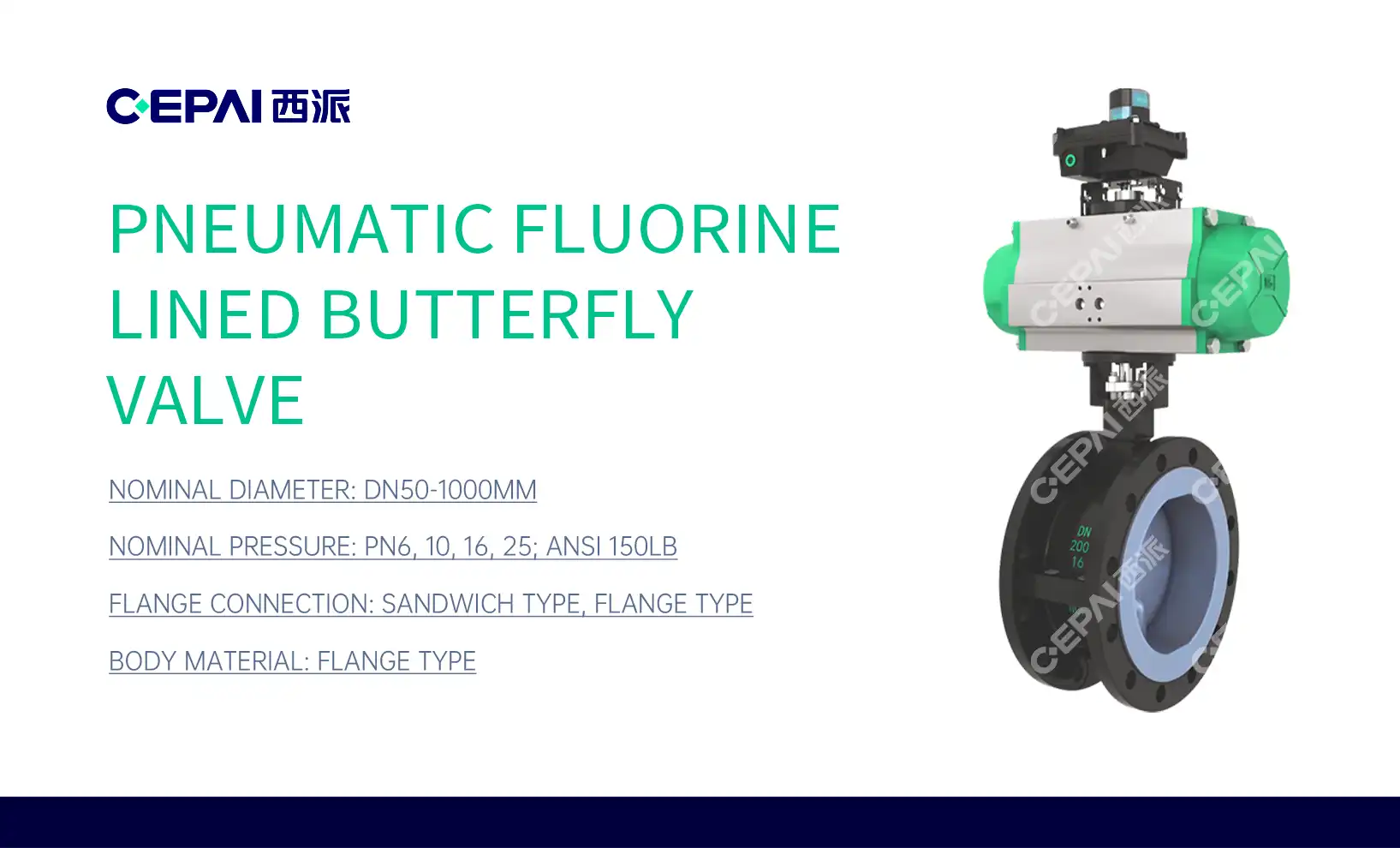
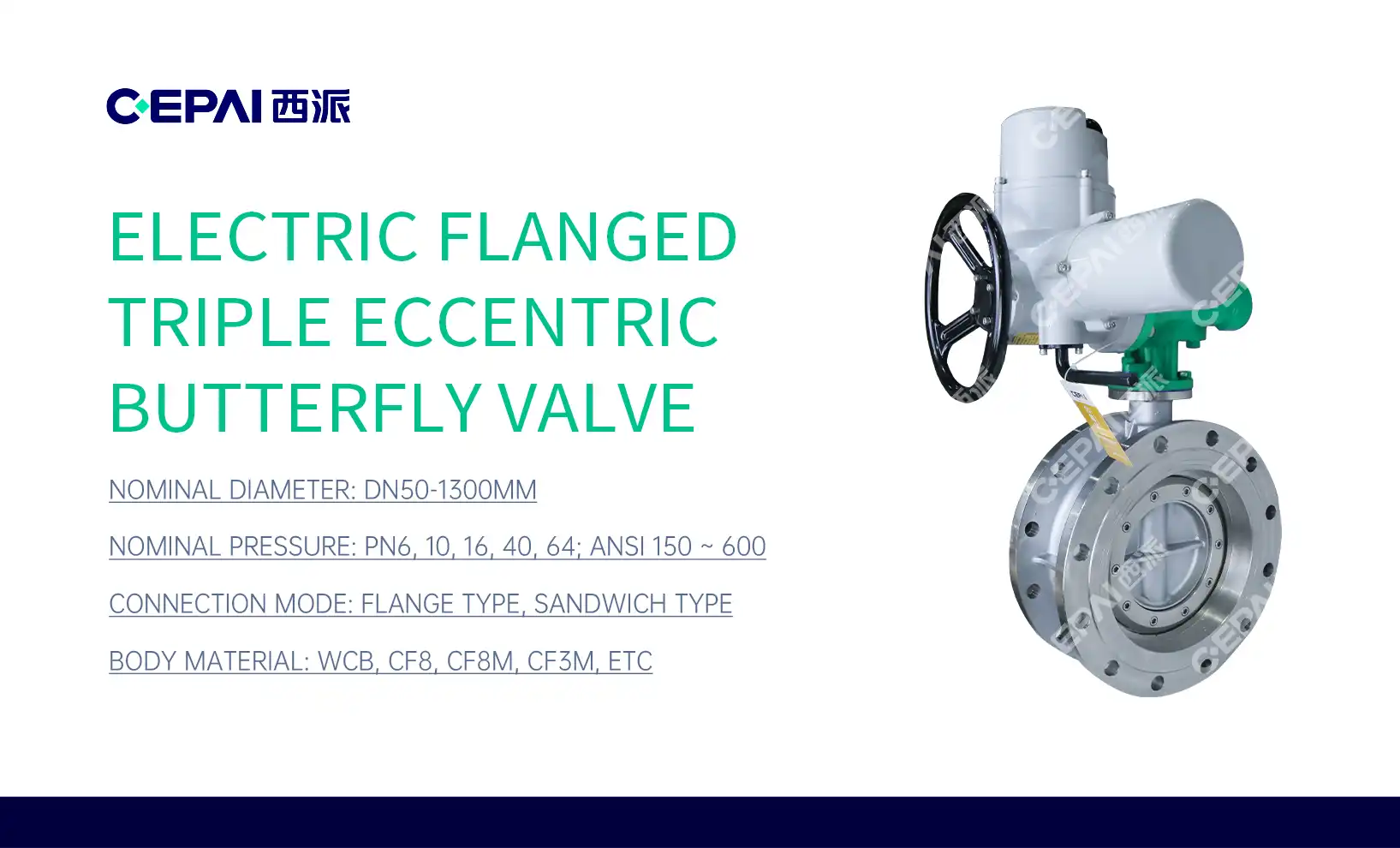
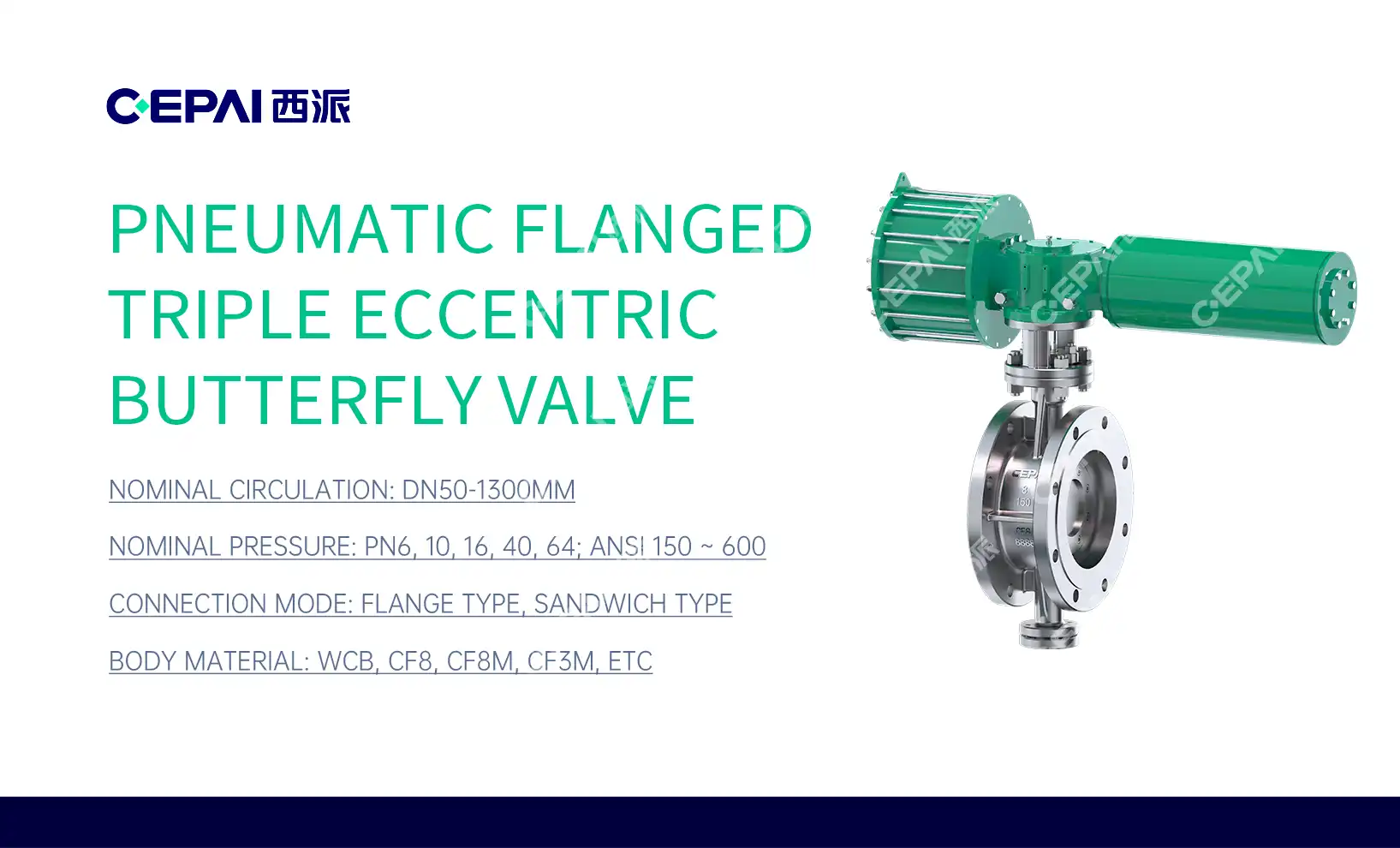
Control valves, like globe and butterfly types, are designed to change the flow rate very exactly using changeable plugs and seats. The plug design makes it possible to create flow characteristic shapes that can be tailored to suit different needs. Engineers can match valve reaction to process needs by using linear, equal percentage, or quick-opening features.
Control valves' ability to work with actuators is another big benefit of using them. Modern positioners can keep valves in place with 0.25% accuracy, which lets you control the flow rate even when conditions change. This level of precision is necessary in industrial uses where changes in flow can affect the quality of the product and the efficiency of the process.
Key Considerations When Choosing Between Ball Valve and Control Valve
Valve selection requires careful evaluation of multiple technical and operational factors that extend beyond simple flow control accuracy. These considerations directly impact long-term operational success and cost-effectiveness.
Application Requirements and Media Compatibility
The type of fluid in the process has a big impact on which valve to use. A lot of the time, high-pressure drilling uses harsh fluids that can wear down the insides of valves. This makes the choice of materials and the strength of the design very important. Control valves have better trim materials to offer and can be set up with harder surfaces to resist erosion while keeping their accuracy over a long service life.
It's also very important to know the temperature and pressure ratings when choosing a valve. When conditions get tough, API-certified control valves made for oil and gas uses often work better than regular ball valves. This gets to be very important in wellhead situations where pressure and temperature changes are frequent.
Control System Integration
Today's control systems need valves that can work with PLC and DCS systems. Control valves usually work better with other devices because of smart positioners that give position input, troubleshooting info, and the ability to set things up from afar. This connection makes predictive repair plans possible and boosts the general reliability of the system.
It's also important to know if the actuators will work with the management system that is already in place. Electric and pneumatic actuators both have their own pros and cons. For example, pneumatic systems respond more quickly, while electric actuators use less air and are more accurate when it comes to positioning.
Practical Use Cases and Industry Examples
Real-world examples show how the different needs of the oil and gas industries affect the way valves are chosen.
Drilling and Wellhead Operations
In digging operations, choke valves, which are a special kind of control valve, are very important for controlling well pressure by regulating flow. These valves must handle drilling fluids with high pressure while keeping flow control exactly right to avoid blowouts and get the best drilling results. In Christmas tree systems, ball valves are important for isolating different parts, but they can't provide the level of accuracy needed for active well control.
Wellhead pressure regulation needs control valves that can handle pressure drops of more than 10,000 PSI while keeping the flow rate correct within 2–3%. This level of accuracy guarantees the best production speeds and shields equipment further down the line from sudden increases in pressure.
Pipeline and Midstream Operations
Control valves are very important for pressure regulation stations and flow measurement uses that pipeline workers depend on. These systems need valves that can constantly adjust the flow and provide a leak-proof shutoff when needed. Modern control valves are necessary for pipeline operations because they can be used for remote tracking and control with SCADA systems.
It's common to use ball valves in pipeline isolation situations where the ability to quickly turn off the valve is more important than the ability to accurately change the flow rate. But using both kinds of valves in piping systems shows how each one meets different needs.
Refinery and Processing Applications
It is important for the control valve in chemical processing settings to be able to handle harsh materials and still be able to accurately control the flow. Specialized control valve trim materials and coatings survive rust better than standard ball valve designs. Control valves are the most popular choice for very important process control uses because they can be tailored to alter flow for specific needs.
CEPAI: Your Trusted Partner for Advanced Valve Solutions
CEPAI is a notable high-tech company that focuses on making, researching, and developing wellhead devices, pipeline and wellhead controlling valves, and instruments for oil and gas digging and production. Oilfield service companies and engineering firms around the world have praised us for our dedication to always finding new ways to do things and making sure everything is perfect.

Comprehensive Certification and Quality Standards
A wide range of certificates, such as API Q1, API 6A, API 6D, API 16C, API 602, ISO 9001, ISO 14001, ISO 45001, ISO 3834, ISO 17025, CE, and PR2, ensure that our goods and production methods meet the highest standards in the industry. These certificates make sure that our control valve solutions meet the high standards of oil and gas operations while working well in very difficult circumstances.
The sleeve-type regulating valves, throttle valves, high-pressure double-disc check valves, emergency cut-off valves, and rotating valves made by this company have become well-known options around the world. We can meet a wide range of needs across the oil and gas business with this broad range of products.
Advanced Engineering and Customization Capabilities
Our tech team works directly with customers to make unique valve solutions that fix certain problems with how they work. Whether you need special materials for acidic settings, one-of-a-kind flow patterns for certain uses, or compatibility with current control systems, CEPAI will help you pick the best valve and make sure it works well.
Our manufacturing skills make us a dependable partner for both individual projects and long-term supply deals. This is because they guarantee steady production and consistent quality. This dependability becomes very important for EPC companies and OEMs who need valve supply lines they can count on for their work.
Conclusion
In situations where flow control must be very accurate and performance must be steady, control valves are better than ball valves. Ball valves are great for uses that need to be completely separated because they have great shut-off capabilities and don't drop the pressure much. On the other hand, control valves are better for modern oil and gas operations because they offer accuracy, speed, and integration capabilities. There are different types of valves, and the best one to use relies on the specifics of the job. However, for precise flow control, control valves are the best choice. CEPAI's wide range of valve products and technical knowledge make sure that customers get the best valve options for their business needs.
FAQs
What makes control valves more accurate than ball valves for flow regulation?
Control valves achieve superior accuracy through their plug-and-seat design, which provides predictable flow characteristics and precise positioning capabilities. Modern control valves can maintain position accuracy within 0.25%, while ball valves exhibit non-linear flow characteristics that make intermediate positioning difficult and less accurate.
When should I choose a ball valve over a control valve?
Ball valves are preferred for isolation applications requiring quick shut-off, minimal pressure drop, and simple on/off operation. They excel in emergency shutdown systems, pipeline isolation, and applications where flow modulation is not required. Their robust construction also makes them suitable for high-pressure applications with minimal maintenance requirements.
How do actuator types affect valve performance in flow control applications?
Pneumatic actuators provide faster response times and higher force output, making them ideal for emergency shutdown applications. Electric actuators offer superior position accuracy and better integration with digital control systems, making them preferred for precise flow control applications. The choice depends on speed requirements, accuracy needs, and available utilities.
Partner with CEPAI for Superior Valve Solutions
Ready to optimize your flow control systems with industry-leading valve technology? CEPAI's expert engineering team stands ready to help you select the ideal control valve solutions for your specific applications. As a trusted control valve manufacturer with comprehensive API certifications and proven international experience, we provide customized solutions that enhance operational efficiency and reliability. Contact our technical specialists today at cepai@cepai.com to discuss your flow control requirements and discover how our advanced valve technologies can improve your operations.

References
American Petroleum Institute. "API 6A Specification for Wellhead and Christmas Tree Equipment." Latest Edition.
Fisher, W.R. "Control Valve Handbook: Fourth Edition." Emerson Process Management, 2019.
Nesbitt, Brian. "Handbook of Valves and Actuators: Valves Manual International." Elsevier Science & Technology, 2007.
Society of Petroleum Engineers. "Wellhead Systems and Blowout Preventers: Design, Maintenance, and Operations." SPE Technical Publication, 2020.
International Society of Automation. "Control Valves: Practical Guides for Measurement and Control." ISA Standards and Practices, 2018.
McCoy, James N. "Valve Selection and Specification Guide." McGraw-Hill Professional, 2021.
_1746598525968.webp)