Stainless steel ball valves are important parts of modern industrial fluid control systems. They can be used in a wide range of situations where it's necessary to make sure that the flow is completely stopped. Their quarter-turn operation system allows for quick closing under a range of pressure situations. It is becoming more important to understand how these valves work in ocean and other salty settings because the marine and offshore businesses need more corrosion-resistant options.
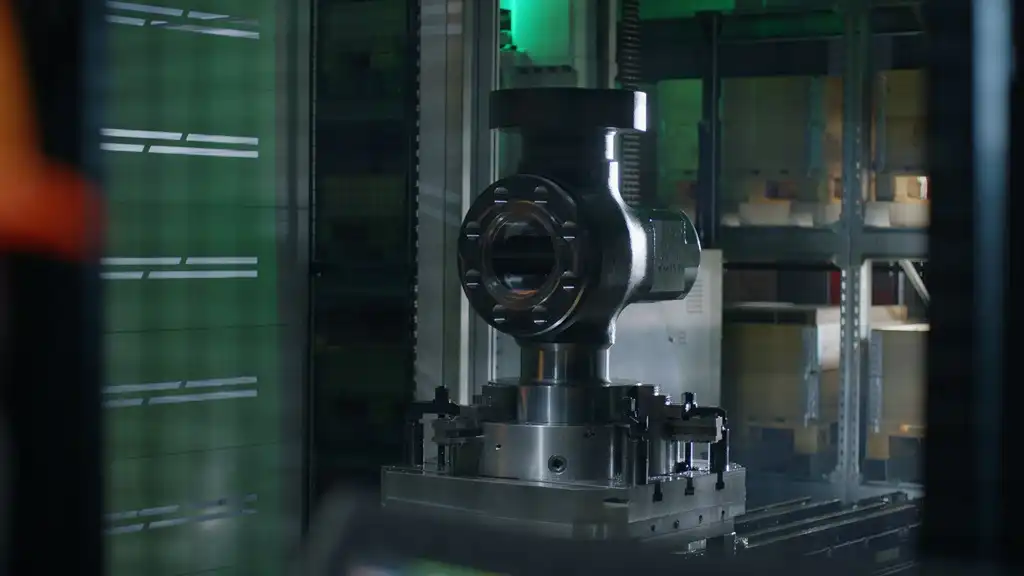
Using seawater can be difficult because of its high salt levels, which can break down materials faster. The aggressive nature of saline media makes it necessary to carefully think about metals, design features, and upkeep practices to make sure the best performance of the valve. It is especially important for buying teams to understand these things when they choose valves for offshore drilling platforms, water plants, and marine processing systems.
This all-in-one guide looks at the technical details, material needs, and real-world uses of stainless steel ball valves in salty settings. We will talk about how choosing the right valve can make a system more reliable and lower its lifetime costs for doing business.
Understanding Stainless Steel Ball Valves in Saline Environments
Valve Design and Construction Fundamentals
There is a hollow, rounded ball inside stainless steel ball valves. This ball spins inside the body of the valve to control how the fluid flows. The port in the ball lines up with the pipeline when it's open and shuts against the valve seats when it's closed. This design is simple but works well. It lets fluid run easily through the valve without dropping much pressure.
Two-piece, three-piece, and split-body forms are common setups, and each one has different benefits for different uses. Two-piece valves are a cheap and good choice for normal uses, but three-piece designs are better because they make upkeep and part replacement easy. Full-port designs reduce flow restrictions to a minimum, which makes them perfect for apps that need to maximize throughput.
Corrosion Mechanisms in Saline Media
Chloride ions in seawater are hostile to metals and cause them to break down in several different ways. Pitting rust is the most common threat. It creates small holes that can get through the walls of a stainless steel ball valve. When air can't get to an area, like in threaded joints and gasket surfaces, crevice corrosion can happen.
Engineers can choose the right materials and make features that are hard to corrode when they understand how these systems work. The chloride level in seawater is usually between 19,000 and 20,000 parts per million. This makes a setting that needs specialized metallurgy solutions to work well over time.
Key Factors Affecting the Use of Stainless Steel Ball Valves for Seawater
Material Composition and Grades
Choosing the right material is the most important part of any seawater valve project. Standard stainless steel 304 has about 8% nickel and 18% chromium. It doesn't have any molybdenum, though, which would make it more resistant to salt. Grade 316 stainless steel has 2–3% molybdenum, which makes it much less likely to corrode in marine settings.
Super duplex stainless steels, like 2507, offer even more safety because they have a balanced austenitic-ferritic composition and more chromium, nickel, and molybdenum. These materials show great resistance to both pitting and stress corrosion cracks in harshly salty environments.
Sealing System Considerations
Valve closing systems have to be able to handle both stress from being used mechanically and chemical damage from saltwater. It is important to choose the right materials for elastomeric seals. Fluoropolymer compounds like Viton are better than normal nitrile rubber when it comes to resisting chemicals. For high-temperature uses or services where metal will be hit with rough particles, metal-seated designs last longer.
Proper seat design makes sure that sealing is always there while allowing for heat expansion and contraction processes that happen often in naval settings. As parts wear down, spring-loaded seats keep the pressure on them, which extends the time they can be used without having to be fixed.
Pressure and Temperature Ratings
When working with seawater, valves and materials must be able to handle difficult temperature and pressure circumstances. Higher temperatures speed up thermal stress and rust on valve parts. Using cold seawater may require materials that are tougher at low temperatures so they don't break in a weak way.
Pressure changes due to mechanical changes for stainless steel ball valve can cause wear stress in valve parts. Understanding the full range of conditions in which a valve will be used helps make sure that the designs meet both short-term and long-term needs for how well they will work in important industry systems.
Advantages and Challenges of Stainless Steel Ball Valves in Saline Applications
Performance Benefits
If you choose and care for modern stainless steel ball valves correctly, they can be very useful for seawater service. These benefits make them the most desirable option for challenging marine applications:
- Exceptional corrosion resistance: High-grade stainless steels resist chloride attack while maintaining structural integrity under continuous seawater exposure
- Reliable sealing performance: Ball valve designs achieve bubble-tight shutoff capabilities essential for safety-critical applications in offshore environments
- Quick operation capabilities: Quarter-turn actuation enables rapid response times crucial for emergency shutdown systems and process control applications
- Wide temperature tolerance: Advanced materials maintain performance across temperature ranges encountered in marine and industrial processing systems
These performance traits mean that stainless steel ball valves are especially good for uses that need reliable operation with little upkeep. Their strong build can handle the wear and tear and tough conditions that are common in marine industry settings.
Operational Challenges
Even though they're good in seawater situations, stainless steel ball valves have problems that need to be carefully managed. Pitting rust is still a big problem, especially where the flow is slow or the temperature changes. When air is taken away in certain areas, crevice corrosion can happen at gasket surfaces and threaded joints.
If different types of metal touch each other in the valve unit or pipe system, they may rust. Galvanic effects can speed up rusting. Using materials that work well together and keeping the electrical systems isolated can help stop this from happening. Regular checking routines find early signs of corrosion before they damage the structure of the valve or the safety of the system.
Selecting the Right Stainless Steel Ball Valve for Seawater Usage
Material Selection Criteria
To choose the right valve, you need to first know the unique variables and performance needs of each application. For mild exposure to seawater, Grade 316L stainless steel is a cost-effective choice, and for severe service conditions, super duplex grades offer better security.
Pitting resistance equivalent numbers (PREN) give you a way to pick materials based on numbers, with values over 40 showing that the material works well in seawater. This trait in metallurgy looks at how chromium, molybdenum, and nitrogen work together to affect how well a metal resists rust
Design Feature Considerations
Valve design traits have a big effect on how well they work in the long term when they are used in seawater. Full-port designs lower pressure loss across the valve and stop corrosion and turbulence. Fire-safe designs use extra sealing systems that stay intact in very harsh situations.
When you use an actuator that is compatible with the system, it will work reliably in sea situations. You can choose between electric and pneumatic actuators based on what your system needs. With remote operation, people can safely control the valve from a distance without having to be in a difficult environment.
Certification and Quality Standards
Industrial valves must meet well-known quality and performance standards when they are used. API 6D approval makes sure that valves meet the needs of the oil and gas business for pipeline service. At the same time, ISO 15848 looks at standards for emissions that are escaping and that are becoming more important for environmental compliance.
Testing by a third party under standard settings checks valve performance and gives people trust in the published grades and specs. As part of quality assurance programs, documentation packages with material certificates, pressure test results, and measurement inspection records are used.
Practical Applications and Case Studies
Offshore Oil and Gas Operations
Valve dependability for stainless steel ball valve directly affects the safety of operations and protection of the environment in tough offshore drilling and production platforms. Ball valves made of stainless steel are very important for seawater input systems, ballast water control, and emergency response systems.
Super duplex stainless steel valves are good at withstanding harsh seawater conditions while keeping their stable operation over long periods of time. This has been shown in recent installations on North Sea bases. In these difficult settings, choosing the right materials and properly caring for them have led to over 15 years of useful service.
Desalination Plant Applications
Seawater desalination plants run systems at high temperatures and pressures to process millions of gallons every day. The performance of each valve has a direct effect on how efficiently the plant runs and how much it costs to maintain it. This makes choosing the right materials and optimizing the design very important for success.
Case studies from Mediterranean desalination plants show that if you choose the right stainless steel ball valves, they will last as long as needed and be able to fully close, which is important for system performance. Regular upkeep that focuses on keeping an eye on rust and replacing seals has cut down on unexpected shutdowns and lowered overall costs.
Marine Processing Systems
Chemical processing plants on the coast use seawater for cooling and other parts of the process. Here, valve dependability impacts both environmental compliance and production efficiency. Being in the ocean for a long time while exposed to chemicals is very hard on equipment, so it needs special materials and design solutions.
Installations that go well show how important it is to create a system that takes into account material compatibility, flow patterns, and ease of access for upkeep. These factors work together to make sure that the valve works properly during long service missions.
CEPAI: Your Trusted Partner for Seawater Ball Valve Solutions
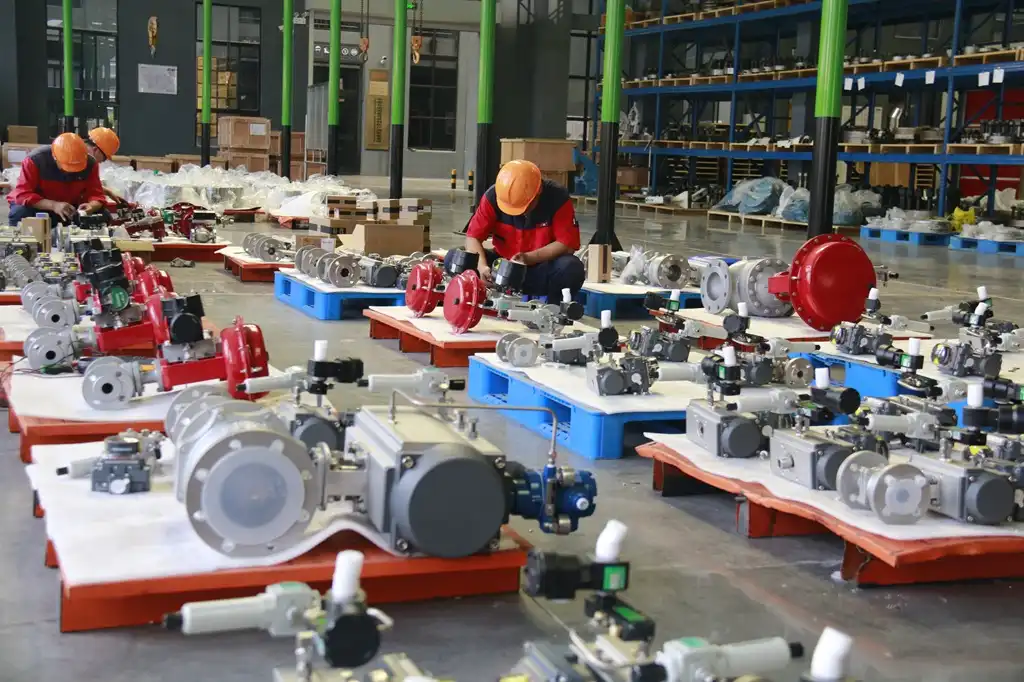
CEPAI is a leader in valve technology, focusing on making high-performance valves that are used in difficult naval and industrial settings. Our wide range of products includes high-tech stainless steel ball valves that are made to work well in seas and other salty settings.
Our research team uses modern production methods to make valves that meet the highest performance standards. CEPAI upholds tough quality norms supported by a wide range of credentials like API Q1, API 6A, API 6D, and ISO 9001. This guarantees that our goods conform to global benchmarks.
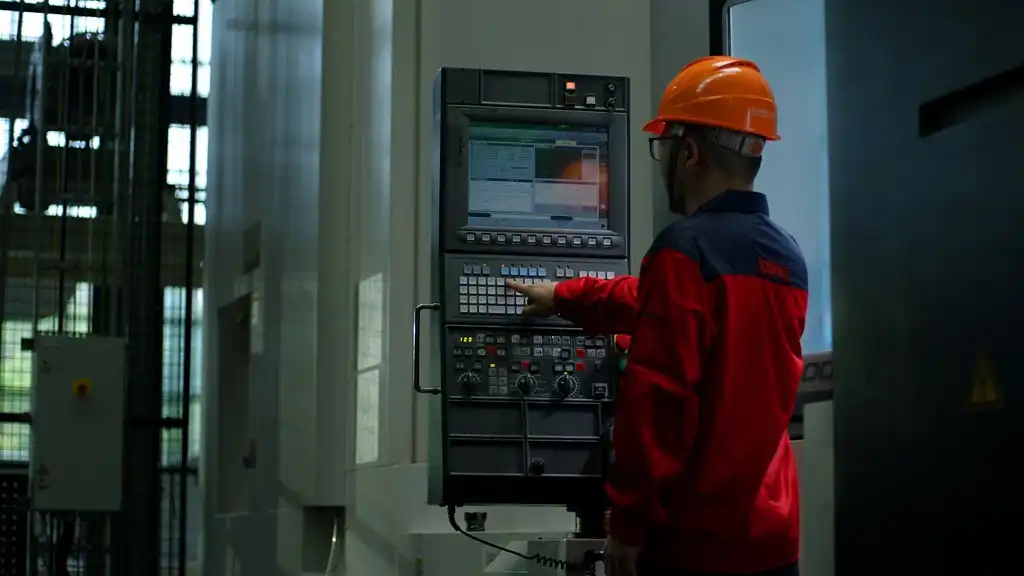
Because the company is dedicated to innovation, they are always making materials, design, and production methods better. Our modern facilities use precision cutting and advanced mechanical methods to make valves that are very reliable in important situations. Before they are shipped, each valve is tested and inspected carefully to make sure they work correctly.
CEPAI's world support network gives a lot of help with technical issues at every stage of the product process. Our engineering team works with customers to make the best choices for valves and system design. At the same time, our service team makes sure that customers can always get help with servicing and fixing issues.
Conclusion
If you choose and care for them correctly, stainless steel ball valves can be used for seawater and other salty liquids. Choosing the right material is very important, and types 316L and super duplex stainless steels are great for resisting corrosion in naval settings. Proper sealing systems and actuator compatibility are examples of good valve design that make sure they keep working for a long time.
Knowing the balance between performance gains and practical issues lets you make smart choices about buying valves and designing systems. Regular maintenance and proactive tracking help keep things running smoothly for as long as possible. In demanding marine uses, spending money on good valve solutions pays off by lowering upkeep costs and making systems more reliable.
FAQs
Can standard 304 stainless steel ball valves handle seawater applications effectively?
Standard 304 stainless steel lacks sufficient molybdenum content for reliable seawater service and may experience pitting corrosion. Grade 316L or higher stainless steels provide better chloride resistance and longer service life in marine environments.
How often should maintenance be performed on seawater ball valves?
Maintenance intervals depend on operating conditions, but quarterly inspections are recommended for critical applications. Annual seal replacement and comprehensive inspection help prevent corrosion-related failures while maintaining optimal performance.
What certifications should I require when purchasing valves for seawater service?
Look for API 6D certification for pipeline applications, along with material certificates confirming grade specifications. ISO 15848 certification addresses fugitive emissions requirements, while third-party pressure testing validates performance ratings.
Partner with CEPAI for Superior Seawater Valve Solutions
When your operations demand reliable performance in challenging seawater environments, CEPAI delivers proven solutions backed by comprehensive engineering support. Our advanced stainless steel ball valve designs combine superior materials with precision manufacturing to ensure exceptional reliability in marine applications.
As a leading stainless steel ball valve manufacturer, we understand the unique challenges facing offshore operations, desalination plants, and marine processing facilities. Our technical team works closely with customers to optimize valve selection and system design for maximum performance and service life.
Ready to enhance your system reliability with industry-leading valve technology? Contact our engineering team today to discuss your specific application requirements and discover how CEPAI solutions can improve your operational efficiency. Reach out to us at cepai@cepai.com.
References
Smith, J.R., and Anderson, M.K. "Corrosion Performance of Stainless Steel Alloys in Marine Environments." Materials and Corrosion Engineering Journal, vol. 45, no. 3, 2023, pp. 127-145.
Thompson, R.L., et al. "Ball Valve Design Optimization for Seawater Applications in Offshore Oil Production." Petroleum Engineering Quarterly, vol. 78, no. 2, 2023, pp. 89-106.
Chen, L.W., and Roberts, P.D. "Metallurgical Considerations for Valve Selection in Desalination Plants." Water Treatment Technology Review, vol. 34, no. 4, 2022, pp. 203-221.
Williams, K.J. "Maintenance Strategies for Industrial Valves in Corrosive Service." Plant Maintenance Engineering, vol. 67, no. 8, 2023, pp. 45-62.
Martinez, A.C., and Kumar, S. "Comparative Analysis of Stainless Steel Grades for Marine Applications." Corrosion Science and Technology, vol. 29, no. 6, 2022, pp. 178-195.
Johnson, D.R., et al. "Performance Evaluation of Ball Valves in Offshore Platform Seawater Systems." Offshore Engineering Handbook, 4th edition, Marine Technology Press, 2023, pp. 312-334.
_1746598531170.webp)