How to Reduce Energy Waste with Low-Friction Control Valves?
To use low-friction control valve units more efficiently and waste less energy, you must first understand how they reduce resistance while controlling fluid flow. Low-friction designs are different from regular valves because they use new materials, precision-machined parts, and better control systems that lower surface drag and pressure drop. When there is less friction inside a control valve, the system needs less energy to keep the flow rates and pressures that are wanted. This directly leads to lower running costs, less carbon emissions, and longer machine life. Industries that deal with large amounts of fluids, like chemical processing and oil extraction, can greatly benefit from incorporating these effective valve systems into their operations.
Understanding Energy Waste in Control Valve Systems
When fluid control valve systems aren't using enough energy, it's often because of things we can't see. People I work with who are drilling engineers or plant managers are often shocked when I tell them how much energy their current valve system wastes every day.
The Root Causes of Valve-Related Energy Loss
When moving parts of the valve rub against the body of the valve, resistance is created that needs extra energy to overcome. Even though traditional globe valves allow for exact control, they create a lot of friction when the plug moves against the seat and stem packing. Because of this mechanical resistance, the motors need to be stronger, and the system uses more energy overall. This problem is made worse by older valve designs that have rough internal surfaces. These designs cause turbulent flow patterns that waste energy as heat instead of useful work.
Degradation of materials is also a big part of energy loss. Corrosion, weathering, and chemical attack on the inside of valves make the surface rough, which over time raises the friction coefficients. When valve performance goes down, it's especially hard for pipeline workers who are in charge of long-distance transmission systems, because even small drops in efficiency add up over hundreds of control points.
How Outdated Valve Technology Drives Up Operational Costs
Many sites are still using control valve technology that was put in decades ago, even though they don't know how much it costs them in the long run. Many of the time, these older systems don't have the latest metalworking techniques or precise engineering that can be found in newer, low-friction options. Because of this, energy bills go up, maintenance needs to be done more often, and equipment further downstream that is subject to changes in pressure breaks down before it should.
Process control managers in petrochemical and refinery companies notice this waste most when the plant is running at full speed. When valves have trouble keeping the flow consistent because of too much friction, automatic control systems make changes all the time to make up for it. This cycling behavior loses energy and speeds up the wear on actuators and the instruments that work with them. This leads to a chain reaction of reliability problems that lower plant downtime.
Environmental and Regulatory Implications
Wasted energy from valve systems that don't work well has environmental effects that are becoming more important to regulators and stakeholders. If you use too much energy, you're probably burning more fossil fuels, either directly through on-site production or indirectly through the power grid. As a result of business sustainability pledges and environmental reporting requirements, procurement managers are under more and more pressure to show proof of changes in energy economy.
Being able to show real efficiency gains is especially useful for the oil and gas industry, which is already being looked at closely for its carbon effect. Low-friction valve technology is a real way to cut down on Scope 1 and Scope 2 emissions without affecting safety margins or practical performance that are needed by API and ISO standards.
How Low-Friction Control Valves Work to Minimize Energy Loss
The new ideas in engineering that go into low-friction control valve systems deal with energy waste on many levels, ranging from the science of materials to the design of machines and how they are operated.
Advanced Materials and Surface Engineering
Modern low-friction valves are made with special metals and finishes that make surface drag much less noticeable. Stainless steel types that have been precisely heated make touch areas that are harder and smoother, so they don't wear down as quickly and have lower friction coefficients. Some companies treat the inside of valves with diamond-like carbon coats or ceramic treatments. This makes the surfaces almost frictionless and keeps the performance levels the same after millions of cycles.
Wellhead specialists who work in harsh settings really appreciate these new materials. When used in drilling activities, where high pressure and high temperatures are common, valve parts must be able to handle rough circumstances without losing their effectiveness. Traditional materials can't match this mix of long-lasting strength and low friction. Only modern materials can.
Optimized Flow Path Design
Aside from the materials they are made of, engineers pay close attention to the internal design of low-friction valves. Fluids can move through streamlined flow paths with little energy loss because they have less turbulence and pressure drop. When fully open, ball valves allow flow to go straight through, which is an example of this concept. They allow almost unlimited passage, which lowers the amount of energy needed for pumping.
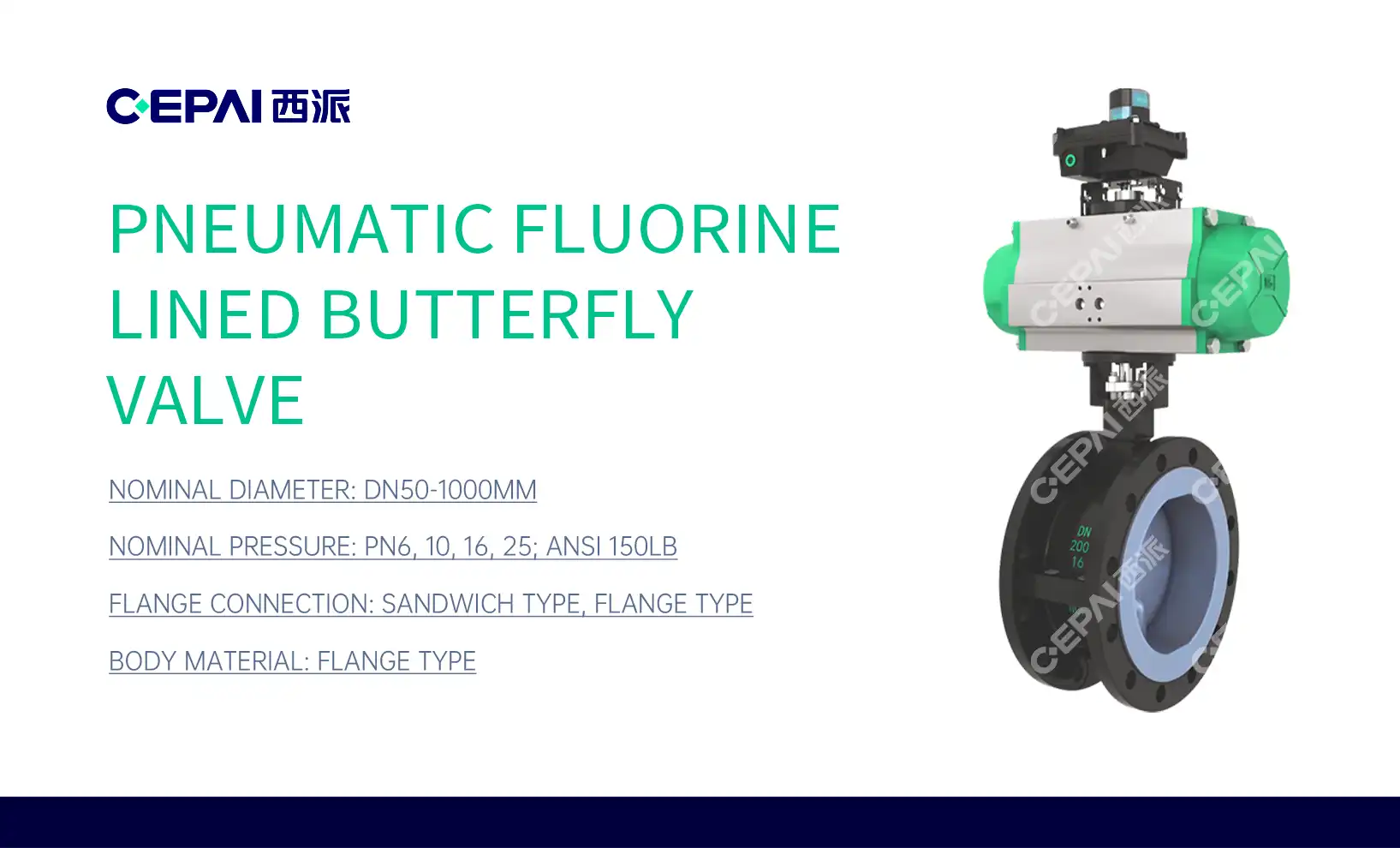
Another great example of geometry-driven economy is the butterfly valve. Because they are made of spinning discs that don't get in the way of flow very much, they are perfect for large-diameter pipeline uses where pressure drop needs to be kept to a minimum. Pipeline integrity teams like these designs because they keep energy economy high even when systems are dealing thick crude oil or corrosive natural gas streams.
Actuator Technology and Control Integration
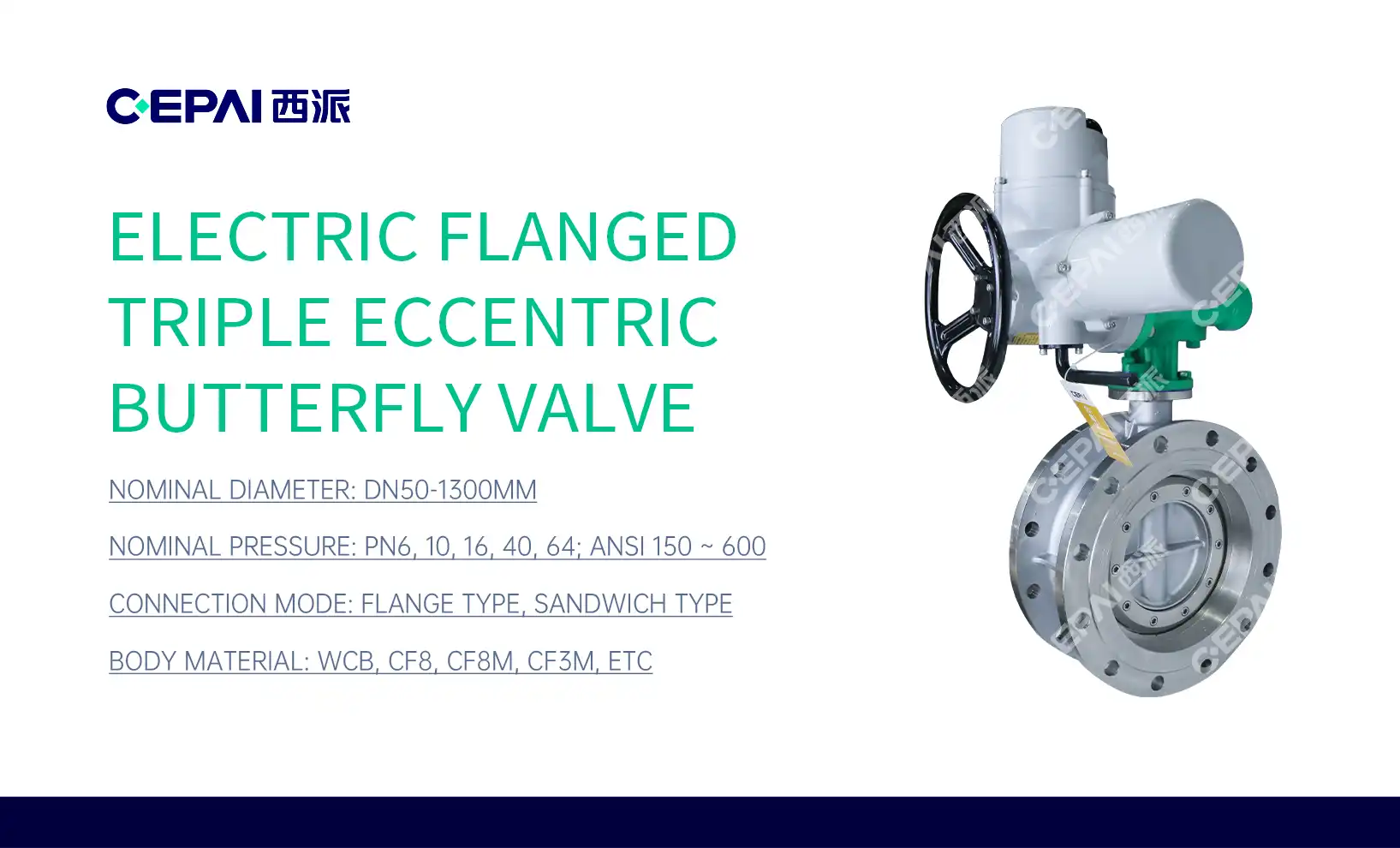
Electric motors are a big step forward from gas systems in a lot of situations. The performance of pneumatic valves is stable, but they need compressed air, which takes energy to make. Electric actuators, along with control valve, get rid of this wasteful energy use, provide more accurate placement, and work with current building management systems and SCADA platforms.
When low-friction valve parts are combined with efficient electric movement, they save energy in a way that works together. Project engineers who are building new facilities are asking for these combined solutions more and more. They know that for maximum efficiency, the actuator and valve body must work together as a system. Modern electric actuators have features that let you watch them from afar. These features also allow predictive repair plans that stop loss of efficiency before it affects operations.
Comparative Performance Across Valve Types
Based on how they are mechanically built, different valve designs have different friction characteristics. Even though globe valves cause more friction than ball or butterfly valves, they are still useful when exact control is needed. You can get the most out of their natural flow property by carefully choosing the trim and treating the surface. This will keep control precision high while minimizing energy loss.
Ball valves are great for on-off service and have very little friction when they are fully open, but they can't really slow things down. When compared to multi-turn globe valves, their quarter-turn action means less mechanical movement and less energy use by the actuator. Ball valves are often chosen by maintenance managers for isolation service in systems where frequent spinning would otherwise speed up wear and friction-related problems.
Butterfly valves are kind of in the middle because they can throttling well and have low friction shapes. Because they are small and light, they are cost-effective for big pipe sizes. However, the disc design and shaft sealing need to be carefully thought out to keep the low-friction performance throughout the valve's working range.
Selecting the Right Low-Friction Control Valve for Your Industrial System
There are a lot of technical and business factors that need to be balanced when picking the right control valve technology. These factors have a direct effect on long-term energy savings and operating reliability.
Process Compatibility and Operating Conditions
The basic factors for choosing a valve are based on the properties of the fluid. Corrosive chemicals need special materials that can withstand attack and keep their low-friction qualities. When procurement teams work with EPC contractors, they need to be very clear about the exact fluid makeup, including any contaminants and temperature ranges, so that the valves they choose will work well for the whole time they were designed to.
In upstream oil and gas uses, pressure levels are very important. Normal industrial valves would break under the forces that wellhead systems and Christmas tree parts work at. Designs with low friction that are used in these situations need to meet API 6A requirements and help save energy. The hard part is making sure that the pressure is kept in without making structural changes that cause friction.
Extremes of temperature also affect the choice of materials and the way they are designed. When refining processes use superheated steam or liquids that are very cold, they need valves that can withstand temperature cycling without losing their shape. Mismatches in the thermal growth of valve parts can cause more friction over time, undoing any initial gains in efficiency if they are not properly handled during the design phase.
Sizing and Flow Coefficient Considerations
The right size valve stops both wasted energy and control issues. During regular operation, valves that are too big stay close to their closed position. This is where friction effects are strongest and control becomes less exact. When valves are too small, they cause too much pressure drop and make motors work harder, which wastes energy and speeds up wear.
The flow coefficient tells you how much fluid a valve can let through at certain pressure drops. This measure is used by plant engineers to make sure that the valve works in its most efficient range by matching its capacity to the needs of the system. To find the best valve size that reduces friction losses and overall system energy use, detailed sizing calculations are used that take into account the properties of the fluid, the shapes of the pipes upstream and downstream, and the control needs.
When you compare low-friction designs to traditional ones, you can see big changes in how well they work, even for valves that are the same size. In the same situation, a low-friction ball valve could have 30–40% less pressure drop than a regular globe valve. This means that less pumping energy and lower running costs over the life of the valve.
Actuator Selection and Automation Integration
These days, low-friction control valves are paired with motors that make them even more efficient. Electric actuators allow for accurate placement without using as much compressed air as pneumatic systems do. When strategic sourcing directors look at the total cost of ownership, they need to look at both the control valve and the actuator as a single unit. This is because the efficiency of the actuator can be as high as or higher than the saves from the control valve body itself.
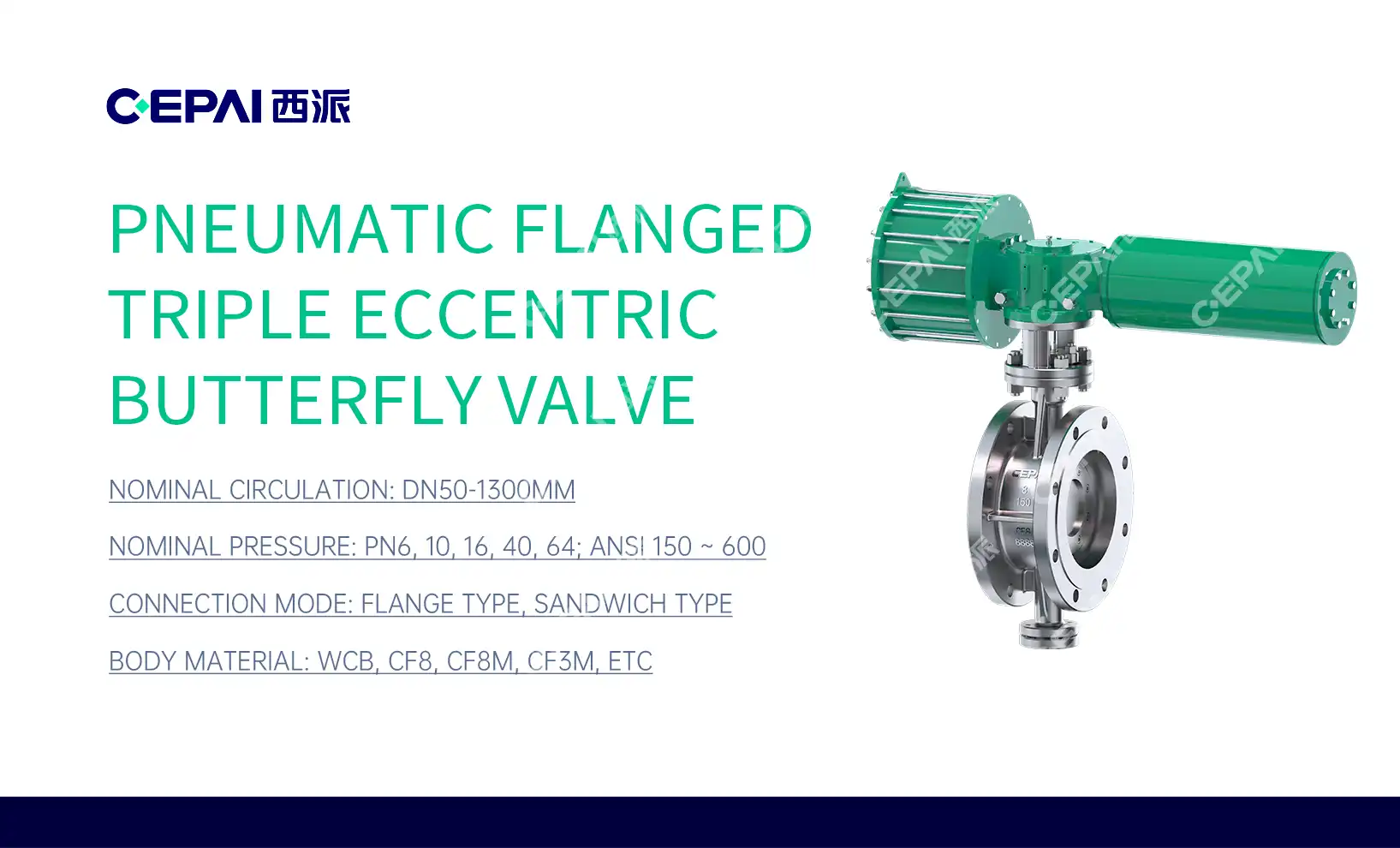
Pneumatic controls are still useful when electrical equipment needs to be avoided for safety reasons or when compressed air is already handy. New developments in pneumatic positioner technology have made them more efficient by using less air when they are working normally and not using bleed air when the valve position is stable.
Integration with remote control systems lets you use more advanced methods for efficiency than just operating valves. Remote tracking finds early signs of performance loss, letting repair work be done before friction gets too high. Predictive analytics can find parts that aren't working as efficiently as they should be, which can then be fixed to keep the system's overall energy performance high.
Procurement Considerations and Supplier Evaluation
Lead times for custom low-friction valves are very different depending on the materials used, certifications needed, and the level of customization needed. Equipment manufacturers and EPC companies need to be very careful when planning when to buy things, especially for things that are needed quickly for big projects. Suppliers who have established production capacity and quality control systems keep schedule risk to a minimum and make sure that the standard of the products always stays high.
In this technical market, the best providers stand out by offering help after the sale. Technical documents, help with sizing, and fixing tips help buyers get the most out of the valve's efficiency benefits over its entire lifetime. Energy service providers that work in rural areas value suppliers that can respond quickly and offer interchangeable parts that cut down on downtime when fixes need to be made in the field.
Certifications are an objective way to back up claims about quality and performance. If a provider has API 6A certification for wellhead equipment, API 6D certification for pipeline valves, or ISO 9001 certification for quality management systems, it means they meet the standards set by the industry. Before a supplier can be considered for important jobs, drilling experts and wellhead specialists usually need these licenses as a minimum.
Conclusion
Advanced materials, optimized internal shapes, and efficient actuation systems that reduce resistance during operation make low-friction control valve units a measured way to save energy. By swapping old valve technology with new, low-friction ones, many industries, from upstream drilling to downstream processing, become much more efficient. Pay close attention to process suitability, size accuracy, and actuator integration during the selection process to get the most out of it. As long as the valve is installed correctly and is maintained regularly, it will keep its efficiency benefits. In the real world, projects regularly show energy savings of more than 10–20%, along with cost savings that make up for the initial investment while also helping to meet sustainability goals. As the price of energy and concerns about the environment continue to rise, low-friction valve technology offers a useful way for the oil and gas value chain to become more efficient and leave a smaller carbon footprint.
FAQ
1. How much energy can low-friction control valves actually save?
Savings on energy depend on the application, but verified installs usually see 10 to 25 percent less energy used in the system compared to regular valves. The exact savings rely on things like the size of the valves, the working pressure, how often they are cycled, and the difference in efficiency between old and new technology. The biggest benefits are seen in systems that run for a long time and have to change valves often. This is because friction-related costs add up with each working cycle.
2. Are low-friction valves compatible with corrosive fluids?
When choosing materials, corrosivity issues are successfully dealt with. There are low-friction control valve designs made from corrosion-resistant metals like Hastelloy, duplex stainless steels, and special coatings that keep the low-friction and chemical resistance qualities. When pipeline workers work with sour gas or produced water, these valves work well because the material requirements are right for the fluid chemistry and working conditions.
3. Do low-friction valves cost more to maintain than traditional designs?
Low-friction valves usually cost more to buy at first than other options, but they usually cost less to maintain because they wear out less quickly and need to be serviced less often. The high-tech materials and precise production that make low-friction efficiency possible also make things last longer. When energy savings and less upkeep over a normal 15 to 20-year valve lifecycle are taken into account, total cost of ownership estimates always favor low-friction technology.
Partner with CEPAI for Energy-Efficient Control Valve Solutions
CEPAI is an expert at making high-performance control valve and regulating valves that are designed to work in tough oil and gas environments. Our line of products uses low-friction design concepts that have been proven by API 6A, API 6D, and ISO approvals. These are important to drilling engineers and plant managers all over the world. We offer technical knowledge and tried-and-true solutions that cut down on energy waste and meet the strictest reliability standards, whether you need wellhead tools for research work or pipeline infrastructure upgrades. Get in touch with our team at cepai@cepai.com to talk about your specific needs with an experienced control valve maker who knows both the technical challenges and the business pressures that procurement professionals in the energy sector are under.

References
1. Smith, R.A. & Johnson, M.K. (2021). Energy Efficiency in Industrial Valve Systems: Materials and Design Innovations. Journal of Process Equipment Engineering, 45(3), 112-128.
2. Thompson, L.E. (2020). Friction Reduction Technologies for Oil and Gas Control Valves. Society of Petroleum Engineers Technical Paper Series, SPE-204567.
3. Anderson, P.W., Chen, Y., & Martinez, J.R. (2022). Lifecycle Cost Analysis of Low-Friction Valve Technology in Pipeline Applications. Pipeline and Gas Journal, 249(8), 34-41.
4. Wilson, D.S. (2019). Advanced Materials for High-Performance Control Valves in Petrochemical Service. Chemical Engineering Progress, 115(6), 22-29.
5. Roberts, K.J. & O'Brien, T.M. (2023). Energy Consumption Reduction Through Optimized Valve Selection: Case Studies from Midstream Operations. American Society of Mechanical Engineers, Pressure Vessels and Piping Division.
6. Hughes, C.A. (2021). Control Valve Actuator Efficiency: Comparative Analysis of Electric and Pneumatic Systems. Instrumentation Technology Journal, 38(2), 67-79.
_1746598525968.webp)
Get professional pre-sales technical consultation and valve selection services, customized solution services.
About CEPAI