Choosing Valves for Cryogenic Use: Avoiding Seat Brittleness
When choosing the right cryogenic valve, you need to pay close attention to the seat material and design, since very low temperatures can make materials weak, which can damage the seal and cause the system to stop working. Standard valve seats may crack or bend when fluids like liquefied natural gas, liquid nitrogen, or liquid oxygen flow through systems at temperatures that are often below -150°C. This can cause leaks, unexpected shutdowns, and safety risks. Drilling engineers, plant workers, and procurement managers who are responsible for making sure stable performance in tough cryogenic situations need to know how seat brittleness happens and what design features and materials stop it.
Understanding Seat Brittleness in Cryogenic Valves
What Causes Seat Brittleness at Ultra-Low Temperatures
Many materials' mechanical features change in big ways when they are cooled to cryogenic temperatures. Different metals shrink at different rates, and polymers that are bendable at room temperature become hard and easy to break. Because of this, there is more stress around cryogenic valve seats, especially where the closing surface meets the valve body or ball element. When materials aren't flexible anymore, small hits or changes in pressure can cause cracks to start in the seat structure and spread through it, breaking the tight seal that is needed for safe operation.
The Impact of Material Embrittlement on Valve Performance
Different types of seat materials for cryogenic valve have different ways of weakening them. Some types of stainless steel and carbon steel become weak when temperatures drop, which means they can't be used in cold environments. Elastomers and polymers like standard PTFE become stiff and less flexible, so they can't keep touch pressure against the closing surface. These problems show up as leaks that can be seen, less accurate flow control, and more fugitive pollution that are bad for the environment and people who work in processing plants and pipelines.
Design Strategies to Mitigate Seat Brittleness
Engineers have come up with a number of ways to stop seats from breaking in cold places. The most important thing is the choice of material. Austenitic stainless steels, such as 316 and 304L, are tough enough to be used in low temperatures. For the toughest jobs, nickel metals work even better. Specialized seat designs have bendable parts that let them handle heat shrinkage without losing contact pressure. Some versions have longer bonnets that keep the packing and stem seals warmer. This lowers the thermal stress on the whole valve system. All of these methods work together to make sure that closing surfaces keep working even when it's very cold outside.
How Cryogenic Valves Work and Why Seat Design Matters
Operating Principles of Low-Temperature Valve Systems
cryogenic valves control the flow of very cold fluids and stop heat from getting in, which could change the phase of the fluids or stop operations. When the valve closes, the seat acts as the main barrier for closing. This stops all flow or slows it down to specific levels. Cryogenic work, on the other hand, requires seats to keep their sealing integrity through short heat cycles. During opening, valves may go from room temperature to cryogenic temperatures very quickly, which can cause seats to suffer a serious thermal shock. To keep leaks from happening or to keep the valve system from moving, the seat must expand and shrink in the same way as the other parts around it.
Comparing Ball, Gate, and Globe Valve Seat Designs
Different types of valves have different sitting arrangements that work best for certain cold problems, including the use of a cryogenic valve. Most ball valves have durable seats made of filled PTFE or similar polymers. These seats fit well, but you have to be careful when choosing the material so that it doesn't harden in cold temperatures. Metal-to-metal seats are common in gate valves, which depend on fine cutting and surface finish instead of material flexibility. When the service is on-off and tight shutdown is more important than slowing, these designs work great. Globe valves use plug-and-seat designs that can handle heavy use and provide better flow control, which makes them ideal for controlling processes in petroleum and processing plants. Each design theory has a different approach to seat brittleness, which affects the choice of materials and the amount of care that needs to be done.
Temperature and Pressure Considerations for Seat Longevity
How long valve seats can be used is directly related to how they are used. At deeper freezing temperatures, thermal stress is higher, which speeds up the breakdown of materials. Higher system pressures put more stress on the sealing surfaces, which could lead to lasting distortion if the materials used for the seats aren't strong enough when they're cold. These effects are made worse by pressure pedaling, which loads seats over and over again, which can cause wear cracks. When procurement teams look at cryogenic valves, they have to make sure that the seat materials and designs are right for the temperature range and pressure class that their systems need. They also have to balance the original cost with the expected service life and upkeep costs.
Selecting the Right Cryogenic Valve to Avoid Seat Brittleness
Evaluating Seat and Body Materials for Cold Service
Austenitic stainless steels are a good choice for most cryogenic uses because they have the right amount of strength, toughness, and corrosion protection. Nickel-containing grades stay flexible longer than ferritic or martensitic steels, which become too brittle below -50°C. When mixed with the right fillers that improve cold performance, advanced plastics like reinforced PTFE or PEEK work really well as sealants. Brass and bronze are often used in normal valves, but they aren't tough enough for very low temperatures, so they shouldn't be used for anything but non-critical secondary functions. When choosing materials, you must also think about the process fluid. For example, hydrocarbon-based oils and some metals are not allowed in liquid oxygen service because they could catch fire in a cryogenic valve.
Manual Versus Automated Actuation and Seat Wear Patterns
The type of actuator affects how long a seat lasts by changing the number of turns and the force needed to close. Manual valves usually have fewer cycles, but the seating force may not be uniform based on how the person does it. Pneumatic and electric actuators provide consistent close force, which lowers the risk of overtightening, which can damage seats, or undertightening, which lets leaks happen. Automated systems allow operation from a distance, which limits the exposure of people to dangerous cold conditions, such as those around a cryogenic valve. Automation compatibility is important, especially for midstream workers who use SCADA systems to constantly check the position of valves and the stability of the system. Better operating consistency and safety come at a cost of higher original investment and more difficult upkeep.
Importance of Supplier Certification and Quality Documentation
Buying valves from approved sources makes sure they meet industry standards that apply to cryogenic service. API certificates show that companies test their products thoroughly, using strict procedures like switching between cryogenic temperatures and pressure testing. If a company has ISO 9001 certification, it means they have strong quality control methods that keep production standards consistent. Material test reports, seat hardness verifications, and measurement inspection records help keep track of things so they are made according to project specs and government rules. This paperwork is used by drilling workers and EPC companies to show that they did their research and make sure that the valves they place will work as they should for as long as they are designed to.
Maintenance Tips to Prolong Cryogenic Valve Seat Life
Routine Inspection Protocols for Detecting Seat Degradation
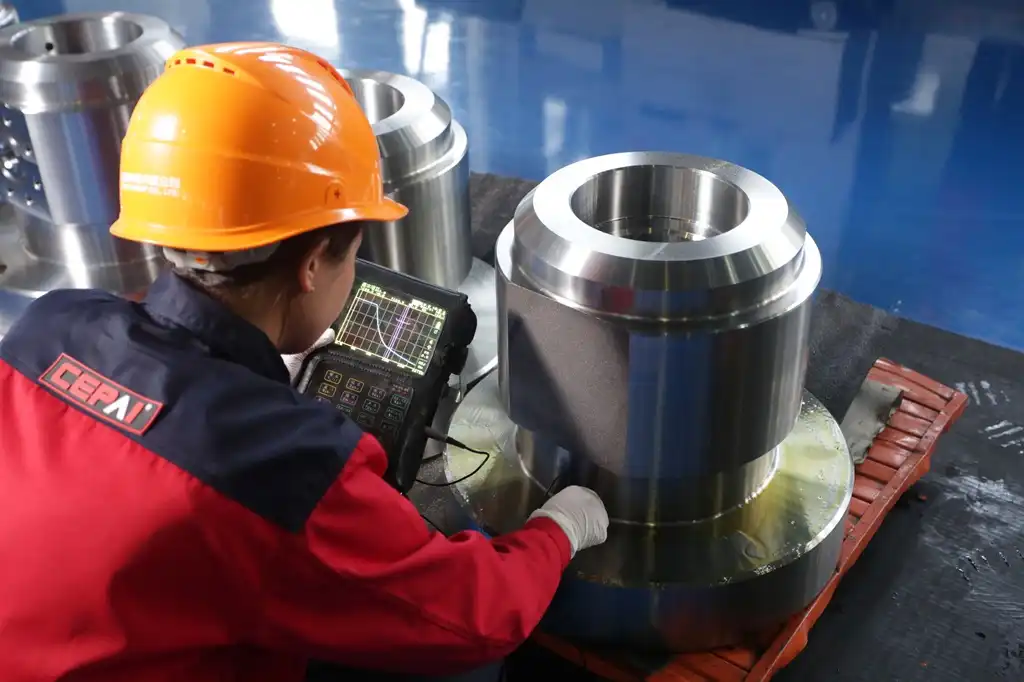
Regular care makes cryogenic valve seats last longer and stops them from breaking down without warning, which can stop activities. As part of regular checks, the outsides of valves should be looked at visually for frost patterns that show an internal break. Before putting systems back into service, pressure testing is done on seats during planned shutdowns to make sure they are still solid. Stem torque readings pick up on changes in friction that could mean the seat is worn out or not aligned properly. Ultrasonic testing can find cracks inside metal seats without taking them apart, which cuts down on repair costs and downtime. How often you inspect a valve relies on how important it is and how rough the operation is. Isolation valves that stay in one place for long periods of time need to be inspected less often than valves that are used a lot.
Best Practices for Cleaning, Lubrication, and Thermal Management
Valve parts are less stressed when repair is done correctly. Abrasive cleaning methods can leave behind leak paths when they remove process deposits from sealing surfaces. At cryogenic temperatures, lubricants must still work, especially for a cryogenic valve. Many regular greases solidify and lose their insulating qualities. Cryogenic lubricants keep their stickiness even at very low and very high temperatures. This lowers friction and keeps moving parts from galling. Seats are less likely to be damaged by shock when thermal cycle rates are controlled during starting and shutdown. When temperatures change slowly, materials can shrink evenly. This reduces the difference in stress that can cause cracks or seats to stick in their supports.
Deciding Between Repair and Replacement
Several things need to be looked at to decide whether to fix or replace old seats. Metal chairs that have minor surface damage can often be fixed by sanding or re-machining, which is cheaper than replacing the whole thing. When polymer seats break down, they usually need to be replaced completely because the material qualities can't be brought back to normal. The choice also relies on how important the valve is and how many extra seat assemblies are available. Having spare seat assemblies on hand lets you quickly fix important valves while scheduling less important maintenance for planned outages. When you look at the total cost, you should include the cost of downtime, the cost of work, and the remaining service life of any other valve parts that might need to be replaced at the same time.
Procurement Guide: How to Buy Quality Cryogenic Valves with Durable Seats
Identifying Manufacturers with Proven Seat Technology
To get around in the global market for cryogenic valves, several companies have built records for making reliable equipment over many years of use in the field. Companies like Swagelok have a lot of different valves and are known to be able to provide cold service. They also have a lot of expert help available. Parker's monitoring valves are used in precise and leak-free measurement and sampling tasks that can't be compromised. Emerson's Fisher brand makes control valves for automating cold processes. These valves have seat designs that keep throttling accuracy even when temperatures change a lot. CryoValve only makes valves for very cold environments, while ASCO works on solenoid valves for automatic systems. Neles sells big control valves to petroleum plants and LNG sites. With certifications in API 6A, API 6D, and several ISO standards, CEPAI knows a lot about wellhead and pipeline valves. They can work with engineers to come up with unique solutions that solve specific seat brittleness problems in drilling and output operations.
Practical Considerations for Bulk Orders and Custom Manufacturing
Strategic methods to procurement that use volume buying while making sure technical standards are met are good for big projects. Ordering in bulk can lower the cost per unit, but you need to be very particular about what you want for a cryogenic valve so you don't get standard products that don't have the features you need for your purpose. Custom production lets you choose the best materials and shapes for seats based on their unique uses, but it usually takes longer to get them. Getting suppliers involved early on in the project development process lets engineers work together on cryogenic valve specs and find cost-effective solutions that meet performance standards without over-engineering. Misunderstandings that cause delays in commissioning can be avoided by being clear about shipping dates, quality hold points, and review standards.
International Compliance and Shipping Logistics
Buying things across borders makes it harder to follow the rules and coordinate operations. Valves used in oil and gas must meet API standards that are known around the world. Regional laws may add to these requirements. To avoid delays, export paperwork, customs processes, and transport plans need to be carefully managed. Suppliers with a good reputation have dealt with foreign business before and can help buyers meet compliance requirements. In purchase agreements, payment terms, guarantee terms, and who is responsible for what should be clearly spelled out. This will protect buyers against flaws and set fair standards for what the seller should do. After the sale, customer happiness is affected by the availability of technical help across time zones and language skills, especially when fixing problems during setup or operation.
Conclusion
To keep the seats in cryogenic valves from breaking, you need to pay attention to material science, design principles, and best practices for operation. When you choose austenitic stainless steels or plastics that are made in the right way, they will work reliably at very low temperatures. By matching the valve type and seat configuration to the needs of the application, you can find a good mix between sealing ability and upkeep needs. Regular inspections and repair keep things in good shape and increase their useful life. When you buy from approved providers, you can be sure that the equipment you receive meets your needs and works as planned for as long as it's in use. This protects your investment and keeps the system's integrity in tough cryogenic service.
FAQ
1. What seat materials best resist brittleness in cryogenic applications?
Austenitic stainless steels, such as 316 and 316L, stay tough even at very low temperatures, not breaking easily but still being strong enough. Nickel metals work better in the harshest situations than other materials. For polymer chairs, special formulas are needed. Filled PTFE compounds with glass or carbon fillers can still seal when normal grades get too stiff.
2. How often should cryogenic valves be inspected for seat degradation?
How often you inspect relies on how hard the operation is and how important the cryogenic valves are. In high-cycle uses, inspections should be done every three months, but for isolation valves in stable service, inspections may only need to be done once a year. Valves that experience changes in temperature or pressure need to be checked more often. Any strange behavior during operation, like more power or obvious leaks, needs to be looked at right away.
3. Do automated valves experience different seat wear patterns than manual valves?
Automated valves usually have more uniform seat loads because the actuator forces are always the same. This could make the seat last longer than when the valve is operated manually, where the closing force changes. In many situations, automation raises the cycle frequency, which speeds up wear from repeated touch. The net result depends on how the system is used and how well the actuator is calibrated.
Partner with CEPAI for Reliable Cryogenic Valve Solutions
CEPAI has a track record of developing and making valves that are designed to not break at the seat in cryogenic conditions. Our wide range of products includes wellhead systems, pipeline valves, and specialized control devices. We are committed to quality and reliability, as shown by our API 6A, API 6D, ISO 9001, and other foreign certifications. As a seller of cryogenic valves with a lot of experience, we work closely with drilling engineers, plant managers, and buying professionals to come up with custom solutions that solve the problems your business is facing. Our expert team is available to help at any time during the duration of a project, from writing the specifications to putting the system into action and keeping it running. Talk to our experts at cepai@cepai.com about your needs for cryogenic valves and find out how CEPAI's proven seat technologies can make your system more reliable while lowering its lifecycle costs.

References
1.Barron, R. F. (2020). Cryogenic Systems and Materials: Mechanical Properties and Applications. Oxford Engineering Press.
2.Smith, J. M., & Harrison, P. T. (2019). Valve Selection and Specification Guide for Process Industries. Technical Publishing International.
3. American Petroleum Institute. (2021). API Standard 6D: Specification for Pipeline and Piping Valves (25th ed.). API Publishing Services.
4. Chen, W., & Rodriguez, M. (2022). Materials selection for ultra-low temperature valve applications. Journal of Pressure Vessel Technology, 144(3), 112-127.
5. International Organization for Standardization. (2020). ISO 28921-1: Industrial Valves – Isolating Valves for Low-Temperature Applications. ISO Standards Catalogue.
6. Thompson, R. L. (2021). Cryogenic Engineering: Fundamentals and Applications for LNG and Industrial Gas Systems. McGraw-Hill Professional.

Get professional pre-sales technical consultation and valve selection services, customized solution services.
About CEPAI