How to Prevent Allergen Cross-Contamination in Food Valves
Cross-contamination of allergens in food preparation needs careful valve selection and strict cleanliness rules. When allergens get transferred because of leftover product, poor cleaning, or bad design, sanitary valves are important control points. Using materials like 316L stainless steel with electropolished surfaces, flush-mounted diaphragm designs, and making sure that they are compatible with both CIP and SIP greatly lowers the risk of contamination. To protect customer health and stay in line with regulations, procurement managers must make sure that valves that meet 3-A Sanitary Standards and FDA rules are given top priority. They must also set up thorough cleaning validation methods to make sure that these valves are clean.
Understanding Allergen Cross-Contamination in Food Valves
Allergen cross-contamination happens when very small amounts of allergic substances move from one batch of products to another while they are being made. This problem puts sensitive customers' health at great risk and puts food makers at risk of fines, product recalls, and damage to their image.
Sanitary valve openings in food preparation plants are especially likely to get contaminated because they are where different product lines meet. Unlike pipeline sections that are smooth, valves have internal mechanisms, seals, and possible dead areas where allergen-containing leftovers can stick and stay between production runs.
How Valves Become Contamination Vectors
Industrial valves from the past were never made with clean processes in mind. Their complicated internal shapes make cracks and pockets where product waste can gather. Microparticles stuck in valve threads or behind gaskets can infect thousands of units in the next batch when moving from making a peanut-based sauce to one without nuts.
The effects go beyond health problems that are happening right now. The Food Allergy Research & Education organization did a study in 2021 that showed recalls for allergens cost food companies an average of $10 million per event. This included direct costs, damage to the business, and lost market share. A big part of these failures is due to the way the equipment was made, including the sanitary valve. In about 34% of the cases that were looked into, valves (such as the sanitary valve) were found to be the source of contamination.
Material and Design Considerations
Materials used to build valves have a big effect on how likely they are to get contaminated. Porous materials, like some plastics or metals that haven't been cleaned, hold bacteria and allergens in surface flaws that you can't see. Cast valve bodies with rough finishes on the inside make it easy for protein leftovers to hide on a microscopic level, and normal cleaning methods fail to get rid of them.
Certain engineering choices are made in sanitary valve designs to protect against these weaknesses. Adhesion points are kept to a minimum on electropolished stainless steel surfaces that are smooth. When diaphragms are fixed flush, there are no empty gaps. Self-draining directions keep water from pooling, which can cause bacteria to grow and allergens to concentrate. When properly defined and kept, these features turn valves from sources of contamination into barriers that keep things safe.
Causes of Allergen Cross-Contamination in Food Valves
When buying teams know how pollution works, they can make smart choices that stop problems before they happen. Transferring allergens depends on many things, from the choice of materials to how sanitary valves are used.
Material Selection Challenges
Long-term hygiene success depends on how well the material works with both the process settings and the cleaning agents. Grades 304 and 316L stainless steel are most often used in clean uses because they don't rust and can be finished smoothly. However, not all stainless steel products offer the same level of safety.
When valve bodies are made from bar stock and then electropolished, the surface roughness drops below 0.8 micrometers Ra. This makes it hard for proteins to stick to the surface physically. Cast forms have holes in them that cleaning chemicals can't fully get through, even if they are made of the same alloys. Over months of use, these holes pick up organic leftovers that can cause cross-contamination.
Choosing the right elastomer for seals and diaphragms is just as important. EPDM (ethylene propylene diene monomer) is very resistant to chemicals and stays flexible over a wide range of temperatures that are common during CIP cycles. Polytetrafluoroethylene (PTFE) is better at not sticking than other materials, but it needs to be installed carefully to avoid damage. When strong cleaning agents hit lower grades of rubber, they may swell, crack, or break down, leaving gaps where allergens can hide.
Valve Type Vulnerabilities
Different valve designs pose different contamination risks that procurement experts should compare to the needs of the individual application.
Diaphragm Valves: A flexible fabric separates the process stream from the mechanical parts in these designs. When properly designed with flush-mounted diaphragms, they get rid of dead legs and give you surfaces that drain all the way through. But diaphragm valves with deep mounts that aren't well thought out lead to the kind of product trap they were meant to avoid. The diaphragm needs to be replaced every so often because rubber wear and tear leaves tiny cracks that let dirt and other things in.
Ball Valves: Hygienic ball valves with full-port designs and cavity-filled construction keep trapping zones to a minimum. The problem is the **sanitary valve** seal area between the ball and the body, which could be where product waste builds up. If a ball valve isn't positioned correctly for draining, it can keep fluid in the body cavity, where allergens can gather as it evaporates.
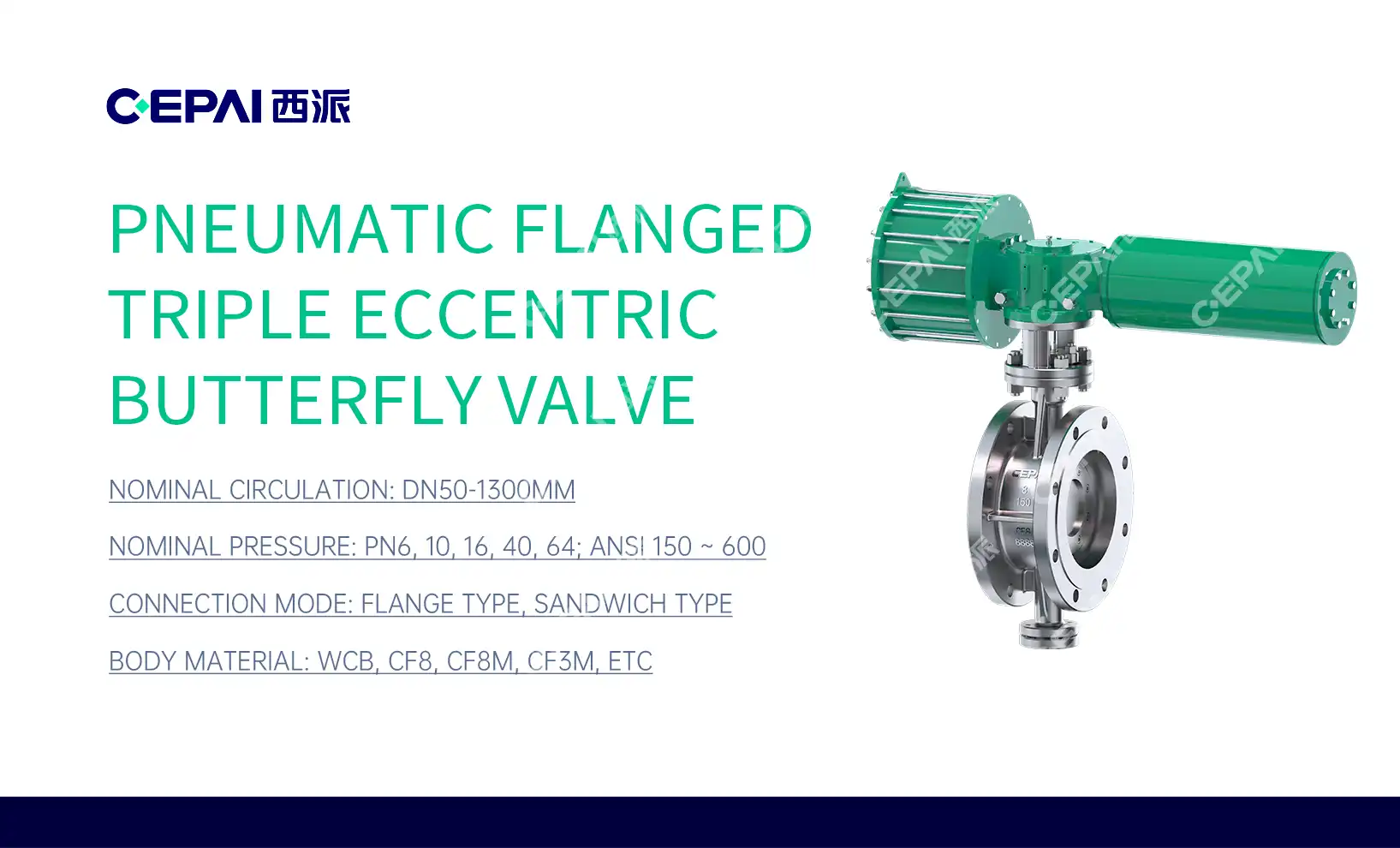
Butterfly Valves: These valves are easy to place and get open quickly, but they can be dirty. The disc stays in the product stream even when it's fully open, which can stop the flow and cause buildup zones. When the stem goes through the valve body, it needs seals that can let contaminants in if they get broken or aren't taken care of properly. Three-offset butterfly designs with metal-to-metal seats keep the elastomer from getting too much contact, but they need very tight production tolerances.
Operational Practices That Compromise Safety
Even the most hygienically built valve will break down if it isn't maintained properly or cleaned properly. Because of the pressures of production, cleaning processes are often cut short, which looks like enough at first glance but leaves molecular-level contamination behind.
The way someone cleans something by hand depends a lot on their skill and attention to detail. In a hurry, a worker might clean the outside of the valves well, but forget to take them apart and clean the insides, which is where allergens truly build up. Automated CIP (clean-in-place) systems make things consistent, but they only work well if the valves are set up so that the whole inside is wet and drains.
Controlling the temperature while cleaning has a big effect on getting rid of proteins. When exposed to high temperatures, some allergen proteins change shape and stick to stainless steel surfaces more tightly. High temps during CIP processes (above 80°C or 176°F) may "bake on" milk or egg proteins, making them harder to get off than if they were cleaned at normal temperatures. Knowing how these chemicals combine helps with both choosing valves and making cleaning protocols.
Principles for Preventing Allergen Cross-Contamination with Sanitary Valves
To effectively stop pollution, sanitary valve design principles must be applied consistently during valve selection, installation, and upkeep. Together, these techniques make a lot of walls that stop allergens from moving.
Regulatory Compliance as Foundation
Industry standards give tried-and-true guidelines for making clean tools. The 3-A Sanitary Standards were created by equipment makers, processors, and government agencies. They spell out specific rules for choosing materials, finishing the surface, letting water drain, and being easy to clean. Valves that have a 3-A approval have had their sanitary design features checked by a third party.
The European Hygienic Engineering & Design Group (EHEDG) has released rules that go along with these that focus on controlling microbes and making sure that cleaning is done correctly. As part of the Food Safety Modernization Act, the FDA has to enforce preventative controls. One important part of these controls is the design of tools used in allergen management programs. When making purchasing decisions, sellers who can show proof of compliance with these standards should be given priority.
Manufacturers who are on the cutting edge make equipment that goes above and beyond what is required by law. Better surface finishes, drainage angles, and upgraded materials provide safety margins that protect against the natural changes that happen in real-world working conditions. This method is in line with HACCP (Hazard Analysis Critical Control Points) principles because it uses technical controls to deal with risks instead of just following procedures.
CIP and SIP Compatibility
These days, the economics of food preparation require quick changes between goods. Taking valves apart to clean them by hand between each production run causes too much downtime and opens the door to mistakes made by people. Clean-in-place methods get rid of these problems by moving cleaning solutions through equipment that has already been put together.
The internal shapes of sanitary valves made for CIP encourage chaotic flow across all wet areas. Self-draining directions stop solution pooling, which lowers the quantity of chemicals. Cleaning agents can come into direct touch with any stuck-on material on smooth, crack-free surfaces. Documentation of cleaning test studies shows that the design of the sanitary valve does get rid of target contaminants to a safe level.
The steam-in-place (SIP) feature makes clean processes possible in situations that need to be sterile or have better control over microbes. Valves that are approved for SIP can handle going from room temperature to 140°C (284°F) steam without losing their covers or their ability to stay the same size. This resistance to temperature stress makes sure that repeated sterilization processes don't make ways for germs to get in by breaking down seals or warping materials.
Comparing Sanitary Ball and Butterfly Valves
Purchasing managers often have to choose between different types of valves that offer different performance balances. By understanding these trade-offs, you can match the right tools to the needs of a particular application.
When complete shut-off and low pressure drop are needed, sanitary ball valves work great. When they are open, their full-port design lets flow through without any problems, which lowers noise that could harm goods that are sensitive to shear. The quarter-turn action makes operation quick and reliable, making it good for automatic control systems. Cavity-filled designs get rid of the space inside where product could gather, which is the main health issue with ball valve designs. Because of these features, safe ball valves are perfect for high-value goods where the risk of cross-contamination makes it worth spending more on high-end equipment.
When room efficiency and cost-effectiveness are important for bigger line sizes, butterfly valves can help. A 6-inch butterfly valve takes up a lot less space than a similar-sized ball valve, which makes it possible to have smaller system plans. In mechanical systems, their lower actuation force lowers the cost of actuators. Triple-offset designs made for sanitary service keep the rubber from coming into contact with the process stream as little as possible. This makes them easier to clean than traditional circular butterfly designs. These valves are good for situations where price or room constraints make the small hygiene benefits of ball valves less important.
Best Practices for Cleaning and Maintenance
Even valves that were carefully chosen need regular repair to keep doing their job. Setting up detailed rules makes sure that everyone on the production team and during each shift does the same job.
Cleaning proof is a scientific way to make sure that methods do what they're supposed to do. In this process, target allergens are purposely put on equipment, it is cleaned as usual, and then sensitive analytical methods are used to check surfaces for residual allergy present. Validation studies figure out the bare minimum of chemical concentrations, temperatures, flow rates, and cleaning cycle lengths that are needed to get rid of allergens reliably.
Scheduled preventive repair takes care of wear before it gets bad enough to compromise cleanliness. Chemicals and repeated mechanical spinning break down elastomer covers and diaphragms over time. Failures that lead to contamination paths can be avoided by setting replacement intervals based on cycle counts or date time. By keeping detailed records of services, it is possible to look for patterns that can help find problems before they become quality problems.
Different valve designs have very different visual checking skills. Configurations that let you see the inside surfaces directly help you quickly check how well the cleaning is working. Some more modern designs have inspection holes or clear parts that let workers see if the machine is clean without taking it apart. These traits make it easier to keep checking allergen control to keep people's trust in it.
Conclusion
To stop allergen cross-contamination, you need complete plans that include choosing the right valves, keeping them in good shape, and checking them all the time. With sanitary valves made just for clean processing, the dead areas and surface flaws that contaminants like to gather are eliminated. When purchasing managers make sure their companies follow 3-A and FDA rules and demand that CIP and SIP work together, their companies can keep allergens under control for a long time. When implementations go well, they combine short-term cost concerns with long-term concerns about operating efficiency and risk management. With today's specialized valve technologies, stopping contamination is no longer just a matter of following steps; it's a designed safety measure that protects both customers and the brand's image.
FAQ
1. What surface finish specification should I require for sanitary valves?
Electropolished stainless steel that is at least 0.8 micrometers smooth is the best for allergy control uses because it is easy to clean. This rough surface makes it less likely for proteins to stick and gives cleaning chemicals direct access to any material that is stuck on. Even though mechanically cleaned surfaces may look smooth, they often still have tiny scratches that let dirt and other things in. Instead of just taking a visual check, ask for proof paperwork that shows measurements of the surface finish were made using profilometry for sanitary valves.
2. How often should sanitary valve seals be replaced?
How often they need to be replaced depends on things like chemical exposure, temperature changes, and how often they are used. Seals that are used all the time and go through daily CIP rounds should usually be replaced once a year. In cases where cleaning products are very harsh or temperatures are very high, six-month gaps may be necessary. Using condition-based replacement based on eye inspection during regular maintenance cuts costs and stops surprising failures that make allergen control less effective.
3. Can existing industrial valves be retrofitted for allergen control?
Most workplace valves don't have the basic design features that are needed to keep allergens out. Retrofitting can't fix problems like internal dead spots, bad draining, or porous materials that were there from the start. Usually, the cost of change is close to the cost of custom-built sanitary valves, but the modified valves don't work as well. When properly built sanitary valves are replaced, they provide more reliable long-term control of allergens and often improve process efficiency by lowering pressure drop and making it easier to clean.
Partner with CEPAI for Advanced Valve Solutions
CEPAI has been making sanitary valves for decades and has a reputation for being an excellent engineer. They serve difficult uses in the oil and gas, petrochemical, and process industries around the world. Our many quality certificates, such as API Q1, API 6A, ISO 9001, and CE, show that we are dedicated to making products that are accurate and reliable. Our main area of expertise is wellhead assemblies, pipeline valves, and high-pressure control devices. However, we know that hygienic processing has some of the same basic needs as hydrocarbon service: no leaks, materials that work well together, and long-lasting performance in tough conditions.
Our engineering teams work with clients to create unique valve solutions that solve problems in specific applications. CEPAI offers engineered solutions that are backed by thorough testing and paperwork. Whether you need special materials that are resistant to chemicals, controlled actuation for consistent operation, or unique designs for installations with limited space, they can help. We keep a lot of production capacity to support both making prototypes and making a lot of them, so you can count on a steady supply throughout the span of your project.
If a purchasing manager is looking for a sanitary valve provider that knows how important it is to find the right balance between performance, compliance, and total cost of ownership, CEPAI can help. They offer full expert support from the initial design stage through installation and beyond. Get in touch with our team at cepai@cepai.com to talk about your allergen control needs and find out how our knowledge of valve technology can help you avoid contamination for good. You can look at our full line of products and get detailed information that will help you make smart purchasing choices by going to valveinformation.jscepai.com.

References
1. Robertson, G. L. (2016). Food Packaging: Principles and Practice (3rd ed.). CRC Press.
2. Marriott, N. G., Schilling, M. W., & Gravani, R. B. (2018). Principles of Food Sanitation (6th ed.). Springer International Publishing.
3. Lelieveld, H., Holah, J., & Gabrić, D. (2014). Handbook of Hygiene Control in the Food Industry (2nd ed.). Woodhead Publishing.
4. Food and Drug Administration. (2020). Food Safety Modernization Act (FSMA) Final Rule on Preventive Controls for Human Food. U.S. Department of Health and Human Services.
5. 3-A Sanitary Standards, Inc. (2019). 3-A Sanitary Standards for Valves and Automated Valves Used on Milk and Milk Products Equipment (Standard Number 78-03). 3-A SSI.
6. European Hygienic Engineering & Design Group. (2018). Hygienic Equipment Design Criteria (EHEDG Guideline Document 8). EHEDG Secretariat.
_1746598538016.webp)
Get professional pre-sales technical consultation and valve selection services, customized solution services.
About CEPAI