Best Practices for Installing Valves in Tight Piping Spaces
When working with limited pipe shapes, picking the right compact valve can make installation go much more quickly and improve system performance over time. These solutions save room and are designed to work in small spaces where regular valves would be hard to get to and are difficult to maintain. By learning the right way to install, choose materials, and place pipes, you can make sure that your system works reliably even in the most limited spaces. Working with drilling operations and downstream facilities for many years, I've seen how careful valve placement and design have a direct effect on safety compliance and operational downtime.

Understanding Valve Installation Challenges in Tight Spaces
Installing valves in places with limited room for pipes is hard because it makes it harder to get to, operate, and maintain. Every inch counts for pipeline workers who have to work with crowded pipe setups in offshore modules or refinery units. For actuator installation, handwheel operation, and regular maintenance, traditional valve designs often need a lot of space, which doesn't exist in many industrial settings.
Accessibility Constraints in Industrial Facilities
In industrial and business buildings with tight plans, standard valve sizes make it harder to keep things running smoothly and efficiently. When valves are placed too close to structural elements or nearby pipes, it's hard for maintenance crews to get to the bonnet assemblies, stem packing, and trim parts. This problem with access becomes very important during emergency shutdowns, when quickly moving the valves is necessary to keep everyone safe. These problems are made worse by complicated pipe layouts with lots of changes in elevation, tight turns, and crowded pipe racks. When deciding where to put valves, equipment makers have to think about wrench clearance, actuator stroke length, and access for inspections.
Pressure and Flow Considerations
These problems are made worse by changing flow or pressure conditions, which go beyond simple space limitations and the use of a compact valve. To keep the stem from breaking or the seat from leaking, high-pressure control devices need strong fixing support and to be lined up perfectly. When fitting room doesn't allow for the correct orientation of the valve, flow turbulence can speed up the wear on internal parts and shorten the service life. When using a choke valve, where high differential pressures put a lot of force on the valve bodies and trim elements, the relationship between fluid dynamics and mechanical setting is very important.
Regulatory and Safety Compliance
Installations in tight areas are made even harder by safety rules and legal requirements. API 6A standards for wellhead tools list torque values, how to test for pressure, and paperwork needs that get harder to meet when working in small spaces. Recognizing common mistakes, like choosing the wrong valve or not making sure repair personnel can get to it, can help avoid costly downtimes and rework, ensuring the system's long-term dependability. Pipeline security teams say that installation levels that aren't good enough lead to maintenance being put off, which raises the risk of fugitive emissions and unplanned shutdowns.
Why Compact Valves Are Ideal for Tight Piping Spaces
The technology behind space-saving valves has changed a lot to meet the needs of current manufacturing facilities. These unique designs keep all of their efficiency features while lowering the space needed for installation that regular valves need. The engineering behind today's space-saving control devices comes from decades of working in drilling operations, midstream sites, and chemical processes.
Design Advantages and Material Selection
When space is limited, compact valve units are specially designed to work around it without affecting performance. They are made of lighter materials, have forms that take up less room, and work more efficiently to keep pipeline pressures high. With the help of modern metallurgy, producers can use high-strength alloys that have the same pressure values but are smaller. For instance, sleeve-type regulating valves get rid of the need for outside yokes and big actuator units that take up valuable room around pipe systems.
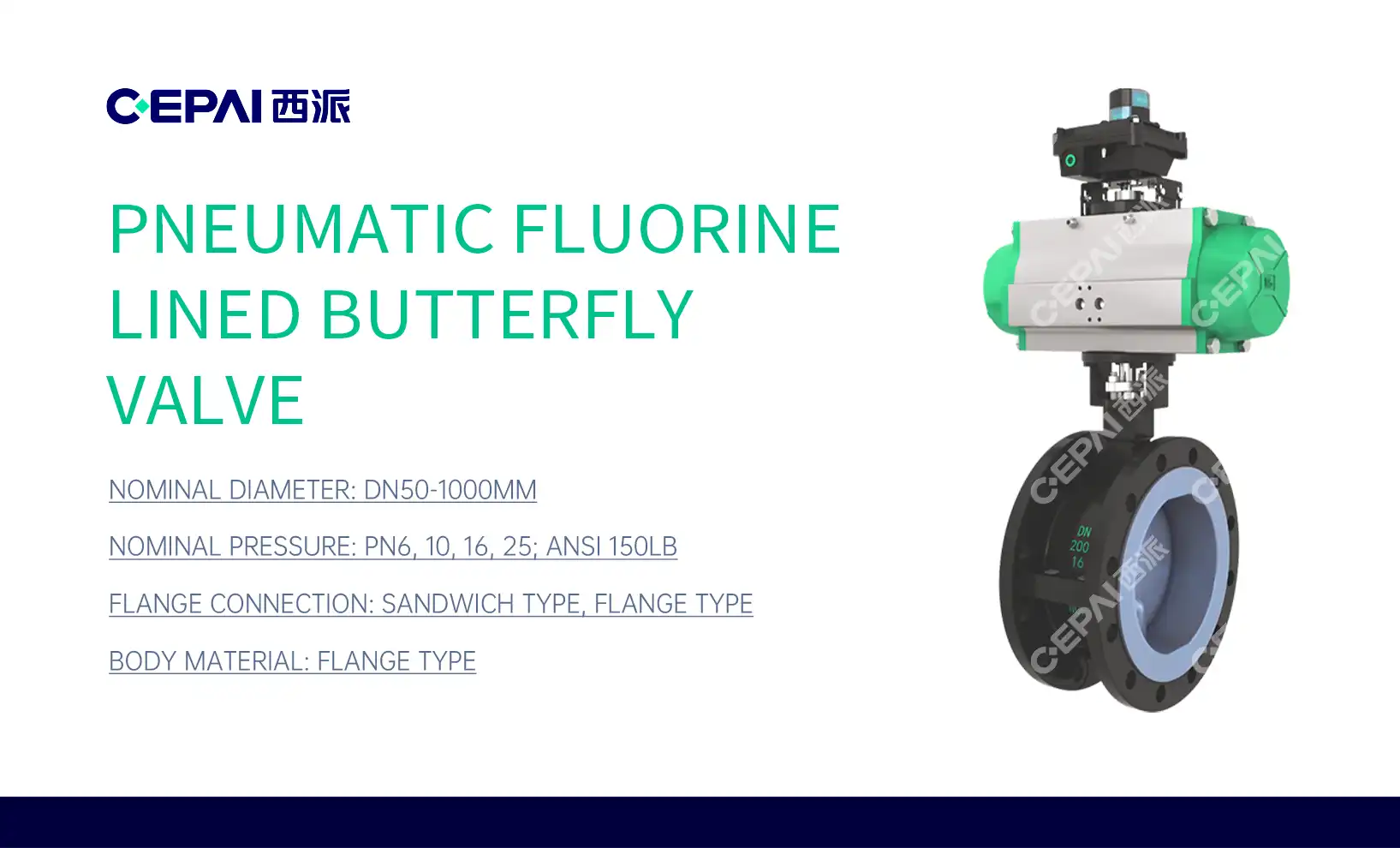
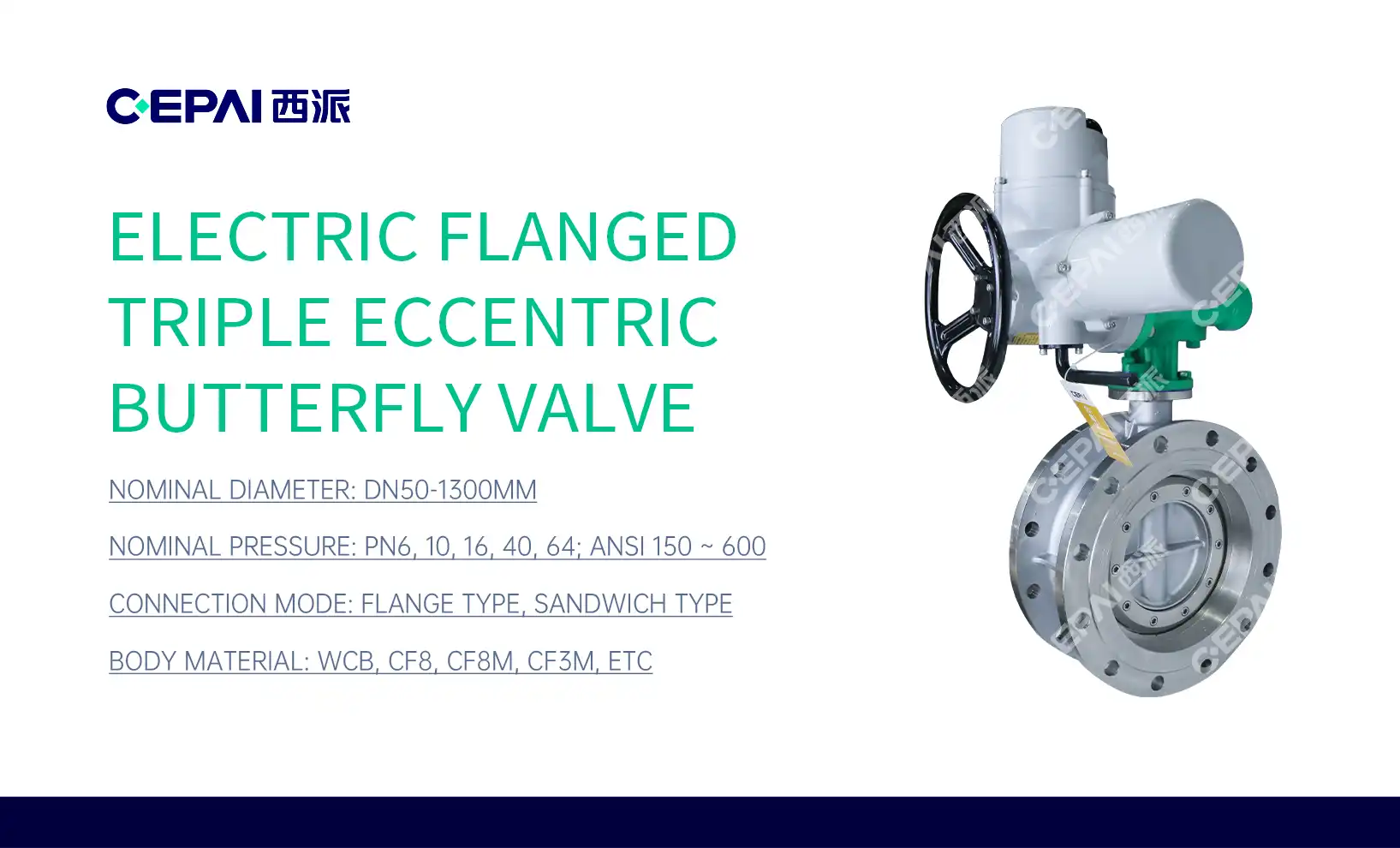
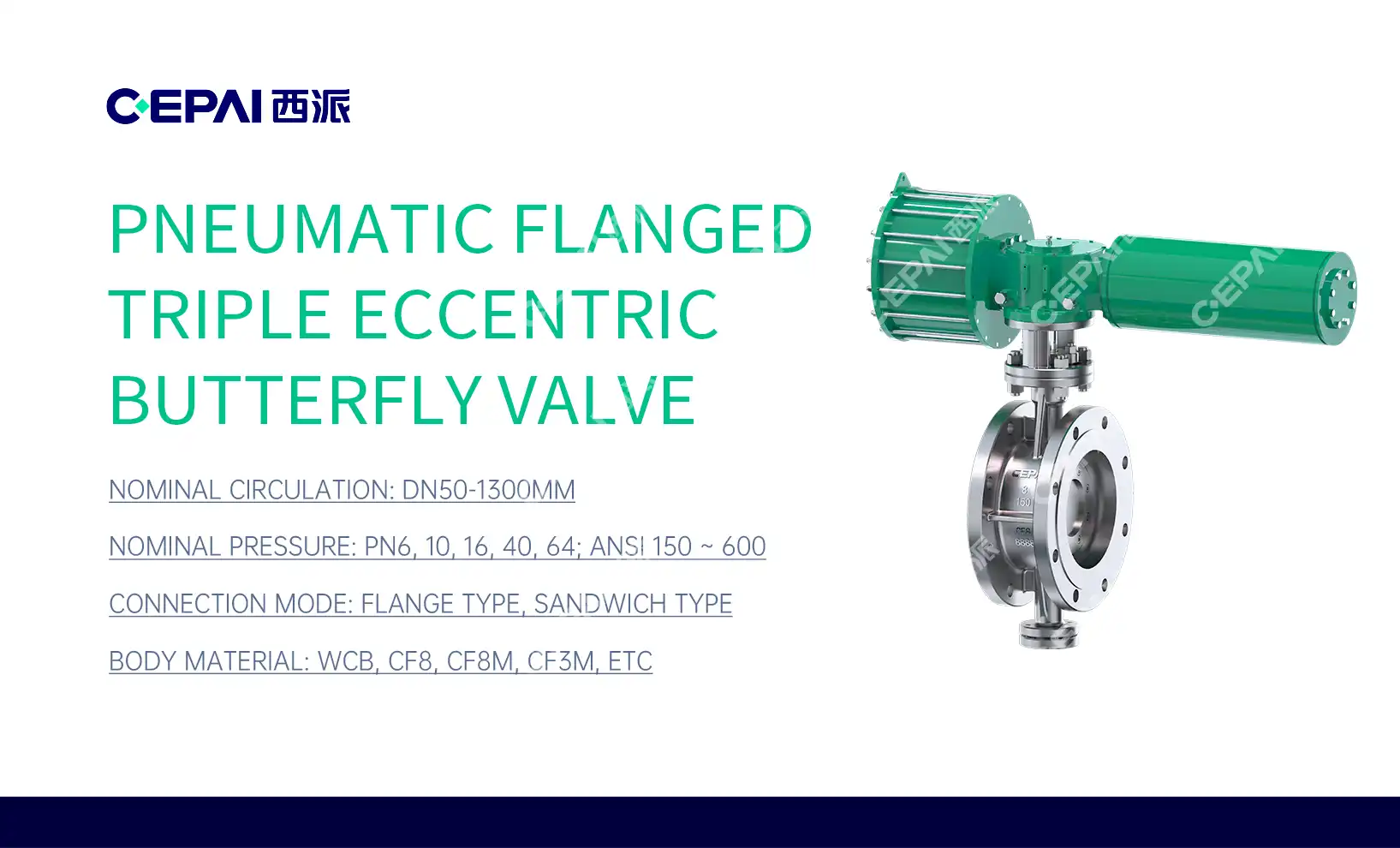
These valves usually come in ball and butterfly shapes that are good for tight areas and are made from long-lasting materials that can handle a wide range of industry conditions. Sour gas settings can handle corrosion-resistant types of stainless steel, and special seat materials keep the seal tight across a wide range of temperatures. Modern compact designs, including the compact valve, are lighter, which makes it easier to hold pipes and lowers the structural loads on offshore platforms where weight limits are very important.
Performance and Maintenance Benefits
When room is limited, compact valves are better than other types of valves because they are easier to install and maintain and give more accurate flow control. Because pneumatic motors and compact valve bodies work together, they can respond quickly, which is important for wellhead choke control and emergency shutdown. The streamlined body shapes cut down on noise and pressure drop, which makes pipeline networks more energy-efficient. Before switching to these space-saving options, facilities often see these changes in how they work:
- Reduced Installation Time: Because the actuators are smaller and the mounting arrangements are simpler, up to 30% less field labor is needed than with traditional valve packages. This is especially helpful in remote sites where labor costs are high.
- Enhanced Serviceability: Because the construction is modular, maintenance teams can change internal trim parts without taking the valve body off the pipeline. This means that production doesn't have to stop as often during regular service times.
- Improved Flow Characteristics: Flow paths that are characterized and built into small trim designs provide linear control reaction across the entire working range. This makes the process more stable in refinery applications that need to precisely control flow.
These operating benefits directly lead to lower lifetime costs and higher safety margins. When chosen and set up correctly, space-saving valve technology solves the main problems that come with pipe layouts that are limited in space while still meeting the high performance standards needed for important uses.
Best Practices for Installing Compact Valves in Confined Piping Systems
A successful installation of a compact valve starts with careful planning before the installation, which includes taking exact readings of the valve's size and knowing how much flow and pressure it needs. Field experience has shown that careful planning stops the most common installation mistakes and guarantees stable operation for a long time.
Pre-Installation Planning and Measurement
Making sure the measurements are correct is the first step to installing valves successfully in tight areas. Before the equipment gets to the site, procurement managers should make sure that the repair entry zones, actuator stroke clearances, and handwheel swing radius are all correct. Pipeline workers can find interference places with nearby pipes, steel structures, and electrical conduit by making accurate three-dimensional models. Temperature affects how much metal expands, so installation gap estimates need to take temperature growth into account while the system is running.
It's not enough to just look over the specifications to understand the flow and pressure needs. Drilling engineers have to make sure that the pipe upstream and downstream has enough straight-run lengths for the flow profile to form, even if designers have to put valves right after elbows or reducers to save room. When calculating pressure drop, it's important to take into account the possibility of cavitation or flashing in slowing situations with high difference pressures.
Positioning and Orientation Strategies
Position and direction are important factors that have a direct effect on how well and how easily a valve can be serviced. There are different ways to mount an actuator, such as on top, on the side, or at an angle. Each has its own benefits in uses with limited room. When requiring manual operation, access and comfort must be taken into account for the operator. For example, a handwheel against a wall or a ceiling pipe is not very useful in an emergency.
The way the valve is mounted affects both how well it works and how easy it is to maintain. Installing a compact valve, gate valves, or globe valves with stems that are oriented horizontally saves room vertically, but trash may get stuck in the bonnet holes. Ball valves can usually be mounted at a variety of angles, but the support needs will depend on how the actuator's weight is distributed. Whether to use an actuator or a manual valve depends on the needs of the process. Pneumatic systems offer quick response in automatic control loops, while manual valves are easier to use and don't need an air supply.
Compliance and Quality Assurance
During the construction, it is very important to follow the safety and quality standards set by the industry. In order to install API 6A wellhead equipment, the torque values for connections that hold pressure must be written down, along with specific steps for making the connections and checking the pressure. According to the principles of ISO 9001 quality management, installation crews must carefully follow the manufacturer's instructions and not make any changes in the field that might lower the pressure ratings or cancel the product warranty. For future use during regulatory checks, documentation practices should keep track of data used for dimensional verification, torque values, and hydrostatic test results.
Post-Installation Maintenance Considerations
How the valve is maintained after placement has a direct effect on its long-term dependability and total cost of ownership. Best practices for maintenance, like making things easy to reach and inspecting them regularly, can help extend the life of valves and keep service interruptions to a minimum in tight areas. Setting up baseline performance data right after the system is turned on gives condition tracking tools something to work against. During the first restart, the lubrication access points, vent and drain connections, and instrument tap sites should be checked to make sure they can still be reached for regular service tasks.
As part of regular inspections, you should look for external leaks, fix the stem packing, and check the response times of the actuators. Thermal imaging can find internal wear or flow problems without stopping the process. Maintenance teams that work in tight spaces like modular valve designs that let parts be replaced without taking the whole valve apart. This makes return activities much faster and less disruptive.
Procuring Compact Valves: What B2B Buyers Need to Know
When they need to find specialized compact valve tools for oil and gas uses, B2B buyers face some unique problems. The buying process includes more than just comparing prices. It also includes technical checks, quality control, and thinking about long-term partnerships with suppliers.

Supplier Evaluation and Certification Requirements
When looking for and choosing tools, it's important to carefully check the qualifications, licenses, and reputation of the seller to make sure the quality of the product and compliance with regulations. API 6A certification for wellhead equipment makes sure that the guidelines for manufacturing, material tracking, and pressure tests are met. Drilling engineers should make sure that sources have up-to-date API licenses and can show test results of the materials that show their chemical make-up and mechanical properties.
ISO 9001 certification means that quality management systems are in place, and ISO 14001 and ISO 45001 certifications mean that a company cares about the environment and safety. When it's possible, purchasing managers should look over supplier audit records and visit production sites. People can be sure that a brand's image, which has been built up over decades of field success, will hold up in tough service conditions.
Customization and Volume Considerations
To get the best deals on purchases without sacrificing technology needs, you should look at your customization choices and the advantages of buying in bulk, such as opting for a compact valve. When EPC companies are in charge of big projects, they can get better terms by combining the needs for valves across many units or platforms. When standard stock goods don't exactly meet the needs of an application, customization becomes useful. For example, modified trim configurations, special material grades, or combined instrumentation packages (including a compact valve) can be used to deal with specific working conditions.
Working together as engineers during the design step helps choose the best valves and find ways to save money. Manufacturers with a lot of experience can help with technical issues like figuring out sizes, choosing materials, and describing extras. Stable production capacity guarantees regular delivery times, which is very important for building projects with tight dates.
Logistics and After-Sales Support
Clear logistics, guarantee terms, and help after the sale are important for managing the global supply chain and providing service after installation. Coordinating customs paperwork, freight forwarding, and delivery plans that work with building stages is needed for international shipments. Before approving buy orders, procurement managers should make sure that all parties understand the nature of the warranty, how long it lasts, and how to file a claim.
After-sales support includes professional help, having access to spare parts, and being able to do field work. Energy service providers that work in remote areas appreciate sellers that keep extra parts and service centers in their regions stocked. Quick responses to technical questions and calls for field help keep output from stopping when problems happen. Working with reliable, experienced OEMs and manufacturers lowers risks, speeds up the buying process, and makes sure that the valves you need are exactly what the project calls for.
Conclusion
When installing valves in tight pipe areas, it's important to choose the right tools, plan carefully, and follow tried-and-true installation methods. Modern factories don't have a lot of room, but compact valve technology gets around that problem while keeping the performance, reliability, and safety margins that important uses need. The benefits go beyond just saving room; they also include better flow, less work during installation, and easier maintenance throughout the lifecycle of the equipment. When making a procurement choice, it's important to weigh the original costs against the total costs of ownership, keeping in mind that compact solutions that are properly defined offer better long-term value. By working with skilled providers who have experience with oil and gas applications, you can be sure that you will have access to the professional support, quality documentation, and after-sales service that are necessary for the project to succeed.
FAQ
1. What factors determine compact valve suitability for my application?
It's clear that space limitations are an important factor, but pressure rates, temperature limits, and flow traits are also important. Make sure that small designs meet or go beyond the system's pressure class needs. For wellhead uses, these could be API 6A ratings, and for process pipes, they could be ANSI class ratings. Temperature differences affect the choice of seal material and the metalwork of the body. The right compact valve size is based on the flow coefficient value to avoid too much pressure drop or not enough control power.
2. How are repair methods for standard and compact valves different?
Modular, compact designs make maintenance a lot easier because they let you change trim without taking valve bodies out of pipes. The time between inspections stays the same, but small actuators may need to be oiled at different times than regular gears. Documentation standards are the same for all valve types. No matter what valve design you have, you must keep records of packing adjustments, seat refurbishments, and pressure testing results.
3. Can compact valves perform reliably under high-pressure conditions?
Modern compact valves are often used in high-pressure situations when they are properly defined and made to the right standards. API 6A certifications show that the pressure level is met for uses in wellheads and Christmas trees. The pressure capability is determined by the materials used and the quality control during production. Reliable sources offer proof tests and material tracking to confirm design margins. Check the technical data sheets provided by the maker to check the pressure-temperature ratings for the models you are thinking about.
Partner with CEPAI for Superior Compact Valve Solutions
CEPAI provides specialized compact valve solutions that are made to meet the unique needs of oil and gas businesses around the world. Our wide range of products includes API 6A approved wellhead valves, space-optimized regulating valves, and high-performance control devices that can be used for oil and gas research, production, and refining. We keep up with the quality standards and technical paperwork that your projects need with certificates in API Q1, ISO 9001, ISO 14001, and CE compliance. Our engineering team works directly with drilling engineers, plant managers, and EPC contractors to figure out the best way to set up valves in confined pipe plans. CEPAI has the technical know-how and production ability to help with projects of any size, whether you need special wellhead assemblies, small choke valves, or full instrumented valve packages. Get in touch with our team at cepai@cepai.com to talk about your unique needs with experienced compact valve suppliers who know how to work in tight spaces. We're ready to help you with the buying process by giving you clear technical specs, reasonable prices, and quick service after the sale.

References
1. American Petroleum Institute. (2018). Specification for Wellhead and Christmas Tree Equipment (API Specification 6A, 20th Edition). Washington, DC: API Publishing Services.
2. Fisher, J. R., & Henderson, M. K. (2019). Valve Selection and Specification Guide for the Oil and Gas Industry. Houston: Gulf Professional Publishing.
3. International Organization for Standardization. (2020). Industrial Valves—Part 1: Pressure Testing of Metallic Valves (ISO 5208:2015). Geneva: ISO Standards.
4. Lyons, W. C., & Plisga, G. J. (2016). Standard Handbook of Petroleum and Natural Gas Engineering (3rd ed.). Burlington: Elsevier Science.
5. Nesbitt, B. (2017). Handbook of Valves and Actuators: Valves Manual International. Oxford: Elsevier Advanced Technology.
6. Zappe, R. W. (2021). Valve Selection Handbook: Engineering Fundamentals for Selecting the Right Valve Design for Every Industrial Flow Application (6th ed.). Cambridge: Woodhead Publishing.

Get professional pre-sales technical consultation and valve selection services, customized solution services.

About CEPAI