How to Select Corrosion-Resistant Valves for Desalination
Understanding the abrasiveness of seawater and brine environments is necessary for choosing the best corrosion-resistant valve for desalination uses. These valves have to be exposed to chlorides, high salt levels, and changing temperatures all the time, which breaks down materials faster. To make the right choice, you need to look at the certifications, the makeup of the materials, their mechanical performance, and how reliable the provider is. When you make a smart choice, you lower the frequency of upkeep, avoid sudden failures, and protect your cash investment. This guide is for drilling engineers, procurement managers, and project specialists who need reliable performance in harsh marine settings. It covers technical basics, useful selection criteria, and procurement strategies.

Understanding Corrosion-Resistant Valves and Their Role in Desalination
Desalination plants deal with huge amounts of seawater every day, which can be very hard on the tools they use. The acidic effects are mostly caused by chloride ions, liquid oxygen, and changes in temperature, all of which attack normal materials very quickly. To make smart purchasing choices, you need to know what makes a valve really resistant to these forces.
What Defines a Corrosion-Resistant Valve
Corrosion-resistant valves are made from carefully chosen materials and have protective coatings that are designed to work in harsh sea settings. In contrast to regular industrial valves, these parts are made of metals that have higher amounts of chromium, nickel, and molybdenum. These alloys form stable inactive layers. The body of the valve, its internals, seals, and bolts must all show that they can work with the chemistry of seawater. Choosing the right material isn't enough to promise success; design elements like smooth building and proper surface finishing have a big impact on how long something will last.
Essential Materials for Desalination Applications
Because they have a balanced austenitic-ferritic microstructure that doesn't crack when exposed to chloride, duplex stainless steels, especially grades 2205 and 2507, have become industry standards. These metals are almost twice as strong as regular austenitic types, but they are still very easy to weld. The Pitting Resistance Equivalent Number (PREN) shows that super duplex types have even better pitting resistance. For demanding seawater service, the PREN should be higher than 40.
When working with concentrated brines or high temperatures that duplex steel can't handle, specialty metals like Hastelloy C-276 and Inconel 625 offer better protection for a corrosion-resistant valve. These nickel-based materials can handle acidic conditions when the membrane is being cleaned and can also stop limited rusting. For projects that need to stay within a budget, 316L stainless steel with molybdenum content can still be used in less active areas for a corrosion-resistant valve, but the service conditions must be carefully studied.
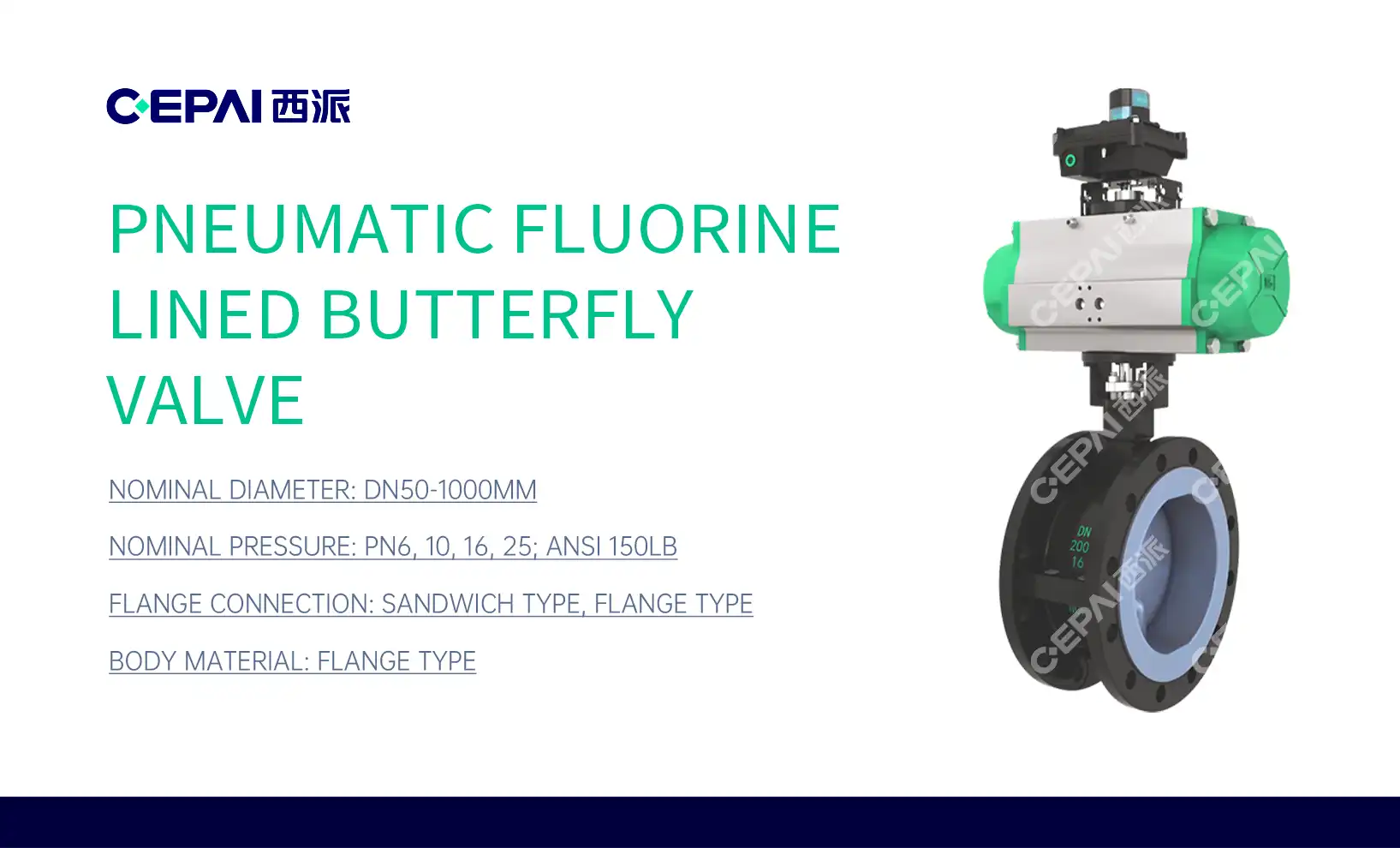
When chemical protection is very important, PTFE-lined valves are a good option. The fluoropolymer covering makes a buffer between the process fluids and the metal body that can't be damaged by most corrosive media. But temperature limits and possible leakage issues need to be carefully thought through when specifying the valve.
Operating Parameters and Performance Expectations
For reverse osmosis systems, desalination plants usually have inlet pressures between 55 and 80 bar. At thermal desalination plants, steam pressures can be higher than 30 bar. Changes in temperature between normal seawater (15–30°C) and hot brine streams (up to 120°C in multi-stage flash systems) cause thermal stress that makes rusting worse. When choosing a valve, these operating windows must be taken into account while keeping the valve leak-tight throughout the pressure-temperature range.
Flow factors are very important in distillation processes that use a lot of energy and where pumping costs are a big part of the operating costs. When the valve is wide open, full-bore ball valves keep the pressure drop to a minimum, and defined control valves let you change the flow precisely. Figuring out whether your application needs on-off separation or sliding control affects the type of valve you choose and how reliable it will be in the long run.
Key Criteria for Selecting Corrosion-Resistant Valves in Desalination Plants
To make smart choices about valves, you need to carefully look at a lot of different technical and business factors. Whether a valve works consistently or becomes a maintenance liability depends on how the material properties, mechanical design, and operating needs interact with each other.
Material Compatibility with Seawater Chemistry
Different parts of the world have different kinds of seawater, and the saltiness can be anywhere from 33,000 to 48,000 ppm total dissolved solids. Coastal areas with a lot of industry waste may add more pollutants, like sulfates, heavy metals, and organic substances, that change how corrosion works. Before choosing materials, you should do a full water chemistry study. This includes checking the salt concentration, dissolved oxygen levels, pH, and temperature profiles.
When metals that are not the same touch each other in conductive saltwater, galvanic rusting can happen. When electrical compatibility is important, valve systems made of mixed materials need to be carefully thought out. Strategies for isolation, such as using protective seals or choosing materials with similar galvanic potentials, slow down the breakdown process. Cathodic protection systems may help with choosing the right material for underwater uses, but the valve itself shouldn't get in the way of protection plans if it's designed correctly.
Mechanical Design and Durability Considerations
Valve life in desalination service depends a lot on design features that keep processes that speed up corrosion to a minimum. Crevices hold on to electrolyte that isn't moving, making an area with strong conditions that start pitting and crevice rust. Better valve designs get rid of or lessen these issues by making the body spaces smaller, cutting down on dead legs, and making sure the sealing surface shape is right.
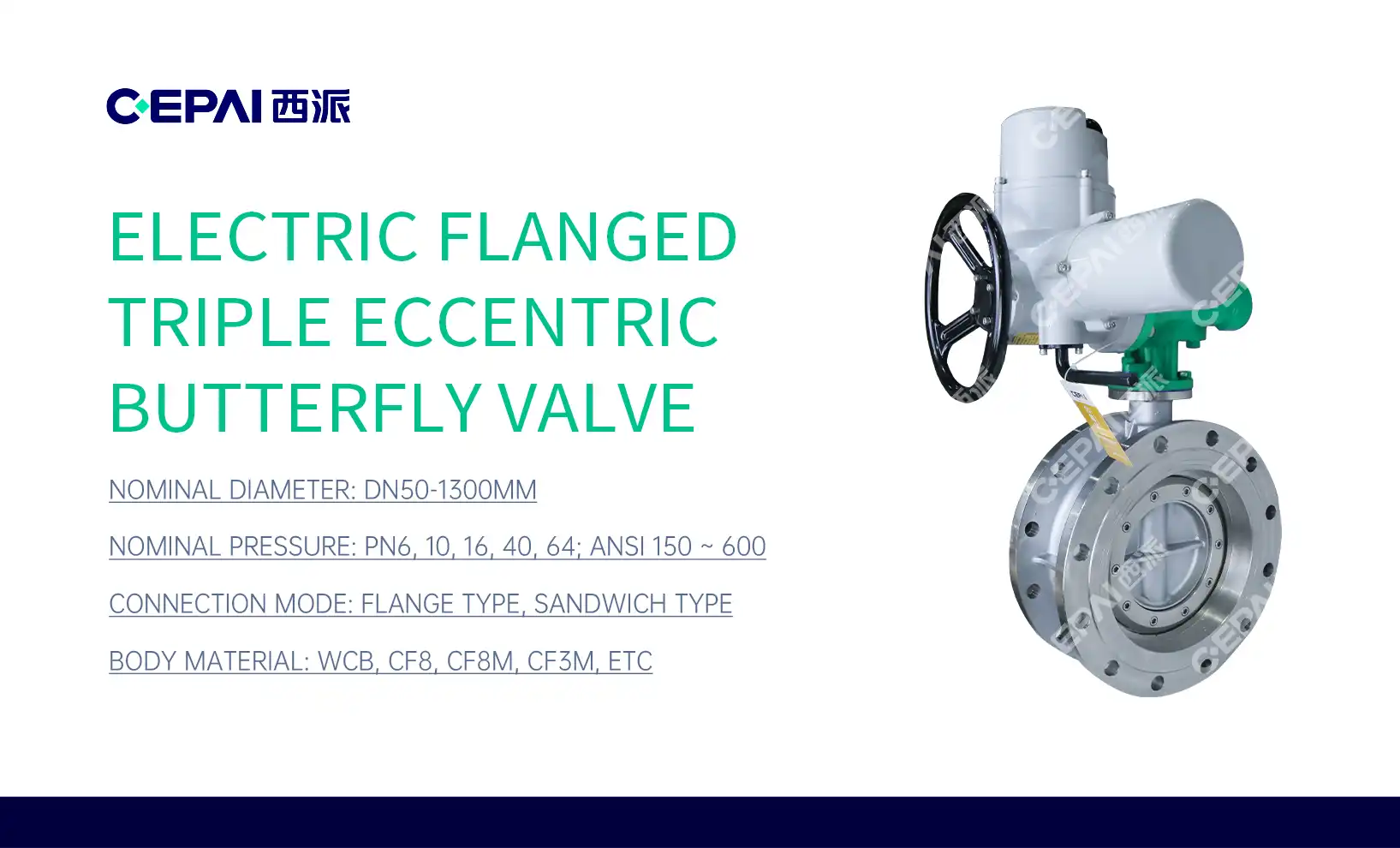
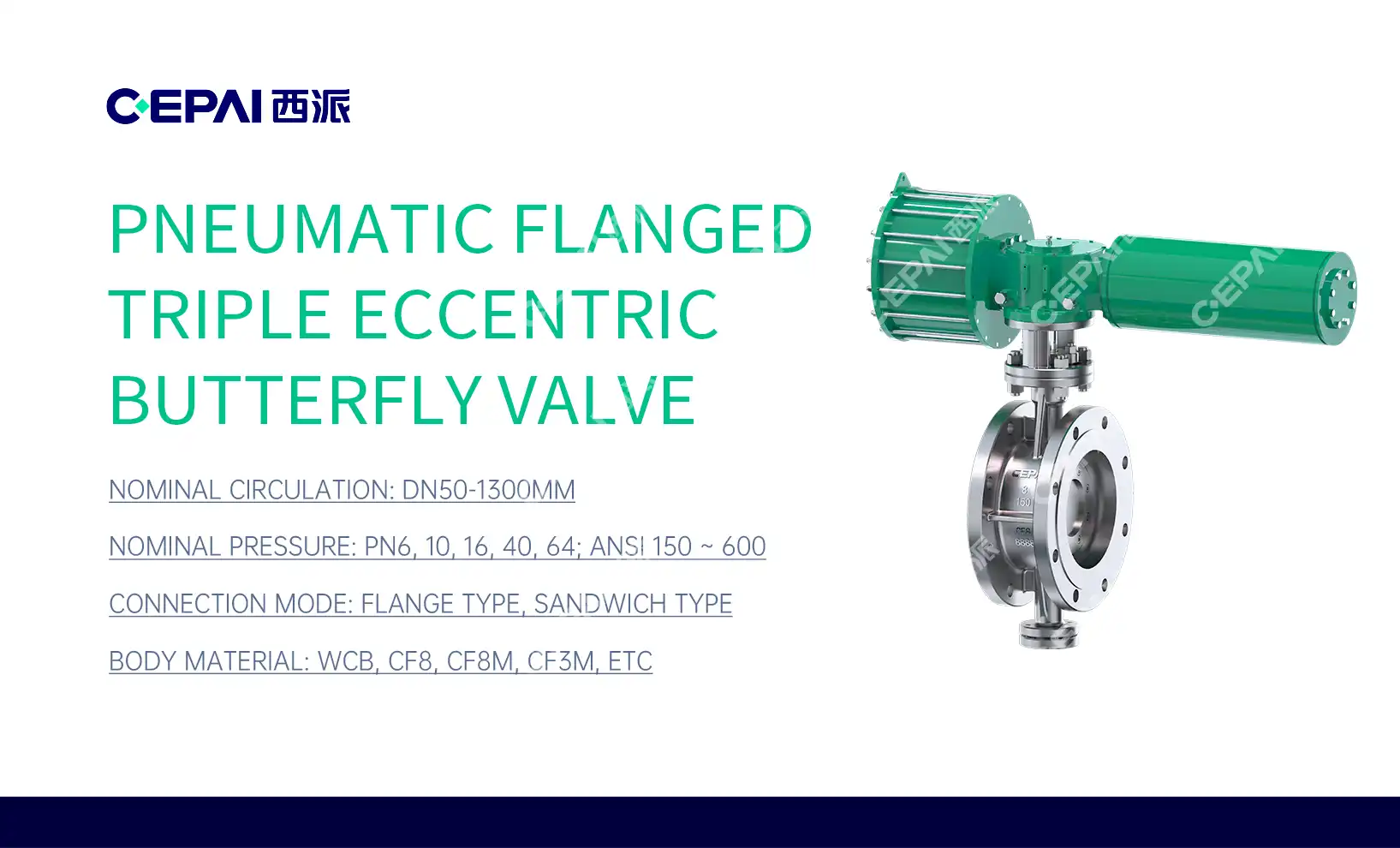
Finding the right balance between chemical protection and mechanical performance is hard for materials used in seats and seals. PTFE seats are very good at resisting rust, but they may move when they are loaded for a long time, which could lead to leaks. EPDM and other elastomeric seals are flexible and resilient, but they can't handle high temperatures or chemicals. When you combine a corrosion-resistant valve with metal-to-metal primary seats and soft secondary seals, you often get the best performance in a wide range of working situations.
When used in acidic conditions, flange joints need extra care. Most uses are good for raised-face flanges with spiral-wound gaskets made of graphite and 316 stainless steel inner rings. Ring-type joint (RTJ) flanges offer better protection for high-pressure systems, but they need to be carefully machined and put in place. Choosing the right bolt material—usually A193 Grade B7M or a higher grade of alloy—keeps fasteners from breaking, which could damage the joint.
Certification Requirements and Quality Standards
API 6D certifications show that strict speed requirements for pipeline applications are met, while API 6A certifications show that the same is true for wellhead applications. These standards require specific testing methods, such as hydrostatic pressure tests, seat leakage checks, and rules for material tracking. Even though desalination plants aren't usually thought of as API setups, these certifications show that the products were made well and were tested thoroughly, which means they will work well in the field.
ISO 15848 talks about checking industrial valves for fugitive pollution, which is becoming more important as environmental rules get stricter around the world. Type approval testing makes sure that low-emission stem sealing systems work by putting them through temperature and mechanical cycles that mimic a longer service life. The specifications for the purchase should include the right Type and Endurance Class names that fit the environmental goals of your building.
Material test records (MTRs) and positive material identification (PMI) certificates make sure that the alloy makeup meets the requirements set by the designer. These papers show the history of the material from the time it was certified at the mill to the time it was made. This makes sure that any changes haven't hurt the rust resistance. Reliable providers keep detailed records that make it possible to track valves throughout their entire lifetime.
Comparing Market Solutions: Making the Right Choice for Your Project
The valve market has a lot of different options for desalination uses, and each has its own benefits that depend on the needs of the business and the budget. For a fair comparison, you need to look at more than just the original purchase price. You also need to consider the total cost of ownership.
Stainless Steel Versus Specialty Alloy Options
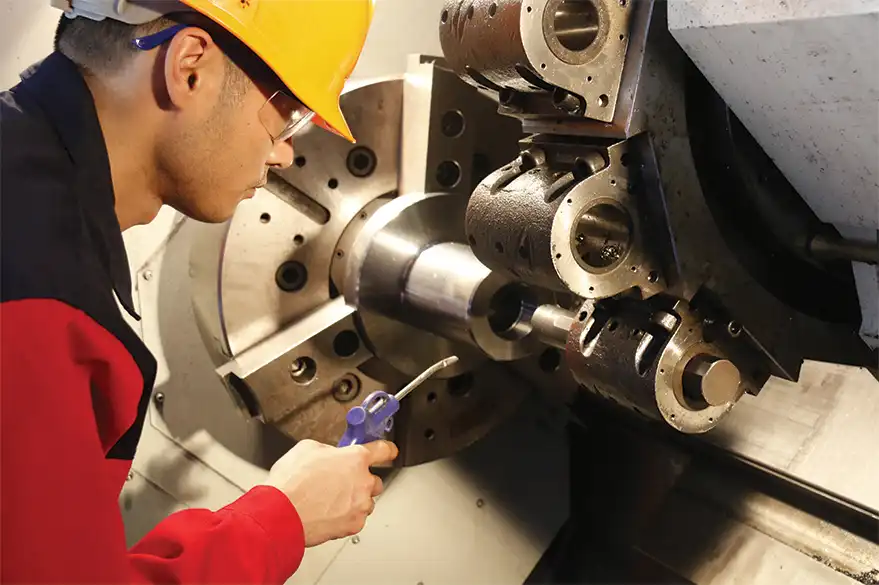
Duplex stainless steel valves are a great choice for many desalination uses because they are both corrosion-resistant and cost-effective. Their strength lets them have thinner walls than austenitic options, which makes up for the higher cost per kilogram of material. Fabrication skills vary a lot between manufacturers—using the right heat treatment and welding techniques is key to getting the rust protection that is required. It is easier to check the quality of making when you ask for proof of heat treatment curves and weld process qualifications.
It costs more to buy super duplex and nickel metal valves, but they last longer in the harshest conditions. These new materials work well in areas with concentrated brine sources, high salt levels, and high temperatures. When deciding if the extra investment is worth it, you should think about the substitute costs, such as the workers needed for installation, the time the process will be shut down, and the production that could be lost. If a valve fails during times of high demand, it could cost a lot more than the difference between normal and expensive materials.
Lined Valve Technologies and Applications
PTFE-lined ball valves and butterfly valves (as corrosion-resistant valve options) are very resistant to chemicals and are priced reasonably for bigger line sizes. The lining keeps the carbon or ductile iron body from coming into touch with anything toxic while still allowing full-bore flow. When concentrated acids and bases are moving through chemical dosing systems to change the pH, spray antiscalant, or clean membranes, these corrosion-resistant valves work great.
Knowing the limits of the lining keeps you from applying it incorrectly, which could cause it to fail too soon. Over time, small molecules can pass through PTFE, which could lead to burns if the body material below the lining corrodes. This process speeds up when the temperature changes, which makes thermal shock situations very bad. As a backup protection, proper specification includes setting maximum temperature ramp rates and making sure there is enough body material corrosion tolerance.
Evaluating Supplier Capabilities and Support
Comparing detailed datasheets is not the only way to find a good provider. Manufacturing capacity, quality control systems, and facilities for after-sales help all have a big impact on the success of a project. Suppliers who have more than one international certification, such as API Q1, ISO 9001, and pressure equipment guidelines, show that they are dedicated to quality and constant growth.
How fast technical help is during the specification phase shows how well you can work together during procurement and commissioning. Suppliers who take the time to understand your unique application needs, give you full selection advice, and offer customization options build relationships with customers instead of just filling orders. This interactive method is very helpful when dealing with problems in the field or making the system work better.
Step-by-Step Guide to Procuring Corrosion-Resistant Valves for Desalination
To buy valves successfully, you need to follow a structured process that balances technical needs with business facts and time limits. Each step builds on the ones that came before it, making a complete plan for buying things.
Defining Your Operational Requirements
Start by writing down all the details of the process for each valve site, such as the type of fluid, temperature range, pressure range, flow rates, and how often the process cycles. There are different types of service ratings for tasks like emergency separation, intermittent cycling, and ongoing operation. Knowing whether valves are in a steady state or are frequently actuated affects the design choice and the amount of time that should be spent on care.
Analyzing the science of water is an important part of choosing materials. Get information about the temperature, chloride level, pH, dissolved oxygen, and any cleaning chemicals that are in the process streams. Seasonal changes in the temperature and salinity of the ocean may make the working area bigger than what was first thought. These changes are taken into account by conservative design margins that don't go into too much detail.
Evaluating Quotations and Supplier Proposals
Full reviews of quotes look at more than just the unit price; they also look at the total value provided. Construction goals must be matched with delivery dates, especially for specialty things that take a long time to make. Make it clear if the wait times given include planning, production, testing, and shipping, or if they only include production time.
If a product fails too soon, the warranty terms show that the seller is confident in its durability and give customers a way to get their money back. Standard guarantees for a corrosion-resistant valve usually last for 12 months after the product is put to use or 18 months after it was shipped, whichever comes first. When manufacturers offer extended warranty choices for a corrosion-resistant valve, it means they are ready to stand behind their goods for longer periods of time. Carefully read through the warranty's exclusions—wrong installation, use beyond the product's intended limits, and poor upkeep are common things that will void the guarantee for a corrosion-resistant valve.
Support options after the sale have a big effect on the long-term owning experience. Check to see if wear parts like seats, seals, and actuator tools are available as parts. Response times for technical help or field service actions are cut down by regional service centers. Training programs help maintenance teams learn how to operate valves correctly, do normal maintenance, and find and fix problems in a way that makes them more reliable.
Validation Testing and Installation Best Practices
Factory acceptance testing (FAT) lets you see how well the product works before it is shipped. Hydrostatic testing of the shell shows that the pressure limit is solid, and seat leakage tests confirm that the shutoff capability meets the requirements of the standard. When operated valves are tested for functionality, stroke times, seating forces, and control system interaction are checked. Seeing these tests in action boosts trust and reveals problems, but the solutions are still simple.
Proper fitting techniques protect the investment in the valve from the time it is first put into service for decades to come. During building, storage methods keep moisture out and damage from happening. Installation orientation should match what was planned during design—some valves have preferred mounting positions that affect how well the seal works and how reliably the valve can be operated. Using calibrated torque tools and the right tightening steps for bolting procedures will make sure that the gasket is compressed evenly and stop the flange from warping.
Conclusion
Carefully considering the material suitability, mechanical design, approval needs, and source skills is important when choosing corrosion-resistant valves for desalination. Depending on the service conditions, duplex stainless steels, specialty metals, and coated valve technologies all have their own benefits. A full look at the total cost of ownership, not just the price of the original purchase, helps people make the best choices that reduce costs over time while increasing reliability.
Structured procurement methods that spell out practical needs, objectively evaluate seller bids, and use strict testing processes lower the risks that come with complicated desalination projects. Long-term operating success is built on working with experienced makers who show they have technical know-how, good quality management, and quick response times. The valves you choose have a direct effect on how available your plant is, how much it costs to maintain, and, in the end, how profitable your desalination facility is.
FAQ
1. How do corrosion-resistant valves function in aggressive seawater environments?
When these corrosion-resistant valves are put in chloride-rich saltwater, they use special metals and coatings that make stable passive layers. The inactive film keeps metal from coming into direct touch with electrolytes that are corrosive. This greatly slows down oxidation processes. Design features keep gaps from becoming places where fluids can pool and speed up localized attack. The right choice of material should also be made based on the type of corrosion (pitting, crevice corrosion, stress corrosion cracking) that will be happening in your application.
2. What maintenance practices extend corrosion-resistant valve service life?
Regular inspections find early signs of wear and tear before they become problems. External rust, leaks, and mechanical damage can be found by looking at it. Periodic switching of the actuator keeps the seals oiled and stops them from freezing from being in idle service for too long. When you flush with treated water after using chemicals to clean the membrane, you get rid of any acids or bases that might be left behind that could damage the seals and internal parts.
3. How do I select optimal materials for specific desalination conditions?
When choosing a material for your valve, think about the harshest conditions it will face, like the highest quantity of chloride, the highest temperature, and the lowest pH during cleaning processes. Most uses of seawater are good for duplex stainless steels, while super duplex types can handle more concentrated brines. Nickel metals can be used in the harshest situations, such as acidic, high-temperature places. Look at the performance data for the materials and ask the provider for suggestions based on the service parameters you've written down.
Partner with CEPAI for Superior Corrosion-Resistant Valve Solutions
CEPAI offers engineered valve solutions that are made to work in challenging desalination and offshore situations where resistance to corrosion is a key factor in operating success. We bring extensive experience in material selection, precise production, and stringent quality control as a certified corrosion-resistant valve manufacturer with API Q1, API 6A, API 6D, ISO 9001, and CE certifications. From developing specifications to finishing, our engineering team works with clients to make sure that every valve meets your exact needs.
We make a wide range of valves from duplex stainless steel, super duplex metals, and unusual materials. These include ball valves, gate valves, check valves, and control valves. Our production skills support both standard and custom designs, and all of our products come with full traceability paperwork and testing confirmation from a third party. Talk to CEPAI about your project needs right away by emailing cepai@cepai.com or going to valveinformation.jscepai.com. Our technical experts give you full application analyses and quotes that are made to fit the specific needs of your desalination plant. This ensures that your investment is protected and that the system works well.

References
1. Oldfield, J.W. & Todd, B. (2001). "Corrosion Resistance of Stainless Steels in Seawater and Marine Atmospheres." Nickel Development Institute Technical Series, Reference Book Series No 10 058.
2. Francis, R. (2010). "The Corrosion of Copper and Its Alloys: A Practical Guide for Engineers." NACE International Press, Houston, Texas.
3. Lundin, C.D. & Zhou, G. (1995). "Weldability and Hot Cracking Behavior of Austenitic Stainless Steel Base and Weld Metals." Welding Research Council Bulletin 403.
4. International Desalination Association (2018). "Materials Selection Guidelines for Desalination Plants." IDA Technical Standards Committee Report.
5. American Water Works Association (2016). "Manual M49: Pressure Pipeline Design for Water and Wastewater." AWWA Standards, Denver, Colorado.
6. Cottis, R.A., Graham, M.J., Lindsay, R., Lyon, S.B., Richardson, J.A., Scantlebury, J.D. & Stott, F.H. (2010). "Shreir's Corrosion - Volume 1: Metal/Environment Reactions." Elsevier Science, Oxford, UK.

Get professional pre-sales technical consultation and valve selection services, customized solution services.
About CEPAI