How to Clean Valves for Food Grade Use Without Contamination?
When cleaning valves for food-grade uses, extra care must be taken so that they don't get dirty. If they do, it could compromise the safety of the product and the company's ability to follow the rules. To keep a sanitary valve in good shape, it needs to be carefully taken apart, cleaned with chemicals that are safe for the job, and then put back together carefully, following the rules set by the industry. To do the job, you need to know about sanitary construction, the right cleaning chemicals, and the right way to clean that keeps the valve's integrity and stops germs from spreading. Food manufacturers have to clean their facilities very well in order to keep their businesses running smoothly and meet strict safety standards.
Understanding Sanitary Valves and Contamination Risks
Industries that work with food need valve systems that keep goods clean while they are being made. There are some features on these clean parts that make them very different from regular industrial valves. These features keep pollution to a minimum while still controlling flow effectively.
Types of Sanitary Valves in Food Processing
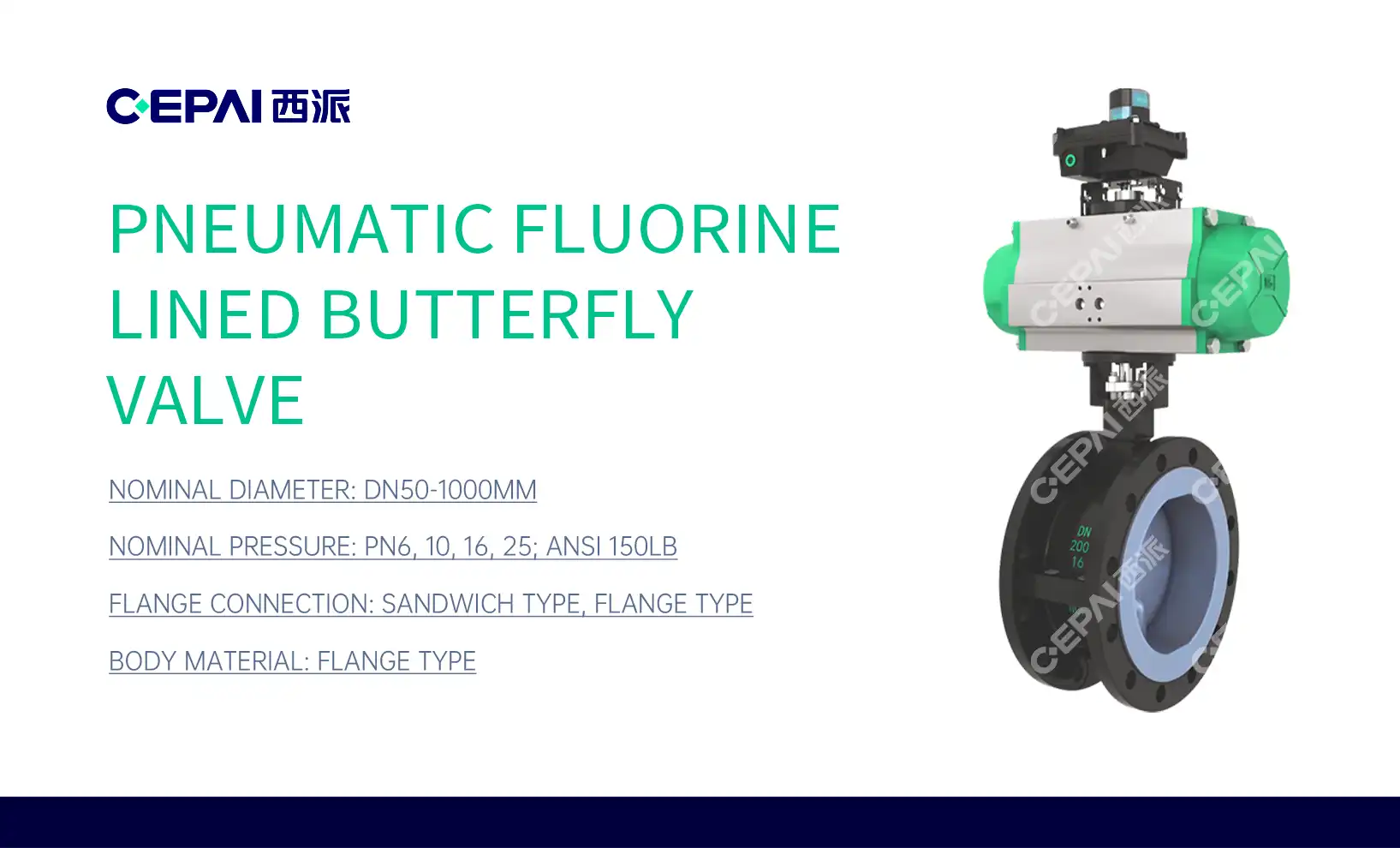
There are a number of different types of sanitary valve systems that are made to be used with food. You can stop the flow of water with a ball valve, and the smooth, polished surface doesn't let bacteria stick to it. With butterfly valves, you can control the flow rate and keep things clean at the same time. This type of valve blocks contamination from getting in by putting a flexible membrane shield between the process media and the actuation systems.
There are different kinds of valves that are used for different tasks in food preparation. You can handle changing flows with butterfly valves, but you should use ball valves when you need to separate flows. Diaphragm valves are very helpful when working with sensitive items that can get dirty from outside sources.
Material Standards and Hygienic Design Principles
316L and 304 stainless steel are the best types of metal to use to make food-grade valves. These metals are very resistant to rust and keep their smooth surfaces, which is important for cleaning well. Most standards for surface roughness call for Ra values below 0.8 micrometers to stop germs from growing.
It is important to get rid of cracks, dead ends, and sharp curves in design so that germs and dirt don't get stuck. With tri-clamp links, it's simple to take everything apart and clean it well. When you use self-draining directions, liquids don't stay in one place, which could help germs grow after production stops.
Contamination Pathways and Risks
The main way that sanitary valve systems can get dirty is through biofilm growth. These types of germs stick to surfaces very well and are hard to get rid of with normal cleaning methods. Also, they are always putting germs into product lines. When valves aren't cleaned well enough, allergens or germs can move from one production batch to another. This is called cross-contamination.
There are ideal conditions for germs to grow when residue builds up around areas that close. When the temperature changes, thermal expansion can happen. This can make the seal less strong and give germs new ways to get in. If you know about these risks, you can take steps to avoid them, such as making sure you clean and fix things on time.
Step-by-Step Cleaning Process for Sanitary Valves
To clean valves properly, you need to follow a step-by-step plan that gets rid of all possible sources of contamination while keeping the parts clean. To keep up with schedules for production without dropping safety standards, good cleaning methods are both thorough and quick.
Pre-Cleaning Inspection and Preparation
Before cleaning, the parts are looked at to see if they are dirty or worn down in a way that needs to be fixed. Take out everything that's outside and make sure the valve is in the right spot so it's easy to clean. Write down any problems that were found during the check so that you can keep track of upkeep.
As a safety measure, the device must be turned off before it can be taken apart. Turn off all the power and make sure that none of the valves are under any pressure. Make sure you have the right cleaning tools, chemicals, and safety gear before you start taking things apart.
Disassembly Techniques for Different Valve Types
Depending on how they are built and linked, there are many different ways to take out a sanitary valve. Tri-clamp systems need to have their clamp bands carefully removed while they are being held up so that heavy parts don't break. Mark the direction of each part as you take it apart to make sure it fits right when you put it back together.
Usually, to take apart a ball valve, you need to take off the actuator parts, take out the ball elements, and clean the seat parts very well. To fix a butterfly valve, you mostly need to take out the disc and put on a new shaft seal. When you take membranes off of diaphragm valves, be careful not to tear these important parts that close the valve.
Manual Cleaning vs. Clean-in-Place (CIP) Systems
You can clean every surface of sanitary valve by hand, but it's a lot of work and stops the process for a while. This method works well for valves that have difficult shapes or are very dirty and need to be cleaned mechanically. In order to get rid of all the dirt, you have to brush, soak, and rinse several times.
Clean-in-Place methods let things get cleaned automatically without having to be taken apart. This keeps the quality of the cleaning high while cutting down on worker costs and downtime. The chemicals must stay on the surface for long enough, the spray must cover the right area, and the flow must be fast enough to get rid of any buildup. By keeping the temperature in check, you can make cleaning chemicals work better and protect delicate valve parts from damage.
Cleaning Agents and Sanitizer Selection
Cleaners that are alkaline can get rid of protein-based soils that are common in food preparation. Salt hydroxide solutions that are 2 to 4 percent concentrated clean very well when the temperature is high. It is possible to get rid of mineral layers and some organic dirt with an acid cleaner, but not with an alkaline solution.
Once the machine is clean, sanitizing agents kill any germs that are still there. Cleaners with chlorine are cheap and kill a lot of different kinds of bacteria. It is very easy for peracetic acid to kill biofilms because it breaks down into safe byproducts. It's good to use quaternary ammonium chemicals for long periods of time because they kill germs for a long time.
Maintenance and Cleaning Frequency to Ensure Long-Term Sanitation
When figuring out the best time to clean, you need to balance the need for speed with the risk of harm. The type of product, the amount of production, and the surroundings all affect the best ways to fix valves so that they work for a long time.
Factors Affecting Cleaning Intervals
The type of product has a big impact on how often valves need to be cleaned. Protein-rich foods need to be cleaned more often because they help germs grow quickly. If you want to keep your tools from rusting and make sure they are clean after cleaning them with acidic products, you may need to follow certain steps. That means you can go longer between deep cleaning sessions if you buy low-risk items like dry ingredients.
How fast pollution builds up on sanitary valve depends on how hot or cold it is and how long the plant is running. When the process lasts longer, biofilm is more likely to form, and high temperatures may help bacteria grow faster when the process is over. How often things need to be cleaned changes with the seasons, especially in places that don't have strict rules about the environment.
Sample Cleaning Schedules for Various Applications
Dairy processing companies normally rinse every hour and do full CIP processes every 4 to 6 hours while they are making milk. Once a week, these sanitary valve units are taken apart and cleaned by hand so that automatic systems can't get to places they need to. The steps for making drinks are mostly the same, but some are different based on how hot and sour the ingredients are.
Plants that prepare meat need more thorough cleaning plans because they are more likely to get dirty. When the machine is always on, the valves are cleaned every time a product is changed, and the whole thing is cleaned every two to three hours. For use in bakeries, you can wait longer between deep cleanings and still keep the surface clean between food runs.
Component Inspection and Replacement Protocols
By checking the seals often, you can keep the ones that aren't sealed properly from getting dirty. Change O-rings and seals that are old, hardening, or chemically breaking down before they leak. Make new plans so you can look for patterns that show you design or operation issues that need to be fixed.
The surface finish wearing away makes cleaning less effective and gives germs a place to live. Look for damage on the sides of the valves, like pits, scratches, or rust, that could make them harder to clean. To meet cleanliness standards, decide when to change something based on readings of how rough the surface is and visual checks.
Selecting Sanitary Valves That Facilitate Easy Cleaning and Compliance
What you buy for sanitary valve has a big impact on how easy it is to clean and how much it costs to keep up over time. You can be sure to get valve systems that clean well and meet government standards if you know about key design elements and what providers can do.
Essential Design Features for Easy Cleaning
It's easier to clean fully when the inside is smooth because dirt doesn't stick to it. The surfaces of sanitary valve units are smooth and shiny, with few bumps or other flaws that germs could grow on. Design that drains itself keeps liquids from building up, which lets germs grow when production stops.
With careful planning of joints and surface changes, crevice-free building gets rid of places where germs can hide. When it comes to keeping things clean, welded parts are better than threaded joints, which can let dirt spread. Drain holes that are simple to reach let all the water out while the machine is cleaning.
Material Comparison and Selection Criteria
As long as the food is acidic or the cleaning chemicals are strong, stainless steel 316L is the best material because it doesn't rust. Carbides can damage the surface, but they can't form because the carbon amount is smaller. Not too acidic places are good for 304 stainless steel, and it doesn't cost too much.
When chemicals need to be suitable or weight needs to be cut down, plastic valve parts are a good choice. Very little chemicals can damage PTFE, so it is safe to use with food. Plastic, on the other hand, might break down faster than stainless steel, which could change how well they clean and how often they need to be changed.
Supplier Evaluation and Certification Requirements
Good companies have strict approval processes that show they follow rules about food safety. 3-A Sanitary Standards approval shows that the materials and design ideas used are clean. The EHEDG guidelines make people even more sure that valve systems can be cleaned and won't let germs grow.
Technical support skills, which help with installation and fixing problems, affect how well a valve works in the long run. Because responsive sources make it easy to get new parts quickly, production doesn't have to stop too often for repairs. Engineers work together to make sure that the valves' specs match the way they are cleaned and the company's needs.
Conclusion
To clean valves properly for food-grade uses, you need to know a lot about how to make things more sanitary, how to clean them regularly, and when to do maintenance. You need to pick sanitary valve systems that are well-built, clean them well, and stick to the same cleaning standards throughout the whole production process if you want to be successful. These steps make sure the goods are safe, improve speed, and make sure that the rules are followed.
FAQ
What cleaning agents work best for sanitary valves?
Alkaline cleaners get rid of protein-based dirt, and acid cleaners get rid of mineral residue. Cleaners with chlorine kill a lot of different bacteria, and peracetic acid is great at getting through biofilm. Pick cleaning products based on the kind of dirt, the valve's material, and the likelihood of contamination in your situation.
How often should sanitary valves be completely disassembled for cleaning?
What is being made and how often things are taken apart determine how often they are taken apart. For dairy uses, manual removal is needed once a week. For low-risk goods, once a month may be enough. To figure out the best way to clean your business, keep an eye on the number of germs and the results of visual checks.
What certifications should I look for when selecting sanitary valves?
Check with 3-A Sanitary Standards to make sure the design is clean and meets EHEDG standards for markets in Europe. Materials that have been approved by the FDA are safe to touch food, and materials that have been certified by ISO 14159 show how well they clean. These approvals give you peace of mind that everything is planned and made correctly.
Partner with CEPAI for Superior Sanitary Valve Solutions
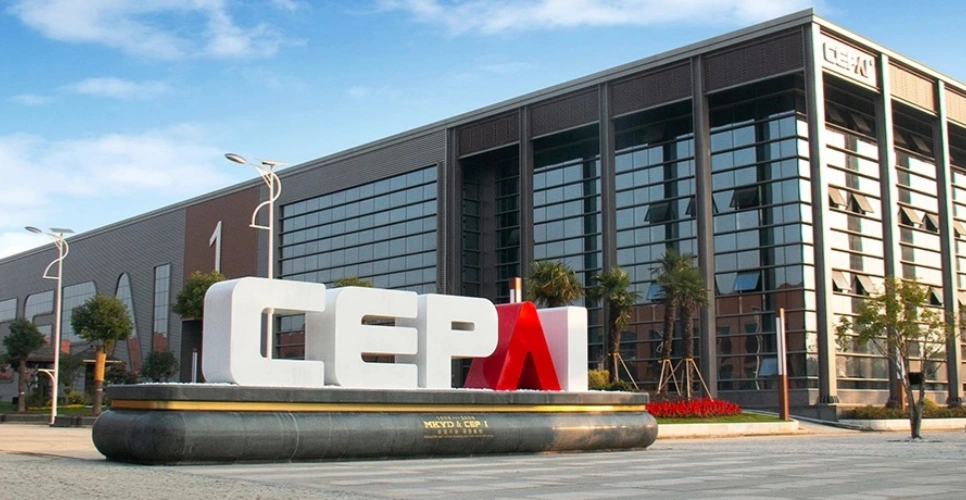
When it comes to making food, CEPAI has the most up-to-date valve technology made for uses that need to be very clean and dependable. As part of our large selection of goods, we offer sanitary valve designs with cutting-edge styles that make them easier to clean while still controlling flow very well. When it comes to manufacturing, CEPAI has the technical know-how and high standards that your processes need. You can trust our quality promise because we are certified by API and ISO. Our engineering team can be reached at cepai@cepai.com to talk about how our sanitary valve manufacturer capabilities can help you clean better and make your business run greater.

References
Smith, J. & Johnson, M. (2023). "Hygienic Design Principles for Food Processing Equipment." Journal of Food Engineering Technology, 45(3), 234-251.
Anderson, R. (2022). "Biofilm Formation and Control in Food Processing Environments." Food Safety and Sanitation Quarterly, 18(2), 89-106.
Williams, K. et al. (2023). "Comparative Analysis of Cleaning Agents for Stainless Steel Food Contact Surfaces." International Food Manufacturing Review, 31(4), 412-428.
Thompson, L. (2022). "Clean-in-Place System Design and Optimization for Dairy Processing." Dairy Technology Advances, 27(1), 156-173.
Brown, P. & Davis, S. (2023). "Material Selection Criteria for Sanitary Valve Applications." Food Processing Equipment Design, 39(2), 78-95.
Miller, C. (2022). "Regulatory Compliance in Food Grade Valve Selection and Maintenance." Food Industry Compliance Manual, 15(3), 203-220.
_1746598525968.webp)
Get professional pre-sales technical consultation and valve selection services, customized solution services.
About CEPAI