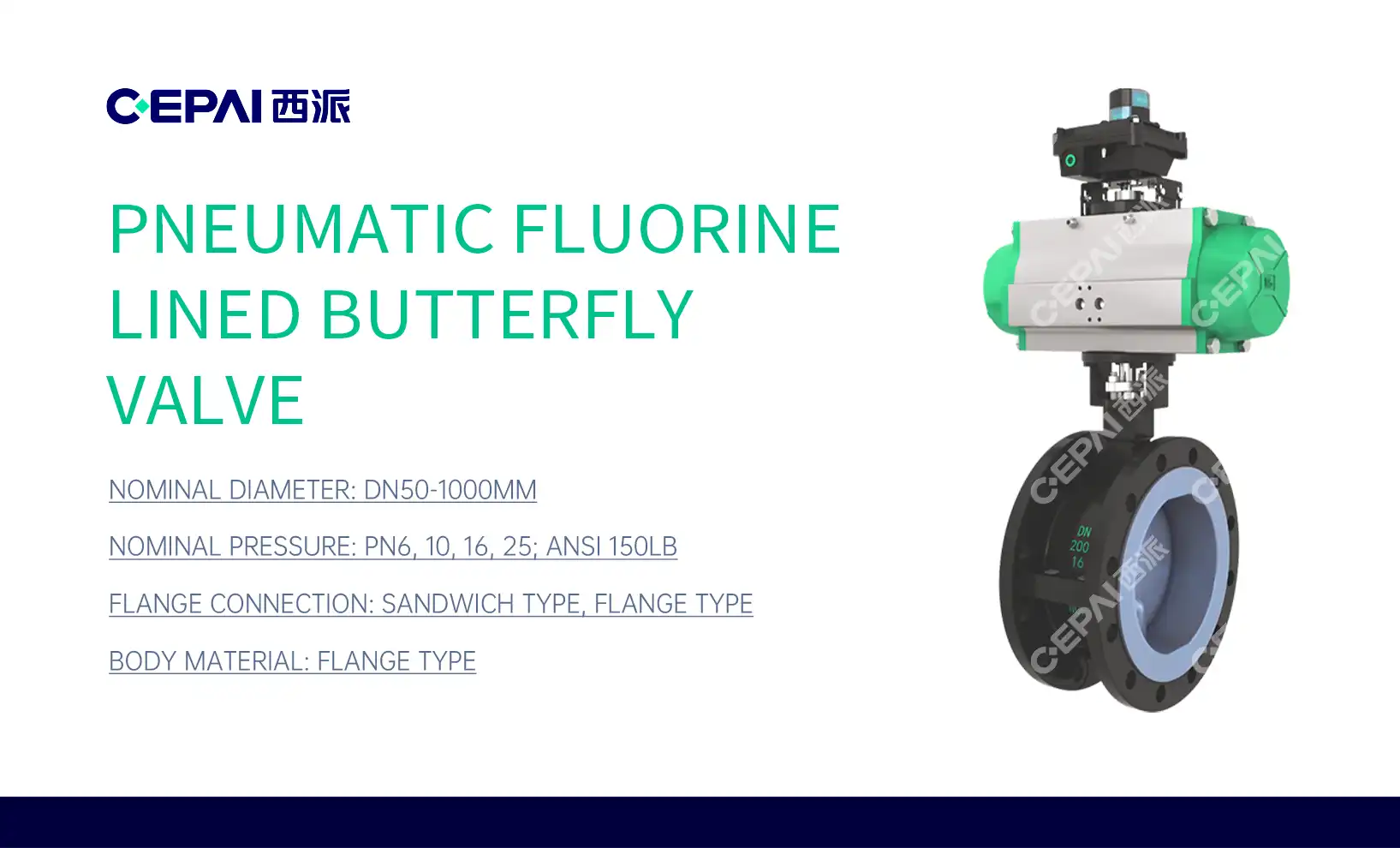
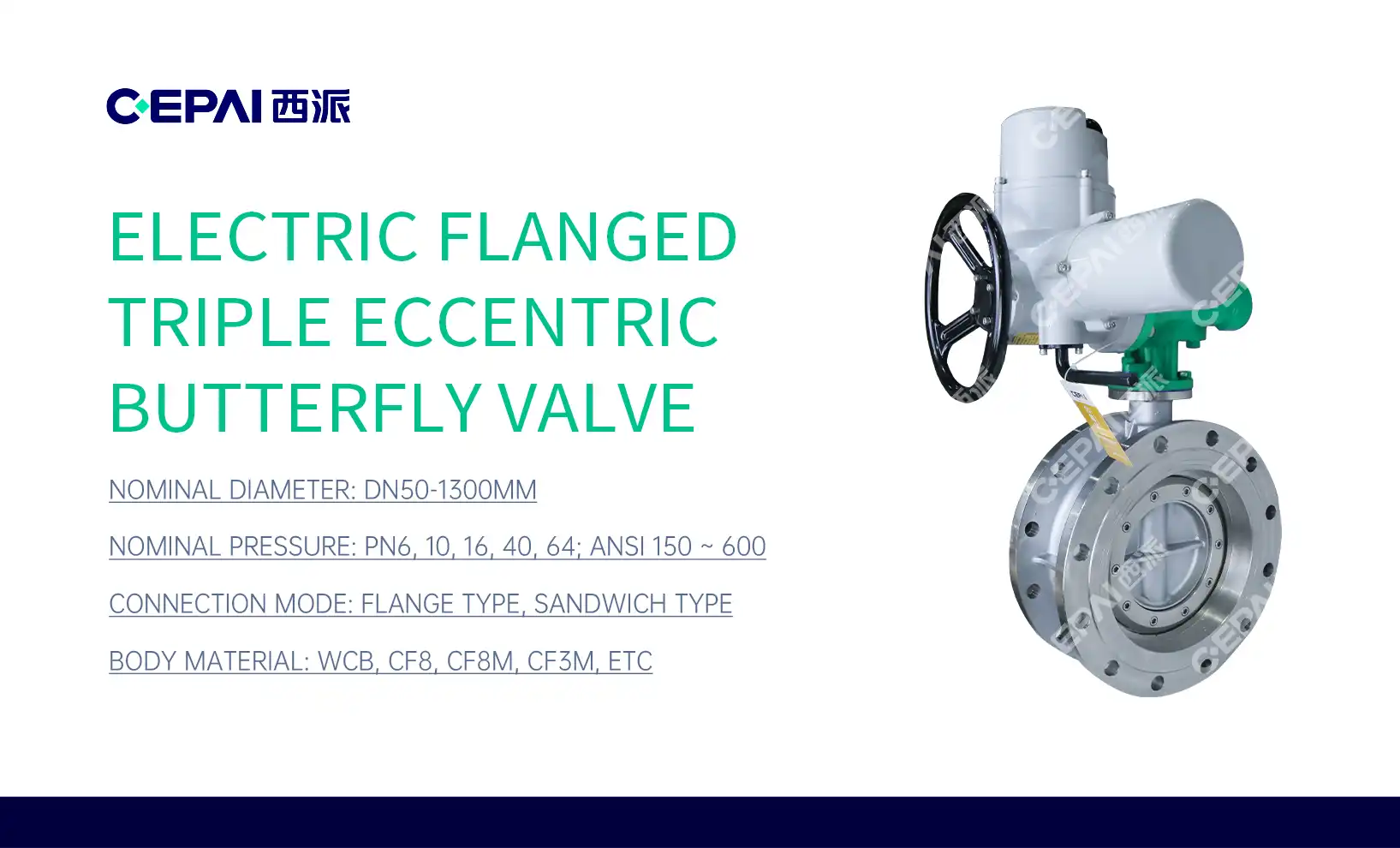
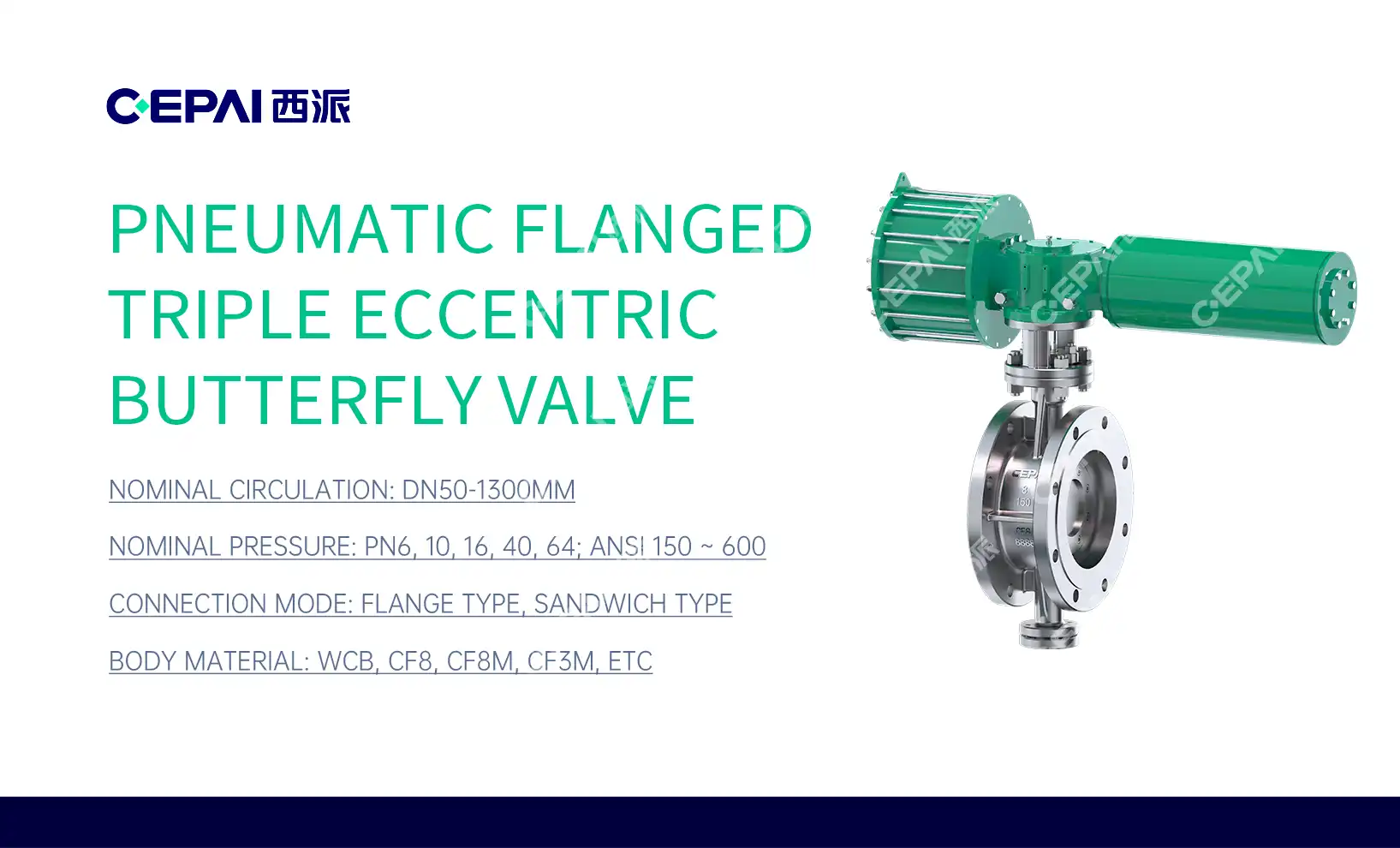
Dealing with Sludge? Best Butterfly Valves for Clog Prevention
When industrial processes run into problems with sludge, choosing the right flow control method is very important to keep things running smoothly. Butterfly valve technology has come a long way to help keep systems from getting clogged in tough places where thick, rough mixes can damage the system. Compared to traditional gate or ball valves, these quarter-turn rotating devices have better flow characteristics and require less upkeep. Knowing how the qualities of sludge affect the design of a valve helps engineers make decisions that keep downtime and running costs to a minimum while still ensuring reliable performance in the toughest industrial settings.

Understanding Sludge and Its Impact on Valve Performance
The Nature of Industrial Sludge
Sludge is one of the hardest things for industrial valve systems to work with because it has a lot of different parts and acts in odd ways. This blend has solids, liquids, and bits that are often sticky or rough, which makes it hard to work with. The viscosity can change a lot depending on the temperature, makeup, and time it takes to settle, which makes it very hard to control the flow consistently.
Industrial sludge usually comes from places that clean garbage, make chemicals, make food, or work in the oil and gas industry. Each source makes different things that affect which valve to use. Sludge from wastewater usually has biological and organic matter in it. Sludge made from chemical processing has different pH levels and can be toxic. Knowing these basic differences helps engineers predict problems with efficiency and choose the right valve technologies.
How Sludge Affects Valve Operation
Because sludge is thick and sticky, it can fail in a number of ways that can affect how well valves work. When particles build up around closing surfaces, they don't close all the way, which can cause leaks. Because suspended grains are rough, they speed up the wear on valve parts, especially the disc edges and seat areas. Also, because many types of sludge stick together, they build up inside valve holes, blocking them and making the working force higher.
Changes in temperature make these problems worse by changing the consistency and flow properties of the sludge. When it's cold, things can thicken, which raises the risk of clogging. When it's hot, things may thin out, but rust speeds up. Chemical compatibility is also important because aggressive sludge mixtures can damage valve materials, causing them to fail early and raising safety issues.
Key Features of Butterfly Valves Designed for Sludge Handling
Advanced Disc Design and Materials
Modern butterfly valve designs have special disc shapes that keep sludge from building up and make them less likely to get clogged. Disc shapes that are streamlined and have smooth, polished sides keep particles from sticking and help the disc clean itself while it is working. Some makers use an eccentric disc bearing that makes a cam action when the lid closes, which cleans the sealing surfaces very well.
The choice of material is very important for sludge protection. Duplex stainless steel discs are very resistant to rust and stay strong even when they are being used in rough circumstances. Added protection against erosive wear comes from coats made of tungsten carbide or ceramic. These advanced materials make sure uniform performance even in the harshest sludge conditions. This increases the equipment's useful life and lowers the amount of upkeep that needs to be done.
Sealing Technology for Demanding Applications
For sludge sealing to work, the seat materials need to be strong enough to handle particle contamination while still keeping the seal tight. High-performance elastomers like EPDM and Viton are more resistant to chemicals and more flexible, so chairs can bend around particles without getting permanently damaged. When used in very rough situations, metal-seated designs last the longest and soft seats would break too soon.
In sludge systems, where flow can change during process problems or upkeep, it's important to be able to seal in both directions. Advanced seat shapes make sure that the sealing works the same way no matter which way the flow is going. This gives operators more options and higher safety limits.
Shaft and Bearing Systems
When working with mud, the shaft assembly is very important because particles can get inside and cause binding and early wear. Sealed bearing systems keep sludge out and keep things running smoothly even when there is a lot of force. Oversized gears and bushings can handle more weight from viscous media without affecting the dependability of the system's operation.
Anti-seize treatments and special oils help keep things from galling and keep them running smoothly even when sludge gets through the protective coating. All of these design features work together to make the valves work reliably in tough conditions where regular valves would fail often.

How to Choose the Best Butterfly Valve for Sludge: Decision Support Guide?
Operational Parameter Assessment
Before choosing the best butterfly valve, you should carefully look at the system's needs and the sludge's properties. The basic working environment is made up of flow rates, pressure conditions, and temperature ranges. This helps choose the right material and design. Analyzing the make-up of sludge shows what chemical interaction needs there are and helps guess wear patterns that affect when to do maintenance.
Things to think about when integrating a system are the accessible room, the way the pipes are set up, and the needs of the actuators. Butterfly valve designs are good for uses that don't have a lot of room because they have small installation profiles. But the right size makes sure that there is enough flow capacity while keeping controllability throughout the whole working range.
Material Compatibility and Performance
Chemical compatibility testing keeps valves from breaking down too soon and makes sure they work safely throughout their entire lifecycle. To get a good service life, aggressive sludge mixtures might need special metals or protective coatings. Corrosion tests and data from real-world use are very helpful for choosing the right material for a job.
When working with gritty sludge, mechanical qualities become just as important. The longevity of a part under cyclic loading conditions is based on its hardness grade, its resistance to impact, and its fatigue strength. Keeping these qualities in balance while taking costs into account helps lower the total cost of ownership while keeping steady performance.
Manufacturer Evaluation and Support
Manufacturers with a good reputation offer a lot of technical support and field knowledge that is very helpful when choosing valves and installing them. Companies that have worked with sludge before can help with design and make material suggestions based on data from real-world uses. Full testing powers and quality approvals show dedication to dependable product performance.
Service and support infrastructure for butterfly valve makes sure that operating problems are fixed quickly and that new parts are available. Local expert support and training programs help repair teams make valves work better and last longer by following the right way to use them.
Maintenance Tips to Prevent Butterfly Valve Clogging in Sludge Applications
Preventive Inspection Protocols
Systematic inspection programs help find problems before they become working fails. When you look at the outside of a valve, you can see signs of leaks or buildup that could mean there are problems inside. Monitoring the operating force finds rising resistance, which means that particles are building up or parts are wearing out and needing repair.
Regular switching of valves keeps them from sitting with sludge and keeps them usable in an emergency. Regular exercise can also help find problems before they get worse, like higher working torque or partial closure, so they can be fixed. Keeping track of what was found during inspections creates rising data that helps with predictive repair plans.
Cleaning and Lubrication Procedures
Cleaning methods that work get rid of built-up sludge and get valves working at their best again. High-pressure washing or steam cleaning can get rid of buildup on the outside, but to clean inside, parts may need to be taken apart and deposits may need to be removed by hand. To keep valves from getting damaged during the cleaning process, chemical cleaners must be safe for the materials they are used on.
Properly lubricating the shaft seals and bearing surfaces stops wear before it happens and makes sure the machine runs smoothly. Customized lubricants made for sludge service offer better protection against pollution and keep working well even in tough circumstances. Scheduling regular lubrication stops people from forgetting to do it, which can cause expensive breakdowns.
Component Replacement Strategy
Replacing worn-out parts before they break down reduces unexpected downtime and stops damage from spreading. Important parts like seats, seals, and bushings should be changed based on what the check shows and what the maker says. Keeping enough extra parts on hand makes sure that repair needs can be met quickly.
Following the right fitting steps and torque requirements will keep your new parts working at their best and prevent damage during reassembly. By teaching repair staff the right way to do things, mistakes that could affect the safety and effectiveness of valves can be avoided.
Conclusion
To handle sludge well, you need to carefully choose butterfly valve technology that can handle the unique problems that come up with thick, rough, and often acid media. Engineers can find the best solutions that keep valves from sticking and increase their service life by learning about the properties of sludge and how they affect valve performance. Key design elements like high-tech disc materials, effective sealing systems, and strong gear arrangements make it possible for machines to work reliably in harsh conditions.
FAQ
What makes butterfly valves better than other valve types for sludge applications?
Butterfly valve designs have many benefits in sludge service, such as simplified flow paths that keep particles from building up, small installation profiles for uses with limited room, and lower operating torques that cut down on the need for actuators. The quarter-turn operation cuts down on contact time while moving operations are happening, and the ability to seal in both directions gives operators more options in complicated process systems.
How do I determine the correct size butterfly valve for my sludge system?
To get the right size, you need to look at the flow rates, the maximum pressure drops, and how easy it is to control. The viscosity of the sludge changes flow coefficients and pressure loss estimates, which means you need special tools or to talk to the manufacturer. Avoid oversizing because it makes control less accurate, and avoid undersizing because it causes too much pressure drop and faster wear.
What maintenance intervals are recommended for butterfly valves in sludge service?
How often maintenance is done relies on the type of sludge, the working conditions, and the design of the valves. Visual checks should be done once a week, and working tests should be done once a month. Schedules for replacing parts range from replacing seats every year in harsh conditions to every few years in mild conditions. Specific repair plans should be based on what the manufacturer says and what you've learned from running the business.
Can standard butterfly valves be modified for sludge applications?
Standard valve designs can often be made better by adding special seats, coats, or disc materials that make them better at handling sludge. But basic design flaws might stop them from working well enough in tough situations. Talking to makers can help you figure out if changes are possible and if they are more cost-effective than custom-built sludge valves.
Partner with CEPAI for Superior Butterfly Valve Solutions
Industrial operations facing challenging sludge conditions require proven valve technology backed by full technical support and engineering expertise. CEPAI delivers advanced butterfly valve designs specifically engineered for demanding applications where conventional valves fail to meet performance requirements. Our extensive API certifications including API6A, API6D, and ISO quality management systems ensure consistent manufacturing quality and reliability that major oilfield service companies and engineering firms worldwide trust.
As a leading butterfly valve manufacturer, CEPAI provides complete technical consultation services that help engineers select optimal valve configurations for specific sludge applications. Our engineering team collaborates with customers to develop custom solutions that address unique operational challenges while maintaining cost-effectiveness and reliability. Contact our technical specialists at cepai@cepai.com to discuss your sludge handling requirements and discover how our advanced valve technologies can improve your operational efficiency and reduce maintenance costs.

References
American Petroleum Institute. "API 609: Butterfly Valves - Double Flanged, Lug- and Wafer-Type." API Standard 609, 8th Edition, 2019.
Industrial Valve Technology Association. "Valve Selection Guidelines for Abrasive and Viscous Media Applications." IVTA Technical Bulletin TB-2021-03, 2021.
Smith, Robert J., and Patricia L. Chen. "Corrosion Resistance of Valve Materials in Chemical Process Applications." Journal of Process Equipment Technology, vol. 45, no. 3, 2022, pp. 178-194.
Thompson, Michael A. "Maintenance Strategies for Industrial Valves in Challenging Service Conditions." Valve Engineering Quarterly, vol. 28, no. 2, 2023, pp. 45-62.
International Society of Automation. "Control Valve Sizing Methods for Non-Newtonian Fluids." ISA Technical Report ISA-TR75.25.02, 2020.
Wilson, David R., et al. "Performance Evaluation of Quarter-Turn Valves in Sludge Handling Systems." Process Industry Safety and Reliability Conference Proceedings, 2022, pp. 312-328.
_1746598531170.webp)
Get professional pre-sales technical consultation and valve selection services, customized solution services.
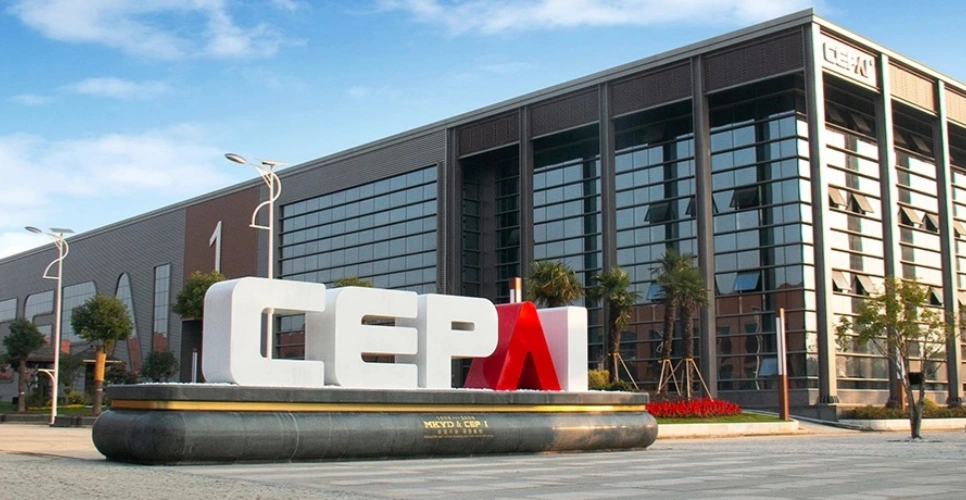
About CEPAI