How to Read a Valve Nameplate to Find the Right Spare Parts?
Reading an industrial valve nameplate properly is one of the most important skills for getting extra parts for oil and gas activities. Each nameplate has important technical information like the type of valve, the pressure number, the material grade, and the production standards that directly affect how well replacement parts will work. By understanding these signs, you can avoid making mistakes that cost a lot of money when buying things, keep workers safe, and keep tools reliable for drilling, pipeline, and refining uses. When procurement teams correctly read nameplates, they can find exact-match spare parts while still meeting API and ISO certification standards that are important for both upstream and downstream processes.

Understanding the Valve Nameplate - Key Components and Their Meaning
The valve nameplate is like a technical passport for every industrial valve. It has important information on it that helps with choices about upkeep and choosing extra parts. This metal or plastic tag, which is forever attached to the valve body, tells you important information about how it works and whether it meets safety standards.
Essential Nameplate Information Categories
Modern valve nameplates show a lot of important info that procurement workers need to know about. The manufacturer identification part has the name of the business, the model number, and the serial number. This makes it possible to track the item and make sure the warranty is valid. Pressure rates, temperature limits, and flow coefficients are some of the working parameters that set safe limits for operation. The chemical compatibility and longevity of a car are affected by how the body is built, the materials used for the trim, and the way the seats are arranged.
Markings that say "certified" show that something meets industry standards like ISO 15848 for stray emissions, API 6A for wellhead equipment, and API 6D for pipeline valves. These certifications have a direct effect on the choice of extra parts because replacement parts must keep up with the same level of certification to keep the system running smoothly.
Size and Connection Specifications
Valve size marks show both the nominal pipe size and the end connection types, which tell you if the fitting will work with the pipeline equipment that is already in place. Specifications for connections may include flanged rates according to ASME B16.5; threaded connections according to ASME B1.20.1; or welded ends according to ASME B16.25. If you understand these specs, you won't make any mistakes when you're buying things, which could cause startup delays or problems with other systems.
There are also flow direction lines and position marks on the nameplate for industrial valve that show how to install and maintain the device correctly. When looking for internal parts like seats, discs, and stem systems that need to stay in certain orientational relationships, these directional signs become very important.
Step-by-Step Guide to Deciphering Valve Nameplate Codes and Symbols
To decode information on valve nameplates, you have to use standardized codes and symbols that are used across the valve production business and figure out what they mean. To do this, you need to know how to use a number of different code systems that send technical information in short forms.
Valve Type Identification
Valve type numbers are usually made up of letters that tell you what the basic valve layout is. "G" or "GT" codes are often found on gate valves, while "GL" or "GLB" codes are found on globe valves. "B" or "BL" marks are used for ball valves, and "BF" or "BT" marks are used for butterfly valves. Check valves show "C" or "CV" codes, with extra letters or numbers showing swing, lift, or dual-plate designs.
When buying teams know these type codes, they can find groups of spare parts that work with each other. Globe valve parts and gate valve parts are very different, and mixing valve types can hurt the safety and performance of a system.
Pressure Rating Interpretation
Pressure numbers are based on well-known industry standards that tell you the highest pressure that can be used at a certain setting. ANSI Class numbers like 150, 300, 600, and 1500 are based on certain pressure levels at room temperature. Different number methods are used for API ratings for oilfield tools. For example, 2M, 3M, and 5M all stand for 2000, 3000, and 5000 PSI working pressures, respectively.
When choosing extra parts for high-temperature uses, you need to be very careful because temperature derating factors can change how much pressure they can handle. Teams in charge of buying things have to make sure that any new parts keep pressure numbers that are right for the way they'll be used, not just the highest levels listed on the package.
Material Code Decoding
Material codes for industrial valve show what kinds of alloys are used and how they are treated, which determines how resistant they are to rust and how strong they are. For example, CF8M stands for 316 stainless steel, WCB for carbon steel, and Monel 400 for uses that are likely to rust. These material names directly affect the choice of extra parts, since mixing materials that don't work well together can speed up rust and damage the valve.
Trim material numbers list the materials used for interior parts like stems, seats, and balls. By knowing about trim compatibility, you can be sure that new parts will keep their original performance and chemical protection.
Common Challenges and Mistakes When Reading Valve Nameplates
Valve label reading is hard for many reasons, which can cause mistakes in purchasing and problems with operation. These problems are made worse by things like being exposed to the environment, not doing proper upkeep, and differences in how the products are made.
Worn and Illegible Nameplate Issues
Nameplates are often partly or totally unreadable after being in harsh working conditions for a long time. Corrosive chemicals, high temperatures, and mechanical damage can cover up important marks, which makes it very hard to identify something correctly. When faced with nameplates that can't be read, buying teams should take high-resolution pictures of the marks that can be seen and compare partial information with databases kept by manufacturers.
Valve body casting marks are another way to identify something. These marks usually have model and size information that was cast directly into the valve body while it was being made. These permanent marks last longer in harsh environments than nameplates that are connected to them, and they can be used as a backup for identification if the nameplates fail.
Misinterpretation of Similar Codes
Standards in the industry sometimes use the same codes for different requirements, which can be confusing when it comes time to buy something. Different standard systems may use pressure class names that look the same, which can lead to wrong ideas about pressure ratings. There may also be overlaps between standards when it comes to material codes, especially for types of stainless steel and rare metals.
These mistakes can't happen when information for industrial valve is checked by more than one source. When procurement teams come across unclear markings, they should look at paperwork from the original equipment maker, industry standard references, and expert help from the supplier.
Counterfeit and Non-Standard Equipment
The fact that fake valves are so common in global markets makes it even harder to figure out what the logo means. A lot of the time, fake goods have nameplates that look like real maker marks, but they are made with inferior materials and methods. These goods pose big safety risks and make it harder to get replacement parts.
Some ways to make sure something is real are to check the maker's certification records, call the original manufacturer to make sure the serial number is valid, and test the material for authenticity when there are any questionsable marks. Buying from approved sellers and keeping detailed records of purchases can help you avoid problems with fake equipment.
Practical Applications: Using Valve Nameplate Information in Spare Parts Procurement
Getting extra parts the right way means using marking information to make sure that parts work with each other and that operations stay reliable. To do this, specifications must be carefully matched with what suppliers are giving, and technical needs must be carefully checked.
Matching Specifications with Supplier Catalogs
To successfully identify replacement parts, you need detailed design paperwork that is based on information from the nameplate. Teams in charge of buying things should make detailed sheets with information like the type of valve, its size, its pressure number, material codes, and information on how to link it. These standards make it possible to accurately match with what a seller catalog has to offer and stop compatibility errors.
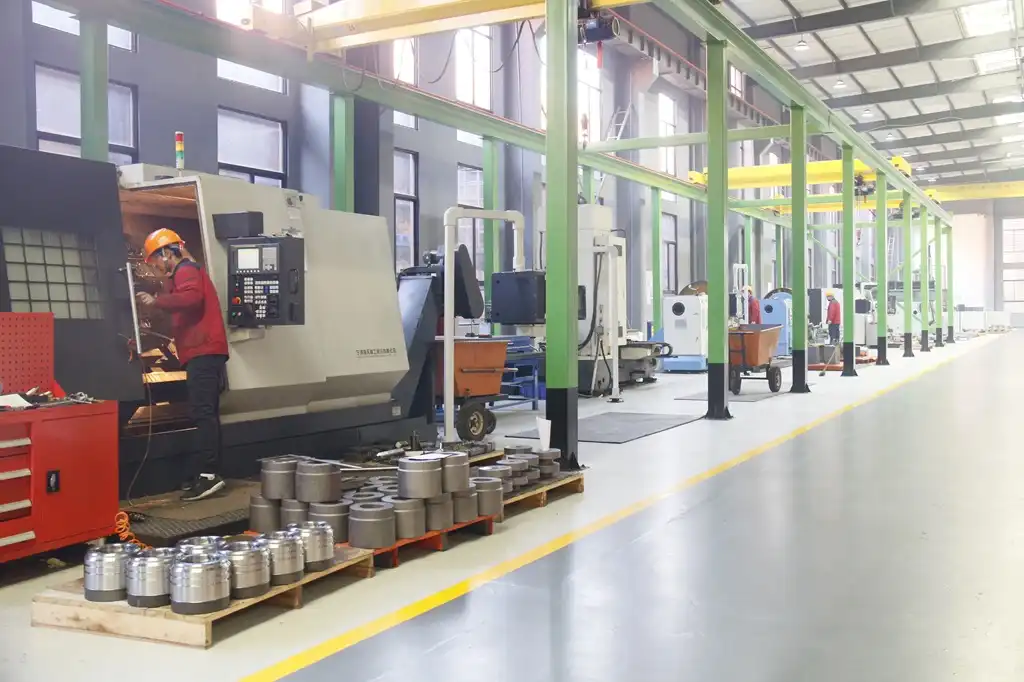
Modern buying systems for industrial valve include digital files that let you look by specific criteria, which speeds up the process of finding what you need. But people who work in buying need to make sure that catalog specifications match nameplate requirements closely. This is because small differences in materials or sizes can have an effect on safety and performance.
Communication Best Practices with Suppliers
To communicate clearly with providers, you need to use clear technical terms and provide detailed specification documents. Requests for purchases should include full nameplate information, high-resolution photos, and a list of exactly what extra parts are needed. This thorough method cuts down on misunderstandings and shortens the time it takes to get things.
Buying things is more efficient when you work with sellers who are experts in certain types of valves or uses. These specialized providers have a lot of technical knowledge and keep a lot of suitable spare parts in stock, which lets them respond faster and make better suggestions.
Case Study: Successful Procurement Implementation
A big pipeline company recently had to do important repair on valves at several pump stations. The maintenance team carefully wrote down the nameplate information of more than 200 valves, making a huge database with information about the manufacturers, specs, and maintenance records. This database made it possible to negotiate large purchases and keep standard stocks of spare parts.
Implementing the change cut the cost of buying extra parts by 25% and sped up repair response times by 40%. Standardization efforts also made training easier and made it easier to keep track of supplies across various locations.
Conclusion
In industrial settings, getting extra parts and managing upkeep for an industrial valve are impossible without being able to read valve nameplates correctly. Procurement teams can find compatible parts that meet safety and performance standards by systematically interpreting maker marks, specs, and certification data. Knowing the different types of valves, their pressure levels, material codes, and connection requirements can help you avoid expensive mistakes when buying things and make sure that they work properly. To correctly understand nameplates, you need to pay close attention to the details, check them with more than one source, and communicate clearly with makers and suppliers. In the end, these practices help oil and gas companies have less downtime, lower upkeep costs, and better safety performance.
FAQ
What should I do if the valve nameplate is damaged or unreadable?
If you can't read the nameplates anymore, look at the valve body for casting lines that usually show the model and size. You should take high-resolution pictures of any marks you can see and then call the valve's original maker to let them know where it is and how it has been serviced in the past. Compare readings of dimensions with catalogs from manufacturers to find possible matches. Keep track of when the valve was installed and how often it was serviced. This will help makers find the right model and specs.
How do I verify that spare parts match my valve specifications exactly?
Check all the information on the nameplate, like the type of valve, its size, its pressure number, its temperature limits, and its material codes, against the paperwork from the seller. Ask sellers for material certificates and dimensional models to make sure they are exactly compatible. When replacing parts for important uses, you might want to have them inspected or tried before they are installed. Keep in touch with approved sellers who can confirm that parts are real and work with your system.
What are the most critical nameplate markings for spare parts procurement?
The easiest way to find the right extra parts is to look up the manufacturer's name and model number. Safety standards are met by pressure and temperature ratings, and chemical compatibility is ensured by material codes. Size and connecting requirements keep installation issues at bay. Serial numbers are used to check the validity of warranties and prove the date of manufacture. Certification marks, like API or ISO stamps, show that new parts must meet certain quality standards.
Partner with CEPAI for Expert Valve Solutions
The mechanical team at CEPAI has decades of experience making industrial valve products and getting extra parts to help your business run. Because we are certified in API 6A, API 6D, and ISO 9001 and have a deep knowledge of valve nameplate standards, we can accurately find and source compatible parts for your most important uses. As a major seller of industrial valves, we keep large stockpiles of high-quality spare parts and offer expert assistance for figuring out what a nameplate means and making choices about what to buy. You can talk to our experts about your needs by emailing cepai@cepai.com. We can show you how our tried-and-true solutions can improve your repair work while lowering the risks of buying.

References
American Petroleum Institute. "API Standard 6A: Specification for Wellhead and Christmas Tree Equipment." Twenty-first Edition, 2019.
American Society of Mechanical Engineers. "ASME B16.34: Valves - Flanged, Threaded, and Welding End." 2017 Edition.
International Organization for Standardization. "ISO 5208: Industrial Valves - Pressure Testing of Metallic Valves." Third Edition, 2015.
Johnson, Robert M. "Industrial Valve Selection and Maintenance: Best Practices for Process Industries." McGraw-Hill Professional, 2018.
Smith, Katherine L. "Valve Engineering: Design, Selection, and Maintenance for Oil and Gas Applications." Butterworth-Heinemann, 2020.
Williams, David A. "Pipeline Valve Technology: Materials, Design, and Testing Standards." PennWell Corporation, 2019.

Get professional pre-sales technical consultation and valve selection services, customized solution services.
About CEPAI