How Precision Flow Control Boosts Chemical Batch Consistency
Precision flow control makes chemical batches more consistent by letting you precisely control how fluids move through processing systems. Variations that hurt the quality of the product are taken care of by control valves that carefully control flow rates and pressures. Electronic signs tell these automated machines where to move so that goal parameters are maintained throughout the batching cycle. Precision flow control makes sure that every batch meets exact specs by lowering changes in how much of each ingredient is used, how the temperature is controlled, and the mixing ratios. This cuts down on waste and rework and increases production efficiency.

Understanding the Role of Control Valves in Chemical Batch Consistency
When making chemicals, accuracy is important. Controlling the flow of fluids during processing is often what makes the difference between a good run and waste that costs a lot of money. I've seen factories improve the quality of their products by just improving their flow control tools.
How Control Valves Function in Processing Systems?
In order to work, control valves get signals from process processors and change their internal parts to match those signals. The trim piece physically stops or lets fluid pass through the valve body based on the position of the actuator. Modern actuators take electrical signals and turn them into mechanical movement. This lets the valve open or close to get the flow rate that is needed. With this real-time adjustment feature, makers can keep conditions stable even if pressures or temperatures change upstream.
Key Components That Influence Flow Accuracy
How well a valve controls flow is based on three main factors. The pressure limit and flow line shape are set by the valve body. The plug and seat that make up the trim mechanism form the changeable restriction that changes the flow. The actuator gives the trim the force it needs to stay in place against the process stresses. The accuracy of each part has a direct effect on the consistency of the whole batch. This is why quality production is so important for effective operation.
Common Valve Types for Chemical Batching Applications
In chemical production settings, different types of valves are used for different reasons:
- Globe control valves are great for limiting flow in situations where workers need to be very accurate over a wide range. Because of the way they are built on the inside, they are very easy to control, which makes them perfect for important batching processes that need precise doses.
- Ball valves are good for on-off service rather than continuous tuning because they shut off tightly and quickly. Their simple design makes it easy for them to keep the different steps of mixing separate.
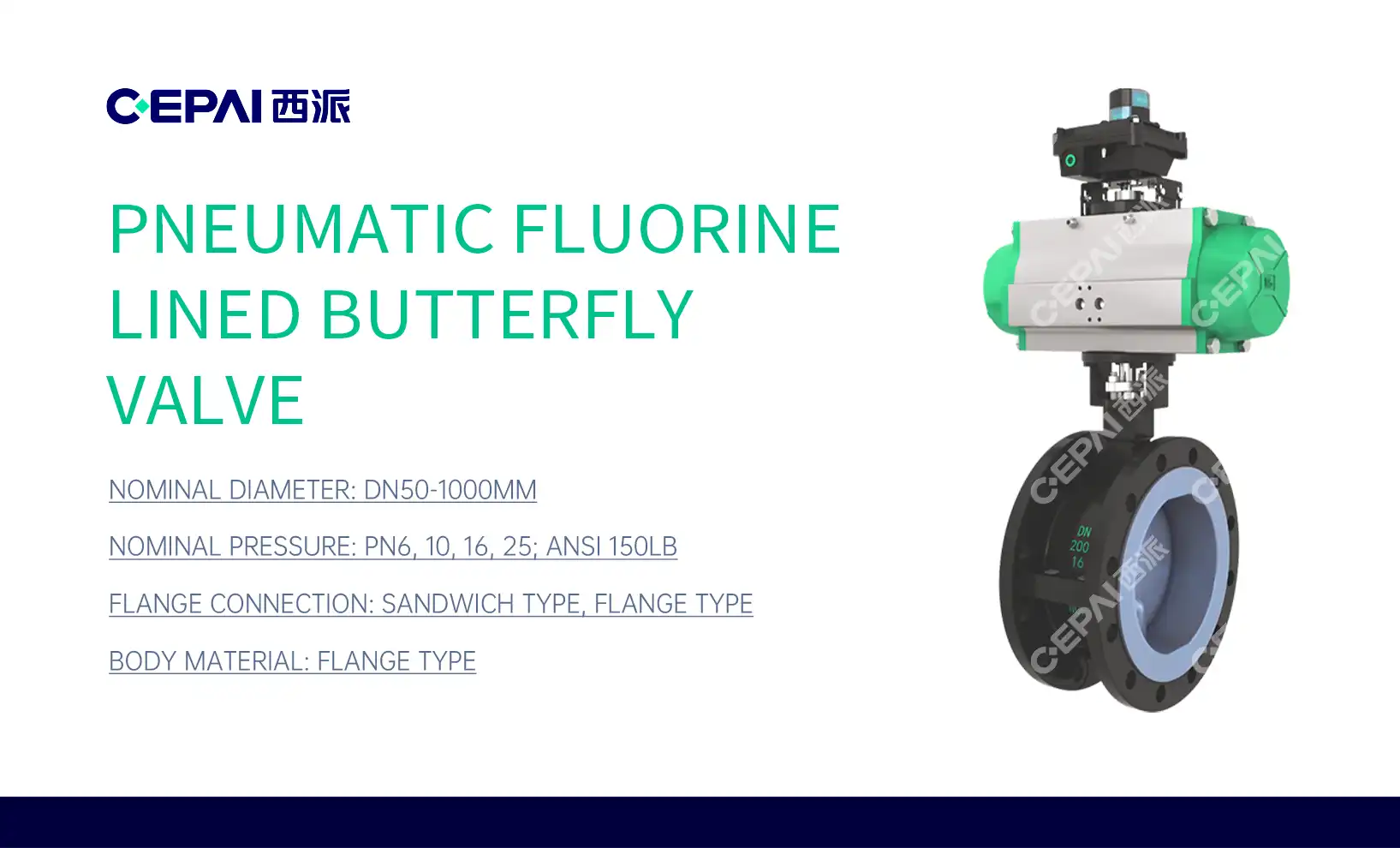
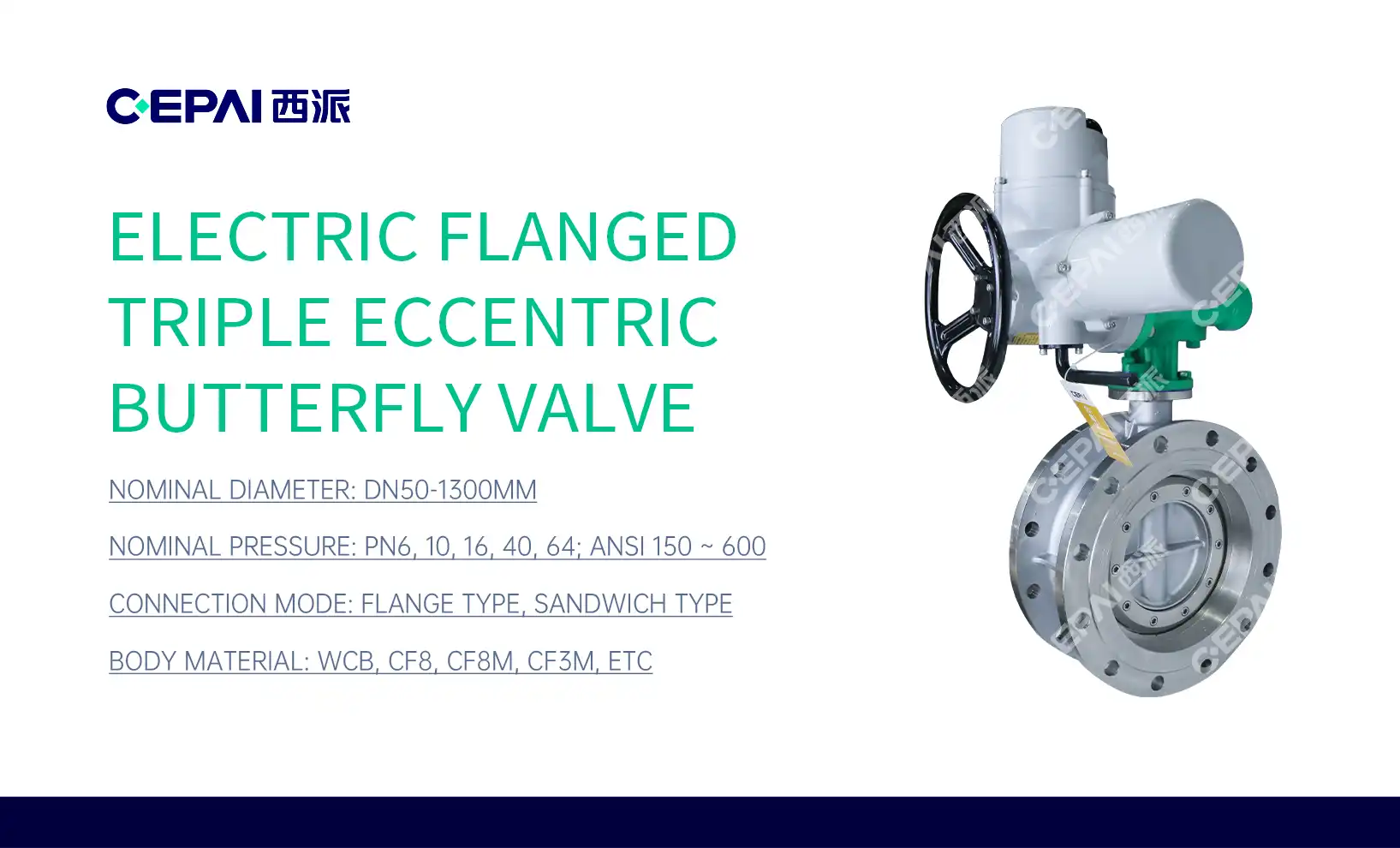
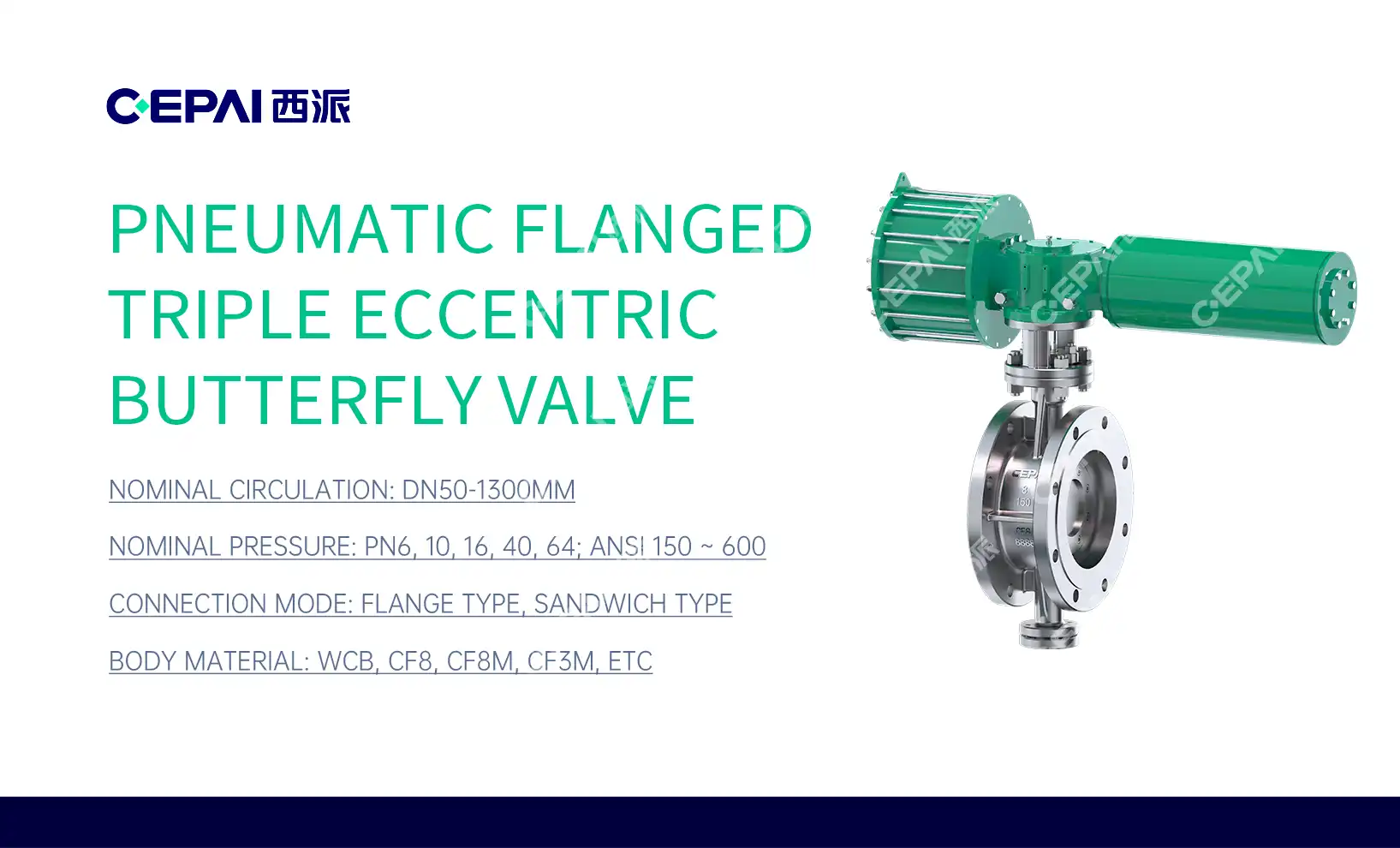
- Butterfly valves are a cheap way to control flow in bigger pipes, but they are not as precise as globe valves. They work well in less important situations where controlling the flow roughly is enough.
- Electric actuators let electric motors do precise positioning, which makes it possible to connect them to current automation platforms. They are repeatable, which makes accuracy between batches better.
- Pneumatic actuators are chosen in safety-critical situations because they can respond quickly and automatically, even though they need a system for compressed air.
Knowing these differences helps buying teams choose tools that fits the needs of their process. Choosing the right type of valve affects not only the cost at first, but also the quality of the batches over time and the cost of repairs.
Challenges in Chemical Batch Consistency and How Precision Flow Control Solves Them
It is always hard for chemical companies to make sure that their products are all of the same quality and that they lose as little production as possible. Inconsistencies in batches cause problems with finances and operations that can be fixed with precision flow solutions.
Common Causes of Batch Quality Variations
Batch errors are mostly caused by changes in the flow. When the rates at which ingredients are added change without warning, the chemical ratios inside the reactor vessels don't match what was planned. This problem gets worse as the control valves wear out and the worn-out trim parts lose their ability to stay in the right place. Mis-sizing during the initial design leads to ongoing problems, such as valves that are too big not being able to control flow at low rates and units that are too small not having enough capacity at high demand. When corrosive chemicals attack the inside of a valve, material mismatch speeds up the wear and tear, making the performance uncertain.
Proper Valve Sizing Methodologies
To get the right size of the control valve, you need to carefully look at the process factors across the whole working range. Engineers have to figure out the needed flow coefficient of the control valve by looking at the highest flow rates, the amount of pressure drop that is allowed, and the qualities of the fluid, such as its viscosity and specific gravity. By 25 to 30 percent, oversizing the control valve gives you operational margin, but by more than that, you lose control precision at standard working points. When you size a control valve, you should think about both steady-state conditions and the changes that happen when you switch between batches.
Material Selection for Durability and Performance
Chemical resistance affects how long a valve lasts and how well it works. For many uses, stainless steel types like 316L are very good at resisting corrosion. Specialty metals like Hastelloy or Monel are better at handling chemicals that are more aggressive. Sealing materials need the same amount of care. PTFE, PEEK, and different elastomers all have different temperature and chemical compatibility profiles.
Here are the core advantages durable materials deliver:
- Extended service life lowers the total cost of ownership over the life of the building by reducing breaks and replacements.
- Maintained performance ensures that flow properties stay fixed over time, which stops the slow drift that happens as valves age and affect batch consistency.
- Reduced contamination risk saves the quality of the product by keeping degradation products from getting into the process stream.
These benefits of the material directly lead to more consistent batches and fewer quality rejects. When valves keep working the way they were meant to throughout their service life, makers know that the handling conditions will be the same from batch to batch.
Case Study: Quantifiable Improvements from Advanced Flow Control
A petrochemical plant that processed specialty polymers had batch failure rates of more than 8% because of differences in makeup. The study found that age control valves had too much hysteresis and not enough consistency. The facility replaced important dosing valves with ones that were precisely designed to have tight shut-off specs and advanced trim designs.
Within three months, the number of rejections dropped to 1.2%, and process performance measures got a lot better. The estimated return on investment happened within fourteen months, taking into account less wasted raw materials, lower rework costs, and higher output. Production workers said that the new valves stayed calibrated longer and needed fewer changes when switching between campaigns.
Maintenance and Troubleshooting to Sustain Consistent Chemical Batches
To keep batches consistent, you have to keep an eye on the state and function of the control valves. Even the best equipment breaks down over time if it isn't maintained properly.
Best Practices for Routine Valve Inspections
Regular checks find problems early on, before they hurt the quality of the batch. Visual checks should be done to look for external leaks, misaligned actuators, and rust that can be seen. Making changes to the packing stops the stem from leaking while also keeping it from being too tight, which would bind it. Stroke testing makes sure that valves move freely and smoothly across their whole range, without stopping or sticking. Position feedback tuning makes sure that the control system knows exactly where the valves are, which keeps the flow rate stable.
Cleaning and Component Replacement Protocols
Chemical leftovers build up on the inside of valves, which slowly lowers their performance. Periodic removal and cleaning bring back the flow features that were there before. During these repairs, techs should look for erosion, rust, or mechanical damage in the trim parts. When surface damage gets too bad, worn seats and plugs need to be replaced. Soft things like seals, o-rings, and packing need to be replaced every so often based on how they are used.
A comprehensive maintenance program includes these essential activities:
- Documentation review ensures that the right steps, power requirements, and material needs are met before every repair event to avoid mistakes.
- Precision measurement of important dimensions while taking apart an item reveals wear patterns and estimates how long it will last, allowing for planned maintenance.
- Proper reassembly techniques using precise torque tools and clean conditions makes rebuilt valves work like new, giving you the flow features you need for reliable batching.
These organized repair methods make valves last longer while keeping up the performance that batch accuracy needs. When facilities put off repair, batch variations always get bigger because the state of the valves gets worse.
Troubleshooting Framework for Common Valve Issues
When batch consistency problems happen, systematic fixing quickly finds the root causes. Too much flow fluctuation from the control valve is often a sign of worn-out trim parts that aren't limiting the flow correctly anymore. A slow reaction of the control valve means that there are problems with the actuator, such as mechanical locking, not enough air flow, or problems with the electrical control. Leakage past the seat of the control valve changes the makeup of the batch because it lets flow happen when the valve should be closed.
When symptoms show up, techs should make sure that the control signals are still working before they decide that the valve hardware has broken. Positioners that don't work right, wiring issues, or mistakes in the control system can sometimes look like mechanical valve problems. These options are ruled out by making sure the valve gets the right input signals before doing any actual repairs.
Importance of OEM Parts and Authorized Service
Using original parts from the maker makes sure that fixed valves keep working the way they were supposed to. Even though aftermarket parts may look the same, they don't always have the exact measurements and material qualities that decide how they flow. The differences in size between good trim parts have a direct effect on how well and how often the controls work.
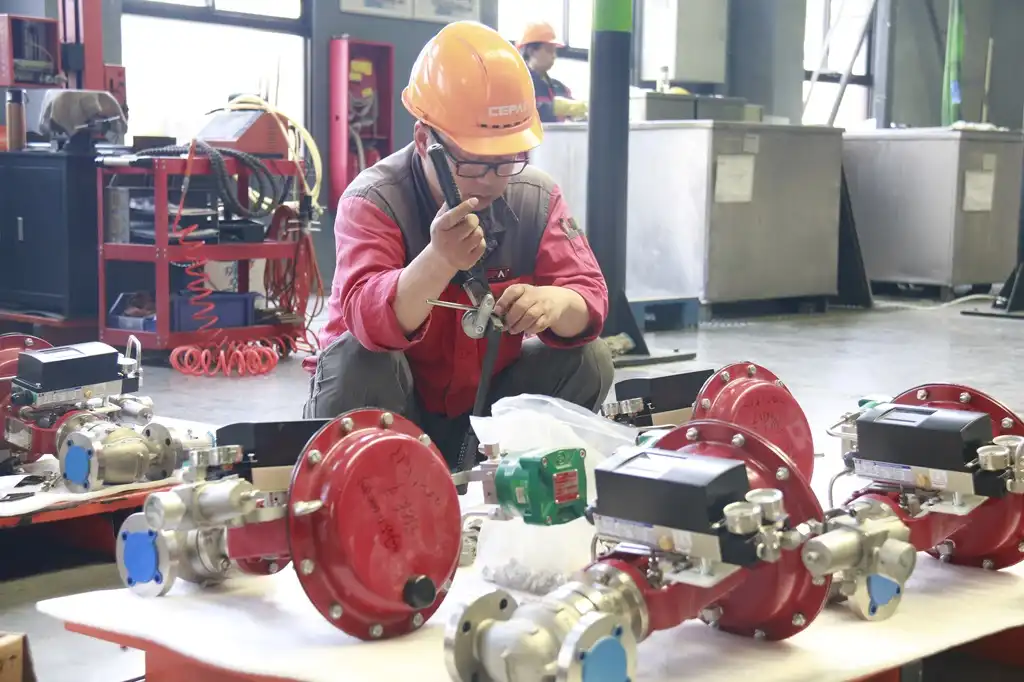
Authorized service providers have the special skills and tools needed to do the right repair. They know the technical details about engineering that other techs might miss, so they can make sure that rebuilt valves work just as well as new ones. The small extra cost for OEM parts and skilled service pays off by keeping batch stability and extending the life of the parts.
Procurement Considerations for Control Valves in Chemical Batch Applications
Facilities will only get control valve equipment that really meets their working needs if they make smart choices about how to buy it. There are more than just prices to consider in the decision process.
Evaluating Suppliers and OEM Manufacturers
In critical process uses, the image of the supplier is very important. Well-known companies spend money on study, quality control, and new product development all the time, which means their products work better in the real world. Their tech support helps customers choose the right valves for tough jobs, so mistakes that cost a lot of money don't happen.
The terms of the warranty show how confident the company is in their goods. Full coverage that protects against early breakdowns is a sign of good building and materials. Service network availability makes sure that technical help and extra parts can be reached for as long as the valve is in use.
Understanding Lead Times and Supply Chain Dynamics
Delivery schedules are set by global supply chains, which buying teams must carefully manage. Standard control valve setups can be shipped within a few weeks, but engineered-to-order versions take longer to make. Lead times are affected by the supply of materials, especially for specialty alloys and big casting sizes. Planning ahead keeps projects from being held up and gives makers enough time to make sure the quality is right..
Strategic buyers have ties with more than one qualified provider. This creates supply flexibility, which lowers the risk of problems caused by limited capacity or problems in other regions. This variety is helpful when demand is high and lead times are long, which can throw off project plans.
When Custom Valve Orders Deliver Value
Custom valve solutions are sometimes needed because of special process needs that normal goods can't meet. Engineers can make special designs when the fluid has strange properties, the working conditions are very harsh, or there are specific size limitations. Customization makes sense when normal goods wouldn't work as well or would need expensive process changes, even though it costs more and takes longer to deliver.
It's easier to make purchases when you work with makers who can do both standard and unique work. These providers know the technical trade-offs and can tell you if customization really adds value or if a standard product with a few small changes would do. Their knowledge of application engineering helps customers avoid over-specifying equipment and makes sure that the valves they buy really meet the needs of the process.
Conclusion
In chemical batch production that is always the same, depends on precise control valve operation. Processing plants can either meet their quality goals or have to deal with expensive differences if they don't carefully choose the control valve types, materials, and motors they use. The basis for solid long-term performance is strong building, the right materials, and the right way of measuring. This level of efficiency is maintained throughout the lifecycle of the control valve through regular upkeep and thorough troubleshooting. In the long run, strategic purchasing decisions that focus on the skills of the seller, the quality of the materials, and technical support are more useful than decisions that only try to cut costs. Facilities that buy good control valve equipment and keep it in good shape always do better than rivals who treat control valves like they are nothing special.
FAQ
1. How Do I Accurately Size Control Valves for Chemical Batch Applications?
To get accurate sizes, you must first describe the needs of your process across the whole working range. Figure out the flow coefficient that is needed for maximum flow, taking into account the features of the fluid and the amount of pressure drop that is allowed. The control valve should be sized so that it normally works at between 30 and 70% of its full capacity. This will give you control over both rising and falling flow rates. You need to think about how viscosity affects thick fluids and flashing potential affects volatile fluids. Common size mistakes that hurt control quality can be avoided by talking to application engineers during the design process.
2. What Distinguishes Control Valves from Ball Valves?
Their main difference is what they're supposed to do. Control valves are made to be continuously modulated, which means that they change positions to keep exact flow rates throughout the process cycle. The way they are built on the inside makes the flow characteristics reliable over a wide working range. Ball valves are mostly used for on-off isolation, but some types can also do some control. Their rotary closure feature works well to stop flow, but it's not as exact as globe-style designs when it comes to controlling flow.
3. What Maintenance Strategies Extend Valve Lifespan?
Regular inspections catch problems as they start to happen, so small problems don't get worse and cause big fails. Cleaning the inside of valves on a regular basis will get rid of chemical buildups that lower performance. Replace soft items and worn-out trim parts before they affect the quality of the batch. Make sure the packing is adjusted correctly to stop leaks without binding the stem. To make sure the reaction is correct, calibrate the positioners and check the stroke operation. When you do upkeep, using original OEM parts keeps the performance traits that make sure batching is always the same. When you write down what you do for maintenance, you make historical records that help predictive maintenance methods work.
Partner with CEPAI for Superior Flow Control Solutions
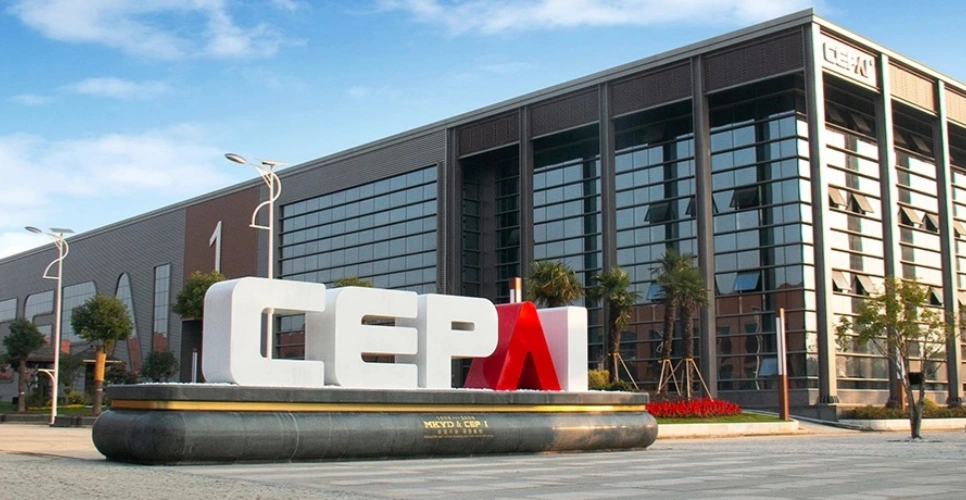
CEPAI creates designed flow control solutions that are perfect for chemical handling environments with strict rules. Our control valves are made with advanced trim designs and precision production that make sure the batch uniformity is stable for the whole life of the valve. Our products meet the quality standards that refineries and petrochemical plants count on because they are certified to API Q1, ISO 9001, and other foreign standards. We know how important flow control is to the success of your production.
Email our technical team at cepai@cepai.com to talk about your unique mixing problems and find out how our knowledge can help you make your process better. As a well-known company that makes control valves, we offer full engineering help from the initial design phase through installation and ongoing maintenance. Our experienced engineers work with your team to find the best way to do things, whether you need standard setups or special solutions for specific uses. For your future jobs, ask for detailed specifications and prices. Find out how working with a seller that cares about quality can turn procurement from a transactional task into a strategic benefit.

References
1. Emerson Process Management. (2019). Control Valve Handbook: Fifth Edition. Austin: Emerson Automation Solutions.
2. American Petroleum Institute. (2020). API Standard 6D: Pipeline Valves - Specification for Pipeline and Piping Valves. Washington: API Publishing Services.
3. International Society of Automation. (2018). Control Valves: Practical Guides for Measurement and Control. Research Triangle Park: ISA Publications.
4. Fisher Controls International. (2017). Sizing and Selection Guide for Control Valves in Chemical Processing. arshalltown: Fisher Technical Literature.
5. Monsen, J.P. (2021). Industrial Valve Selection: Optimizing Performance for Process Applications. Chemical Engineering Progress, 117(4), 32-38.
6. Baumann, H.D. (2018). Control Valve Primer: A User's Guide to Control Valve Applications and Selection. Research Triangle Park: ISA Publications.
_1746598525968.webp)
Get professional pre-sales technical consultation and valve selection services, customized solution services.
About CEPAI