Best Butterfly Valves for FGD Systems in Coal Power Plants
Selecting the optimal FGD butterfly valve for coal-fired power generation facilities demands careful attention to corrosion resistance, sealing integrity, and operational longevity. These specialized valves manage abrasive slurries, acidic gases, and fluctuating temperatures within flue gas desulfurization systems, directly impacting emission compliance and plant uptime. When engineered with elastomeric liners and robust disc geometries, they deliver superior isolation at ductwork junctions, reagent feed lines, and absorber towers. Performance-driven procurement teams prioritize valves that balance tight shut-off capabilities with low-torque actuation, ensuring both energy efficiency and maintenance simplicity across wet and dry scrubbing applications.
Understanding FGD Butterfly Valves and Their Role in Flue Gas Desulfurization
Flue gas desulfurization systems remove sulfur dioxide from combustion waste before it goes into the air. This process puts every part through harsh chemical attacks and changes in temperature. FGD butterfly valve units in these systems control the flow of slurry, keep equipment from being damaged during repair, and keep instruments further downstream from getting clogged.
Design Fundamentals for Harsh Operating Conditions
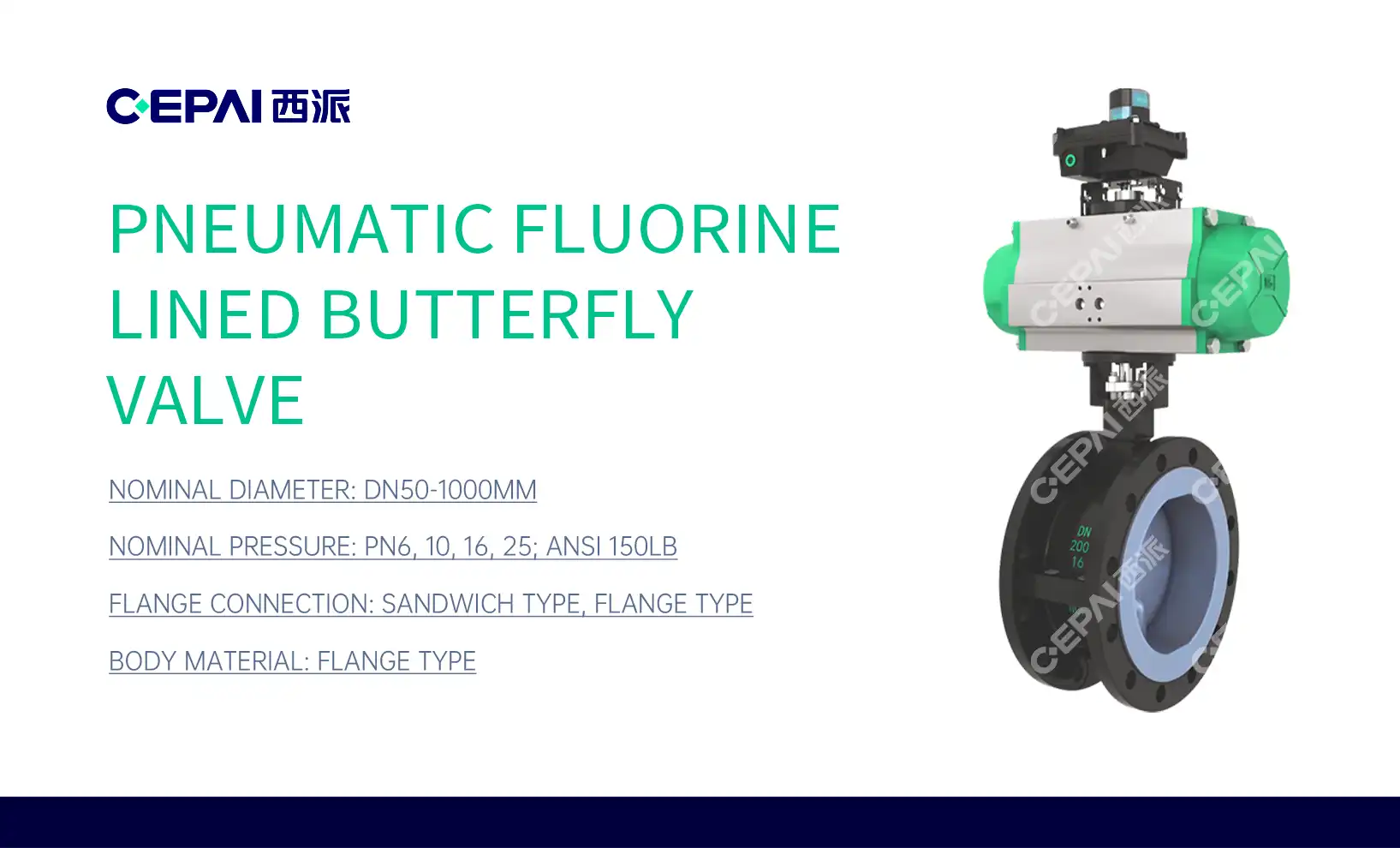
Modern FGD butterfly valve designs used for desulfurization depend on robust seat technology, which is usually made of EPDM, Viton, or PTFE, bound to bodies made of cast iron or ductile iron. The disc can be made of 316L or duplex metals, which are types of stainless steel, and it turns 90 degrees to open or close the flow line. The streamlined disc shape reduces pressure drop more than ball or gate forms, which is important when handling high-volume gas streams that are full of particles.
Wet scrubbing systems move limestone slurries that have a pH level close to four. This means that any surface that gets wet has to be able to fight both erosion and electrochemical damage. Valve seats go past the body's face to form a boot-style seal. This keeps reagents from getting into the bearing cavity and makes sure that the seal works both ways, even when differential pressures change during load-following operations.
Operational Advantages in Coal Power Environments
There are three main reasons why FGD butterfly valve options are better than other valves used in power creation. Because a twelve-inch valve weighs a lot less and doesn't need as many bolt-up connections, it is more cost-effective because it uses less material. You can also save money on fitting costs. It lasts longer because it doesn't have any complicated internal places where slurry can build up and harden, which is a common way for plug valves in the same service to fail. It's clear that maintenance is easy when workers can change seat inserts without breaking piping flanges. This feature cuts down on the mean time it takes to fix during planned downtime.
In common uses, they are found in absorber inlet dampers, where valves slow down the flow of gas to make the most of the scrubber dwell time; limestone feed lines, where they separate agitators and pumps; and gypsum drainage circuits, where they handle abrasive slurries at up to 150 psi. Different duty cycles have different needs. For example, to keep flue gas from bypassing ducts, the shut-off must be very tight. For chemical input control, precision throttling without cavitation is helpful.
How to Select and Purchase the Best FGD Butterfly Valve for Your Coal Power Plant?
To choose the correct FGD butterfly valve configuration, you need to make sure that the technical factors match the needs of the system and the supplier's skills. If mistakes are made at this time, they will show up during installation, launching, and for decades to come.
Evaluating Material Compatibility and Pressure Ratings
Make a picture of the working conditions, including the pH of the slurry, the amount of chloride in it, the highest temperature, and the pressure changes that happen during startup. Compare these to the material charts provided by the maker. 316L stainless steel is resistant to corrosion at pH levels above three, but duplex types are needed when chloride levels reach 500 ppm. When the absorber is turned off, the body rating has to take into account the vacuum conditions. Bodies made of ductile iron rated to 150 psi can usually handle full vacuum, but bodies made of thin-walled carbon steel need vacuum breaks.
Thermal riding is important for choosing a seat. EPDM is still the best choice for wet systems that work below 180°F because it is durable, doesn't react badly with chemicals, and doesn't cost too much. Viton increases the temperature range up to 300°F, but it loses its flexibility during cold starts, which could let systems bypass until they hit balance. PTFE liners keep elastomers from breaking down, but they need more actuator force because their friction coefficients are close to 0.1.
Custom Engineering Versus Off-the-Shelf Solutions
Eighty percent of desulfurization jobs can be done with standard catalog FGD butterfly valve units, but there are three times when unique designs are needed. Split-body design is useful for oversized ductwork with a width of more than 48 inches because it lets it be put together in the field without crane lifts. For services that need to slow down a lot of times, like recirculation flow control, eccentric disc shapes that keep the seat from rubbing during modulation are necessary. Extreme temperature differences happen a lot in dry sorbent pumping systems, so the motors may need longer necks to protect them from direct heat.
When planning downtime, it's important to keep in mind that custom engineering takes twelve to sixteen weeks, while stock things only take four weeks. However, customized solutions often lower lifetime costs by getting rid of the need for adapter flanges, special gaskets, and changes that need to be made in the field that are common with force-fit installs.
Identifying Trustworthy Valve Manufacturers
Certifications are the first filter. For example, API 609 Category A compliance makes sure that dimensions can be switched, and ISO 5208 leak testing makes sure that the shut-off for the FGD butterfly valve works. Ask for mill test records for body castings and seat compound cure logs to find out more. This will show that quality control goes beyond the final check. Manufacturers' trust can be seen in the length of the warranty. Seats that are covered for three years and bodies that are covered for five years are signs of tried-and-true designs, while 12-month limits are a sign of new materials or attempts to save money.
When fixing problems in a business setting, the image of the supplier is important. Vendors with field service networks can send techs to do forensic analysis to tell the difference between manufacturing flaws and application mismatches. Lead times change based on the amount of metal that can be cast around the world. Reliable sources keep safety stock for common sizes and clear production plans for custom units.
Installation, Maintenance, and Troubleshooting of FGD Butterfly Valves
Getting the most out of an FGD butterfly valve's life starts with installing it correctly and continues with regular upkeep. If you ignore either step, you could have unplanned outages and safety issues.
Step-by-Step Installation Best Practices
First, check the flange sides for cracks and warping. The seal surfaces must be flat enough to meet ASME B16.5 standards so that the load doesn't build up on the valve seat. In slowing service, place the valve so that the disc opens against the normal flow direction. This will keep the seat from wearing down as the media takes particles off the sealing surface. Tighten flange bolts in a star design to the manufacturer's specs. If you tighten them too much, the seats will get crushed, and if you tighten them too little, the flange will leak, which will corrode the bolt threads.
When installing an actuator, you need to pay attention to how far the shaft can turn. Set up mechanical stops at 0 degrees and 90 degrees to stop over-travel that hurts internal parts. When setting up electric actuators, set the torque switches to trip at 12% of the estimated stem torque. This will allow for slurry building without causing unnecessary trips while the machine is running normally.
Routine Maintenance to Prevent Premature Failure
Inspections should be done every three months to check for stem packing leaks. A few drops per hour mean the compression is healthy, while constant seepage means the glands need to be adjusted or the packing needs to be replaced. Every year, you should run the FGD butterfly valve through ten full strokes while recording the break-away torque. If the torque goes up, it means that the seat is getting harder or the bearings are corroding, which needs to be fixed. Every three years, take out the actuators and check the state of the seats. Patterns of localized wear mean that the pipes aren't lined up right or that slurry is getting stuck, which needs to be fixed.
How to lubricate a bearing depends on how it was made. Self-lubricating bushings don't need any care, but every six months, NLGI Grade 2 lithium complex grease needs to be put on stems that are grease-fitted. Do not over-grease because it forces oil past seals and into the flow stream, where it attracts rough particles that speed up wear.
Troubleshooting Common Operational Issues
External leakage at flanges is usually caused by pipe and valve bodies expanding at different rates. To allow for movement, install expansion joints or flexible links. Internal leaks, shown by a difference in temperature across a closed FGD butterfly valve, means that the seat is damaged from cavitation or particulate wedging. Most of the time, replacing the seats and checking the upstream filter is enough to fix the problem. If the flow isn't stable during throttling, it could be because of swirling eddies. Moving the valve ten pipe diameters downstream of bends or reducers fixes the problem.
Actuator problems show up as partial movement or shaky positions. Limit switch drift can happen with electric units; to re-calibrate, use a precision angle finder instead of depending on eye alignment. When pneumatic cylinders open slowly when a spring is applied, it means that the air supply is contaminated and pilot valves are getting clogged. This problem can be fixed by adding coalescent filters and cleaning receiver tanks once a week.
Why Choose CEPAI as Your Trusted Supplier of High-Performance Butterfly Valves
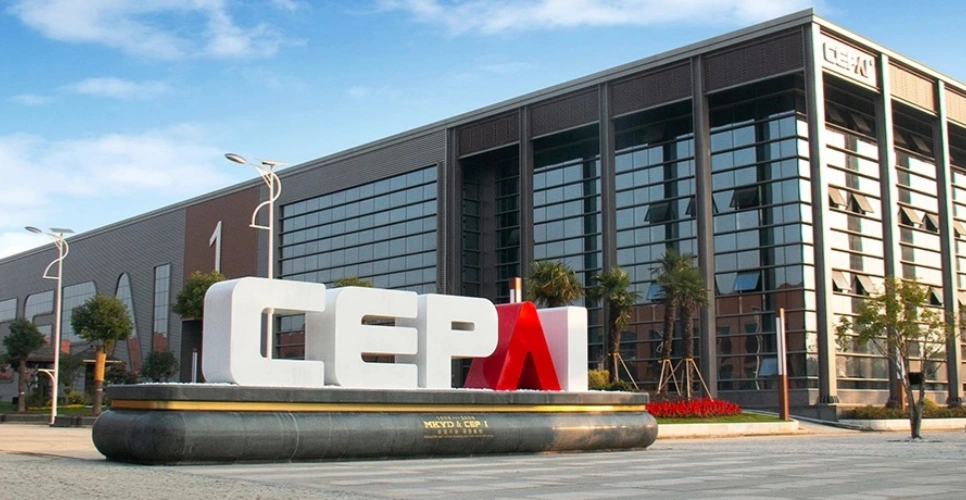
It's easier to deal with the technical aspects of purchasing FGD butterfly valve units when you work with makers that offer both deep engineering knowledge and global shipping support. CEPAI has built its name on making valve solutions that can handle the roughest conditions found in coal power plants.
Comprehensive Product Range and Customization Capabilities
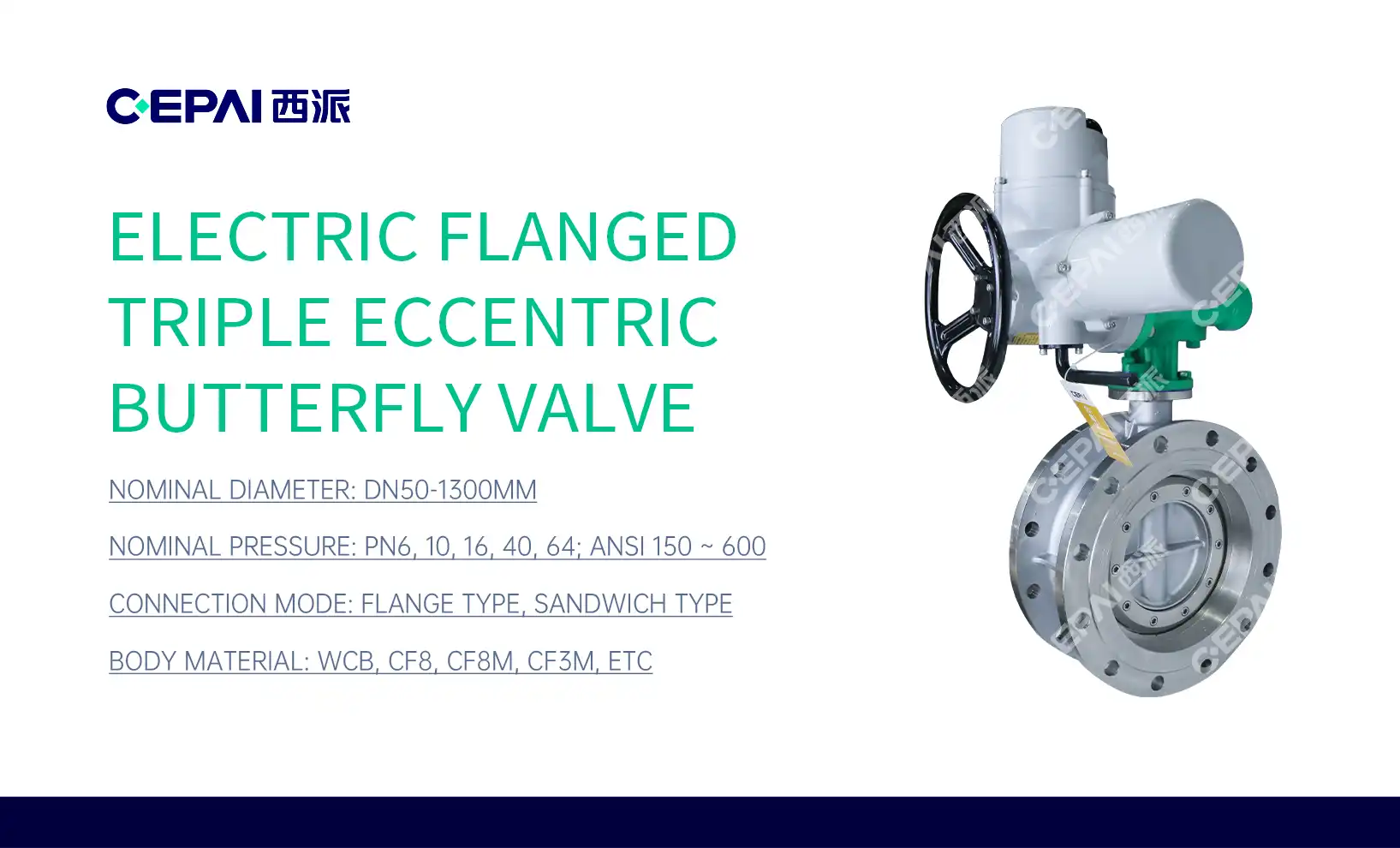
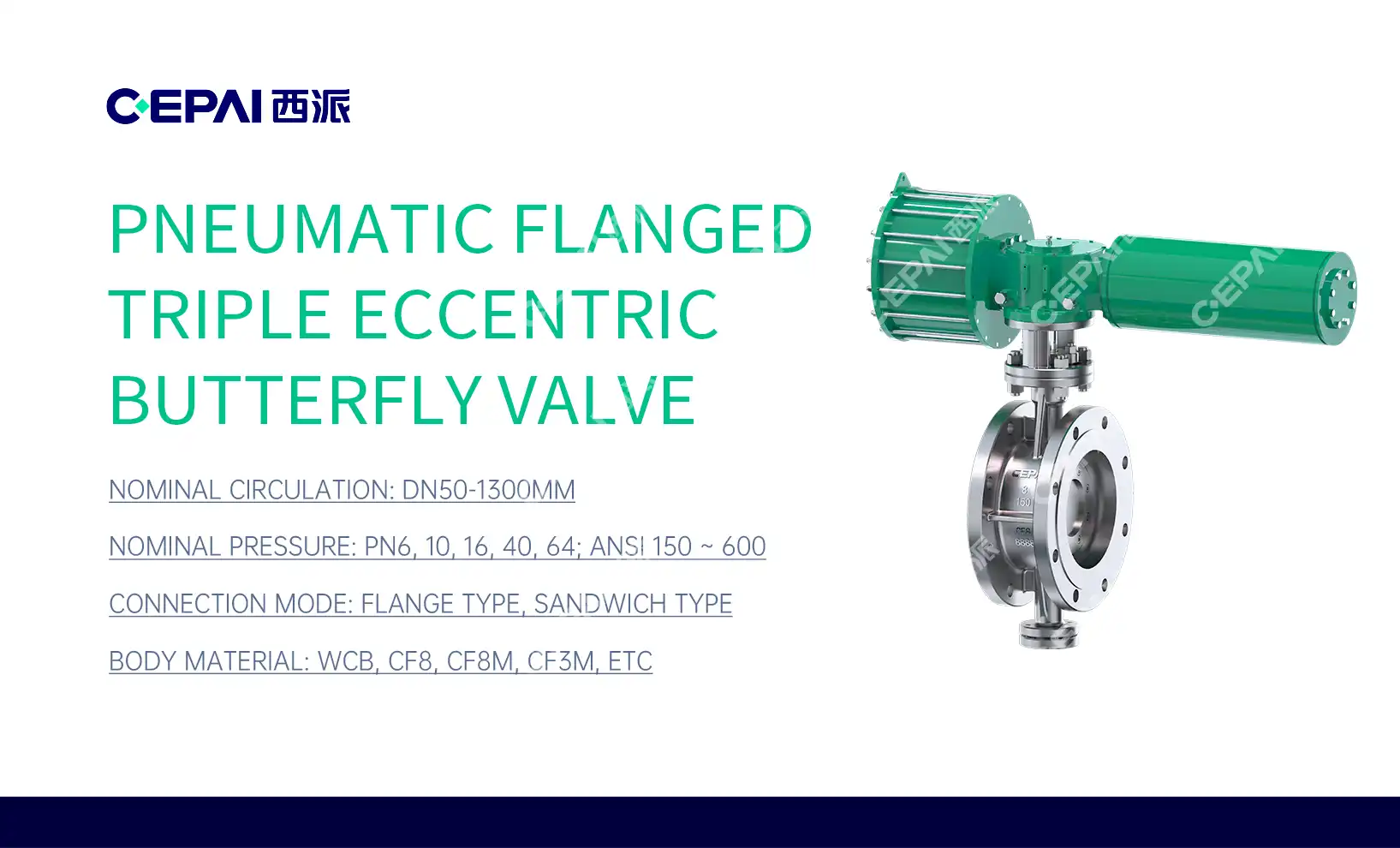
From two-inch instrument isolation valves to sixty-inch pipe dampers, we have what you need. You can get each type in ductile iron, carbon steel, or stainless materials. You can choose seats made of EPDM for general use, Viton for high temperatures, or PTFE for chemical extremes. The designs can be bonded or physically retained to fit your care philosophy. Custom disc shapes, like double-eccentric for tight shut-off and triple-offset for zero-friction FGD butterfly valve closing, can be used in places where catalog valves don't work well.
The research stage is where engineers start working together. Our applications team will use computational fluid dynamics to predict flow coefficients, cavitation indices, and torque needs based on the process flow diagrams you send them. This spending up front stops the changes that happen in the field that happen with projects that are only based on price.

Certifications and Quality Assurance
CEPAI keeps its API 6D, API 609, and ISO 9001 licenses, which show that it follows international rules for testing, designing, and making things. Before it is shipped, API 598 requires that the body of each FGD butterfly valve be tested hydrostatically at 1.5 times its rated pressure and that the seat leaks be tested. Traceability includes raw material heat numbers, which are written down in printed data books that come with each unit.
Our quality management system is in line with API Q1, which is the standard for supply chain consistency in the oil business. Third-party audits make sure that the standards we use for power generation products are the same ones that drilling operators and pipeline companies expect for weld methods, non-destructive testing, and final inspection processes.
Global Logistics and After-Sales Support
We have distribution hubs all over North America that let us stock standard sizes for next-day shipping and set up factory-direct deliveries for engineered orders. The export package meets ISPM 15 fumigation standards and includes desiccant bags, vapor shields, and impact records to make sure that FGD butterfly valve units arrive at their destination ready to be installed.
Help with commissioning is the first part of post-delivery support. Our experts go to the site to set up the actuator and test its first stroke, then teach plant maintenance teams what they've learned. Three years of warranty coverage is given on seats and five years on pressure-retaining parts. Fast-response parts supplies help keep downtime to a minimum when items need to be replaced.
Conclusion
Choosing FGD butterfly valve units for systems that remove sulfur from flue gas strikes a good mix between scientific precision and practicality. The choice of material must take into account the chemistry of the slurry and the changing temperatures, and the choice of actuators must be in line with the working mindset and the infrastructure for remote monitoring. When standard designs make transition more expensive or less reliable, custom engineering makes sense. Partnering with makers who follow strict certification rules, provide clear lead times, and offer field service networks changes the selling process from a strategic one to a strategic one. As rules on emissions get stricter and coal fleets get older, the valves that separate and control desulfurization systems will decide if plants meet their goals without lowering supply.
FAQ
1. What temperature range can FGD butterfly valve typically handle?
Because of the materials used for the seats, most FGD butterfly valve units used in wet scrubbing systems can only work between 40°F and 250°F. EPDM chairs work consistently up to 200°F, making them good for absorber recirculation loops where the slurry temperature doesn't get above 180°F very often. Viton raises the ceiling to 300°F so that regenerative heat exchanges and dry sorbent injection devices can work. PTFE-lined versions can handle temperatures up to 400°F, but they don't have as much binding force, so they're better for isolating the gas phase than slowing down the slurry.
2. How do I choose between manual and automated actuation?
For isolation valves that are only used three times a year during repair periods, manual gearboxes are enough. This makes things simpler and eliminates the need for expensive electricity equipment. When FGD butterfly valve units need to change constantly for load-following or need fail-safe closure during scrubber upsets, automated actuators become important. Electric actuators can be controlled from afar using distributed control systems, while pneumatic cylinders offer safety through spring return but need networks of compressed air supplies.
3. What maintenance practices prevent unexpected valve failures?
Visual checks should be done every three months to look for packing leaks and stem rust. This way, small problems can be found and fixed before they get worse. If you look at the annual torque trend—which is the force needed to break the FGD butterfly valve from rest—you can see that the seat is wearing down or the friction between the bearings is rising. Seats should be replaced every three years so that through-wall erosion doesn't cause internal leaks. Grease-fitted stems don't get galling if they are properly oiled every six months, but too much grease will attract rough slurry particles.
Partner with CEPAI for Reliable FGD Butterfly Valve Solutions
When upgrading or building desulfurization systems, you need FGD butterfly valve partners who know both how scrubbing works chemically and how to run a global project. CEPAI has been making valves for 30 years and has certifications in API 6D, API 609, and ISO 9001. This makes sure that every valve meets the durability standards that drilling engineers and plant managers need. Our expert team works together to choose the right material, figure out the right pressure, and come up with the best ways to operate the valves based on your process conditions. We keep a lot of units in stock so that they can be sent out quickly. We also offer custom building for special uses. Reach our application experts at cepai@cepai.com to talk about your coal power plant needs, get detailed datasheets, or get project-specific quotes that balance performance with lifecycle value.

References
1. American Petroleum Institute. (2018). API Standard 609: Butterfly Valves – Double-Flanged, Lug- and Wafer-Type. Washington, D.C.: API Publishing Services.
2. Electric Power Research Institute. (2019). Materials Selection Guide for Flue Gas Desulfurization Systems. Palo Alto, CA: EPRI Technical Report 3002014407.
3. International Organization for Standardization. (2020). ISO 5208: Industrial Valves – Pressure Testing of Metallic Valves. Geneva: ISO Central Secretariat.
4. National Fire Protection Association. (2021). NFPA 85: Boiler and Combustion Systems Hazards Code. Quincy, MA: NFPA Standards Council.
5. Sander, U., & Fischer, H. (2017). Handbook of Flue Gas Cleaning Technologies for Coal-Fired Power Plants. Munich: Verlag Moderne Industrie.
6. Zaidi, A., Sulaiman, S., & Rahman, M. (2022). "Corrosion Resistance of Valve Materials in Wet Limestone FGD Systems." Journal of Materials Engineering and Performance, 31(4), 2847–2859.

Get professional pre-sales technical consultation and valve selection services, customized solution services.
About CEPAI