Improving Cooling Tower Efficiency with Proper Valve Sizing
The right size of valves is a key part of optimizing a cooling tower because it directly affects how well heat is transferred and how quickly the system responds. A control valve precisely modulates the flow of fluids to keep working temperatures fixed. It does this by balancing flow rates with pressure differences. When they are the right size, these devices keep industrial facilities from wasting energy, make pumps work less, and make equipment last longer. Too small of valves cause too many pressure drops and noise, while too big of valves make throttling less accurate and cause instability. When facilities understand the connection between valve capacity, system demand, and operating factors, they can improve cooling performance while keeping long-term costs low.
Understanding the Impact of Valve Sizing on Cooling Tower Efficiency
How well a cooling tower gets rid of heat from moving water is directly related to how well the flow is controlled. When valves are matched to the needs of the system, they keep flow rates constant even when the load changes. This makes sure that air and water make good contact. This balance gets the most heat movement done while using the least amount of pumping energy. On the other hand, mistakes in size lead to operational bottlenecks that slow things down and raise costs.
How Flow Characteristics Shape System Performance
Designers of valves come up with three main flow patterns to handle different control situations. When the stem position changes, so does the flow volume. This simple behavior makes linear characteristic valves good for systems where the pressure difference stays pretty constant. Equal percentage designs make the flow go up exponentially as the valve opens, which balances out the changes in pressure that happen in complex pipe networks. Quick-opening designs let the most flow through with the least amount of stem movement, which makes them perfect for on/off uses instead of modulation.
Equal percentage traits are usually good for cooling tower circuits because system pressure drops as flow rises through pipes and heat exchangers. This natural trait fits the exponential flow curve of the valve, making the installed behavior almost linear. This makes the control stable across the entire working range, stopping hunting and vibration that waste energy and put stress on mechanical parts.
Common Valve Configurations in Cooling Applications
Because they are strong and good at stopping, globe valves are the most common type used in precision cooling towers. The plug-and-seat design makes it easy to place and shut off, which is important for keeping set points when the motor is only partially loaded. Their winding flow path, on the other hand, causes bigger pressure drops than circular options, so they need to be carefully thought out in low-head systems.
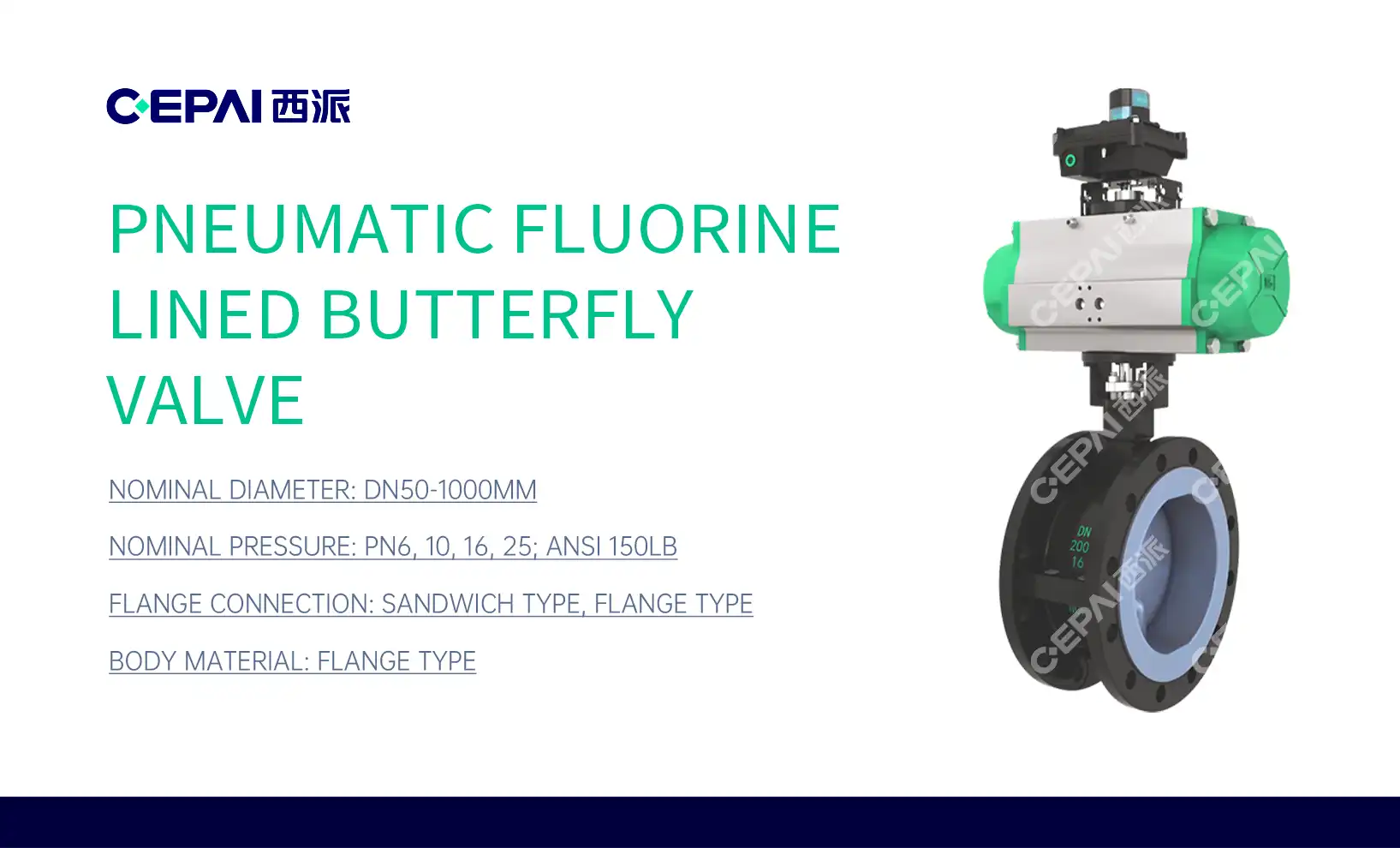
When fully open, ball valves don't have much resistance, which means they can be used for separation or easy two-position control. Quick reaction is possible with quarter-turn operation, but modulating models give up some of their low-friction benefit. Butterfly valves are a small and light choice for large-diameter lines where globe forms can't be used because of weight or space issues. Their disc geometry gives them good control in the right-sized uses, but their accuracy isn't as good as with globe designs or a dedicated control valve.
Consequences of Improper Sizing Decisions
When valves are too small, systems have to work close to their full capacity, which takes away control during peak cooling loads. The valve stays wide open, so it can't adjust for changes in the process or the environment. Too much fluid speed through the small hole speeds up erosion, especially when solids are floating in the water. High pressure recovery across the valve also raises the risk of cavitation, which can cause damage to the material, noise, and shaking.
The same problems happen when valves are too big. In normal situations, the control element works close to its place, where small changes in position cause big changes in the flow. Because it is so sensitive, it is almost impossible to keep control. This causes cycling, which is hard on pumps, motors, and mechanical parts. When actuators don't have enough precision or controls can't make tuning changes to fix the problem, the effect is stronger.
A midstream pipeline plant in Texas saw a 23% drop in the amount of energy used by its cooling system after changing butterfly valves that were too big with globe valves that were the right size. In normal situations, the original valves were 15 to 25 percent open, and they kept cycling as controls fought to keep temperature goals. New valves that were made to move 60–70% of the way they were meant to at design flow gave stable control authority, which let pump speeds and fan operation be optimized. The project paid for itself in 14 months just by saving energy, not adding the time it took to do upkeep.
Principles and Methods of Accurate Control Valve Sizing
Systematic control valve selection starts with collecting and analyzing a lot of data. Before they can evaluate specific goods, engineers need to describe the qualities of the fluid, set the working conditions, and decide what the control goals are. This basis makes sure that estimates are based on how the system really works, not on idealized ideas.
Critical Parameters Driving Valve Selection
The bulk capacity of the valve is set by the flow rate needs. For liquid service, this is usually given in gallons per minute. To make sure there is enough rangeability, the design specs should include the regular operating flow, the highest expected flow, and the minimum controllable flow. The difference in pressure between the valve's input and exit sets the flow rate and is used to figure out the size. Because these numbers change with pump curves and system resistance, they need to be looked at in all working modes.
Things about the fluid, like its mass, viscosity, and gas pressure, affect how it flows through the valve body. In closed cooling loops, the qualities of water don't change much, but systems that deal with glycol mixes, treated makeup water, or condensate return need to make changes to their estimates. Extreme temperatures can change the choice of materials and the form of the trim, especially in cooling towers that are heated by steam or processes that change a lot from season to season.
The Flow Coefficient and Its Application
The Cv number tells you how much flow a valve can handle under normal conditions. It measures the flow in gallons per minute of 60°F water that causes a 1 psi pressure drop. Manufacturers test valves over their entire working range to make Cv graphs that show how capacity changes with stem position. For a given pressure difference, a larger Cv number means that more flow can happen.
To figure out the right size of the control valve, you need to know the flow rate and the pressure drop that is available. Then, you can use standard methods in the business to find the Cv. To guess what the real flow conditions will be, these methods take into account the density of the fluid, the pressure recovery factors, and the critical pressure ratios. Correction factors deal with effects that aren't ideal, such as high viscosity, flashing, or choked flow, which change basic relationships.
Structured Sizing Methodology
We suggest a four-step method for sizing valves that strikes a good mix between rigorous analysis and real-world limitations. The first step is to list possible working scenarios, such as starting, normal operation, shutting down, and emergency situations. The sizing envelope is set by giving each situation a minimum and maximum parameter number. At this point, the quality of the data directly affects the reliability of the answer, so it's important to talk to process experts in detail.
In the second step, sizing formula or software tools are used to figure out what Cv numbers are needed for each situation. Most makers offer free software for size adjustment that uses their own data and factors. With projected performance curves, installed characteristics, and cavitation indices, these tools make early valve choices. By running different cases, you can find plans that work for the whole range of conditions without being too big.
In the third step, candidate valves are tested against standards related to the application. The system's requirements must be met for pressure levels, temperature limits, end link types, and materials. The end design is based on the actuator torque needs, the preferred failure mode, and the alignment of the control signals. At this point, budget concerns often become the deciding factor, forcing tradeoffs between starting costs and performance over the tenure.
Validation is the last step in the process. It makes sure that the chosen valves meet the control goals in the expected situations. Before buying, checking the installed gain, rangeability, and seller documents can help you find problems that were missed the first time. Writing down assumptions, figures, and the reasoning behind decisions helps with future troubleshooting and upkeep.
Practical Sizing Case Study
For a project to cool water at a plant, a valve was needed to control the flow through a shell-and-tube heat exchanger that served a distillation unit. Normal flow was set by the process experts at 180 gallons per minute, and design conditions allowed it to hit 220 gallons per minute during summer peak loads. For starting and low-load operation, the lowest flow rate that could be controlled was set at 45 gallons per minute. At design flow, the available system pressure was 35 psi, with 95 psig at the inlet and 60 psig at the exit.
The normal liquid sizing equation was used to do the first estimates, which showed that a minimum Cv of 67 at design flow was needed. Looking through catalogs from different manufacturers showed that a 2-inch globe valve with an equal percentage trim had a maximum Cv of 77, which was a good amount above the estimated number. The valve's Cv at 70% travel was the same as the usual flow rate of 180 gallons per minute, which put normal behavior in the best control range. Minimum flow estimates showed that the resolution was good at low travel points, which proved that the choice was right.
The pressure recovery was checked with cavitation analysis, which compared the expected exit pressure to the fluid vapor pressure plus a safety buffer. The results showed subcritical conditions across the entire working range, which meant that no special trimming was needed. Plant guidelines said that 316 stainless steel should be used for wet parts, and graphite packing should be right for a maximum temperature of 190°F. The varying control that the distributed control system needed was given by an electric actuator with a 4-20mA input.
Selecting the Right Valve Type and Actuator for Cooling Tower Applications
Finding the right control valve technology for the job is what separates good performance from optimal options. There may be more than one design that can meet basic flow control needs. Knowing the pros and cons of each design lets you make smart choices about how to balance accuracy, cost, upkeep, and dependability.
Comparing Primary Valve Technologies
Globe valves work great in situations where exact throttling and repeatable placement are needed. The linear motion stem moves a plug into a shaped seat, which changes the flow area as the plug moves. This shape creates stable flow patterns and great shutdown performance. The design works well for low pressure drops, but the directional flow path through the body means that pressure is always lost, even when the valve is fully open. Accessibility for maintenance depends on the design. Top-entry models allow service while in-line, while body-guided models need to be completely removed.
Ball valves are good for large-diameter separation service because they have a straight-through flow path that reduces pressure drop. Characterized ball designs with v-notched or profiled holes allow for good modulating performance, but accuracy cannot match the powers of a globe valve. For the quarter-turn process to work, the actuator needs to have a lot of power, especially when the size is big or the pressure is high. The stability of the seal rests on elastomeric chairs, which may limit the temperature range or the chemicals that can be used.
Butterfly valves are good for big cooling water mains where room and budget are limited because they are easy to install and don't cost much at first. The disc spins within the flow stream, blocking it in some spots. This helps with control but causes turbulence and pressure loss that can't be recovered. Offset shafts and shaped discs in high-performance designs make flow more efficient and control better. They close the performance gap with globe valves while keeping the size and weight benefits.
Actuator Selection Considerations
Pneumatic valves are most often used in cooling tower systems because they are strong, safe, and have a variety of failure modes. When the air supply goes out, spring-return designs instantly move to a set position, giving fail-safe behavior that is necessary to protect equipment. The available power increases steadily with actuator size, so the control valve can handle difficult tasks without being too big. The main problems are the need for an air source and the limited response speed. In some precision uses, friction effects can also happen.
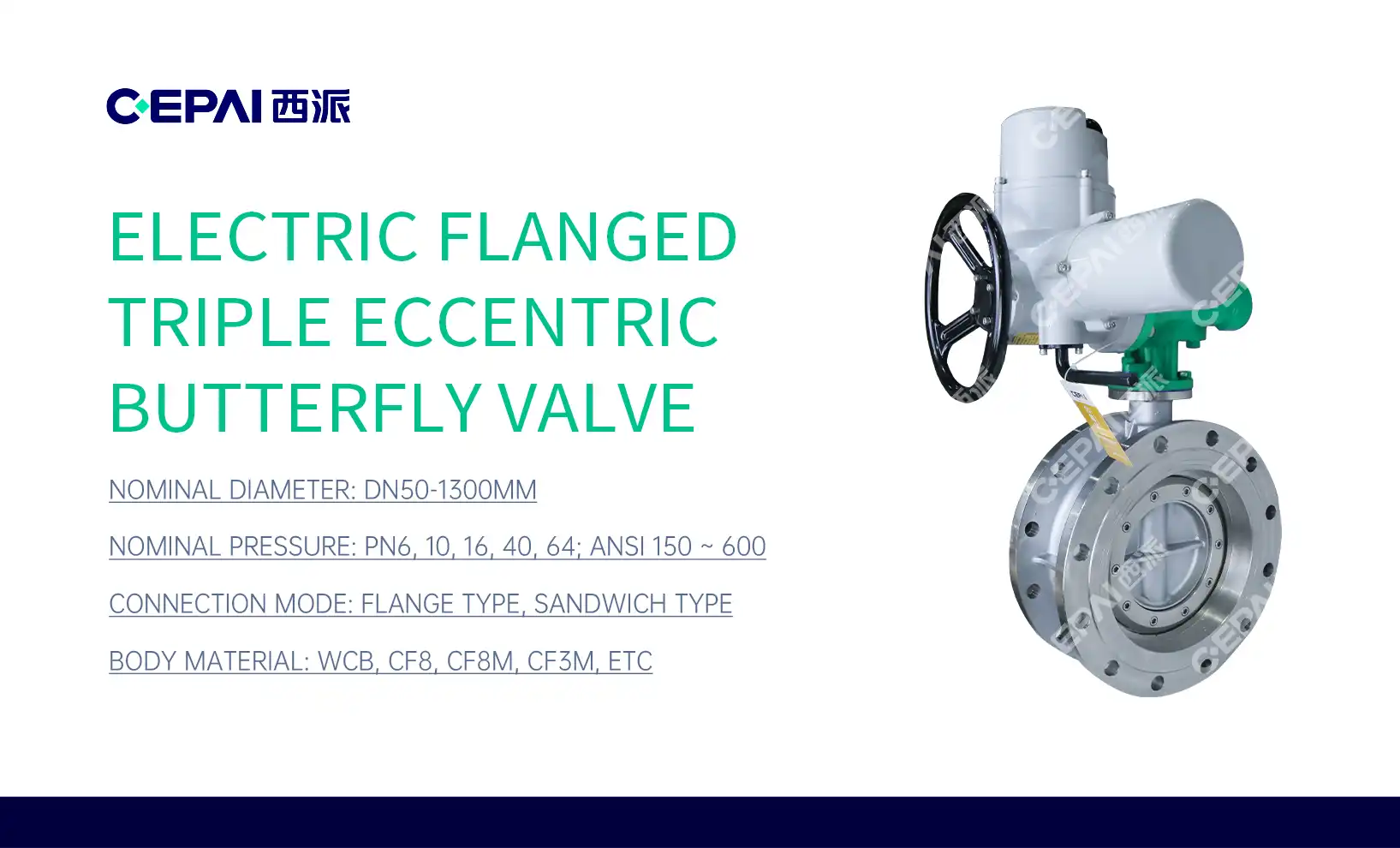
Electric actuators provide more accurate placement and do not require any equipment for compressed air. Control electronics are now built into modern designs, which lets them do more advanced diagnostics, have preset failure reactions, and connect to networks. Operating costs are higher for electric designs than pneumatic ones because they use more power during keeping. However, total energy efficiency usually favors electric designs. The faster reaction time and higher resolution of the electric actuator make it better for applications that need to modulate often. Remote sites also like how little maintenance they need.
Specialized Requirements for Demanding Services
When choosing cooling systems for chemical processes or high-pressure steam uses, you need to think about a few more things. Fluids that eat away at things need better materials, like rare metals, ceramic parts, or protection coatings. When making the standard, both the main fluid and any possible contaminants that could be introduced through leaks, treatment chemicals, or contact to air in open tower systems must be taken into account.
When working with high-temperature steam, like in some cooling tower makeup systems, you need to pay attention to thermal cycling effects, expansion adjustment, and the choice of packing. Extended hood designs keep packing and motors from being exposed to high or low temperatures. This keeps seals safe and increases the time between service visits. In harsh situations, cooling fins or jacketed builds may be needed. These add complexity and cost, but they make sure that the system works reliably for a long time.
Conclusion
By making sure the valves are the right size, you can improve the performance of your cooling tower and save money on energy costs, system stability, and maintenance. By understanding how valve features relate to system needs and operating goals, you can make smart selection choices that get the most out of your infrastructure investments. This guide explains technical principles that help drilling engineers, procurement managers, and maintenance teams compare options, choose the best seller, and put in place solutions that work for their unique needs. Facilities in the energy sector are under more and more pressure to cut costs while still meeting strict safety and efficiency standards. This makes it even more important to pay attention to basic parts like flow control valve devices. When companies carefully consider valve specifications, using the knowledge of the maker and comparing suggestions to the needs of the application, they can gain long-lasting competitive benefits through better cooling system performance.
FAQ
1. How often should cooling tower control valves undergo inspection?
For important cooling uses, visible checks of the control valve units should be done at least once every three months. This way, problems like packing leaks, actuator alignment issues, and external corrosion can be found early. Once a year, interior inspections let you check the state of the body, seats, and trim before damage starts to affect performance. Applications or services with a lot of cycles or solids in the fluid may need to be taken apart every six months to keep them from breaking down without warning.
2. What risks accompany incorrect valve sizing in cooling towers?
Undersized valves make it harder to control, force operation close to full capacity, and speed up erosion by moving too fast. Systems can't keep up with high cooling needs, which could mess up processes or damage equipment. In normal situations, valves that are too big close almost all the way, which leads to unsteady control, repeating behavior, and mechanical stress. Both of these extremes use more energy and shorten the life of tools.
3. Should cooling tower applications favor pneumatic or electric actuators?
Pneumatic motors are good for most cooling tower uses because they are strong, can fail safely with spring-return designs, and don't need much upkeep. Even though they cost more at first, electric actuators are better for applications that need exact placement, frequent modulation, or remote tracking. The choice takes into account the need for control, the services that are offered, the income, and the need for long-term support.
Partner with CEPAI for Superior Flow Control Solutions
Precision-engineered industrial valve options from CEPAI are backed by a full range of API and ISO approvals, such as API 6A, API 6D, and ISO 9001. Our control valve line is made for tough jobs in pipelines, petroleum plants, and refineries. It combines new materials with tried-and-true designs to make sure it will last for a long time. As a well-known maker of valves, we know how important it is to get the right size and standard for cooling tower uses. Our engineering team works with procurement managers and building engineers to make sure that the valves' features match the needs of the system. Throughout the project's lifetime, they provide full documentation and technical support. Email our experts at cepai@cepai.com to talk about how to optimize your cooling tower and find out how our controlling valve technologies can help your building run more efficiently. We can give you a quote quickly, make changes as needed, and offer expert help around the world to make the buying process easier and make sure the installation goes smoothly.

References
1. American Society of Heating, Refrigerating and Air-Conditioning Engineers. ASHRAE Handbook—HVAC Systems and Equipment. Atlanta: ASHRAE, 2020.
2. Baumann, H.D. Control Valve Primer: A User's Guide. Research Triangle Park: International Society of Automation, 2009.
3. Emerson Automation Solutions. Control Valve Handbook, Fifth Edition. Marshalltown: Fisher Controls International LLC, 2019.
4. International Society of Automation. ISA-75.01.01 (IEC 60534-2-1 Mod) Industrial-Process Control Valves—Part 2-1: Flow Capacity—Sizing Equations for Fluid Flow Under Installed Conditions. Research Triangle Park: ISA, 2012.
5. Lipták, Béla G. Instrument Engineers' Handbook, Volume Two: Process Control and Optimization, Fourth Edition. Boca Raton: CRC Press, 2006.
6. Monsen, Jon F. "Control Valve Application Technology: Techniques and Considerations for Properly Selecting the Right Control Valve." Chemical Engineering Progress 110, no. 5 (2014): 28-37.
_1746598525968.webp)
Get professional pre-sales technical consultation and valve selection services, customized solution services.
About CEPAI