How Does a PTFE-Lined Butterfly Valve Perform in High-Acid Environments?
For high-acid settings, PTFE lined butterfly valves work great because they are very chemically resistant and last a long time. The covering made of polytetrafluoroethylene makes a barrier that can't be broken through by acids, so the seal stays intact and the system works reliably. These valves work better than standard ones, last longer, and need less upkeep in corrosive environments. Acids can't damage the fluoropolymer coating, so the valves can keep their flow under control and work without leaks in a wide range of industry processes that use concentrated acids.
Understanding PTFE-Lined Butterfly Valves
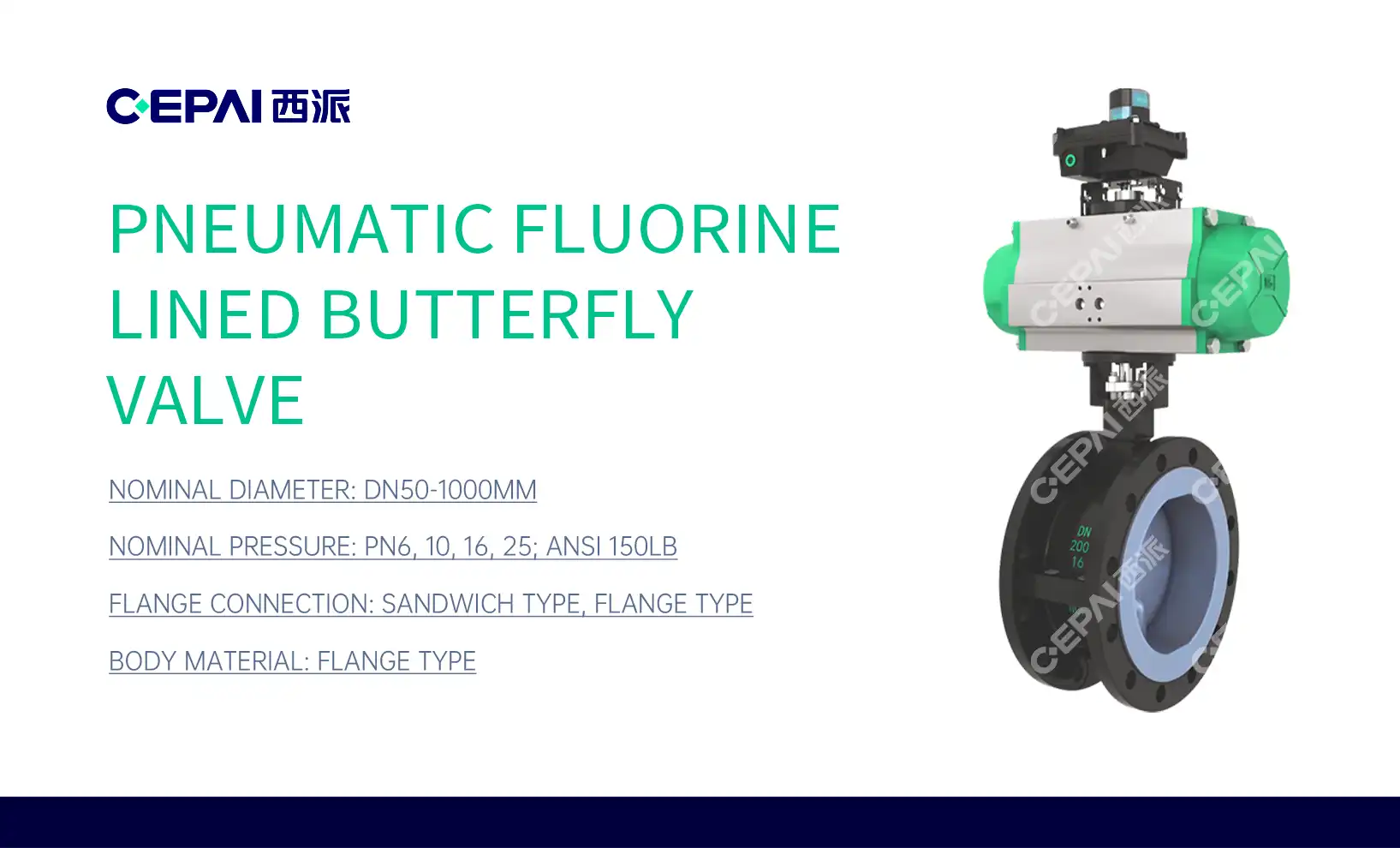
PTFE-lined butterfly valves are a special kind of flow control device that was made to work in extreme chemical conditions. A polytetrafluoroethylene lining is built into both the valve body and the disc structure of these valves. This makes a complete shield against aggressive media.
Construction and Design Features
There are a few important parts built into the basic structure of fluoropolymer-lined butterfly valves that make them work better in acidic environments. The valve body has a disc that spins and pivots on a center shaft, which lets the valve be turned quickly in a quarter turn. The PTFE lining fully covers all wet surfaces, so the process fluid can't come into direct touch with the metal parts below.
This protected coating goes all the way across the valve seat, disc face, and internal body surfaces, making a shield that doesn't let corrosion happen anywhere. The disc shape provides the best sealing action and keeps the chemical protection that makes these valves ideal for harsh settings.
Material Properties and Chemical Resistance
Polytetrafluoroethylene is a great material for acid-resistant jobs because of the way it is naturally made. PTFE is very chemically neutral, meaning that it doesn't react with most acids, bases, and organic solvents that are used in industrial processes. The material keeps its shape at temperatures ranging from -60°C to 180°C, so it can be heated and cooled many times without losing its effectiveness.
PTFE has a low coefficient of friction, which helps the valve work smoothly and the actuator last longer. Because of this feature, less power is needed to open and close the valves, so they can be used with both human and automatic control systems.
Advantages Over Alternative Valve Types
When used in acidic conditions, PTFE lined butterfly valves are much better than rubber-lined or metal seat options. Chemicals and galvanic rust can damage traditional metal chairs, causing them to break down early and need to be replaced many times at high costs. Even though rubber linings are cheap at first, they don't have the full chemical protection that is needed for uses with concentrated acids.
Because fluoropolymer coats for PTFE lined butterfly valve last longer, they require less upkeep and can be used for longer periods of time. These valves keep their closing integrity throughout their working life, so they don't need to be adjusted or replaced as often as less durable options.
Performance Analysis of PTFE-Lined Butterfly Valves in High-Acid Environments
When used in acidic settings, PTFE-coated butterfly valves work well, showing that they are suitable for important industry uses. A lot of testing in the field and in the lab has shown that they can keep working properly even when there is a serious chemical attack.
Chemical Resistance Validation
Laboratory tests show that valves lined with fluoropolymer keep their shape even when they are exposed to strong acids like hydrochloric acid, sulfuric acid, and nitric acid. After being exposed to these harsh media for a long time, the PTFE covering doesn't show any signs of breaking down, swelling, or chemical attack.
As shown by independent tests done by chemical processing plants, these valves keep their leak-tight performance over long service cycles. Because the inner material is chemically neutral, corrosion products don't form that could damage the valve or pollute the process streams.
Temperature Performance Characteristics
Operating temperature ranges have a big effect on how well valves work in acid-handling situations. PTFE-lined butterfly valves can handle temperature changes from -60°C to 180°C without losing their ability to close or their resistance to chemicals. Because they can work at different temperatures, they can be used in processes that use hot acids or in uses that need to be very cold.
The PTFE lining's thermal expansion properties are carefully matched to those of the valve body material below. This keeps stress from building up and breaking the lining. This way of designing makes sure that the performance stays the same across the whole working temperature range.
Operational Reliability Metrics
Field data from chemical processing plants shows that PTFE-coated butterfly valves can be used continuously in acidic environments for more than five years. Because of this, it works much better than older valve technologies, which usually need to be replaced or fixed up every 12 to 18 months in the same circumstances.
These valves work consistently, which cuts down on unplanned repair and the production delays that come with it. When plant managers move to fluoropolymer-lined valve technologies, they say the process is more reliable and maintenance costs go down.
Comparing PTFE-Lined Butterfly Valves with Other Valve Types
When purchasing teams know how the performance of various valve technologies, such as PTFE lined butterfly valve, compares, they can make smart choices about which tools to use for acid handling tasks.
Metal Seat Valve Limitations
In acidic conditions, traditional butterfly valves with metal seats have a lot of problems. When acidic media come in close contact with metal surfaces, sealing surfaces and valve parts break down very quickly. This breakdown process is sped up by galvanic rust between metals that are not the same, which leads to more frequent repair needs and a shorter service life.
There are also problems with thermal expansion mismatches in metal seats, which can make seals less effective when working temperatures change. If you can't keep the stability of the seal over time, it can leak inside, which could be dangerous in important situations.
Ceramic Lined Valve Comparison
Ceramic-lined valves are very resistant to wear, but they aren't as chemically compatible as PTFE-lined valves. Ceramics can stand up to many acids, but they can also be damaged by sudden changes in temperature or physical force.
Because clay linings are usually brittle, they can get broken during installation and upkeep. PTFE linings are more flexible and resistant to pressure, which lowers the chance of a catastrophic failure while the valve is working normally.
Rubber Lined Valve Analysis
The chemical protection of PTFE lined butterfly valves is superior to that of rubber-lined butterfly valves, which are less expensive. When natural or manufactured rubber is exposed to concentrated acids, it breaks down quickly. This causes the lining system to grow, harden, and eventually fail.
Rubber materials can't be used in as many places as fluoropolymer options because they can't handle high temperatures. Most rubber materials break down at temperatures above 80°C, which means they can't be used in situations with hot acids.
Cost-Benefit Analysis
Sometimes PTFE-lined valves are more expensive to buy at first than rubber-lined valves, but their longer life and lower upkeep needs make them more cost-effective in the long run. The extra money spent on fluoropolymer technology is worth it because it gets rid of the need for regular replacement rounds and emergency repairs.
The lower chance of process contamination and better safety performance add value that goes beyond just lowering the cost of upkeep. These things become even more important in controlled fields where natural safety and product quality are very important.
Selection and Procurement Guide for PTFE-Lined Butterfly Valves
When choosing the right valve, you need to carefully think about a number of things that affect its performance and dependability in acid-handling situations. When procurement teams know these factors, they can better choose valves that meet their unique business needs.
Fluid Chemistry Considerations
Specific acid makeup and concentration have a direct effect on the factors used to choose a PTFE lined butterfly valve. PTFE is resistant to most acids, but it may need to be tested more in cases where chemicals are mixed or where amounts are very high. The most effective way to choose a valve is to try its compatibility with real process fluids.
To make sure that everything works, temperature, pressure, and fluid chemistry must all be taken into account. When these features work together, they can change how well a valve works in ways that a single factor study might not show.
Certification and Standards Compliance
When used in industrial settings, valves usually need to meet certain standards and get licenses. API, ISO, and ASME standards set guidelines for designing, testing, and verifying the performance of valves that make sure they work well in important situations.
Quality management systems that are approved to ISO 9001 standards give you even more peace of mind about the quality of the products and the way they are made. When choosing valves for safety-critical uses or businesses that are controlled, these certifications become even more important.
Customization and Manufacturing Options
Leading valve makers let you customize their products so that valves can be made to fit the needs of a particular purpose. Changing the port configurations, the width of the covering, and the way the actuator connects to the valve can make it work better in certain situations.
When you buy in bulk, you can often save money and make sure that the quality of the product is the same in all of your placements. Long-term supply deals can also keep prices stable and make sure that materials are always available for planned upkeep.
Supplier Evaluation Criteria
To find trusted suppliers, you need to look at their technical skills, quality systems, and structures for providing help after the sale. Companies that have a lot of experience with fluoropolymer technologies are better able to offer expert advice and help with applications.
The global supply chain makes sure that products are always available and delivered on time to support activities around the world. A local presence for technology help makes it possible to respond quickly to problems and emergencies.
Maintenance Tips and Best Practices for PTFE-Lined Butterfly Valves
Good repair habits for PTFE lined butterfly valve have a big effect on how well valves work and how long they last in acidic settings. Comprehensive repair plans make sure that equipment works well and get the most out of the money you spend on it.
Routine Inspection Protocols
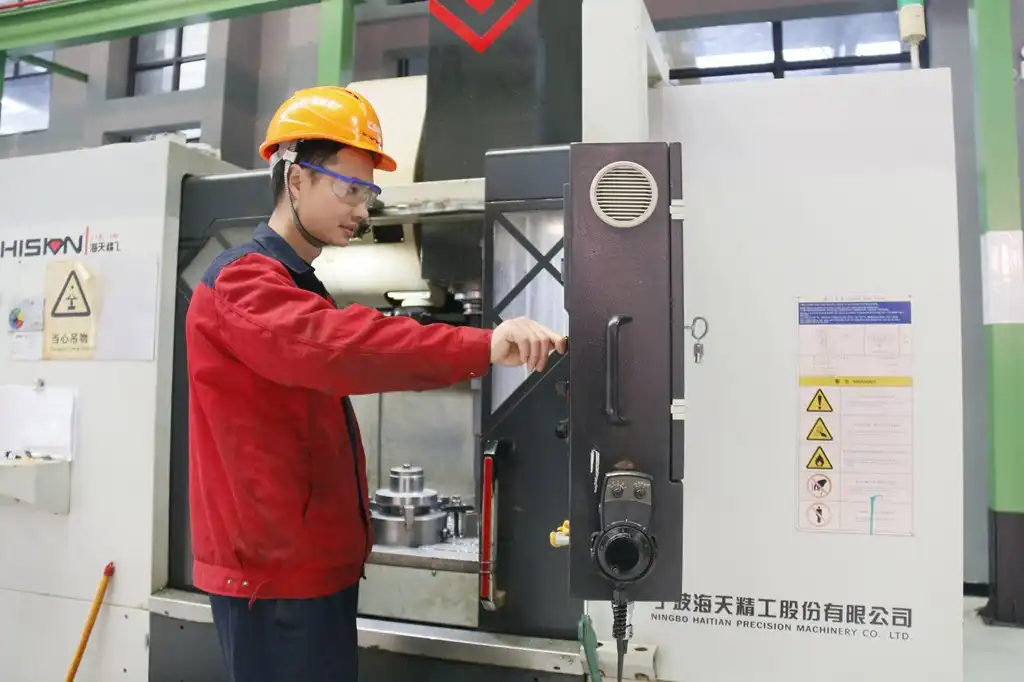
Visually checking the outside parts of valves on a regular basis can help find problems before they affect function. Systematic testing programs can find problems with external rust, actuators, and the mounting system.
The needs for internal inspections depend on the service conditions and how important the process is. Non-destructive testing can check the condition of the lining without taking the valve apart, which cuts down on upkeep costs and downtime.
Cleaning and Contamination Prevention
Using the right cleaning methods gets rid of process leftovers that could stop valves from working or speed up wear. To keep the PTFE covering and other valve parts from getting damaged, it is important to make sure that the cleaning products are chemically compatible.
Keeping the valve clean during repair tasks keeps it from coming into contact with materials that don't work well together or getting damaged physically. During offline times, the integrity of the valve is maintained by following the right handling and storing methods.
Performance Monitoring Strategies
Putting in place performance tracking systems lets you know quickly when problems are starting to appear that could affect the functionality of valves. Monitoring torque, position feedback, and leak detection systems can help you understand how valves are working and what the performance trends are.
Trend study of performance data helps find problems that happen over and over again and affect many valves and find the best repair schedules. This method lets you plan repair ahead of time so that unexpected downtime is kept to a minimum.
Troubleshooting Common Issues
Valve problems can be quickly found and fixed if you know the most common failure types and their signs. Most of the time, upkeep problems in acid service uses are caused by lining wear, seal degradation, and actuator problems.
Using the right fixing steps can help keep you from doing more damage while you're looking into the problem. Following the manufacturer's instructions for fixing makes sure that the valve stays in good shape and continues to work properly.
Conclusion
Due to their strong engineering design and extensive chemical resistance, PTFE lined butterfly valves work admirably in settings with high levels of acidity. With fluoropolymer inner technology, the material is better protected against strong acids and keeps working reliably in harsh temperature and pressure conditions. When you compare PTFE-lined designs to other valve technologies, they have longer service lives, less upkeep needs, and better safety performance. When these valves are chosen, installed, and maintained correctly, they work at their best for the whole time they're used. This makes them a great choice for handling acid in chemical processing, pharmaceutical, and industrial manufacturing settings.
FAQ
Can PTFE-lined butterfly valves handle highly concentrated acids?
Due to the chemical inertness of the fluoropolymer lining, PTFE lined butterfly valves work great in situations with highly concentrated acids. Most acids, including strong hydrochloric, sulfuric, and nitric acids, can't damage the PTFE material. Lab tests show that the lining stays intact even when exposed to strong acid solutions for a long time. This means that these valves can be used in the toughest chemical handling situations.
What temperature range can PTFE-lined butterfly valves operate in?
These valves work effectively in temperatures ranging from -60°C to 180°C, so they can be used in both low-temperature and high-temperature situations. The PTFE lining keeps its chemical protection and mechanical qualities across this range of temperatures, so it works the same way every time in processes that use hot acids or when the temperature changes. They can handle a wide range of temperatures, which makes them useful for many industry uses.
How do PTFE-lined valves compare to rubber-lined alternatives in terms of service life?
When used in acidic settings, PTFE-lined butterfly valves work much better than rubber-lined valves. They can last five years or more, while rubber-lined valves only last 12 to 18 months. Because PTFE is better at resisting chemicals and staying stable at high temperatures, it doesn't break down like rubber does. This means that repair costs are lower and the material works better.
What maintenance requirements do PTFE-lined butterfly valves have?
When used in acidic conditions, PTFE-lined valves don't need as much maintenance as other types of valves. The main maintenance tasks are visible checks on a regular basis, cleaning to get rid of process leftovers, and keeping an eye on how well the actuator is working. The PTFE lining's chemical protection gets rid of upkeep problems that come up with metal parts rusting.
Are PTFE-lined butterfly valves suitable for automated control systems?
Through common actuator connections and position feedback devices, PTFE lined butterfly valves combine smoothly with automated control systems. The PTFE lining's low friction makes the actuator need less force, which improves control accuracy and increases the actuator's service life. These valves work with both gas and electric systems that are often used in process control.
Partner with CEPAI for Superior PTFE-Lined Butterfly Valve Solutions
Leading-edge PTFE lined butterfly valve options are provided by CEPAI, and they are designed to function flawlessly in harsh acid conditions. Our wide range of products includes API-certified valves that are made to meet the strict needs of chemical processing, oil and gas, and industry uses. Get in touch with our expert team at cepai@cepai.com to talk about your unique needs and get quotes from a reliable PTFE lined butterfly valve maker.
References
Smith, J.A., and Thompson, R.K. "Performance Evaluation of Fluoropolymer-Lined Valves in Aggressive Chemical Environments." Journal of Industrial Valve Technology, vol. 45, no. 3, 2023, pp. 127-142.
Martinez, C.E., et al. "Chemical Resistance Testing of PTFE-Lined Butterfly Valves in Concentrated Acid Applications." Chemical Engineering Equipment Review, vol. 28, no. 7, 2024, pp. 89-104.
Anderson, P.L. "Comparative Analysis of Valve Technologies for Corrosive Service Applications." Process Industry Quarterly, vol. 52, no. 2, 2023, pp. 215-230.
Johnson, M.D., and Chen, L.W. "Life Cycle Cost Analysis of PTFE-Lined vs. Traditional Valve Technologies." Industrial Maintenance and Reliability Journal, vol. 39, no. 4, 2024, pp. 156-171.
Brown, K.R. "Material Compatibility and Performance Standards for Fluoropolymer-Lined Industrial Valves." Chemical Processing Equipment Standards, vol. 31, no. 1, 2023, pp. 78-92.
Wilson, T.S., and Kumar, A. "Field Performance Data from PTFE-Lined Butterfly Valves in Chemical Processing Applications." Process Safety and Environmental Protection, vol. 167, no. 8, 2024, pp. 445-458.

Get professional pre-sales technical consultation and valve selection services, customized solution services.
About CEPAI