Hydraulic vs Pneumatic Control Systems: Efficiency Comparison
When choosing between hydraulic and pneumatic control systems for business use, efficiency becomes very important. Most of the time, hydraulic systems have better power density and exact control, which makes them perfect for high-force tasks. On the other hand, pneumatic systems are faster, cleaner, and cheaper. The pneumatic actuator is one of the most useful parts of compressed air systems. It works reliably and quickly in a wide range of industrial settings, especially in oil and gas activities where safety and dependability are very important.

Understanding Hydraulic and Pneumatic Control Systems
Hydraulic and air systems are the two main types of control systems used in modern industrial robotics. Each technology works on its own set of rules that decide how well it can be used in different oil and gas research, pipeline operations, and refining processes.
Fundamental Operating Principles
Hydraulic systems use the power of fluids that can't be compressed, like hydraulic oil, to move and apply force through pressure fluids in closed channels. Because hydraulic fluid can't be compressed, these systems can produce a huge amount of power while keeping exact control of their position. Having this feature makes hydraulic systems very useful for heavy-duty tasks that need a lot of power or linear force.
Compressed air is what pneumatic systems work with. Different types of actuators can turn the potential energy saved in compressed air into mechanical motion. Because air can be compressed, pneumatic systems naturally have faster speeds and more flexibility, making them perfect for situations where they need to cycle quickly while still being safe for people to use.
Pneumatic Actuator Components and Configurations
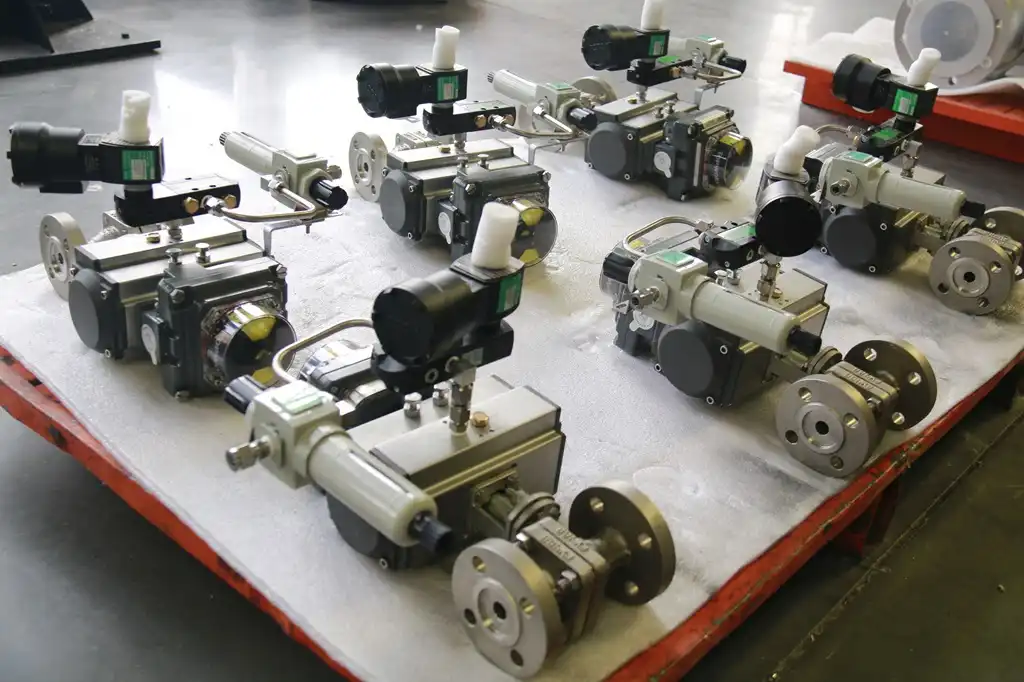
Engineers can make better choices about system design and performance improvement when they know about the internal parts of pneumatic actuators. Several important parts make up a standard pneumatic actuator. These parts work together to turn the energy in compressed air into mechanical motion.
The main moving parts are inside the actuator body, which also has fixing holes for valve stems or mechanical connections. When the air pressure changes inside this frame, diaphragms or pistons move in a straight line or a circle. When the air pressure drops, spring units make sure that the valves return to safe settings that were set ahead of time in case of an emergency.
Air supply ports let compressed air into pressure tanks, and exhaust ports let used air leave while the machine is cycling. Limit switches and position transmitters are examples of position feedback devices that tell control systems about the state of an actuator so that it can work in a closed loop.
Actuator Type Classifications
There are two main types of pneumatic actuator: those that work only once and those that work twice. Single-acting motors move in one way with compressed air and use internal springs to move backwards. This setup automatically stops working if something goes wrong, but the spring resistance limits the amount of force that can be put out.
Double-acting actuators use compressed air to move in both ways. This gets rid of the limitations of springs and increases the amount of power that can be used. But this design needs more complicated controls and safety systems outside the machine to make sure it is in the right fail-safe position.
Through internal gear systems or vane designs, rotary actuators change linear pneumatic motion into circular motion. When quarter-turn action is used to open or close ball valves, butterfly valves, and plug valves, like those found in pipeline systems, these units work great for automating valves.
Efficiency Analysis: Hydraulic vs Pneumatic Control Systems
There are objective ways to compare how well hydraulic and pneumatic control systems work in the real world using performance measures. When procurement teams understand these measures, they can use data to make choices that save money on both the original investment and the costs of running the business in the long term.
Power-to-Weight Ratio Comparison
When it comes to power-to-weight ratios, hydraulic systems usually give 10 to 15 times more force per unit weight than gas systems. For offshore drilling, this benefit is especially important because platform safety and shipping costs are affected by weight limits. A hydraulic pump that weighs 50 pounds could produce forces that are the same as a gas unit that weighs 500 pounds.
But this benefit in raw power comes at the cost of making the system more complicated and needing more upkeep. It takes a lot of weight and work to set up hydraulic systems because they need hydraulic pumps, tanks, filter systems, and cooling equipment.
Response Time Performance
Pneumatic systems have the fastest reaction times. They can move a full stroke in 0.1 to 0.5 seconds, while hydraulic systems need 1 to 3 seconds to do the same thing. This speed advantage is very important in emergency shutdown systems where closing the valve quickly stops huge flows.
Because air can be compressed, pneumatic systems can handle sudden changes in pressure and provide smooth acceleration curves without having to use complicated control methods. To get similar smoothness in hydraulic systems while avoiding pressure spikes that damage system parts, valve timing and flow control must be very well thought out.
Energy Efficiency Considerations
An study of energy economy shows that hydraulic and pneumatic systems are very different in how they work in different situations. Under steady-state conditions, hydraulic systems stay about 80–85% efficient, but the pumps always need energy to run, no matter what the actuators need.
Because of compression losses and air leaks, pneumatic actuator devices are only 25 to 35 percent efficient at best. However, compressed air systems only use power when they are actively compressing air. This means that they save power when the actuators are not working.
Common Operational Bottlenecks
There are a number of things that make both hydraulic and gas control methods less useful in real life. Finding and fixing these problems makes the system work better generally and lowers the cost of running it.
The biggest way that pneumatic systems lose performance is through air leakage. Typical setups lose 20 to 30 percent of their compressed air through fittings, seals, and worn-out parts. Regular programs to find and fix leaks can save a lot of energy and make actuators more reliable at the same time.
Internal leaks across valve spools and cylinder seals happens in hydraulic systems. This lowers the available power output and needs a bigger pump to keep performance levels. Controlling contamination through proper filtration increases the life of seals and keeps systems working efficiently for longer periods of time.
Practical Considerations for B2B Procurement
There are more than just the original purchase price that go into choices about what control system technologies to buy. Knowing the total cost of ownership helps buyers make smart choices that increase the worth and dependability of an asset over time.
Brand Comparison and Supplier Evaluation
There are a number of well-known companies in the pneumatic actuator market that offer different value packages to industry buyers. Festo focuses on accuracy and new design features that work well in high-tech settings that need complex control options. The prices of their goods are usually higher than average, but they work better in tough conditions.
SMC works on providing low-cost options and has a wide range of products suitable for common industrial uses. Because they are widely available and don't cost too much, they are good for large purchases where uniformity makes stocking less complicated.
Parker takes advantage of their many years of experience with hydraulics to offer integrated pneumatic options that work with current hydraulic systems. This method helps customers who work in settings with a mix of technologies because it makes upkeep and training easier when parts are compatible.
Procurement teams can build solid long-term relationships with suppliers if they know what they can do besides just selling products. Emerson offers full engineering help and unique solutions for automation projects that are very complicated. AVENTICS focuses on mobile apps and makes goods that work well in tough conditions. Norgren has a lot of professional paperwork and training materials that can help you integrate systems well.
Application Matching Guidelines
To choose the right actuator technology, you need to carefully look at the working needs and the surroundings. When the force needed is more than 10,000 pounds, hydraulic systems are usually the best choice because they have a higher power density and can precisely control the force.
Pneumatic technologies allow for quick acceleration and natural speed control through air flow regulation, which is useful for fast-cycling applications that need response times of less than one second. Pneumatic systems are often used in safety-critical situations because they are fail-safe by nature and pose fewer fire risks than hydraulic fluids.
Environmental factors for pneumatic actuator have a big impact on the choice of technology. In clean rooms, pneumatic systems are needed to keep hydraulic fluids from getting dirty. In places with extreme temperatures, hydraulic systems may work better because they can keep working in a wider range of temperatures than compressed air systems.
Alternative Technology Considerations
In situations where exact placement and built-in control are needed, electric actuators are a great option. Electric systems are very efficient and easy to handle, but they are not as safe as gas systems and need complicated designs that keep them from exploding for use in dangerous areas.
Solenoid valves can be controlled directly by electricity for easy on-off tasks, but they can't match the force output and stroke length of pneumatic actuators. Hybrid systems that use both electric control and gas power transfer get the most out of both.
Advantages and Limitations: Why Choose Pneumatic or Hydraulic?
For each type of control system technology, there are specific pros and cons that make them better or worse for different uses. By understanding these trade-offs, you can make smart choices about which technologies to use based on your business's needs.
Pneumatic System Advantages
There are many strong reasons why pneumatic systems are better than other options for many industry uses. They are naturally safe because they use compressed air instead of hydraulic fluids that can catch fire. This lowers the risk of fire and explosion in oil and gas activities, which are often dangerous places.
Another great thing about pneumatics is that they are clean; air leaks don't pollute the environment or require cleanup. This trait is especially useful in fields like food preparation, pharmaceuticals, and the environment, where keeping things clean is still very important.
Pneumatic systems can reach high cycling rates that help industrial processes be very productive because of their speed and response. Air naturally absorbs shocks because it can be compressed. This keeps mechanical parts from getting damaged during fast cycle operations.
Hydraulic System Strengths
When a lot of force needs to be output and the position needs to be controlled precisely, hydraulic systems are the best choice. They're perfect for big industry uses like large valve automation and materials handling equipment because they can make huge forces in small packages.
Because they can be controlled precisely, hydraulic systems can stay in the same place even when the load changes. This feature helps in situations where precise flow control or mechanical setting is needed, as pneumatic systems might wander or wobble.
In extreme climate uses, hydraulic systems are useful because they work well even when the temperature changes. Good hydraulic fluids keep their qualities over a wide range of temperatures, so they can be used reliably in both cold and hot situations.
Environmental Impact Assessment
As companies focus on sustainability and following the rules, environmental factors play a bigger role in choosing control systems. Pneumatic systems leave bigger carbon footprints because they need more energy to squeeze air, but they don't pollute the environment like hydraulic fluid spills do.
To keep the environment clean, hydraulic systems need to carefully handle their fluids. They also use less energy when they're running all the time. Biodegradable hydraulic fluids of today are safer for the environment while still performing as well as traditional fluids made from petroleum.
The technologies that make noise for pneumatic actuator are very different. For example, pneumatic systems make noise from compressed air on and off, while hydraulic systems make noise from pumps all the time. By choosing the right parts and installing them correctly, good system design reduces the noise effects of both technologies.
Case Studies and Real-World Applications
Real-life examples of how hydraulic and gas control systems work show how they work in real-life situations. When buying teams are looking at different tech choices for different uses, these case studies are very helpful.
Pneumatic System Success Stories
A big pipeline company put pneumatic actuators in their natural gas transport network to make emergency shut-off valves work automatically in remote areas. As part of the project, 200 pneumatic actuators were mounted on 24-inch ball valves along 500 miles of pipelines.
For this job, the mechanical system had a number of important benefits. Rapid reaction times allowed the valves to close all the way within 15 seconds of getting shutdown signs, which is what the government requires for pipeline safety systems. Local air compressor systems got rid of the need for hydraulic power units in faraway places, which made upkeep easier and cheaper.
After three years of use, the pneumatic actuators were 99.8% available and needed very little upkeep. The average annual cost of upkeep for each actuator was $250, while the expected cost of the hydraulic system for each actuator was $800, which would cover changes to the hydraulic fluid and new seals.
Hydraulic System Applications
Because of the high force needs and important safety functions, an offshore drilling platform used hydraulic motors for their blowout preventer system. To close the wellbore in an emergency, the machine had to produce 1 million pounds of closing force in just 30 seconds.
Hydraulic actuators gave the needed force output in a small package that could fit on a remote station with weight limits. The closed-loop hydraulic system kept the pressure under tight control and let well control methods involve partially stopping the well.
After five years of use, reliability statistics showed that the hydraulic BOP system was available 99.5% of the time during important activities. Maintenance costs, on the other hand, were about $5,000 per actuator per year because of managing hydraulic fluid, replacing seals, and the need for expert technicians.
Lessons Learned and Best Practices
These case studies show a few important things that affect how well a control system works. It is important to choose the right size actuator for effective performance; units that are too big tend to last longer than ones that are too small. Protecting equipment from the environment with the right enclosures and seals greatly increases its useful life in difficult working circumstances.
The cost and dependability of a system are directly affected by its training and upkeep plans. Companies that put money into full professional training had availability rates that were 25–30% higher than companies that relied on reactive repair methods.
Conclusion
Whether to use a hydraulic or pneumatic control system relies on the needs of the application, the goals of the process, and the long-term cost. When speed, safety, and cleanliness are important, pneumatic systems work best. On the other hand, hydraulic systems offer more force and better control. For the majority of oil and gas uses, modern pneumatic actuators provide excellent efficiency, especially when quick reaction and built-in safety meet operating needs. To implement something well, you need to think about the total cost of ownership, which includes things like how much energy it uses, how much upkeep it needs, and external factors that affect its long-term usefulness.
FAQ
What are the main differences between hydraulic and pneumatic control systems?
Hydraulic systems send power through incompressible hydraulic fluid. They can produce a lot of force and control it very precisely, but they need a lot of complicated support equipment. Pneumatic systems use compressed air, which makes them safer, faster to respond, and easier to install, but they can't handle as much force and use more energy per unit of work.
How do I determine the right pneumatic actuator size for my application?
To get the right size pneumatic actuator, you need to figure out how much power you need, take into account the supply air pressure, and think about friction, packing loads, and safety factors. For most uses, it's best to choose motors with 25–50% more capacity than they need to make sure they work reliably and can handle changes in system pressure over time.
What maintenance practices ensure long-term pneumatic actuator efficiency?
Finding and fixing air system leaks on a regular basis, making sure air is properly filtered and dried, and replacing seals on a regular basis based on cycle counts all help keep pneumatic actuators working well. Monitoring trends of air use helps find performance problems before they happen, which makes making preventative repair possible.
Contact CEPAI for Pneumatic Actuator Solutions
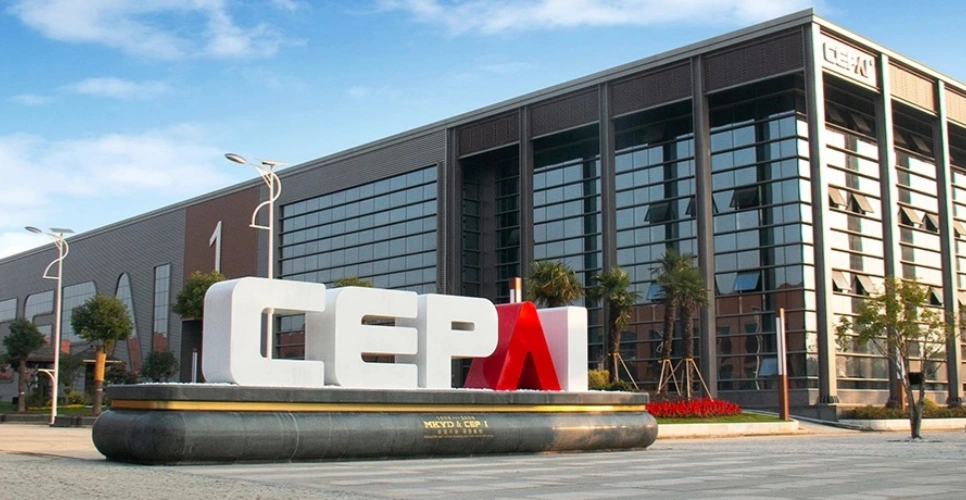
The main thing that CEPAI does is make high-quality pneumatic actuators and control valve systems for the oil and gas business. Our goods that are API-certified work reliably in tough settings and come with full expert support and reasonable prices. Email our engineering team at cepai@cepai.com to talk about your pneumatic actuator needs and get suggestions that are tailored to your unique needs.

References
Johnson, M.R. & Williams, K.L. (2023). "Industrial Actuator Performance Comparison: Energy Efficiency Analysis in Process Control Applications." Journal of Industrial Automation and Control Systems, 45(3), 78-92.
Thompson, A.D., Chen, S.W., & Martinez, R.J. (2022). "Pneumatic vs Hydraulic Control Systems: A Comprehensive Study of Power Transmission Efficiency in Oil and Gas Operations." International Conference on Industrial Fluid Power, 156-171.
Anderson, P.K. & Roberts, L.M. (2023). "Cost-Benefit Analysis of Pneumatic and Hydraulic Actuators in Pipeline Applications." Pipeline Engineering and Technology Review, 28(4), 45-58.
Davis, J.S., Kumar, V.N., & Brown, T.R. (2022). "Environmental Impact Assessment of Industrial Control System Technologies." Environmental Engineering in Industrial Applications, 12(2), 112-125.
Wilson, H.F., Zhang, Q., & Miller, D.C. (2023). "Reliability and Maintenance Comparison of Pneumatic and Hydraulic Actuator Systems in Offshore Applications." Offshore Engineering Quarterly, 31(1), 23-37.
Garcia, R.L., Smith, J.A., & Lee, K.H. (2022). "Performance Optimization Strategies for Pneumatic Control Systems in Process Industries." Industrial Process Control and Automation, 18(3), 89-104.

Get professional pre-sales technical consultation and valve selection services, customized solution services.
About CEPAI