How a Modulating Valve Controls Flow with 1% Precision
To get 1% flow control accuracy with a modulating control valve, a number of built-in parts must work together properly. A modulating control valve is not like a simple on/off valve that only opens or closes all the way. It constantly changes its position in reaction to electronic or pneumatic signals from operators. Advanced actuator technology that gets input from flow monitors makes this exact positioning possible. This makes the system closed-loop. The actuator precisely changes the flow path area by moving the valve stem in small steps. With the right valve size, calibration, and trim design, this device can control flow over and over again within a 1% tolerance range. This is very important in difficult situations like oil and gas, petrochemical processing, and pipeline operations.

Understanding Modulating Control Valves and Their Flow Control Principles
It's easy to tell the difference between basic shut-off devices and precision tools when we talk about flow control in industrial systems. A modulating control valve is different because it doesn't just let or stop fluid flow; it changes all the time to keep the exact flow conditions during operation.
How Modulating Control Valves Differ from On/Off Valves
There are two states that traditional on/off valves can go through: fully open and fully closed. They work well for isolating, but they can't adapt to changing process conditions. Different from other valves, modulating valves work across their whole stroke range, opening all the way up to 100%. This feature lets workers react to changes in pressure, temperature, or flow demand in real time, without stopping the process. When working at the wellhead, where quick changes in flow can put safety and efficiency at risk, drilling experts like this feature.
The Role of Actuators in Achieving Continuous Positioning
Actuators are what make fine control possible. Compressed air is used to make force in pneumatic actuators, which move the valve stem based on changes in air pressure. Electric actuators use motors and gearing systems to turn electrical information into motion in the mechanical world. When properly connected to digital controls, both types can achieve pointing accuracy of less than one millimeter. The feedback loop is very important in this case. Position sensors keep sending the controller information about the real position of the valve. The controller then makes small changes to get rid of any deviations from the goal setpoint.
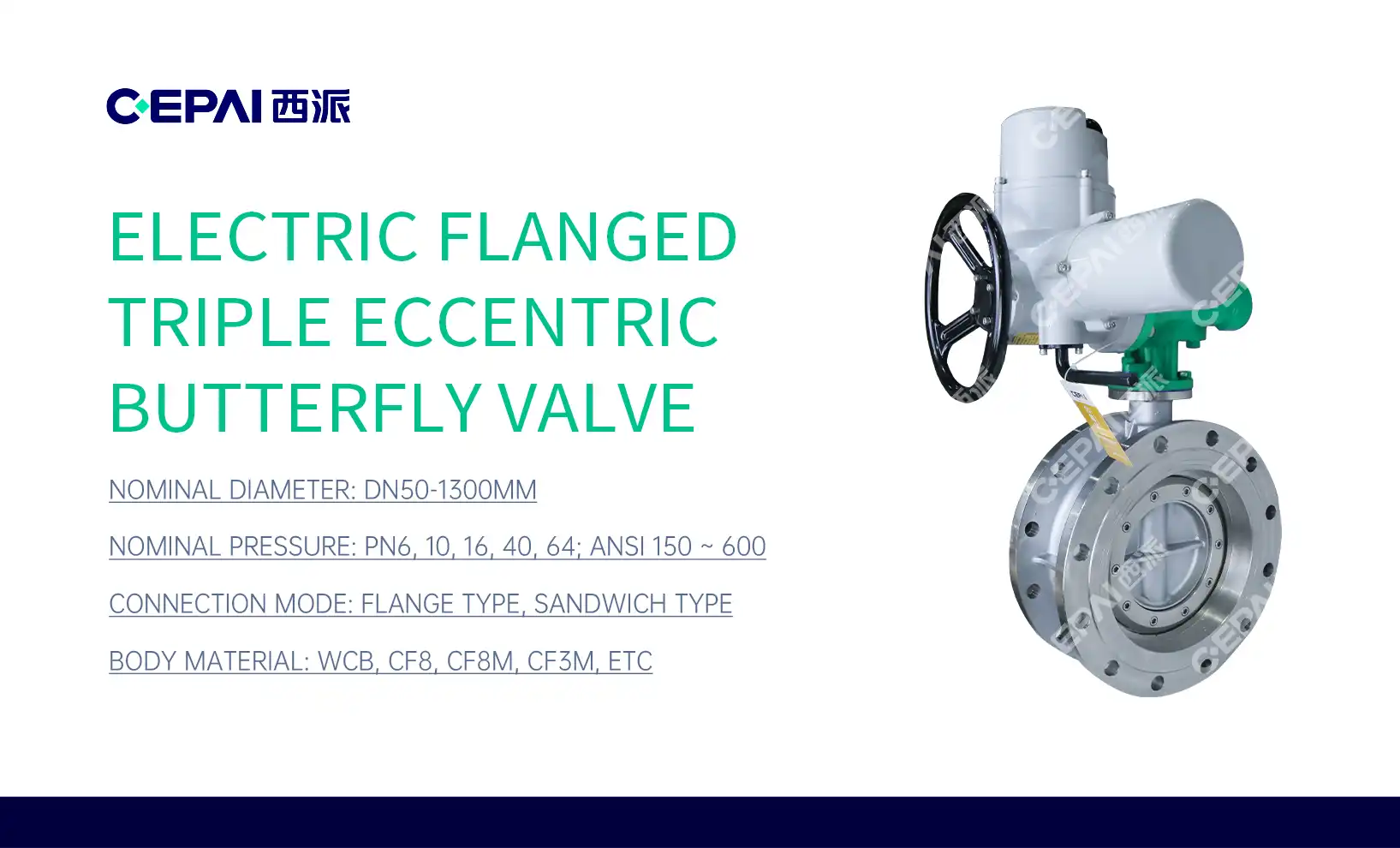
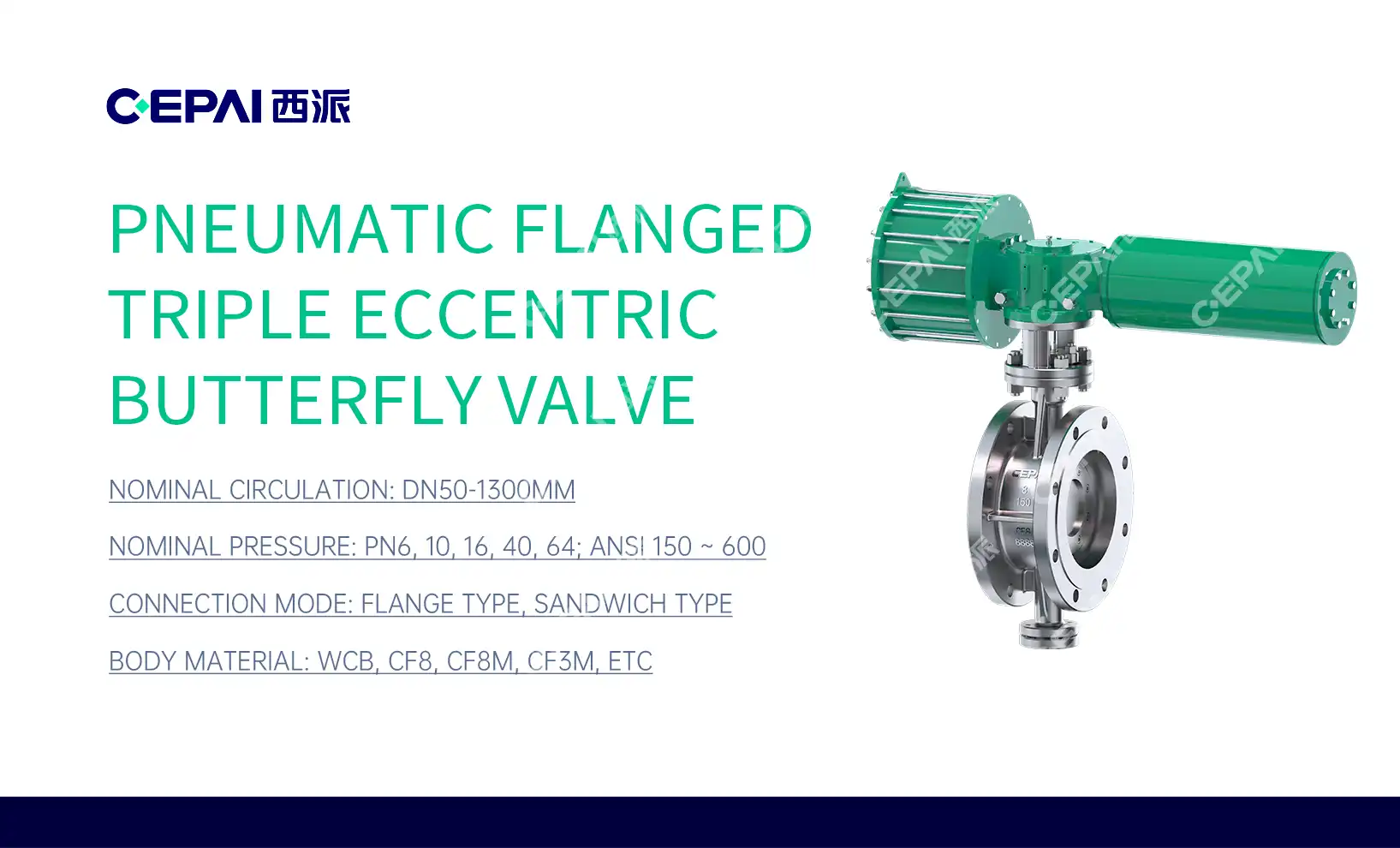
In general, electric motors are more accurate and repeatable than gas ones. This is especially true in situations where accuracy needs to be maintained for long periods of time. Their digital communication methods make it easy to connect to distributed control systems, which lets you watch and diagnose things from afar. However, pneumatic actuators are still chosen in dangerous places where electrical sparks could cause an explosion, often using a modulating control valve. This is why they are commonly used in upstream oil and gas activities.
Valve Types and Their Applications
Because they have a straight flow pattern and a strong seating design, globe valves are the most common type used for precision throttling. The disc's vertical movement against the flow direction makes it possible to shut off the flow very well while still letting it be finely modulated. We have seen them widely used in processing activities, which still have strict process control requirements.
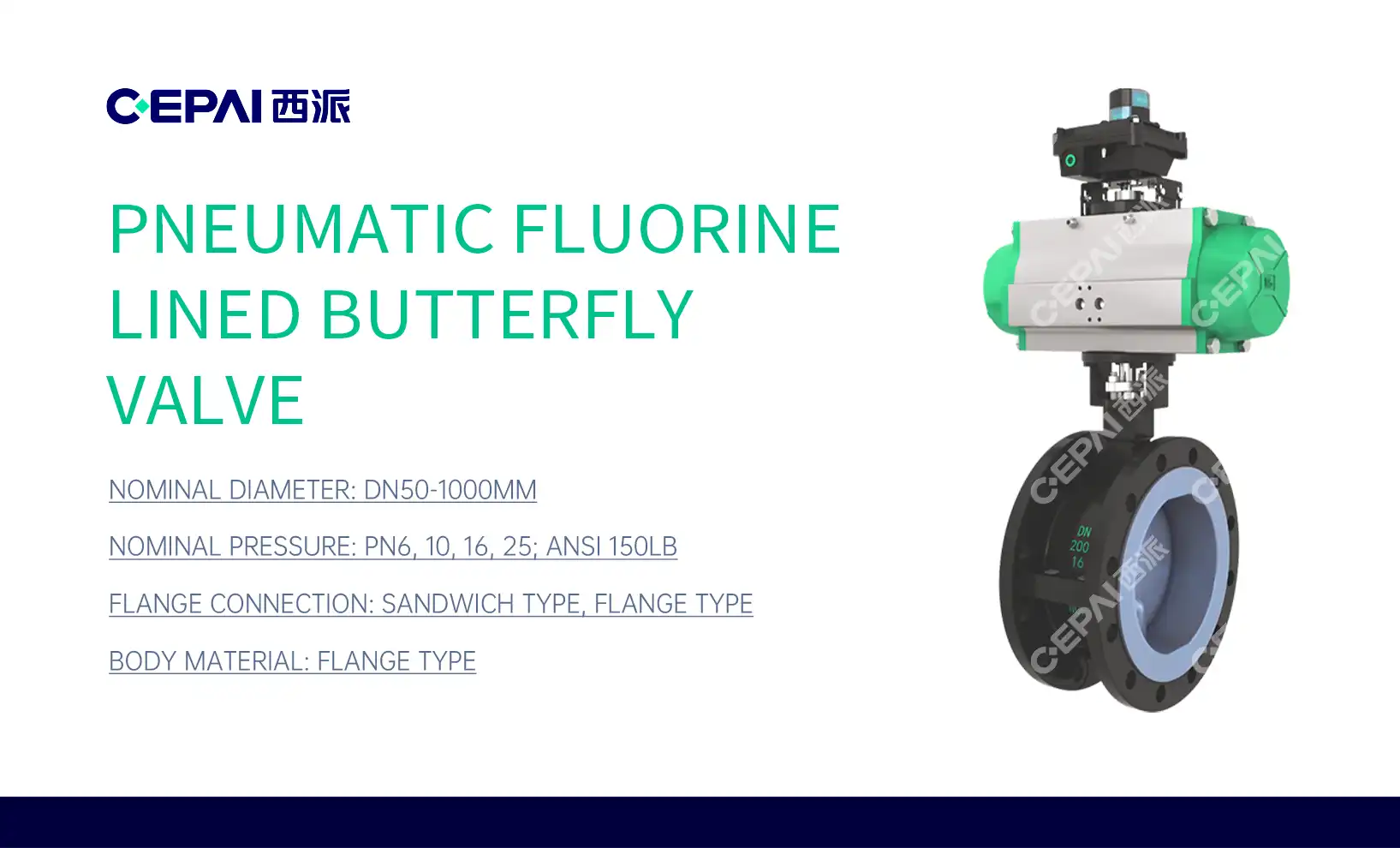
Another modulating choice is ball valves with defined balls or V-ports, which are especially useful in pipeline applications. Their quarter-turn form lets them respond quickly, and the spherical closing part works better with rough or thick fluids than globe valves. When it comes to large-diameter pipe systems, butterfly valves are a cost-effective option. However, their flow characteristics make exact control harder at low opening percentages.
Understanding Flow Characteristics
The flow characteristic is the relationship between the position of the valve and the flow rate. Linear properties lead to proportional changes—a 10% change in the valve opening causes a 10% change in the flow. Changes in flow are related to the current flow rate. For example, a 10% movement in the stem at a 20% opening causes a smaller change in flow than the same movement at an 80% opening. The quick opening feature lets the most flow happen early in the stroke, which is good for situations that need to respond quickly but not so good for precise control.
Choosing the right characteristic relies on how the system is set. Pipeline workers often pick traits with an equal percentage because they even out the changes in pressure drop that happen when flow rates change in networks of long pipes. This compensation helps keep the performance of the control loop the same across the whole working range.
Achieving Precision Flow Control: Factors and Best Practices
To get to 1% accuracy, you have to pay attention to a lot of things that are all linked. We don't get the precision we want by chance; it comes from careful design choices and disciplined upkeep routines.
Proper Valve Sizing for Optimal Performance
One very common mistake in designing control systems is using valves that are too big for their jobs. Small changes in a valve's position cause big changes in flow when it mostly works in the lower 20% of its stroke range. This makes stable control difficult. When valves are too small, they close up close to fully open, losing their ability to slow down and not giving enough control room during process upsets.
The flow coefficient (Cv) estimate is the basis for choosing the right size. If the pressure drops by 1 psi, this number, which has no units, tells you how many gallons of water at 60°F will flow through the valve in one minute. To find the needed Cv, you need to know the design flow rate, the qualities of the fluid, and the pressure drop that is available. Purchasing managers should ask makers for thorough Cv curves that show how the coefficient changes with valve position for the trim design that is being asked for.
When it's designed to work, a valve of the right size usually works between 30% and 80% open. This placement makes sure that the throttling range is big enough to handle both high and low flow needs. When working with natural gas or other fluids that can be compressed in intermediate operations, you need to make extra changes for situations where the pressure recovers and the flow is blocked, which can have a big effect on how well the valve works.
Actuator-Controller Integration and Calibration
Even valves that are the exact right size won't work accurately if the actuator isn't properly integrated. For electric actuators, the data type must be current or voltage, and for gas actuators, it must be air pressure. When installing and setting up, signal areas need to be carefully thought out.
Calibration sets up the connection between the signal from the processor and the real position of the modulating control valve. To do this process, we tell the robots to go to certain places and then measure the flow or position feedback that happens as a result. These days' smart positioners do this tuning for you, figuring out the valve's reaction curve and making up for mechanical nonlinearities. This technology helps drilling engineers a lot when they are installing wellhead choke valves because correct flow control has a direct effect on the safety and performance of the well.
The tuning factors deadband and hysteresis have a big effect on precision. Deadband is the smallest change in the signal that is needed for the valve to move, and hysteresis is the difference in position when two different directions are used to approach a setpoint. Lessening both factors improves the accuracy of the control, but it may also make the actuator cycle more and wear out faster.
Troubleshooting Common Precision Issues
The worst thing that can happen to control efficiency is friction, which is made up of static friction and stuck valves, including the modulating control valve. This happens when the force needed to start valve movement is greater than the force needed to keep it moving. As a result, the valve will stick until there is enough control signal to beat static friction. After that, there will be a sudden movement that goes beyond the goal position. Even though graphite packing seals well, it often makes stiction worse. PTFE-based packing materials lower friction, but they might not close as well in high-pressure situations.
Similar problems happen when actuator force or torque sizes are not right. The valve can't move to the places that were told it to in a process setting because there isn't enough force, even though it worked well in a test bench. When plant engineers are having trouble with control, they should make sure that the output of the actuator is higher than what the valve needs by a safe amount, which is usually 25 to 50 percent, based on the application.
Another common way for pneumatic systems to fail is for the air source to become contaminated. Moisture and particles in the sensor air make the modulating control valve positioner not work right, respond erratically, and wear out parts faster. Protecting the purity of the system means installing the right filters, such as coalescing filters and controllers.
Maintenance Strategies for Sustained Accuracy
The frequency of scheduled inspections should match the seriousness of the operation. Units that work with acidic or erosive fluids need to be checked more often than units that work with clean fluids. Maintenance managers usually set inspection times based on what the maker suggests, with changes made based on practical experience and the conditions of the process.
A physical inspection checks for external leaks, the need to change the packing, and the stability of the actuator mounting. Checking inside shows damaged seats, worn trim, and deposits that change how the flow works. Keeping track of the state of the valves during each check creates trending data that can be used to predict how they will fail and figure out the best time to replace them.
Management of spare parts makes sure that service is quickly restored when parts break. For important uses, it's necessary to keep full actuator parts, trim sets, and packing kits on hand. Directors of strategic sourcing weigh the costs of keeping inventory against the loss of production that comes from long periods of downtime. Applications with a lot at stake support keeping bigger inventories.
Procuring High-Precision Modulating Control Valves
Finding technically suitable goods is only one part of successful procurement. The overall success of a project depends on the business terms, shipping logistics, and help provided after the purchase.
Commercial Considerations for B2B Buyers
Volume discounts encourage buying more from favorite providers, which could cut unit costs by 15–30% for big projects. Directors of strategic sourcing arrange frame agreements that set prices for certain periods of time. This protects against changes in the market while keeping delivery plans flexible. These arrangements work especially well for pipeline owners who are planning multi-year expansion projects that need standard valve specs.
Lead times vary a lot depending on how complicated the valve is and how much work the maker can do. Standard setups usually ship between 4 and 8 weeks, while engineered-to-order plans might take 16 to 20 weeks. When making building plans, project engineers need to include realistic delivery times that take into account things like changes to specifications or problems in the supply chain.
Most warranties last for 12 to 24 months from the date of shipment or 12 months from the date of starting, whichever comes first. For important applications where failure would have serious consequences, there may be choices for longer warranties. It's important to carefully read the terms of a warranty. Some don't cover wear items like seats and boxes, while others cover all parts.
Sourcing from Trusted Suppliers
Online platforms have changed how businesses buy things by giving them access to global sellers and making it easier to compare prices. But choosing valves requires specialized knowledge that you can't get by just looking through a book. Instead of just filling orders, reputable providers offer application engineering help by looking at the conditions of the process and suggesting the best configurations based on practical needs.
Verification of certification keeps you safe from fake goods that aren't safe or work well. Manufacturing quality systems can be confirmed by asking for copies of API 6A, API 6D, ISO 9001, and other related certifications, including for the modulating control valve. Third-party testing records that show pressure testing, material verification, and dimensional agreement give you even more peace of mind.
When buying long-lead things or building long-term ties for parts and service, it's important that the supplier is financially stable. Credit reports, site visits, and references from current customers in related industries are some of the ways that procurement managers figure out if a seller is viable.
Custom Configurations for Specialized Applications
Standard store items work well for many uses, but sometimes specific needs mean that they need to be customized. Non-standard pressure values, unusual mixtures of materials, unique end connections, or instrumentation kits that are all built in are some examples. OEMs of equipment put valves in skidded systems where the envelope measurements and connection positions have to be exactly the same as the mechanical designs.
Custom engineering demands that the buyer and the seller can talk to each other clearly. Specifications that are very clear about operating conditions, performance standards, interface dimensions, and quality goals keep people from getting confused, which can delay delivery or lead to goods that aren't right for the job. Early participation of suppliers in design development is good for project engineers because they can use the knowledge of manufacturers to make sure that standards are perfect before finishing purchase orders.
Post-Purchase Support and Parts Availability
Help with installation, commissioning, user training, and fixing problems during starting are all part of comprehensive support. When it comes to complicated setups or new technologies, manufacturers who offer field service experts are very helpful. This help is especially useful for maintenance managers who need to use new valve technologies in old buildings where staff don't have much experience with advanced control strategies.
When spare parts are available throughout the lifetime of an object, long outages are avoided when parts break. Parts can be sent quickly because suppliers keep regional distribution centers open. For popular things, this is usually within 24 to 48 hours. Obsolescence management is important for long-lasting assets, such as the modulating control valve. Manufacturers that are dedicated to backward compatibility and parts production make sure that modulating control valves placed today will still work decades from now.
Operators who would rather have fixed costs than unknown repair costs like maintenance contracts that include regular checks, tests, and fixes that stop problems before they happen. Usually, these deals lower overall maintenance costs by finding and fixing small issues before they become big ones that need a lot of downtime.
Conclusion
To get 1% flow control accuracy, you need to know how valve design, actuator technology, the right size, and regular repair work together. This level of accuracy is possible with modulating control valves because they can continuously position, which isn't possible with easier options. Most of the time, electric motors are more precise than pneumatic ones, but sometimes pneumatic designs are better for the job. Choosing the right material, setting up the trim, and matching the flow characteristics all have an effect on both the original performance and the stability over time. A good procurement process combines technology needs with business concerns, such as wait times, warranty terms, and ongoing support. Precision control has real benefits in the industrial uses that were looked at, which supports the need to spend money on high-performance systems in oil and gas activities that are very demanding.
FAQ
1. What maintenance routines sustain 1% precision in modulating valves?
To keep the accuracy at 1%, the packing must be adjusted every three months, and the actuator fitting torque and air supply quality must be checked for hydraulic systems. Trim wear and seat condition are checked every year during internal checks. Every six months or so, the calibration should be checked to make sure the position input is correct, and if necessary, changes should be made. Recording the average performance during ordering lets you see how things are getting worse over time. Control system diagnostics that let workers know when performance strays from acceptable ranges are used for constant tracking in critical applications.
2. Do pneumatic actuators match electric actuator accuracy?
Positioning accuracy for pneumatic actuators is usually within 1% to 2%, while it's at least 0.5% for electric actuators. This difference is caused by the fact that air can be compressed, which changes the position when the source pressure changes. Smart gas positioners with feedback loops close the gap, but they don't always make electric ones work as well. When accuracy is needed, electric actuation is best, unless the design needs to be pneumatic for safety reasons in a dangerous area.
3. How do modulating and on/off valves differ in energy consumption?
Modulating valves keep the flow rates at their best all the time, which lowers the overall energy use of the system. When on/off switches cycle, they change the flow rate, which makes pumps and fans work over a wider range of speeds, which wastes energy. Studies show that adjusting control, when used correctly, cuts pumping energy by 10–25% compared to on/off methods in situations where the flow rate changes.
Partner with CEPAI for Precision Flow Control Solutions
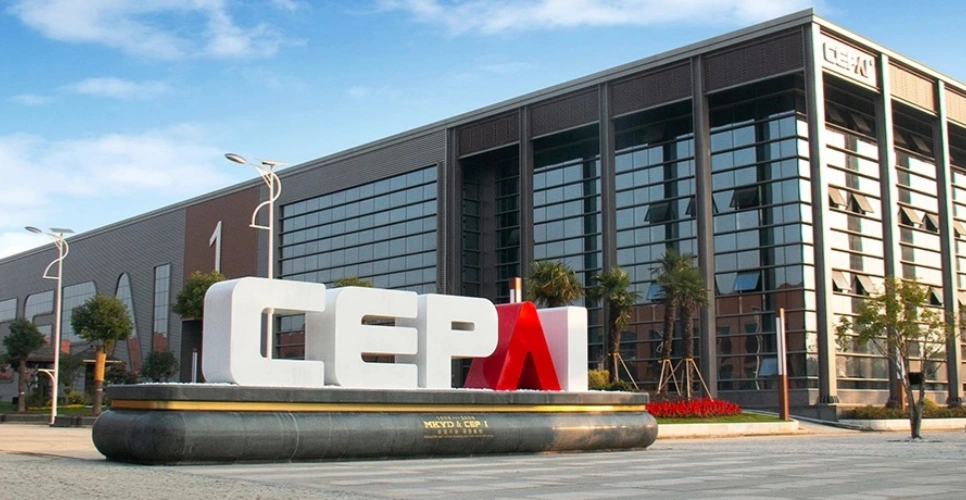
CEPAI specializes in making high-precision modulating control valves that are designed to work in tough oil and gas environments. Our many certificates, such as API 6A, API 6D, ISO 9001, and CE, show that we are dedicated to quality and follow all international rules. Whether you need choke valves for wellheads, regulating valves for pipelines, or custom throttling solutions for unique service conditions, our engineering team can help you with all of your application needs, from the initial design phase to testing and beyond. We keep a lot of stock on hand so that we can send quickly, and we can make changes to normal configurations if they don't meet your needs. Get in touch with our technical experts at cepai@cepai.com to talk to a reputable modulating control valve maker about your needs for precise flow control.

References
1. Lipták, Béla G. "Instrument Engineers' Handbook: Process Control and Optimization." 4th Edition, CRC Press, 2018.
2. Baumann, Hans D. "Control Valve Primer: A User's Guide." 4th Edition, ISA—The Instrumentation, Systems, and Automation Society, 2009.
3. Emerson Automation Solutions. "Control Valve Handbook." 5th Edition, Fisher Controls International LLC, 2019.
4. American Petroleum Institute. "API Specification 6A: Wellhead and Christmas Tree Equipment." 21st Edition, 2022.
5. Monsen, John. "Industrial Valve Selection: Optimizing Performance and Safety." Professional Engineering Publishing, 2017.
6. International Society of Automation. "ISA-75.01.01: Flow Equations for Sizing Control Valves." Research Triangle Park, NC, 2012.

Get professional pre-sales technical consultation and valve selection services, customized solution services.
About CEPAI