Top 5 Valve Solutions for Harsh Chemical Processing Plants
Choosing the right chemical process valve can make or break your plant's ability to run easily, causing costly shutdowns and safety risks. When chemicals are being processed in tough settings, valves have to work with high temperatures, corrosive media, and high pressures all while keeping precise flow control. The five most trusted options are ball valves, butterfly valves, diaphragm valves, globe valves, and pinch valves. They were all designed to work in these tough situations. Each type of valve has its own benefits that make it better for certain activities in refineries, petroleum plants, and chemical factories.
Understanding Chemical Process Valves in Harsh Environments
Equipment in chemical processing plants has to work in some of the harshest situations found in industry settings. As the temperature changes from freezing lows to furnace-like highs, corrosive acids, caustic bases, abrasive slurries, and volatile organic compounds keep attacking valve parts. Pressure spikes, cavitation, and corrosion are all things that can damage equipment even more.
What Makes a Valve Suitable for Chemical Processing
Valves made for these conditions use special materials and technical features that regular industrial valves don't have. Chemical protection is needed to keep things from breaking down too soon. Stainless steel alloys, duplex steels, nickel-based alloys like Hastelloy, and fluoropolymer linings can do this. Different types of seal materials, such as PTFE and special elastomers, make sure that the system works without leaks in a variety of process situations.
In addition to the material they are made of, good chemical process valve designs have safety features built in that keep people and processes safe. Blowout-proof stems stop fugitive emissions, fire-safe designs keep the ability to shut down in case of a thermal emergency, and double-block-and-bleed setups let repair be done safely without lowering the system's pressure.
Compliance Standards That Matter
Compliance with regulations is the basis for making sure that valves work well and are safe. The construction and testing of pipeline valves are governed by API 6D standards, and pressure-temperature limits are set by ASME B16.34. ISO 15848 talks about fugitive pollution, and ASTM material standards make sure that the metal is always the same. Certification to these standards should be clearly stated in the procurement specs, along with material test results and hydrostatic test paperwork that prove the quality of the making.
Top 5 Valve Solutions Tailored for Harsh Chemical Processing
Chemical manufacturing uses are very different, so valve options need to be very different too. There are dozens of different types of valves, but five have become essential in tough chemical conditions. Each has certain strengths that help with different operating problems.
Ball Valves: Robust Shut-Off for Aggressive Media
Ball valves are most often used when a tight shut-off with little pressure drop is needed. Their quarter-turn action makes them easy to use quickly, and the spherical closure part keeps air out even after thousands of rounds. The design cuts down on fluid movement and the number of empty areas where harmful chemicals can build up.
Floating ball designs work best for uses with mild pressure, while trunnion-mounted designs can handle higher pressures and bigger diameters. Ball valves with metal seats can handle temperatures above 800°F and work safely in fires. Soft-seated models with PTFE or special polymer seats work best in situations where there should be no leaks and the fluids should not be too rough.
Full-bore ball valves don't limit flow, which makes them perfect for pigging and other situations where pressure drop needs to be kept to a minimum. When flow restriction isn't important, reduced-bore models save money. Cavity-filled designs keep media from building up in the body cavity, which lowers the risk of rusting in harsh environments.
Butterfly Valves: Space-Efficient High-Flow Control
When weight and room are limited, butterfly valves are a good way to control flow in a small place. The disc turns within the flow stream, so it doesn't need as much fitting length as other types of valves. Because of this, they are very useful in pipe racks that are already full and upgrade situations where room is tight.
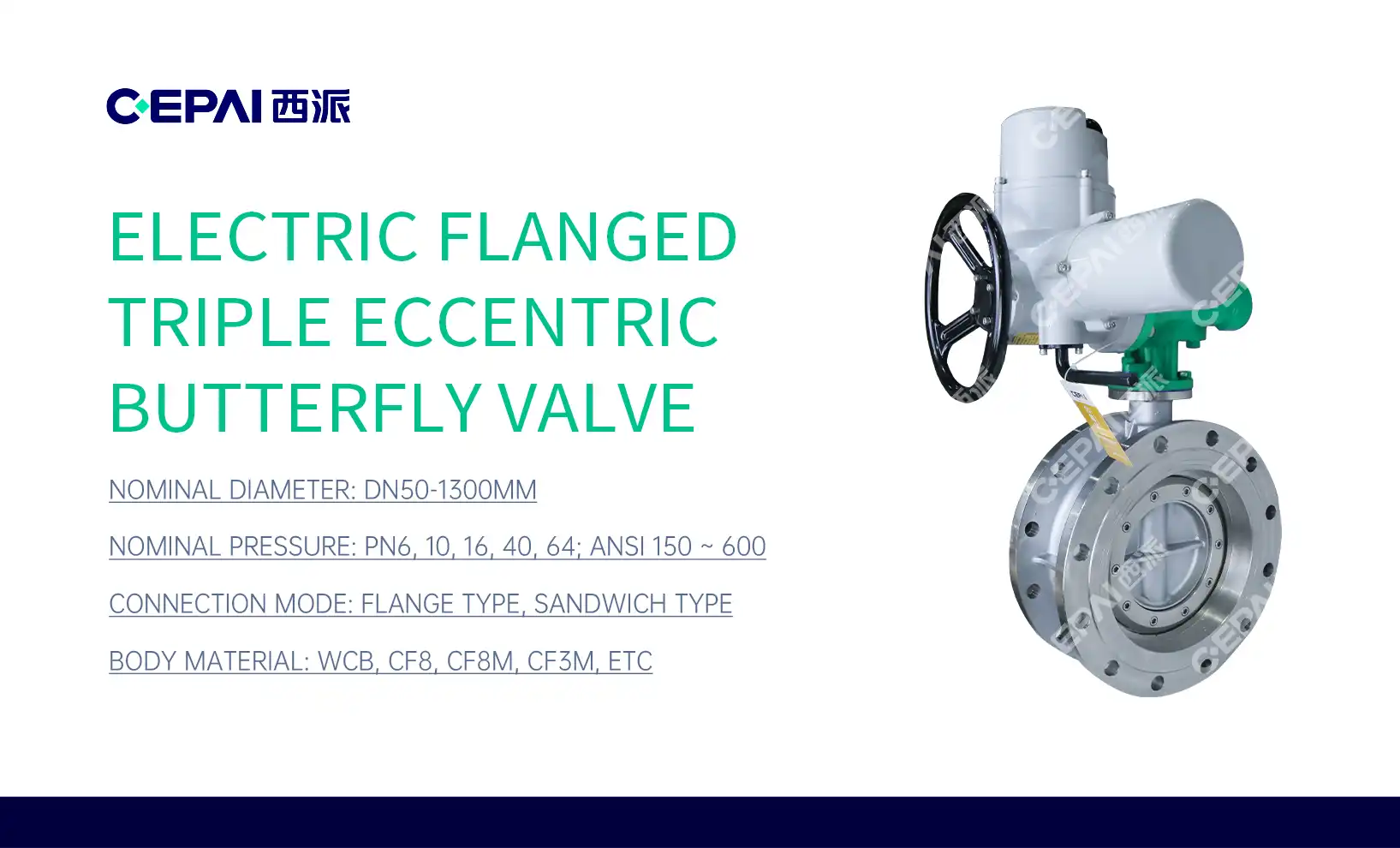
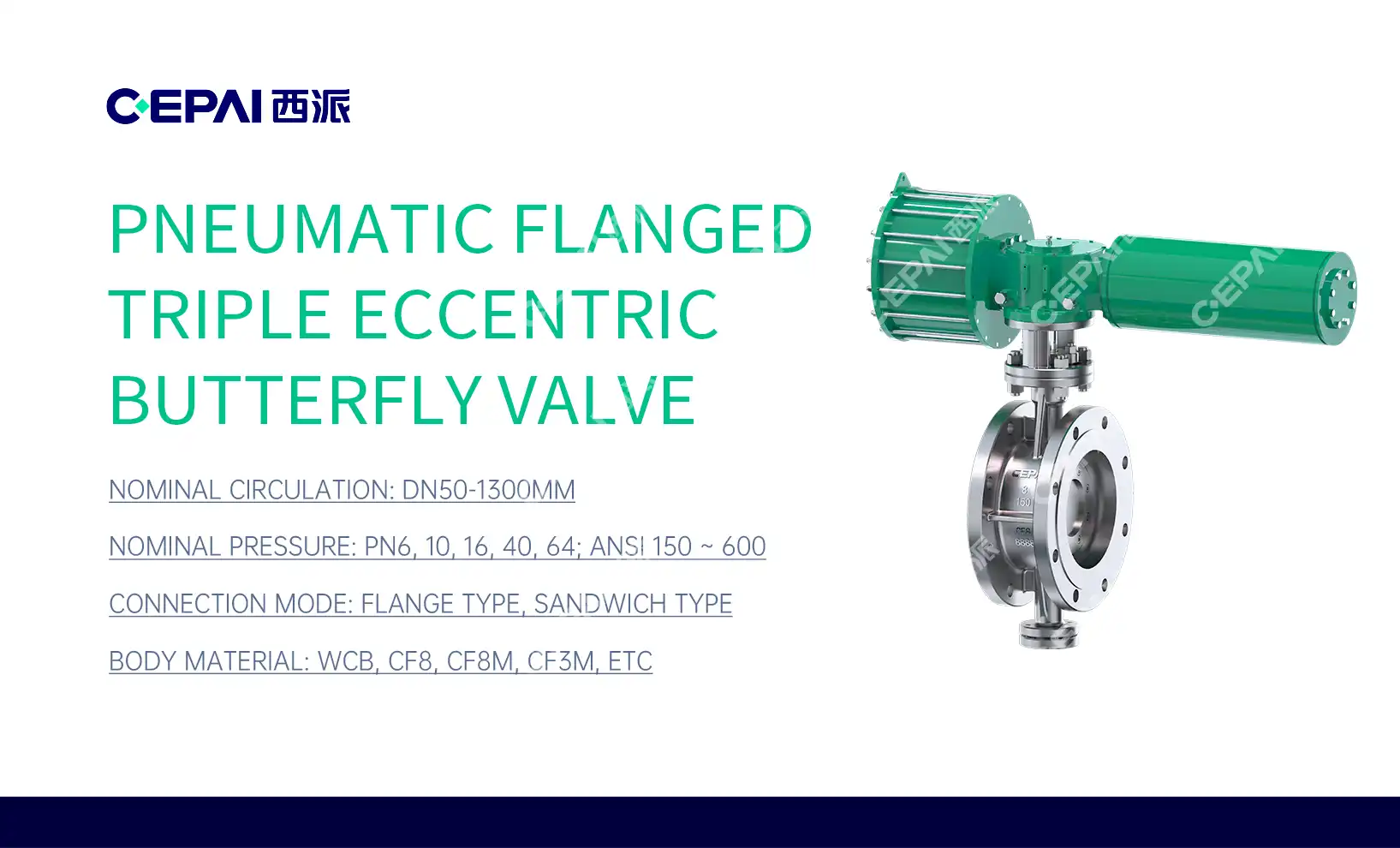
Offset disc designs in high-performance butterfly valves cut down on friction and wear while making them better at closing. Triple-offset designs seat metals against each other, keeping the rubber from coming into contact with chemical process valve media and extending its useful life in harsh conditions. These systems can handle pressures higher than ANSI Class 600 and temps up to 1200°F.
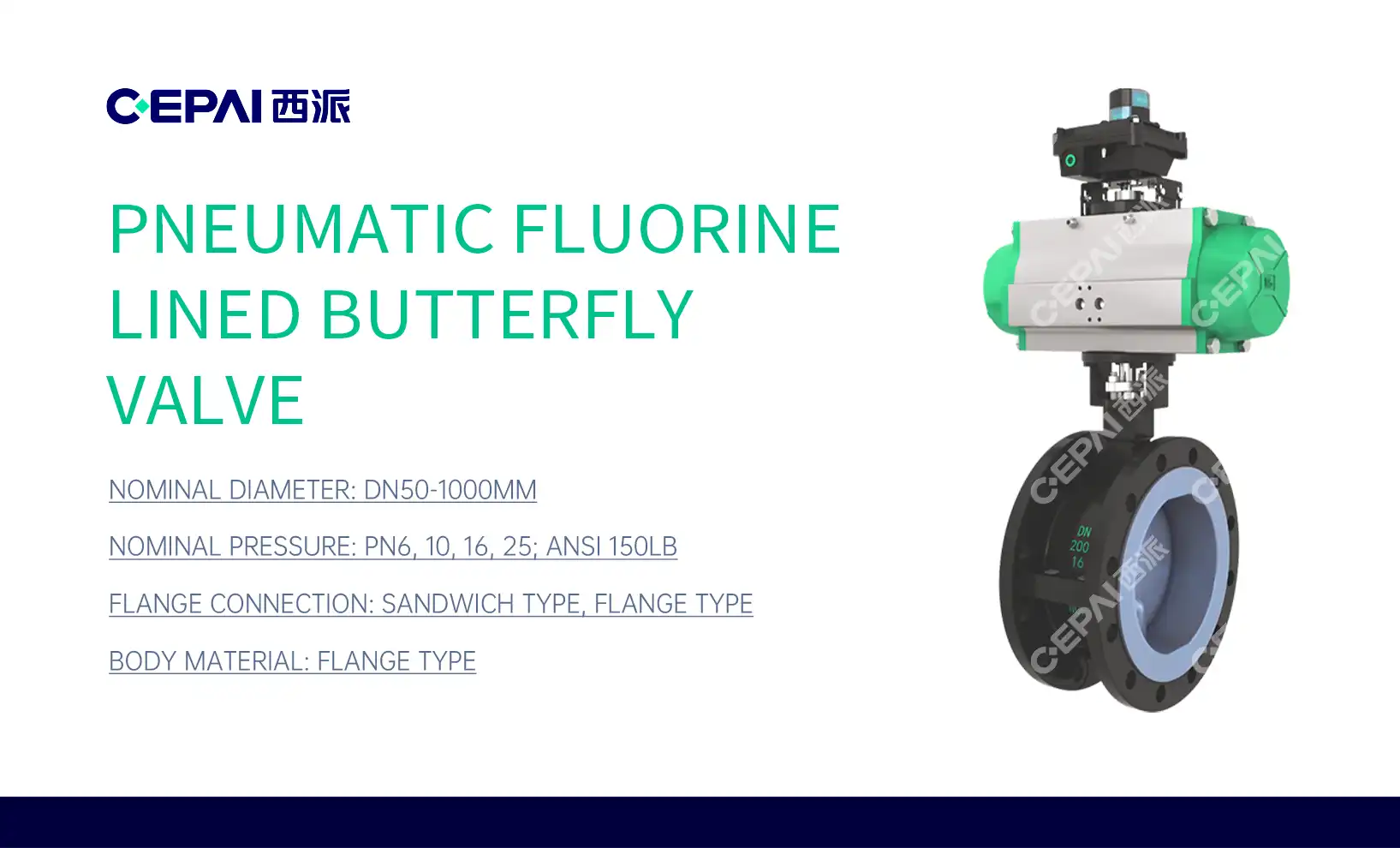
Lined butterfly valves are very resistant to rust because they keep wet metal surfaces totally separate from process fluids. PTFE, PFA, and rubber linings keep valve bodies and discs safe while still letting fluid move well. Pneumatic and electric motion work well with plant automation systems, which lets you handle and operate things from afar.
Diaphragm Valves: Contamination-Free Operation
A flexible membrane in a diaphragm valve separates the moving part from the process fluids, keeping them clean in both ways. Because this design doesn't use packing glands or stem plugs, which often leak in corrosive environments, diaphragm valves are better and more reliable for chemicals that are harmful.
The material of the diaphragm is what determines how well it works with chemicals and what temperatures it can handle. PTFE diaphragms can stand up to almost all poisons, but they can only work at temperatures up to about 350°F. EPDM, Viton, and Hypalon are some examples of elastomer diaphragms that are flexible across a wide range of chemicals and temperatures.
Weir-type diaphragm valves work well for slowing when flow needs to be changed. Straight-through designs keep pressure drop to a minimum and can handle slurries, thick fluids, and fluids with solids in them. These valves are popular in pharmaceutical and specialty chemical uses because the smooth flow path keeps material from building up and makes cleaning easier.
Globe Valves: Precision Flow Regulation
Globe valves work great when exact flow control is more important than having little pressure drop. As the plug slowly opens or shuts, it moves perpendicular to the flow stream and changes the flow area. Because of this, globe valves are the best choice for controlling services because they can easily slow down flow.
Needle valves are a type of specialized globe valve that lets you change the flow very precisely, commonly used in a chemical process valve. Their curved plug and matching seat make it possible to control the flow very precisely, even at very low rates. Angle globe valves change the flow direction 90 degrees while getting rid of one pipe elbow, and are also a type of chemical process valve. This makes fitting easier in small areas.
There is a wide range of corrosion-resistant metals to choose from, and hard-faced trim prevents damage in rough environments. In high-pressure drop situations, cage-guided plug designs cut down on shaking and make packs last longer. With bellows-sealed globe valves, there is no stem leaking at all, so they meet the tightest standards for fugitive emissions.
Pinch Valves: Abrasion-Resistant Slurry Control
A bendable tube is the only part of a pinch valve that gets wet, so it can handle the roughest and most eroding fluids. When the flow is stopped, the tube contracts and then expands back to its original shape. This design keeps solid particles from hitting hard valve parts, which makes them last a lot longer than other types of valves.
Full-bore pinch valves keep the line moving quickly and stop particles from settling, which is very important for moving slurry. The strong material in the sleeve takes the energy of impact from rough bits instead of wearing away like metal would. For light chemicals, natural rubber is a common sleeve material. Neoprene is used for oil protection, Hypalon is used for strong acids, and EPDM is used for general chemical service.
External pinch mechanisms keep moving parts from coming into contact with process fluids. This makes upkeep easier and lowers the number of failure causes. When the sleeve goes out, it can be replaced with little downtime and no special tools. Because they are easier to keep, pinch valves are a good choice for situations where regular valves would break down quickly.
Comparing Chemical Process Valve Types & Selection Criteria
Successful installs are distinguished from unsuccessful ones by matching the chemical process valve features to the needs of the application. This choice method is based on a few important factors, and each decision point reduces the number of good options.
Manual versus Automated Operation
At first, manual valves are cheaper, and they don't need instrument air or electricity to work. They work well for isolation services where the position of the valve doesn't change often and where local operation is fine. Gear operators increase the power for big manual valves, which lets one person operate machinery that would normally need hydraulics.
Distributed control systems can talk to automatic valves, which lets them be controlled from afar and automate process steps. When power or air supply goes out, pneumatic actuators' spring-return systems drive valves to safe settings that have already been set. Electric actuators give accurate feedback on positioning and don't need instrument air equipment. However, they usually cost more and need backup power to work in case something goes wrong.
When deciding between gas and electric action, you have to weigh a number of pros and cons. In explosive environments, pneumatic systems act faster and offer easier internal safety. Electric motors are more accurate at locating objects, don't use air, and are easier to set up in places that don't have a way to distribute compressed air. Electrohydraulic actuators are used in situations where very high power needs to be delivered in small packages.
Material Selection for Chemical Compatibility
The body and tip of the valve must be made of materials that can't be damaged by chemicals for the whole time it's supposed to work. Carbon steel works fine for jobs that don't involve corrosion, but it quickly breaks down when it comes in contact with acids, bases, or chlorides. Austenitic stainless steels, such as 316 and 317, don't rust very easily, but they can still crack from stress corrosion in salt conditions.
Duplex and super-duplex stainless steels have the strength and resistance to chloride stress corrosion of ferritic grades along with the resistance to corrosion of austenitic grades. These materials work well in high-pressure situations with fluids that aren't too toxic, such as in a chemical process valve. Not only do nickel-based metals like Hastelloy, Inconel, and Monel work better in the harshest chemical environments, but they also cost more.
Cheaper body materials are more resistant to chemicals when they have linings inside them. PTFE linings are chemically inert up to 450°F and can handle almost any liquid. PFA linings can handle higher temperatures and are better at stopping leaks than PTFE linings. While glass linings can withstand most acids and allow for visual inspection, they are still sensitive to heat shock and mechanical impact.
Pressure and Temperature Rating Considerations
Pressure-temperature numbers show the safe ranges of operation that should never be gone beyond. The values are set by ASME B16.34 and are based on how the materials behave at high temperatures. Specifications for purchases should include the highest working pressure, the highest operating temperature, and any temperature changing features that could make wear happen faster.
The 150, 300, 600, 900, 1500, and 2500 pressure rating classes show the bolt circle sizes and numbers for flanges, not the maximum pressures that can be applied. The real pressure that is allowed changes based on weather and body type. In carbon steel, a Class 300 valve might be able to take 740 psi at 100°F but only 535 psi at 600°F. Specification mistakes can be avoided by understanding these deratings.
Standard rates don't take into account the extra stress that thermal cycling adds. When there are a lot of changes in temperature, valves need more careful rates or better designs with bodies that are less stressed and controlled expansion. Impact-tested materials are needed for cold work below -20°F to keep them from breaking easily.
Procurement Insights: How to Purchase Chemical Process Valves Smartly
To buy chemical process valve solutions effectively, you need to do more than just compare catalog specs and pick the lowest price. Long-term value comes from building smart partnerships with dependable suppliers who offer expert help for the entire lifecycle of an item.
Evaluating Suppliers and Manufacturers
Manufacturers that have been around for a while put money into technical resources, quality processes, and testing tools that help end users directly. Global support networks and large application files kept by companies like Swagelok, Parker, and Emerson help match valve solutions to specific needs. Their goods usually cost more than others, but they are more reliable as a result.
Certification to quality standards like ISO 9001 gives you a basic guarantee that the products you make will be the same every time. Industry-specific certificates, such as API 6D, API 6A, and API 600, make sure that efficiency standards for chemical processing are met. By asking for certified material test results, you can be sure that the valve parts meet the material standards.
The position of the factory affects wait times, how easy it is to communicate, and how easy it is to get help after the sale. Most of the time, domestic makers can respond faster to urgent needs and make managing warranties easier. When it comes to standard goods, international suppliers may offer lower prices, but they also have longer lead times and make it harder to get expert help.
Total Cost of Ownership Analysis
The price you pay for a valve is only a small part of how much it will cost you in the long run. Total ownership cost includes the cost of work for installation and setup, the cost of repairs and spare parts, and the cost of downtime when something breaks. Cheap valves that break down a lot of the time cost a lot more than high-quality valves that last decades without any problems.
The amount of energy that automatic valves, such as those used in a chemical process valve, use depends a lot on the control methods and actuation technologies that are used. Instrument air is constantly being used by pneumatic devices, which drives up the cost of compressed air by thousands of dollars per valve every year. Electric devices get rid of this wasteful energy use, but they might need bigger investments in the electrical infrastructure at the start.
Access to valves, the complexity of actuators, and the supply of parts all affect how much maintenance work costs. When compared to designs that need to be completely removed from the pipe, valves that can be maintained while they are still in place save time and money. Sticking to a few standard valve models makes it easier to keep track of extra parts and gives repair teams more time to become very good at certain designs.
Custom Valve Manufacturing Considerations
Catalog valves that are standard can handle most chemical manufacturing jobs well. But sometimes special solutions are needed because of strange combinations of pressure, temperature, chemical compatibility, or lack of room. Specialized makers can change the shapes of bodies, mix materials in non-standard ways, or add custom trim.
For custom valve projects, you need to include a lot of technical information, like the working conditions, preferred materials, link types, and how the valve should be activated. The better buying teams explain what they need, the better makers can improve designs. Working together as engineers during the planning phase helps find problems before they happen in production.
Lead times for custom valves are usually three to six months longer than normal product delivery times. This depends on how complicated the design is and how much work the maker can do. This schedule means that planning for purchases needs to start early, especially for building new plants or doing big turnarounds. By knowing these wait times, you can avoid critical-path delays that could cause the whole project to be finished later than planned.
CEPAI has a lot of experience making control valves, regulating valves, and customized throttle assemblies that work with specific operating problems. From the first specification to post-commissioning support, our tech team works with clients to make sure that solutions fit in with current infrastructure and meet all performance needs.
Conclusion
In harsh chemical working settings, chemical process valve solutions need to be made of strong materials, use tried-and-true designs, and work reliably even when conditions are tough. Different types of valves, like ball valves, butterfly valves, diaphragm valves, globe valves, and pinch valves, are best for different kinds of situations. A good buying process combines technical requirements with costs over the product's lifetime, the supplier's skills, and the ease of upkeep.
Systematic valve selection that takes into account chemical compatibility, pressure rates, temperature extremes, and the need for action stops mistakes that cost a lot of money. Strategic repair plans make equipment last longer, and organized paperwork helps people learn new things that help them make better decisions in the future. When you work with well-known suppliers who offer expert help and reliable delivery, you can keep your operations running smoothly even when valves fail.
FAQ
1. What type of valve is best for highly corrosive chemical processes?
Because they use flexible membranes to fully separate the operating mechanisms from process fluids, diaphragm valves work great in environments that are very corrosive. This design gets rid of packing joints that leak and corrode in rough conditions. The diaphragm itself determines the material choice. PTFE has the highest chemical protection. As an option, ball valves with bodies made of corrosion-resistant metal and seats made of PTFE are available. These valves have a tight shut-off and are very compatible with chemicals. Which option is best relies on whether the main need is flow modulation or on-off separation.
2. How can I determine the correct valve size and pressure rating for my application?
For valve sizing, you need to figure out the flow coefficient (Cv) by looking at the pressure drop, the needed flow rate, and the qualities of the fluid. When valves are too small, they cause too much pressure drop and speed, which speeds up erosion and cavitation. Bigger valves cost more and are harder to control when flows are low. According to ASME B16.34 pressure-temperature charts, the pressure number must meet or go beyond the maximum system pressure at working temperature. Think about short-term situations like water hammer and thermal expansion that could cause the pressure to quickly go above usual.
3. Are automated valves more cost-effective than manual valves in harsh chemical environments?
Automated valves are much more expensive at first, but they often pay for themselves in practical benefits. Remote control makes things safer because it keeps workers out of dangerous places while they make routine changes. When a process is integrated with plant automation, it can be optimized to be more efficient than when it is run by hand alone. It's hard to put a dollar amount on the safety benefits of fail-safe placement during situations. The cost-effectiveness estimate rests a lot on how often the valves cycle, how much labor costs, and what happens when people are slow to respond to process upsets by hand.
Partner with CEPAI for Reliable Chemical Process Valve Solutions
CEPAI offers specialized chemical process valve solutions that are made to work in tough chemical processing situations where dependability can't be compromised. We have control systems that are approved to API 6A, API 6D, ISO 9001, and ISO 14001 standards, as well as controlling valves, throttle valves, and other products. We use cutting-edge materials and precise machining to make parts that can survive toxic media, high pressure, and extreme temperatures.
Our expert team offers application engineering support that helps you match the valve's specs to your exact process needs. This makes sure that the valve works well and has a long life. CEPAI can manufacture what you need and provide quick customer service, whether you need stock setups or custom solutions. We keep our wait times competitive and provide thorough quality paperwork that makes purchasing and following the rules easier.
Get in touch with our experts at cepai@cepai.com to talk about your chemical process valve needs. We'll give you full specifications, advice on how to use them, and quotes from chemical process valve makers that fit your needs and your budget.

References
1. Smith, P. & Jones, R. (2021). Valve Selection Handbook: Engineering Fundamentals for Chemical Processing Applications. Industrial Press Inc.
2. American Petroleum Institute (2020). API Standard 6D: Specification for Pipeline and Piping Valves, 25th Edition. API Publishing Services.
3. Zappe, R.W. (2019). Valve Selection Handbook: The Definitive Guide to Valve Selection and Specification. Elsevier Science & Technology.
4. Sotoodeh, K. (2022). Industrial Valves: Calculations for Design, Manufacturing, Operation and Safety Compliance. Springer International Publishing.
5. ASME International (2020). ASME B16.34: Valves - Flanged, Threaded, and Welding End. American Society of Mechanical Engineers.
6. Skousen, P.L. (2018). Valve Handbook, Fourth Edition. McGraw-Hill Professional.
_1746598531170.webp)
Get professional pre-sales technical consultation and valve selection services, customized solution services.
About CEPAI