Understanding the Operating Principles of Electric Actuators
Fundamental Operating Mechanisms
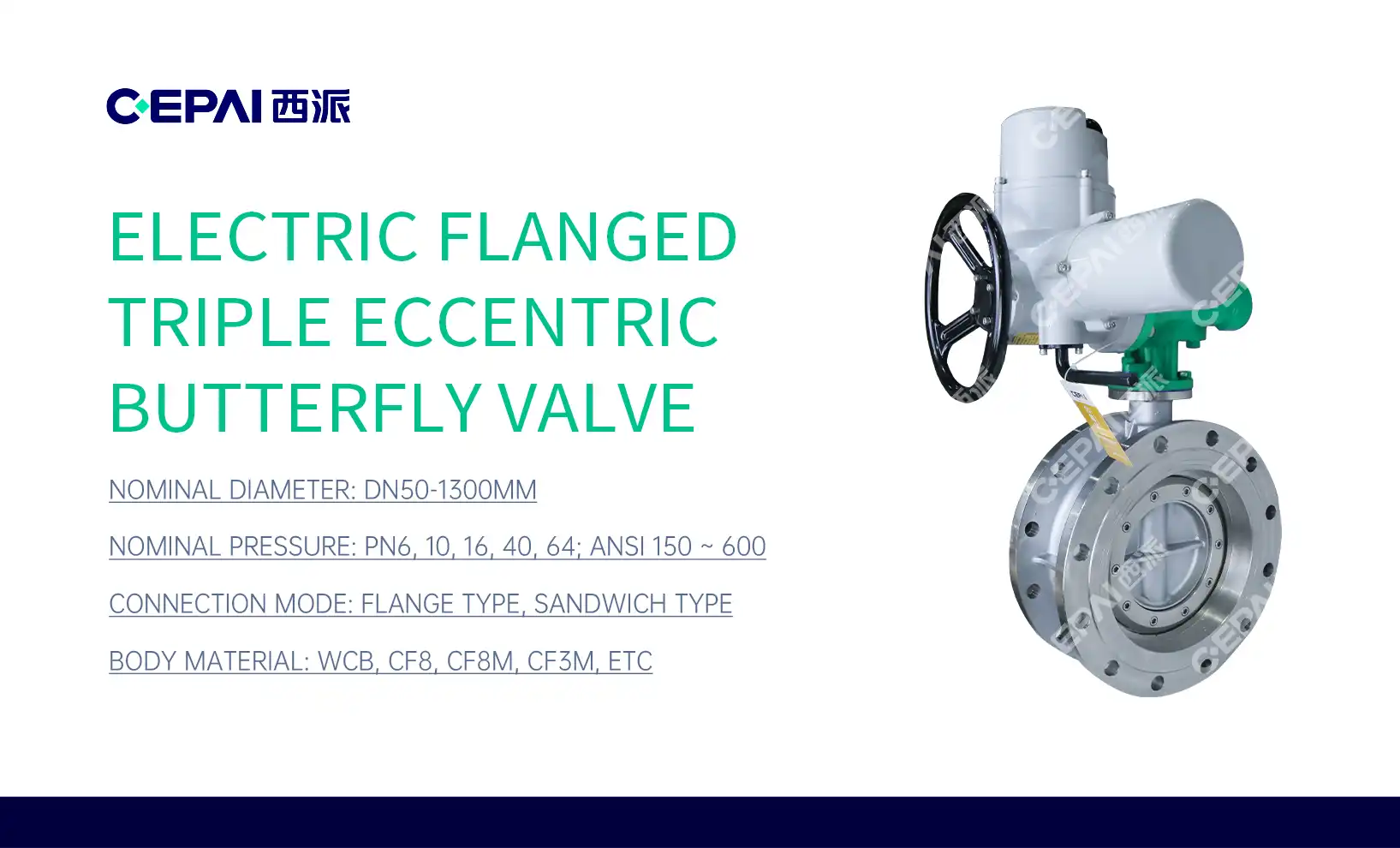
An electric motor helps electric actuators move in a circle or a straight line. Motors use electricity to make mechanical force. These machines have more torque because of their gears and other parts. This lets them work well with ball valves. To open or close the ball valve, the motor in the actuator turns a set of gears. The valve stem then turns on its own. The better electric actuators usually have speed controls that let you put them exactly where you want and change the flow.
Key Performance Advantages of Electric Actuators
Electric actuators and ball valves work well together in many ways. They have precise control, so they can put valves in the right place. This is important to do so that oil and gas systems always have the best flow rates and pressures. Electric actuators are also great because they only use power when they need to. This means that they use less energy overall. Plus, you can count on these actuators and they don't need much maintenance, which saves you money in the long run. You can watch and control things from afar with electric actuators because they work well with digital control systems. Now everything is safer and works better.
Operational Limitations and Considerations
You should know what electric actuators can't do as well as what they can. At first, they might cost more than pneumatic options, which could be a problem for projects that need to stay within their budgets. You might need special containers that can't blow up in dangerous places. It takes longer and costs more to do these. A lot of the time, electric actuators move more slowly than pneumatic ones. This might not work well when the valve needs to close quickly. In some places, like when the power goes out, it might not always be possible for the power to be on all the time.
Evaluating Pneumatic Actuators for Ball Valve Applications
Core Functional Mechanisms
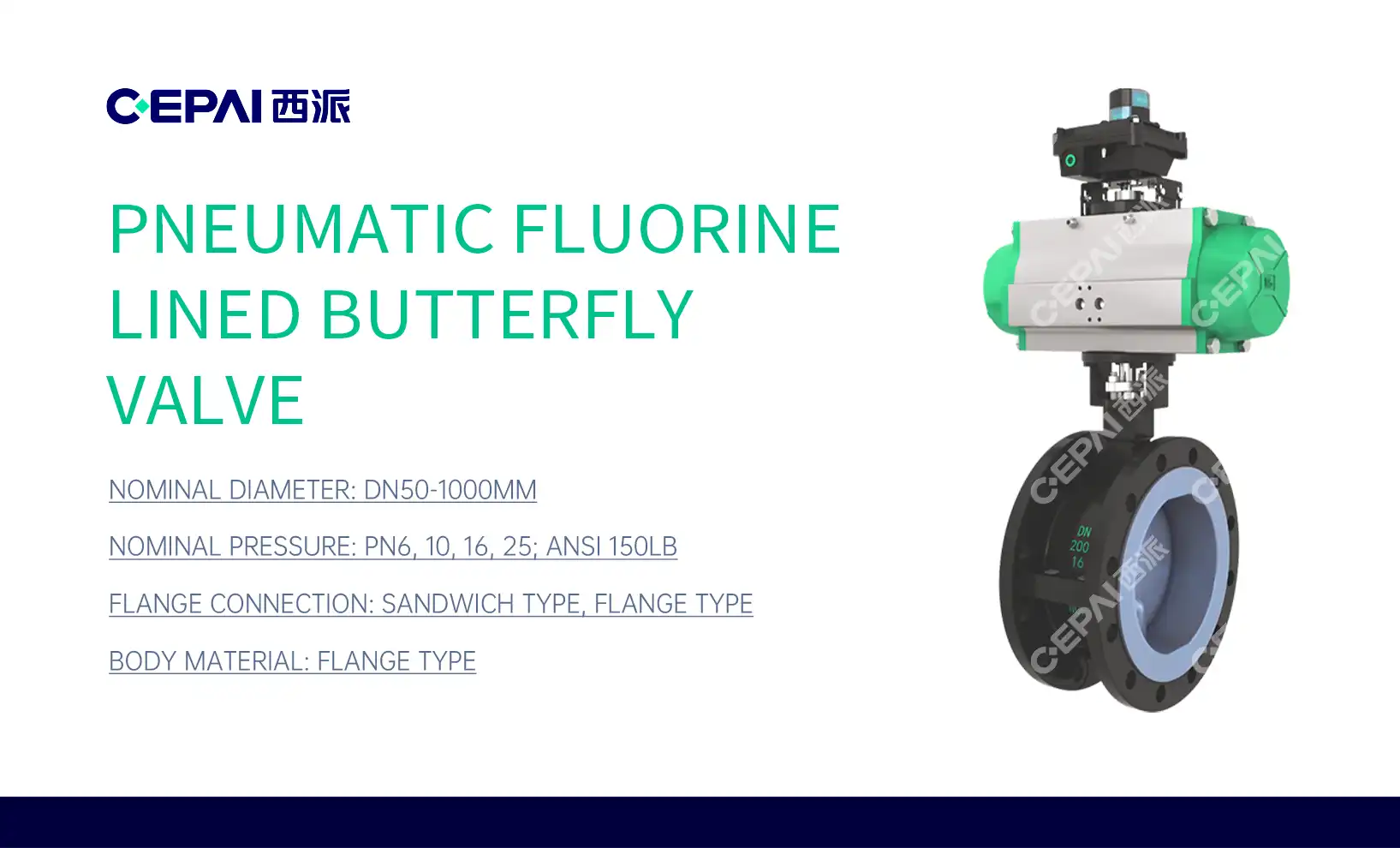
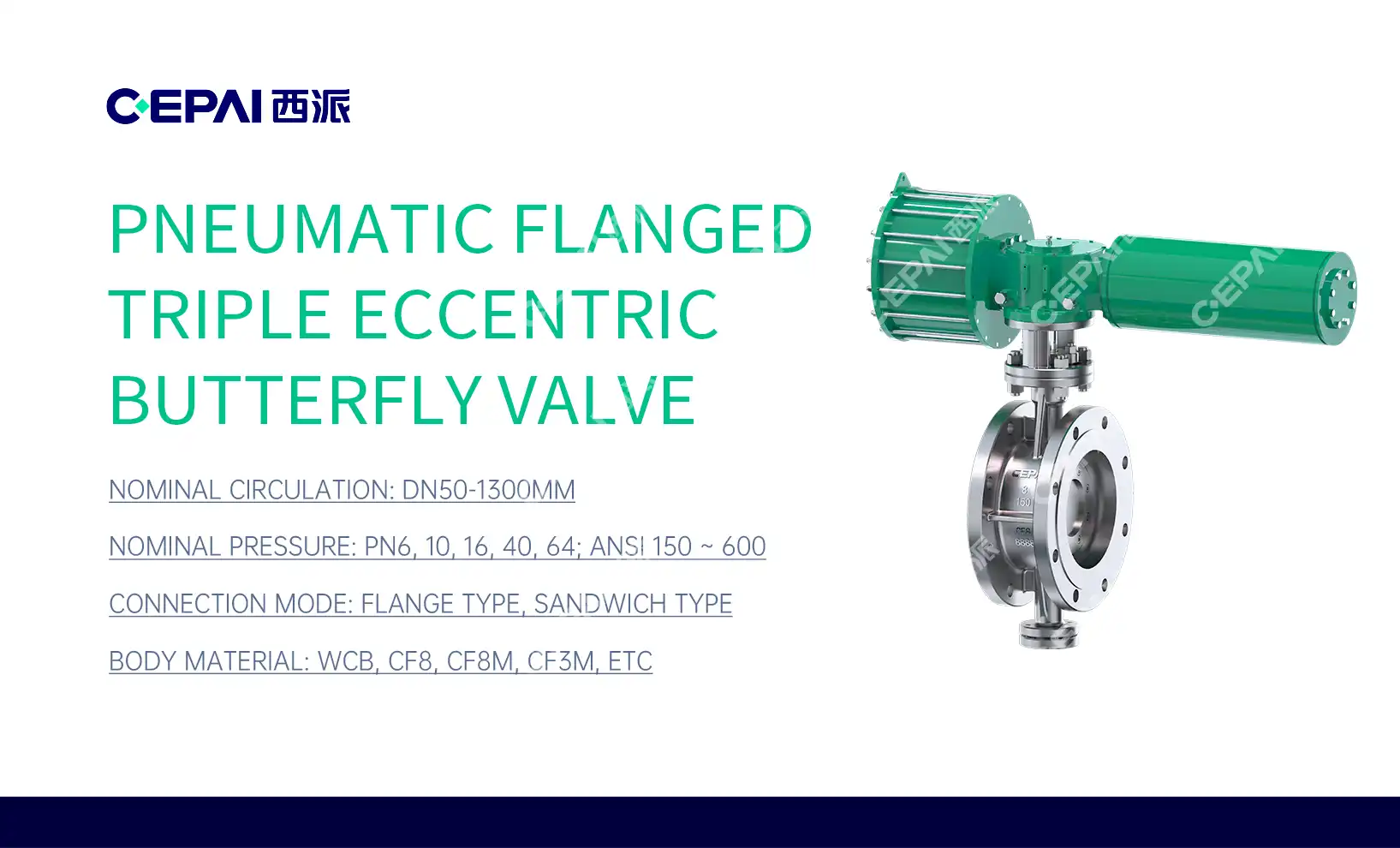
Use of gas or compressed air to move things mechanically is what pneumatic actuators do. These often have a piston or diaphragm shape when they are used with ball valves. The piston or diaphragm in the actuator chamber is moved by the compressed air. The valve stem then turns because of this. This simple but useful part of the valve makes it easy and quick to open and close. The air pressure inside a pneumatic actuator makes it open and close twice. They move one way with air pressure and the other way with a spring when they are spring-return.
Primary Advantages of Pneumatic Actuation
Some ball valves can be used with pneumatic actuators because they work well together. They are simple, so they work well and are simple to keep up with, which is important in working places. They work well in systems that need to quickly close valves in case of an emergency because they can move quickly. They don't make sparks or heat when they work, so you can use them in dangerous places without worrying about safety. Also, buying a pneumatic actuator is usually cheaper than buying an electric one. If you don't have a lot of money or need more than one valve actuator, these are a good choice.
Limitations and Operational Challenges
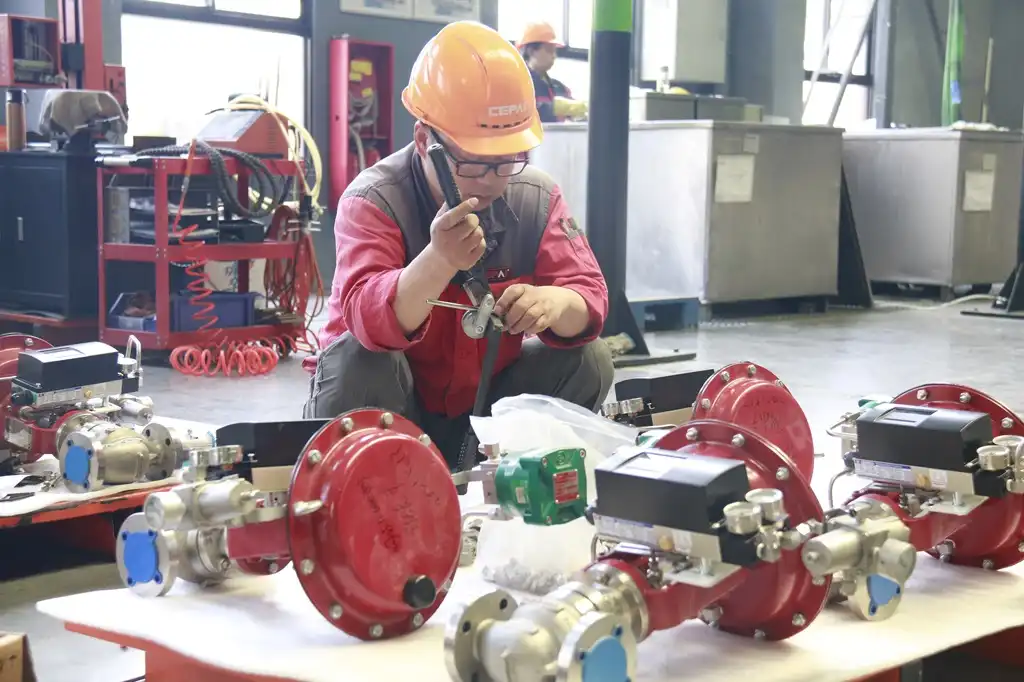
There are some good and some bad things about pneumatic actuators. It can be hard to find places that are far away or where the air quality is bad where you need a steady of compressed air. These systems can leak air at times, which can make them less useful and cost more in the long run. People may find it harder to control and place pneumatic actuators precisely than electric ones. So, they might not work as well for tasks where the flow needs to change slowly. When you look at ball valve pneumatic actuators, you should also think about how much it will cost to keep a compressed air system in good shape over time.
Direct Comparison Between Electric and Pneumatic Actuators
Performance Characteristics
Before making your choice, you should think about how well electric and pneumatic ball valve actuators work in a number of different situations. Electric actuators are the best choice when valve positioning needs to be exact because they are more precise and can be used over and over again. No matter what they are used for, the torque they put out is the same. This makes sure the valve always works right, no matter what. However, they work faster and can handle more force per unit size than other types of actuators. This is helpful when the device needs to shut down quickly. Even if something goes wrong, both types can still work. Pneumatic actuators, on the other hand, tend to have fail-safe mechanisms that are easier to understand and use.
Environmental and Application Suitability
Based on the setting, you can pick between electric and pneumatic actuators. Electric actuators can work in a wide range of temperatures and can be sealed well to keep rough spots away. But they need to be extra careful in places where explosions might happen. Because they don't make sparks, pneumatic actuators can be used in places that aren't safe without any extra rules. They also work all the time, no matter the weather. It is easier to build pneumatic actuators because they have fewer parts that could break. This could make them better in places where corrosion is common.
Cost Efficiency and Long-Term Value Analysis
Aside from the price they were bought for, electric and pneumatic actuators have different costs. At first, pneumatic actuators may be cheaper, but they may end up costing more over time because they need parts to store compressed air and can leak air. Most of the time, electric actuators cost less over time because they last longer and use less electricity. The cost of the building changes too because of this choice. Electric actuators need wires and control systems in order to work with electricity. When it comes to pneumatic actuators, they need pipes that carry squished air. On a large scale, these infrastructure needs can be very different.
Conclusion
You should give a lot of thought to whether you want electric or pneumatic ball valve actuators for oil and gas. The best way to precisely control something and run it from a distance is with an electric actuator. They are accurate, quick, and easy to use with modern control systems. But pneumatic actuators are still good sometimes because they are quick, easy to use, and safe even in dangerous places. What's best for your business will depend on the weather, your needs, and how much it costs in the long run. When you think about these things, you can pick the actuator type that works best with your ball valve. You can be sure that your oil and gas company will always run well that way.
FAQs
Can all sizes of ball valves be used with electric actuators?
Electric actuators can be made to fit a lot of different valve sizes, from very small to very big. But hydraulic actuators might be better for valves that are very big.
Can pneumatic actuators work when it's below zero outside?
Yes, pneumatic actuators can work in temperatures below zero as long as they are designed correctly and the right materials and lubricants are used.
How do electric actuators work when the power goes out?
Many electric actuators can come with battery backup systems or mechanical spring-return mechanisms to make sure they can still work when the power goes out.
CEPAI - Professional Support for Ball Valve Actuation Solutions
A great business called CEPAI Group Co., Ltd. makes high-tech gear for oil and gas. They have the most cutting edge electric and pneumatic ball valve actuators. Our modern factories have the longest high-precision intelligent manufacturing flexible production line in the Asia-Pacific region. This makes sure that our products are the best in terms of quality and dependability. We can make actuators that are perfect for your needs because we know a lot about both electric and pneumatic fields. We can help you pick the right actuator for your ball valve if you email us at cepai@cepai.com.

References
Smith, J. (2022). "Advancements in Electric Actuator Technology for Oil and Gas Applications." Journal of Valve Engineering, 45(3), 112-128.
Johnson, M. et al. (2021). "Comparative Analysis of Electric and Pneumatic Actuators in Harsh Environments." International Conference on Industrial Automation, 234-249.
Brown, R. (2023). "Energy Efficiency in Valve Actuation: Electric vs. Pneumatic Systems." Energy Optimization in Process Industries, 18(2), 78-95.
Lee, S. and Park, K. (2022). "Safety Considerations for Actuator Selection in Hazardous Areas." Process Safety and Environmental Protection, 156, 324-339.
Anderson, T. (2021). "Long-term Cost Analysis of Valve Automation Technologies." Industrial Economics Review, 33(4), 201-218.
Garcia, L. et al. (2023). "Performance Evaluation of Modern Ball Valve Actuators in Extreme Operating Conditions." Journal of Fluid Control Systems, 28(1), 45-62.