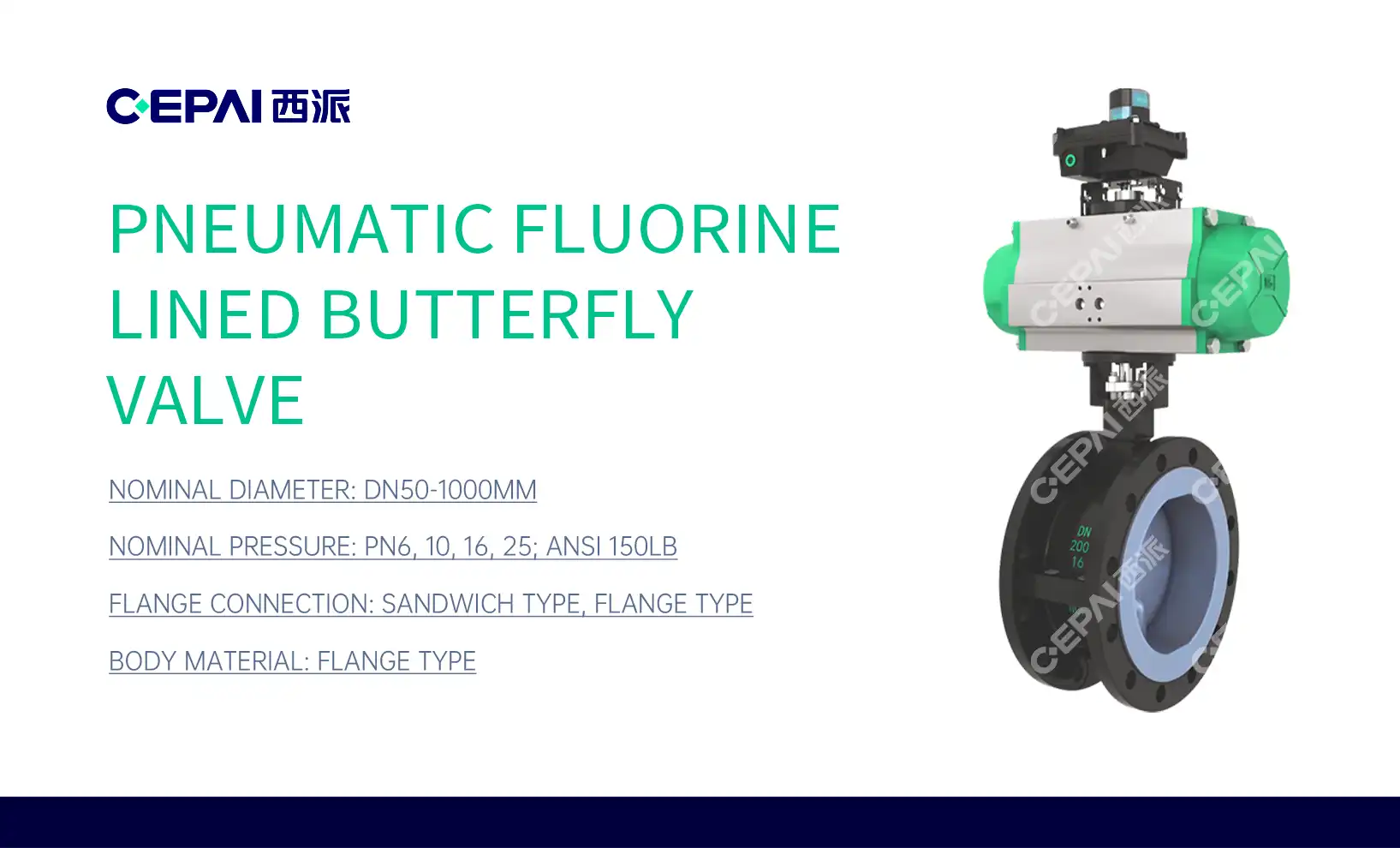
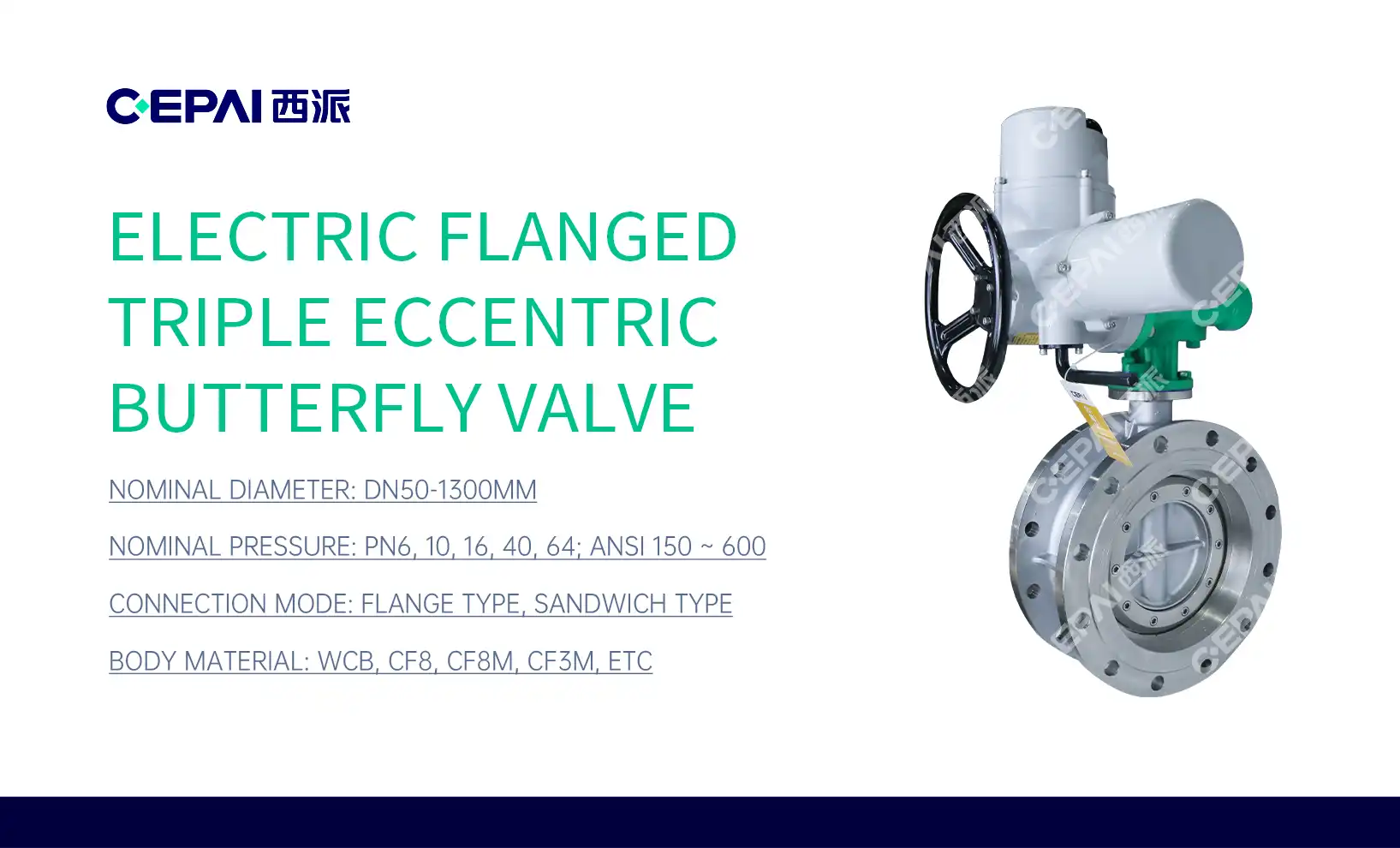
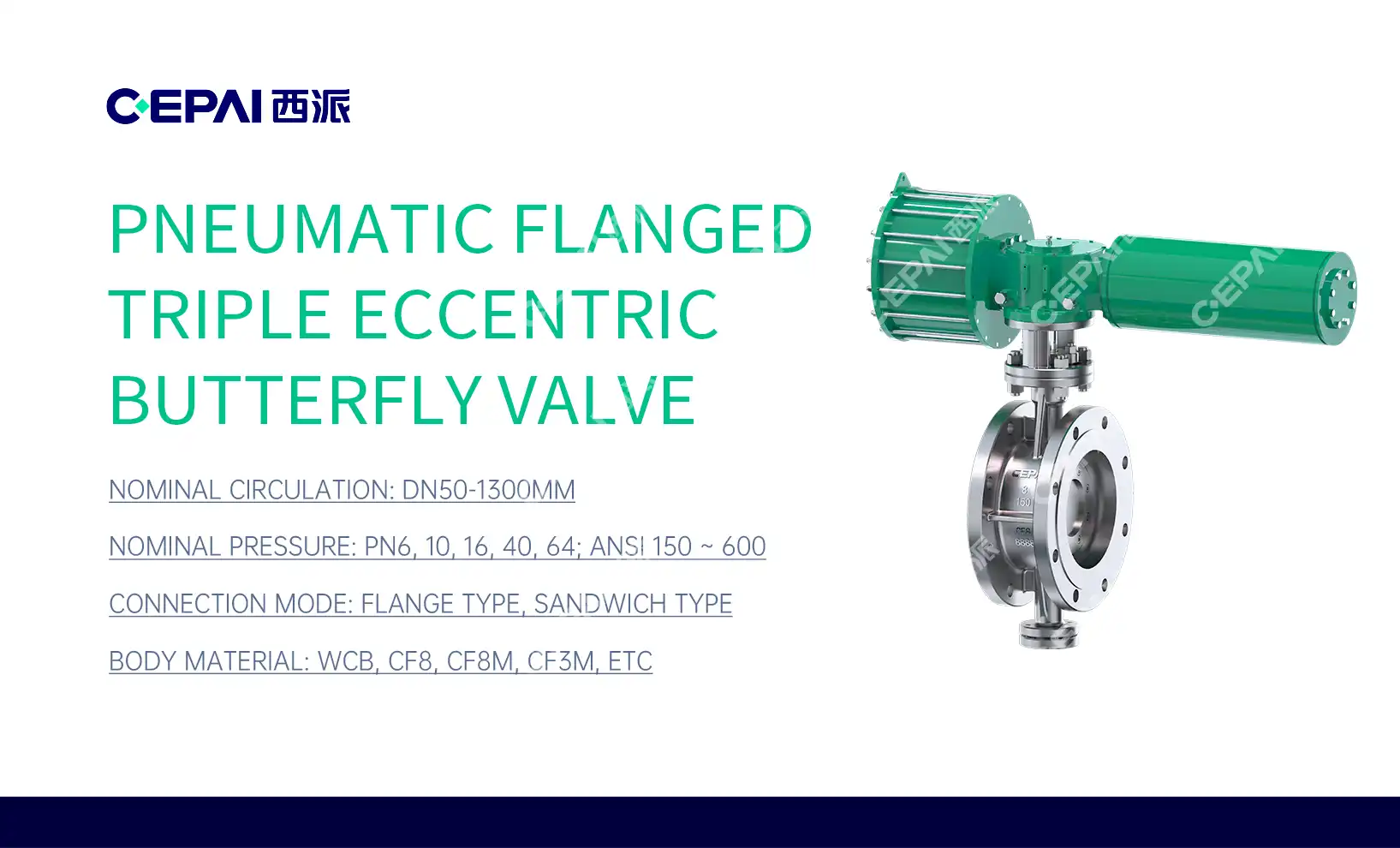
Finally, what you need them for will determine whether you choose a single offset or triple offset butterfly valve. When the pressure is low, single offset valves work better and cost less. Triple offset butterfly valves, on the other hand, really shine in places where there is a need for a tight seal because of high pressure and heat. It is better to use triple offset designs in tough industrial processes because they seal better, wear less, and last longer. Single offset valves, on the other hand, might be enough for less important jobs when money is tight. To make the best choice for you, think about how it will be used, how well it needs to turn off, how much upkeep it will need, and how much it will cost over time.

Introduction to Single Offset and Triple Offset Butterfly Valves
Fundamental Design Principles of Butterfly Valves
Butterfly valves are quarter-turn valves that are used to control flow in many business areas. In the middle, there is a disc that moves around an axis to change how the fluid moves. These offset shapes make butterfly valves work better and last longer because they are now made in different ways.
Structural Characteristics of Single Offset Butterfly Valves
Another name for a single offset butterfly valve is an eccentric valve. The disc and shaft centers are not very close to each other. This style of valve seals better and has less friction than concentric valves. Since there is only one offset, it is easier to control and the seal doesn't wear out as quickly. In other words, it can be used when there is some pressure.
Advanced Engineering of Triple Offset Butterfly Valves
Triple offset butterfly valves are a big step forward in the technology of valves. In three different positions, the disc is set apart from the shaft, the shaft is set apart from the disc, and the sealing surfaces are angled in the shape of a cone. Because of how it's made, the disc and seat don't touch while the machine is running. This helps the machine last longer and seal better.
Sealing Performance and Leakage Prevention
Three-way butterfly valves are different from one-way butterfly valves because they can seal. Triple offset valves are better at stopping leaks, and even when temperatures and pressures are high, they can often shut off bubble-tight. Because of its shape, a triple offset valve's disc and seat don't touch. This keeps the seal strong over time. Single offset valves work well most of the time, but they may leak when things get tough.
Pressure and Temperature Handling Capabilities
Butterfly valves with three offsets can usually handle more heat and pressure than butterfly valves with only one offset. They can be used in important steps in areas like making electricity, oil and gas, and chemical processing because of this. This type of valve can only be used when the pressure is low. In places where it is very hot or very cold, they might not work well.
Maintenance Requirements and Wear Resistance
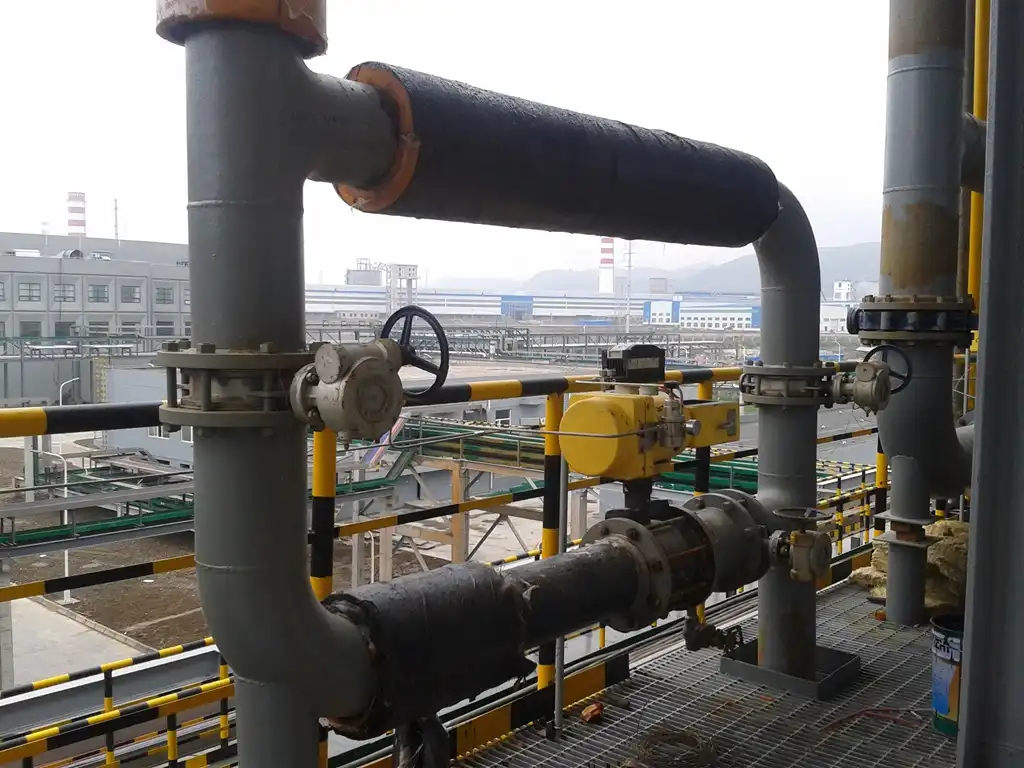
Sealing parts on triple offset butterfly valves don't wear out too quickly because of how they are made. As long as these valves are being used, the disc and seat won't rub against each other. This means they need less maintenance and can last longer between visits. They still work fine, but the sealing parts may need to be changed more often because they wear out faster.
Guidelines for Selecting the Appropriate Butterfly Valve
Key Operational Factors to Consider
Should you choose a butterfly valve with one offset or three offsets? Remember these things. The machine will work at different pressures and temperatures, and it will be used a lot. It is also important to know how well it must shut down and what kind of media needs to be controlled. You should also think about how much each type of valve will cost, how often it needs to be fixed, and how long it might be out of action.
Applications Best Suited for Single Offset Designs
Single offset butterfly valves are good for keeping pressure and temperature in check. They are used a lot in places that need to save cash, like air conditioning systems, water treatment plants, and most industrial processes. When there isn't a need for leakage to be completely zero, these valves work well.
Applications Requiring Triple Offset Designs
There are times when you need to quickly close something, work with high pressure, and deal with both high and low temperatures. They are often used in places like oil refineries, petrochemical plants, and steam systems that need to accurately control flow and reliably separate systems. Triple offset valves are the best choice for harsh industrial settings because they last longer and seal better.
Conclusion
It depends on your needs whether you choose a single offset or triple offset butterfly valve. Single offset valves are a cheap choice for systems with moderate pressure. With triple offset valves, on the other hand, things that are hot and pressurized work better. When choosing a valve, you should carefully consider things like how it will be used, how it will be shut off, and how much it will cost in the long run. This will help you find the most reliable and efficient process.
FAQs
What is good about a triple offset butterfly valve?
That the disc and seat don't rub against each other is another good thing about it. This makes it seal better and last longer.
Have three-offset butterfly valves always cost more than one-offset valves?
Yes, most of the time. At first, triple offset valves cost more because they are more difficult to make and work better.
When the pressure is high, can one-way butterfly valves still be used?
Single offset valves are only used when the pressure is low to moderate. Triple offset valves work best where there is a lot of pressure these days.
Professional Butterfly Valve Solutions from CEPAI
When it comes to industry, CEPAI Group knows how to make great butterfly valves that are useful in many ways. We make and sell some of the best valves in the business. We can make butterfly valves with one or three offsets to fit your needs. Because we want to be the best, we make sure that every valve works and is extremely reliable. The people who work here can help you choose the best butterfly valve for your job. Send us an email at cepai@cepai.com.

References
Smith, J. (2022). Advanced Valve Technologies: Single vs Triple Offset Designs. Industrial Process Engineering Journal, 45(3), 78-92.
Johnson, R. A. (2021). Butterfly Valve Selection Guide for Critical Applications. Chemical Engineering Progress, 117(8), 34-41.
Lee, S. H., & Park, K. J. (2023). Performance Analysis of Triple Offset Butterfly Valves in High-Temperature Steam Systems. Journal of Fluid Control and Measurement, 29(2), 112-125.
Brown, T. M. (2020). Comparative Study of Butterfly Valve Designs for Improved Sealing in Industrial Processes. Valve World Magazine, 25(4), 55-61.
Rodriguez, C., & Thompson, L. (2022). Maintenance Strategies for Extending Butterfly Valve Service Life. Plant Engineering and Maintenance, 38(6), 72-79.
Williams, E. D. (2021). Cost-Benefit Analysis of Single vs Triple Offset Butterfly Valves in Modern Industrial Applications. Journal of Industrial Economics and Management, 56(3), 301-315.