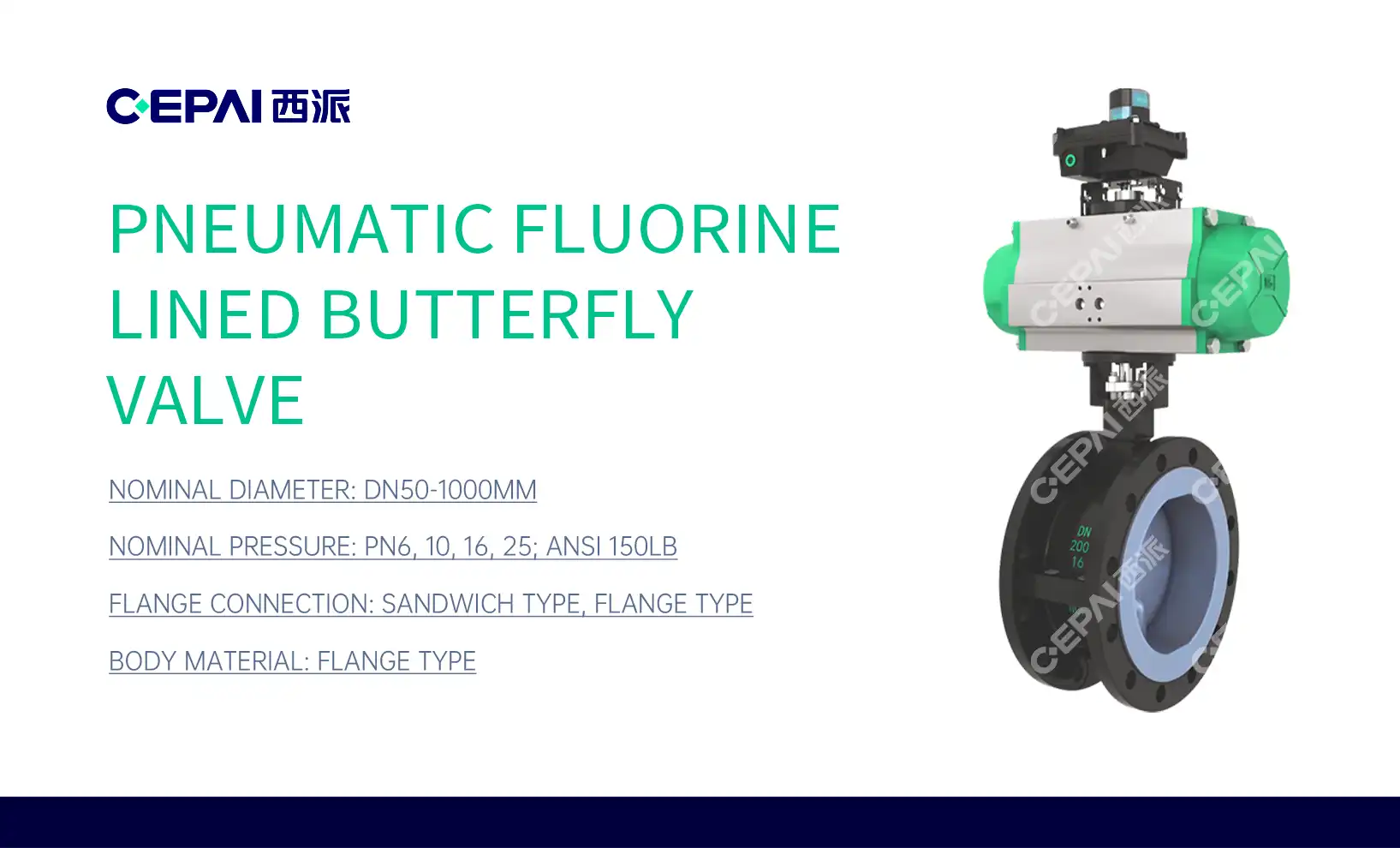
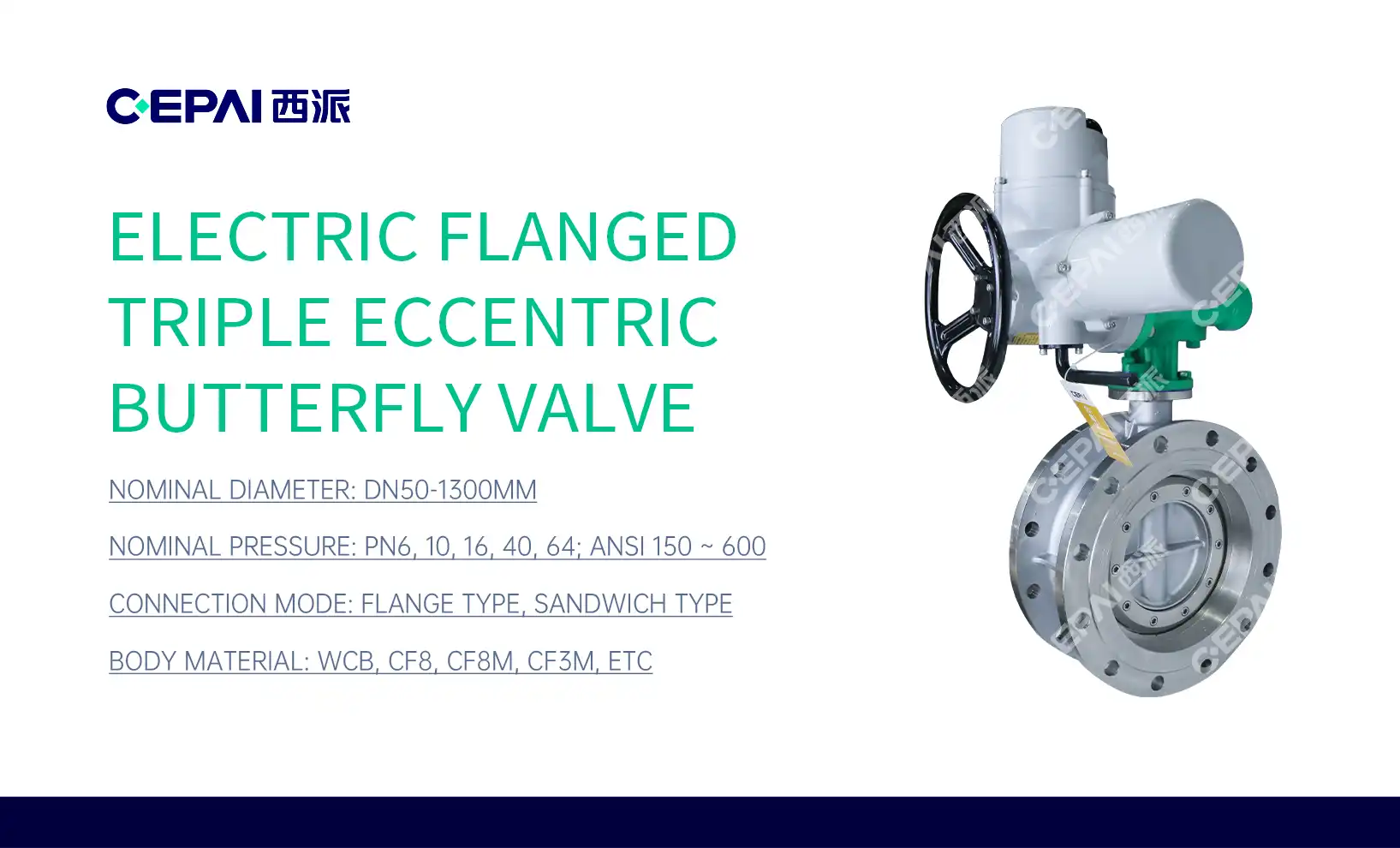
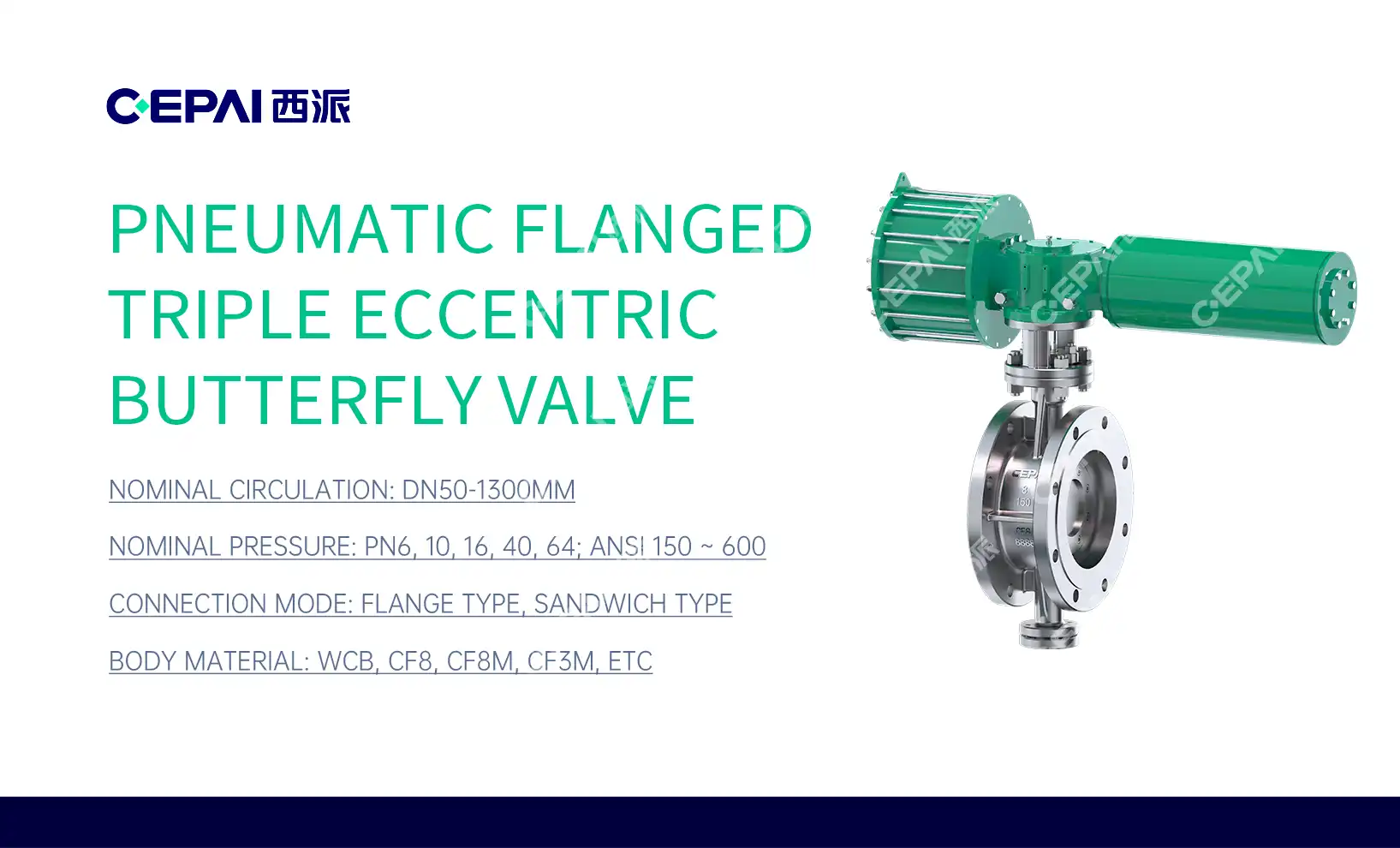
Butterfly Valve Repair: How to Replace a Damaged Seat at Site
In factories, if a butterfly valve seat suddenly breaks, changes need to be made right away to keep work going. The valve can't close properly if the seat is broken. This can let fluid leak, pressure drop, and make things less safe. If field techs replace the seats in the right way, they can fix the problem without having to wait for a full valve repair. This all-around way of fixing things cuts down on downtime, lowers the cost of maintenance, and makes sure that fluid control works well in tough industrial settings where every second counts.
Understanding Butterfly Valve Seats: Function, Types, and Materials
Butterfly valve seats are where the valve disc and body touch each other to close. They make a wall that stops liquids from moving when the valve is closed. If the seat is perfectly positioned, the valve will be able to close bubble-tight and keep working right even after many rounds.
Primary Functions of Valve Seats
It does a lot of important things, and the butterfly valve seat is a big part of it. It makes the valve disc's closing surface hit it when it shuts, creating a pressure barrier that keeps the process fluids inside. The disc stays in place because the seat moves it as it turns. This also keeps metal from hitting metal, which could cause it to wear out faster. A small difference in size between the valve body and disc is also taken into account. This means that the closing works well even when production limits are used.
Material Classifications and Performance Characteristics
Industrial butterfly valves have seats made of a variety of materials so that they can work well in a variety of settings. There are different kinds of materials, and each one has its own benefits based on its temperature range, chemical compatibility, and mechanical durability.
Elastomeric chairs, which are usually made of EPDM, NBR, or FKM, are great for closing when the temperature is low. These seats can easily adjust to uneven surfaces, so they will work well in clean service conditions without leaking. They don't hold up well to high temperatures, though, and chemicals can break them down in hard conditions.
PTFE and improved PTFE chairs can handle chemicals better and keep running at higher temperatures for longer. Over a wide range of temperatures, these seats keep their shape. They also work with little friction, which means that the actuator needs less power. Stuff that doesn't stick to the process can't build up and stop the right close.
Metal chairs that are made of stellite or another hard metal last a very long time in tough conditions and high temperatures. Even though they need stronger binding forces than soft chairs, they can handle fire, heat cycles, and media that wears away at materials.
Temperature and Pressure Considerations
Once you choose a butterfly valve seat material, you need to think about the temperature and pressure that will be present in the field. Most normal rubber seats can handle temperatures from -40°C to 120°C. Some materials are strong enough to handle heat up to 200°C. Chairs made of PTFE work well from -200°C to 260°C, so they can be used in both cold and hot conditions.
The amount of pressure on each type of seat is very different. It is common for soft chairs to only work in lower pressure classes since they can cause extrusion. Iron chairs can handle the most weight, but they need to be carefully polished and have stronger motor torques to make sure they close correctly.
Diagnosing Seat Damage: Causes and Common Problems in the Field
For a proper fix, you must first accurately measure the damage and figure out what caused it. If technical staff knows why seats fail, they can choose the right replacement materials and take steps to make sure the same problems don't happen again.
Visual Inspection Indicators
Drops of fluid or marks on the valve body from the outside are the most obvious sign that the seat is broken. But internal leaks usually show up before they show up on the outside, and the only way to find them is to check the pressure or watch the flow. Cuts, tears, tension set, or surface wear are some of the ways that seat damage can show up after a failure.
If something from outside the valve hits it or if it doesn't work right, it can show signs of damage like deep cuts, gouges, or torn parts. Usually, this kind of damage takes place when the valve is being set up, when it is being serviced, or when something goes through it while it is being used. When process media that aren't meant to work together do, they can cause a chemical attack that shows up as swelling, hardness, or in the surface.
Thermal Degradation Patterns
When something is heated above its melting point, it gets damaged in a way that can help us figure out what went wrong. If you let elastomeric seats get too hot, they get hard and stiff, and they often crack around the edges, letting water in. Elastomers get stiff when they are exposed to cold temperatures, and they can break when they are pushed together.
By constantly stretching and tightening muscles, thermal cycling hurts them over time. Cracks in the network or a compression set show up because of this wear and tear. The seat doesn't go back to its original size after the compression is removed.
Installation and Operational Factors
Many early seat problems that happen in the field for a butterfly valve seat are caused by seats that don't fit right. When rubber seats are put in place, too much compression deforms them permanently, while too little compression means they don't make good binding contact. It makes the loads uneven, which speeds up wear in some places, when the disc and seat aren't lined up right.
Seat rot happens faster when there are operating issues like too much spinning, quick changes in pressure, and media that is dirty. Knowing these things can help you pick the right materials and figure out when to fix your new seats.
Step-by-Step On-Site Seat Replacement Procedure
To repair a broken butterfly valve seat successfully in the field, you need to plan ahead and follow set safety rules. With the right planning and execution, valve downtime is kept to a minimum and efficiency is guaranteed after repair.
Pre-Replacement Preparation
Safety separation is the most important first step in any valve repair job. Make sure that both the upstream and downstream isolation valves are locked out and closed. Also, make sure that any remaining air in the valve body has been released. If the valve works with flammable or harmful materials, check the air for dangerous gases.
Make sure you have the right tools and new parts before you start taking things apart. For example, you need the right wrenches to loosen body bolts, seal pullers to take out seats, cleaners to clean, and torque tools to put the car back together. Check to see if the new seats are made of the same material, are the same size, and are the same strength.
Valve Disassembly Sequence
To begin taking it apart, if there is an actuator unit, take it out. Watch out for the weight as you do this. Mark the direction of the body halves before you take them apart to make sure they go back together the right way. To keep the sides of the valve body from bending, take out the body bolts in a cross-pattern pattern.
Hold the disc assembly up and carefully separate the two halves of the valve body. Take off the disc and shaft together and check them for damage that might have made the seat break. Clean everything really well, getting rid of any dust or dirt that could get in the way of putting the seat in the right way.
Seat Installation Techniques
Make sure the new butterfly valve seat is lined up properly so that the compression and closing contacts are even when you put it in place. If the maker tells you to, use the right kind of grease on the seat. Stay away from things that could make chemicals not work well together.
Place the seat in the body gap and make sure it sits straight without turning or folding. Make sure the disc and shaft combination is in the right place before putting the body back together. As the maker says, put pressure on the body bolts in a cross-pattern design to get even tension.
Post-Installation Testing
Check the seal under pressure to make sure it is still in good shape before putting the valve back into service. Be careful not to cause leaks around the body parts and the seat area as you slowly raise the test pressure. Cycling the disc a few times will help you make sure it works well and doesn't get stuck or have too much force.
Write down details about the repair process, like the seat's specs, the power needed to tighten it, and the test results. With this information, you can plan future repairs and keep an eye on how seats are doing in similar apps.
Choosing the Right Replacement Seat: Procurement Considerations
To choose the best new seats, you need to carefully look at the application factors, the material performance qualities, and the supplier's skills. Decisions about what to buy affect both the success of repairs right away and the efficiency of operations in the long run.
Application Parameter Analysis
When picking a seat material, the operating temperature is the most important thing to think about because temperatures above the material's limits make it break down quickly. Look at both conditions where the temperature stays the same and conditions where it changes, like when there are problems or upsets.
There is a lot you need to know about the process media and how it is made in order to do a chemical compatibility study. This includes any small particles that could affect the seat materials. You should think about more than just the main process fluid. You should also think about cleaning agents, steam, and other things that will touch the seat during normal use.
The shape of the butterfly valve seat and the material used are affected by the pressure and vacuum conditions. This is especially true when the pressure changes quickly or when the difference between the two pressures is very high. When there is more pressure, it is best to use harder seat materials and slot forms that keep the parts from expanding.
Material Performance Comparison
It's easy for elastomeric chairs to close and change shapes, but they don't stand up well to chemicals and high temperatures. When normal working conditions are met and regular business uses are made, they are the most cost-effective choice. It could last anywhere from 2 to 5 years, but it depends on how often it is used.
Chemicals don't stick to PTFE chairs as well, and they can handle higher temperatures for longer. Because they don't have much friction, they keep the closing function the same and cut down on actuator wear. They do, however, need stronger closing forces and are more picky about how they are put in place.
Supplier Evaluation Criteria
Quality licenses show that a provider is dedicated to regular output standards and can find the products they need. Along with ISO 9001 certification, you should also look for skills that are specific to the business, such as API or ASME licenses if they are needed. Materials testing certificates show what a product is made of and what chemicals are in it.
When there are emergencies and the costs of downtime are higher than the costs of goods, wait time and store supply are very important. Make friends with sellers who keep goods in your area or can speed up shipping if you need to.
When it comes to complicated applications that need unique solutions or help with problems, providers that offer technical support stand out. Check out the technical tools your provider has and see if they can give you application-specific advice based on how your business works.
Conclusion
To change a butterfly valve seat correctly, you need to know how the seat works, how it gets damaged, and how to put it correctly. If field workers know these things, they can quickly fix valve problems and avoid common mistakes that cause them to fail too soon. Success depends on correctly identifying the damage, choosing the right materials, and installing them in a way that makes sure they work well after the fix. Investing in the right training and methods pays off in the form of less downtime, longer service life, and higher operating safety in a wide range of industry settings.
FAQ
In general, how long does it take to change a butterfly valve seat on-site?
Depending on the size of the valve and how easy it is to reach, replacing the whole butterfly valve seat usually takes two to four hours. Smaller valves (less than 6 inches) can usually be done in two hours, but bigger valves may need more time to be handled properly and torqued properly. An extra hour is added to the plan for preparation time, which includes separation and pressure release.
Is it possible to change the seat without taking the valve off the pipeline?
With wafer-style or split-body versions, most butterfly valves let you change the seat without taking the piping out. But for flanged valves with built-in seats, the whole valve may need to be taken off for proper access. Check the valve's instructions to find out the exact steps for your model.
What should you think about before buying new seats that are made just for you?
For custom seat sales, exact measurements are needed, such as the groove's width, depth, and thickness. Based on the process media analysis, give full material matching standards. Include the working temperature and pressure ranges, as well as any specific performance needs, like the ability to work in a cold environment or for fire safety reasons.
Contact CEPAI for Professional Butterfly Valve Seat Solutions
You can trust CEPAI as a butterfly valve seat maker because they make closing solutions that are precisely designed to meet the strict needs of oil and gas operations. Our wide range of products includes high-performance seats made for use at wellheads, in pipelines, and in important process control systems. CEPAI makes sure that all of its products are of the same high standard and work well by using ISO quality control systems and API certifications like API6A and API6D. Our engineering team offers technical support for unique uses and can help you choose the best seat materials and designs for the way your business works. Email our technical experts at cepai@cepai.com to talk about your butterfly valve seat needs and find out why world-class companies trust CEPAI for their most important fluid control projects.

References
American Society of Mechanical Engineers. "Butterfly Valves: Design, Installation, and Maintenance Standards." ASME B16.34 Pressure-Temperature Ratings, 2019.
Johnson, Robert K. "Industrial Valve Technology: Materials and Performance in Critical Applications." Fluid Control Engineering Quarterly, Vol. 45, No. 3, 2022.
Miller, Sarah J. and Thompson, David L. "Field Maintenance Practices for Butterfly Valve Assemblies in Petrochemical Service." Journal of Process Equipment Maintenance, 2021.
International Standards Organization. "Butterfly Valves for Industrial Applications: Performance Requirements and Testing Methods." ISO 5752 Valve Standards, 2020.
Rodriguez, Carlos M. "Seat Material Selection Guidelines for High-Temperature Valve Applications." Valve Engineering and Maintenance Conference Proceedings, 2023.
Anderson, Mark P. "Troubleshooting Common Butterfly Valve Seal Failures in Oil and Gas Operations." Petroleum Equipment Maintenance Handbook, 4th Edition, 2022.
_1746598538016.webp)
Get professional pre-sales technical consultation and valve selection services, customized solution services.
About CEPAI