Why India Factories Choose China for Automatic Control Valves?
Because Chinese suppliers provide strong economic benefits, sophisticated manufacturing skills, and extensive product portfolios that satisfy demanding industrial criteria, Indian manufacturing facilities are increasingly turning to them for the purchase of automatic control valves. Chinese producers provide advanced valve systems that improve operating efficiency across a range of industrial applications at a reasonable cost without sacrificing quality requirements. They also provide outstanding technical support and customizing services.

Understanding Automatic Control Valves and Their Industrial Significance
Automatic control valves are essential parts of industrial automation systems because they precisely respond mechanically to hydraulic, pneumatic, or electronic control signals to regulate fluid flow. These advanced devices serve as the last control components in intricate control loops, taking input from process controllers or building management systems to ensure ideal temperature, pressure, and flow rates throughout industrial activities.
Types of Automatic Control Valves in Industrial Applications
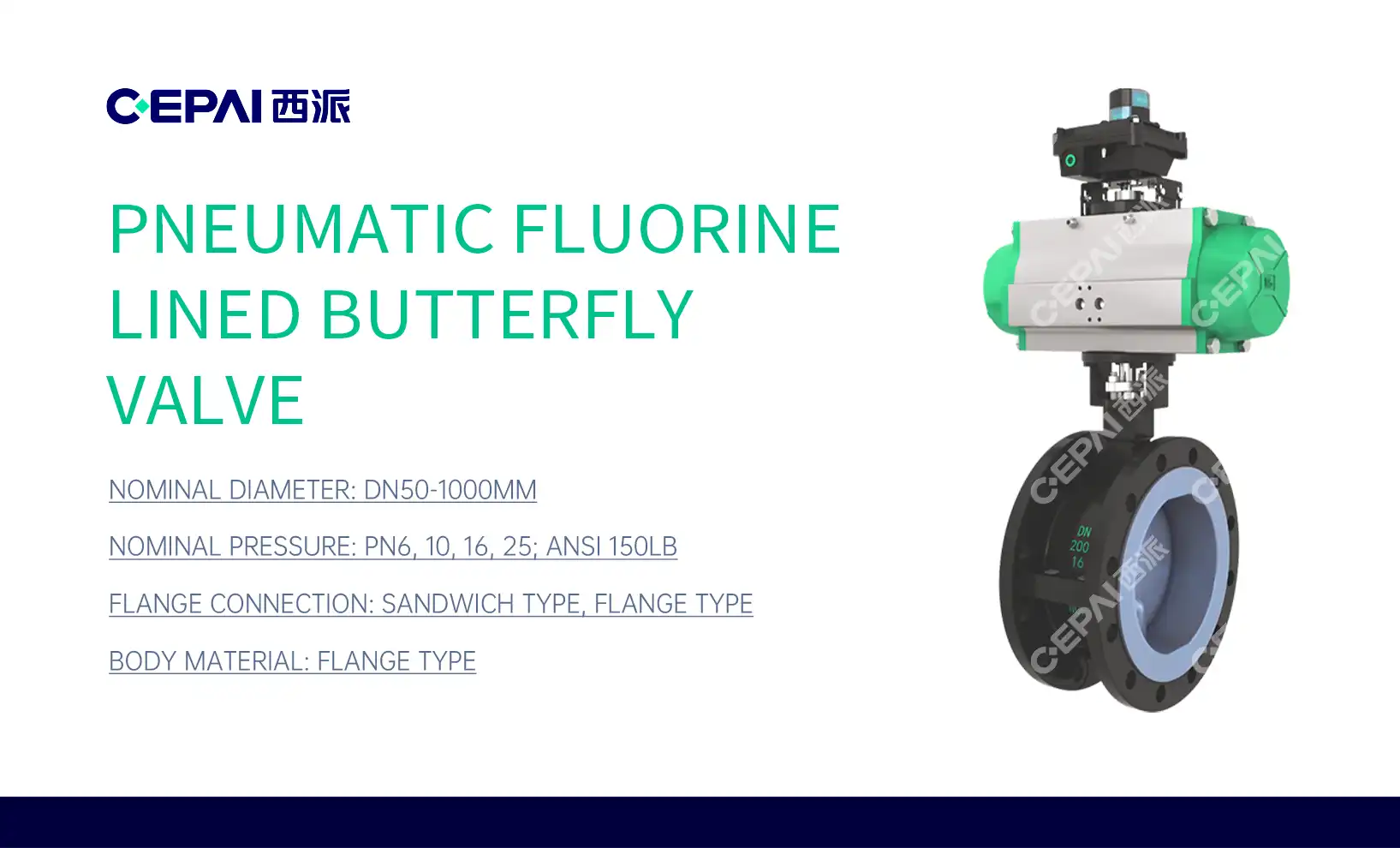
Various valve layouts that are suited to certain operating needs are used in modern industrial facilities. Globe valves provide outstanding precision for flow modulation in chemical processing and refining activities, making them ideal for applications requiring precise throttling control. Ball valves are perfect for high-pressure systems that are often used in oil and gas exploration because they provide dependable shut-off capabilities with little pressure loss. Diaphragm valves manage corrosive and abrasive media in certain production settings, whereas butterfly valves provide affordable options for large-diameter pipeline applications.
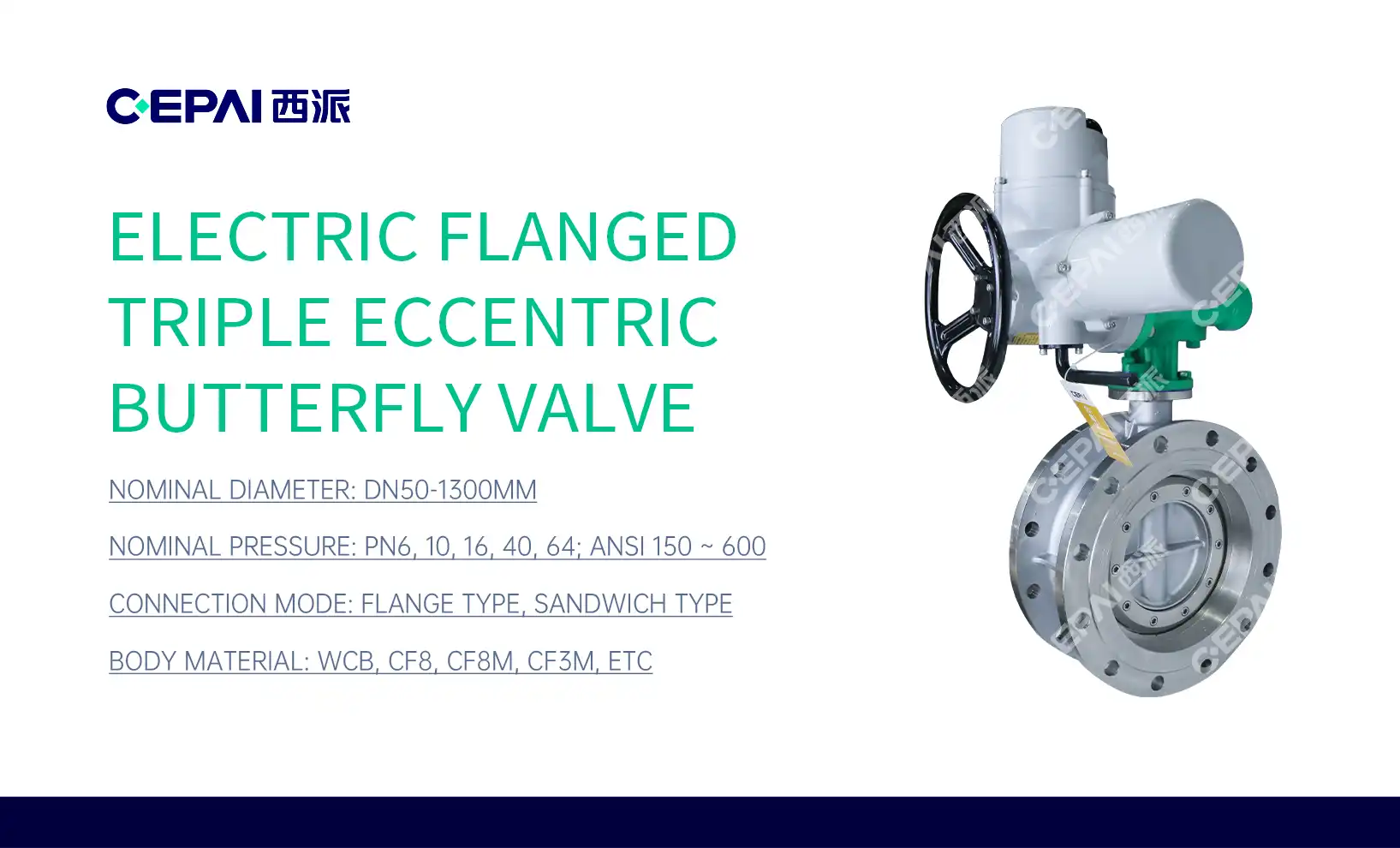
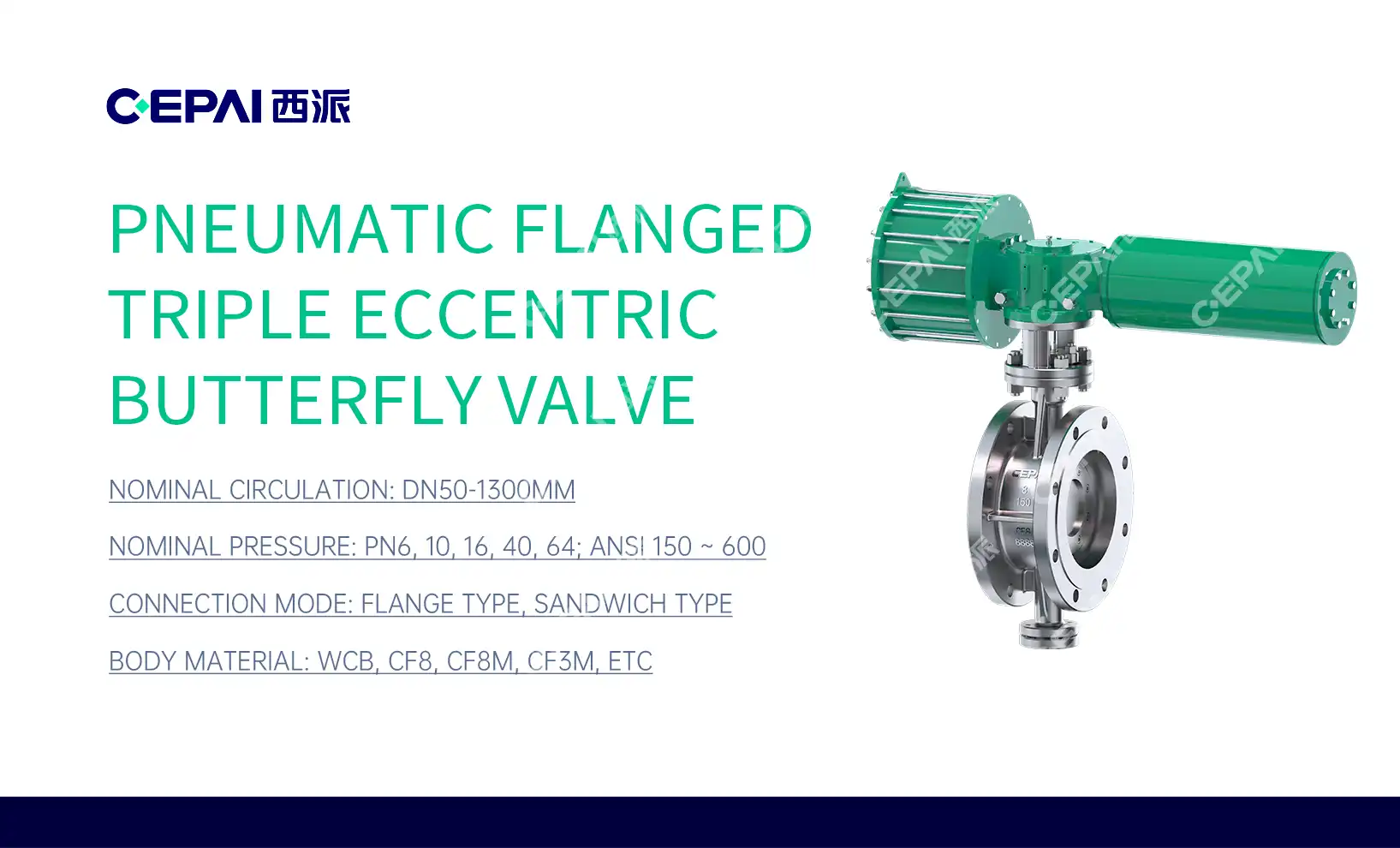
The most advanced kind of valves are electric control valves, which use electric actuators to react quickly to digital control inputs. When compared to pneumatic and automatic control valve alternatives, these valves provide higher accuracy, allowing for smooth interaction with contemporary automation systems. Pneumatic control valves, which use compressed air to run diaphragm-based actuators with spring-return mechanisms for fail-safe operation, continue to be used in situations where electrical power supply poses difficulties.
Industrial Impact and Operational Benefits
By lowering human involvement, increasing process uniformity, and improving safety procedures, the use of automatic control valves revolutionizes production efficiency. When switching from manual to automated valve systems, manufacturing facilities report considerable operating cost savings; payback times typically range from 18 to 36 months, depending on the complexity of the application and output volume.
Key Reasons India Factories Choose Chinese Automatic Control Valve Suppliers
By combining aggressive pricing tactics, cutting-edge technology, and strong supply chain skills, Chinese manufacturers have become the go-to partners for Indian industrial purchasers. With cutting-edge facilities that can compete with conventional European and North American manufacturers while keeping far lower production costs, China's manufacturing ecosystem has developed to accommodate the production of complicated valves.
Manufacturing Excellence and Quality Assurance
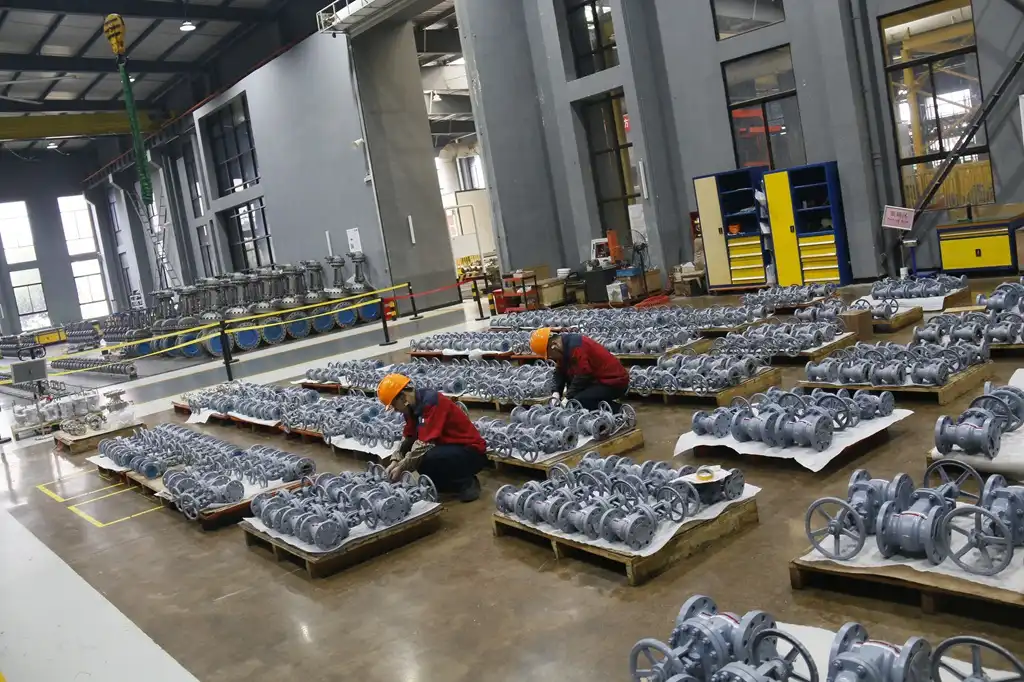
Chinese valve producers have made significant investments in cutting-edge manufacturing technology, such as automated testing apparatus, CNC machining facilities, and extensive quality control systems. Prominent facilities uphold ISO 9001 accreditation in addition to industry-specific requirements like API 6A, API 6D, and API 16C, guaranteeing that goods fulfill the global quality standards needed by Indian industrial activities.
The trajectory of quality improvement in Chinese manufacturing is a result of consistent expenditures in technology upgrades, process optimization, and personnel training. To guarantee dependable field performance, contemporary Chinese facilities use stringent testing procedures such as hydrostatic pressure testing, seat leakage verification, and actuator performance validation.
Cost Competitiveness and Value Engineering
Through economies of scale, effective supply chain management, and streamlined production processes, Chinese vendors provide significant cost benefits for automatic control valves. When compared to comparable automatic control valve products from conventional vendors, Indian customers usually see cost savings of 25% to 40%, which frees up funds for projects involving facility expansion or new automation infrastructure.
These cost advantages go beyond the original purchase price and include value-added services like technical training and installation assistance, reasonable pricing for replacement parts, and extended warranty agreements. Additional incentives like personalized packaging, flexible payment periods, and priority delivery scheduling are often included in volume purchase agreements.
Product Range and Customization Capabilities
Chinese producers have comprehensive product lists that include almost all of the valve configurations needed for Indian industrial applications. This extensive variety ensures interoperability across integrated automation systems and removes the need for numerous supplier relationships.
Chinese vendors are particularly strong at customization, with engineering teams able to alter conventional designs to satisfy special operating needs. Specialized materials for corrosive environments, unusual actuator layouts for installations with limited space, and integrated monitoring systems for predictive maintenance plans are common examples of custom valve solutions.
How to Select the Right Automatic Control Valve for Indian Factory Needs
A methodical assessment of operating characteristics, performance requirements, and long-term maintenance concerns is necessary for successful valve selection. Indian procurement managers have to weigh total cost of ownership estimates, which take into account maintenance needs, the availability of spare parts, and anticipated service life, against immediate cost concerns.
Technical Specification Analysis
A thorough examination of the system requirements, such as fluid properties, operating pressure and temperature ranges, flow rate requirements, and control signal compatibility, is the first step in the selection process. Temperature parameters should take into consideration seasonal changes and process fluctuations that are typical in Indian industrial settings, while pressure ratings must take into account both typical operating circumstances and possible pressure surges.
Calculations of flow coefficients guarantee sufficient valve capacity without oversizing, which might jeopardize control precision. Throughout the whole working range, CV values must be in line with system requirements, taking into account both minimum controlled flow and maximum capacity requirements.
Supplier Evaluation Criteria
Effective supplier assessment takes into account production quality processes, technical support capabilities, and after-sales service infrastructure in addition to product requirements. Suppliers with established quality certifications, documented testing protocols, and demonstrated automatic control valve track records in comparable applications should be given preference by Indian customers.
While service centers' physical closeness affects response times for urgent maintenance needs, financial stability evaluation guarantees supplier longevity for continuing parts and service support. Reference checks with current clients provide insightful information on real field performance and supplier responsiveness.
Total Cost of Ownership Considerations
The original purchase price, installation expenses, continuing maintenance needs, energy usage, and anticipated replacement intervals must all be included in a thorough cost analysis. Because of their longer service life, lower maintenance requirements, and increased energy efficiency, higher-quality valves often support their higher prices.
Long-term running expenses are greatly impacted by the availability and cost of spare parts, thus supplier parts inventories and distribution networks are crucial decision factors. Maintenance processes may be made simpler and inventory needs can be decreased by standardizing valve brands and types throughout facility activities.
Maintenance and Troubleshooting Tips for Optimal Valve Performance
Appropriate maintenance procedures reduce unscheduled downtime that interferes with production schedules and extend valve service life. Programs for preventive maintenance should follow manufacturer guidelines while taking into account the unique operating circumstances and environmental elements found in Indian industrial plants.
Preventive Maintenance Best Practices
Visual checks for exterior leaks, actuator mounting integrity, and control signal connection should all be part of routine maintenance plans. Manufacturers usually provide maintenance intervals and suggested lubricant grades for maximum performance; lubrication needs vary depending on the kind of valve and operating circumstances.
For process control applications where valve location directly affects product quality, calibration verification guarantees ongoing automatic control valve accuracy. In addition to confirming complete automatic control valve movement, stroke testing detects any binding or wear problems before they become operational concerns.
Common Troubleshooting Procedures
Internal valve wear, positioner calibration drift, and actuator faults are common causes of flow control problems. Before dismantling valve internals, a systematic diagnostic should go from exterior components to internal mechanisms, verifying control signals, air supply pressure, and mechanical connections.
Seat wear, deteriorating packaging, or incorrect installation may all be the cause of leakage issues. While interior leaking denotes seat damage or contamination necessitating valve disassembly for examination and repair, external leakage usually indicates packing or gasket failure.
Variations in fluid viscosity, thermal expansion effects on valve bodies, or calibration drift in the control system may all lead to temperature-related performance problems. Monitoring operating temperatures aids in seeing trends that can point to emerging issues that call for preventative action.
CEPAI: Your Trusted Partner for Advanced Valve Solutions
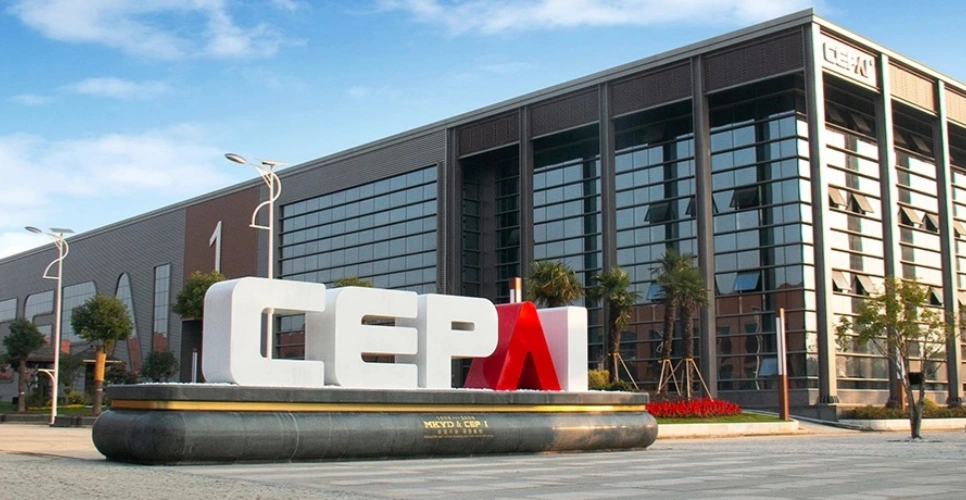
For oil and gas applications, CEPAI is a top producer with a focus on precision control systems, pipeline valves, and wellhead devices. Sleeve-type regulating valves, throttle valves, high-pressure double disc check valves, emergency shut-off valves, and rotary valves acknowledged by global industry leaders for outstanding quality and dependability are all part of our extensive product line.
Industry Certifications and Quality Standards
Through extensive certification programs, such as API Q1, API 6A, API 6D, API 16C, API 602, ISO 9001, ISO 14001, ISO 45001, ISO 3834, ISO 17025, CE, and PR2 certifications, our production facilities uphold strict quality requirements. Our dedication to upholding the strictest international standards while guaranteeing product interoperability with current industrial systems is shown by these certifications.
The ongoing enhancement Our operations' underlying concept motivates continuous investments in cutting-edge manufacturing technology, staff training efforts, automatic control valve integration, and process optimization projects. This dedication guarantees that our goods continuously surpass client expectations while maintaining competitive price structures that assist the commercial goals of our partners.
Technical Expertise and Customer Support
With each customer interaction, our engineering team contributes decades of expertise in field service support, application engineering, and valve design. We work closely with Indian industry partners to provide tailored solutions that maximize performance and dependability while addressing particular operational concerns.
Application analysis, system integration advice, installation supervision, and continuous maintenance support are all included in comprehensive technical assistance. Our customer support staff keeps thorough technical records and an inventory of replacement parts to guarantee prompt repair requests and reduce any possible production interruptions.
Conclusion
Chinese automatic control valve providers are becoming more and more popular in Indian companies because of their strong advantages in terms of cost competitiveness, product quality, and extensive technical assistance. As Chinese manufacturing skills have developed, valve solutions that satisfy strict international requirements and provide significant cost reductions over conventional vendors have been devised. A thorough assessment of supplier capabilities, technical needs, and total cost of ownership is necessary for a successful procurement in order to guarantee the best possible long-term performance and value.
FAQ
1. What factors should Indian buyers consider when selecting automatic control valves?
Key selection criteria include operating pressure and temperature requirements, fluid compatibility, flow capacity specifications, control signal types, and environmental conditions. Buyers should also evaluate supplier quality certifications, technical support capabilities, spare parts availability, and total cost of ownership projections to ensure optimal long-term value.
2. How do Chinese automatic control valves compare to other international brands in terms of quality?
Modern Chinese manufacturers maintain quality standards comparable to established international brands through comprehensive certification programs, advanced manufacturing technologies, and rigorous testing protocols. Many facilities hold API, ISO, and CE certifications while offering significantly lower pricing without compromising performance reliability.
3. What are typical lead times for automatic control valve orders from Chinese suppliers?
Standard valve configurations typically require 4-8 weeks for delivery, while customized solutions may extend to 8-12 weeks depending on complexity. Suppliers often maintain inventory of common valve sizes and configurations to support faster delivery for urgent requirements. Volume orders may qualify for expedited production scheduling.
4. What maintenance requirements should Indian factories expect with automatic control valves?
Regular maintenance includes periodic lubrication, calibration verification, visual inspections, and actuator testing according to manufacturer specifications. Preventive maintenance intervals typically range from quarterly to annually depending on operating conditions, with critical applications requiring more frequent attention to ensure reliable performance.
Contact CEPAI for Expert Automatic Control Valve Solutions
CEPAI delivers world-class automatic control valve solutions tailored to meet the demanding requirements of Indian industrial operations. Our experienced engineering team provides comprehensive consultation services to identify optimal valve configurations for your specific applications while ensuring compliance with international quality standards. We invite procurement managers and technical specialists to explore our extensive product portfolio and discover how our certified automatic control valve supplier capabilities can enhance your operational efficiency. Contact us at cepai@cepai.com to discuss your project requirements and experience the CEPAI advantage in valve technology and customer service excellence.

References
1. Kumar, S. and Patel, R. "Industrial Valve Market Trends in Asia-Pacific Manufacturing Sectors." Journal of Industrial Engineering and Management, Vol. 15, No. 3, 2023.
2. Chen, L. et al. "Quality Assessment of Chinese Manufactured Control Valves in Global Markets." International Manufacturing Quality Review, Vol. 28, No. 2, 2023.
3. Sharma, A. "Procurement Strategies for Automatic Control Systems in Indian Manufacturing." Industrial Automation and Control Systems Quarterly, Vol. 12, No. 4, 2023.
4. Thompson, J. and Li, W. "Cost-Benefit Analysis of Asian Valve Suppliers in Global Supply Chains." Supply Chain Management International, Vol. 31, No. 1, 2023.
5. Gupta, M. "Technical Evaluation of Control Valve Performance in Chemical Processing Applications." Process Engineering and Control, Vol. 19, No. 6, 2023.
6. Wilson, D. "Maintenance Best Practices for Industrial Control Valve Systems." Plant Engineering and Maintenance Journal, Vol. 44, No. 8, 2023.

Get professional pre-sales technical consultation and valve selection services, customized solution services.
About CEPAI