Control Valve China vs USA: Cost and Performance Comparison
Industrial purchasers must make crucial choices between American and Chinese manufacturers when weighing their alternatives for purchasing control valves. The choice of control valve affects long-term performance, maintenance expenses, and operational effectiveness in oil and gas operations. While American suppliers prioritize superior engineering standards and all-encompassing technical assistance, Chinese manufacturers usually provide competitive price benefits of 20–40% when compared to their US counterparts. Procurement professionals may make well-informed judgments that strike a balance between cost concerns and performance needs for their particular applications by being aware of these trade-offs.

Understanding Control Valve Fundamentals
The last control components in industrial automation systems are control valves, which accurately regulate fluid flow to preserve ideal process conditions. These crucial parts modify their positions to alter flow rates in accordance with preset setpoints in response to control signals from distributed control systems or building management systems.
Core Operating Principles
Sophisticated actuator systems that transform electrical, pneumatic, or hydraulic signals into mechanical motion power modern control valves. The actuator adjusts the valve stem to provide the required flow characteristics after receiving control signals. The flow coefficient (Cv), which indicates the valve's ability to transmit fluid at certain pressure differentials, is directly impacted by this placement.
The flow characteristic curve of the valve is determined by the connection between flow rate and valve position. While equal % features give constant percentage flow increases for equal stem movement increments, linear flow characteristics provide proportionate flow changes in relation to stem position. Quick-opening valves are perfect for on-off applications because they maximize flow while requiring little stem travel.
Common Control Valve Types
Because of its excellent throttling capabilities and precise flow modulation, globe valves are the industry standard for precision flow control applications. Compared to other valve types, the convoluted flow channel created by the valve body design allows for more accurate control but also results in greater pressure losses.
Ball valves perform very well in applications that need for quick shut-off times and little pressure loss, such as control valves. Excellent sealing performance is provided by their spherical closure element and quarter-turn action, especially in systems that handle corrosive or abrasive fluids.
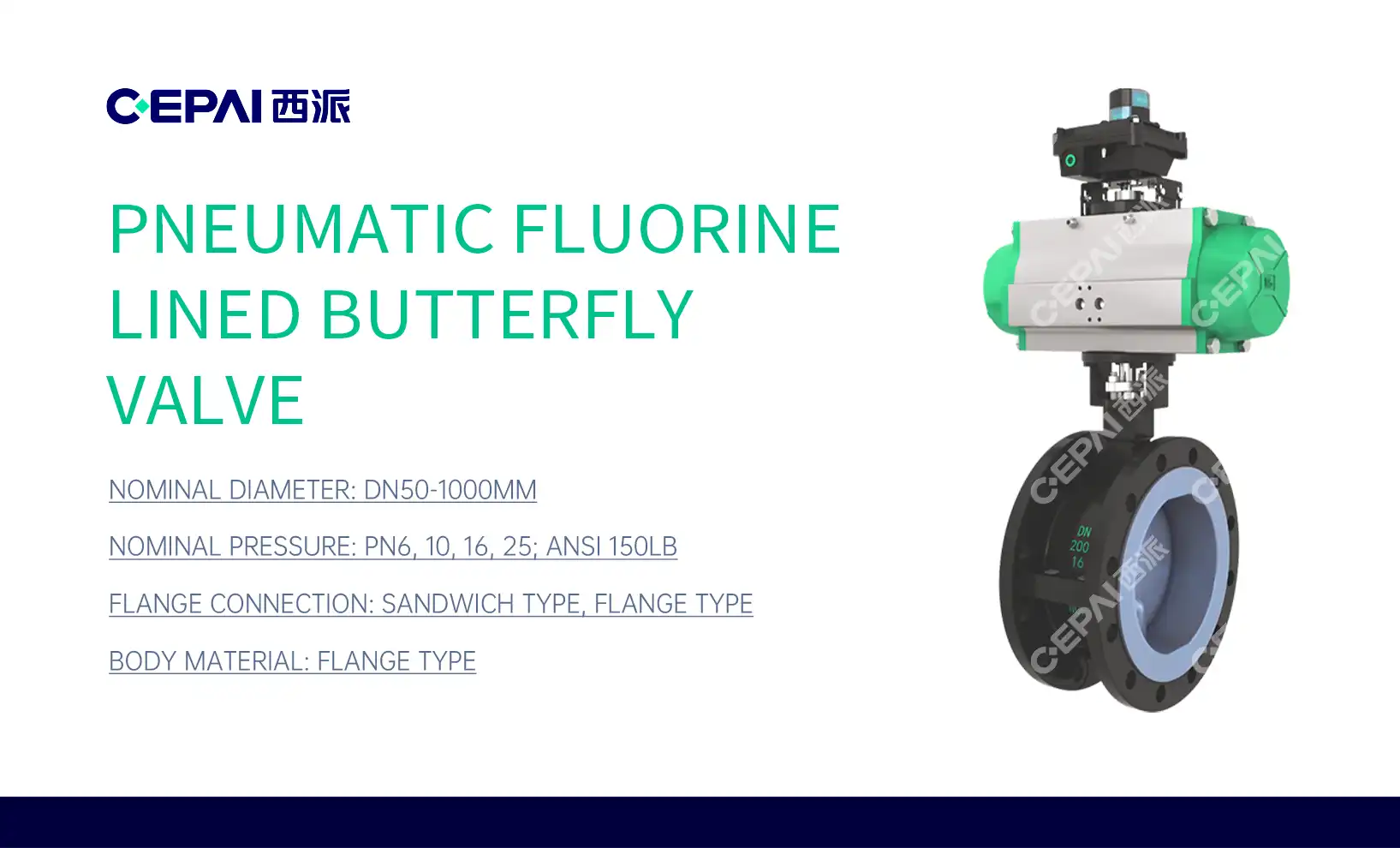
Butterfly valves provide affordable options for large-diameter applications where weight and space are critical factors. For many industrial processes, the disc-style closure element offers sufficient flow control by rotating 90 degrees between its completely open and closed states.
Actuator Technologies and Integration
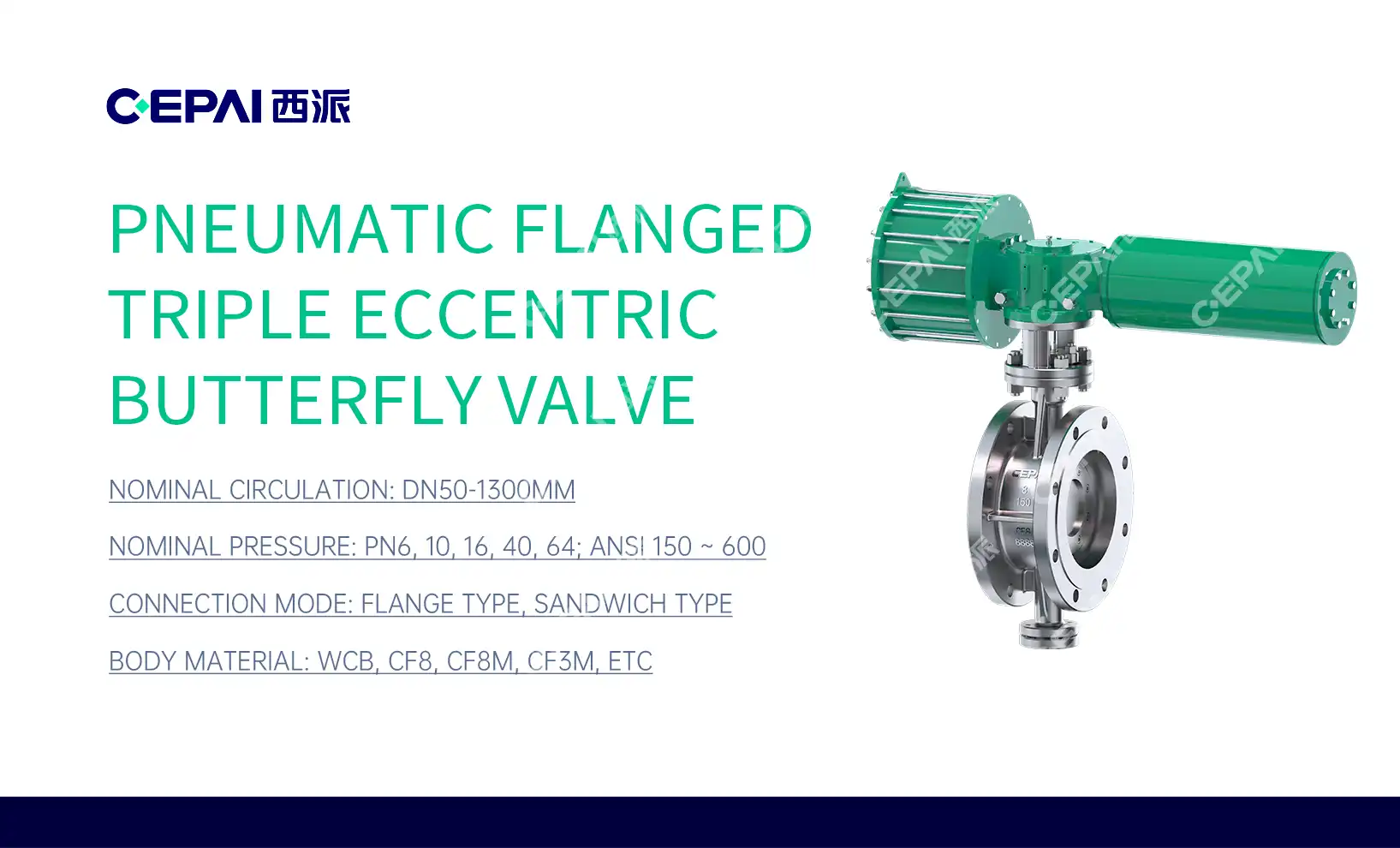
In dangerous settings where electrical equipment presents a safety issue, pneumatic actuators are still widely used. Through spring-return mechanisms, these actuators provide intrinsic fail-safe positioning and dependable operation utilizing compressed air.
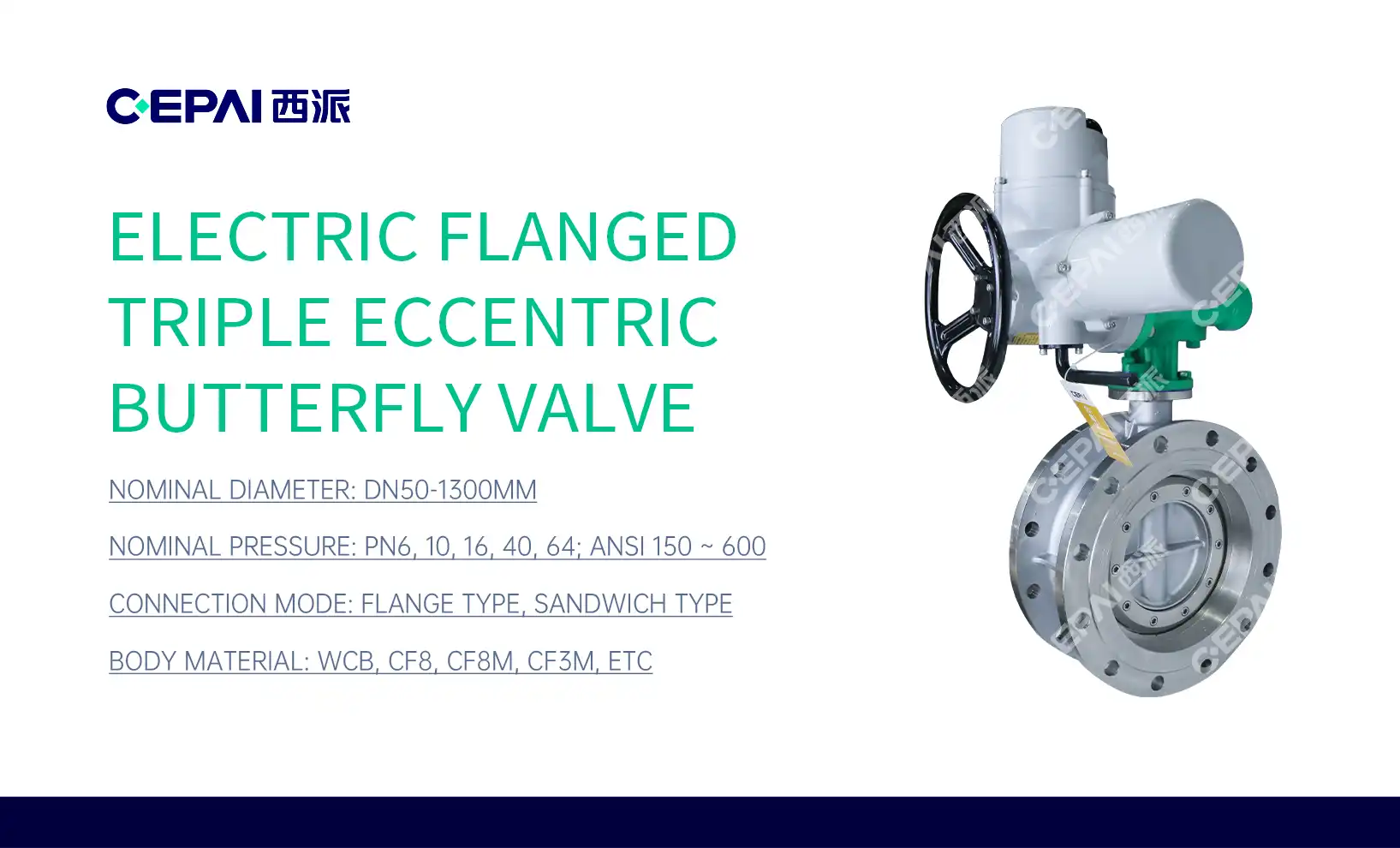
Electric actuators provide smooth interaction with digital control systems and exact positioning precision. Advanced feedback mechanisms included into contemporary electric actuators provide for position verification and diagnostic capabilities that improve system dependability and maintenance scheduling.
Cost Comparison: Control Valves China vs USA
Chinese and American control valve providers' prices differ significantly due to manufacturing cost structures. These variations result from a number of economic variables that have a direct bearing on the finished product's price and total cost of ownership.
Raw Material and Manufacturing Costs
Lower raw material prices and well-established supply chains for brass, steel, and specialty alloy components are advantages for Chinese producers. Competitive pricing for valve bodies and trim materials is made possible by domestic steel production capabilities, and lower labor costs help to minimize manufacturing costs.
Despite having to pay more for raw materials, American industries use automation and cutting-edge manufacturing technology to increase production efficiency. Although they provide value, premium material procurement and strict quality control procedures raise base production costs.
Pricing Structure Analysis
Depending on size, materials, and complexity, standard control valves made in China are usually 25–45% less expensive than comparable American goods. For bigger valve sizes and specialty materials like exotic alloys or stainless steel, this cost benefit becomes more noticeable.
The degree of customization varies greatly throughout vendors; well-known Chinese producers provide low prices for altered designs with manageable lead times. Although they sometimes charge higher prices for customisation, American vendors provide comprehensive engineering help all the way through the design process.
Total Cost of Ownership Considerations
The availability of replacement parts and maintenance needs have a big influence on long-term operating expenses. Chinese producers have enhanced their networks for distributing replacement parts, allaying previous worries about the availability of components. For crucial applications, American providers, however, have a larger aftermarket support infrastructure and quicker reaction times.
Different suppliers provide different warranty coverage; well-known manufacturers in both areas provide extensive warranty plans. For crucial applications where valve failure has major operational repercussions, extended warranty options and performance assurances provide further cost protection.
Performance and Quality Analysis
The performance of control valves in demanding industrial applications is directly impacted by manufacturing procedures and quality requirements. Despite using different implementation strategies, Chinese and American firms have both improved their quality systems to satisfy international requirements.
Certification and Compliance Standards
Control valve design and testing requirements for oil and gas applications are governed by ANSI, API 602, and API 6D standards. Chinese producers have made significant investments in certification compliance; top suppliers have obtained both product-specific certifications and API Q1 quality management certification.
American businesses have a long history of actively participating in standards development groups and maintaining extensive certification portfolios. This engagement guarantees that product designs account for upcoming regulatory changes and provide early insight into changing needs.
Manufacturing Quality Systems
Reputable vendors in these areas often use ISO 9001 quality management systems. Chinese producers have adopted advanced quality control procedures that are comparable to those in the United States, such as automated inspection systems and statistical process control.
Control valve hydrostatic pressure testing, control valve seat leak detection, and control valve actuator performance validation are all included in the testing processes. Computerized control valve testing systems are used by advanced manufacturers to record performance attributes and provide traceability throughout the production process.
Field Performance Data
According to reliability statistics from large oil and gas companies, well-specified control valves from reputable Chinese producers operate on par with their American counterparts in the majority of applications. Adherence to installation instructions, suitable size, and acceptable material selection are crucial components.
According to failure analysis studies, country of origin has less of an effect on valve lifetime than application-specific elements like fluid compatibility, operating temperature, and cycle frequency. In order to get maximum performance, proper engineering assistance during valve selection is more important than manufacturing site.
Selecting the Right Control Valve for Your Application
Effective control valve selection requires a methodical assessment of supplier capabilities, operating circumstances, and application requirements. This procedure balances long-term dependability needs with economic concerns to guarantee optimum valve performance.
Application-Specific Requirements
Control valves that can withstand high temperatures and pressures and are compatible with corrosive fluids are essential for oil and gas drilling operations. Wellhead control valves need to be able to operate dependably in challenging environmental circumstances while withstanding pressure ratings of up to 15,000 psi.
Long-term dependability and remote monitoring capabilities are given top priority in pipeline applications. Extended maintenance intervals and interoperability with SCADA systems for remote operation and diagnostics are necessary for regulating valves in pipeline systems.
To deal with harsh chemicals and high temperatures, refining and petrochemical operations need specific materials and coatings. In these applications, control valves need to be able to precisely regulate flow while fending off erosion and corrosion from process fluids.

Supplier Evaluation Criteria
Long-term performance and the success of valve selection are greatly impacted by technical support skills. Generally speaking, suppliers that give thorough engineering support during valve size and selection outperform those with less technical resources in terms of application results.
Strategies for inventory management and project scheduling are impacted by lead time dependability. Reputable suppliers minimize project delays and related expenses by keeping sufficient production capacity and raw material inventories to fulfill promised delivery dates.
Optimization for particular application needs is made possible via customization possibilities. The performance of the system as a whole may be enhanced by suppliers who can provide engineering improvements and specialty materials.
Engineering Support and Documentation
Proper valve installation and maintenance are made easier by thorough technical documentation. Good providers lower the need for operational assistance by offering thorough installation instructions, maintenance protocols, and troubleshooting manuals.
When choosing a valve, application engineering support guarantees appropriate dimensions and specification. Experienced application engineers at suppliers are able to spot any difficulties and provide fixes to avoid expensive field adjustments or performance concerns.
CEPAI: Your Trusted Control Valve Partner
CEPAI, which combines cheap price with top-notch quality standards, is a prime example of Chinese manufacturing expertise in control valve technology. Our wide range of products meets international certification criteria while addressing a variety of industrial applications and maintaining consistent performance standards.
Advanced Manufacturing Capabilities
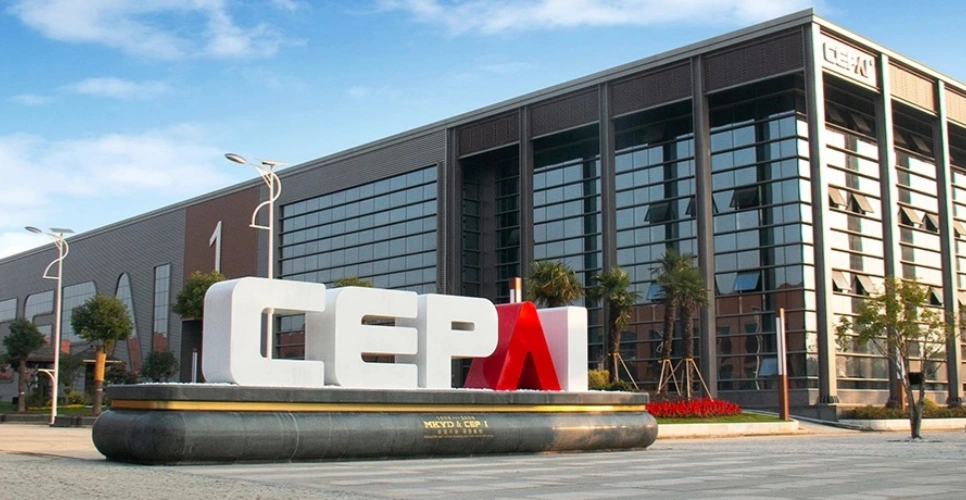
Modern production machinery and quality control systems are used in our manufacturing facilities to guarantee constant product quality. Multiple product certifications, API Q1, and ISO 9001 attest to our dedication to superior production and ongoing development.
Sleeve-type regulating valves, throttle valves, high-pressure double disc check valves, and emergency shut-off valves made especially for oil and gas applications are examples of specialized product lines. Strict testing procedures are used on these goods to confirm their functionality in harsh working environments.
Global Certification Portfolio
CEPAI maintains comprehensive certification coverage including API 6A, API 6D, API 16C, API 602, ISO 9001, ISO 14001, ISO 45001, ISO 3834, ISO 17025, CE, and PED certifications. This extensive certification portfolio demonstrates our commitment to meeting international standards and regulatory requirements.
Our quality management systems encompass all aspects of product development, manufacturing, control valve and testing. Continuous improvement initiatives ensure our processes evolve to meet changing industry requirements while maintaining cost competitiveness.
Engineering Excellence and Innovation
Customization for specific applications and new technological needs is made possible by product development capabilities. Our engineering team works with clients to provide optimal solutions that tackle certain operational problems and performance goals.
Application engineering help, installation advice, and continuous operational support are examples of technical support services. This all-inclusive strategy minimizes total cost of ownership while guaranteeing clients excellent valve performance throughout the course of the product lifespan.
Conclusion
The choice between Chinese and American control valve suppliers requires careful evaluation of cost, performance, and support factors specific to each application. Chinese manufacturers like CEPAI have achieved significant quality improvements while maintaining competitive pricing advantages, making them viable options for demanding industrial applications. American suppliers continue to offer premium engineering support and established aftermarket networks that provide value for critical applications. Successful procurement decisions balance these factors based on specific project requirements, risk tolerance, and long-term operational objectives.
FAQ
1. What are the main quality differences between Chinese and American control valves?
Modern Chinese manufacturers have achieved quality standards comparable to American suppliers through comprehensive certification programs and advanced manufacturing processes. The key differences lie in engineering support depth, aftermarket service networks, and customization capabilities rather than fundamental quality gaps.
2. How do lead times compare between Chinese and US control valve suppliers?
Chinese manufacturers typically offer shorter lead times for standard products due to higher production capacity and inventory levels. American suppliers may require longer lead times but often provide more reliable delivery schedules and better communication throughout the manufacturing process.
3. Which actuator type works best for different control valve applications?
Pneumatic actuators excel in hazardous environments where electrical equipment poses safety risks, while electric actuators provide superior positioning accuracy and integration capabilities with digital control systems. The choice depends on safety requirements, precision needs, and available utilities at the installation site.
Partner with CEPAI for Superior Control Valve Solutions
CEPAI delivers exceptional value through our comprehensive control valve manufacturer capabilities, combining competitive pricing with rigorous quality standards. Our API-certified product lines and extensive technical support ensure optimal performance for your critical applications. Contact our engineering team at cepai@cepai.com for customized quotations and technical consultation tailored to your specific requirements.

References
1. Smith, J.A. "Global Control Valve Market Analysis: Manufacturing Trends and Quality Benchmarks." Industrial Valve Technology Journal, 2024.
2. Chen, L.M. "Comparative Study of International Control Valve Standards and Certification Requirements." Process Control Engineering Quarterly, 2023.
3. Rodriguez, M.E. "Total Cost of Ownership Analysis for Industrial Control Valves in Oil and Gas Applications." Energy Engineering Review, 2024.
4. Wang, H.D. "Evolution of Chinese Manufacturing Quality in Industrial Automation Components." International Manufacturing Excellence, 2023.
5. Thompson, R.K. "Performance Reliability Analysis of Control Valves in Critical Process Applications." Chemical Engineering Progress, 2024.
6. Johnson, P.L. "Supply Chain Strategies for Control Valve Procurement in Global Markets." Industrial Procurement Management, 2023.
_1746598531170.webp)
Get professional pre-sales technical consultation and valve selection services, customized solution services.
About CEPAI