Where Japan Engineers Source Precision Control Valves in China?
Through well-known industrial centers like Jiangsu Province, Shandong Province, and Zhejiang Province, where specialist manufacturers like CEPAI maintain extensive production facilities, Japanese engineers largely purchase precision control valves from China. These areas focus on sophisticated flow control system manufacturing capabilities, providing direct access to API-certified vendors who are aware of the exacting standards of Japanese quality. In order to guarantee dependable supply chains for crucial valve applications, engineers usually build procurement ties via certified B2B platforms, industry trade events, and direct manufacturer alliances.

Understanding Precision Control Valves and Their Importance in Japanese Engineering
As automated devices that regulate fluid flow, pressure, and temperature with remarkable accuracy, precision control valves are essential parts of process control systems. These crucial components react to electrical or pneumatic inputs from process controllers and building management systems, serving as the last control points in intricate industrial loops.
A control valve's ability to precisely position itself to modify flow capacity is the key to its functionality. The actuator physically modifies the valve opening to accomplish specified flow rates when a control signal reaches it. For the best system performance, engineers need to comprehend the particular aspects of this connection between valve position and flow output.
Types of Precision Control Valves Favored by Japanese Engineers
Five main valve types are often used in Japanese industrial applications, each of which has unique benefits for certain operating needs:
Globe valves are the gold standard for accurate flow control because of their superior throttling capabilities, which are crucial for applications that need precision flow modification. They are essential in facilities that process chemicals and generate electricity because of their linear motion architecture, which offers excellent control resolution.
Ball valves function very well in situations requiring fast shut-off times and outstanding sealing characteristics. When working with corrosive fluids that are often encountered in petrochemical settings, the spherical disc shape with a central hole provides dependable performance.
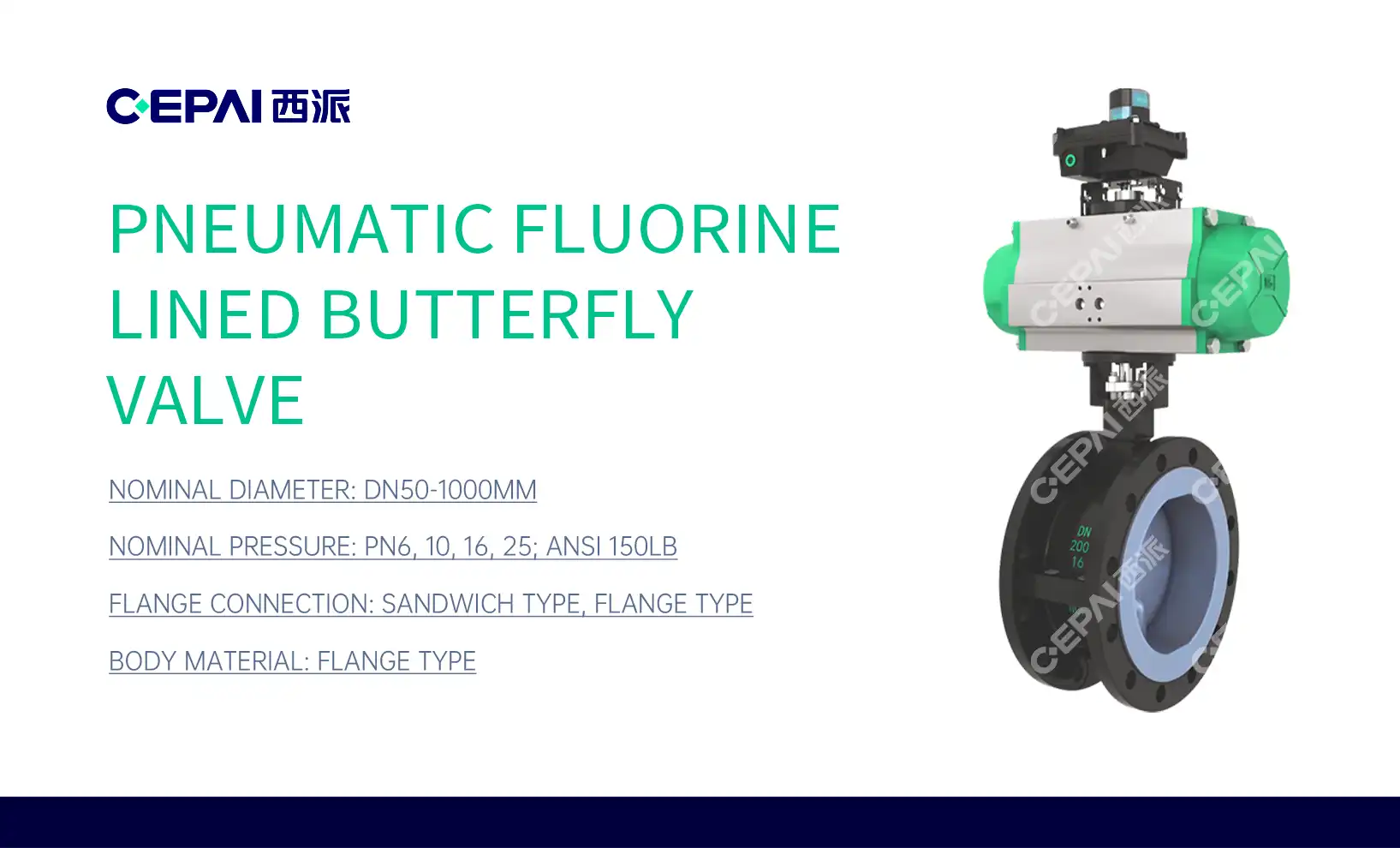
For large-diameter pipeline applications where weight and space concerns are important, butterfly control valves provide affordable options. They are especially useful in water treatment facilities and HVAC systems because of their small size and quick functioning.
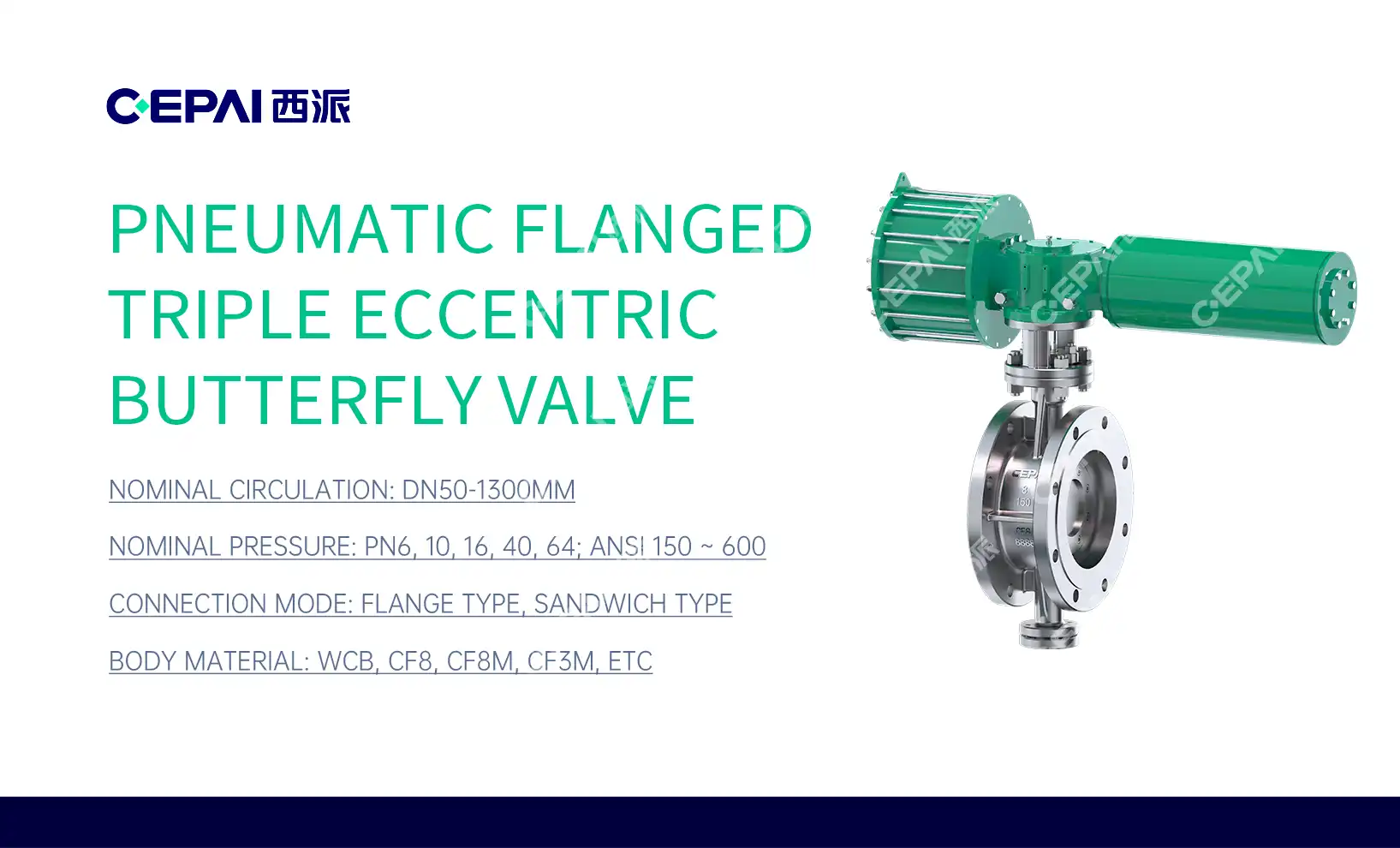
By using compressed air actuation, pneumatic control valves provide quick reaction times and fail-safe placement in the event of a power loss. In safety-critical applications where emergency shutdown capabilities cannot be compromised, these attributes become crucial.
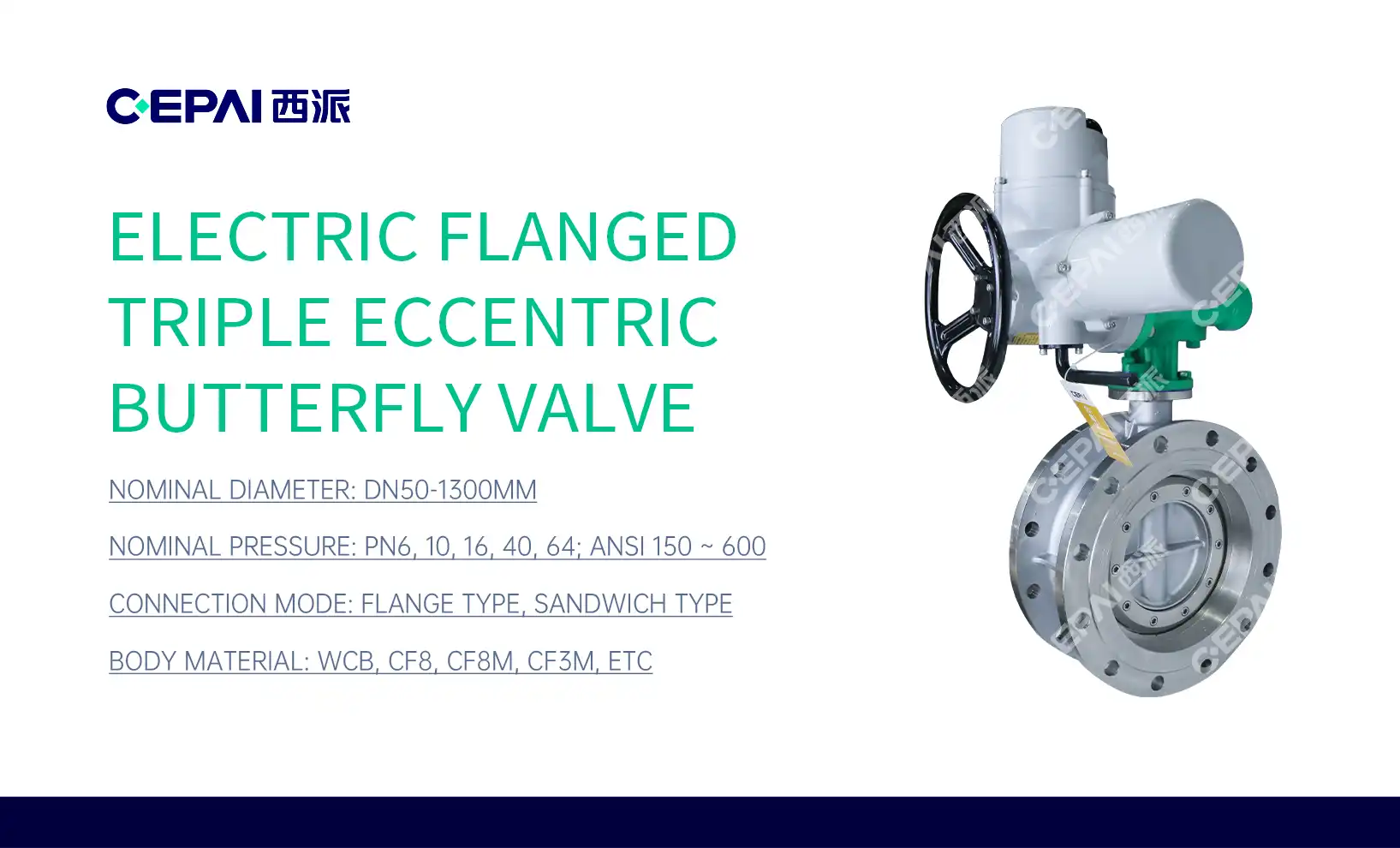
Electric control valves provide configurable operating settings and accurate positional feedback, allowing for smooth integration with digital control systems. Advanced control algorithms that maximize system performance and energy economy are supported by modern electric actuators.
Flow Characteristics and Performance Parameters
It becomes essential to comprehend flow characteristics while choosing the right valve types for certain applications. Stem position and flow rate have direct proportional correlations in linear flow characteristic valves, which provide consistent performance across the working range. Quick-opening valves are perfect for on-off service applications because they provide optimum flow with little stem travel. In variable pressure drop systems, equal percentage valves provide better control stability by producing proportionate flow changes in relation to current flow rates.
How Japanese Engineers Evaluate and Source Control Valves from China
When sourcing precision control valves, Japanese engineers use strict assessment criteria, focusing on technical characteristics that guarantee long-term dependability and peak performance. Their procurement strategy is centered on thorough evaluation techniques that examine supplier skills in addition to fundamental product requirements.
Technical Evaluation Criteria
Japanese procurement choices are based on material compatibility study. To guarantee compatibility with certain process fluids and operating circumstances, engineers look at gasket compounds, valve body materials, and trim choices. Specialized coatings, exotic alloys, and stainless steel grades are given extra consideration when working with harsh chemicals or very high or low temperatures.
Another crucial assessment factor is actuator selection. Based on reaction time requirements, power availability, and integration possibilities with current control systems, engineers evaluate pneumatic vs electric actuation. Final selection choices are influenced by environmental protection ratings, torque production, and positioning precision.
A thorough examination of flow coefficients, pressure drop estimates, and cavitation potential are necessary for appropriate control valve size. To forecast installed valve performance and guarantee sufficient control authority throughout expected operating ranges, Japanese engineers use advanced modeling tools.
Supplier Evaluation and Quality Assessment
In order to attract Japanese customers, Chinese producers must exhibit strong quality control systems and relevant industry certifications. Crucial confidence indications are provided by API (American Petroleum Institute) certifications, such as API 6A for wellhead equipment and API 6D for pipeline valves. Environmental and safety certifications, as well as ISO 9001 quality management systems, greatly enhance supplier profiles.
Verification of manufacturing standards entails thorough facility audits and evaluations of the production process. In order to assess manufacturing capacities, testing apparatus, and quality control practices, Japanese procurement teams often carry out on-site inspections. Performance test results, dimensional inspection reports, and material certifications are all included in the documentation review.
The evaluation of brand dependability takes into account long-term supplier stability and technical support capabilities in addition to immediate product quality. Within comparable industrial sectors, engineers assess existing customer ties, R&D expenditures, and supplier financial stability.
Customization and OEM Services
Chinese producers are excellent at creating solutions that are specifically suited to the engineering needs of Japan. This capacity includes customized actuator combinations, specialist materials, and altered valve designs to solve specific application constraints. Through OEM collaborations, Chinese manufacturing efficiency and cost advantages are leveraged while Japanese corporations are able to set precise performance specifications.
Benefits and Challenges of Procuring Control Valves from Chinese Manufacturers
Japanese procurement specialists looking for dependable suppliers for crucial applications are drawn to China's precision control valve sector because of its strong advantages. Making educated decisions throughout the sourcing process is made possible by having a thorough understanding of both the advantages and potential drawbacks.
Significant Manufacturing Advantages
The most evident advantage of purchasing from Chinese manufacturers is cost-effectiveness. Competitive price is made possible without sacrificing quality standards because to labor cost benefits, effective manufacturing techniques, and economies of scale. Large-scale projects where valve numbers warrant forming specialized supplier relationships benefit most from this pricing structure.
Leading Chinese valve manufacturers use cutting-edge manufacturing technology. Continuous quality and dimensional correctness are guaranteed by state-of-the-art CNC machining facilities, automated welding systems, and computerized testing apparatus. Throughout industrial processes, real-time production monitoring and quality control are made possible by investments in Industry 4.0 technology.
For complicated projects needing a variety of valve types, comprehensive product ranges enable single-source procurement. Chinese producers often keep large stockpiles and adaptable production schedules to meet changing delivery demands and urgent replacement requirements.
Together, these benefits meet the fundamental needs of Japanese engineers, who expect dependable performance and efficient project budget management.
Potential Implementation Challenges
Sometimes it's difficult to maintain quality consistency when dealing with younger suppliers or when production is expanding quickly. Incoming inspection protocols, frequent quality audits, and well-defined requirements all aid in reducing these risks and fostering enduring supplier partnerships.
After-sale support Chinese manufacturers' control valve response might differ greatly from one another. Japanese businesses gain from choosing suppliers that have established service networks and specialized foreign support teams that provide prompt technical help and control valve replacement parts.
Careful preparation is necessary for logistics coordination in order to guarantee efficient delivery schedules and accurate documentation. Project schedule delays may be avoided by being aware of Chinese export policies, shipping options, and customs regulations.
Successful Sourcing Case Study
A Jiangsu-based manufacturer and a large Japanese petrochemical business successfully collaborated to provide specialized high-temperature control valves for a new refinery project. Pilot production runs that confirmed performance requirements, material qualification testing, and lengthy technical discussions were all part of the partnership. Beyond initial expectations, the Chinese provider offered thorough documentation, on-site installation assistance, and continuing maintenance services. This collaboration serves as an example of how effective relationship management and supplier selection may lead to successful solutions for intricate valve applications.
Precision Control Valve Solutions for Japanese Engineering Excellence
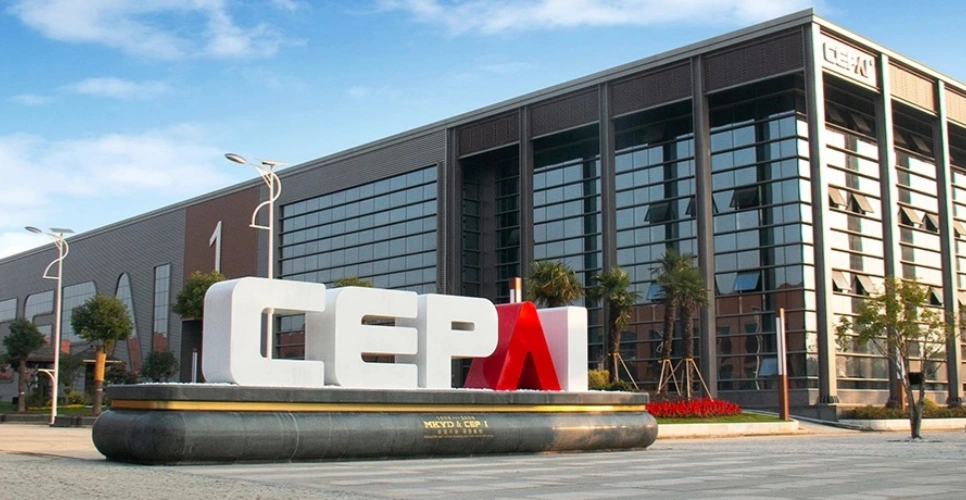
A renowned high-tech company, CEPAI specializes in complete valve systems made especially for challenging industrial applications. Our experience includes the design, development, and production of precision instruments, pipeline valves, regulating valves, and wellhead devices that satisfy the high standards demanded by Japanese engineering experts.
Comprehensive Product Range and Capabilities
We can manufacture a variety of valve types that are necessary for contemporary industrial processes. Christmas tree systems and wellhead assemblies use cutting-edge materials and precise machining to guarantee dependable performance in difficult drilling conditions. Gate valves, ball valves, and check valves are examples of pipeline valve systems designed for extended service life and low maintenance needs.
One area of expertise where CEPAI shines in offering specialized flow control solutions is regulating valve technology. Our throttle valves, emergency shut-off valves, and sleeve-type regulating valves provide outstanding precision and responsiveness while integrating easily with contemporary control systems.
Our valve offers are complemented with instrumentation devices, which provide extensive monitoring and control capabilities. Our valve systems combine with temperature sensors, flow meters, and pressure transmitters to provide integrated solutions that maximize process safety and efficiency.
Quality Certifications and Manufacturing Standards
As evidence of our dedication to global quality standards, CEPAI has extensive control valve certification portfolios. Our certifications, which guarantee adherence to the standards of the petroleum sector, include API Q1, API 6A, API 6D, API 16C, and API 602. Quality management (ISO 9001), environmental management (ISO 14001), occupational health and safety (ISO 45001), welding quality (ISO 3834), and testing laboratory competence (ISO 17025) are all covered by ISO certificates.
Our methodical commitment to quality assurance and ongoing development is reflected in these certifications. Frequent third-party audits promote operational excellence throughout our production processes and guarantee continued compliance. PR2 certifications and CE marking allow for easy integration into multinational projects and European markets.
Customization Services and Technical Support
CEPAI offers comprehensive customization services that cater to specific application needs since it recognizes that Japanese engineers often need bespoke solutions. In order to create customized designs, select suitable materials, and maximize performance characteristics for particular operating situations, our technical team works directly with customers.
All phases of the product lifespan are covered by technical assistance, from the creation of the original specifications to installation, commissioning, and continuing upkeep. Our committed support staff offers prompt technical help, field service support, and thorough documentation to enable seamless project execution.
How to Choose and Procure the Right Control Valve for Your Application
A methodical assessment of many technical and operational aspects that affect long-term performance and cost-effectiveness is necessary when choosing suitable control valve systems. This all-inclusive strategy minimizes lifetime expenses and maintenance needs while guaranteeing optimum valve performance.
Critical Selection Parameters
The primary starting point for appropriate selection is valve size. Based on fluid characteristics, available pressure drops, and maximum and lowest flow rates, engineers must precisely compute the necessary flow coefficients. While inadequate valves limit system capacity and result in excessive pressure losses, oversized valves cause poor control stability and higher energy usage.
The choice of material is influenced by requirements for corrosion resistance, operating temperature ranges, and fluid compatibility. While unusual alloys are required for harsh chemicals or harsh working conditions, stainless steel grades provide outstanding general-purpose performance. Similar compatibility analyses are needed for gasket and seal materials to guarantee leak-tight performance for the course of their service lives.
The choice of actuator technology strikes a compromise between integration capabilities, power availability, and reaction time requirements. Pneumatic actuators are perfect for safety-critical applications because they provide quick reaction times and fail-safe placement during power outages. Applications needing complex control algorithms benefit from electric actuators' accurate positioning control and simple integration with digital control systems.

Procurement Process and Cost Considerations
Detailed specification papers that precisely outline technical needs, quality standards, and delivery expectations are necessary in order to get accurate estimates. Thorough specifications guarantee competitive pricing based on comparable scope definitions and minimize misunderstandings.
Control valve installation costs, maintenance needs, and energy use over the valve's functioning life are examples of cost factors that go beyond original purchase pricing. Making well-informed choices that maximize long-term value rather than minimize upfront costs is made possible by having a thorough understanding of total cost of ownership.
When valves are key route items in bigger projects, delivery timing coordination becomes very crucial. Project delays brought on by unforeseen supply chain interruptions are avoided by setting reasonable lead periods and upholding contingency planning.
Maintenance and Performance Optimization
While preserving ideal performance characteristics, proper maintenance procedures greatly increase valve service life. Actuator lubrication, packing modifications, and calibration verification should all be part of routine inspection schedules to stop little problems from becoming bigger ones.
Maintenance personnel may find and fix typical operational problems more rapidly when they follow troubleshooting recommendations. Proactive maintenance that reduces unscheduled downtime and emergency repair expenses is made possible by an understanding of common failure mechanisms and associated symptoms.
Throughout the valve's service life, accuracy is maintained by performance monitoring through routine calibration tests and flow verification. Keeping track of performance trends makes it easier to forecast maintenance requirements and schedule replacements for optimal financial gain.
Conclusion
Japanese engineers successfully source precision control valves from established Chinese manufacturing regions, particularly Jiangsu, Shandong, and Zhejiang provinces, where companies like CEPAI maintain advanced production facilities and comprehensive quality certifications. The sourcing process emphasizes rigorous supplier evaluation, focusing on API certifications, material compatibility, and customization capabilities that meet demanding Japanese engineering standards. Chinese manufacturers provide significant advantages including cost-effective pricing, advanced production technologies, and flexible customization services, while potential challenges around quality consistency and after-sales support can be effectively managed through proper supplier selection and relationship development. Success requires understanding technical specifications, procurement processes, and long-term partnership development that ensures reliable supply chains for critical valve applications.
FAQs
1. Why do Japanese engineers choose China as a sourcing destination for precision control valves?
Chinese manufacturers offer an attractive combination of competitive pricing, advanced manufacturing capabilities, and comprehensive product portfolios that address diverse industrial requirements. Leading Chinese companies maintain international quality certifications including API and ISO standards that meet Japanese engineering requirements. The mature industrial infrastructure in key manufacturing regions provides reliable supply chains and technical support capabilities that Japanese companies value for long-term partnerships.
2. What are the key differences between pneumatic and electric control valve technologies?
Pneumatic actuators utilize compressed air for operation, providing fast response times and inherent fail-safe positioning during power outages. They excel in explosive environments where electrical equipment poses safety concerns. Electric actuators offer precise positioning control, easy integration with digital control systems, and sophisticated feedback capabilities that enable advanced control strategies. Electric systems typically provide better energy efficiency and reduced maintenance requirements compared to pneumatic alternatives.
3. What are typical delivery schedules and warranty policies when sourcing from Chinese manufacturers?
Standard delivery schedules range from 8-12 weeks for common valve configurations, while customized solutions may require 12-16 weeks depending on complexity. Express delivery options can reduce lead times to 4-6 weeks for critical applications. Warranty policies typically provide 12-18 months coverage from delivery date, including material defects and manufacturing workmanship. Extended warranty options and comprehensive after-sales support packages are available through established manufacturers like CEPAI who maintain international service networks.
Connect with CEPAI for Your Precision Control Valve Requirements
CEPAI delivers exceptional precision control valve solutions that meet the demanding requirements of Japanese engineering applications. Our comprehensive product range includes wellhead assemblies, regulating valves, and specialized instrumentation backed by extensive API certifications and proven performance in critical applications. Contact our experienced engineering team at cepai@cepai.com to discuss your specific requirements and discover how our control valve manufacturer capabilities can optimize your project outcomes

References
1. "Precision Control Valve Technology in Japanese Industrial Applications: A Comprehensive Analysis of Sourcing Strategies and Manufacturing Standards," Journal of Industrial Engineering and Manufacturing Technology, 2023.
2. "China-Japan Industrial Cooperation in Valve Manufacturing: Market Trends and Quality Assessment," International Trade and Manufacturing Review, 2023.
3. "API Certification Standards for Control Valves in Oil and Gas Applications: Implementation Guidelines for Asian Markets," Petroleum Engineering International, 2023.
4. "Supply Chain Management for Precision Control Equipment: Best Practices in Japan-China B2B Procurement," Asian Manufacturing and Logistics Quarterly, 2023.
5. "Advanced Manufacturing Technologies in Chinese Valve Production: Impact on International Quality Standards," Industrial Technology and Innovation Review, 2023.
6. "Cost-Benefit Analysis of International Valve Sourcing: Japanese Engineering Perspectives on Chinese Manufacturing Capabilities," Global Engineering Economics Review, 2023.
_1746598531170.webp)
Get professional pre-sales technical consultation and valve selection services, customized solution services.
About CEPAI