Top Industrial Control Valve Factories in China for Oil & Gas
China has become a world leader in the production of superior industrial control valves for the oil and gas industry, providing cutting-edge technical solutions that adhere to strict international requirements. Prominent Chinese producers provide complete valve solutions, such as globe valves, ball valves, and specialist wellhead equipment, by fusing state-of-the-art technology with affordable prices. These manufacturers provide items certified to API, ISO, and other important industry standards to major oil exploration firms, pipeline operators, and refining facilities throughout the globe. Chinese valve manufacturers are favored partners for international B2B procurement experts looking for dependable flow control solutions for demanding oil and gas applications because to their strong production capabilities, substantial R&D expenditures, and demonstrated track records.

Leading Industrial Control Valve Factories in China for Oil & Gas
A number of top-notch facilities in China's valve manufacturing industry have made a name for themselves as reliable suppliers to international oil and gas companies. These producers provide complete valve solutions by fusing decades of technical experience with cutting-edge manufacturing capabilities.
Premier Valve Manufacturing Centers
Major industrial locations are home to a concentration of top valve manufacturers, with facilities in the provinces of Jiangsu, Zhejiang, and Shandong spearheading technical advancement. To guarantee constant product performance, these manufacturing facilities have made significant investments in automated production lines, cutting-edge testing facilities, and quality assurance systems.
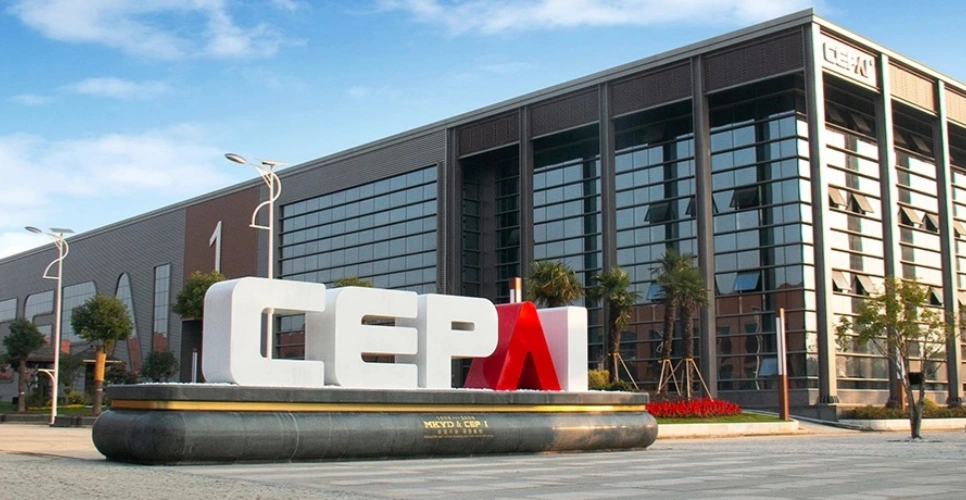
CEPAI is one of the leading manufacturers with a focus on regulating valve systems, pipeline valves, industrial control valves, and wellhead devices designed for oil and gas applications. The company's dedication to worldwide quality standards is shown by its extensive certifications, which include ISO 9001, API Q1, API 6A, API 6D, and API 16C. Sleeve-type regulating valves, throttle valves, high-pressure double disc check valves, and emergency shut-off valves that meet demanding onshore and offshore applications are all part of their product line.
Specialized facilities that concentrate on certain valve categories, such as automated actuator integration, corrosion-resistant materials, and high-pressure control systems, are other noteworthy producers. By using cutting-edge metals and coatings that can survive the demanding operating conditions common in oil and gas production, these businesses have specialized in materials science.
Technological Capabilities and Specializations
Chinese valve manufacturers can handle difficult oil and gas needs because to their advanced technical skills. Precise flow modeling and optimization are made possible by sophisticated computer-aided design methods, and specialized testing facilities replicate harsh operating conditions such high temperatures, corrosive environments, and pressure cycling.
Automated welding equipment, precise machining facilities, and thorough quality inspection procedures are all part of manufacturing processes. In order to create next-generation valve technologies, such as smart valve systems with integrated monitoring and remote control capabilities, many facilities have specialized research and development departments that work with foreign partners.
Key Types and Applications of Industrial Control Valves in Oil & Gas
To manage differing operating needs throughout several processing stages, the oil and gas sector requires a variety of valve options. Procurement specialists can choose the right valve types for certain operational requirements by being aware of these uses.
Primary Valve Categories for Oil & Gas Operations
Globe valves perform very well in situations that call for precise flow control and throttling. These valves manage high-pressure differentials often seen in process control systems and drilling operations, and they provide excellent shut-off performance. They are appropriate for crucial safety applications where dependable functioning in harsh environments is crucial due to their sturdy design.
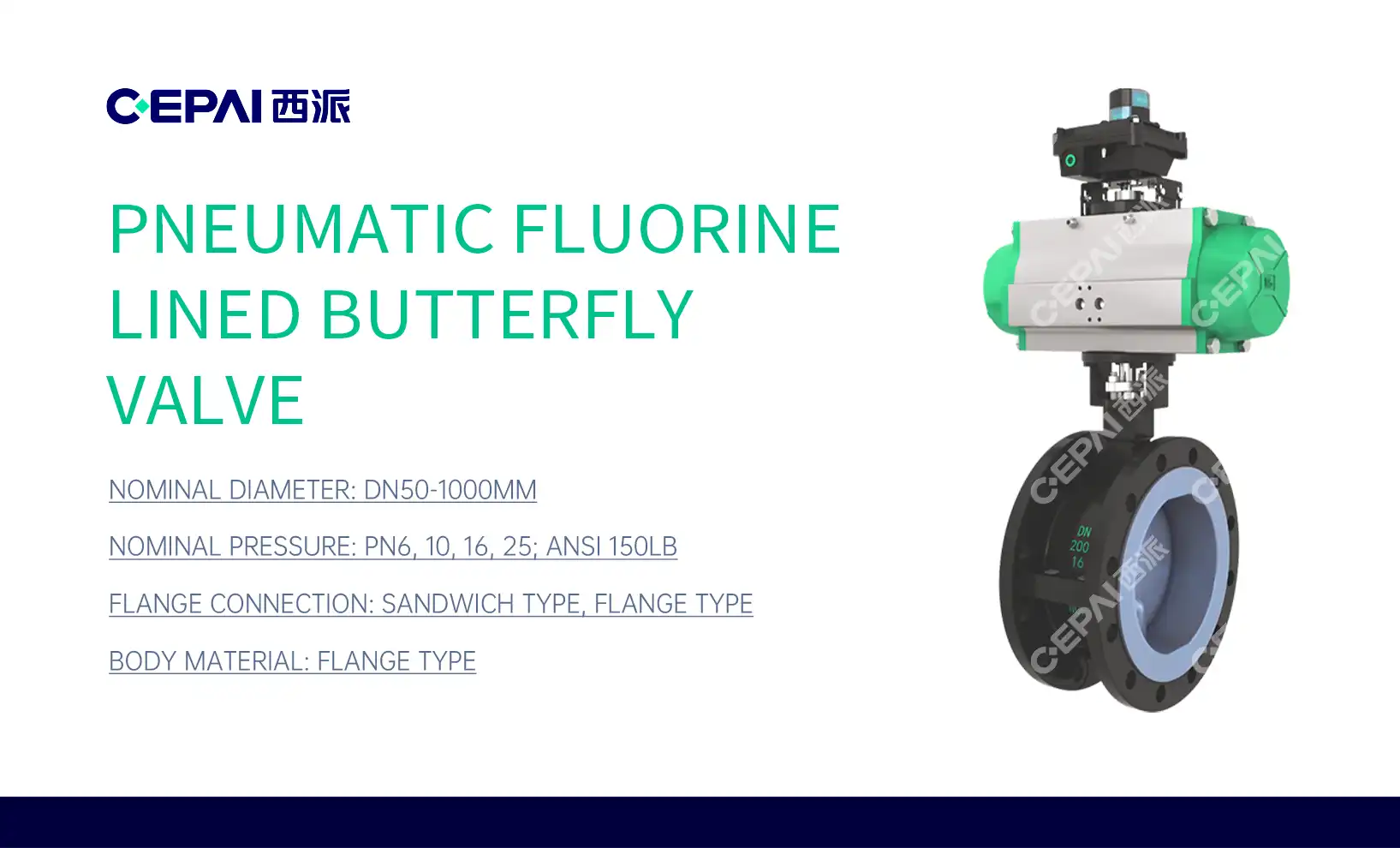
Ball valves are perfect for pipeline applications and emergency isolation systems because of their quick shut-off capabilities and superior flow characteristics. While its design reduces pressure loss across the valve body, quarter-turn operation allows for the rapid reaction times necessary for safety systems. The anti-static and fire-safe properties needed for hydrocarbon use are included into modern ball valve designs.
For large-diameter pipeline applications where weight and space restrictions are crucial, butterfly valves provide affordable alternatives. Although sophisticated designs may withstand rigorous service conditions when correctly specified, their small size and comparatively cheap cost make them appealing for non-critical applications.
Actuator Technologies and Control Systems
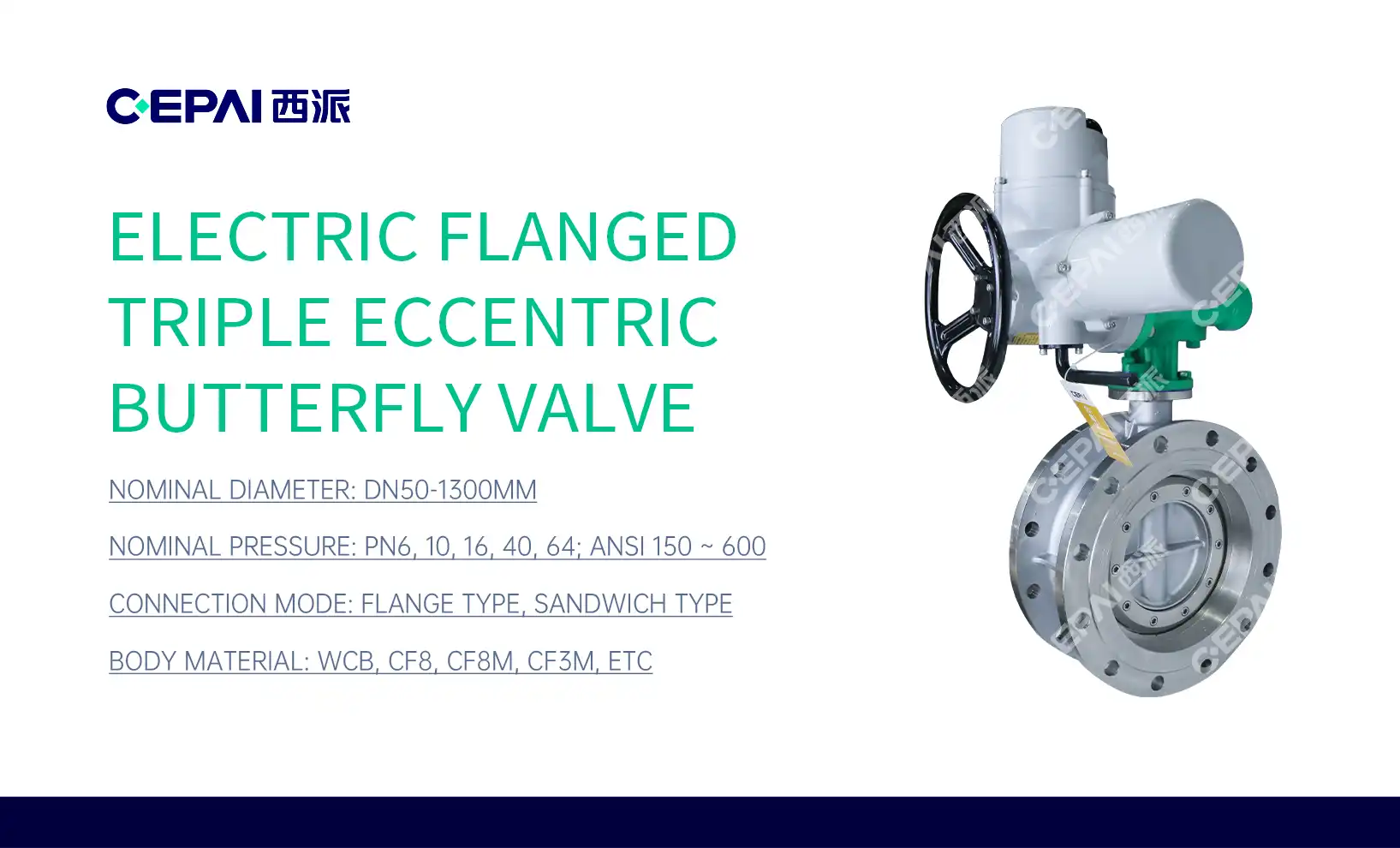
Because of its ability to precisely position and integrate with digital control systems, electric actuators have become more and more widespread. Excellent repeatability and the flexibility to integrate complex control algorithms that enhance valve performance depending on process conditions are features of these actuators. Pneumatic supply infrastructure is no longer necessary with electric systems, which simplifies installation in distant areas.
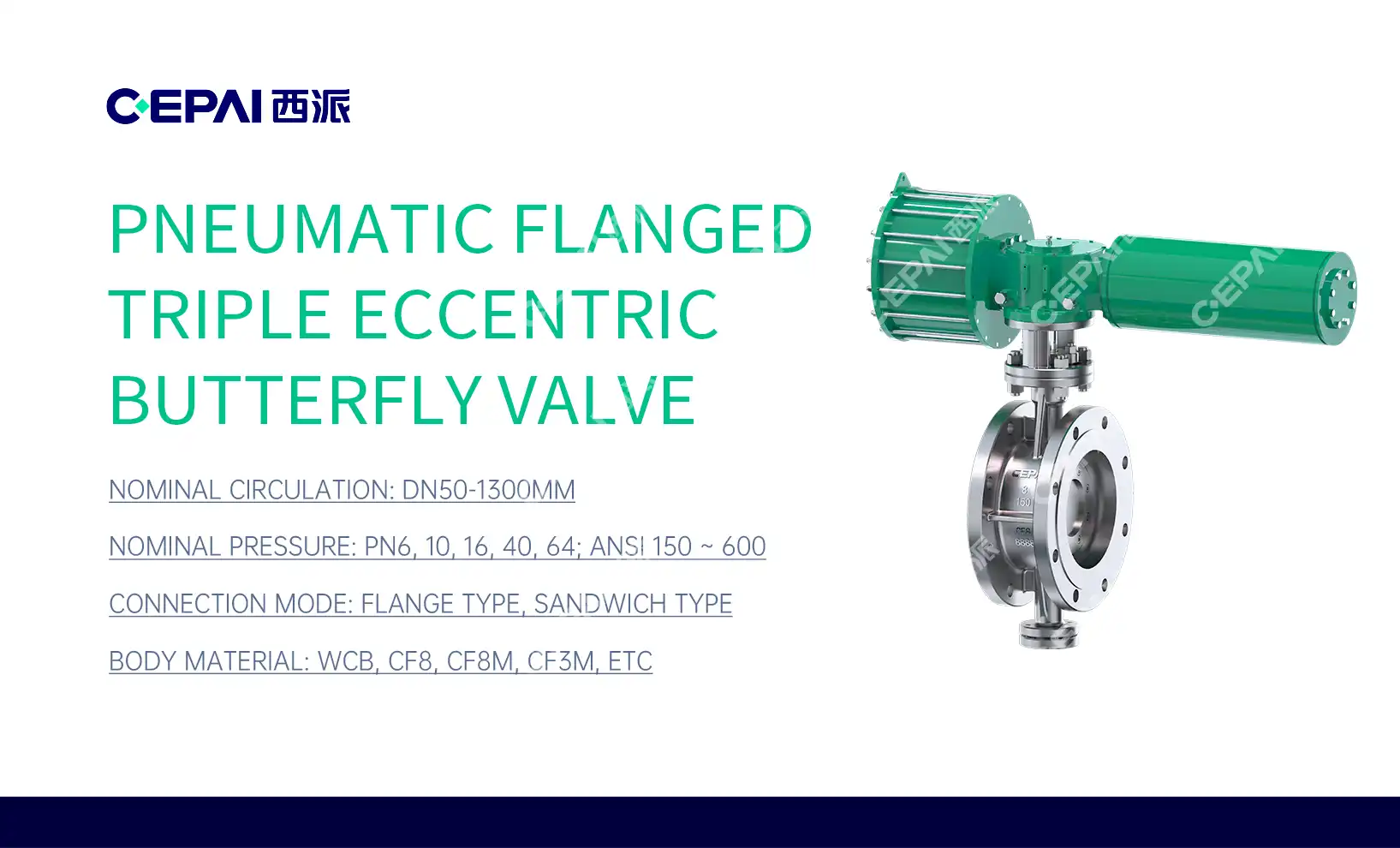
Because of their quick reaction times and intrinsic safety features, pneumatic actuators are still often used in industrial control valve applications. Large valve assemblies are handled by high-torque capabilities, while industrial control valves with spring-return designs operate failsafely during power outages. When it comes to industrial control valves in hazardous areas where electrical equipment has to have comprehensive safety certifications, pneumatic systems perform very well.
Hydraulic actuators are used in specialty applications that need to operate in subsea settings or provide exceptionally high force outputs. Under the high pressure conditions common in deepwater drilling operations, these systems can function dependably and provide precise control.
Material Engineering for Harsh Environments
For oil and gas applications, advanced metallurgy is essential to valve performance. For sour gas service, stainless steel grades like 316L and duplex alloys provide exceptional corrosion resistance, and specific coatings and surface treatments prolong operating life in demanding situations.
Although appropriate material selection requires careful consideration of operating variables such as temperature, pressure, and fluid compatibility, carbon steel is nevertheless cost-effective for conventional applications. Extreme applications requiring high temperatures and harsh chemicals common in refining operations are served by exotic alloys like as Inconel and Hastelloy.
How to Select and Procure Industrial Control Valves from Chinese Factories
A thorough assessment of supplier capabilities, product quality, and long-term support infrastructure is necessary for the successful purchase of valve systems from Chinese producers. Several evaluation criteria are used in this process to make sure the chosen suppliers can fulfill both short-term and long-term operating needs.
Supplier Evaluation Criteria
Fundamental assurance of production standards and process control is offered by quality certifications. While ISO certificates show methodical quality control, API certifications show adherence to petroleum sector regulations. To make sure that the necessary product categories are covered, procurement experts should confirm the authenticity and extent of certifications.
Evaluating manufacturing capabilities, equipment sophistication, and capacity planning systems are all part of the industrial control valve production capacity assessment process. Insights into manufacturing processes, quality control methods, and the capacity to manage big orders while adhering to delivery deadlines may be obtained via site visits or thorough facility audits.
For specialized applications or technological changes, engineering support skills become essential. It is important for suppliers to show that they have technical resources, design software skills, and expertise with related applications. Professional engineering procedures are shown by the completeness and quality of technical documentation.
Procurement Process Management
Detailed specifications, operational circumstances, and delivery criteria should all be included in the request for quote development. Accurate pricing and fewer misconceptions are made possible by clear communication of technical needs. Clear expectations for supplier answers are established by including acceptance criteria and performance goals.
Verification of technical specifications necessitates carefully comparing suggested fixes to operational needs. Comprehensive engineering calculations, material certifications, and testing protocols must to be supplied by suppliers. For high-value or safety-critical applications, independent verification of crucial requirements could be justified.
Transportation planning, customs clearance, and delivery timing are all part of logistics coordination. Although purchasers should be aware of their duties for insurance, inspection, and regulatory compliance in destination countries, Chinese producers usually provide extensive export services.
CEPAI: Your Trusted Industrial Control Valve Partner
For the international oil and gas sector, CEPAI offers decades of specialized knowledge in the development and production of cutting-edge valve systems. From wellhead assemblies and choke valves to complex regulating systems and emergency shut-off devices, our extensive product line covers the full range of flow control needs.
Advanced Engineering and Manufacturing Capabilities
The most recent production technology, like as automated welding systems, precise CNC machining centers, and extensive testing equipment, are integrated into our cutting-edge manufacturing facilities. With the use of these skills, we can create valve assemblies that satisfy the most exacting requirements while maintaining a high level of quality across lengthy production runs.

The engineering team at CEPAI creates specialized solutions for particular applications by fusing cutting-edge design technologies with a wealth of industry knowledge. Our design skills include lifecycle optimization, stress analysis, and flow modeling to guarantee valve systems operate dependably for the duration of their useful lives.
Comprehensive Certification and Quality Assurance
API Q1, API 6A, API 6D, API 16C, API 602, ISO 9001, ISO 14001, ISO 45001, ISO 3834, ISO 17025, CE, and PR2 are only a few of the many international certifications held by CEPAI. These certificates guarantee constant quality and performance and show our dedication to upholding international standards.
From the examination of incoming materials to the final testing and documentation, our quality management systems cover every facet of the manufacture of industrial control valves. Thorough traceability systems guarantee thorough recording of production procedures and provide prompt resolution of any quality issues.
Global Service and Support Network
Given the importance of valve performance in oil and gas operations, CEPAI has created a robust support system that offers field service capabilities, spare parts availability, and prompt technical help. Regardless of where they operate, our worldwide network guarantees that clients get timely assistance.
Each valve assembly comes with technical paperwork that includes thorough installation instructions, maintenance protocols, and troubleshooting manuals. Throughout the product lifespan, our technical staff is always accessible for consultation, guaranteeing peak performance and resolving any potential operational issues.
Conclusion
The production of industrial control valves in China offers a strong blend of cutting-edge technology, affordable prices, and extensive service capabilities that meet the exacting demands of contemporary oil and gas operations. Prominent Chinese producers have made significant investments in manufacturing facilities, technical skills, and quality systems to compete with well-established international rivals.
It is necessary to carefully consider technical competence, quality certifications, and long-term support infrastructure when choosing valve providers. Businesses such as CEPAI show how Chinese producers have developed to provide complete solutions that satisfy global requirements and offer outstanding value.
Understanding Chinese valve manufacturers' capabilities, setting precise requirements, and cultivating cooperative partnerships that go beyond the initial equipment delivery are all necessary for successful purchase. Procurement experts in the oil and gas sector looking for dependable valve solutions for crucial applications find Chinese manufacturers to be appealing partners because to their reasonable price, technical competence, and prompt assistance.
FAQ
1. What certifications should I look for when selecting Chinese valve manufacturers?
Key certifications include API Q1, API 6A, API 6D for oil and gas applications, along with ISO 9001 for quality management. These certifications demonstrate compliance with international standards and systematic quality control processes essential for reliable valve performance.
2. How do Chinese valve manufacturers compare in terms of lead times and delivery reliability?
Leading Chinese manufacturers typically offer competitive lead times of 8-16 weeks for standard valve assemblies, with expedited options available for urgent requirements. Established suppliers maintain robust supply chain management and production planning systems that ensure reliable delivery performance.
3. What materials and specifications are available for corrosive service applications?
Chinese manufacturers offer comprehensive material options including stainless steel grades, duplex alloys, and exotic materials like Inconel for extreme service conditions. Material selection should be based on specific operating conditions including temperature, pressure, and chemical compatibility requirements.
4. What type of technical support can I expect from Chinese valve suppliers?
Professional Chinese manufacturers provide comprehensive technical support including engineering consultation, installation guidance, maintenance training, and troubleshooting assistance. Many maintain international service networks or partnerships to ensure responsive local support.
Ready to Source Premium Industrial Control Valve Solutions?
CEPAI combines decades of engineering expertise with advanced manufacturing capabilities to deliver reliable valve solutions that meet the most demanding oil and gas applications. Our comprehensive product portfolio includes wellhead assemblies, regulating valves, and specialized control systems backed by extensive international certifications and responsive global support. Whether you need standard valve assemblies or customized solutions for unique applications, our experienced engineering team works closely with customers to optimize performance and value. Contact our industrial control valve specialists today at cepai@cepai.com to explore our complete range of oil and gas valve solutions and discover how CEPAI can enhance your operational reliability and efficiency.

References
1. Smith, Robert A. "Industrial Valve Technology for Petroleum Applications: Manufacturing Excellence in Asia." Journal of Petroleum Equipment Engineering, Vol. 45, No. 3, 2023, pp. 78-92.
2. Chen, Wei and Johnson, Michael K. "Quality Standards and Certification Practices in Chinese Valve Manufacturing." International Standards Review for Oil & Gas Equipment, 2023, pp. 156-171.
3. Anderson, Patricia L. "Supply Chain Management and Procurement Strategies for Industrial Control Valves." Global Energy Procurement Quarterly, Vol. 18, No. 2, 2023, pp. 44-59.
4. Liu, Xiaoming et al. "Advanced Materials and Manufacturing Processes in Modern Valve Technology." Materials Engineering for Energy Applications, 2023, pp. 203-218.
5. Thompson, David R. "Performance Evaluation and Maintenance Strategies for Control Valves in Harsh Environments." Oil & Gas Maintenance Engineering, Vol. 29, No. 4, 2023, pp. 112-128.
6. Zhang, Feng and Williams, Sarah J. "Emerging Trends in Valve Automation and Control Systems for Oil & Gas Operations." Process Control Technology Today, 2023, pp. 87-102.
_1746598531170.webp)
Get professional pre-sales technical consultation and valve selection services, customized solution services.
About CEPAI