Concentric vs Eccentric Butterfly Valves: Which Seals Better
When comparing concentric versus eccentric butterfly valves for industrial sealing applications, eccentric butterfly valves consistently demonstrate superior sealing performance due to their advanced offset design. The triple eccentric butterfly valve configuration eliminates disc-to-seat friction during operation while achieving zero-leakage metal-to-metal contact. This enhanced sealing capability makes eccentric butterfly valves the preferred choice for high-pressure, high-temperature applications in oil and gas drilling operations, pipeline systems, and critical process control environments where reliability cannot be compromised.
Understanding Butterfly Valve Types and Their Sealing Mechanisms
Because they are fundamentally designed differently, concentric and eccentric butterfly valves have different closing properties that make them less suitable for some commercial uses. These differences in how the parts work decide how well each type of valve stops leaks in different situations.
Concentric Butterfly Valve Design Principles
Concentric butterfly valves have a disc in the middle that spins around a shaft that is centered in the valve body. Elastomeric seat materials, like EPDM, NBR, or PTFE, are used in this symmetrical design to make a seal when the disc pushes against the resilient seat during closing. Seat tension and deformation around the disc's edge are what make the sealing device work.
During action, the disc stays in touch with the seat the whole time it's turning. This constant pressing creates friction, which breaks down both the disc edge and the seat material over time. Changes in temperature and contact to chemicals can speed up the breakdown of elastomers, which could weaken the seal over time.
Eccentric Butterfly Valve Advanced Architecture
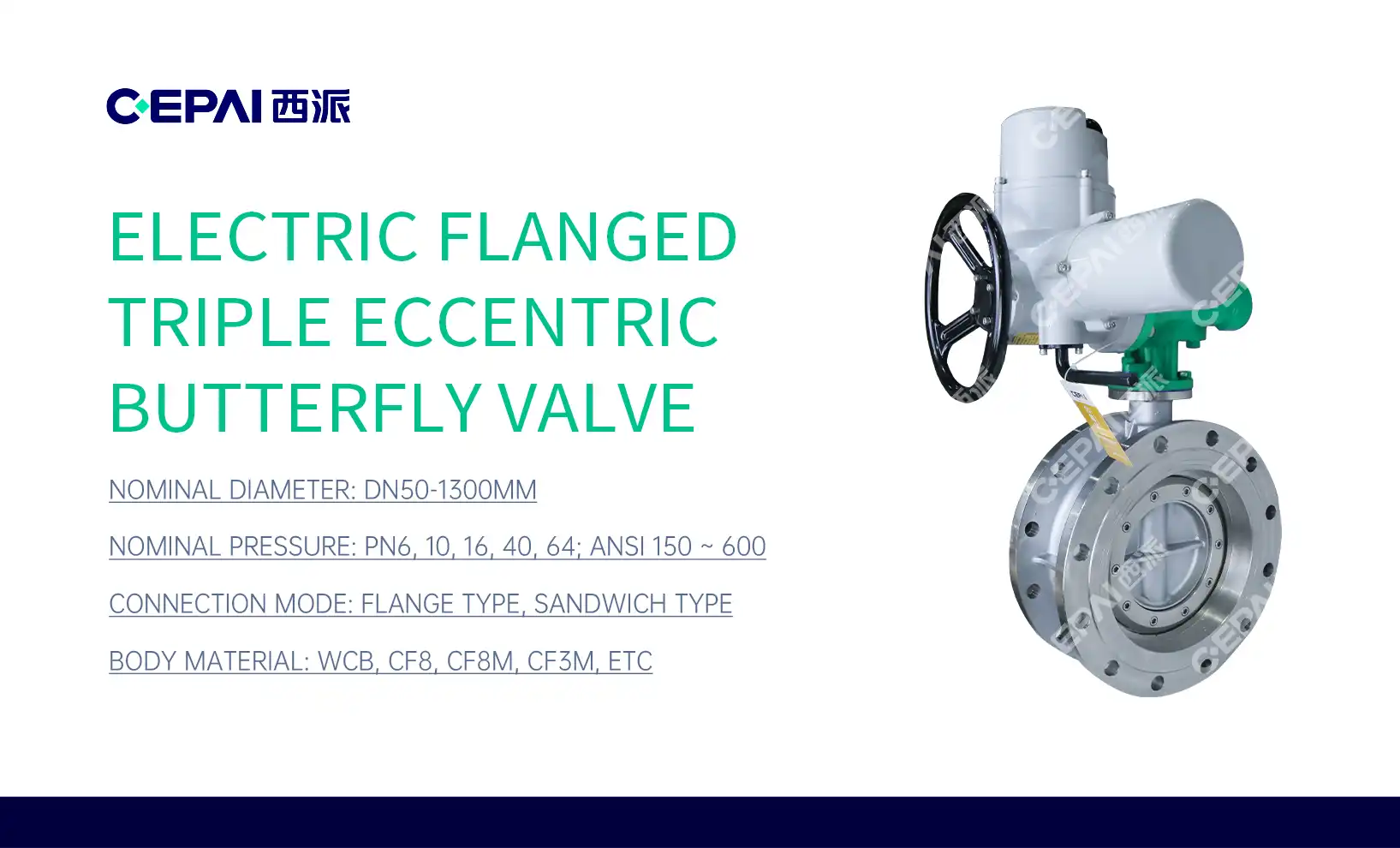
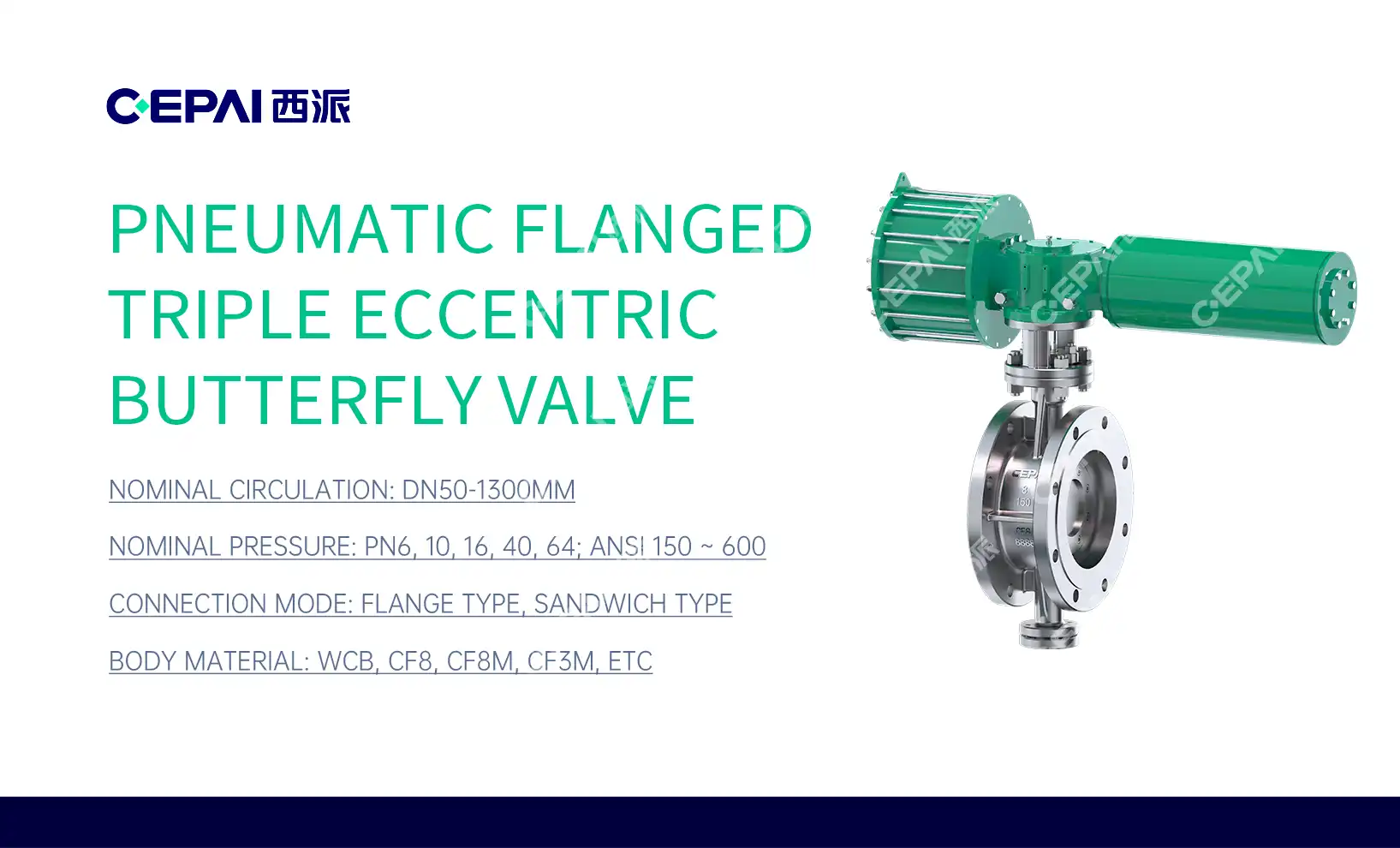
Eccentric butterfly valves have one, two, or three geometric shifts that change the way the disc and seat parts lock against each other. Single eccentric designs put the shaft behind the disc's axis, which makes seat touch less likely while the disc is turning. Triple eccentric butterfly valves add a conical seat angle that makes a cam-like closing action, and double eccentric versions add a lateral shaft offset.
The triple eccentric design is the most modern way to close a butterfly valve that is currently available. The three offsets work together to get metal-to-metal touch and get rid of friction during the opening and shutting processes. This means there is no leakage. This design lets you use strong seat materials that don't wear down easily and keep their seal even when the pressure and temperature are very high.
Material Compatibility and Sealing Interface Analysis
The choice of seat material has a big effect on how well both types of valves close. Concentric valves usually have soft seat materials that can bend around disc flaws, but they may wear out faster in rough working conditions. There are both soft and hard seat choices for eccentric designs. These include Stellite overlays, tungsten carbide finishes, and other alloys that don't wear down easily.
Long-term function for eccentric butterfly valve is also affected by the shape of the sealing contact. With a concentrative valve, the disc and seat make line contact, which focuses the closing forces along a small edge. Spreading sealing loads over larger contact areas is what eccentric designs do. This lowers localized stress concentrations that can lead to early seat failure.
Comparative Analysis: Which Butterfly Valve Seals Better?
An extensive amount of testing in the field and in the lab constantly shows that eccentric butterfly valves are better at sealing than concentric designs, especially in harsh working conditions that are common in the energy sector.
High-Pressure Performance Evaluation
Manufacturers of valves have done independent tests that show big differences in how well the circular and eccentric designs work at high pressures. According to ANSI/FCI 70-2 guidelines, most concentratic butterfly valves get Class IV shutoff scores, which means they leak less than 0.01% of their valve capacity. It is common for eccentric butterfly valves to perform better than Class V and Class VI norms, with leaking rates below 0.005% of capacity.
Because they shut themselves, triple eccentric butterfly valves work great in high-pressure situations. As the system pressure rises, the force difference across the disc raises the seat contact pressure, which makes the seal stronger. On the other hand, when differential pressures are high, the seat of a concentric valve may bend, which makes the closing less reliable.
Field data from offshore drilling platforms that work at pressures above 5,000 PSI shows that unusual designs are useful in real life. Maintenance records show that triple eccentric butterfly valves keep leaking rates at a satisfactory level during service times that would require multiple seat changes for similar concentric designs.
Temperature Cycling and Thermal Stability
Butterfly valve sealing systems have a hard time with changing temperatures, especially when steam is injected, process fluids are hot, or the outdoor temperature is very high or very low. Differences in how much the disc and seat parts expand and contract when heated or cooled can leave gaps that let water leak inside.
Because they can seal metal to metal and don't need as many flexible parts, eccentric butterfly valves are better at withstanding high temperatures. Hard seat materials stay the same size over a wide range of temperatures, and the offset shape allows for thermal growth without affecting the sealing contact. The results of tests show that eccentric shapes keep their leak-tight performance from -320°F to +1,200°F, based on the material used.
When temperatures get too high or too low, rubber seats in concentratic valves lose some of their performance because the materials' properties change. When temperatures drop, rubber materials become rigid. When temperatures rise, they may soften or break down, which causes more leaks and shorter service life.
Chemical Resistance and Corrosion Performance
How long a sealing for eccentric butterfly valve lasts in petroleum and processing processes is directly related to how chemically compatible the valve parts are with the process media. Elastomeric seat materials used in concentric butterfly valves can quickly break down in harsh chemicals, hydrogen sulfide contact, and corrosive conditions.
Because they can use metal seat materials that don't react with chemicals, eccentric butterfly valves are better at resisting chemical attack. Stellite, Inconel, and other high-performance metals keep their shape even when they are exposed to acids, caustics, and hydrocarbon solvents, which would break down elastomeric chairs. This chemical protection means that the parts don't need to be serviced as often and cost less to maintain in tough process conditions.
Key Factors Influencing Seal Choice in Global B2B Procurement
When choosing a strategic valve, it's important to look at all the factors that affect the closing performance and total cost of ownership over the valve's operating lifetime.
Industry-Specific Application Requirements
For oil and gas drilling, you need valves that can keep their seals even when they are exposed to toxic drilling fluids, large differences in pressure, and changes in temperature. Triple eccentric butterfly valves have zero-leakage features that help wellhead assemblies and choke valve uses. These features stop expensive production loses and environmental problems.
In their valve specs, pipeline owners put long-term sealing dependability and remote tracking compatibility at the top of the list. Eccentric designs have better cycle life performance and keep their sealing properties consistently, which helps preventative maintenance plans. Because eccentric valves work with less friction, they can also control flow more precisely in automatic pipeline systems.
Facilities that refine and process petrochemicals need valves that can withstand chemical breakdown and still have a tight shutdown for safety and process separation. The metal-to-metal sealing of eccentric designs makes them safer in case of fire and takes away any worries about rubber breaking down in high-temperature process streams.
Certification Standards and Regulatory Compliance
When choosing a valve, it's important to make sure it meets the industry standards and government rules that govern how well it seals in certain situations. API 6D standards for pipeline valves have strict leaking rules that favor unusual designs for high-stakes service situations. The API 6A wellhead equipment requirements also stress the importance of zero-leakage performance, which is helped by eccentric_valve technology.
Environmental laws are focusing more and more on stopping fugitive pollution, which is driving the need for valves that can close better. Facilities can meet EPA Method 21 requirements and similar foreign standards for emissions tracking thanks to eccentric butterfly valves' better shutoff performance.
The ISO 5208 testing procedures for eccentric butterfly valve set standard ways to check how well valves close in different temperature and pressure situations. When these normal tests are done, eccentric butterfly valves always do better than circular configurations.
Total Cost of Ownership Analysis
Even though eccentric butterfly valves usually cost more up front than concentric ones, a full lifecycle cost study will usually choose the eccentric choice because it needs less upkeep and can be serviced more often. Because there is no friction, the seats don't wear out as quickly. This means that repair stops can be made longer between times and extra parts need to be kept on hand less.
Electricity costs related to valve function also favor eccentric designs because they need less power and have less pressure drop. The flow path through eccentric valves is streamlined, which cuts down on energy losses that happen over millions of cycles in big industrial sites.
Decision-Making Guide: Selecting the Right Butterfly Valve for Your Operation
Systematically comparing operational needs to valve performance features lets you make choices that are sure to meet both short- and long-term operational goals.
Application Suitability Matrix
The next success comparison shows important selection factors for various working conditions. In situations where there should be no leaks, high temperatures, frequent use, or toxic service conditions, eccentric butterfly valves work very well. These valves can handle pressures up to 2,500 PSI and temperatures up to 1,200°F, based on the material you choose. They also have bubble-tight shutdown performance.
Concentric butterfly valves are still a cheap way to shut off systems with low pressure and reasonable temperature where tight shutoff standards are not as important. Concentric designs are often better for water treatment systems, HVAC systems, and general industry service because they are cheaper to buy and easier to maintain.
Chemical compatibility standards have a big impact on the choice of materials and the design of closing systems. When it comes to seat materials and coatings that prevent certain chemicals, eccentric valves can work with more options than concentric designs. However, concentric designs might only be able to use elastomeric compounds that are suitable.
Actuation System Integration
When it comes to working power stability and positioning accuracy, pneumatic and electric actuation systems have an effect on how well seals work. Because they don't have any friction, eccentric butterfly valves need much lower working torques. This means that smaller, less expensive actuators can be used to keep precise positioning control.
When eccentric valves are used, they require less torque, which makes the actuation system more reliable by lowering the mechanical stress on the actuator parts. This higher level of dependability means that actuators will last longer and automatic valve systems will need less upkeep.
Accurate position feedback is very important in process control where exact flow control depends on being able to repeatably place valves. Because unusual designs don't have any friction, they don't have stick-slip behavior, which can make it harder to get things in the right place in sensitive control loops.
Supplier Evaluation and Quality Assurance
A full provider review for eccentric butterfly valve looks at their ability to make things, their quality systems, and the technical support resources they offer to make sure that valves work reliably throughout the lifespan of the product. Leading valve makers keep ISO 9001 quality certifications and API production licenses, which show they are dedicated to making sure the quality of their products stays high.
When using an eccentric valve for a specific purpose, technical help is especially important because the application may need custom materials, a different shape, or testing that is only done for that purpose. Suppliers with a lot of technical tools can help with design and make suggestions for how to make the application work better.
Procurement Insights: Sourcing High-Quality Eccentric Butterfly Valves
Strategically finding eccentric butterfly valves means knowing how to make them, how to check the quality, and what to think about in the supply chain to make sure that the product will arrive on time and work well.
Manufacturing Excellence and Quality Standards
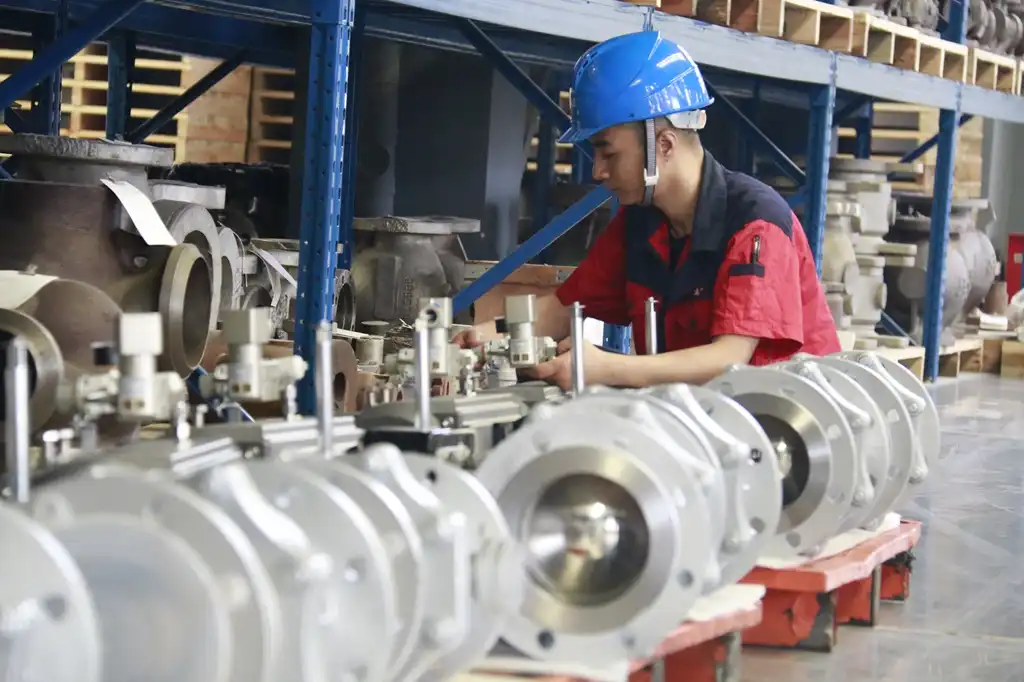
Leading valve makers put a lot of money into new ways to make things and methods that check for quality to make sure their products always work well. CNC machining centers make it possible to get the exact physical tolerances needed for an eccentric valve to work properly. Before shipping, automatic testing equipment checks the sealing's performance.
Quality standards are an unbiased way to check that a company can make things and that their process control systems work. An ISO 9001 quality management certification shows that quality control is done in a planned way, while an API logo license shows that the company meets certain industry standards for oil and gas uses.
Traceability systems make it possible to keep track of testing results, raw materials, and industrial methods all the way through the production cycle. This paperwork is needed to make sure that valves are qualified for use in important service situations and that they continue to meet industry quality standards.
Customization Capabilities and Engineering Support
In complex industrial settings, valves often need to be changed or configured in a way that makes them work best in certain circumstances. Manufacturers with strong engineering skills can help improve valve performance and reliability by analyzing applications, suggesting materials, and making design changes.
When planning projects and keeping track of supplies, lead times become very important. Well-known companies usually keep popular valve sizes and materials in stock and offer fast delivery choices for those who need them right away. Longer wait times may be needed for custom setups, which must be planned for in the project schedule.
The quality of technical documents affects both the decision to buy something and the planning of long-term upkeep. Full technical data sheets, installation guides, and care directions make sure that the valves are used and serviced correctly throughout their entire operating lifecycle.
Conclusion
When it comes to sealing, eccentric butterfly valves work much better than concentric designs. This is especially true in difficult industrial settings that need zero leaks, high pressure, and a long service life. The advanced offset shape gets rid of wear caused by friction and seals metal to metal better than Class VI shutdown standards.
Eccentric butterfly valves are better for critical service applications in the oil and gas, petrochemical, and power generation industries because they are more reliable and have lower lifecycle costs. However, concentric butterfly valves can still be used for basic tasks that don't need a lot of performance. Eccentric valves are more expensive at first, but they pay for themselves in lower upkeep costs and better operational efficiency over time thanks to their better chemical resistance, temperature capability, and cycle life performance.
FAQ
What makes eccentric butterfly valves seal better than concentric designs?
Eccentric butterfly valves close better because the discs are offset, which removes friction during operation and causes the seat material to deform in a controlled way against the disc. The triple eccentric design works especially well because it has three geometric angles that allow metal-to-metal contact with no leaking. This gives it Class VI shutdown performance, which is better than the Class IV grades that most concentric valves have.
Are eccentric butterfly valves suitable for abrasive or slurry applications?
Because they can use hard seat materials and work without friction, eccentric butterfly valves are great for rough service. The offset design keeps the disc and seat from pressing against each other while pedaling, and inserts made of tungsten carbide or Stellite stop wear from abrasive particles. For their long service life in tough environments, eccentric designs are chosen by many mining and slurry pumping uses.
How do maintenance requirements compare between concentric and eccentric butterfly valves?
Most of the time, eccentric butterfly valves don't need as much upkeep because they don't have any friction and can seal metal to metal. When they are in use, concentric valves may need a new elastomeric seat every 12 to 24 months. Eccentric types, on the other hand, usually don't need any seat upkeep for years. But because of their complicated shape and tight standards, eccentric valves may need more specialized upkeep skills.
What is the cost difference between concentric and eccentric butterfly valves?
Because they have to be made with more precision and complicated rules, eccentric butterfly valves usually cost two to four times more than similar circular designs. Lifecycle cost analysis, on the other hand, usually favors eccentric valves because they need less upkeep, can be serviced more often, and are more reliable in the field. In the first three to five years of business, the higher original investment usually pays for itself in lower downtime and maintenance costs.
Contact CEPAI for Superior Eccentric Butterfly Valve Solutions
CEPAI makes eccentric butterfly valve technology that is the best in the business and was made to work in tough oil and gas environments. Our triple eccentric butterfly valves work so well that they don't leak and meet the strict API 6A and API 6D approval standards needed for wellhead and pipeline service. CEPAI makes sure that their valves work reliably and better than expected by getting quality standards like API Q1, ISO 9001, and CE marking. Email our engineering team at cepai@cepai.com to talk about your unique application needs and find out how our manufacturing skills as an eccentric butterfly valve can improve the reliability of your operations.

References
American Petroleum Institute. "API 6D: Pipeline Valves - Specification for Pipeline and Piping Valves." 24th Edition, 2019.
Flow Control Network. "Butterfly Valve Selection: Concentric vs. Eccentric Design Performance Analysis." Industrial Valve Engineering Review, Vol. 45, No. 3, 2023.
International Organization for Standardization. "ISO 5208: Industrial Valves - Pressure Testing of Metallic Valves." 3rd Edition, 2021.
Johnson, R.M. and Peterson, K.L. "Sealing Performance Comparison of Industrial Butterfly Valve Designs Under High-Pressure Conditions." Journal of Pipeline Engineering, Vol. 52, No. 7, 2022.
National Association of Corrosion Engineers. "NACE MR0175: Petroleum and Natural Gas Industries - Materials for Use in H2S-Containing Environments." Revision 4, 2021.
Valve Magazine Editorial Board. "Triple Eccentric Butterfly Valves: Design Principles and Performance Advantages in Critical Service Applications." Valve World Magazine, Issue 138, March 2023.
_1746598538016.webp)
Get professional pre-sales technical consultation and valve selection services, customized solution services.
About CEPAI